Author Archives: Great Wall of China Travel Guide

About Great Wall of China Travel Guide

I have a deep passion for the Great Wall of China and have explored many of its sections, from the well-known to the hidden wild parts. Over the years, I’ve studied its history, architecture, and the legends that surround it. Through my writing, I hope to share this knowledge and help travelers see the Great Wall not just as a landmark, but as a symbol of China’s culture and strength.

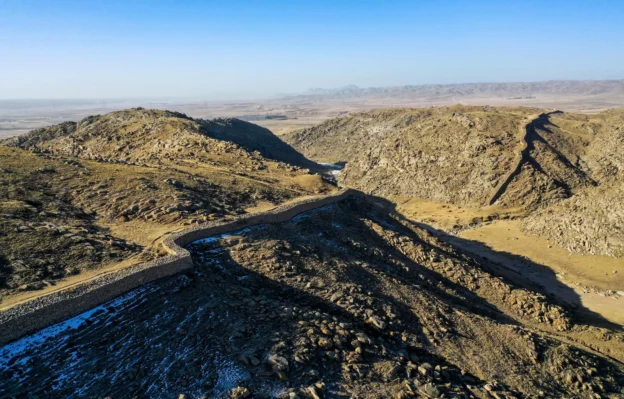
Early Great Wall remains crossing dry mountain ridges

The Great Wall of the Warring States Period

The Warring States Period made Great Wall building more systematic. Competing states such as Qin, Zhao, Yan, and others built or strengthened defensive walls for both inter-state rivalry and frontier defense. These walls were separate state projects, but they later shaped the Qin idea of linking northern defenses after unification.

Quick planning snapshot

  • Best for: Travelers and history readers tracing Great Wall origins before imperial unification.
  • Use this guide for: Understanding how rival states built regional walls before Qin connected and expanded frontier defenses.
  • Planning focus: Use the history to interpret early wall remains, museum displays, and maps that separate pre-Qin walls from later Ming sections.

Information check: this article was reviewed on May 14, 2026. Warring States walls were not one unified national wall; they were regional defensive systems built by rival states.
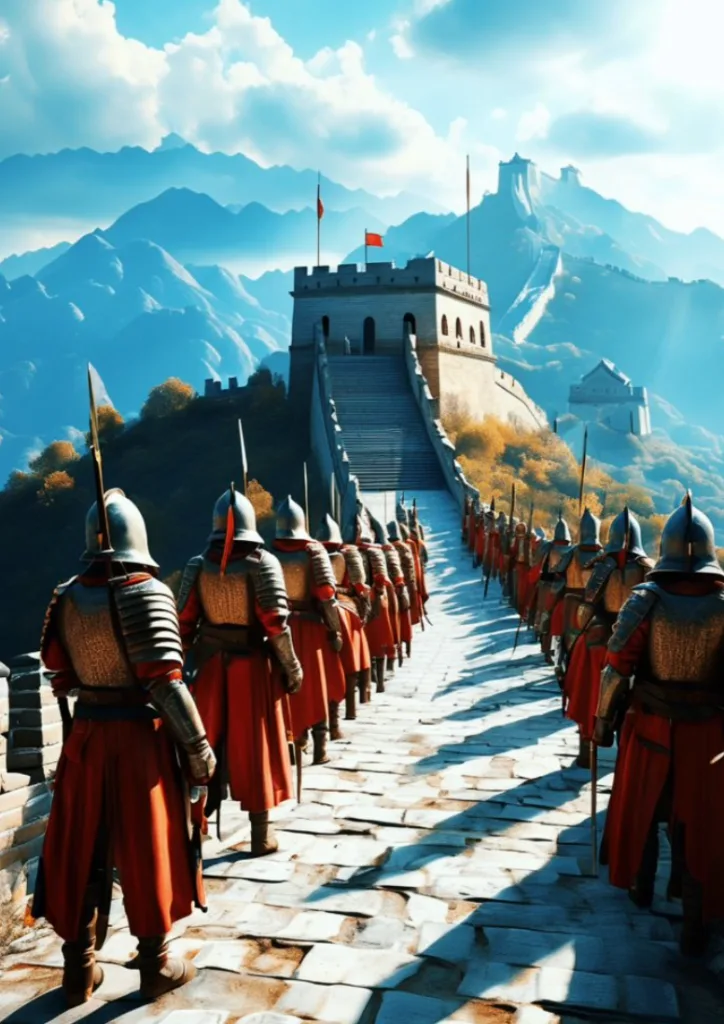
Warring States period Great Wall defense illustration
Warring States walls were separate regional defenses before Qin unification.

Quick Historical Snapshot

  • Period: roughly 475-221 BCE.
  • Main idea: state-by-state defense, not one empire-wide wall.
  • Important states: Qin, Zhao, Yan, Qi, Chu, Wei, and Han.
  • Later impact: provided wall lines and defensive logic for Qin and Han systems.

Why This Period Matters

By the Warring States period, warfare was larger, states were more organized, and frontier pressure was more serious. Walls helped control borders, slow cavalry movement, and protect key zones. The wall was already part of a larger system of passes, troops, communication, and terrain.

Visitor Context

Most tourists near Beijing do not walk Warring States wall remains. They usually see later Ming sections or restorations. Still, this period is essential for understanding why the Great Wall was never a single project by one emperor.

Continue with the Qin Dynasty Great Wall and why the Great Wall was built.

Sources Checked

Why the Warring States period changed the wall story

During the Warring States period, rival states became larger, more militarized, and more organized. Walls were no longer just small local barriers. They became part of state-level defense systems, protecting borders, passes, agricultural zones, and routes between capitals and frontier areas. This is the period that prepared the ground for Qin’s later imperial wall policy.
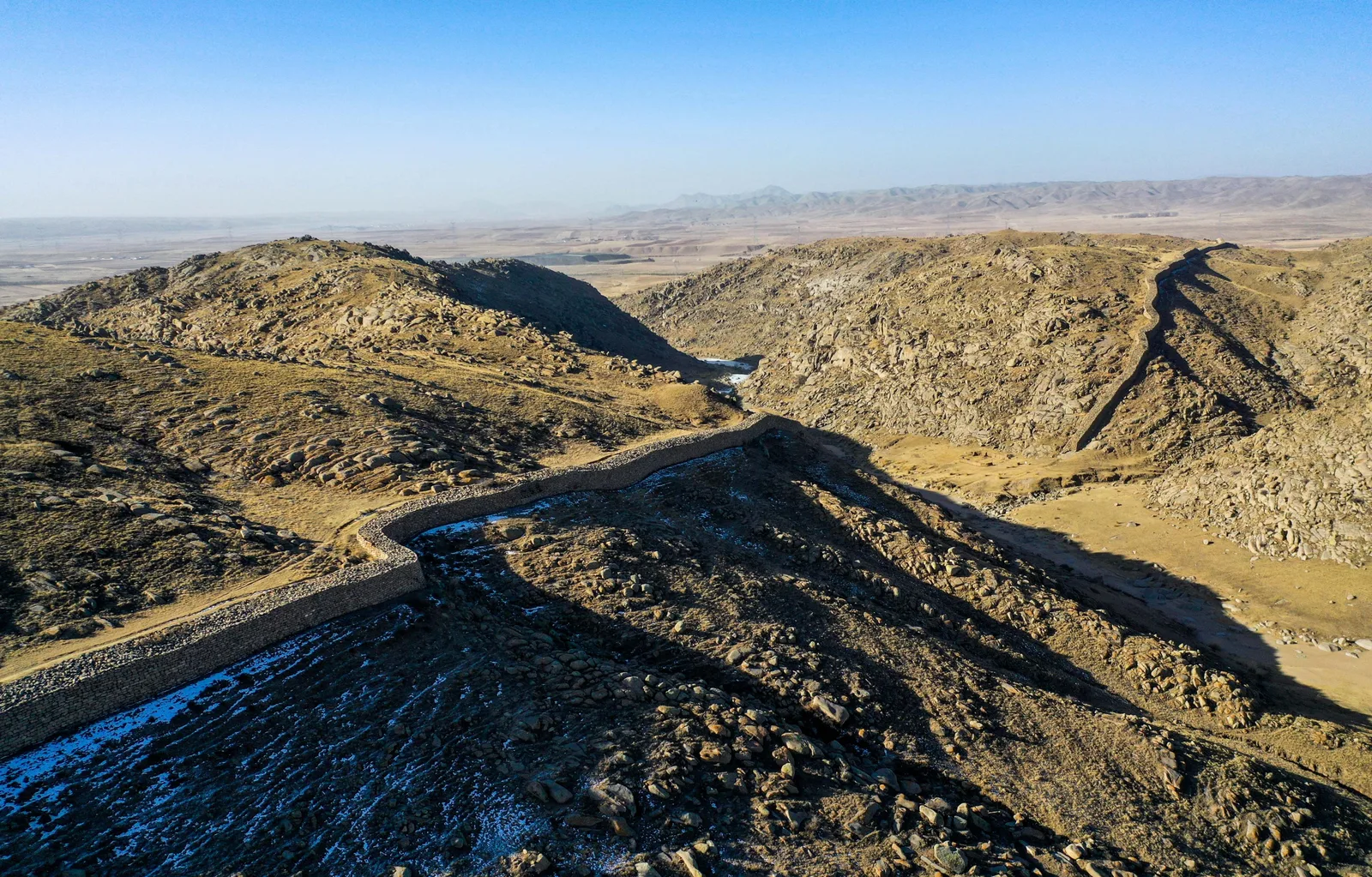
Early Great Wall remains crossing dry mountain ridges
Early wall lines often used ridges and terrain as part of the defense.
Warring States walls were separate state systems before Qin connected parts of them.

Which states built walls?

Several states are associated with early wall systems, including Qi, Chu, Yan, Zhao, Wei, and Qin. Their walls were not one coordinated project. Each state built according to its own threats and geography. Yan and Zhao were especially important for northern frontier defense, while Qi and Chu show that wall-building also happened between rival states. This is why the phrase “Great Wall” can be misleading when applied to this period; it was really a family of regional walls.

What Qin inherited

When Qin unified China in 221 BCE, it inherited a landscape already shaped by wall-building. Qin did not invent defensive walls from nothing. It removed some internal barriers between conquered states and connected or reinforced northern defenses. The Warring States period therefore explains why Qin could create a larger frontier wall system relatively quickly: the building tradition, routes, and defensive logic already existed.
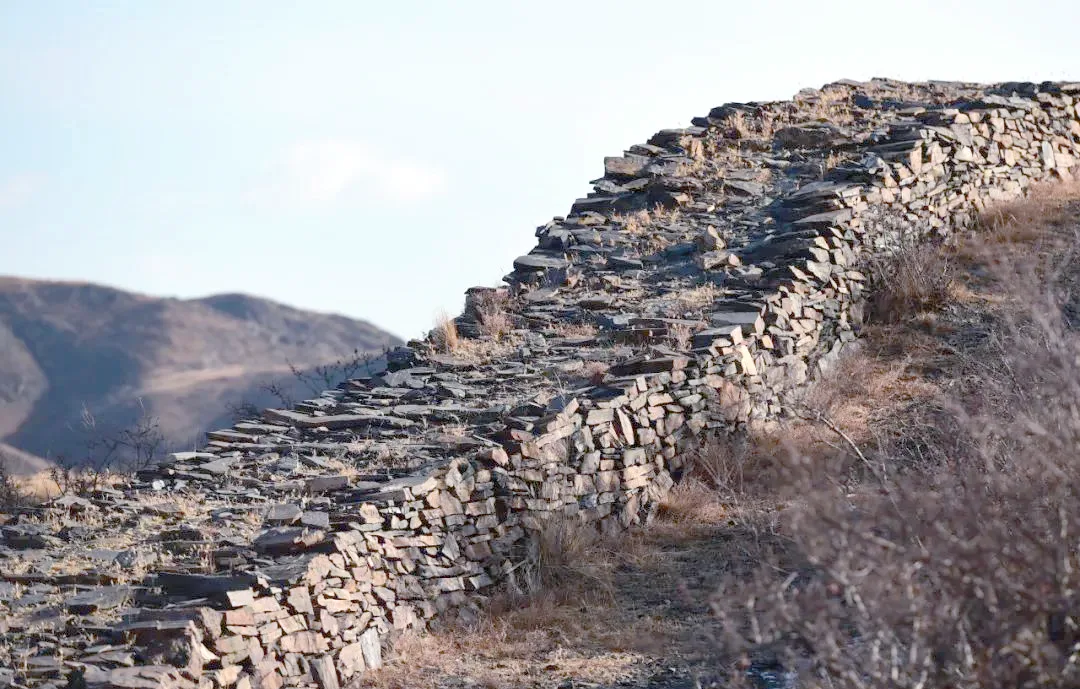
Stone remains of an early Great Wall section
Stone remains help explain how early regional walls differed from later Ming brick sections.
Qin inherited and reorganized earlier state wall traditions.

How this helps visitors understand later sections

If you visit a restored Ming section, you are seeing the late, highly visible version of a much older idea. The Warring States period explains the roots: states used walls to define controlled space, slow movement, protect strategic routes, and make frontier defense more predictable. A modern traveler does not need to memorize every state wall, but it helps to know that “the Great Wall” began as multiple regional systems.

What to avoid saying

Avoid saying “the Great Wall was built in the Warring States period” without explanation. A more accurate sentence is: “Several Warring States built their own defensive walls, and Qin later reorganized parts of this tradition after unification.” This keeps the chronology clear and avoids confusing early earthworks with the famous Ming walls near Beijing.

Sources and next reads

For context, compare Britannica’s Great Wall history, China Daily government service page on the Qi Great Wall, and UNESCO World Heritage Centre. Then continue with The Qin Dynasty Great Wall, When Was the Great Wall Built?, and Why Was the Great Wall Built?.

Why this period is the bridge to Qin

The Warring States period is the bridge between early local defenses and Qin imperial wall policy. States became stronger, armies became larger, and frontier management became more systematic. Walls were useful because they slowed movement, protected strategic corridors, and made border defense more predictable. Qin’s later wall-building was possible because this tradition already existed across multiple states.

Visitor takeaway

For travelers, the key lesson is not that every Great Wall section dates from the Warring States period. The lesson is that the Great Wall was originally a collection of separate regional defenses. When you visit a Ming section near Beijing, you are seeing a later, more visible stage of a much older military idea.

How this page should support the site

This article should help readers move from early origins to the Qin and Ming pages. Its role is to explain the transition from separate state walls to an empire that could reorganize northern defense at scale. For SEO and user experience, it should not compete with the Qin article; it should prepare the reader to understand why Qin inherited a wall-building tradition rather than creating it from nothing.

For readers comparing dynasties, this page should be treated as the pre-Qin bridge: it explains the separate state walls that made later imperial consolidation possible.

This framing also helps avoid duplicate content: the article focuses on separate state defenses, while the Qin page focuses on imperial reorganization after unification.
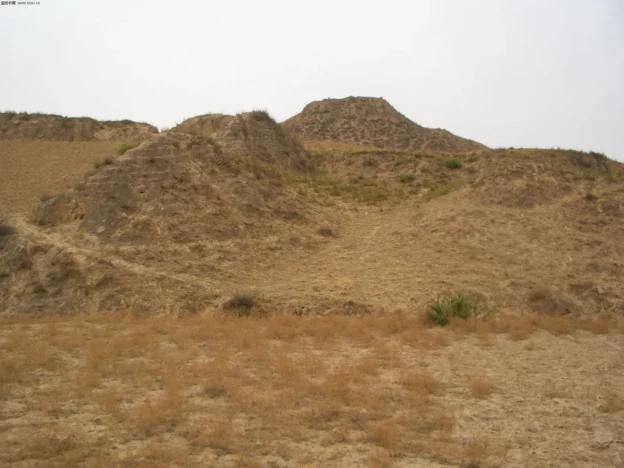
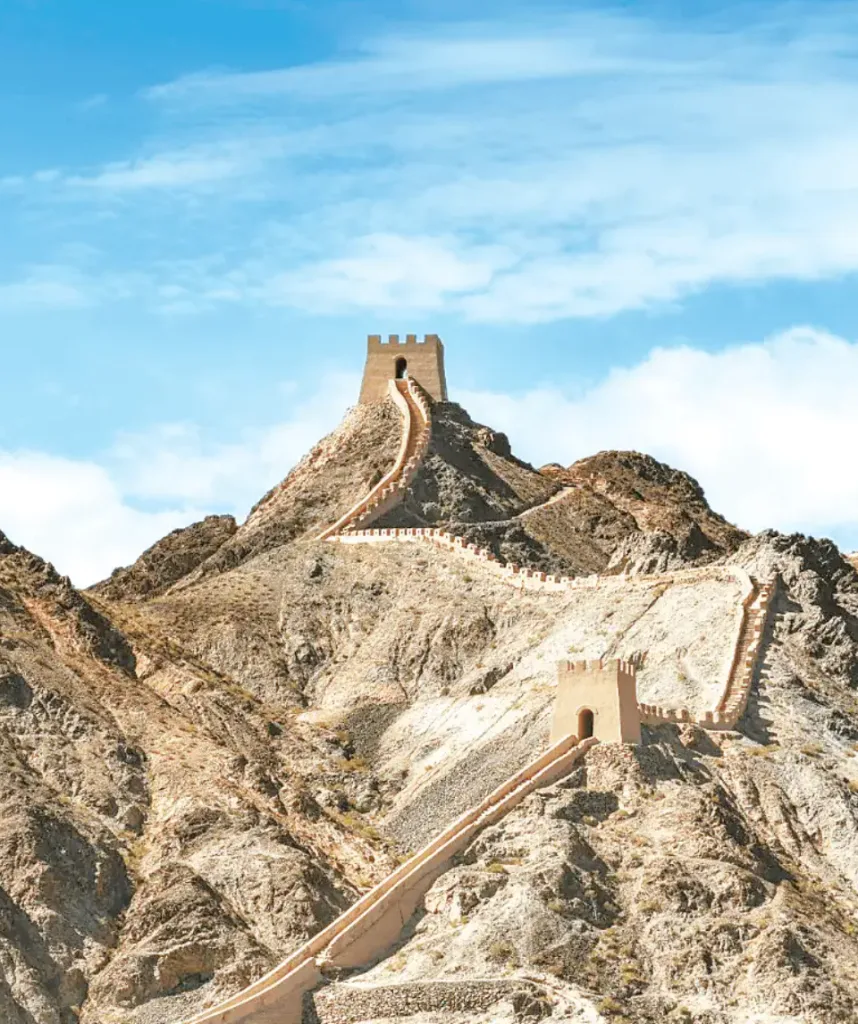
Earth wall remains from an early Great Wall period

The Great Wall in the Spring and Autumn Period

The Spring and Autumn Period is part of the earliest background of the Great Wall story, but it did not produce the famous continuous brick wall tourists imagine today. Early states built local defensive walls, earthworks, and border barriers to protect territory and control movement during a time of weakening Zhou authority and rising regional competition.

Quick planning snapshot

  • Best for: Readers who want the earliest background before the Qin and Ming stories.
  • Use this guide for: Understanding why early regional walls appeared before a unified Great Wall system.
  • Planning focus: Treat this as historical context rather than a route guide for modern Beijing day trips.

Information check: this article was reviewed on May 14, 2026. Early Great Wall history is complex because later dynasties reused, linked, replaced, or erased older walls.

Illustration of early Great Wall defenses in the Spring and Autumn period
Early walls were regional defenses before the later idea of a unified Great Wall system.

Quick Historical Snapshot

  • Period: roughly 770-476 BCE.
  • Main builders: regional states, not a unified empire.
  • Material style: earth, trenches, local stone, and simple fortifications.
  • Travel connection: these origins are mostly historical context, not the restored wall visitors walk near Beijing.

Why Early States Built Walls

States built walls to protect borders, farms, passes, and strategic routes. These early works were practical local defenses rather than a national monument. They helped create the defensive logic that later states and dynasties expanded.

How It Connects to Later Walls

The Spring and Autumn background matters because it shows that the Great Wall grew from many regional walls. The Qin and later dynasties did not invent frontier walls from nothing; they inherited and transformed older defensive habits.

For the broader sequence, read the earliest Great Wall, Warring States walls, and who built the Great Wall.

Sources Checked

Why this period matters

The Spring and Autumn period matters because it shows the Great Wall before it became an imperial symbol. China was not unified, and defensive walls were local political tools. States used walls to protect borders, control approaches to important regions, and signal military strength. This makes the period important for understanding the wall as a process: the idea began with practical state defense, not with one national project.

Early Chinese state wall construction during the Spring and Autumn period
Early walls were regional defenses built before China was unified.

What did these early walls defend against?

The enemies were not always the same as in later Great Wall stories. Some early walls defended against neighboring Chinese states; others protected frontier routes or strategic terrain. The Qi wall in Shandong is often discussed as one of the oldest Great Wall-related systems. The China Daily government service page on the Qi Great Wall describes the Qi Great Wall in the context of Spring and Autumn and Warring States history, while Britannica’s Spring and Autumn overview explains the wider political fragmentation of the period.

How these walls differed from the wall near Beijing

A visitor who has seen Mutianyu or Badaling should not imagine that Spring and Autumn walls looked the same. Early walls often used packed earth, local stone, ridges, riverbanks, and existing terrain. They were usually lower, rougher, and more regional than later Ming walls. Many are archaeological or landscape remains rather than restored visitor attractions. This is why a Beijing-based trip usually shows a much later chapter of Great Wall history.

Regional early Great Wall defense illustration before imperial unification
The first wall systems were not one continuous monument.

How to connect it to travel planning

For most foreign travelers, the Spring and Autumn period is context rather than a route. If your first Great Wall trip is from Beijing, start with Mutianyu or compare sections in Great Wall sections near Beijing. Then use this early-history page to understand why later dynasties kept reusing the same frontier logic: defend terrain, control movement, and organize political borders.

What to remember

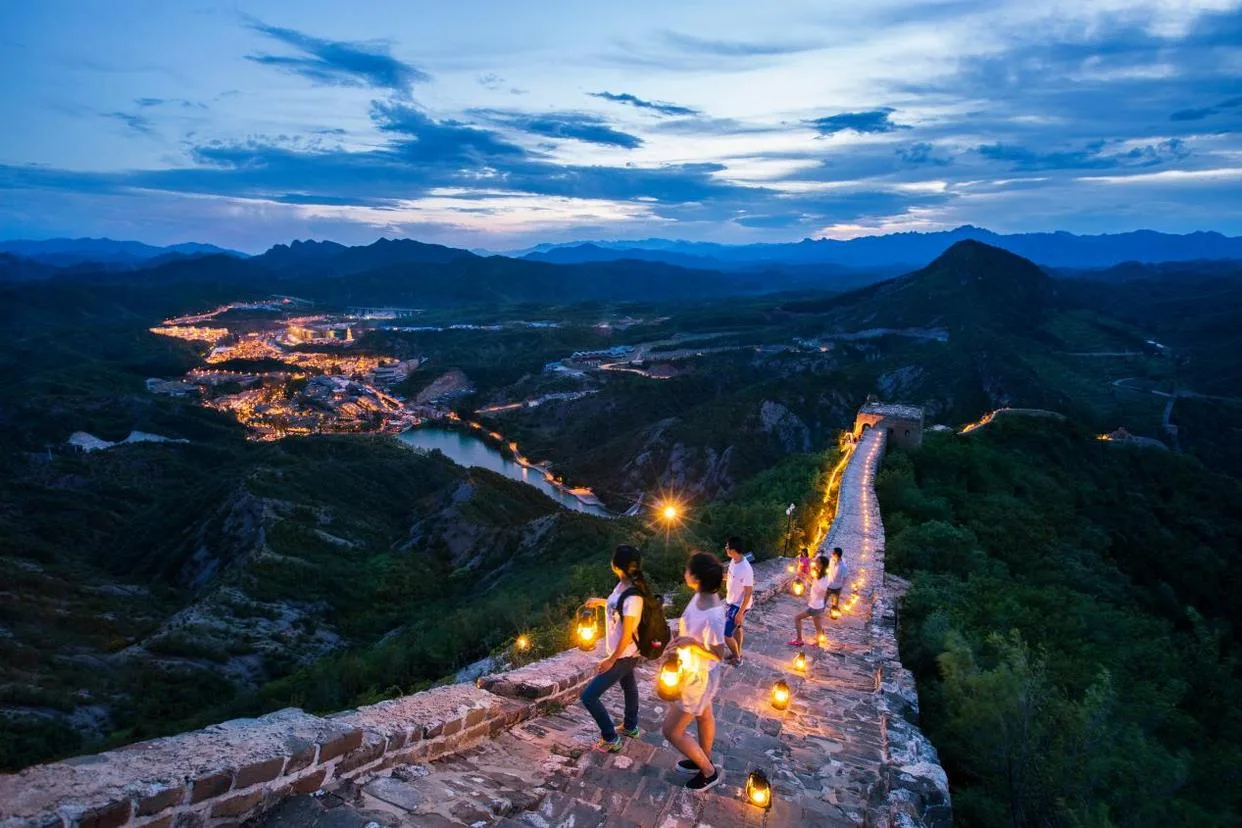
The Spring and Autumn walls were not the tourist Great Wall, but they are part of the origin story. They prove that wall-building was already a known strategy before Qin unification. Qin later connected and reorganized earlier defensive traditions, Han expanded frontier systems westward, and Ming built many of the famous brick-and-stone sections that travelers see today.
Sources and next reads

For further context, compare China Daily government service page on the Qi Great Wall, Britannica’s Spring and Autumn overview, and Britannica’s Great Wall history. Then read The Earliest Great Wall, The Origin of the Great Wall, and The Qin Dynasty Great Wall.

How to explain this period in one paragraph

The Spring and Autumn period should be explained as the beginning of wall-building logic rather than the beginning of the famous tourist wall. States were competing for security, resources, and territory, so walls helped them define controlled space and protect vulnerable routes. These early works were local and practical. They became historically important because later states and dynasties reused the same basic idea on a larger scale.

Visitor takeaway

If you are writing notes after a Great Wall visit, do not describe a restored Ming section as a Spring and Autumn wall. Instead, say that the wall-building tradition began much earlier, while the scenic brick sections near Beijing belong mainly to the later Ming story. This keeps the history accurate and makes the visitor experience easier to understand.

How this page should support the site

This article should support broader history and route-choice pages, not replace them. Its job is to explain why wall-building began before Qin and why early walls were regional. Readers who came from a Mutianyu or Badaling guide should leave with one clear idea: the scenic wall they plan to visit is a later chapter in a much older defense tradition. That makes the site’s history cluster more useful and prevents shallow repeated explanations across different pages.

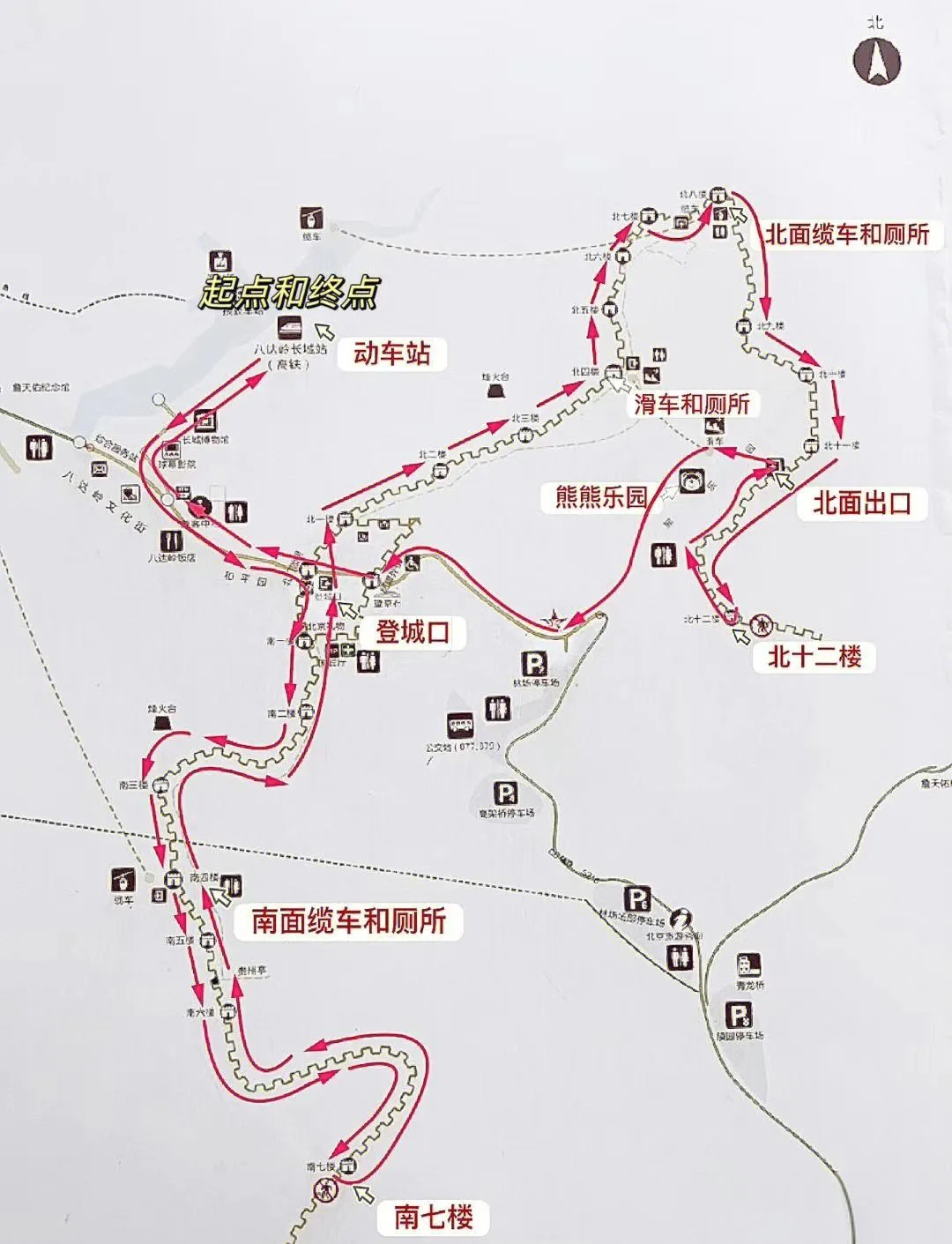
Badaling Great Wall route diagram for visitors

Great Wall Sections Near Beijing: How to Choose

Choosing the right Great Wall section near Beijing is more important than choosing the most famous name. For most inbound first-time visitors, Mutianyu is the default recommendation: it is scenic, restored, less intense than Badaling, and practical from Beijing. Badaling is easier by public transport but more crowded. Jinshanling is better for hikers and photographers. Simatai is strongest when paired with Gubei Water Town or a night/overnight plan.

Quick planning snapshot

  • Best for: Visitors choosing a Great Wall section within practical reach of Beijing.
  • Use this guide for: Comparing restored, wild, family-friendly, hiking-focused, and photography-friendly routes.
  • Planning focus: Match your section to time, fitness, transport, season, and whether this is your first Great Wall visit.
  • Mutianyu vs Simatai Great Wall for daytime first-visit planning versus night Wall and Gubei Water Town planning.
  • Badaling vs Juyongguan Great Wall for visitors choosing between a classic landmark and a compact pass experience.

Information check: this guide was reviewed on May 14, 2026. Transport, ticketing, cable-car operations, night access, and holiday crowd-control rules can change. Check official section channels before final booking.

Badaling Great Wall route diagram for visitors
Diagram-style maps are useful for comparing entrances, loops, and walking direction.

Quick Decision Snapshot

If You Want…ChooseWhy
Best first visit for foreign travelersMutianyuScenic, restored, manageable crowds, good facilities
Most famous and easiest public transportBadalingStrong infrastructure, train/bus options, but crowded
Hiking and photographyJinshanlingLonger ridge views and a more open mountain feel
Night wall or overnight resort planSimataiWorks with Gubei Water Town and slower travel
Wild-wall challengeJiankou/Gubeikou routesOnly for experienced hikers with current route checks

Mutianyu: Best Default for Foreign First-Time Visitors

Mutianyu is the section I would recommend first for most foreign visitors. It has a strong balance: good scenery, restored walking, cable-car options, visitor facilities, and a calmer feel than Badaling on many normal days. It is not empty, and holidays can still be busy, but it is usually easier to enjoy at a human pace.

Start with the Mutianyu visitor guide, then check how to get to Mutianyu from Beijing and Mutianyu opening-hour checks.

Detailed Great Wall scenic route map board
Route maps help compare restored visitor sections, but each Great Wall area has its own layout and access rules.

Badaling: Famous, Convenient, and Crowd-Sensitive

Badaling is the most famous section and the easiest to justify when public transport is the priority. It is a good choice for travelers who want strong infrastructure, simple access, and a very recognizable Great Wall experience. The trade-off is crowd pressure, especially with Chinese tour groups, holidays, and peak weekends.

Use the Badaling transport guide and Badaling cable-car/pulley notes if you choose this section.

Jinshanling: Best for Hikers and Photographers

Jinshanling is farther from Beijing but more rewarding for travelers who want mountain views, longer walking, and a less packaged feel. It is not the easiest first Great Wall section, but it is one of the strongest choices for active visitors who care about photography and atmosphere.

Plan carefully with the Jinshanling transport guide. If you want a bigger hike, compare with Gubeikou-Jinshanling.

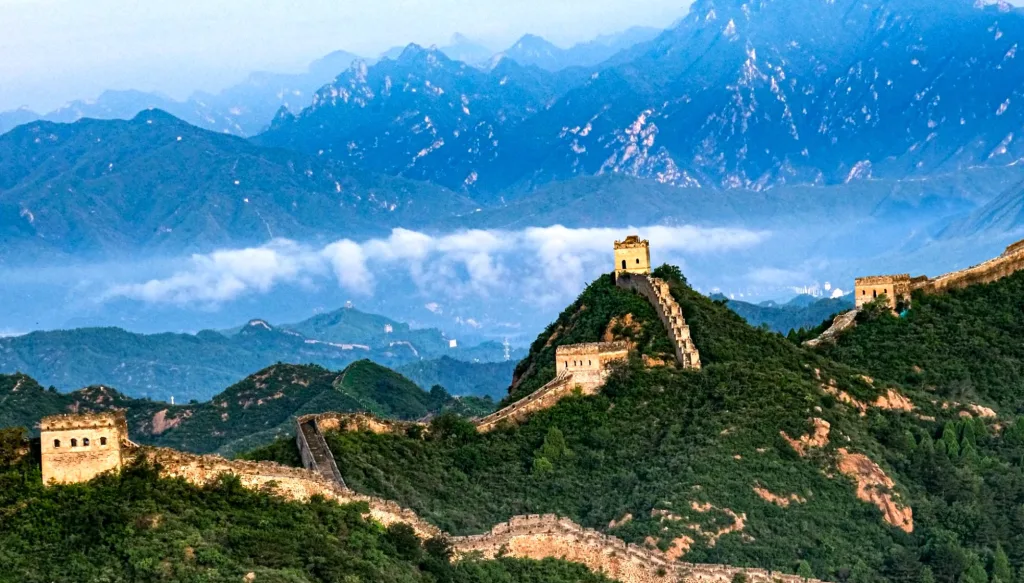
Jinshanling Great Wall route map and mountain setting
Jinshanling is better for hikers and photographers than for a rushed first visit.

Simatai and Gubei Water Town: Best for Night or Overnight Plans

Simatai is not usually the easiest section for a quick day trip. Its strength is the combination with Gubei Water Town, night views, and a slower plan. If you want a special evening or overnight experience, it can be memorable. If you want a simple first Great Wall visit, Mutianyu is usually safer.

Use the Simatai transport guide and confirm current night-wall and Gubei Water Town access before booking.

Sections to Avoid for a Casual First Visit

Jiankou, Wohushan, Dongjiakou, and other wild-wall routes can be beautiful but are not casual sightseeing choices. They may involve loose stone, unclear paths, restricted areas, and limited rescue options. Choose them only if you are an experienced hiker and have current local route information.

Sources Checked

One-day planning logic from Beijing

If you are staying in central Beijing and have only one Great Wall day, keep the plan simple. Choose one main section, leave early enough to avoid the worst crowd and traffic window, and do not combine too many distant attractions. Mutianyu is usually the best fit for a balanced first visit. Badaling can be efficient if public transport is the deciding factor. Jinshanling is better when the day is built around hiking and photography rather than squeezing in multiple city stops.

Private transfers, official shuttles, trains, and buses all have trade-offs. The right choice depends on hotel location, group size, budget, and how much uncertainty you are willing to accept. Whatever you choose, plan the return before you leave. A Great Wall day feels much easier when the way back to Beijing is already clear.

How the sections feel different on the ground

Mutianyu feels like a scenic, well-managed restored wall visit. It has enough facilities for first-timers but still gives mountain views and a strong Great Wall atmosphere. Badaling feels more monumental and famous, with heavier infrastructure and heavier crowd risk. Jinshanling feels more open and hike-oriented, with longer ridges and more space for photography when conditions are good.

Simatai and Gubei Water Town are different again. They work best for people who want a slower overnight plan, night scenery, or a resort-style add-on. They are not the most efficient answer for a simple first Great Wall day from Beijing. Jiankou and other wild-wall routes should be treated as specialist hikes, not as normal sightseeing options.

Quick recommendations by visitor profile

  • First-time foreign visitor: choose Mutianyu unless you have a specific reason not to.
  • Very short Beijing stopover: Badaling may be easier if transport timing works.
  • Photographer or active walker: choose Jinshanling, with weather and return logistics checked.
  • Family with children: Mutianyu or Badaling, depending on transport and crowd tolerance.
  • History and endpoint interest: add Shanhaiguan/Laolongtou on a longer northern route.
  • Night scenery: consider Simatai only after checking current official access rules.

How this page connects to the rest of the site

After choosing a section, move from comparison to practical planning. Use the Beijing transport overview for logistics, the packing guide for day-trip preparation, and the best-time guide for seasonal expectations. If you are still undecided, compare this page with the recommended-sections guide, which covers more routes beyond the immediate Beijing first-visit decision.

Bottom line

Near Beijing, the main decision is not “which section is best?” but “which section is best for this traveler on this date?” Mutianyu is the best default for many inbound visitors, Badaling is the convenience and fame choice, Jinshanling is the stronger hiking choice, and Simatai is a special overnight/night-route option. Choose by visitor profile, season, and transport, then verify current official rules before booking.

Related Great Wall section comparison

If you are deciding between a polished restored-wall visit and a quieter lakeside route, see Mutianyu Great Wall or Huanghuacheng Lakeside Great Wall.

n

Related family planning guide

For families comparing Mutianyu with a closer pass-style section, see Mutianyu Great Wall or Juyongguan Great Wall with Kids.

Related Great Wall comparison

For a safety-focused comparison of restored Mutianyu and wild Jiankou, see Mutianyu Great Wall or Jiankou Great Wall.

Related Great Wall comparison

For a classic daytime section versus a Simatai night-trip comparison, see Badaling Great Wall or Simatai Great Wall.

Related Great Wall comparison

For travelers comparing a wall-first hiking day with a Simatai/Gubei evening plan, see Jinshanling Great Wall or Simatai Great Wall.

Related Great Wall comparison

For travelers choosing between a lake-view Great Wall trip and a Simatai/Gubei evening plan, see Huanghuacheng Water Great Wall or Simatai Great Wall.

Great Wall ridges in changing seasonal weather

Best Season to Visit the Great Wall: Spring, Summer, Autumn, or Winter?

The best time to visit the Great Wall near Beijing is usually spring or autumn, especially April to May and mid-September to late October. These months often give the best balance of walking comfort, mountain scenery, and visibility. For most foreign first-time visitors, the best section in these seasons is usually Mutianyu, while Jinshanling is stronger for hikers and photographers and Badaling is better for travelers who prioritize fame and infrastructure.

Information check: this seasonal guide was reviewed on May 13, 2026. Weather, holiday dates, scenic-area rules, ticketing, cable-car operations, and crowd-control policies can change. Use this page for planning logic, then check official channels and weather forecasts before your actual visit.

Quick Planning Snapshot

  • Best overall months: April, May, September, and October outside major holiday peaks.
  • Best first-visit section: Mutianyu for most English-speaking visitors.
  • Best hiking season: spring and autumn, with Jinshanling and Gubeikou-Jinshanling as stronger hiking choices.
  • Worst crowd windows: Chinese public holidays, especially Labor Day and National Day periods.
  • Biggest weather risks: summer heat/rain, winter wind/ice, and sudden mountain weather changes.

Best Overall: Spring and Autumn

Spring and autumn are the easiest seasons to recommend because the wall is more comfortable to walk than in midsummer or deep winter. Spring brings green hills, blossoms in some areas, and warmer weather after the dry cold months. Autumn often brings clearer air, cooler walking conditions, and strong color in the mountains north of Beijing.

For inbound travelers, the season alone is not enough. You still need to choose the right section. Mutianyu is usually the best first-visit section in both spring and autumn. Badaling can be convenient but crowd-sensitive. Jinshanling is better if your priority is photography or hiking rather than simple logistics.

May: Green Hills and Strong First-Visit Conditions

May is one of the best months for a Great Wall trip if you avoid the Labor Day holiday rush. The hills around Mutianyu and other Beijing-area sections are usually green, temperatures are warmer than early spring, and the heavy summer humidity has not fully arrived. For most foreign first-time visitors, May and Mutianyu are a very strong combination.

The caution is timing. The May Day/Labor Day holiday can bring heavy domestic travel demand. If your dates are flexible, avoid the holiday window and go on a weekday. For detailed month-specific advice, use the Mutianyu and Great Wall in May guide.

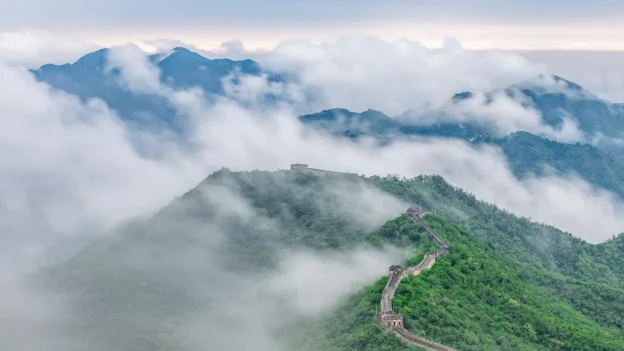
Green Mutianyu Great Wall ridge in May near Beijing
Spring and early summer can bring green ridges and more comfortable walking conditions at Mutianyu.

October: Beautiful but Holiday-Sensitive

October can be one of the most beautiful months at the Great Wall, especially later in the month when autumn color becomes stronger. Cooler air and clearer views can make Mutianyu, Jinshanling, and other mountain sections feel more dramatic than summer. The problem is the National Day holiday period, when famous attractions around Beijing can become extremely busy.

If you are visiting in October, avoid the main holiday rush when possible. For first-time visitors, Mutianyu remains a strong choice outside peak dates. For photographers, Jinshanling can be worth the longer transfer if weather and timing are favorable.

Huangyaguan Great Wall with autumn colors in October
October can bring autumn color and clearer air, but holiday crowds and weather still need checking before travel.

Summer: Green but Hot, Humid, and Storm-Prone

Summer gives green mountain scenery, but it can be hot, humid, and tiring on exposed stone steps. Rain and thunderstorms can also affect visibility and safety. If you visit in June, July, or August, start early, carry water, use sun protection, and avoid exposed or wild-wall routes in unstable weather.

Mutianyu is still a better summer choice than many rugged sections because uphill/downhill options can reduce fatigue. Jinshanling and wild routes require more caution in heat, rain, and lightning risk. Badaling may feel especially crowded during school-holiday periods.

Winter: Quiet, Stark, and Cold

Winter can be beautiful if you want quiet views, sharp mountain air, and fewer visitors. It is also the least forgiving season. Wind, cold, icy steps, shorter daylight, and reduced comfort can make the wall harder than expected. Winter is better for travelers who are comfortable outdoors and realistic about shorter walking plans.

For most first-time visitors, Mutianyu or Badaling is more sensible in winter than remote hiking routes. Cable-car or shuttle operations can be affected by weather, so check current notices before leaving Beijing. December can work well for quieter trips if you dress properly; January and February need stronger cold-weather caution.

Winter Great Wall scenery with cold mountain conditions
Winter is quieter but colder, windier, and less forgiving than spring or autumn.

Best Time by Great Wall Section

Mutianyu: best in April, May, September, and October outside major holidays. It is the safest year-round default for many foreign visitors because the route can be adjusted with cable-car and chairlift options.

Badaling: workable year-round, but crowd timing matters more than season. Go early and avoid Chinese holidays when possible.

Jinshanling: strongest in spring and autumn for hikers and photographers. Avoid extreme heat, storms, and icy winter conditions unless well prepared.

Simatai and Gubei Water Town: better when you want an overnight or evening experience, not just a fast Beijing day trip.

Months and Guides to Build Around

This site is building month-specific Great Wall guides because the best advice changes by weather, holidays, and section choice. The May guide is already available, and additional month guides should be treated as draft-quality until they are fully reviewed with current sources, images, and section-specific recommendations.

As a rule, monthly Great Wall content should not simply say “the Great Wall is beautiful.” It should explain whether Mutianyu, Badaling, Jinshanling, or another specific section is the better choice for that month.

Before-You-Go Checklist

  • Check the weather forecast for both Beijing and the mountain section you plan to visit.
  • Check Chinese public holidays before booking a Great Wall day.
  • Confirm current scenic-area notices, ticketing rules, and cable-car or shuttle operations.
  • Choose Mutianyu first if this is your only Great Wall day and you want a balanced first visit.
  • Choose Jinshanling only if you have time, fitness, and a full-day plan.
  • Use the Beijing to Great Wall transport guide after choosing your season and section.

Practical Verdict

The best time to visit the Great Wall is spring or autumn, with May and October often standing out when you avoid major holiday crowds. For most foreign first-time visitors, Mutianyu is the best section in these seasons. Choose Jinshanling for hiking and photography, Badaling for fame and infrastructure, and Simatai for overnight or night-view plans.

Sources Checked

Compare Every Month

Still choosing travel dates? Use the month-by-month Great Wall guide to compare weather, crowds, scenery, and section choice from January through December.

\n

Choose a season first, then use the month guide

This page compares spring, summer, autumn, and winter. Once you know your likely travel month, continue to the Great Wall month-by-month guide for month-specific weather, crowds, and section advice. That separation keeps this page focused on the larger seasonal decision and avoids competing with the January-to-December planning hub.

Juyongguan Great Wall and pass gate in the mountains

How to Get to Juyongguan Pass from Beijing Downtown

Juyongguan Pass is closer to central Beijing than many Great Wall sections, but it is not always the best first choice for foreign visitors. It is a historic pass with fortress-like scenery and steep wall climbs, rather than a long scenic ridge experience like Mutianyu or Jinshanling. Choose it if you want a shorter Great Wall outing, pass architecture, or a route that can be combined with northwest Beijing logistics.

Information check: this transport guide was reviewed on May 14, 2026. Bus routes, stops, scenic-area hours, and road conditions can change. Check current Beijing transport information and Juyongguan notices before departure.

Juyongguan Pass Great Wall gate tower and surrounding mountains
Juyongguan is a historic pass with steep wall sections, not simply an easy short walk.

Quick Planning Snapshot

  • Best for: travelers who want a closer Great Wall pass and do not need the classic Mutianyu experience.
  • Not best for: visitors seeking the easiest international first-visit route.
  • Transport style: private car is easiest; public transport requires careful current-route checking.
  • Walking style: short but steep; do not underestimate the stairs.
  • Compare first: use which Great Wall section to choose if this is your first visit.
  • Badaling vs Juyongguan Great Wall if you are still deciding whether Juyongguan is enough for your first Wall visit.

Option 1: Private Car or Driver

A private car is the simplest way to visit Juyongguan from central Beijing. It reduces transfers, helps if you travel with children or seniors, and makes the return easier. The drive can be efficient outside peak traffic, but northwest Beijing roads can slow down during weekends, holidays, and commute periods.

This option is especially sensible if Juyongguan is part of a wider plan, such as a short Great Wall stop before or after other northwest Beijing destinations. Confirm the pickup point and whether your driver waits at the same entrance where you exit.

Option 2: Public Transport

Public transport can work, but it is less straightforward than taking the train to Badaling or a dedicated route to Mutianyu. Bus numbers, boarding locations, and final stops can change, and some route information online becomes outdated. If you choose this route, verify it in a current map or transport app on the morning of travel.

Save the Chinese name 居庸关长城 on your phone and confirm with station staff or the driver before boarding. Do not build the day around a single old blog schedule.

How Much Time to Allow

Juyongguan can be shorter than Mutianyu or Jinshanling, but the wall can be steep. Plan enough time for ticketing, walking, photos, rest stops, and the return. If you have limited mobility, read the Great Wall accessibility guide before choosing Juyongguan, because shorter does not always mean easier.

Before-You-Go Checklist

  • Check current bus or car route before departure.
  • Use shoes with grip; the pass can be steep.
  • Bring water, sun protection, and a wind layer.
  • Avoid rushing the route in heat, rain, snow, or icy conditions.
  • Compare with the Beijing to Great Wall transport guide before finalizing your section.

Sources Checked

  • Visit Beijing English portal for Beijing destination-planning context.
  • TravelChinaGuide Juyongguan guide for route and visitor-planning cross-checking.
  • China Highlights Juyongguan overview for transport and section context.

Final transport checks before choosing Juyongguan

Juyongguan is close to Beijing and historically important as a pass, but it is not the same kind of scenic ridgeline experience as Mutianyu or Jinshanling. It can be a good choice for travelers who want pass history, shorter travel time, and a more compact visit.

Juyongguan-style Great Wall pass scenery near Beijing
Juyongguan is useful for pass history and a shorter Beijing-side visit.

Who should choose this route?

Choose Juyongguan if you want a closer, pass-focused Great Wall visit and do not need the most famous photo route. Avoid it if you want the classic long mountain-ridge feel or a first-visit recommendation for most foreign travelers; Mutianyu is usually stronger for that.

Great Wall watchtower and walking route near Beijing

Backup planning

Save 居庸关长城, confirm your route from central Beijing, and check current visitor access before leaving. A closer section can still become inefficient if you choose the wrong transfer or travel during heavy traffic.

For current transport, ticket, opening, and seasonal rules, check official scenic-area channels, local government notices, or transport operators before visiting. Commercial tour-company pages are not used as public sources.

Juyongguan as a pass visit

Juyongguan is best understood as a pass and fortress-style Great Wall visit. It is closer to Beijing than some famous hiking sections, but the experience is more compact. The route can involve steep steps, so “close” does not always mean “easy.” Visitors should still consider physical effort, weather, and how much time they want on the wall.

Juyongguan versus Badaling

Badaling is more famous and heavily developed, while Juyongguan gives stronger pass-history context. If you want the most iconic name and infrastructure, Badaling may make more sense. If you want a closer historical pass and a shorter visit, Juyongguan can be useful. For many foreign first-time visitors, Mutianyu still offers the best balance of scenery and experience.

What to confirm before leaving

Confirm the exact route from your hotel, current access, and return timing. Save 居庸关长城 in Chinese. Because Juyongguan is close enough to feel simple, it is easy to underestimate traffic or transfer friction.

For final planning, Juyongguan is strongest when visitors want a closer pass-focused route. It should be described honestly as compact and historical, not as a direct replacement for every scenic mountain-wall experience.

If your goal is a classic scenic first visit, compare Juyongguan with Mutianyu before deciding.

Travel note

For Juyongguan, confirm the return plan before leaving Beijing. The pass is closer than many distant sections, but traffic, weather, and holiday crowd control can still change the timing. Keep this route as a focused half-day or day-trip plan rather than mixing too many stops.

n

Related family planning guide

For families comparing Mutianyu with a closer pass-style section, see Mutianyu Great Wall or Juyongguan Great Wall with Kids.

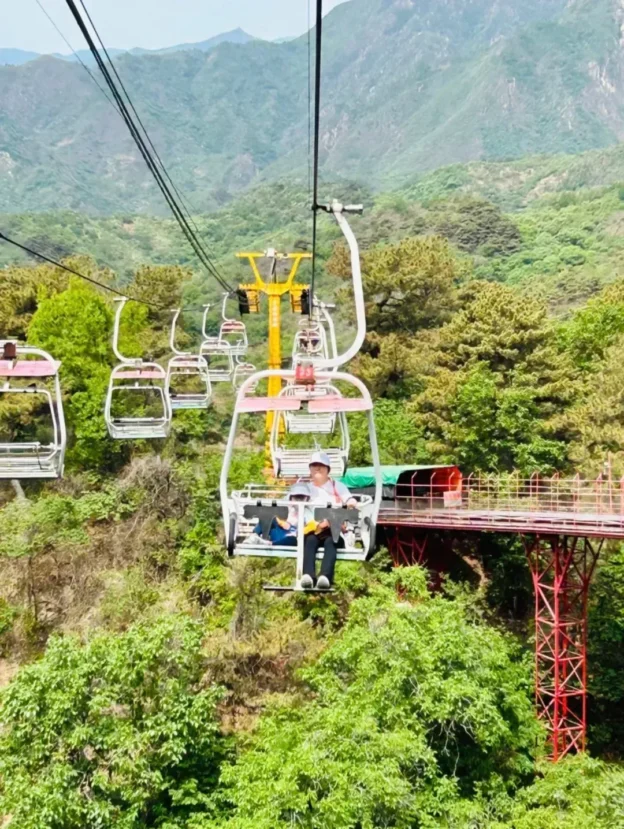
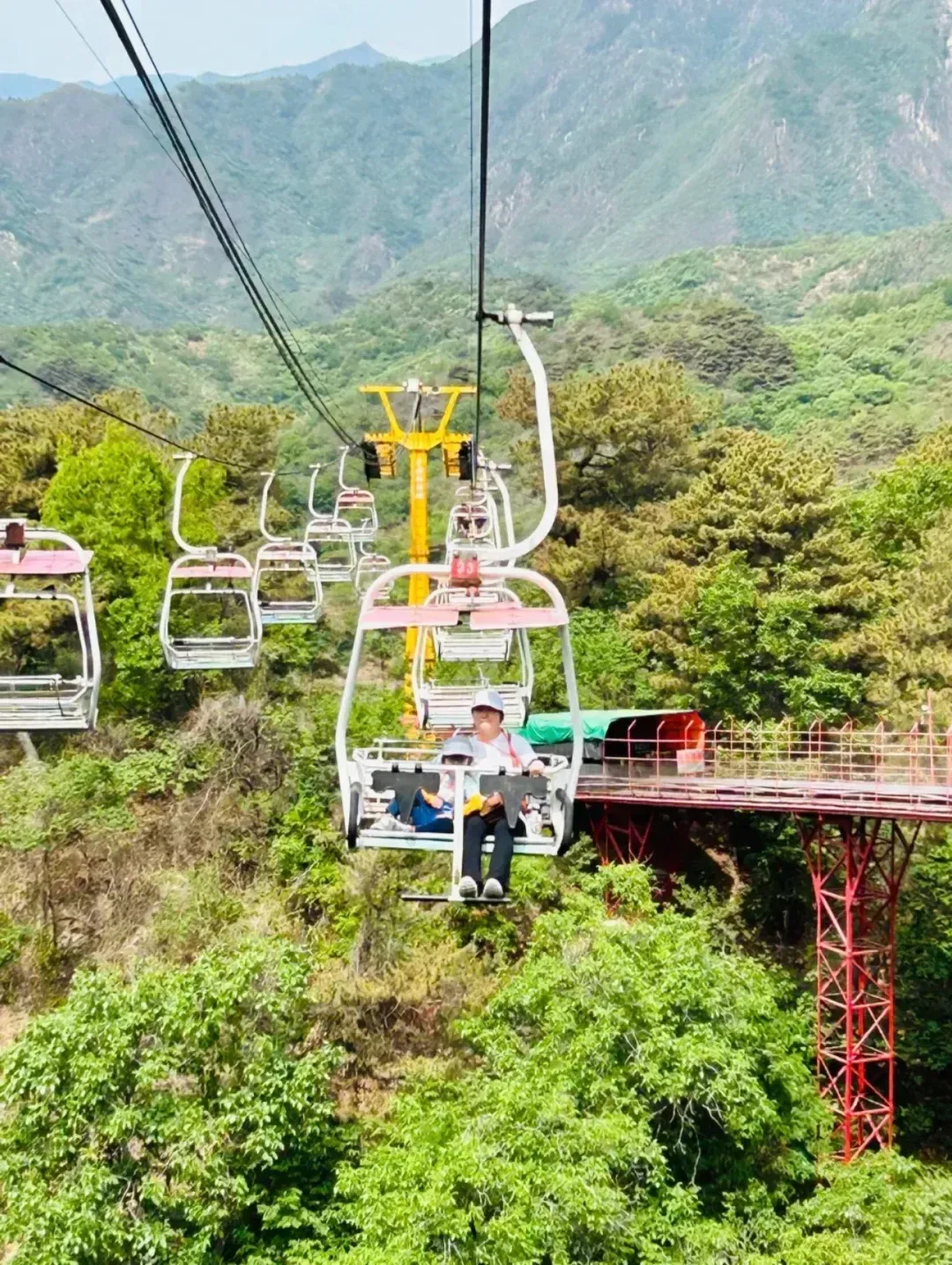
Open chairlift chairs above the Mutianyu Great Wall forest

Mutianyu Great Wall Opening Hours 2026: Tickets, Best Time, and Transport

Mutianyu Great Wall is usually the best first Great Wall choice for foreign visitors who want strong scenery, easier logistics, and fewer crowds than Badaling. Opening hours matter because the wall is outside central Beijing, and cable-car, shuttle, ticket, and last-entry rules can change by season. Treat any fixed time you see online as something to verify before departure.

Information check: this guide was reviewed on May 14, 2026. Mutianyu opening hours, ticketing windows, shuttle operations, cable-car schedules, and holiday crowd-control rules can change. Check the official Mutianyu channel before visiting.

2026 Quick Answer: Mutianyu Opening Hours

For 2026 planning, treat Mutianyu opening hours as something to confirm before leaving Beijing, not as a fixed number copied from an old timetable. The safest plan is to arrive in the morning, leave buffer for tickets, shuttle transfer, and uphill transport, and verify whether the cable car, chairlift, or toboggan has separate operating limits on the day you visit.

Search questionPractical answer
What time does Mutianyu open?Check the current official notice before departure, then plan a morning arrival rather than a late-afternoon visit.
Are tickets and cable cars on the same schedule?Not always. Ticketing, shuttle buses, cable cars, chairlift, and toboggan operations can have different cut-off times.
Is Mutianyu better than Badaling for crowds?Usually for many foreign independent visitors, but holidays and peak autumn weekends still need extra buffer.
What should I check in 2026?Opening hours, last entry, ticket rules, uphill/downhill transport, weather pauses, and return transport to Beijing.

Before choosing a section, compare Badaling vs. Mutianyu. For the travel day itself, use the Beijing to Mutianyu transport guide and the broader Beijing to Great Wall transport hub.

Official references worth checking include the Beijing official Mutianyu attraction page and current scenic-area notices.

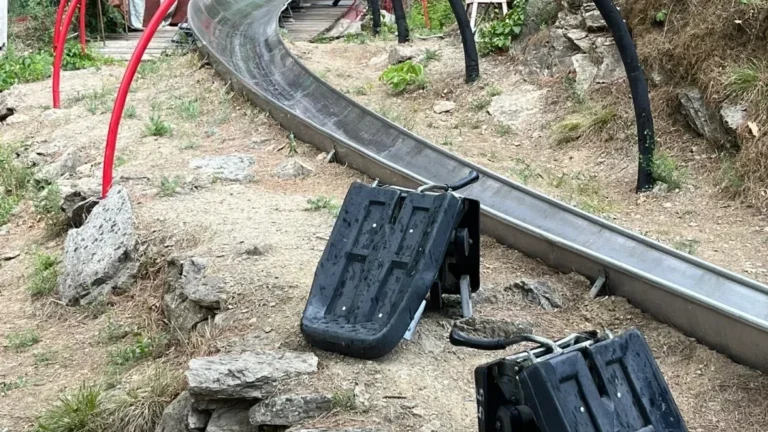
Mutianyu Great Wall toboggan track on the hillside
Mutianyu visitors should check which uphill and downhill transport routes are operating.

Quick Planning Snapshot

  • Best general window: arrive in the morning on a non-holiday weekday when possible.
  • Most important rule: check same-day official notices for last entry and cable-car operation.
  • Allow enough time: transport from Beijing, shuttle transfer, ticketing, cable car, walking, and return all add up.
  • Avoid rushing: do not arrive late in the afternoon unless you have verified closing and downhill transport.
  • First-time route: pair this page with the Mutianyu visitor guide.

How to Think About Opening Hours

Mutianyu usually operates on a daytime sightseeing pattern, but the exact opening, last-entry, and facility times can shift with season, maintenance, weather, and Chinese public holidays. Instead of building your plan around one old timetable, use a conservative structure: leave Beijing early, reach the scenic area with buffer time, and keep your return simple.

The wall itself, the shuttle bus, the cable car, and the toboggan or slide-rail facilities may not share identical operating windows. Bad weather can also pause uphill/downhill facilities. If your plan depends on a cable car for children, seniors, or limited mobility, verify it before departure.

Direction signs inside a Great Wall scenic area
Scenic-area signs are more reliable than old screenshots when opening rules change.

Best Arrival Time for Most Visitors

For most travelers, morning is the safest choice. You avoid the stress of last-entry rules, get more time on the wall, and have more return options to Beijing. A morning start also helps in summer heat and during popular travel periods. If you prefer softer afternoon light, confirm that downhill transport and return transport still fit your schedule.

During Chinese holidays, school breaks, and peak autumn leaf periods, Mutianyu can still get busy. It is usually more comfortable than Badaling for foreign visitors, but it is not empty. Book transport and tickets with more buffer than you would on a normal weekday.

Open chairlift chairs above the Mutianyu Great Wall forest
Mutianyu transport availability can differ by direction, weather, and operating checks.
Cable-car and downhill facilities may have separate operating conditions from the scenic-area entry.

Seasonal Planning Notes

Spring and autumn are generally the most comfortable seasons for walking Mutianyu. Summer can be hot and stormy, so start earlier and watch the forecast. Winter can be beautiful but cold, with possible ice on steps and wind on exposed ridges. If weather looks poor, read the rainy-day Great Wall guide or choose a shorter plan.

Before-You-Go Checklist

  • Check official opening, last-entry, shuttle, and cable-car notices before leaving Beijing.
  • Plan transport with buffer using the Mutianyu transport guide.
  • Bring shoes with grip, water, sun protection, and a layer for wind.
  • Use a shorter route for seniors, children, heat, rain, or winter ice.
  • Compare with Badaling vs. Mutianyu if you are still choosing a section.

Sources Checked

How to think about opening hours

Opening hours are useful, but they are not the only timing issue. Transport time, ticket collection, shuttle buses, cable car queues, weather, and sunset all affect the real visit. For Mutianyu, many foreign visitors should plan the trip around an early start rather than only the official opening window.

Season and holiday cautions

Rules and operating times can change during holidays, maintenance, strong wind, snow, rain, or peak crowd periods. Cable car, chairlift, and toboggan operations may also be affected by weather. Do not write down an old opening time and treat it as permanent.

Best practical timing

Arrive early if you want a calmer experience and better photo conditions. Avoid planning the final descent too close to closing time because shuttles, cable facilities, and return transport can create bottlenecks. For first-time planning, pair this page with the full Mutianyu guide.

For current transport, ticket, opening, and seasonal rules, check official scenic-area channels, local government notices, or transport operators before visiting. Commercial tour-company pages are not used as public sources.

How early should you arrive?

For Mutianyu, an early arrival usually improves the experience more than chasing a perfect published opening time. Early visitors face fewer queues, cooler summer temperatures, and calmer photo conditions. If you are using cable car, chairlift, or toboggan options, allow time for ticketing, shuttle transfer, and possible queues.

Last-entry and descent planning

Do not plan to reach the wall right before the final entry or closing period. The official close time does not mean every service runs comfortably until the last minute. Weather, wind, crowd control, and maintenance can affect cable facilities. Leave enough time to descend safely and return to Beijing without stress.

What to check on the day

Check the current scenic-area notice, weather, and transport plan on the morning of travel. If wind, rain, snow, or holiday crowds are expected, simplify the route. A shorter, smoother visit is better than missing return transport or rushing down steep stairs.

For final planning, remember that opening hours answer only one question. A good Mutianyu visit also depends on arrival time, cable facility operation, return transport, weather, and how much walking your group can handle.

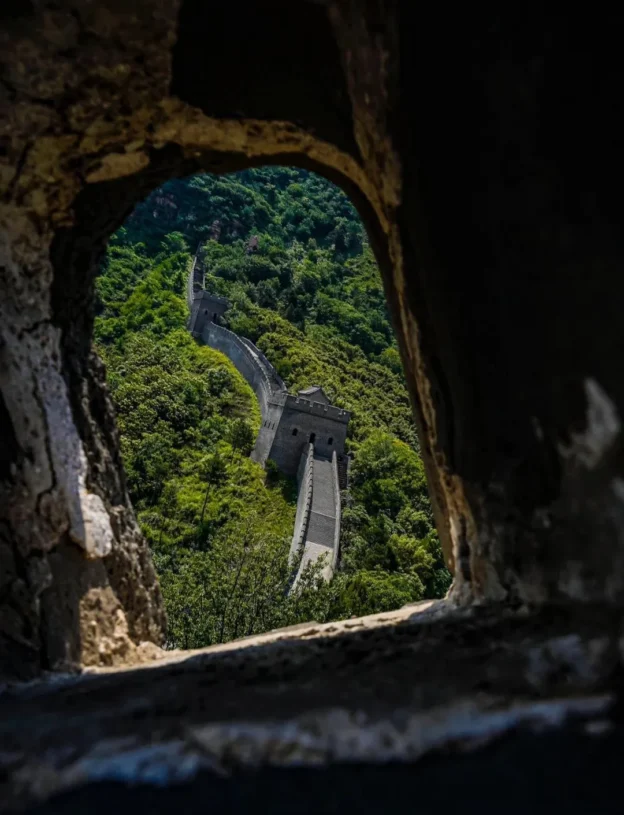
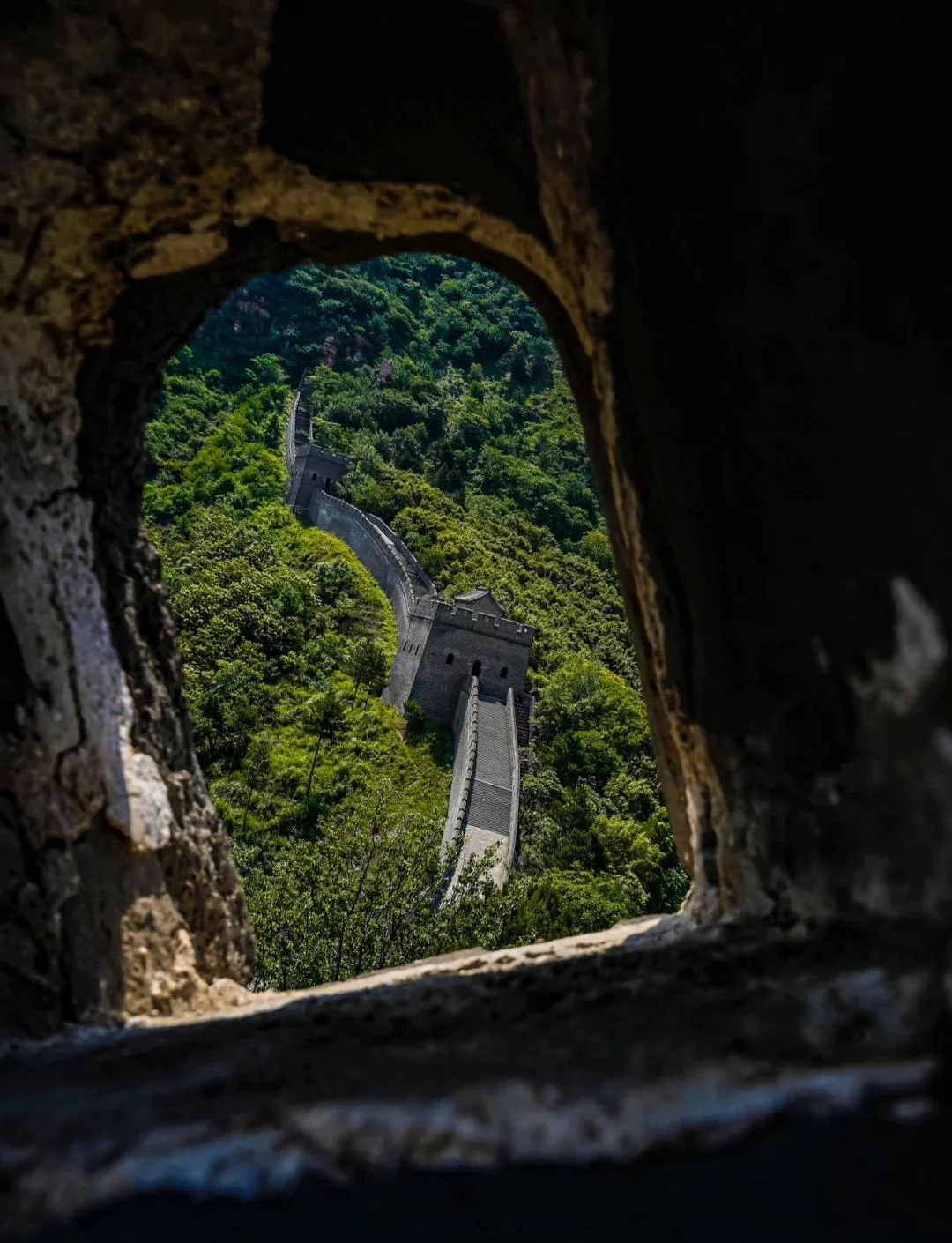
Huangyaguan Great Wall seen through a stone opening

How to Get to Huangyaguan Great Wall from Beijing or Tianjin

Huangyaguan Great Wall is in Tianjin’s Jizhou District, so it should not be planned like a quick Beijing suburban section. It can be a rewarding quieter Great Wall day, but transport is less simple than Mutianyu or Badaling. For most foreign visitors, a private car or carefully arranged transfer is the cleanest option.

Information check: this guide was reviewed on May 14, 2026. Bus routes, local transfers, scenic-area notices, and road conditions can change. Check current route information before departure.

Huangyaguan Great Wall seen through a stone opening
Huangyaguan routes can feel steep and enclosed in places, so plan slower walking time.

Quick Planning Snapshot

  • Best for: travelers who want a quieter Tianjin/Jizhou Great Wall route.
  • Best transport: private car from Beijing or Tianjin, especially for foreign visitors.
  • Public transport: possible, but verify the latest Jizhou connection on the day.
  • Trip length: full day from Beijing; easier if staying in Tianjin/Jizhou.
  • Pair with: the Huangyaguan hiking route guide.

From Beijing

From Beijing, the simplest route is a private car or driver. The distance and cross-city logistics make it harder to rely on a loose public-transport plan. If you use public transport, you will normally need a long-distance route toward Jizhou and then a local connection to Huangyaguan. Do not rely on old bus numbers or fixed online schedules without checking current information.

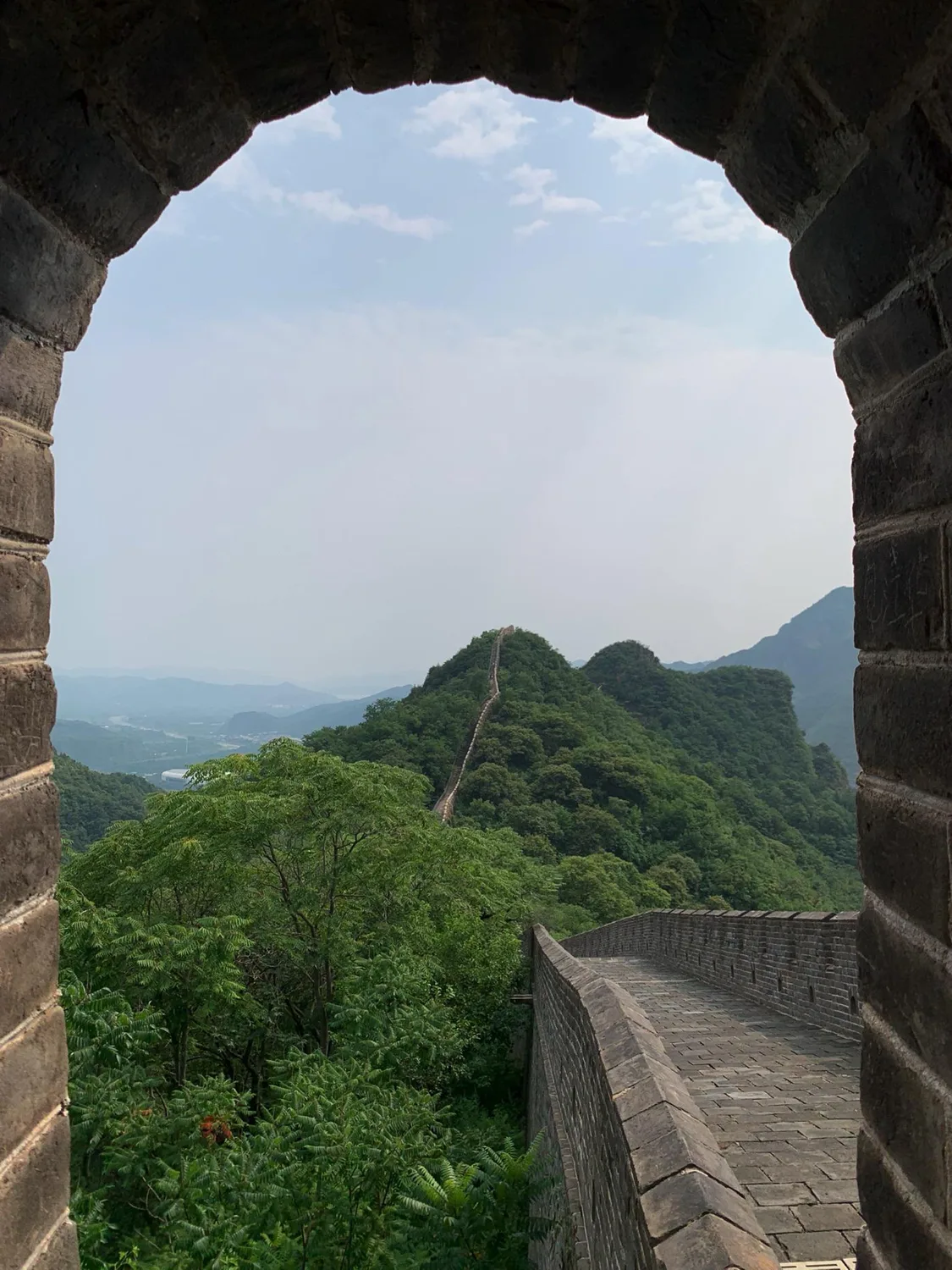
Mountain ridge view through an arch at Huangyaguan Great Wall
Use the pass area as an orientation point before choosing how far to walk.

From Tianjin or Jizhou

Huangyaguan is more natural as a Tianjin/Jizhou side trip. If you are already in Tianjin, first get to Jizhou, then use a local taxi, car service, or current local bus option to the scenic area. Save the Chinese name 黄崖关长城 and confirm the return plan before you enter the wall.

Steep Huangyaguan Great Wall steps below a tower
The transport plan should leave enough time for Huangyaguan’s steep tower approaches.

Before-You-Go Checklist

  • Confirm current transport and return timing before departure.
  • Use shoes with grip; Huangyaguan has steep sections.
  • Bring water, snacks, and sun or wind protection.
  • Avoid rushing the route in rain, snow, or poor visibility.
  • Compare with Beijing Great Wall transport options if convenience is your priority.

Which Starting Point Is Better?

If you are already in Tianjin or Jizhou, Huangyaguan is much easier to justify. From central Beijing, it competes with closer and more visitor-friendly choices such as Mutianyu, Badaling, and Juyongguan. Choose Huangyaguan from Beijing only if you specifically want a quieter Tianjin Great Wall section and are comfortable with a longer transfer.

For first-time foreign visitors, Mutianyu is normally the safer default. Huangyaguan becomes more attractive for travelers interested in defensive architecture, regional routes, or a less standard Great Wall itinerary.

Public Transport Cautions

Public transport information for Huangyaguan can be inconsistent online. Bus routes may change names, stop locations, or seasonal operating patterns. If you use public transport, verify the route in a current Chinese map app, screenshot the Chinese destination, and confirm the final return connection before entering the scenic area.

Transport planning reminder: Huangyaguan is not as simple as Badaling or Mutianyu from Beijing. If you are coming from Tianjin or Beijing, confirm the final local transfer before setting out, keep your schedule flexible, and avoid planning the return around a single unverified bus or ride option. Rules and traffic patterns can change during holidays.

Sources Checked

  • TravelChinaGuide Huangyaguan guide for route and location context.
  • China Highlights Huangyaguan overview for visitor-planning cross-checking.
  • Tianjin official English portal for regional travel context.

Final transport checks before choosing Huangyaguan

Huangyaguan is usually not the easiest Great Wall route from central Beijing, but it can make sense for travelers interested in Tianjin-side planning, quieter scenery, or a different historical setting. It needs more careful transport planning than Badaling or Mutianyu.

Who should choose this route?

Choose Huangyaguan if you are already connecting Beijing and Tianjin, want a less standard Great Wall choice, or prefer a slower route. Avoid it if your main goal is the simplest first visit. For a first-time foreign visitor with limited time, Mutianyu remains the safer default.

Backup planning

Check whether you are starting from Beijing, Tianjin, or another nearby city. That starting point changes the logic completely. Save 黄崖关长城, confirm return transport, and avoid assuming you can improvise late in the day.

For current transport, ticket, opening, and seasonal rules, check official scenic-area channels, local government notices, or transport operators before visiting. Commercial tour-company pages are not used as public sources.

Beijing versus Tianjin starting point

Huangyaguan planning changes depending on whether you start in Beijing or Tianjin. From Beijing, it is a longer and less standard Great Wall outing. From Tianjin or a nearby northern route, it may fit more naturally. Do not copy a route from another starting city without checking the total door-to-door time.

What to confirm before leaving

Confirm the scenic-area name, return transport, expected travel time, and whether you need a private transfer. Save 黄崖关长城 in Chinese. If you are combining it with Tianjin sightseeing, keep the day loose. Huangyaguan should not be squeezed into a schedule that already depends on exact train or traffic timing.

Who should choose Huangyaguan?

Choose it if you want a less typical Great Wall route and can accept the logistics. Avoid it if you want the easiest first-visit section from Beijing. In that case, Mutianyu remains the safer recommendation for most foreign travelers.

For final planning, treat Huangyaguan as a regional route, not a default Beijing day trip. It can be worthwhile, but only when the starting city, return transport, and day structure make sense. If those details are uncertain, choose a simpler section.

For travelers who want fewer logistics, choose Mutianyu first and save Huangyaguan for a second Great Wall trip or a Tianjin-linked itinerary.

That keeps the route realistic and avoids turning a regional trip into a rushed transfer problem.

Wide mountain ridge view at Simatai Great Wall

How to Get to Simatai Great Wall from Beijing

Simatai Great Wall is best understood together with Gubei Water Town. It is farther from central Beijing than Mutianyu or Badaling, and many visitors choose it for night-wall access, overnight stays, or a slower resort-style plan rather than a simple day trip. If you only have one Great Wall day and want the easiest first experience, Mutianyu is usually more practical.

Information check: this transport guide was reviewed on May 14, 2026. Simatai access, Gubei Water Town entry, night-wall reservations, shuttle rules, and transport schedules can change. Check official Gubei/Simatai channels before you book or depart.

Wide mountain ridge view at Simatai Great Wall
Daytime Simatai planning should account for steep ridges and exposed walking.

Quick Planning Snapshot

  • Best for: travelers interested in Gubei Water Town, night views, photography, or an overnight Great Wall plan.
  • Not best for: a quick, low-stress first Great Wall day from central Beijing.
  • Most practical transport: private car, confirmed shuttle, or an overnight package with clear return timing.
  • Key planning issue: Simatai and Gubei Water Town rules are connected, so check both before going.
  • Compare first: read Badaling vs. Mutianyu if you are still choosing a first Great Wall section.

Option 1: Private Car or Driver

A private car is the cleanest option for most foreign visitors because Simatai is far enough from central Beijing that transfers can become tiring. It also helps if you plan to stay late for night views or return after dinner at Gubei Water Town. Confirm pickup time, waiting time, parking area, and return timing in advance.

Option 2: Confirmed Shuttle or Package

Some visitors use a shuttle, hotel package, or organized transfer connected with Gubei Water Town. This can work well if the schedule fits your entry reservation and return plan. The weakness is flexibility: if the wall access, weather, or night opening changes, you need to know how the transport provider handles it.

Option 3: Public Transport with Transfers

Public transport is possible but less comfortable for first-time visitors. It can involve metro, long-distance bus, local transfer, and more communication in Chinese. If you do not read Chinese transport apps confidently, do not rely on old route descriptions or fixed bus times from older articles. Check the route live on the day.

Day Trip or Overnight?

Simatai often makes more sense as an overnight or late-return plan than a rushed day trip. Gubei Water Town, night-wall access, and the longer transfer all reward a slower schedule. If your priority is simply to stand on the Great Wall with easy logistics, choose Mutianyu. If your priority is hiking and photography, compare with Jinshanling.

Before-You-Go Checklist

  • Check current Simatai and Gubei Water Town entry rules before booking transport.
  • Confirm whether your plan is day entry, night entry, or overnight stay.
  • Arrange return transport before you enter the scenic area.
  • Bring a layer for evening wind and comfortable shoes for stone steps.
  • Do not hike rough or closed sections in poor weather or after dark.

Sources Checked

  • Gubei Water Town official website for current Simatai/Gubei visitor context.
  • TravelChinaGuide Simatai guide for route and access cross-checking.
  • China Highlights Simatai overview for visitor-planning context.

Final transport checks before choosing Simatai

Simatai is not the simplest Great Wall day trip from Beijing. It is usually better understood together with Gubei Water Town, night-wall access, or an overnight plan. If your goal is a quick first Great Wall experience, Mutianyu or Badaling will usually be easier.

Wide view of Simatai Great Wall lights at dusk
Simatai night views are a major reason visitors consider this section.

Who should choose this route?

Choose Simatai if you want a resort-style trip, evening atmosphere, or a route connected with Gubei Water Town. Avoid it if you have only half a day or need the simplest transport. It is more suitable for travelers who can accept longer travel time and want something different from the standard Beijing section visit.

Simatai Great Wall seen through a stone arch
Stone arches and steep ridges are part of Simatai’s visual character.

Backup planning

Confirm current entry rules, night-wall access, and shuttle arrangements before traveling. These can change by season, maintenance, weather, and holiday conditions. Save the Chinese names 司马台长城 and 古北水镇 if your route includes both.

For current transport, ticket, opening, and seasonal rules, check official scenic-area channels, local government notices, or transport operators before visiting. Commercial tour-company pages are not used as public sources.

Simatai day trip or overnight?

A same-day Simatai trip can work, but an overnight plan is often more comfortable because the route is farther and the experience is tied to Gubei Water Town. If you want the night-wall atmosphere, check current access before travel and avoid assuming that every ticket or package includes the same entry rights. If your goal is only to “see the Great Wall,” Simatai is usually more complex than necessary.

What to confirm before leaving

Confirm whether you are visiting Simatai only, Gubei Water Town only, or both. Save both Chinese names if needed. Check return transport carefully because late return options can be more limited than daytime routes. This is especially important if you are not staying overnight nearby.

Who should not choose Simatai first?

Travelers with limited time, young children, very early flights the next day, or low tolerance for complex transport should usually choose Mutianyu first. Simatai is better for travelers who want atmosphere and can give the trip enough time.

For final planning, treat Simatai as a destination that rewards patience. If you want night views or Gubei Water Town atmosphere, give the route enough time. If you only need a first Great Wall experience, choose a simpler section and save Simatai for a slower trip.

Related Great Wall comparison

For a classic daytime section versus a Simatai night-trip comparison, see Badaling Great Wall or Simatai Great Wall.

Related Great Wall comparison

For travelers comparing a wall-first hiking day with a Simatai/Gubei evening plan, see Jinshanling Great Wall or Simatai Great Wall.

Related Great Wall comparison

For travelers choosing between a lake-view Great Wall trip and a Simatai/Gubei evening plan, see Huanghuacheng Water Great Wall or Simatai Great Wall.

Daypack prepared for a Great Wall hike

What to Pack for the Great Wall: Shoes, Clothes, Snacks, and Day Bag Checklist

Packing for the Great Wall is different from packing for a normal Beijing sightseeing day. Even restored sections have steep steps, exposed ridges, changing weather, and long stretches where buying supplies is inconvenient. For most foreign first-time visitors, the goal is simple: carry enough to stay safe and comfortable, but not so much that your bag becomes a burden on the steps.

Fast Answer: What Should You Pack for the Great Wall?

For most Great Wall day trips, pack light but do not arrive empty-handed. The essentials are comfortable walking shoes, weather-appropriate layers, water, small snacks, sun protection, a charged phone, passport or ID, payment backup, and a compact bag that will not feel heavy on steep stairs.

ItemWhy it mattersBest for
Walking shoes with gripEven restored sections have uneven steps and steep slopes.Mutianyu, Badaling, Jinshanling, Simatai
Light layersWind, shade, sun, and cable-car waits can feel different from downtown Beijing.Spring, autumn, winter mornings
Water and simple snacksSupplies are easier near developed entrances than on the wall itself.Families, hikers, longer photo stops
Sun and rain backupExposed ridges can mean strong sun, sudden rain, or fast temperature changes.Summer, shoulder seasons, open ridges
Phone power and offline notesTickets, maps, translation, ride-hailing, and train checks often depend on your phone.Independent travelers

If you are still choosing where to go, compare Badaling vs Mutianyu. For weather-specific packing, use the month-by-month Great Wall guide and the rainy day guide.

Quick planning snapshot

  • Best for: Travelers preparing a day trip or hike without overpacking.
  • Use this guide for: Choosing clothing, shoes, power, water, snacks, sun protection, and weather backup items.
  • Planning focus: Pack for stairs, exposed ridges, changing weather, and limited supplies on quieter Great Wall sections.

Information check: this packing guide was reviewed on May 13, 2026. Scenic-area rules, security checks, weather, cable-car operations, and transport conditions can change. Check official notices before visiting, especially in winter, summer storms, or holiday periods.

Daypack prepared for a Great Wall hike
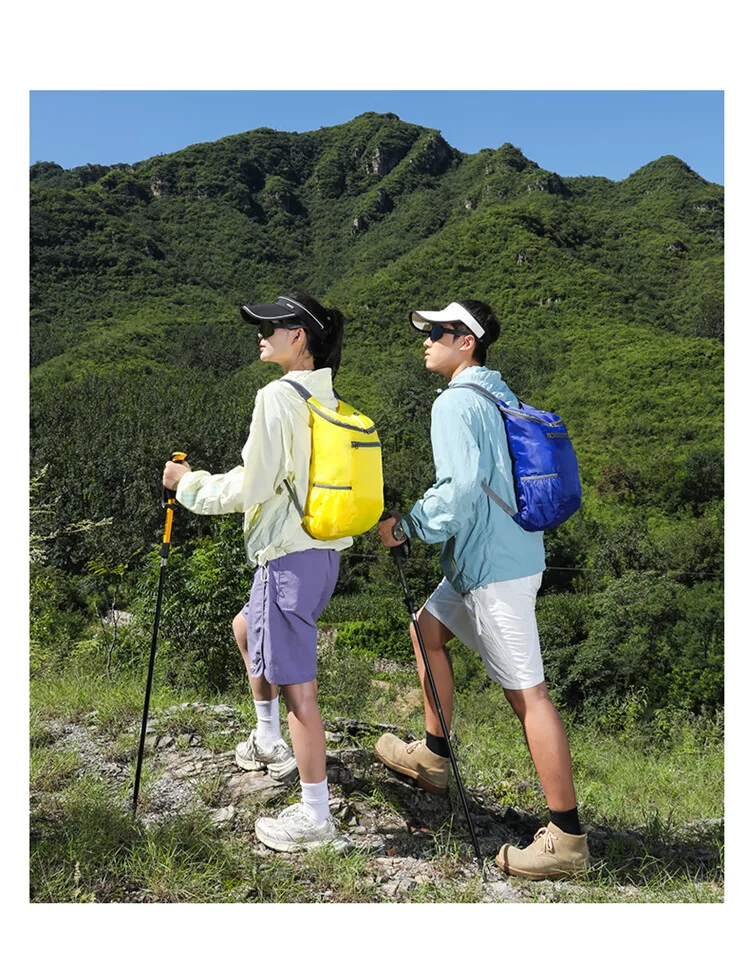
A compact daypack is usually enough for water, sun protection, and layers.

Quick Packing Snapshot

  • Most important item: comfortable shoes with grip.
  • Always bring: water, sun protection, phone power, and a light layer.
  • In rain: rain shell, waterproof phone protection, and shoes with stronger traction.
  • In winter: gloves, hat, warm layers, and wind protection.
  • Do not overpack: keep your hands free and your bag light enough for steep steps.

Shoes: The One Item Not to Compromise

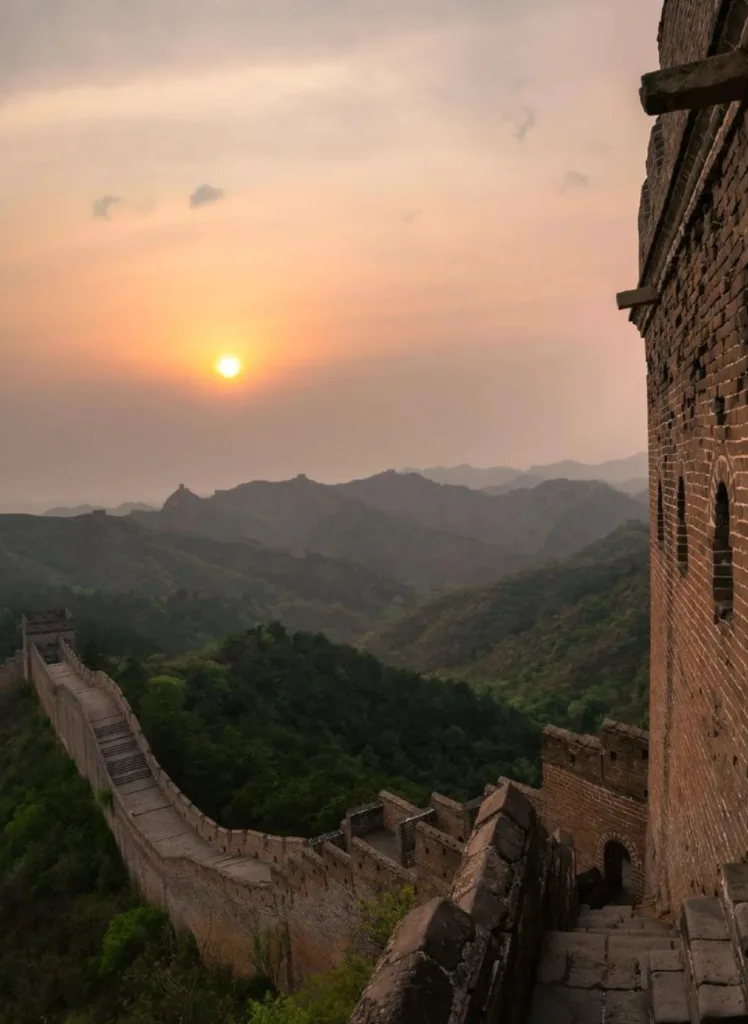
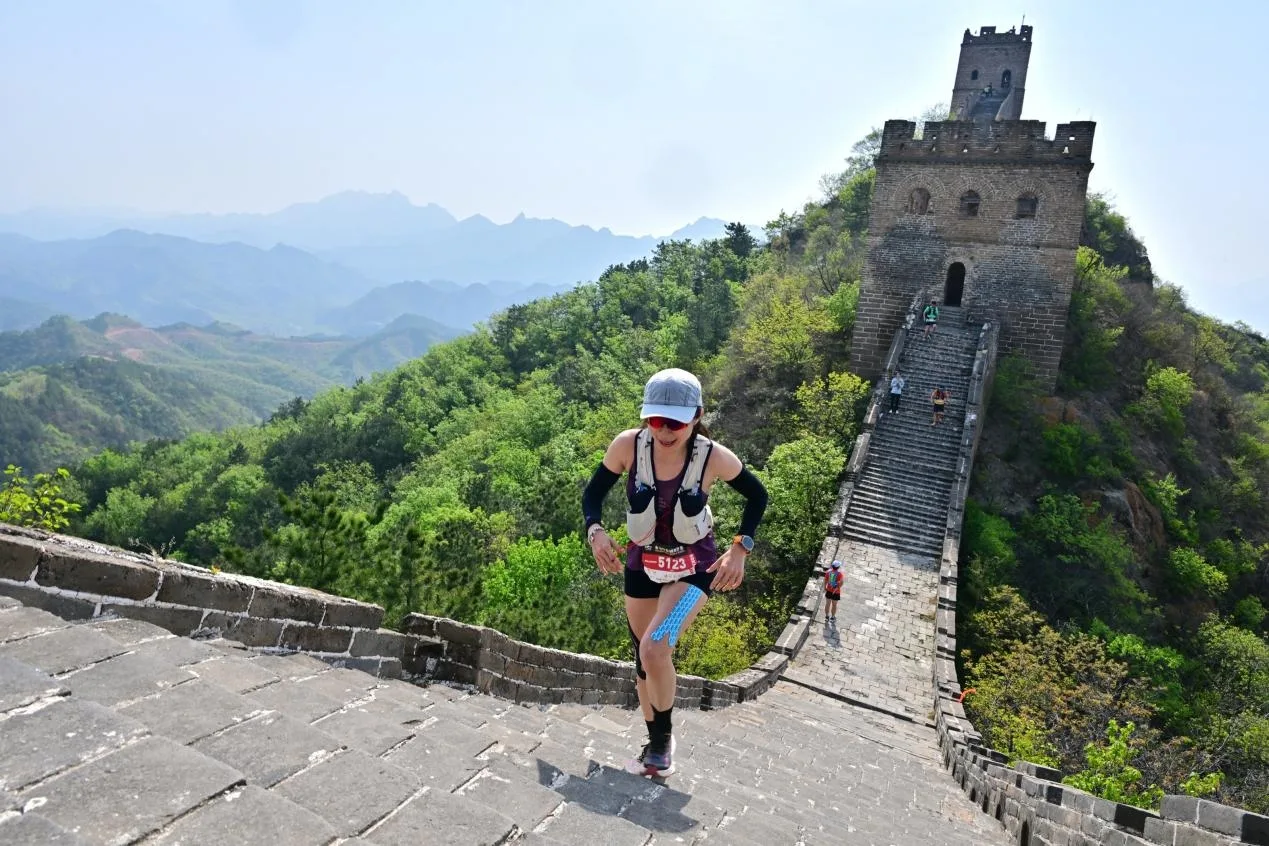
The Great Wall is not a flat promenade. Mutianyu, Badaling, Jinshanling, Jiankou, and other sections all include steps, slopes, and uneven stone. Smooth city sneakers, fashion shoes, sandals, and new shoes that have not been broken in are poor choices. Wear walking shoes or light hiking shoes with grip.

If you are visiting a restored section such as Mutianyu or Badaling, you do not need heavy mountain boots for a normal sightseeing route. If you are hiking Jinshanling, Gubeikou, or a more rugged section, choose footwear more seriously and avoid wet-weather routes unless you are prepared.

Hiking shoes on rocks for a Great Wall day trip
Comfortable walking shoes matter more than formal travel gear on Great Wall steps.

Clothing by Season

Spring and autumn: wear layers. Mornings can be cool, while midday can feel warm on exposed steps. A light jacket or overshirt is useful, especially at Mutianyu, Jinshanling, or other ridge sections.

Summer: prioritize breathable clothing, sun protection, and water. Avoid dark heavy fabrics and start early. Heat and humidity can make a short wall section feel harder than expected.

Winter: dress for wind. Bring gloves, a hat, warm socks, and an outer layer that blocks cold ridge wind. Winter steps can be icy, so footwear matters even more.

Hikers with backpacks on a Great Wall mountain trail
Light backpacking works better than carrying unnecessary weight on ridge walks.

Water, Snacks, and Small Essentials

Bring water even if you plan to buy drinks near the entrance. Once you are on the wall, supplies may be limited, expensive, seasonal, or inconvenient. A small snack is useful if you are traveling with children, hiking longer sections, or visiting at a time when meal timing is uncertain.

Carry sunscreen, sunglasses, tissues, hand sanitizer, and any personal medication. If you are prone to knee pain, consider light knee support or trekking poles only where allowed and practical. Keep valuables secure but easy to access for tickets, payment, and transport.
Phone, Payment, and Documents

Your phone is part of your safety kit in China: maps, translation, ride-hailing, payment, tickets, and emergency contact all depend on it. Bring a power bank and make sure your mobile data works before leaving central Beijing. See the internet in China guide if you still need to plan connectivity.

Carry your passport or required ID according to current ticketing rules, plus a digital and physical backup of important details. Payment rules can vary by attraction and provider, so do not rely on only one method if you are traveling independently.

Packing by Great Wall Section

Mutianyu: pack light but bring sun protection, water, and a layer. Cable-car and toboggan options can reduce effort, but the wall still has many steps. Read the Mutianyu guide before choosing your route.

Badaling: pack for crowds and exposed walking. Water, layers, and comfortable shoes matter, but you usually do not need serious hiking gear for a normal restored-section visit.

Jinshanling, Gubeikou, and Jiankou: pack more like a hike. Bring stronger footwear, more water, weather protection, and a realistic route plan. Do not treat wild-wall sections as casual sightseeing.

What Not to Bring

Do not bring a heavy suitcase, large tripod, bulky shopping bags, or anything that prevents you from keeping balance on steps. Avoid drones unless you have confirmed current rules and permissions. Do not bring shoes or clothing that only work for photos but not for walking.

Before-You-Go Checklist

  • Shoes with grip.
  • Water and small snack.
  • Sun protection or rain shell depending on forecast.
  • Phone, power bank, data access, and payment method.
  • Passport or required ID for ticketing.
  • Layer for wind on the ridge.

Practical Verdict

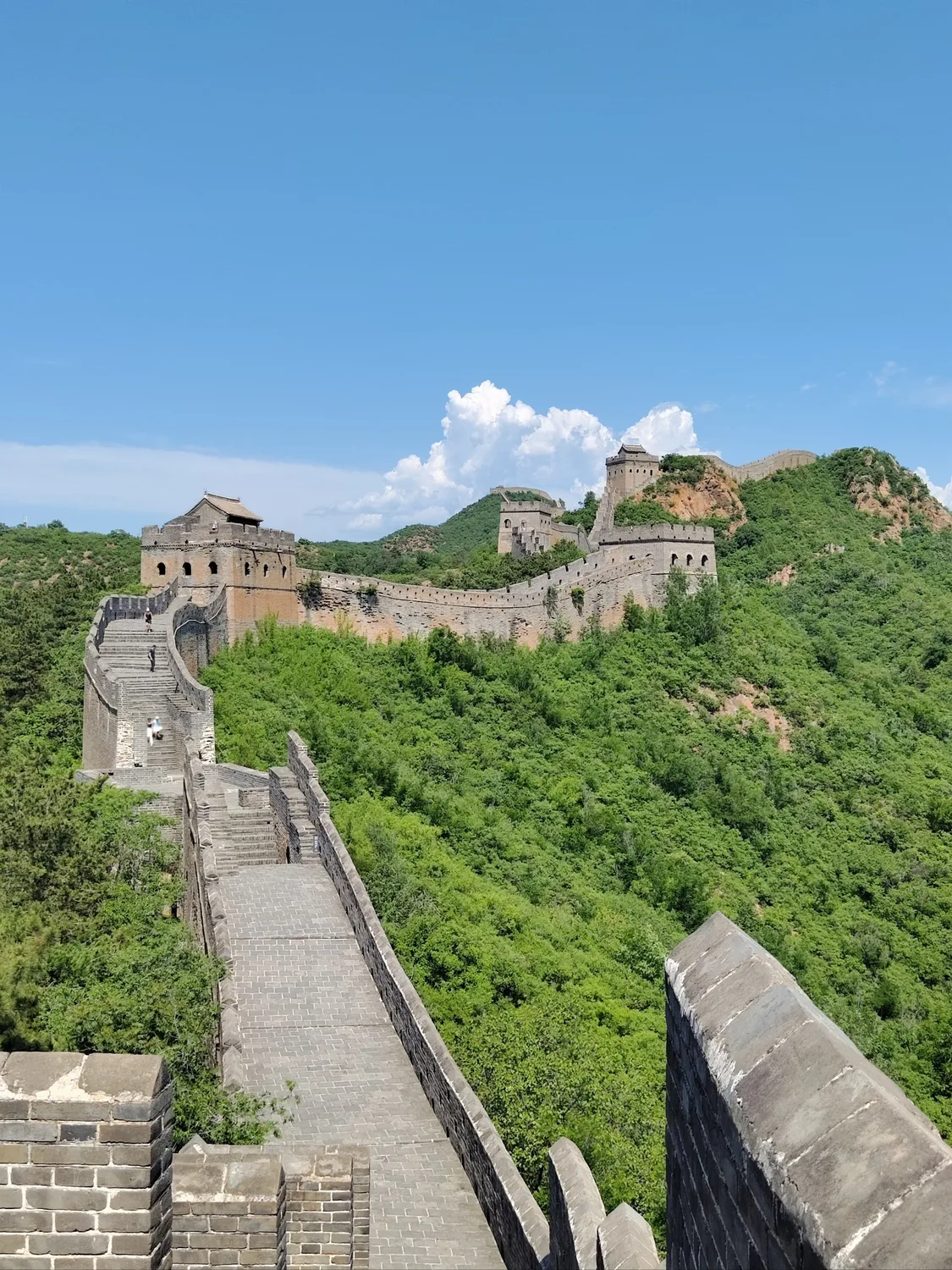
The best Great Wall packing strategy is light, practical, and section-specific. For Mutianyu or Badaling, focus on shoes, water, sun or rain protection, and phone readiness. For hiking sections, add stronger weather and route preparation. Do not let a heavy bag make the wall harder than it needs to be.
Sources Checked

Section-specific packing adjustments

For Mutianyu, pack for comfort: walking shoes, water, sun protection, a light layer, and a small daypack are enough for most visitors. For Badaling, add patience for queues and crowd movement, especially during holidays. Keep valuables secure because crowded entrances, shuttle areas, and train/bus connections can be busy.

For Jinshanling or Gubeikou-Jinshanling, treat the trip more like a light hike than a city attraction. Bring stronger shoes, more water, snacks, a phone power bank, and weather protection. For Jiankou or other wild-wall routes, packing is only one part of the decision; route knowledge, legal access, weather, and safety matter more than any single item in the bag.
What to leave behind

  • Large luggage: it slows you down and may not be practical around shuttle areas or steps.
  • Fashion shoes: smooth soles are a poor match for steep stone, rain, dust, or ice.
  • Heavy camera kits unless needed: bring only what you are willing to carry up and down steps.
  • Too many snacks: one or two useful items are better than a heavy bag.
  • Loose scarves or dangling straps: keep clothing and bags tidy on crowded or windy sections.

Final pre-departure check

Before leaving Beijing, check the weather at the actual section, not only the city center. Confirm the return route, charge your phone, save key addresses offline, and review the official scenic-area notice if your trip depends on a cable car, night opening, winter access, or holiday ticketing. For route planning, pair this guide with how to choose a Beijing-area section and the best-time guide.

Jinshanling Great Wall watchtowers on a green ridge

How to Go to Jinshanling Great Wall from Beijing

Jinshanling Great Wall is one of the best choices near Beijing for hikers, photographers, and repeat visitors who want a more dramatic Great Wall landscape than Badaling or Mutianyu. It is farther from central Beijing, so transport planning matters. The route is realistic as a long day trip, but it is not the easiest first Great Wall visit if you are nervous about timing, language, or return transport.

Information check: this guide was reviewed on May 17, 2026. Direct buses, private shuttles, scenic-area transfers, and return times can change by season. Confirm your route before departure, especially outside the main hiking months.

Jinshanling Great Wall watchtowers on a green ridge
Jinshanling is known for watchtowers and open ridge walking.

Quick Planning Snapshot

  • Best for: active travelers, hikers, photographers, and visitors who want fewer crowds.
  • Not ideal for: travelers who need the simplest public transport or a short half-day plan.
  • Most practical route: confirmed direct bus, private transfer, or small-group hiking transport.
  • Plan length: full day from Beijing; do not schedule a tight evening connection.
  • Route pairing: works well with the Gubeikou-Jinshanling hiking route if logistics are arranged carefully.

Option 1: Direct Bus or Hiking Shuttle

A confirmed direct bus or small-group hiking shuttle is usually the simplest non-private way to reach Jinshanling from Beijing. These services typically start from a central meeting point and take travelers to the Jinshanling visitor area, then return to Beijing in the afternoon. The advantage is that you avoid piecing together long-distance buses, local taxis, and return uncertainty.

The trade-off is that these services may have fixed departure times, minimum age or fitness rules, and seasonal changes. Read the details before booking. Make sure the service gives you enough time on the wall and does not force a route that is too demanding for your fitness level.

Jinshanling Great Wall watchtowers and steep walking route
Jinshanling is better for hiking and photography than for a rushed half-day visit.

Option 2: Private Car from Beijing

A private car or driver is the most reliable choice for Jinshanling if you want control over timing. It is especially useful for photographers chasing morning or late-afternoon light, families, or travelers who want to combine Jinshanling with another nearby stop. Agree clearly on pickup point, return time, parking area, and whether the driver waits at the main gate or another exit.

Because Jinshanling is much farther from downtown Beijing than Mutianyu or Badaling, do not judge the car option only by road distance. Traffic, tolls, parking, and the return drive all matter. A private car is comfortable, but it still makes for a full-day outing.

Option 3: Public Transport with Transfers

Public transport to Jinshanling is possible, but it is less forgiving than routes to Badaling or Mutianyu. You may need a long-distance bus toward Luanping or nearby areas, followed by local transport to the scenic area. Return transport can be the weak point, especially if you finish late or travel outside peak season.

This approach is best for experienced China travelers who can use Chinese transport apps, communicate destinations clearly, and adapt if the planned connection changes. For most foreign visitors on limited time, a confirmed shuttle or private transfer is more practical.

Hiker climbing stone steps on the Gubeikou Jinshanling route
Stone steps and exposed ridges are part of the Jinshanling hiking experience.

How Much Hiking Time Do You Need?

Jinshanling deserves more than a quick photo stop. Allow several hours on the wall if you want to enjoy its watchtowers, ridgeline views, and restored-to-wilder transitions. If you are comparing options, read which Great Wall sections are recommended and the broader Beijing to Great Wall transport guide.

Before-You-Go Checklist

  • Confirm your return transport before you start hiking.
  • Bring enough water, sun protection, and a light layer; facilities are not as dense as at Badaling.
  • Avoid ambitious routes in heavy rain, strong wind, snow, or poor visibility.
  • Use shoes with grip; Jinshanling has steeper, rougher walking than a casual city attraction.
  • If this is your first Great Wall visit and you prefer easy logistics, compare it with Mutianyu Great Wall.

Sources Checked

Final transport checks before choosing Jinshanling

Jinshanling is a stronger choice for hikers and photographers than for rushed first-time visitors. The journey from Beijing takes more planning than Badaling or Mutianyu, and return logistics matter. The reward is a more open ridgeline feel, better hiking atmosphere, and fewer visitors than the most famous sections on many days.

Who should choose this route?

Choose Jinshanling if you can handle more walking, longer transport, and a less casual day. It suits active travelers, repeat visitors, and photographers. It is not the best choice if your priority is easy public transport, minimal walking, or a half-day visit from central Beijing.

Backup planning

Confirm your return plan before you enter the scenic area. Save offline maps, a driver contact if using one, and the Chinese name 金山岭长城. Weather can make exposed ridges tiring, so bring water, sun protection, and a realistic walking plan. For wider route comparison, see recommended Great Wall sections.

For current transport, ticket, opening, and seasonal rules, check official scenic-area channels, local government notices, or transport operators before visiting. Commercial tour-company pages are not used as public sources.

Practical timing for Jinshanling

Jinshanling works best when treated as a full-day outing. The transport time is part of the experience, so do not plan a tight evening schedule in Beijing afterward. Start early, allow buffer for traffic, and keep the walking route realistic. If you are mainly interested in photography, build your plan around light and weather rather than trying to cover every tower.

What to confirm before leaving

Confirm whether your route is a simple Jinshanling visit or a longer Gubeikou-Jinshanling hike. Those are not the same plan. A simple scenic-area visit is easier. A through-hike needs more route knowledge, seasonal access checks, and a conservative safety plan. If you are unsure, choose the simpler Jinshanling scenic-area visit.

Related Great Wall comparison

For travelers comparing a wall-first hiking day with a Simatai/Gubei evening plan, see Jinshanling Great Wall or Simatai Great Wall.