
Mutianyu and Simatai are both strong Great Wall choices from Beijing, but they serve different trips. Mutianyu is the better default for most first-time foreign visitors who want a smooth daytime Great Wall experience, restored paths, flexible lift options, and a practical return to Beijing. Simatai is better if you specifically want a more atmospheric, steeper section, a night Great Wall experience, or a combined visit with Gubei Water Town.
The quick answer: choose Mutianyu for a classic first Great Wall day trip. Choose Simatai if the night view or Gubei Water Town combination is central to your plan. If you are still comparing other sections, also read Badaling vs Mutianyu and Mutianyu vs Jinshanling.
Quick decision table
| Question | Better choice | Why |
|---|---|---|
| First Great Wall visit? | Mutianyu | Easier daytime logistics and more flexible visitor facilities. |
| Night Great Wall experience? | Simatai | Simatai is known for evening/night visits linked with Gubei Water Town. |
| Families or seniors? | Mutianyu | The route is easier to adjust and less dependent on a steep atmosphere. |
| More dramatic, less standard feel? | Simatai | Steeper wall scenery and the water-town combination create a different mood. |
| Limited Beijing time? | Mutianyu | It fits a simpler day trip with fewer moving parts. |
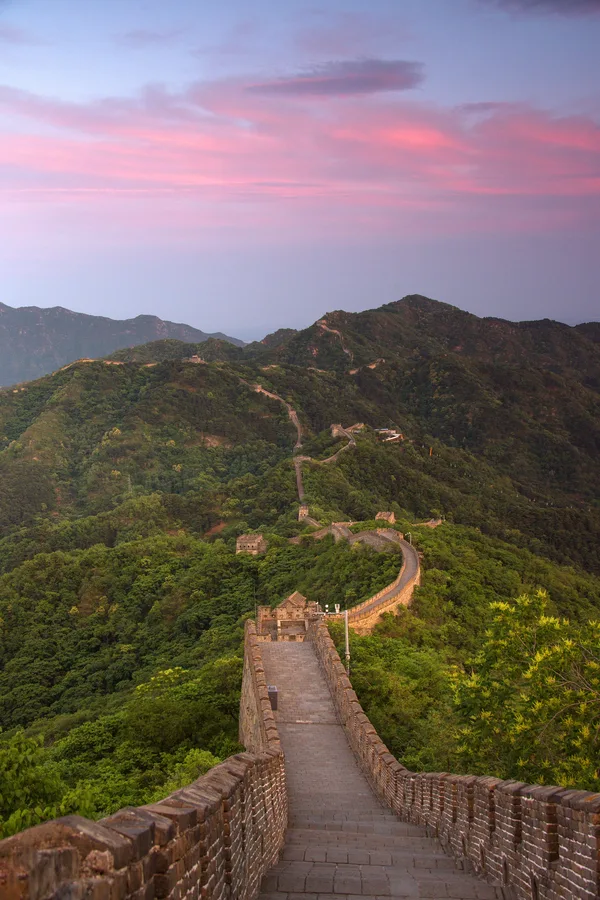
Best for first-time visitors
Mutianyu wins for most first-time visitors because it reduces uncertainty. The restored route is clear, lift options can reduce the hardest climb, and the section has enough facilities to make a one-day Beijing trip practical. If your group includes children, older travelers, or people who are unsure about stairs, Mutianyu gives you more ways to adapt the visit without losing the core Great Wall experience.
Simatai is not a bad first visit, but it is a more specific choice. It is better when the visitor understands that the day may revolve around Gubei Water Town, evening timing, and a steeper Wall atmosphere. If your goal is simply to see the Great Wall well from Beijing, Mutianyu is easier. If your goal is a distinctive evening scene, Simatai becomes more interesting.
Daytime Great Wall vs night Great Wall
Mutianyu is mainly a daytime Great Wall experience. It works best when you want mountain views, restored watchtowers, and a clear walking route in daylight. Morning or early afternoon visits are usually the simplest. You can plan transport, walking, lunch, and return to Beijing in a fairly predictable way.
Simatai is different because many travelers connect it with Gubei Water Town and evening scenery. The Wall and town lights can create a more atmospheric trip than a normal daytime section. The tradeoff is planning complexity. Night access, ticketing rules, shuttle arrangements, and operating conditions should be checked through official channels before you travel, because rules can change by season, weather, or holiday period.
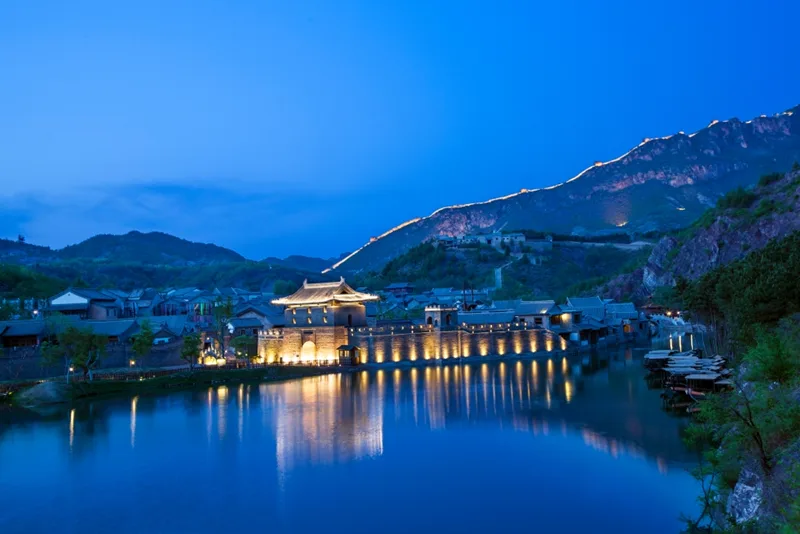
Difficulty and walking comfort
Mutianyu is generally easier. It still has stairs and exposed ridge sections, but the visitor experience is more adjustable. You can choose a shorter route, use lift options if operating, and avoid turning the day into a serious hike. This matters if you are visiting after a long flight, traveling with family, or trying to keep the day comfortable.
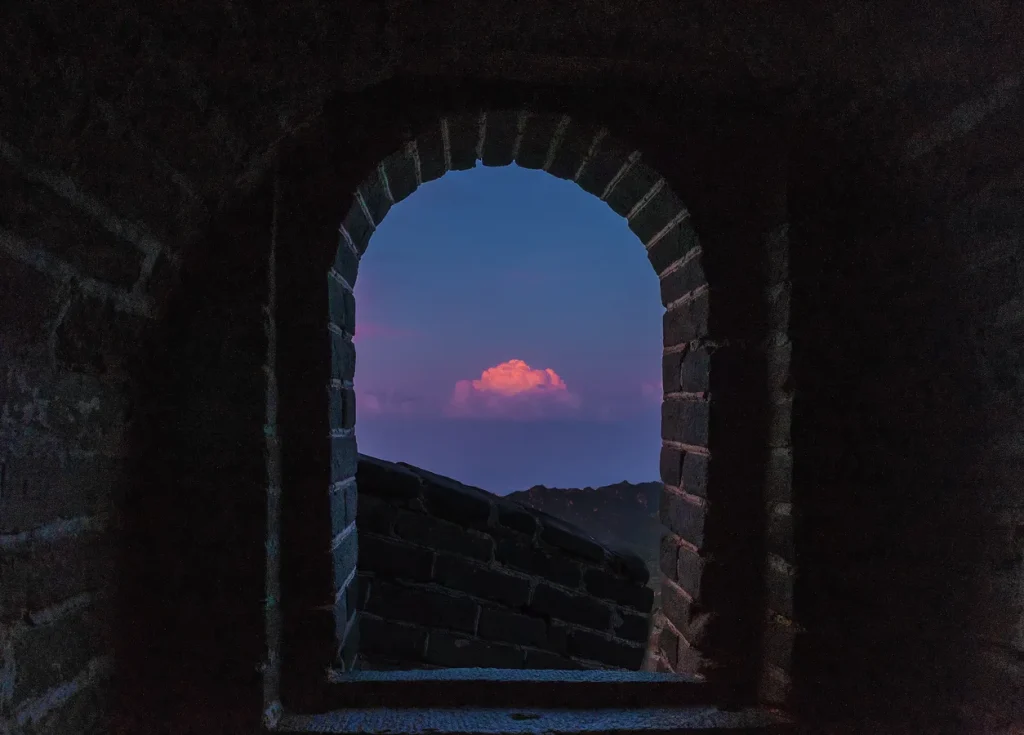
Simatai feels steeper and more atmospheric. That can be a positive if you want a stronger sense of Wall terrain, but it is not the easiest fit for every traveler. Evening visits also change the comfort equation. Even when lighting and route controls are in place, you should be more cautious with footwear, pace, and weather than you would on a simple daytime sightseeing route.
Transport from Beijing
Mutianyu is simpler from central Beijing. Private car, transfer, and common day-trip transport plans are easier to arrange, and the day usually fits a standard Beijing sightseeing rhythm. Read how to get to Mutianyu from Beijing before choosing your route.
Simatai requires more planning because it is farther away and often tied to Gubei Water Town timing. If you are planning an evening visit, think about the return journey before you buy tickets. Late returns, hotel location, and transport reliability matter. Use the dedicated guide to getting to Simatai Great Wall from Beijing as the starting point.
Gubei Water Town combination
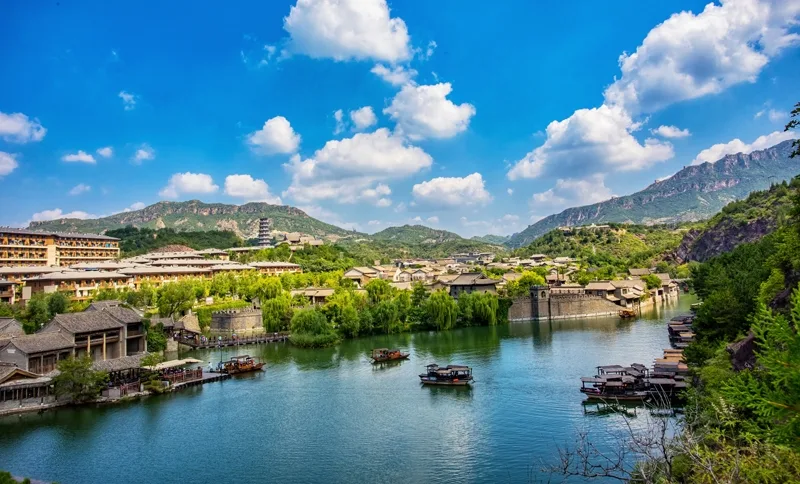
Simatai has one major advantage that Mutianyu does not: the Gubei Water Town combination. This can turn the trip into a longer scenic outing with water-town streets, evening lights, and a Wall view that feels different from a normal mountain day trip. It is especially useful for travelers who want a slower overnight or late-return experience rather than a simple out-and-back route.
The combination is also why Simatai should not be planned casually. If you only want to see the Wall and return to Beijing efficiently, Mutianyu is easier. If you want the Wall plus a staged evening atmosphere, Simatai and Gubei Water Town make more sense. Check official opening and ticket information before finalizing the plan.
Families, seniors, and mixed groups
Mutianyu is usually better for families and seniors. The visit can be shortened, the route is more straightforward, and there are more practical choices if someone gets tired. It is also easier to explain and manage for a mixed group where some people want photos and others want minimal walking.
Simatai can work for active families or travelers who are specifically excited by the night setting, but it is less forgiving. If your group includes people who dislike stairs, night walking, or late returns, choose Mutianyu. If everyone is comfortable with a longer and more atmospheric outing, Simatai can be memorable.
Best seasons and timing
Mutianyu works well across more seasons. Spring and autumn are especially comfortable, while summer is manageable with an early start and winter can work if you dress properly. The site is flexible enough that it can handle many travel styles. For month-by-month planning, use the site’s best time to visit the Great Wall guide and the monthly pages.
Simatai is strongest when the evening experience is operating smoothly and the weather supports a longer trip. Clear evenings, comfortable temperatures, and non-holiday dates are easier. During holidays, weekends, storms, or very cold periods, check official notices carefully before committing to a night plan.
Who should choose Mutianyu?
- First-time foreign visitors who want the easiest strong choice.
- Families, seniors, and mixed-ability groups.
- Travelers with one clear daytime slot from Beijing.
- Visitors who want restored Wall scenery without a demanding hike.
- People who prefer predictable transport and timing.
Who should choose Simatai?
- Travelers who specifically want a night Great Wall experience.
- Visitors planning to combine the Wall with Gubei Water Town.
- Repeat Great Wall visitors who want something different from Mutianyu or Badaling.
- Travelers comfortable with a longer day or overnight-style outing.
- People who value atmosphere over convenience.
Final recommendation
Choose Mutianyu if you want the most reliable Great Wall day trip from Beijing. It is the better answer for most first-timers because it balances scenery, convenience, and comfort. Choose Simatai if the night Wall or Gubei Water Town combination is the reason you are planning the trip. It can be more memorable, but it asks for more careful timing and transport planning.
Recommended next reads
- Great Wall sections near Beijing: how to choose
- Mutianyu vs Jinshanling Great Wall
- Badaling vs Mutianyu Great Wall
- How to get from Beijing to the Great Wall
Planning sources checked
- Mutianyu Great Wall official site
- Gubei Water Town official opening information
- Gubei Water Town official FAQ
- Visit Beijing Simatai Great Wall information
- Beijing official Gubei Water Town information
Related Great Wall comparison
For a classic daytime section versus a Simatai night-trip comparison, see Badaling Great Wall or Simatai Great Wall.
Related Great Wall comparison
For travelers comparing a wall-first hiking day with a Simatai/Gubei evening plan, see Jinshanling Great Wall or Simatai Great Wall.
Related Great Wall comparison
For travelers choosing between a lake-view Great Wall trip and a Simatai/Gubei evening plan, see Huanghuacheng Water Great Wall or Simatai Great Wall.