
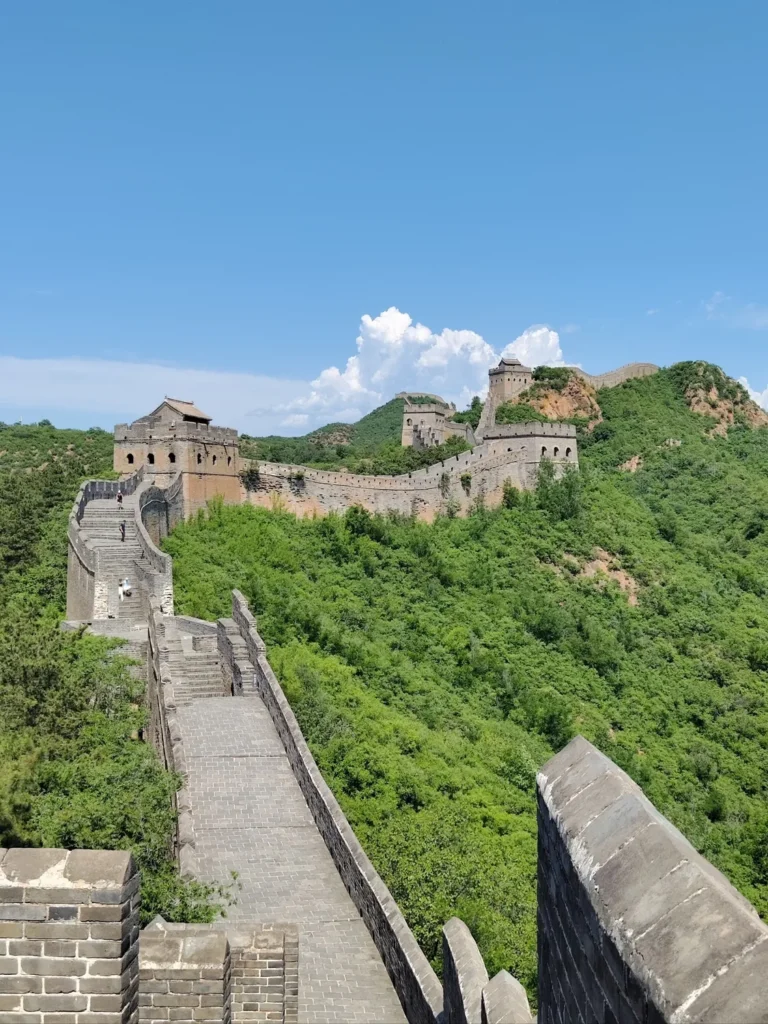
Jinshanling Great Wall is one of the best choices near Beijing for hikers, photographers, and repeat visitors who want a more dramatic Great Wall landscape than Badaling or Mutianyu. It is farther from central Beijing, so transport planning matters. The route is realistic as a long day trip, but it is not the easiest first Great Wall visit if you are nervous about timing, language, or return transport.
Information check: this guide was reviewed on May 17, 2026. Direct buses, private shuttles, scenic-area transfers, and return times can change by season. Confirm your route before departure, especially outside the main hiking months.
Quick Planning Snapshot
- Best for: active travelers, hikers, photographers, and visitors who want fewer crowds.
- Not ideal for: travelers who need the simplest public transport or a short half-day plan.
- Most practical route: confirmed direct bus, private transfer, or small-group hiking transport.
- Plan length: full day from Beijing; do not schedule a tight evening connection.
- Route pairing: works well with the Gubeikou-Jinshanling hiking route if logistics are arranged carefully.
Option 1: Direct Bus or Hiking Shuttle
A confirmed direct bus or small-group hiking shuttle is usually the simplest non-private way to reach Jinshanling from Beijing. These services typically start from a central meeting point and take travelers to the Jinshanling visitor area, then return to Beijing in the afternoon. The advantage is that you avoid piecing together long-distance buses, local taxis, and return uncertainty.
The trade-off is that these services may have fixed departure times, minimum age or fitness rules, and seasonal changes. Read the details before booking. Make sure the service gives you enough time on the wall and does not force a route that is too demanding for your fitness level.
Option 2: Private Car from Beijing
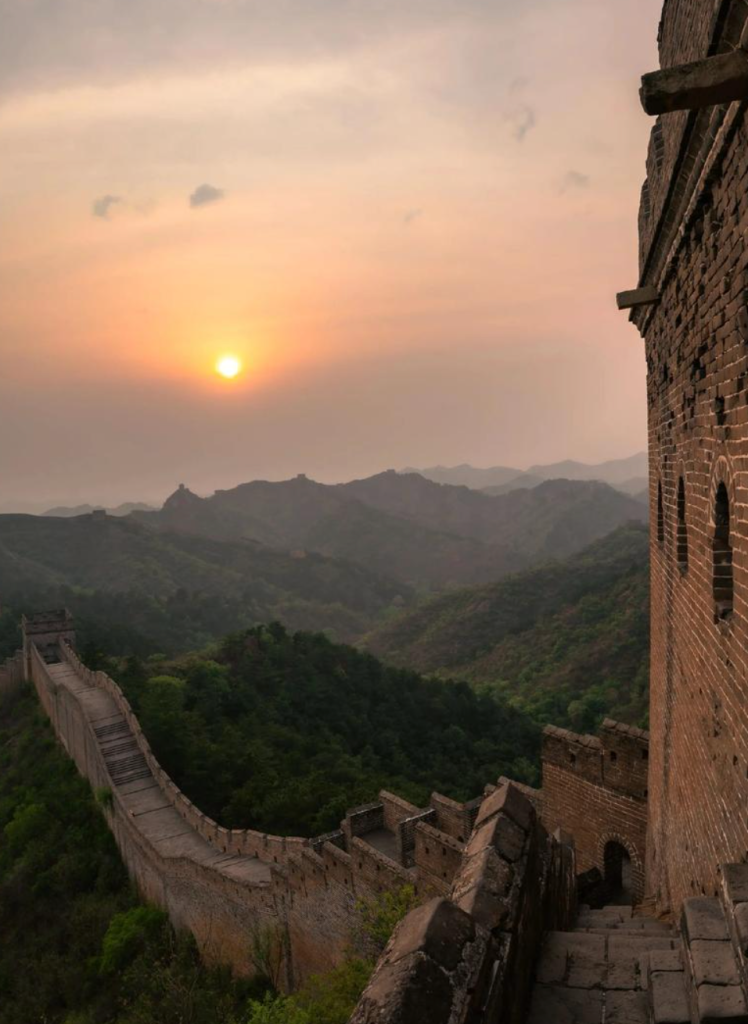
A private car or driver is the most reliable choice for Jinshanling if you want control over timing. It is especially useful for photographers chasing morning or late-afternoon light, families, or travelers who want to combine Jinshanling with another nearby stop. Agree clearly on pickup point, return time, parking area, and whether the driver waits at the main gate or another exit.
Because Jinshanling is much farther from downtown Beijing than Mutianyu or Badaling, do not judge the car option only by road distance. Traffic, tolls, parking, and the return drive all matter. A private car is comfortable, but it still makes for a full-day outing.
Option 3: Public Transport with Transfers
Public transport to Jinshanling is possible, but it is less forgiving than routes to Badaling or Mutianyu. You may need a long-distance bus toward Luanping or nearby areas, followed by local transport to the scenic area. Return transport can be the weak point, especially if you finish late or travel outside peak season.
This approach is best for experienced China travelers who can use Chinese transport apps, communicate destinations clearly, and adapt if the planned connection changes. For most foreign visitors on limited time, a confirmed shuttle or private transfer is more practical.
How Much Hiking Time Do You Need?
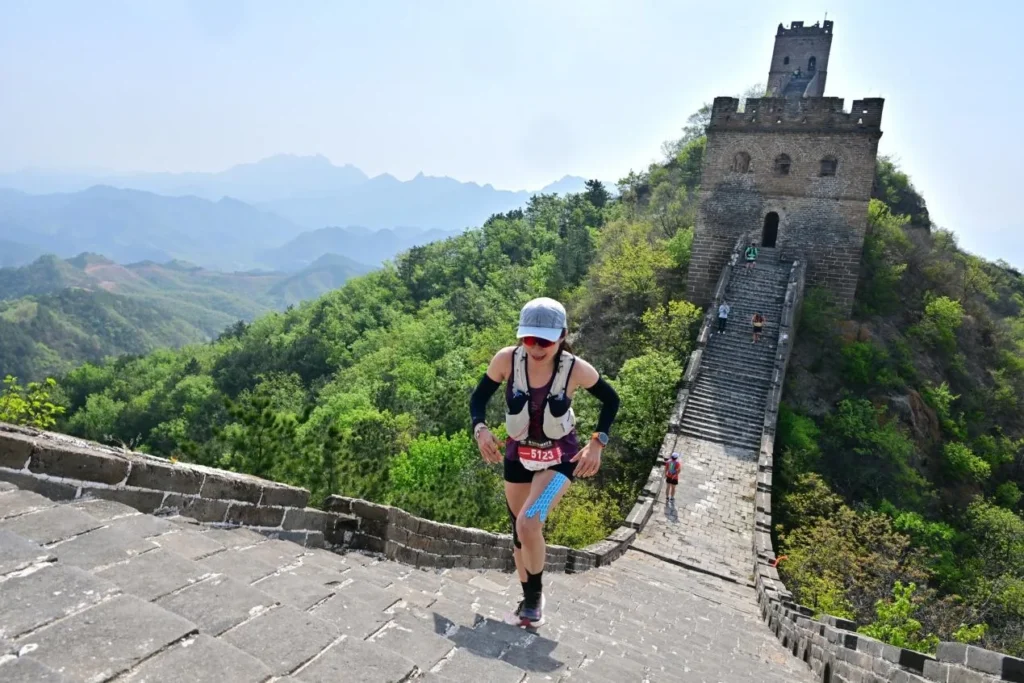
Jinshanling deserves more than a quick photo stop. Allow several hours on the wall if you want to enjoy its watchtowers, ridgeline views, and restored-to-wilder transitions. If you are comparing options, read which Great Wall sections are recommended and the broader Beijing to Great Wall transport guide.
Before-You-Go Checklist
- Confirm your return transport before you start hiking.
- Bring enough water, sun protection, and a light layer; facilities are not as dense as at Badaling.
- Avoid ambitious routes in heavy rain, strong wind, snow, or poor visibility.
- Use shoes with grip; Jinshanling has steeper, rougher walking than a casual city attraction.
- If this is your first Great Wall visit and you prefer easy logistics, compare it with Mutianyu Great Wall.
Sources Checked
Final transport checks before choosing Jinshanling
Jinshanling is a stronger choice for hikers and photographers than for rushed first-time visitors. The journey from Beijing takes more planning than Badaling or Mutianyu, and return logistics matter. The reward is a more open ridgeline feel, better hiking atmosphere, and fewer visitors than the most famous sections on many days.
Who should choose this route?
Choose Jinshanling if you can handle more walking, longer transport, and a less casual day. It suits active travelers, repeat visitors, and photographers. It is not the best choice if your priority is easy public transport, minimal walking, or a half-day visit from central Beijing.
Backup planning
Confirm your return plan before you enter the scenic area. Save offline maps, a driver contact if using one, and the Chinese name 金山岭长城. Weather can make exposed ridges tiring, so bring water, sun protection, and a realistic walking plan. For wider route comparison, see recommended Great Wall sections.
For current transport, ticket, opening, and seasonal rules, check official scenic-area channels, local government notices, or transport operators before visiting. Commercial tour-company pages are not used as public sources.
Practical timing for Jinshanling
Jinshanling works best when treated as a full-day outing. The transport time is part of the experience, so do not plan a tight evening schedule in Beijing afterward. Start early, allow buffer for traffic, and keep the walking route realistic. If you are mainly interested in photography, build your plan around light and weather rather than trying to cover every tower.
What to confirm before leaving
Confirm whether your route is a simple Jinshanling visit or a longer Gubeikou-Jinshanling hike. Those are not the same plan. A simple scenic-area visit is easier. A through-hike needs more route knowledge, seasonal access checks, and a conservative safety plan. If you are unsure, choose the simpler Jinshanling scenic-area visit.
Related Great Wall comparison
For travelers comparing a wall-first hiking day with a Simatai/Gubei evening plan, see Jinshanling Great Wall or Simatai Great Wall.