Author Archives: Great Wall of China Travel Guide

About Great Wall of China Travel Guide

I have a deep passion for the Great Wall of China and have explored many of its sections, from the well-known to the hidden wild parts. Over the years, I’ve studied its history, architecture, and the legends that surround it. Through my writing, I hope to share this knowledge and help travelers see the Great Wall not just as a landmark, but as a symbol of China’s culture and strength.

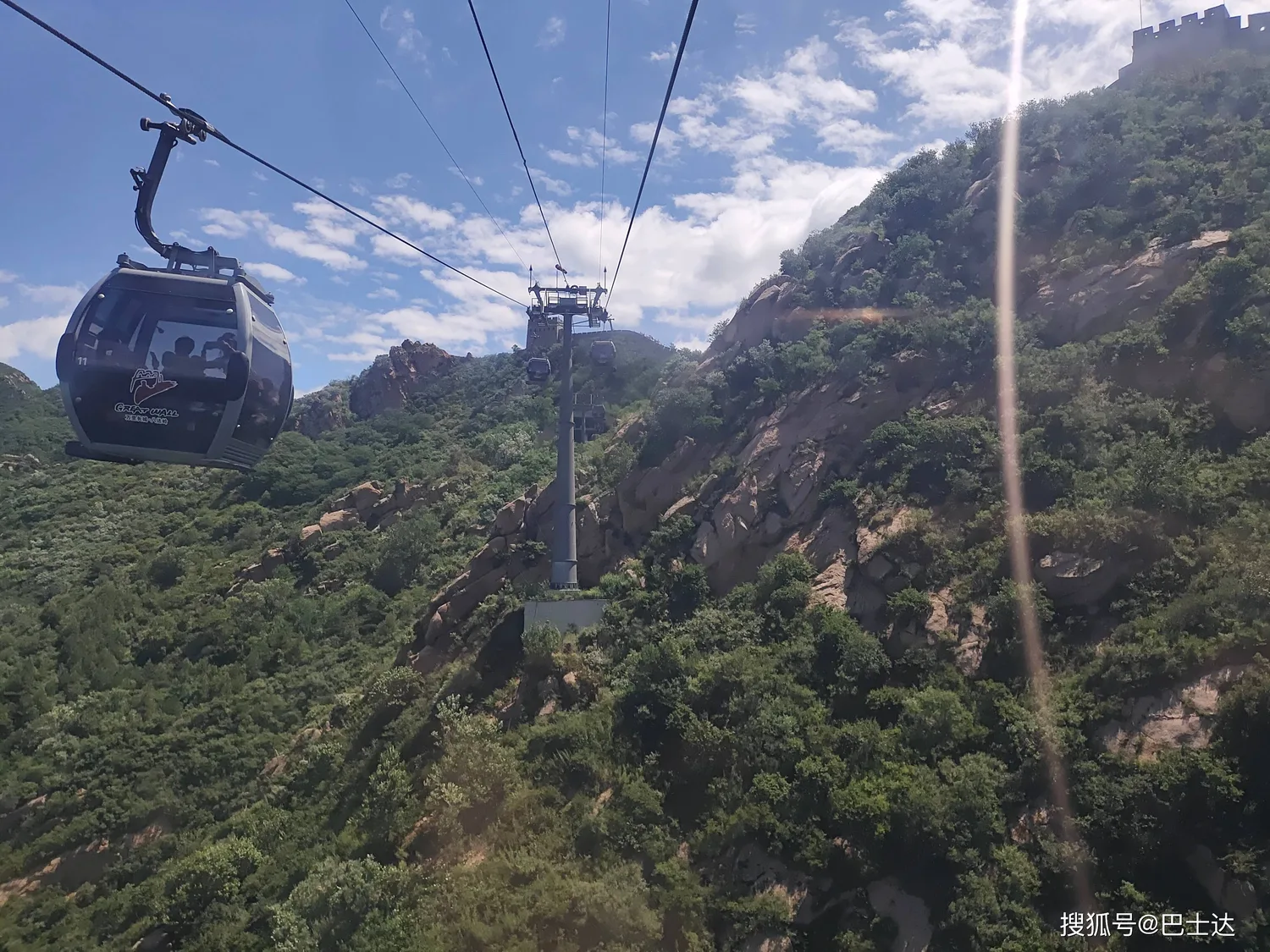
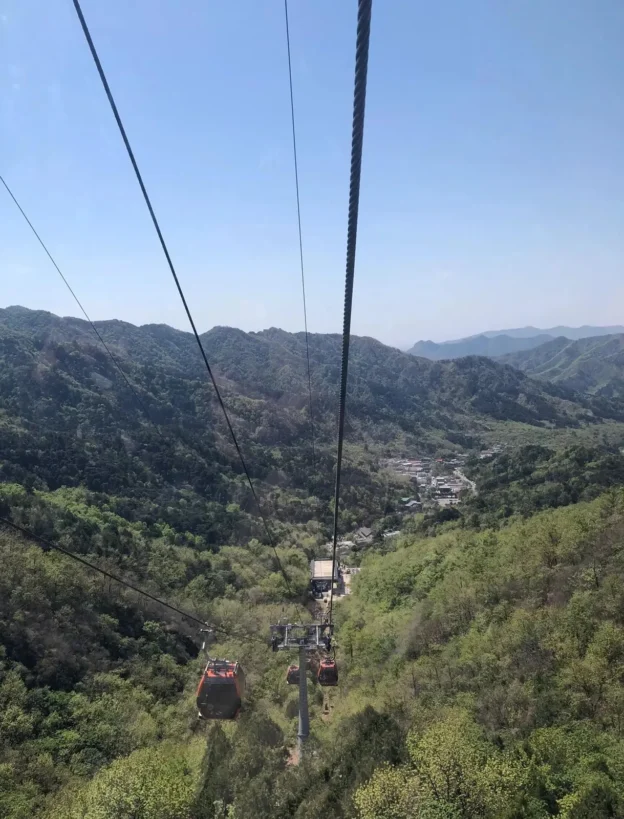
Mutianyu Great Wall cable car line over the valley

How to Get to Mutianyu Great Wall from Beijing: Shuttle, Bus, Car, and Tour Options

Mutianyu Great Wall is one of the best Great Wall sections for foreign visitors staying in Beijing, but the transport choice matters. The wall itself is scenic and manageable; the hard part is choosing whether to use a private car, organized shuttle, public bus route, taxi, or tour. This guide focuses only on how to get to Mutianyu from Beijing, so it works together with the broader Mutianyu first-visit guide.

Fast Answer: Best Way to Get to Mutianyu from Beijing

For most first-time foreign visitors, the easiest way to get from Beijing to Mutianyu is a reliable shuttle, private transfer, or small-group tour. Public bus routes can be cheaper, but they require more transfers, more Chinese-language navigation, and more patience around Huairou. A private car is the simplest option for families, tight schedules, or winter visits.

Transport optionBest forMain tradeoff
Private transfer or driverFamilies, early starts, winter, tight schedulesHigher cost, but simplest door-to-door logistics.
Organized shuttle or day tourFirst-time visitors who want fewer transfersPickup point, return time, and group schedule may limit flexibility.
Public bus via HuairouBudget travelers comfortable with transfersMore moving parts and more need to verify current route details.
Taxi or ride-hailingFlexible outbound plan from BeijingReturn availability and communication can be harder near the scenic area.

Before choosing transport, check Mutianyu opening hours, compare Badaling vs Mutianyu, and pack using the Great Wall day bag checklist.

Information check: this page was reviewed on May 13, 2026. Transport routes, pickup points, payment rules, ticketing steps, and scenic-area shuttle arrangements can change during holidays, bad weather, road controls, or seasonal operations. Always check official channels and your transport provider shortly before traveling.

Quick Planning Snapshot

  • Best all-around option: private transfer or reliable shuttle if you want the simplest day.
  • Best budget option: public bus route via Huairou, but only if you are comfortable with transfers and current route checks.
  • Best for families: private car, because return timing and rest stops are easier.
  • Best for independent travelers: shuttle or public transport, depending on how much uncertainty you accept.
  • Do not ignore: Beijing traffic, holiday crowds, scenic-area shuttle time, and the return journey.

Where Mutianyu Is Located

Mutianyu Great Wall is in Huairou District, northeast of central Beijing. It is close enough for a day trip, but it is not a quick city attraction. The drive from central Beijing can feel easy in light traffic and slow during rush hours, weekends, or public holidays. When comparing options, do not only count the ride from Beijing to Huairou; include hotel pickup, station transfers, scenic-area shuttle movement, ticketing, walking time, and the trip back.

Most travelers should treat Mutianyu as a half-day to full-day plan. If you want a calm first Great Wall experience, leave early and avoid trying to combine too many other sights on the same day.
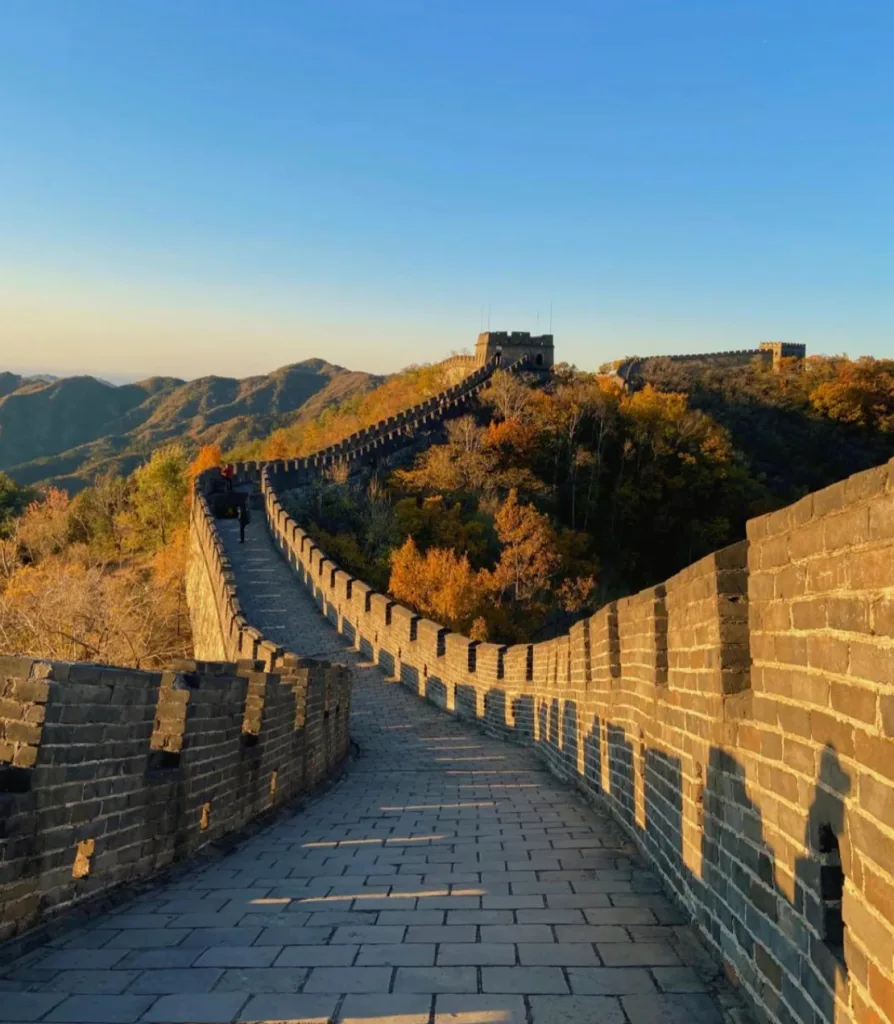
Mutianyu Great Wall transport route information from Beijing
Check the latest route details before departure because bus stops, shuttle procedures, and scenic-area rules can change.

Option 1: Private Transfer or Private Car

A private transfer is the easiest choice for many foreign visitors. It reduces language friction, avoids multiple public-transport transfers, and gives you more control over departure and return time. This matters if you are traveling with children, seniors, luggage, a tight Beijing schedule, or anyone who will be tired after long walking and stairs.

The weakness is cost and provider quality. Confirm what is included before booking: pickup location, waiting time, parking or shuttle handling, return pickup point, and whether the driver only provides transport or also helps with tickets and entry logistics. Avoid vague arrangements where the return meeting point is unclear.

Option 2: Organized Shuttle or Day Tour

An organized shuttle or day tour can be a good middle ground. It is usually easier than doing public transport yourself and less expensive than a fully private car. This option works well for solo travelers, couples, and visitors who want predictable timing without paying for a private vehicle.

Before booking, check the pickup point, departure time, how long you actually get at Mutianyu, whether tickets or cable-car options are included, and whether the schedule forces shopping or unrelated stops. For independent travelers, the best shuttle is one that keeps the day simple: Beijing pickup, Mutianyu visit, Beijing return.

Option 3: Public Bus via Huairou

Public transport is possible, but it requires more attention. Beijing’s official English information has described a route using the 916 Express from Dongzhimen to Huairou Beidajie, then transferring to a local Huairou bus such as H23, H3, or H71 toward Mutianyu. This is useful context, but route numbers, stops, and operating details should be checked again close to your travel date.

This option is best for travelers who are comfortable navigating Beijing transport, using maps in China, asking for help if needed, and accepting a slower return. It is not the best choice if you are traveling with young children, trying to catch a same-day flight or train, or visiting during a holiday when crowd pressure and traffic can create delays.
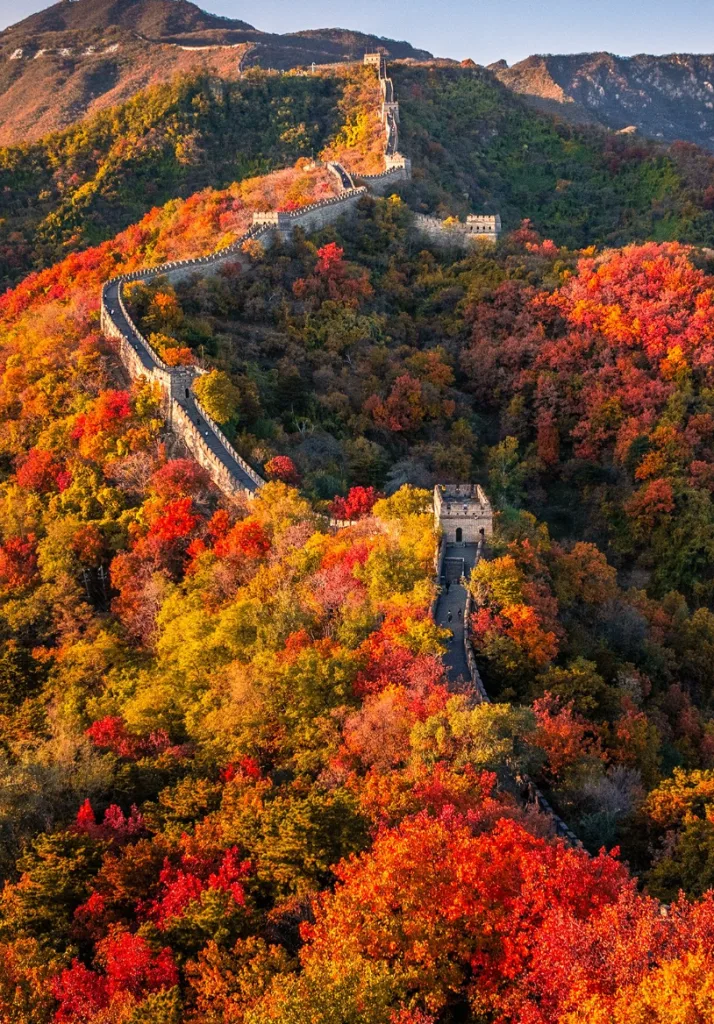
Mutianyu Great Wall arrival and shuttle planning information
Public transport can work for Mutianyu, but it is better for flexible travelers than for rushed first-time visitors.

Option 4: Taxi or Ride-Hailing

A taxi or ride-hailing car may look simple, but the return journey is the part to think through. Getting a car from central Beijing to Mutianyu is usually easier than finding a reliable return car at the exact time you want, especially on busy days or in poor weather. If using ride-hailing, make sure your app works in China, your payment method is ready, and your phone has data access. See the China internet guide for tourists if you are still planning connectivity.

If you choose this method, consider arranging a round trip or confirming the return plan before you leave Beijing. A cheap one-way ride is not helpful if you lose time finding a way back after the scenic area closes or crowds thin out.

Recommended Transport by Traveler Type

First-time foreign visitors: choose a private transfer or reliable shuttle unless you specifically enjoy public transport planning. This gives you more energy for the wall itself.

Families and seniors: choose private transport if budget allows, then use the cable car or another easier uphill/downhill option. Pair this with the Great Wall accessibility guide.

Budget travelers: public transport can work, but start early and keep the plan flexible. Do not schedule an important evening connection immediately after the trip.

Travelers comparing sections: Mutianyu is usually easier for scenery and comfort than a hiking route, while Badaling may be simpler for some public-transport plans. Read Badaling vs Mutianyu before deciding.

Arrival, Shuttle, and Cable-Car Planning

Reaching the wider scenic area is not the same as standing on the wall. You may still need to handle tickets, shuttle movement, and uphill/downhill choices. Mutianyu’s cable car, chairlift, and toboggan options can save energy, but their operation can depend on weather and maintenance. If you are visiting in a peak month such as May, read the Mutianyu in May guide for crowd and weather planning.
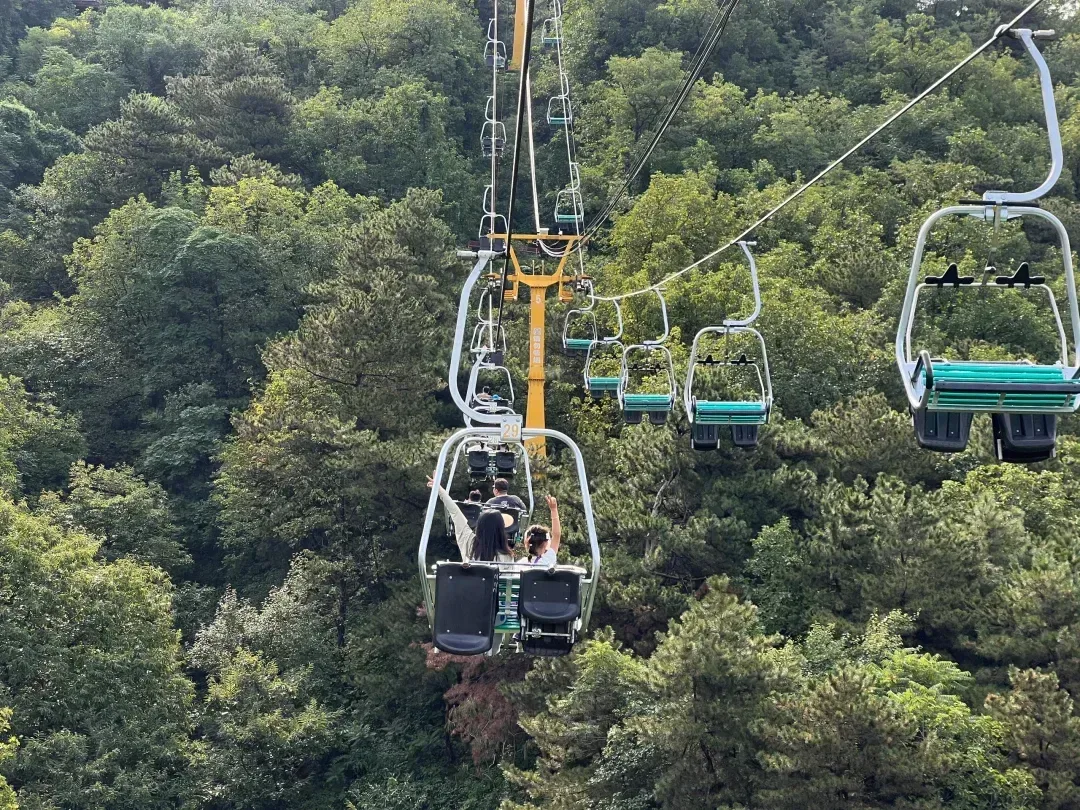
Mutianyu Great Wall open chairlift above forest
Mutianyu transport planning should compare cable car, chairlift, and toboggan options before deciding the final route.
Transport planning should include the scenic-area shuttle and uphill/downhill choices, not only the ride from Beijing.

Before-You-Go Checklist

  • Check official Mutianyu notices and current ticketing or entry rules.
  • Confirm your transport pickup point and return arrangement.
  • Leave early if traveling on weekends, holidays, or in spring/autumn peak periods.
  • Do not rely on a last-minute return taxi unless you have a backup plan.
  • Keep phone data, payment, and map access ready before leaving central Beijing.
  • Allow extra time for scenic-area shuttle movement, tickets, and cable-car queues.

Practical Verdict

For most first-time foreign visitors, the best way to get to Mutianyu Great Wall from Beijing is a private transfer or reliable shuttle. Public transport is possible and can be rewarding for flexible travelers, but it adds transfer risk and return uncertainty. Choose the transport method that protects your time and energy, because the best part of the day should be walking on Mutianyu, not solving logistics.

Sources Checked

Related Great Wall section comparison

If you are deciding between a polished restored-wall visit and a quieter lakeside route, see Mutianyu Great Wall or Huanghuacheng Lakeside Great Wall.

n

Related family planning guide

For a family-specific comparison of the two most common first-visit sections, see Mutianyu Great Wall or Badaling Great Wall with Kids.

n

Related family planning guide

For families comparing Mutianyu with a closer pass-style section, see Mutianyu Great Wall or Juyongguan Great Wall with Kids.

Related Great Wall comparison

For a safety-focused comparison of restored Mutianyu and wild Jiankou, see Mutianyu Great Wall or Jiankou Great Wall.
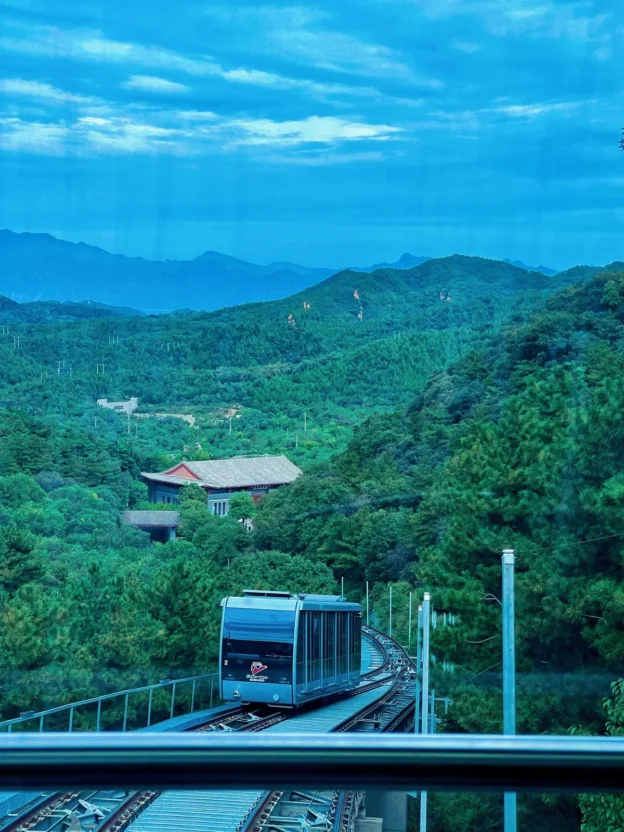
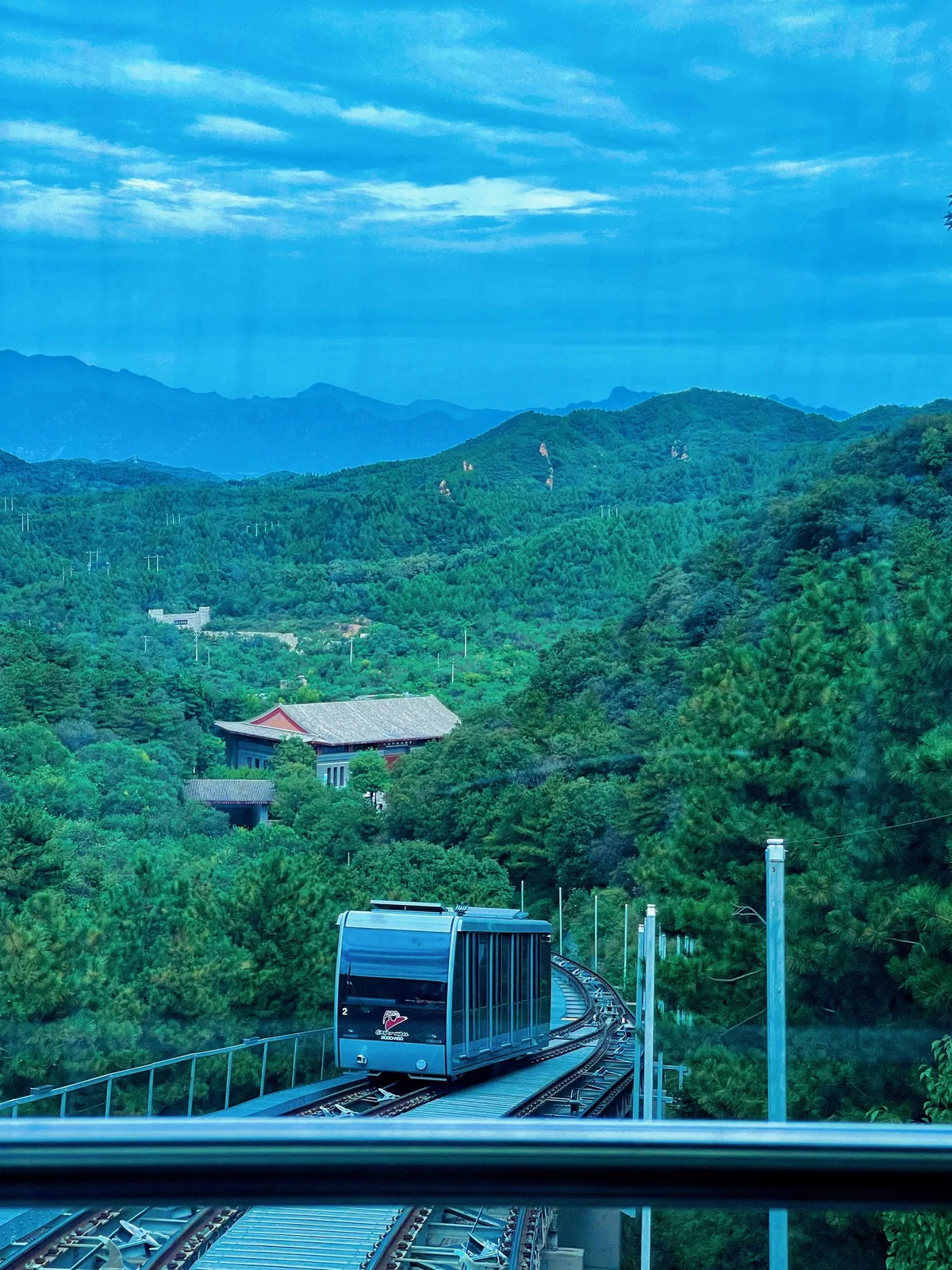
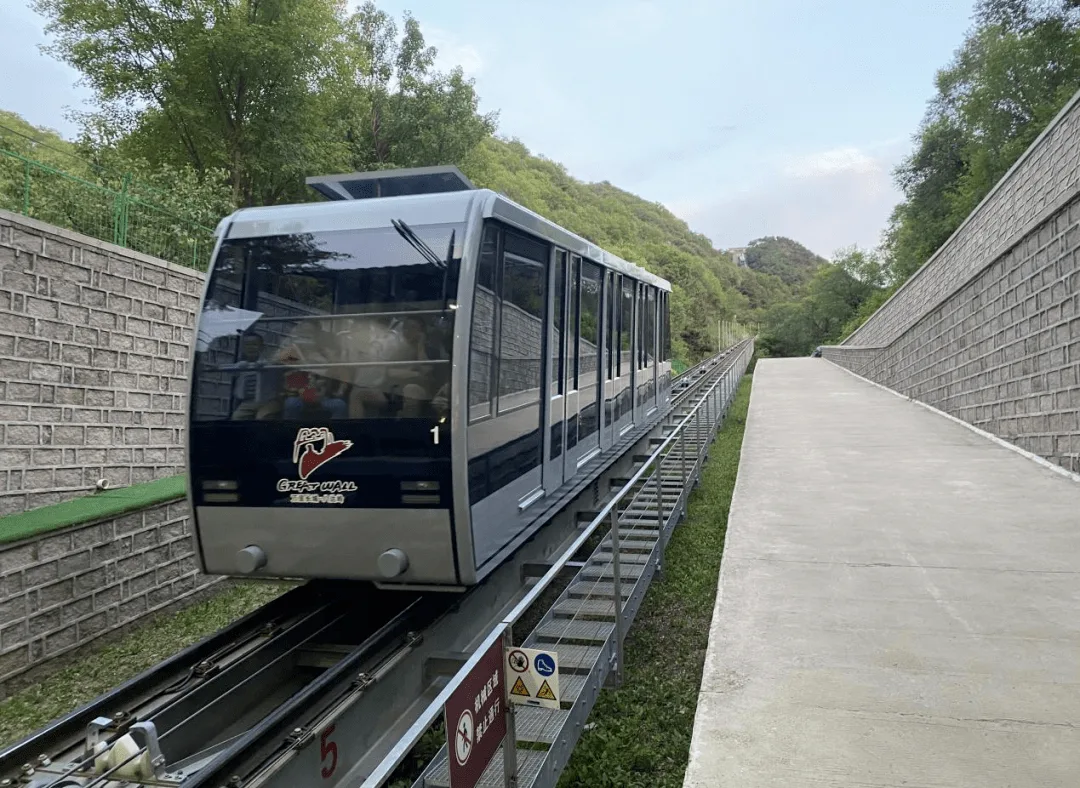
Badaling Great Wall ground cable car track

How to Get to Badaling Great Wall from Beijing: Train, Bus 877, and Car Options

Badaling Great Wall is the easiest Great Wall section to reach by public transport from central Beijing. It is famous, heavily developed, and popular with Chinese tour groups, so it is not always the quietest choice for foreign first-time visitors. If convenience matters more than atmosphere, however, Badaling is still a practical option: you can go by high-speed train, public bus, tourist shuttle, private car, or guided day tour.

Fast Answer: Best Way to Get to Badaling from Beijing

For many independent travelers, the train route to Badaling is the cleanest public-transport option, especially if you can use Qinghe Railway Station or Beijing North Railway Station. Bus 877 can still work from Deshengmen, while a private car or day tour is easier if you have luggage, children, a tight hotel pickup plan, or a flight buffer.

RouteBest forMain tradeoff
Train from Qinghe Railway StationNorth Beijing, Haidian, Wudaokou, Xierqi, ZhongguancunRequires train-ticket timing and station navigation.
Train from Beijing North / XizhimenTravelers staying near Xizhimen or central-north BeijingNot always more convenient than Qinghe depending on your hotel.
Bus 877 from DeshengmenBudget travelers who can handle bus-stop checksMore sensitive to queues, traffic, and current operating details.
Private car or day tourFamilies, luggage, layovers, early starts, or hotel pickupUsually costs more, but reduces transfer stress.

Still deciding between sections? Read Badaling vs Mutianyu first. For all Beijing starting points, use the Beijing to Great Wall transport hub.

Information check: this guide was reviewed on May 17, 2026. Train times, bus stops, ticket rules, and scenic-area operations can change during holidays, weather alerts, or seasonal crowd-control periods. Check official railway, bus, and Badaling channels before you leave Beijing.

Badaling Great Wall ground cable car track
Transport planning matters because Badaling has several uphill route choices.

Quick Planning Snapshot

  • Best for: travelers who want the easiest public transport and strong visitor facilities.
  • Best route for many visitors: high-speed train to Badaling Great Wall Station if tickets fit your timing.
  • Budget route: Bus 877 from Deshengmen, with careful attention to the official boarding point.
  • Most flexible route: private car or driver, especially for families or tight schedules.
  • Crowd note: Badaling is usually busier than Mutianyu Great Wall, especially on weekends and Chinese holidays.
  • Badaling vs Juyongguan Great Wall for a section-choice comparison before you commit to Badaling.

Option 1: High-Speed Train

The high-speed railway is usually the cleanest and most predictable way to reach Badaling if the train time works for your day. Trains use stations such as Beijing North or Qinghe, then arrive at Badaling Great Wall Station near the scenic area. The total travel time can be short, but foreign visitors should still allow time for station security, ticket checks, walking, and the connection from the station to the entrance area.

This option is best if you are comfortable using 12306, a China railway counter, or a travel app that can issue train tickets correctly. Morning trains can sell out during peak periods, so do not assume you can always buy the ideal departure at the last minute.

Badaling Great Wall cable car crossing a shaded valley
Badaling cable routes cross steep valleys before reaching higher wall areas.
Badaling has strong infrastructure, but it is also one of the busiest Great Wall sections.

Option 2: Bus 877 from Deshengmen

Bus 877 is the classic budget route from Beijing to Badaling. It normally departs from the Deshengmen area and runs directly toward the Badaling scenic area. The important point is to find the real public-bus boarding area and avoid unofficial sellers, private vans, or “helpful” touts around tourist bus stops.

Use subway lines to reach the Deshengmen/Jishuitan area, follow current bus-stop signs, and keep your route simple. The bus can be good value, but it is less comfortable than the train or a private car, and return timing matters because afternoon crowds can build around the exit and bus area.

Option 3: Tourist Shuttle or Day Tour

Tourist shuttles and organized day tours are useful if you want fewer navigation steps. They can work well for families, older travelers, or visitors who do not want to manage train tickets and bus stops in Chinese. Before booking, check whether the tour goes directly to Badaling, whether it includes shopping stops, and how much time you actually get on the wall.

If you are deciding between Badaling and Mutianyu, read the Badaling vs. Mutianyu comparison first. Many foreign visitors prefer Mutianyu for a calmer first Great Wall experience, while Badaling is stronger when public transport convenience is the priority.

Option 4: Private Car or Driver

A private car is the easiest option if you are traveling with children, seniors, luggage, or a tight Beijing itinerary. It also helps if you want to combine Badaling with nearby Yanqing sights or return at a flexible time. The trade-off is cost and holiday traffic. On peak days, road congestion near the scenic area can reduce the advantage of a car.

Steep Badaling Great Wall steps with visitors
Some Badaling routes still involve steep walking after transport connections.
Consider cable-car or pulley options if you want to save energy for walking the wall itself.

Which Route Should You Choose?

RouteBest ForMain Caution
High-speed trainFast, predictable travelTicket availability and station connection time
Bus 877Budget travelersFinding the official boarding point and managing return timing
Tourist shuttleVisitors who want fewer transfersCheck for shopping stops and actual wall time
Private carFamilies, seniors, flexible schedulesHigher cost and holiday road traffic

Before You Leave Beijing

  • Check train or bus timing on the day, especially if returning to Beijing for an evening plan.
  • Bring your passport or ID details if your ticketing channel requires identity verification.
  • Decide whether you want to use Badaling cable-car or pulley facilities before you arrive.
  • Pack for wind, sun, and steep steps using the Great Wall packing guide.
  • Check weather before departure; in rain, use the rainy-day Great Wall guide before committing.

Sources Checked

Final transport checks before choosing Badaling

Badaling is often the easiest Great Wall section to arrange by public transport, but easy does not always mean best. It is famous, developed, and suitable for visitors who value infrastructure. It can also feel crowded, especially during Chinese holidays, school breaks, and peak weekend periods. If atmosphere matters more than fame, compare Badaling and Mutianyu before committing.

Who should choose this route?

Choose Badaling if you want the most famous section, straightforward transport, official facilities, and a lower-risk plan for a first trip. Avoid it if you want quiet scenery, longer hiking, or a less tour-group-heavy feel. For a family or older traveler, Badaling can work well if you start early and avoid peak dates.

Backup planning

Save the Chinese name 八达岭长城, your station or pickup point, and return route before leaving Beijing. Do not rely only on live signal or one app. If the weather turns bad or crowds are heavy, shorten the wall time rather than rushing the return journey.

For current transport, ticket, opening, and seasonal rules, check official scenic-area channels, local government notices, or transport operators before visiting. Commercial tour-company pages are not used as public sources.

n

Related family planning guide

For a family-specific comparison of the two most common first-visit sections, see Mutianyu Great Wall or Badaling Great Wall with Kids.

Related Great Wall comparison

For a classic daytime section versus a Simatai night-trip comparison, see Badaling Great Wall or Simatai Great Wall.

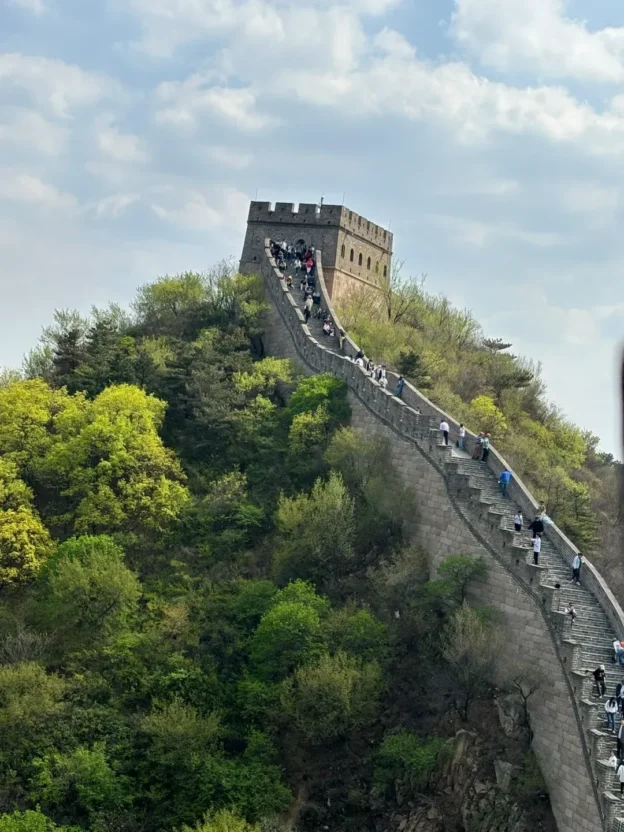
Badaling Great Wall steep stone steps and watchtower

Which Sections of the Great Wall Are Recommended?

The best Great Wall section depends on your route, season, walking ability, and reason for visiting. If you are an inbound traveler planning from Beijing, start with this rule: Mutianyu for the best first visit, Badaling for transport convenience, Jinshanling for hiking and photography, Simatai for night/overnight plans, and wild sections only for experienced hikers.

Quick planning snapshot

  • Best for: First-time visitors comparing the main Great Wall sections near Beijing.
  • Use this guide for: Matching section choice with crowd tolerance, transport comfort, scenery, and walking difficulty.
  • Planning focus: Decide between Mutianyu, Badaling, Jinshanling, Simatai, Juyongguan, and quieter alternatives before checking current access rules.

Information check: this guide was reviewed on May 14, 2026. Opening rules, ticketing, access restrictions, and transport can change by season, weather, and holiday period. Verify official information before traveling.

Great Wall section comparison image with restored wall and mountains
Recommended sections should be chosen by traveler type and route, not only by fame.

Recommended Sections by Traveler Type

Traveler TypeRecommended SectionWhy
First-time foreign visitorMutianyuBest balance of scenery, comfort, and crowd control
Public-transport priorityBadalingStrongest transport infrastructure from Beijing
Serious walkerJinshanlingBetter ridges, towers, and hiking atmosphere
Night view or resort staySimataiWorks with Gubei Water Town and evening access
History-focused eastern routeShanhaiguan/LaolongtouExplains the eastern end and coastal pass system
Experienced wild-wall hikerJiankou, Gubeikou, Wohushan, DongjiakouOnly with current route checks and safety planning

Top Beijing-Area Recommendations

Mutianyu should be the starting recommendation for most international visitors. It gives the “classic Great Wall” feeling without the heaviest Badaling crowd pressure. Use it for families, first-timers, couples, and travelers who want a strong day trip from Beijing.

Badaling is best when public transport, accessibility infrastructure, or name recognition matters most. It is not the quietest section, but it is efficient and well supported.

Panoramic Great Wall section for choosing where to visit
Mutianyu and Badaling are the main practical first-visit choices near Beijing.

Jinshanling is the best mainstream choice for hikers and photographers. It is farther from Beijing and needs more planning, but the mountain views are worth it for active travelers.

Simatai is best for people who specifically want Gubei Water Town, night-wall access, or an overnight Great Wall plan. It is not the easiest simple day-trip section.

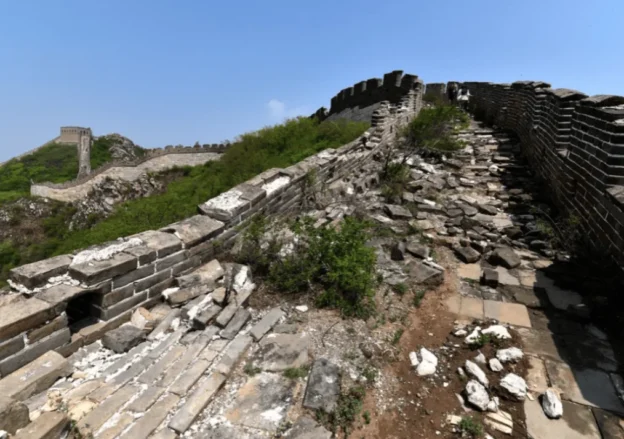
Great Wall watchtower and steps for section planning
More remote or steep sections need stronger planning and safer weather.

Recommendations Outside the Standard Beijing First Visit

Shanhaiguan and Laolongtou are excellent if your trip includes Qinhuangdao or the eastern end of the Ming Great Wall. They are more about coastal history and pass geography than a classic Beijing mountain-wall walk.

Jiankou, Dongjiakou, Wohushan, and similar wild sections should be treated as specialist hiking routes. They can be beautiful, but they require route checks, appropriate footwear, weather caution, and conservative judgment.

How to Choose Quickly

  • If this is your only Great Wall day, choose Mutianyu unless you have a clear reason not to.
  • If you need the easiest public transport, choose Badaling.
  • If you want hiking and photos, choose Jinshanling.
  • If you want a night/overnight plan, choose Simatai with Gubei Water Town.
  • If a route is wild or unrestored, check safety and access before treating it as an option.

For detailed planning, compare Beijing to Great Wall transport, best time to visit, and what to pack for the Great Wall.

Sources Checked

How to choose without overcomplicating it

For most foreign visitors, the choice should start with time and comfort rather than a long list of names. If you have one Beijing day and want the highest chance of a satisfying visit, choose Mutianyu. It gives a classic restored-wall experience with enough facilities and scenery for first-timers. If your main concern is public transport, compare Badaling, but plan around crowds and holiday pressure.

If you are more active, move beyond the simple first-visit decision. Jinshanling is usually the stronger recommendation for hiking atmosphere, ridge views, and photography. Gubeikou-Jinshanling is more serious and should be planned as a hike, not casual sightseeing. Simatai works best when you specifically want Gubei Water Town, a slower overnight plan, or night-wall access subject to current rules.

What not to recommend too quickly

Wild or partly unrestored sections should not be presented as upgrades for every traveler. Jiankou, Wohushan, Dongjiakou, and similar routes can be memorable, but they need better weather, stronger footwear, route confidence, and conservative safety judgment. A traveler with limited time, young children, mobility concerns, or a tight flight/train schedule is usually better served by Mutianyu, Badaling, or a managed hiking section such as Jinshanling.

Also avoid choosing a section only because it appears in dramatic photos. Some photos come from steep, restricted, seasonal, or privately arranged routes. Before recommending any section, match it to the visitor’s actual route: Beijing city base, overnight stay, hiking ability, transport tolerance, and whether they want scenery, history, accessibility, or a quieter day.

Recommended section combinations

  • First Beijing trip: Mutianyu first; Badaling only if transport convenience or name recognition is the priority.
  • Two Great Wall days: Mutianyu for the classic visit, then Jinshanling for hiking and photography.
  • Family route: Mutianyu or Badaling, with cable-car/weather checks before booking.
  • History route: Juyongguan, Shanhaiguan, or Laolongtou can add pass and endpoint context.
  • Night/overnight route: Simatai with Gubei Water Town, checked against current scenic-area rules.

Planning checks before deciding

Check the official section channel before travel, especially during Chinese public holidays, winter weather, summer storms, and maintenance periods. Confirm the route back to Beijing before focusing on the outbound route. Many Great Wall mistakes happen because visitors plan the arrival carefully but leave the return vague. For practical comparison, use the Beijing-area section guide, the Beijing-to-Great-Wall transport guide, and the packing guide.

Bottom line

The recommended Great Wall section is not universal. Mutianyu is the safest default for many inbound first-timers, Badaling is the convenience choice, Jinshanling is the hiking and photography choice, and Simatai is an overnight/night-route choice. More difficult sections should be recommended only when the traveler’s ability, season, and logistics make them genuinely appropriate.

Stone remains of an early Great Wall section

The Origin of the Great Wall of China: From Early Defenses to Ming Sections

The origin of the Great Wall is not a single foundation date. It grew from early frontier defenses built by competing states, then became part of larger imperial systems under Qin, Han, Ming, and other dynasties. For travelers, the key point is simple: the Great Wall began as practical defense and border control, then became the famous cultural landscape people visit today.

Quick planning snapshot

  • Best for: readers who want the origin story before visiting Beijing-area sections.
  • Use this guide for: understanding early state walls, Qin unification, and why the Ming wall dominates modern travel images.
  • Planning focus: pair this background with Which Sections of the Great Wall Are Recommended? so history helps you choose the right section.

Early defenses before a unified China

Long before the Great Wall became a national symbol, states built walls, ditches, passes, and watch systems to defend borders. These early works were not one unified monument. They were practical military responses to terrain, rival states, and northern frontier pressure. This is why the phrase “the origin of the Great Wall” should be understood as a process rather than one construction event.

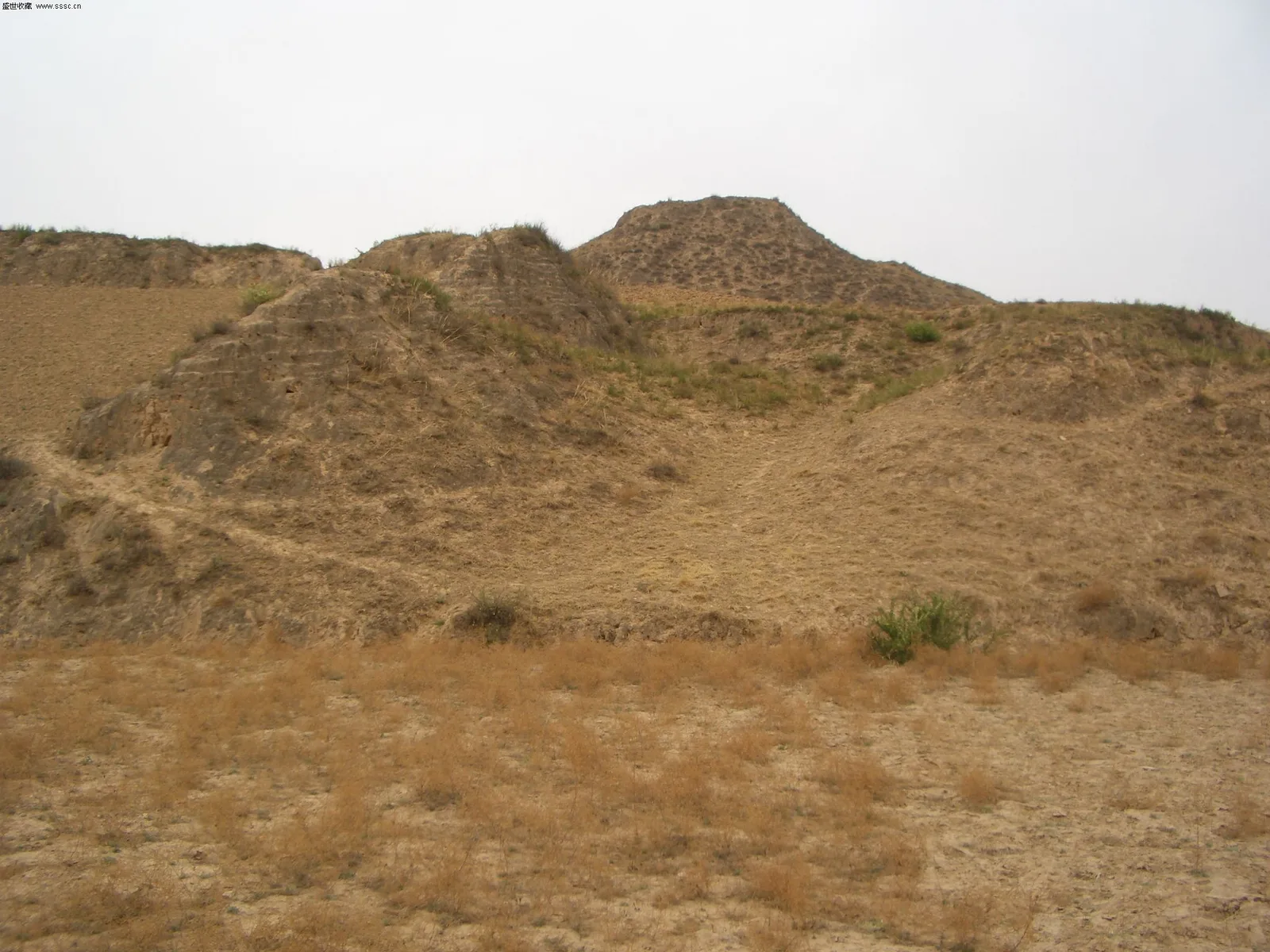
Early Great Wall remains following a dry hill ridge
The origin of the Great Wall is tied to regional walls that used hills, ridges, and passes for defense.

Qin turned separate walls into an imperial idea

After Qin unified China, earlier defenses were connected and reorganized to protect the northern frontier. Qin’s role is important, but it should not be simplified into “Qin built the whole Great Wall.” The The Great Wall of the Qin Dynasty guide explains why Qin was a turning point while still only one chapter in a much longer history.

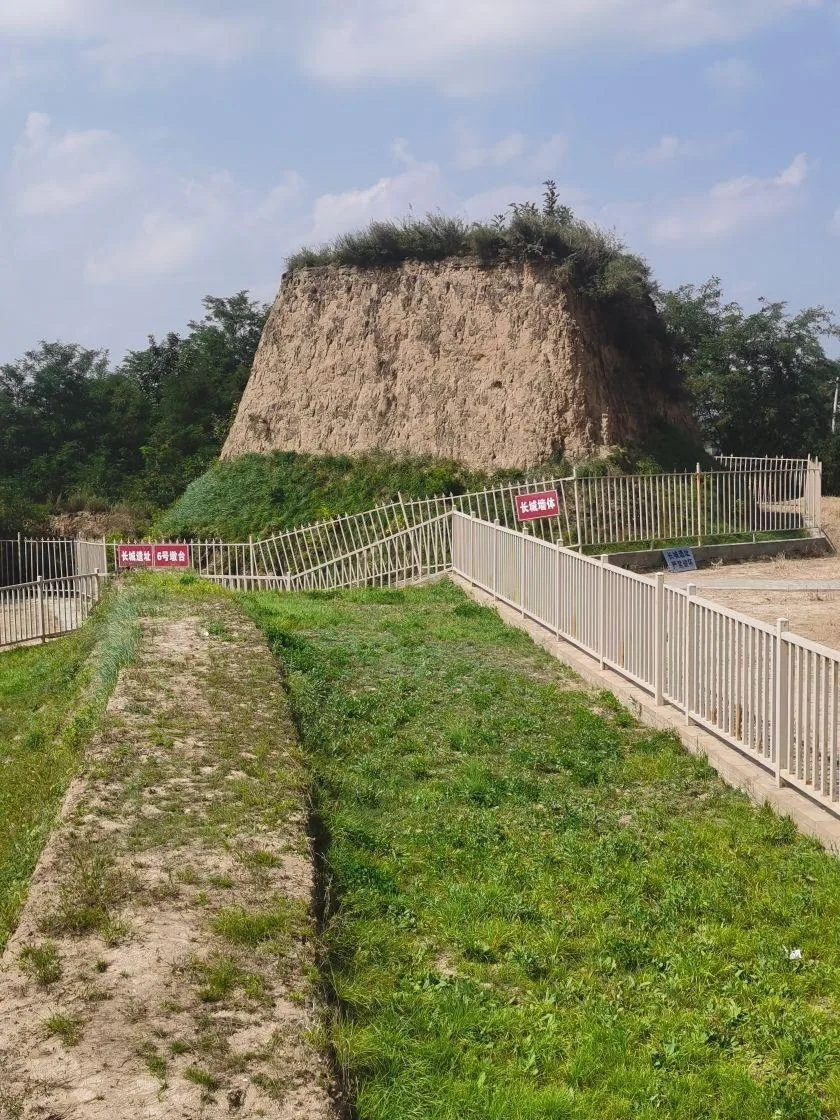
Protected early earth wall heritage site with visitor fencing
Protected earth-wall sites show how early Great Wall origins can look very different from the restored Ming sections near Beijing.
Qin helped turn separate regional walls into a larger imperial defense idea.

Why the wall visitors see is often much later

Many first-time visitors imagine the Great Wall as one ancient structure preserved unchanged from Qin times. In reality, the sections most foreign travelers visit from Beijing, such as Mutianyu, Badaling, Jinshanling, and Simatai, are strongly associated with later Ming rebuilding. The origin story explains the idea; the Ming period explains much of the visible stone-and-brick wall seen in travel photos.

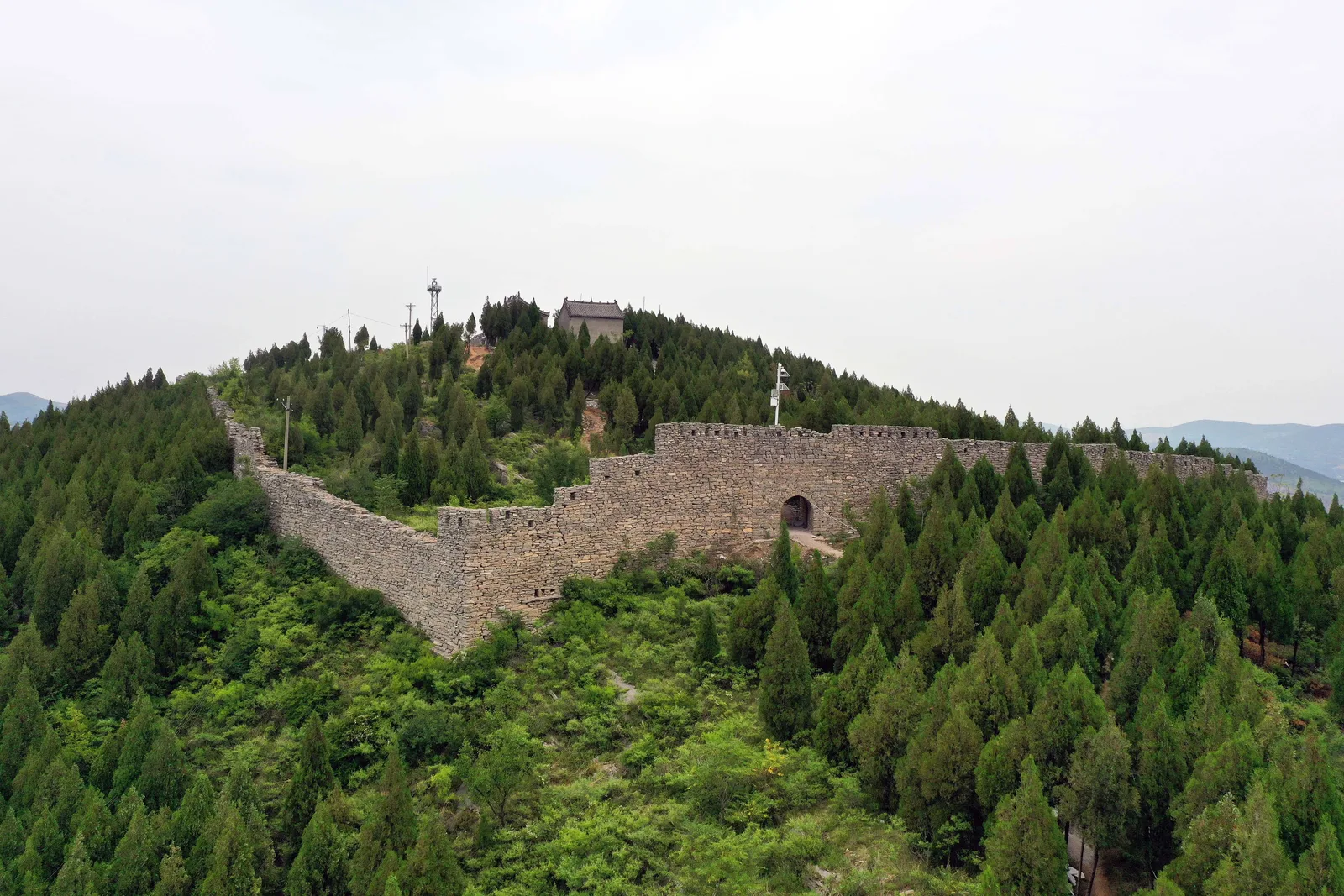
Early Great Wall remains crossing forested hills
Early regional walls were built in varied terrain before later dynasties connected and rebuilt larger systems.
Different dynasties used different materials depending on terrain, labor, and military needs.

How this helps with travel planning

If you want accessible scenery and a first-time foreign visitor route, start with How to Explore Mutianyu Great Wall Easily. If you want fame and train convenience, compare How To Get To Badaling Great Wall From Beijing. If you want the origin story to shape your itinerary, add a history-focused stop such as Juyongguan or Shanhaiguan, then read When Was the Great Wall of China Built? A Clear Timeline for Travelers to place the route on a timeline.

For general historical grounding, cross-check references such as UNESCO’s Great Wall listing, Britannica, and local official visitor updates before traveling. Rules, trail access, and site operations can change during holidays or seasons.

Recommended next reads

Why there is no single origin date

It is tempting to ask for the year the Great Wall began, but that framing creates confusion. A wall in one northern state, a Qin frontier link, a Han desert defense, and a Ming brick pass near Beijing are not the same construction campaign. They are layers in a long border-defense tradition. When writing or planning travel, the safest wording is that the Great Wall developed over many centuries from earlier regional defenses into later imperial frontier systems.

This distinction also helps visitors read the landscape more accurately. A steep restored ridge near Beijing is usually not a surviving Qin wall. A pass, beacon tower, or rammed-earth line in the northwest may tell a different story from the stone-and-brick scenery most people photograph at Mutianyu or Badaling. The origin is therefore a historical process, while the visible travel experience depends on which section you choose.

What early walls were trying to do

The earliest defensive lines were practical. States used walls, natural barriers, garrisons, and passes to slow raids, protect farmland, control movement, and signal danger. The walls did not need to be continuous in the modern tourist sense. They worked with mountains, deserts, rivers, and forts. That is why some Great Wall history is about architecture, while much of it is really about frontier management and military geography.

For a traveler, this means an old wall should not be judged only by how tall or complete it looks. A low earth line, a pass gate, or a tower position can be historically meaningful even if it does not match the postcard image. This is especially important when comparing history-focused routes with polished first-visit sections.

How to connect the origin story to a real itinerary

If this is your first Great Wall trip from Beijing, use the origin story as background and choose a practical section first. Mutianyu is still the best default for many foreign visitors because it balances scenery, access, and comfort. Badaling works when famous-name recognition and transport infrastructure matter more. Jinshanling makes more sense when you want a hiking-focused Ming wall experience.

If you have more time, add context rather than chasing the oldest possible wall remains. Qin history, Han frontier expansion, and the full construction timeline will explain why the wall changed from regional defense to imperial border system and then to the Ming sections travelers know today.

Common misunderstandings to avoid

  • “The Great Wall started with Qin Shi Huang.” Qin was a major turning point, but earlier states had already built defensive walls.
  • “The whole wall is one continuous path.” The Great Wall is a collection of wall systems, passes, towers, and frontier landscapes built across different periods.
  • “The famous Beijing sections show the earliest wall.” Most well-known visitor sections near Beijing are mainly associated with the Ming period.
  • “Older always means better to visit.” For inbound travelers, the best section depends on access, safety, scenery, and time, not only age.

Bottom line

The Great Wall originated as practical regional defense and became a much larger imperial idea over time. Qin helped organize that idea, Han extended frontier systems, and Ming rebuilding created many of the wall images travelers recognize today. Use the origin story to understand what you are seeing, then choose the section that fits your route, season, and walking ability.

More Great Wall Facts and Myths

For a wider fact-check path, use the Great Wall Facts and Myths hub. It links the space myth, real length, builders, dynasties, origins, and why the wall was built.

Ruined Great Wall stones on a mountain ridge

The Earliest Great Wall of China: Pre-Qin Origins Explained

The earliest Great Wall was not the famous brick wall near Beijing. It began as separate defensive walls built by states before China was unified. These early walls were usually made from earth, stone, river dikes, mountain barriers, and local materials. They were practical frontier defenses, not one continuous national monument.

Quick planning snapshot

  • Best for: readers comparing early walls with the restored Ming sections near Beijing.
  • Main answer: early state walls appeared before Qin, especially during the Spring and Autumn and Warring States periods.
  • Travel connection: most Beijing visitor sections are much later, so do not assume they show the earliest wall form.

Early walls before China was unified

Before the Qin Dynasty, China was divided among competing states. Several states built defensive works to protect borders, capitals, river corridors, and mountain routes. These early walls were not identical. Some followed ridges; some used earthworks; some connected natural barriers; some protected against rival states as much as northern nomadic groups. This is why historians describe the Great Wall as developing from many regional defenses.

Open ridge view of early Great Wall earthwork remains
Early wall remains are easier to understand as frontier systems than as one continuous tourist wall.

Which wall was earliest?

Different sources describe the earliest sections in slightly different ways because “Great Wall” is a later umbrella term. Britannica notes early defensive building in the Spring and Autumn and Warring States periods, including state walls such as Chu, Qi, Wei, Zhao, Yan, and Qin. Some Chinese discussions also highlight the Qi Great Wall as one of the oldest surviving Great Wall-related systems. The safest travel-friendly wording is: the earliest Great Wall origins lie in pre-Qin regional walls, and Qin later connected parts of that defensive tradition into an imperial frontier system.

Warring States period stone wall remains on a rocky slope
Pre-Qin walls were often regional defenses built by individual states before later imperial systems.

How early walls were different from Ming walls

Early walls often used rammed earth, stone, and terrain more than the brickwork visitors associate with famous restored sections. They were usually less uniform than Ming walls, and many survive only as traces, ruins, or archaeological remains. The Ming wall, by contrast, produced many of the watchtower-and-brick landscapes that foreign visitors recognize from Mutianyu, Badaling, Jinshanling, and Shanhaiguan.

This distinction matters because a visitor can easily look at a restored Ming section and imagine it represents the whole history of the Great Wall. In reality, the earliest walls were older, rougher, more regional, and built for different political conditions. The site’s Origin of the Great Wall article explains this broader development, while When Was the Great Wall Built? places the periods in order.

Ruined Great Wall stones on a mountain ridge
Pre-Qin wall remains are often rough, broken, and integrated with mountain terrain.
Qin transformed earlier regional wall traditions into a larger imperial defense idea.

What changed under Qin?

Qin Shi Huang did not invent wall-building from nothing. After unifying China in 221 BCE, Qin removed some internal barriers between former states and connected or strengthened northern defenses against frontier threats. This step turned earlier regional wall logic into something closer to an imperial defense system. It also created the reason Qin is so strongly associated with the Great Wall in popular memory.

What this means for travelers

If you are visiting from Beijing, you are unlikely to see the earliest wall layers on a standard day trip. You will usually see restored Ming sections. That is fine, but name the section clearly: Mutianyu for a foreign-visitor-friendly first trip, Badaling for fame and infrastructure, Jinshanling for hiking, Shanhaiguan for endpoint history. If your interest is specifically the earliest Great Wall, treat it as a history research theme rather than a simple Beijing excursion.

Sources and next reads

For source checks, use Britannica, UNESCO World Heritage Centre, and official conservation context from China government conservation update. Then continue with The Qin Dynasty Great Wall, The Han Dynasty Great Wall, and Great Wall sections near Beijing.

Why early walls are harder to visit

Many early walls were made from earth or local stone, so they do not always survive as dramatic tourist structures. Some have been eroded, buried, farmed around, studied as archaeological remains, or protected in areas that are not developed for casual visitors. This is one reason foreign travelers usually encounter Ming sections first. The Ming walls near Beijing are more visible, more restored, and easier to access, even though they are not the beginning of the Great Wall story.

How the early wall idea developed

The earliest walls were responses to local political and military pressure. A state might need to protect a capital region, defend a border against a rival state, or control a mountain corridor. Over time, these separate projects created a tradition of frontier building. Qin inherited this tradition after unification and reshaped it into a larger imperial defense concept. Later dynasties then adapted the idea to their own threats, geography, and resources.

How to connect early history with a Beijing trip

If your trip is based in Beijing, use the early history as context rather than expecting to see the oldest remains. A Mutianyu or Badaling visit shows the later Ming version of Great Wall defense. A history-focused reader can then connect that visible wall back to earlier ideas: frontier control, state borders, military routes, and the use of terrain. That makes even a restored tourist section more meaningful.

Bottom line

The earliest Great Wall was a collection of pre-Qin regional defenses, not the restored brick wall most travelers see near Beijing. Qin connected and reorganized parts of that older tradition, while Ming later produced many famous visitor sections. This timeline is the safest way to explain early Great Wall history without overstating one single origin point.

More Great Wall Facts and Myths

For a wider fact-check path, use the Great Wall Facts and Myths hub. It links the space myth, real length, builders, dynasties, origins, and why the wall was built.

Ancient Great Wall remains across dry hills

Why Was the Great Wall of China Built? Defense, Passes, and Frontier Control

The Great Wall was built for defense, but “defense” is only the starting point. Different dynasties used walls, passes, watchtowers, garrisons, and signal systems to manage frontiers, protect routes, control movement, support military logistics, and define political space. It was never just a long stone barrier meant to stop every invasion by itself.

Fast Answer: Why Was the Great Wall Built?

The Great Wall was built mainly to manage and defend northern frontiers, but its job was broader than stopping every invasion. It helped control passes, watch movement, support garrisons, send warnings, protect routes, and mark political boundaries.

Purpose How it worked What visitors can notice
Defense Walls, towers, and garrisons slowed raids and shaped military movement. Watchtowers, ridgelines, and steep stairways.
Frontier control Passes and gates managed who and what moved through key routes. Fortified passes such as Juyongguan and major gate areas.
Warning and logistics Towers, signals, patrols, and supply routes helped coordinate defense. Lines of towers placed for visibility across mountains.

For the people and dynasties behind these systems, read who built the Great Wall. For a visitor-friendly overview, start from Great Wall facts and myths.

Quick planning snapshot

  • Best for: travelers who want to understand what they are seeing on the wall.
  • Main answer: frontier defense, route control, warning systems, and military administration.
  • Travel connection: watchtowers, passes, stairs, and mountain routes make more sense once you know the wall was a system.

It protected northern frontiers

The most common explanation is correct: the Great Wall helped protect northern borders from raids and military pressure. Early states built walls against rival states and northern groups. Qin and Han reorganized frontier defenses on a larger imperial scale. Ming rulers later strengthened walls and passes because northern threats remained strategically important. But the wall was never magic. It worked together with soldiers, patrols, supplies, diplomacy, and local terrain.

Stone Great Wall remains climbing a dry hillside
Stone and earth remains show how early frontier walls used ridges and slopes for defensive control.

It controlled passes and movement

Great Wall passes mattered as much as the wall itself. A pass could control a valley, road, trade route, or military corridor. Juyongguan guarded an important route northwest of Beijing. Shanhaiguan controlled the corridor between the North China Plain and the northeast. Jiayuguan guarded the western end of the Ming wall in the Hexi Corridor. These places show that the wall was about movement: who could pass, where armies could move, and how frontier traffic could be watched.

Stone Great Wall remains along a mountain ridge
Early wall systems were built to control ridges, passes, and frontier movement.

It created warning and communication lines

Beacon towers and watchtowers allowed defenders to send warnings across long distances. Smoke, fire, flags, and other signals could alert nearby posts of danger. This is why many sections are built along high ridges: elevation gave visibility. When you stand on a tower at Mutianyu or Jinshanling, you are not only looking at scenery. You are standing in a place chosen for surveillance, warning, and communication.

It supported military administration

The wall also helped organize soldiers, supplies, forts, and local defense zones. Garrisons needed food, water, weapons, repairs, and roads. A strong section was not just a wall line; it was part of a managed military landscape. This is especially visible in Ming sections, where walls, towers, passes, and fortresses form a connected system. The site’s Ming Dynasty Great Wall article explains why many famous visitor sections belong to this later defensive network.

Ancient Great Wall ruins on a dry mountain ridge
Early defensive walls often followed mountain ridges, passes, and other terrain that controlled movement.

It did not always stop invasions

A realistic article should not claim the Great Wall always worked. Walls can slow movement, channel armies into controlled points, and give defenders warning time, but they cannot replace strategy or political stability. At times, attackers crossed, bypassed, bribed, or captured key passes. The wall’s value was strongest when it was maintained, supplied, and integrated with active defense.

What this means for a visit

If you choose Mutianyu, look for how the towers sit on the ridge and control lines of sight. If you choose Badaling, notice the broad pass area and heavy infrastructure. If you choose Laolongtou and Shanhaiguan, focus on route control and the sea-facing endpoint. A Great Wall trip becomes richer when you see each section as a defensive landscape, not just a photo background.

Sources and next reads

For source checks, compare UNESCO World Heritage Centre, Britannica, and China government conservation update. Then read Who Built the Great Wall?, When Was It Built?, and Which Great Wall Sections Are Recommended?.

Why mountains were part of the defense

The wall was often placed where terrain already helped defenders. Mountain ridges, narrow valleys, river crossings, and coastal corridors shaped the route. A high ridge made movement harder for attackers and gave defenders better visibility. A pass forced traffic through a controlled point. This is one reason the wall looks so dramatic in photos: the scenery is not accidental. The landscape was part of the defense design.

Was the wall for trade or against trade?

The wall did not simply block all exchange. Frontier zones could include markets, gates, negotiations, taxation, military control, and seasonal movement. In some periods, states wanted to regulate movement rather than stop every contact. A pass could be a military checkpoint, a symbolic boundary, and a controlled crossing. This is why the Great Wall should be understood as a frontier management system, not just a physical obstacle.

What visitors should notice on site

At Mutianyu, notice the towers and changing slopes: they show how defenders could observe multiple ridges. At Badaling, notice the pass-like geography and heavy visitor infrastructure around a historically important route. At Jinshanling, the longer ridge walking gives a better feeling for signal lines and distance. At Shanhaiguan, the wall’s relationship to the coast and corridor makes the route-control function especially clear.

Bottom line

The Great Wall was built to make frontier defense more manageable. It helped channel movement, warn garrisons, protect strategic corridors, and organize military control. It was strongest when maintained as part of a wider system of soldiers, passes, towers, roads, supplies, and terrain. That is the context visitors should keep in mind at every section.

For trip planning, this also means each wall section should be interpreted through its location: mountain ridges for observation, passes for movement control, and restored scenic areas for modern visitor access.

More Great Wall Facts and Myths

For a wider fact-check path, use the Great Wall Facts and Myths hub. It links the space myth, real length, builders, dynasties, origins, and why the wall was built.

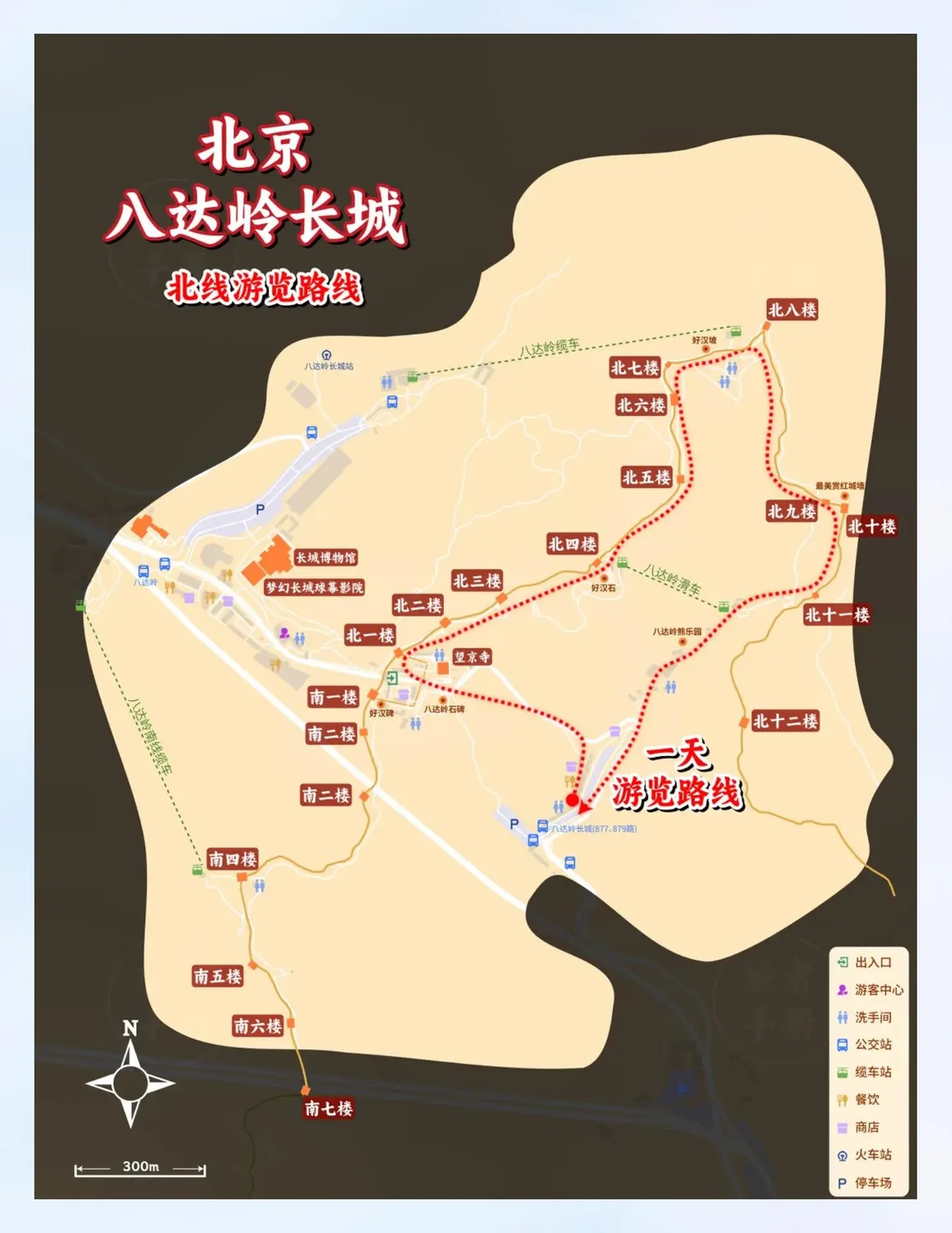
Badaling Great Wall route map for understanding restored tourist sections

How Long Is the Great Wall of China? Length in KM, Miles, and Map Context

The Great Wall of China is usually described as more than 21,000 kilometers long, but that number needs context. It does not mean there is one continuous walkway stretching across northern China. The figure includes wall sections, trenches, natural barriers, branches, and remains from different dynasties. For travelers, the useful question is not only “how long is it?” but also “which part can I actually visit?”

Fast Answer: Great Wall Length in Kilometers and Miles

The most useful short answer is: the full Great Wall system is usually cited at about 21,196 km, or about 13,171 miles. That number includes more than the restored brick walls tourists walk on near Beijing; it also counts trenches, branches, natural barriers, and remains from different periods.

Length question Short answer What it means
How long is the Great Wall of China? About 21,196 km / 13,171 miles The full historical wall system, not one continuous walkway.
How long is the wall visitors can walk? Much shorter Tourists visit restored sections such as Mutianyu, Badaling, Jinshanling, and Simatai.
Why do length numbers differ? Different counting methods Some figures count only walls; others include trenches, branches, passes, and ruins.

For broader context, continue with the Great Wall facts and myths hub, then compare visitor sections in Badaling vs Mutianyu.

Quick planning snapshot

  • Best for: readers who want a clear explanation before comparing Beijing-area sections.
  • Main number to know: modern surveys place the total Great Wall system at over 21,000 km.
  • Travel reality: restored visitor sections are small, separated parts of a much larger historical defense network.

The short answer: over 21,000 kilometers

Current public summaries normally cite a total length of more than 21,000 km for the Great Wall system. The China government conservation update describes existing sections as having a total length of over 21,000 km, and Britannica gives the often-cited total of about 21,196 km when all sections ever built are counted. These numbers are close because they refer to the same broad idea: the Great Wall as a multi-period defensive system, not only the restored stone wall tourists walk on.

Sketch map showing Great Wall route sections and nearby roads
Route sketches show why visitor maps are only simplified fragments of a much longer wall system.

Why different sources give different lengths

Length changes depending on what is counted. If a source counts only the best-preserved Ming Dynasty wall, the number is much shorter than the all-dynasty total. If it includes trenches, natural mountain barriers, beacon towers, parallel walls, and overlapping rebuilt sections, the number grows. That is why older guidebooks may mention roughly 6,000 to 8,800 km, while modern survey-based summaries use figures above 21,000 km.

The Ming wall is the most important layer for many visitors because it includes famous sections such as Badaling, Mutianyu, Jinshanling, Simatai, Juyongguan, and Shanhaiguan. But the all-dynasty Great Wall story also includes earlier Qin, Han, Northern dynasties, and other frontier systems. If you are researching the total length, read it together with the timeline in When Was the Great Wall of China Built?.

How long is the visitor-friendly Great Wall?

For a practical trip from Beijing, you will not experience thousands of kilometers. You will choose one restored or semi-restored section, usually for a half day or full day. Mutianyu Great Wall is often the easiest first choice for foreign travelers because it has good scenery, cable car options, and a calmer feel than the most crowded domestic-tour sections. Badaling is famous and convenient, but it can feel busier, especially on Chinese holidays.

Badaling Great Wall visitor route map
Modern route maps show only small visitor sections, not the full historical wall system.

Eastern and western endpoints are also confusing

Many travel articles say the Ming Great Wall stretches from Jiayuguan in Gansu to Shanhaiguan on the Bohai coast. That is a helpful travel shortcut, but it is still a Ming-focused answer. Earlier and later wall systems do not fit perfectly into one neat east-west line. If you want to understand the endpoint issue, compare the sea-facing section in Laolongtou and Shanhaiguan with the broader endpoint explanation in the site’s start-point guide.

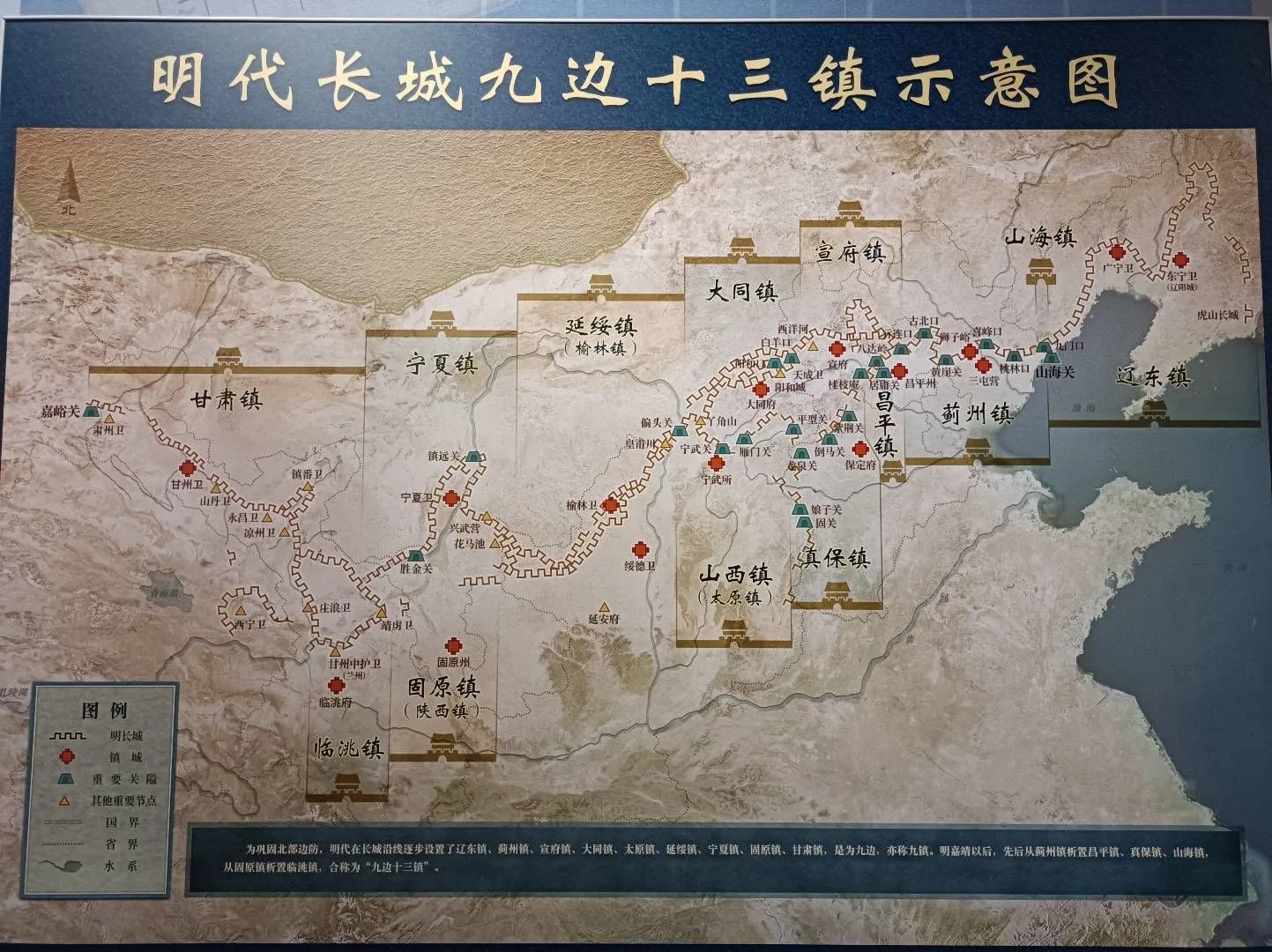
Map board showing Ming Great Wall sections and passes
Section maps help explain why the Great Wall length depends on which wall systems and periods are counted.

What number should you use in your notes?

Use “over 21,000 km” when you mean the Great Wall system across multiple dynasties. Use “Ming Great Wall” when you are talking about the famous brick-and-stone sections most travelers see. Use a specific section name when you are planning a trip: Mutianyu, Badaling, Jinshanling, Simatai, Jiankou, Juyongguan, or Shanhaiguan. This avoids the common mistake of treating the Great Wall as one continuous tourist route.

Before you visit

The Great Wall is a protected cultural landscape, and not every section is safe or officially open. Some wild sections are fragile, dangerous, or restricted. For a first visit, choose an open scenic area and check local rules before travel. If you want a simple decision path, start with Great Wall sections near Beijing, then read which Great Wall section is recommended.

Common length mistakes to avoid

Do not say the Great Wall is only the distance you can walk at a scenic area. A visitor may walk one to five kilometers at Mutianyu or Badaling, but that is just the open scenic route. Do not say the wall is one uninterrupted stone structure either. Across northern China, the wall system includes broken remains, rebuilt sections, side branches, beacon towers, passes, trenches, and terrain-based defenses. Some places are restored for visitors; many are archaeological or protected remains that are not suitable for casual travel.

How to explain the length to first-time visitors

A clear explanation is: “The full Great Wall system is over 21,000 km, but the famous tourist sections near Beijing are individual restored Ming sections.” This wording is useful because it separates history from travel planning. It also avoids overpromising. A traveler who reads a huge total length might imagine a continuous hiking trail, when in reality they need to choose a specific scenic area, buy the right ticket where required, and plan transport to that section.

Which sections help you understand the scale?

For scale near Beijing, Mutianyu shows a restored mountain wall with towers spaced along ridges. Badaling shows how a major pass became a national-level visitor area. Jinshanling gives a stronger sense of long ridgeline walking and mixed restoration. Shanhaiguan and Laolongtou explain the eastern endpoint of the Ming wall. None of these alone shows the whole Great Wall, but together they help visitors understand why the full length is a system rather than one attraction.

More Great Wall Facts and Myths

For a wider fact-check path, use the Great Wall Facts and Myths hub. It links the space myth, real length, builders, dynasties, origins, and why the wall was built.

Early Great Wall stone ruins for dynasty and origin context

Who Built the Great Wall of China? Dynasties, Workers, and Myths

No single person built the Great Wall of China. It was built, rebuilt, repaired, extended, abandoned, and protected by many states, dynasties, soldiers, officials, engineers, craftsmen, and forced laborers over more than two thousand years. Qin Shi Huang is the best-known name connected with the wall, but he did not build the whole Great Wall from scratch.

Fast Answer: Who Built the Great Wall?

No single emperor, dynasty, or workforce built the whole Great Wall. Earlier states built separate defensive walls, Qin linked and extended some northern defenses, Han expanded frontier systems, and Ming builders created many of the brick-and-stone sections visitors recognize today.

Search question Best short answer Useful context
Who built the Great Wall of China? Many dynasties and workers Soldiers, craftsmen, convicts, conscripted laborers, engineers, and local officials all played roles.
Did Qin Shi Huang build it? He ordered major linking and expansion He did not create every wall from scratch.
Which dynasty built the famous tourist sections? Mainly the Ming Dynasty Many Beijing-area walls, including famous restored sections, are associated with Ming defenses.

To connect this with the wall’s purpose, read why the Great Wall was built. For a wider overview, use the facts and myths hub.

Quick planning snapshot

  • Best for: readers who want to separate legend from history before visiting.
  • Main answer: many dynasties and workers built different wall systems.
  • Travel connection: most famous Beijing-area visitor sections are mainly Ming Dynasty walls.

The simple answer: many dynasties built it

The Great Wall began with separate regional walls before China was unified. States built defenses to protect borders, passes, farmland, and military routes. After Qin unified China in 221 BCE, earlier northern walls were linked and reorganized. Later dynasties, including Han and Ming, added different layers for different strategic needs. This is why the wall should be understood as a long historical process rather than one emperor’s construction project.

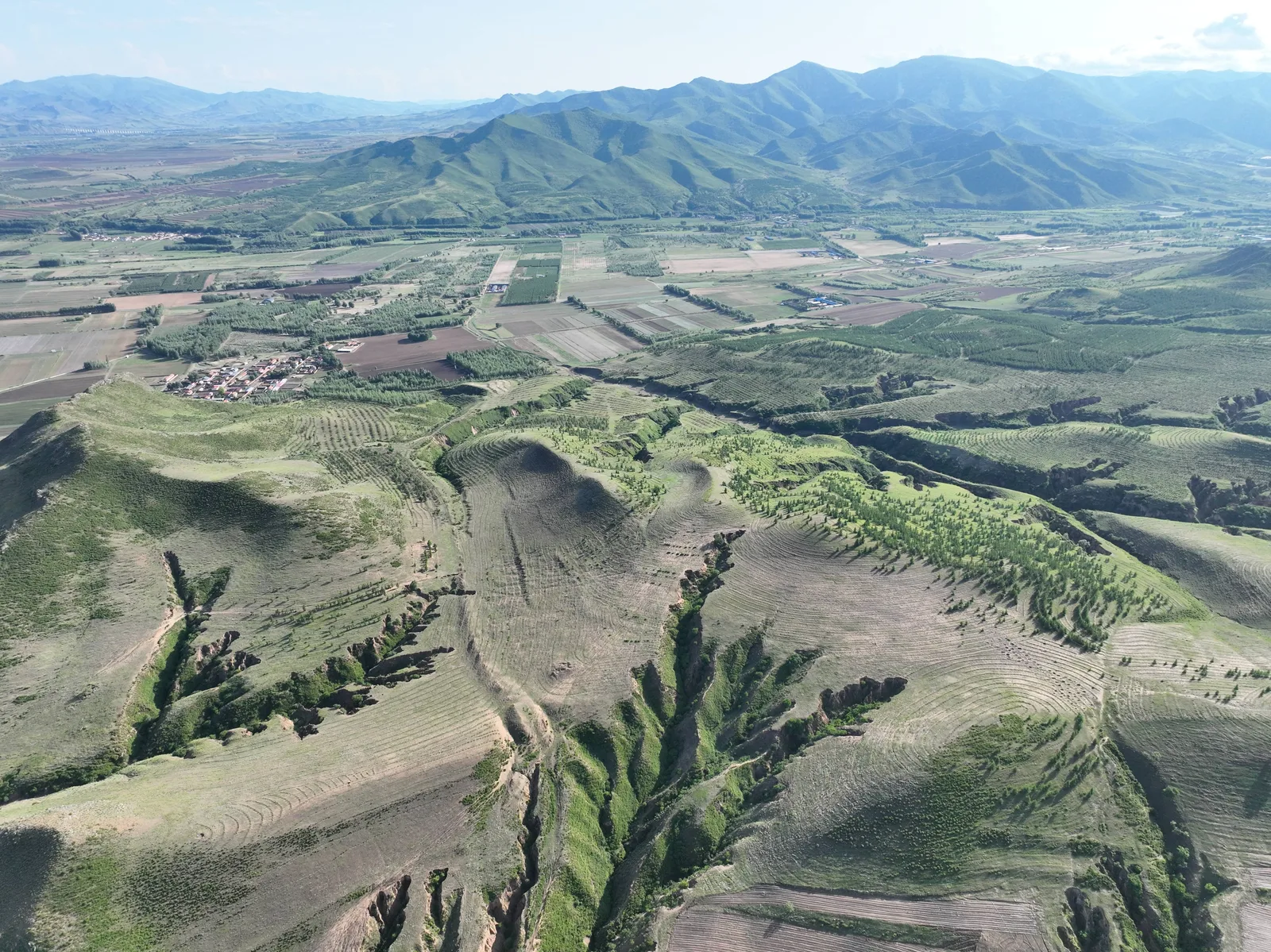
Aerial view of Jin frontier terrain and dry valley earthworks
Different dynasties built walls across very different frontier terrain, from earthworks to stone and brick defenses.

What Qin Shi Huang actually did

Qin Shi Huang ordered earlier wall segments to be connected and strengthened after unification. His general Meng Tian is traditionally associated with northern frontier defense, and large numbers of soldiers, convicts, and laborers were mobilized. That Qin project helped turn scattered state defenses into a larger imperial frontier idea. It is accurate to say Qin was a turning point. It is not accurate to say Qin built every wall tourists visit today.

Ruined watchtower and early Great Wall stonework
No single builder created the wall; different periods left different kinds of remains.
Qin connected earlier northern wall segments after unifying China.

Who built the walls people visit near Beijing?

If you visit Mutianyu, Badaling, Jinshanling, Simatai, Juyongguan, or Shanhaiguan, you are mostly seeing the Ming Dynasty layer of the Great Wall. Ming rulers faced serious northern frontier pressure, so they invested heavily in brick walls, watchtowers, passes, signal systems, and garrisons. That is why restored Ming sections look more like the iconic Great Wall image: stone steps, brick parapets, watchtowers, and mountain ridgelines.

For most foreign travelers, the builder question should lead to a practical route choice. If you want an accessible and scenic first visit, read Mutianyu Great Wall. If you want the most famous and infrastructure-heavy section, compare Badaling. If you want to understand why these sections look so different from early rammed-earth walls, read the site’s Ming Dynasty Great Wall guide.
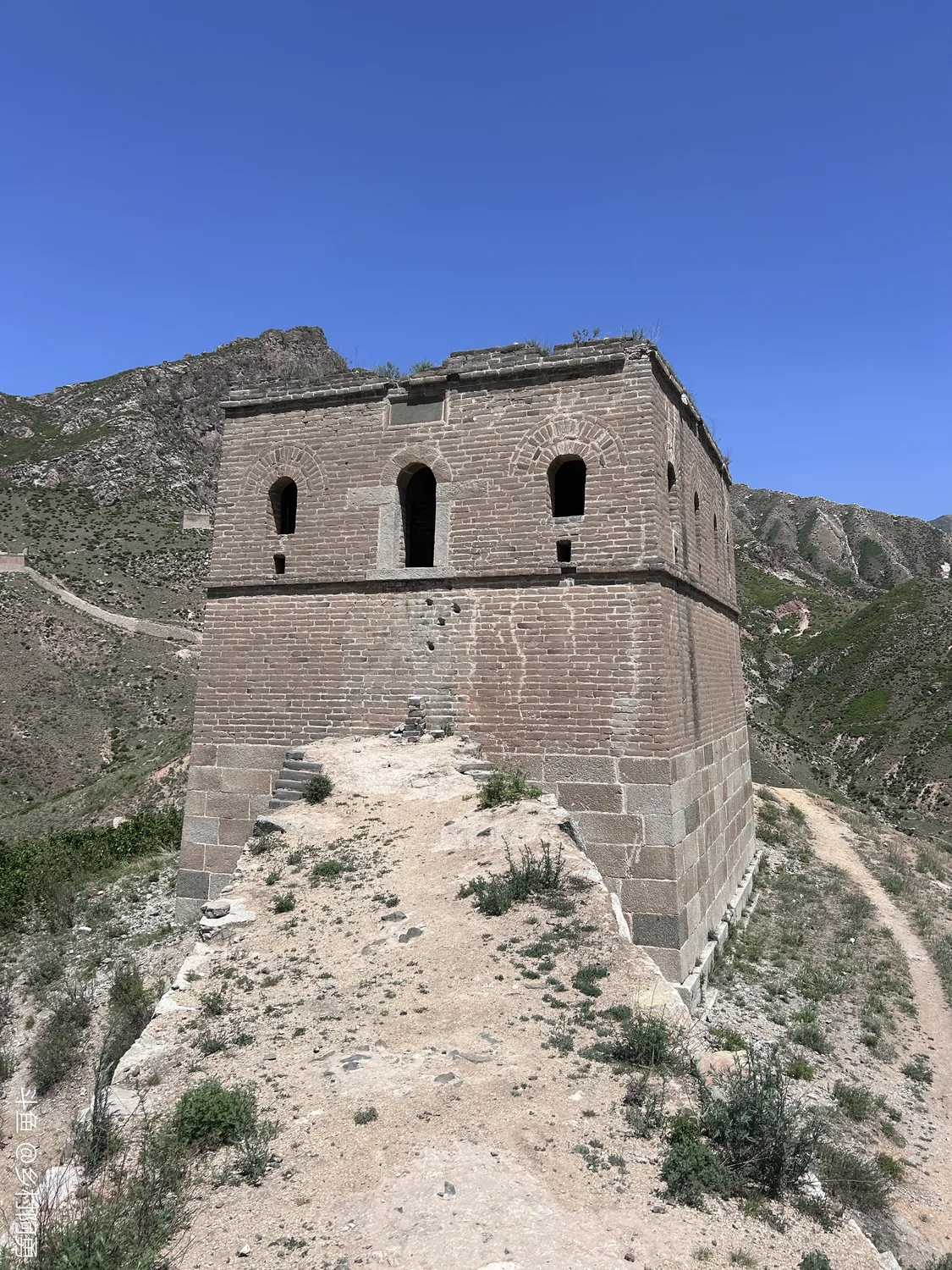
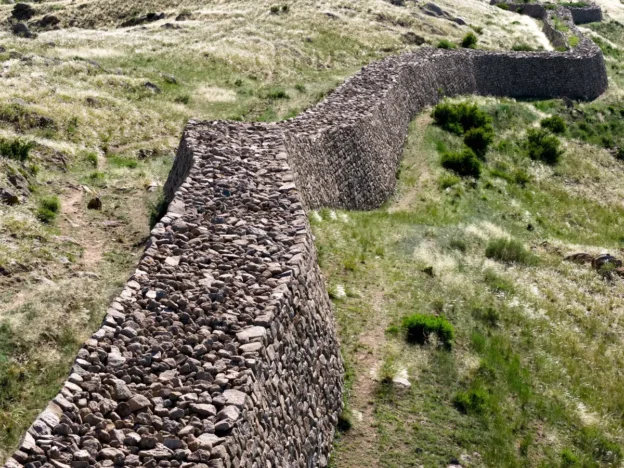
Close view of eroded Jin Great Wall earthwork ruins
Rammed-earth and eroded wall remains show why the Great Wall was built by many labor groups over many periods.
Different periods used different materials depending on terrain and available labor.

What kinds of workers built it?

The workforce changed by period, but it included soldiers, conscripted laborers, convicts, local workers, craftsmen, transport teams, and military engineers. Building in mountain and desert areas required more than stacking bricks. Workers had to quarry or prepare materials, move them across difficult terrain, build drainage, create stairs, construct watchtowers, and maintain supply routes. Many early walls used rammed earth; later Ming sections often used brick and stone where resources and logistics allowed.

Why the answer matters for visitors

The Great Wall was not a single design copied across China. A restored Ming section near Beijing, a rammed-earth Han frontier wall in the northwest, and a coastal pass at Shanhaiguan all tell different stories. Before visiting, it helps to ask which dynasty and which section you are seeing. This makes the trip more meaningful and prevents the common assumption that every visible wall dates from Qin times.

Sources and next reads

For broad historical framing, compare UNESCO World Heritage Centre, Britannica, and current conservation notes from China government conservation update. Then continue with When Was the Great Wall Built?, Why Was the Great Wall Built?, and The Origin of the Great Wall.
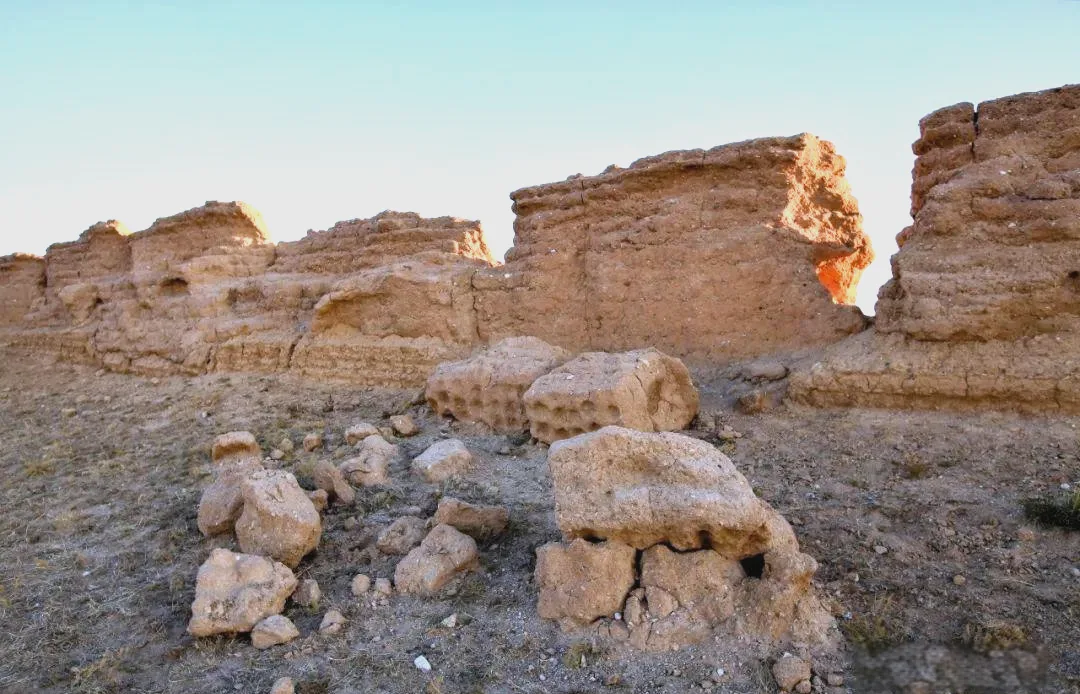
Why “the builders” should include planners and maintainers

Construction was only one part of the Great Wall story. Officials planned routes, military engineers designed passes and towers, local administrations organized labor, and garrisons maintained walls after construction. A wall left without repairs, supplies, and patrols could quickly lose defensive value. This is why the builder question should include both the people who physically built the wall and the institutions that kept it functioning.

Were the workers all prisoners?

Popular stories often emphasize prisoners and forced labor, especially in connection with Qin. Forced labor was real in several periods, but the workforce was more varied than one legend suggests. Soldiers, peasants, convicts, specialized craftsmen, transport workers, and local laborers could all be involved depending on the period and place. The type of work also varied: digging earth, making bricks, hauling stone, building stairs, repairing towers, moving food, and guarding completed sections.

How to read the wall while visiting

When you visit a Great Wall section, look at the materials and terrain. Brick towers and stone stairs often point to later, better-funded construction and restoration. Earth walls and eroded remains point to different periods and environments. A steep ridge section shows how builders used natural terrain to reduce construction needs and improve visibility. The more specific you are about the section and dynasty, the more accurate your understanding will be.

Bottom line

The most accurate answer is that the Great Wall was built by many dynasties and many kinds of workers, not by one ruler alone. Qin made the wall famous in imperial memory, Han expanded frontier defenses, and Ming created many of the visible sections travelers visit today. When writing or planning, always connect the builder question to a specific section and dynasty.

More Great Wall Facts and Myths

For a wider fact-check path, use the Great Wall Facts and Myths hub. It links the space myth, real length, builders, dynasties, origins, and why the wall was built.