
The Great Wall was not built in one year, by one emperor, or as one single project. The better question is: which Great Wall period are you asking about? Early regional walls appeared before imperial China, Qin connected and reorganized defenses after unification, Han pushed frontier walls westward, and Ming rebuilt many of the brick-and-stone sections that visitors recognize today.
Quick planning snapshot
- Best for: visitors who want a clear timeline before seeing sections near Beijing.
- Use this guide for: separating early state walls, Qin links, Han frontier defenses, and Ming tourist sections.
- Planning focus: if you visit How to Explore Mutianyu Great Wall Easily, Badaling, Jinshanling, or Shanhaiguan, most visible masonry belongs mainly to the Ming period.
Before Qin: regional walls before empire
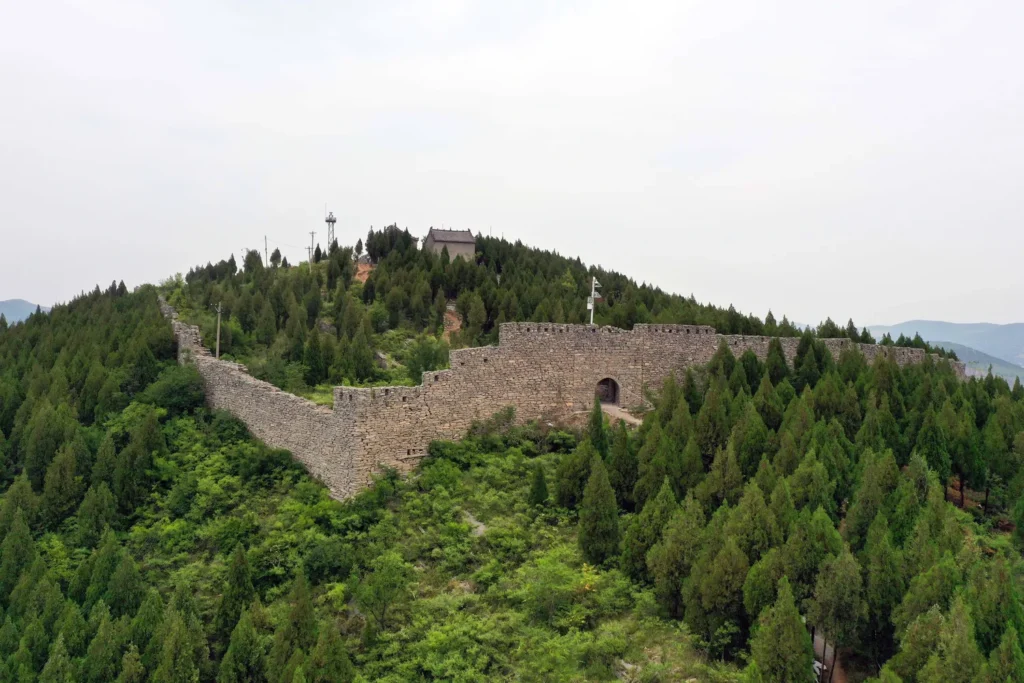
Early walls were built by rival states during the Spring and Autumn and Warring States periods. These were local defensive lines, not the single “Great Wall of China” seen in modern tourism. They matter because they created the military logic that later dynasties expanded: frontier defense, controlled passes, signal towers, and walls adapted to mountains and deserts.
Qin and Han: the wall becomes an imperial frontier
After Qin unification in 221 BCE, earlier northern defenses were connected, repaired, and reorganized. This is why Qin Shi Huang is so closely associated with the Great Wall, although he did not build the entire structure from scratch. The The Great Wall of the Qin Dynasty article explains that point in more detail.
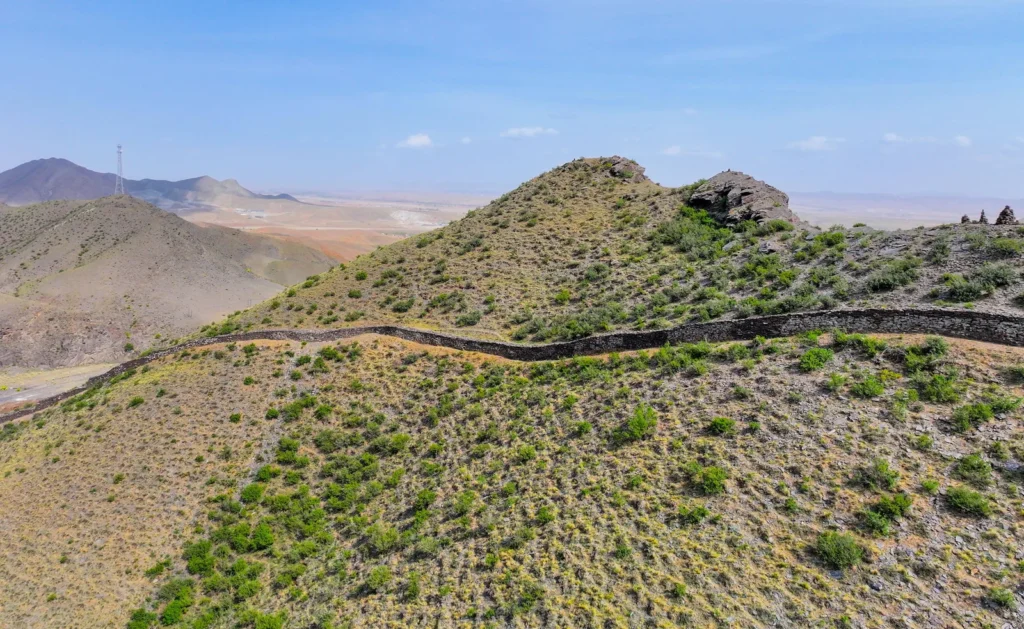
The Han Dynasty then expanded defenses westward as frontier control and Silk Road routes became more important. That is why the The Great Wall of the Han Dynasty story often feels different from Beijing-area Great Wall travel: more desert, beacon towers, and corridor routes rather than restored brick wall loops.
Ming: the sections most visitors see today
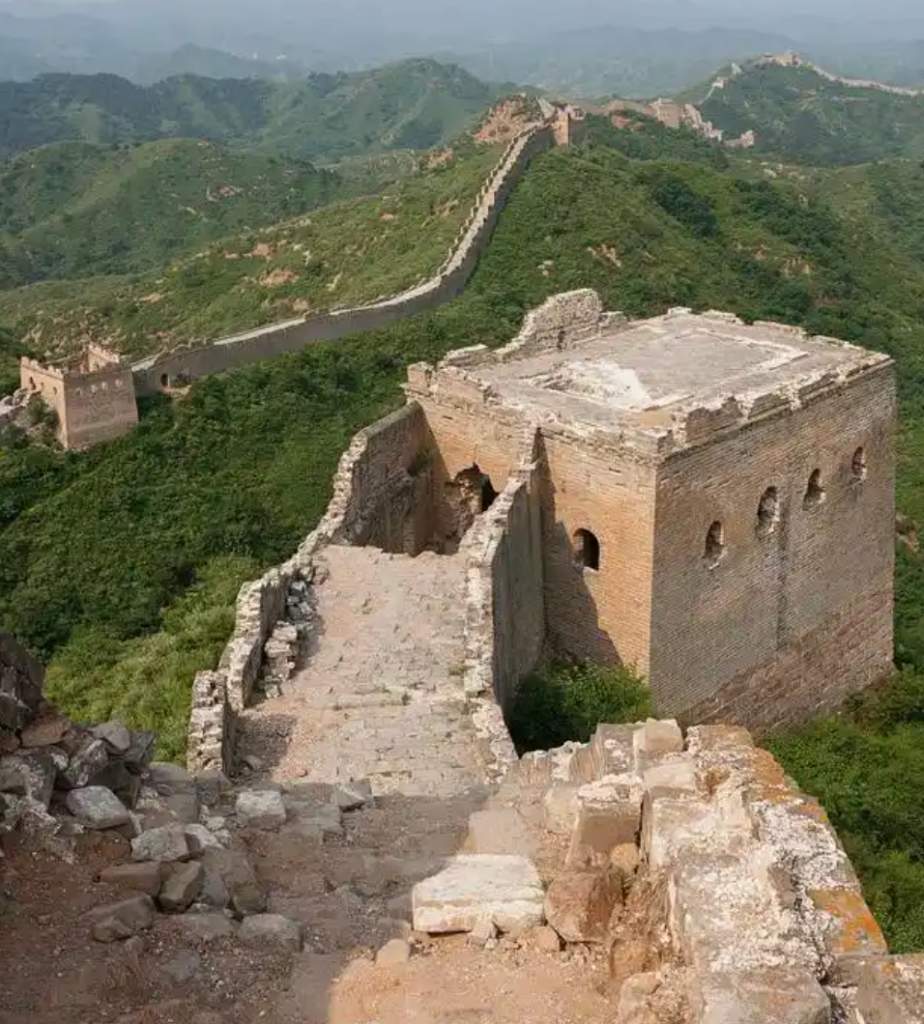
The Ming Dynasty period from 1368 to 1644 is the most important period for many travelers because it produced or rebuilt many famous stone-and-brick sections near Beijing. Badaling, Mutianyu, Jinshanling, Simatai, Jiankou, Juyongguan, and Shanhaiguan are usually discussed in this Ming context. If your goal is photography, hiking, or a one-day Beijing trip, the Ming layer is the one you will experience most directly.
Simple timeline for travelers
- Before 221 BCE: regional states built separate defensive walls.
- 221-206 BCE: Qin connected and reorganized northern defenses.
- 202 BCE-220 CE: Han expanded frontier walls toward western corridors.
- 1368-1644: Ming rebuilt many famous brick-and-stone sections visited today.
For wider background, compare sources such as UNESCO and Britannica, then use site-specific guides before choosing where to go. Opening rules, ticketing, and trail access can change during holidays, weather events, or maintenance periods.
Recommended next reads
- The Origin of the Great Wall of China: From Early Defenses to Ming Sections for where the Great Wall idea came from.
- The Great Wall Of The Ming Dynasty for the period behind most Beijing-area wall sections.
- Great Wall Sections Near Beijing How To Choose for choosing a section after you understand the timeline.
Why the timeline matters for travelers
The timeline is not just academic. It changes how you understand the section in front of you. A visitor at Mutianyu or Badaling is mainly seeing a restored Ming-era mountain wall, not a direct surviving Qin wall. A traveler studying Han frontier remains is looking at a different defensive world, often tied to western corridors and beacon systems. A route such as Shanhaiguan or Laolongtou adds pass and endpoint context to the Ming story.
This is why the best answer to “when was the Great Wall built?” is layered: early state defenses came first, Qin connected and reorganized walls after unification, Han expanded frontier defense westward, and Ming rebuilding created many of the famous tourist sections. The wall is easier to understand when those layers stay separate.
Dynasty-by-dynasty travel context
- Early state walls: useful for understanding the origin of wall-building as regional defense.
- Qin: important because separate defenses became part of a wider imperial frontier concept.
- Han: important for western expansion, corridor defense, and Silk Road-era context.
- Ming: most relevant to the restored brick-and-stone sections foreign visitors usually see near Beijing.
If you are planning a Beijing trip, the Ming period will probably shape your actual visit most. Read Mutianyu, Badaling, Jinshanling, and Shanhaiguan/Laolongtou guides with that Ming context in mind.
Common timeline mistakes
- Giving one build year: there is no single year for the whole Great Wall.
- Crediting one emperor with everything: Qin Shi Huang is central to the story, but the wall has earlier and later layers.
- Assuming all visible wall is ancient Qin wall: many famous tourist sections are much later Ming works or restorations.
- Mixing route history with travel convenience: the oldest story is not always the best section for a short visitor itinerary.
How to use the timeline before choosing a section
First-time foreign visitors should usually choose by route quality and logistics, then use history to enrich the visit. The Beijing-area section guide helps decide where to go, while the origin guide, Qin guide, and Han guide explain why the wall cannot be reduced to a single construction moment.
For a simple mental model: early walls explain why frontier defenses began; Qin explains imperial connection; Han explains western frontier expansion; Ming explains many of the dramatic Beijing-area wall sections travelers visit today.
Bottom line
The Great Wall was built, rebuilt, extended, repaired, and restored across many periods. If someone asks when it was built, answer by period rather than by one date. For travel planning, remember that the most famous visitor sections near Beijing are mainly understood through the Ming period, even though the deeper origin story is much older.
More Great Wall Facts and Myths
For a wider fact-check path, use the Great Wall Facts and Myths hub. It links the space myth, real length, builders, dynasties, origins, and why the wall was built.