Author Archives: Great Wall of China Travel Guide

About Great Wall of China Travel Guide

I have a deep passion for the Great Wall of China and have explored many of its sections, from the well-known to the hidden wild parts. Over the years, I’ve studied its history, architecture, and the legends that surround it. Through my writing, I hope to share this knowledge and help travelers see the Great Wall not just as a landmark, but as a symbol of China’s culture and strength.

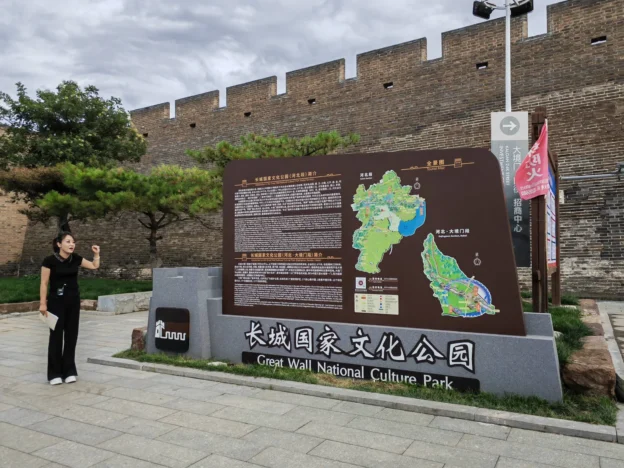
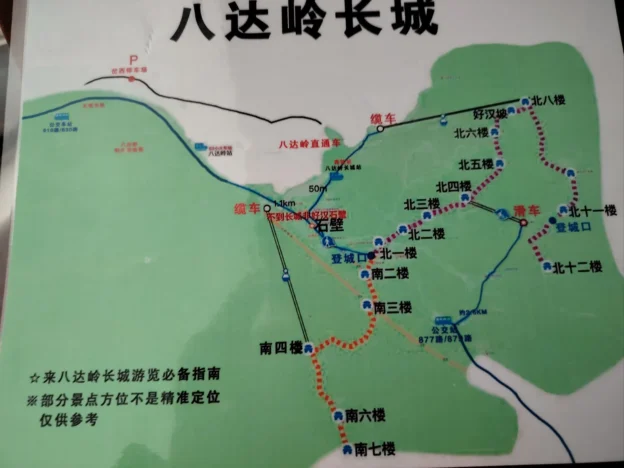
Badaling Great Wall scenic area map board

Shanghai to Great Wall of China: Best Route, Time, and Overnight Advice

A Shanghai to Great Wall one-day trip is possible, but it is not the plan I would recommend for most foreign visitors. The Great Wall sections people usually mean are near Beijing, so a true same-day route requires an early high-speed train or flight, a transfer across Beijing, a short wall visit, and a late return. It works only if you accept a long transport day and keep the Great Wall section simple.

Information check: this guide was reviewed on May 14, 2026. Train schedules, flight times, ticket rules, traffic, and scenic-area operations change often. Check 12306, airline, and official scenic-area channels before booking.

Quick Answer: Is the Great Wall Near Shanghai?

No. The Great Wall sections most travelers want to visit are not near Shanghai. A Shanghai to Great Wall trip usually means traveling first to Beijing, then continuing to Badaling, Mutianyu, or another Beijing-area section. A same-day trip can be done only with very tight timing; an overnight stay in Beijing is the better plan for most visitors.

QuestionBest answer
Can I see the Great Wall in Shanghai?No. Shanghai does not have the famous Great Wall sections travelers mean.
Can I do Shanghai to the Great Wall in one day?Possible, but rushed. It requires early transport to Beijing, a fast transfer, a short Wall visit, and a late return.
What is the best realistic plan?Travel Shanghai to Beijing, stay overnight, visit the Great Wall the next morning, then continue your China route.
Which section works best?Badaling is simpler by rail; Mutianyu is often a better visitor experience with a direct transfer.

Before booking, compare Badaling vs. Mutianyu, then use the Beijing to Great Wall transport hub to choose the final transfer after you reach Beijing.
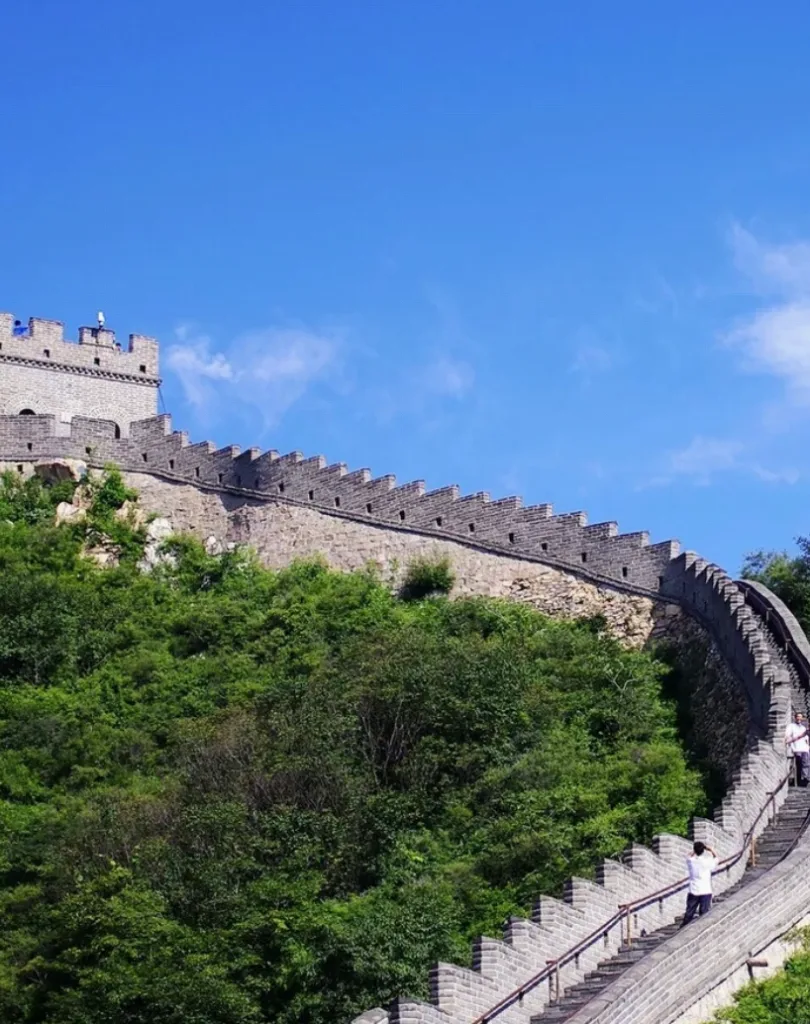
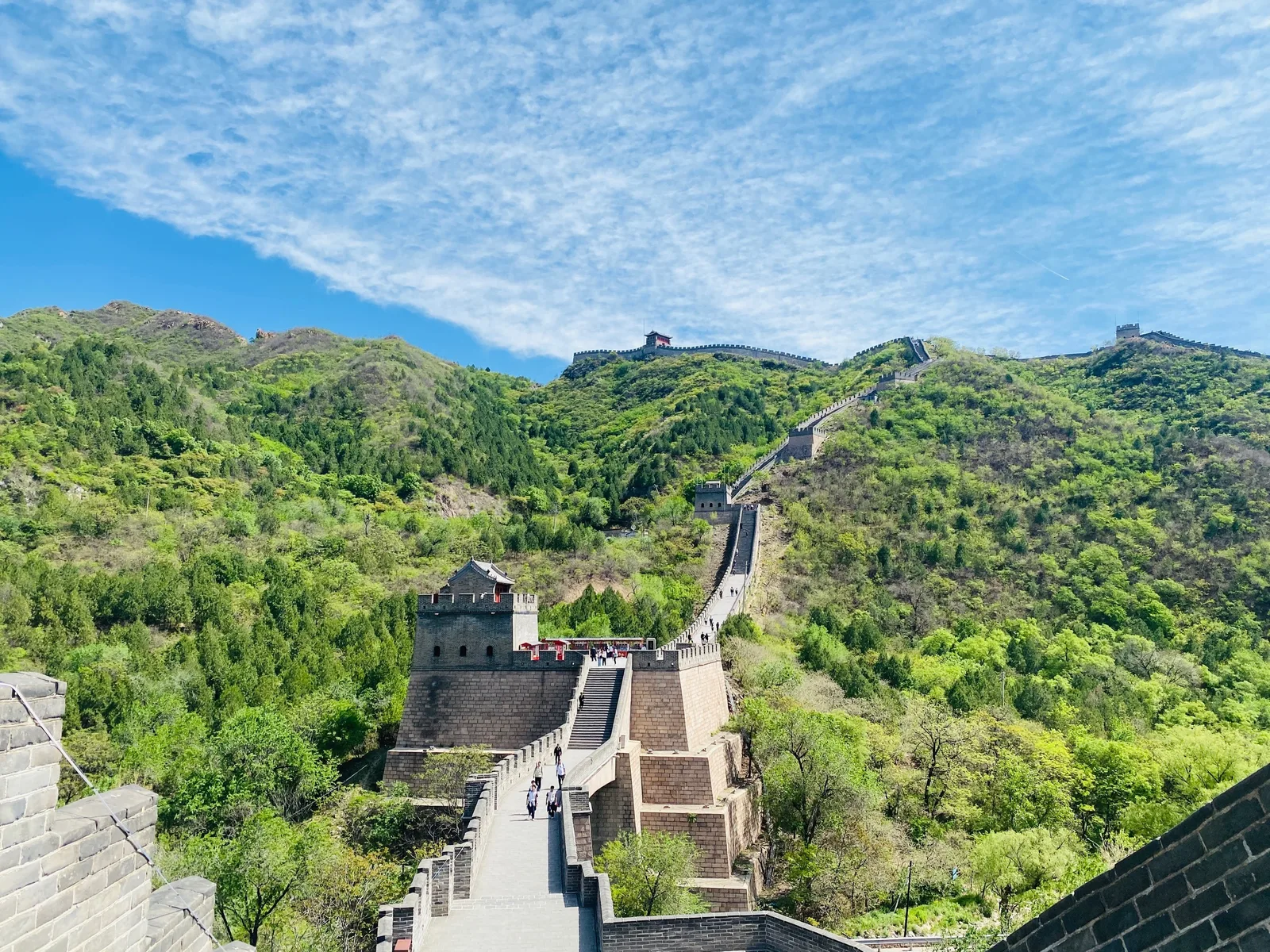
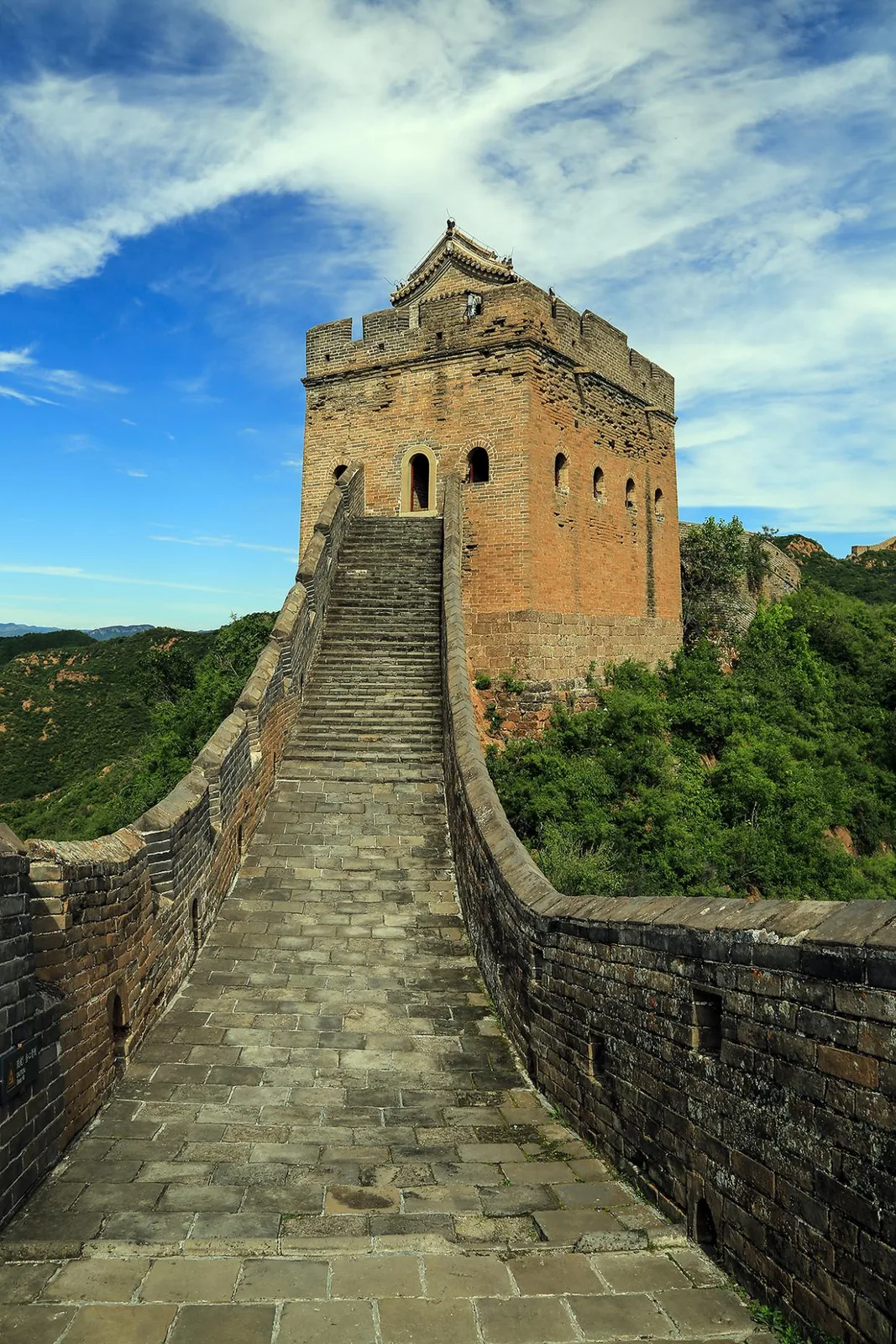
Restored Great Wall section suitable for a rushed Shanghai to Beijing day trip
A Shanghai same-day trip should focus on one easy Great Wall section only.

Quick Planning Snapshot

  • Best realistic plan: Shanghai to Beijing, overnight in Beijing, then Great Wall next morning.
  • If same-day: choose Badaling for easier rail/public transport or Mutianyu with a private transfer.
  • Not suitable for: families with small children, slow travelers, or anyone with evening commitments.
  • Most important booking: the return train or flight; do not leave it uncertain.
  • Better first-visit section: read Badaling vs. Mutianyu before choosing.

Best Same-Day Section

Badaling is usually the most realistic same-day section because rail and public-transport options are stronger. It is famous and busy, but it reduces transfer risk. Mutianyu is often a better visitor experience for foreigners, but from Shanghai it usually needs a private transfer from Beijing South, Beijing Capital Airport, or another arrival point to keep timing under control.
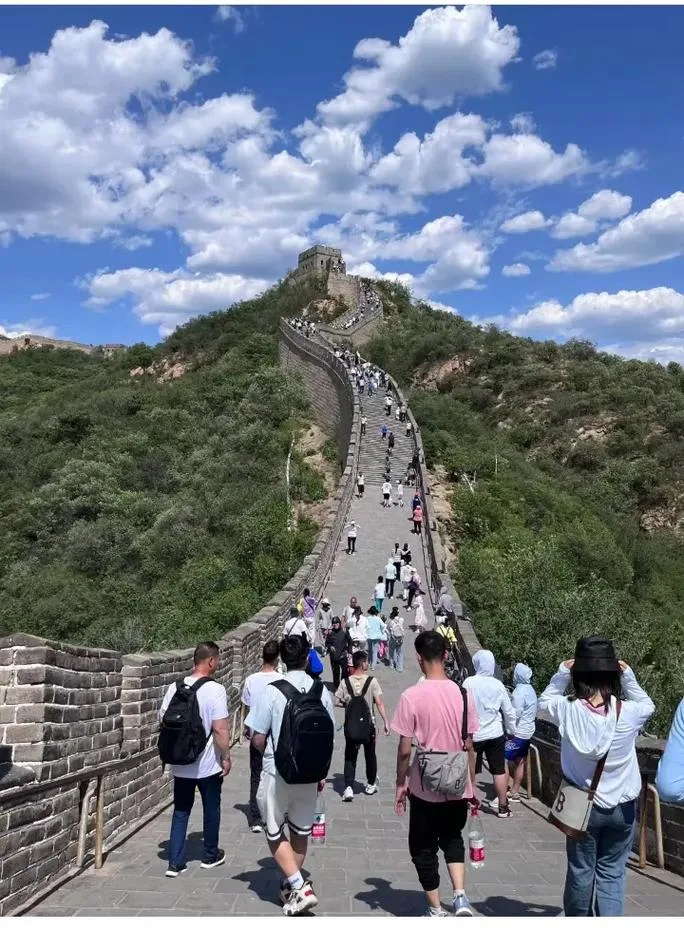
Great Wall transport planning from Beijing
A Shanghai-to-Great-Wall day depends first on transport timing.

If the goal is a good Great Wall experience rather than simply checking it off, stay overnight in Beijing and visit Mutianyu Great Wall the next day. That gives you better light, less stress, and enough time to walk instead of rushing between stations.
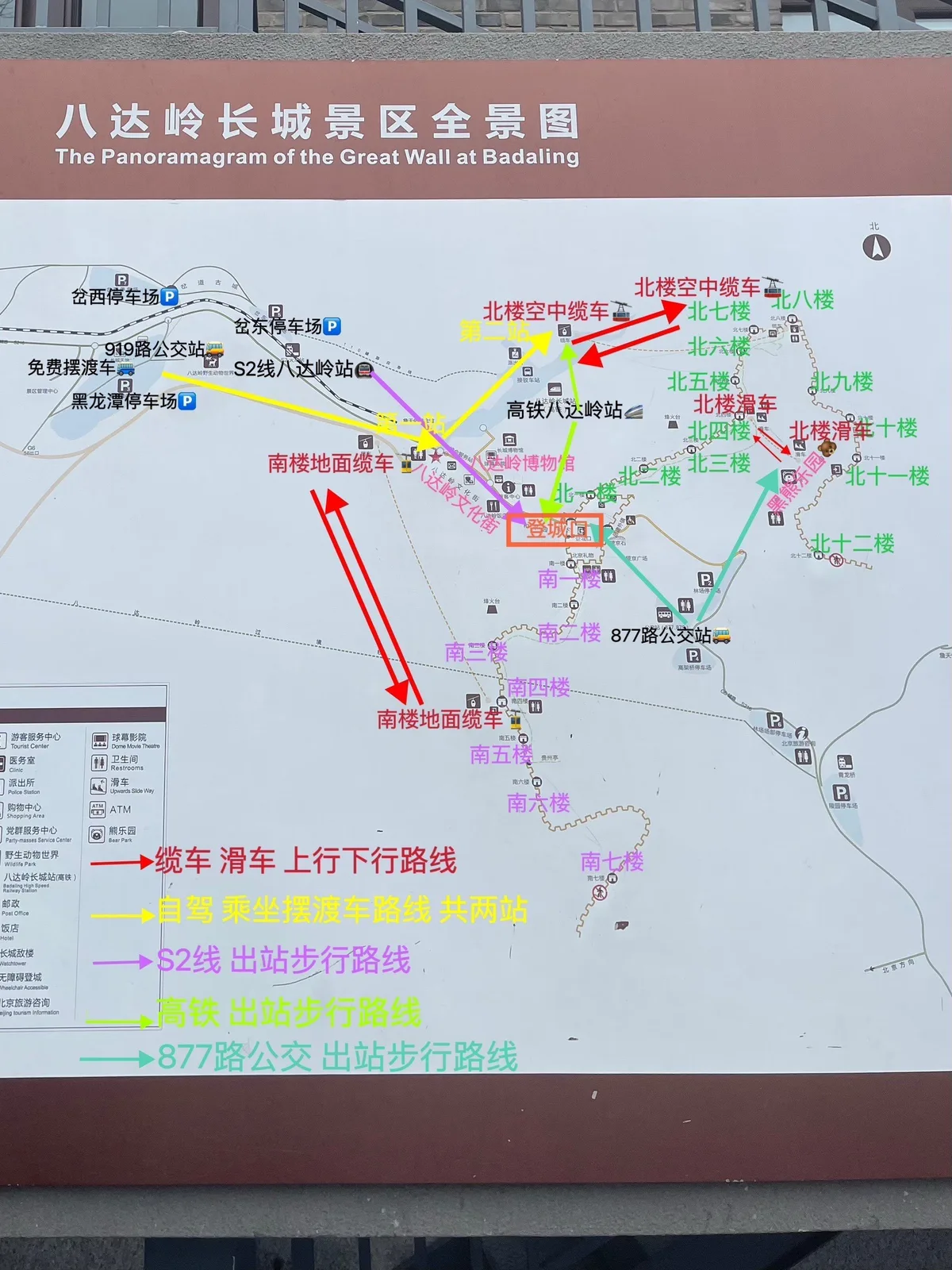
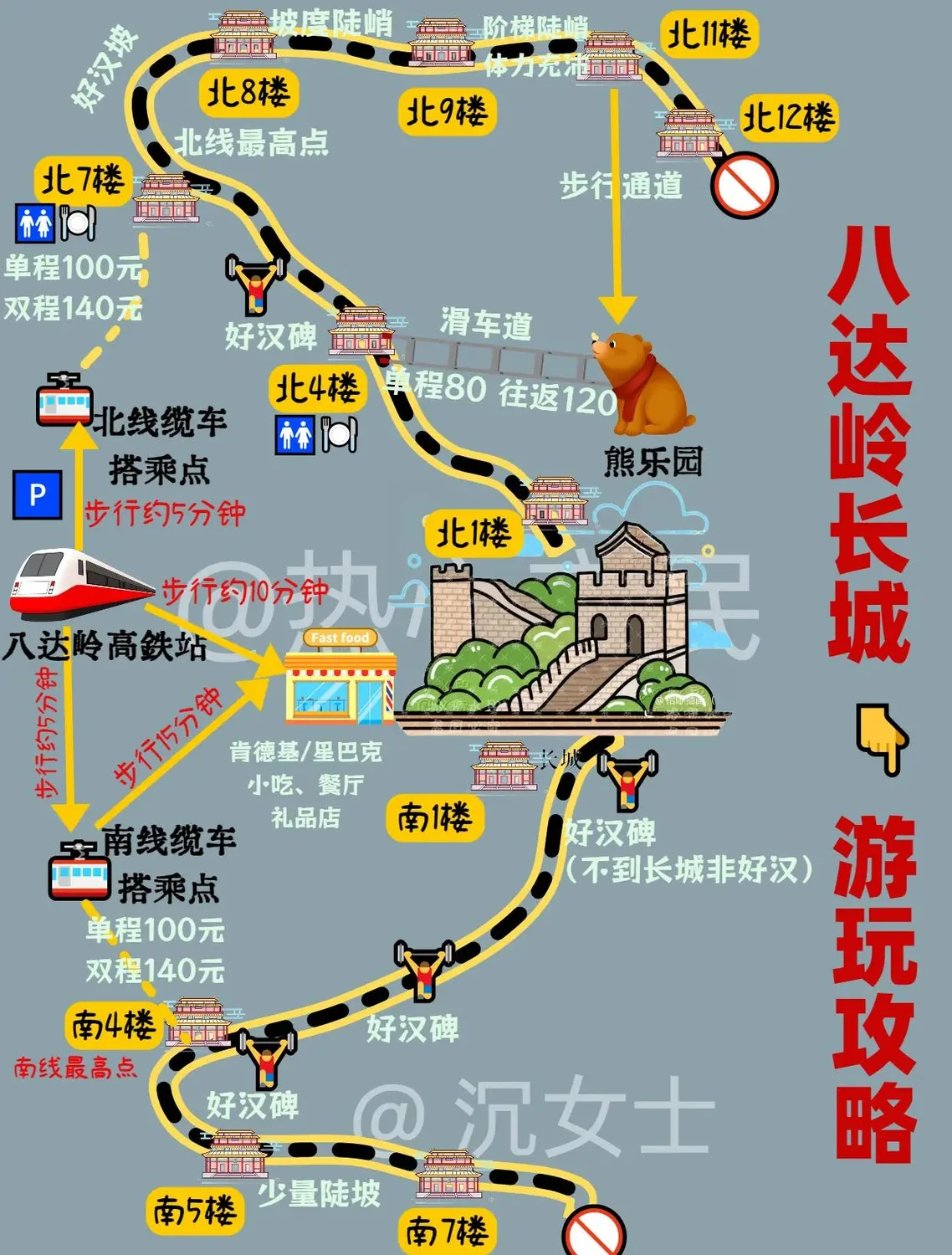
Badaling Great Wall scenic route board map
A route board helps rushed travelers understand the practical layout before choosing a short Great Wall visit.

Same-Day Route Logic

For high-speed rail, the usual logic is Shanghai Hongqiao to Beijing South, then onward by car, rail, or bus to the Great Wall section. For flights, allow extra time for airport transfers, security, and possible delays. A private driver in Beijing can make the day much smoother, but it does not remove the long Shanghai-Beijing travel time.

Before-You-Book Checklist

  • Confirm your return train or flight first.
  • Choose only one Great Wall section; do not add city sightseeing.
  • Build in buffer for Beijing traffic and station security.
  • Check weather, scenic-area notices, and last-entry rules.
  • Use the Beijing to Great Wall transport guide for the Beijing leg.

Recommended Same-Day Timeline

If you insist on a same-day trip, keep the plan brutally simple. Leave Shanghai as early as practical, go directly from your Beijing arrival point to one Great Wall section, spend a focused but not rushed block of time there, then return to the station or airport with a large buffer. Do not add the Forbidden City, Summer Palace, hutongs, or a second Great Wall section on the same day.

Badaling works better if you want the most predictable transport. Mutianyu works better if you care more about the visitor experience and can arrange a private transfer. Jinshanling, Simatai, Huanghuacheng, and Jiankou are poor fits for a Shanghai same-day plan because the transfer risk is too high.

When You Should Not Do This as a Day Trip

Do not attempt this route if you are traveling with children, older relatives, heavy luggage, or anyone who gets tired easily. Do not attempt it during Chinese public holidays, bad weather, or if your international flight leaves the next day. In those cases, the better SEO-safe and traveler-safe recommendation is clear: sleep in Beijing and visit the Great Wall the next morning.

Sources Checked

Is a same-day Shanghai trip realistic?

A Shanghai-to-Great-Wall day trip is technically possible only with very early transport, careful transfers, and a tolerance for a long, tiring day. For most travelers, it is not the best use of time. Beijing is the better base for a Great Wall visit because the wall is still outside the city, and you need time for both transport and the actual walk.

Better planning options

If you are coming from Shanghai, consider staying overnight in Beijing. That gives you a calmer Great Wall day, more buffer for delays, and a better chance to choose Mutianyu or another section properly. If you must do one day, choose the simplest section and keep the itinerary conservative.

What not to promise

Do not plan around exact train, flight, or traffic timings as if they are guaranteed. Weather, airport delays, station transfers, and road conditions can break a tight same-day plan. This page should help readers decide whether the idea is worth it, not encourage an unrealistic checklist.

For current transport, ticket, opening, and seasonal rules, check official scenic-area channels, local government notices, or transport operators before visiting. Commercial tour-company pages are not used as public sources.

Flight or train from Shanghai?

Both flight and high-speed rail can connect Shanghai and Beijing, but neither makes the Great Wall itself close to Shanghai. After arriving in Beijing, you still need to reach a Great Wall section outside the city. A flight may be faster in the air but can lose time through airport transfers and delays. A train may be more predictable but still creates a very long day.

When a one-day plan might work

A one-day plan only makes sense if you accept a high-effort schedule, choose the simplest section, and keep expectations modest. It is not a good plan for families, first-time China travelers who dislike stress, or anyone with important evening commitments. If the Great Wall is a major reason for your trip, sleep in Beijing.

Better itinerary structure

A better plan is Shanghai to Beijing, overnight in Beijing, Great Wall the next morning, then return or continue onward. This gives you more control over weather, crowds, and section choice. It also allows Mutianyu rather than forcing the most convenient but not necessarily best route.
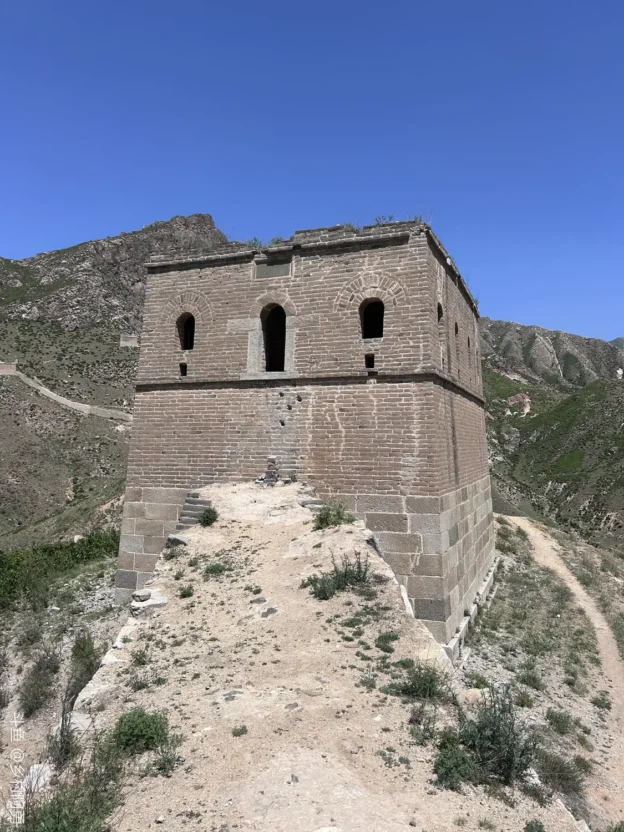
Ruined watchtower and early Great Wall stonework

How the Great Wall Was Defended

The Great Wall was defended as a system, not as a passive line of stone. Walls, passes, towers, beacon signals, garrisons, patrols, terrain, supply routes, and local command structures all mattered. A wall without people, food, communication, and maintenance would not have protected a frontier for long.

Quick planning snapshot

  • Best for: visitors who want to understand what towers, passes, and ridgelines were for.
  • Main point: the wall worked with soldiers, terrain, signals, and logistics.
  • Travel context: useful for Mutianyu, Badaling, Jinshanling, Juyongguan, Shanhaiguan, and hiking routes.

Watchtowers and visibility

Watchtowers gave defenders shelter, observation points, and communication positions. They were often placed where sightlines mattered: ridges, bends, passes, and high points. When you stand in a tower at Mutianyu or Jinshanling, the view is not just scenic. It explains why the wall follows the ridge and why towers appear at intervals along the route.
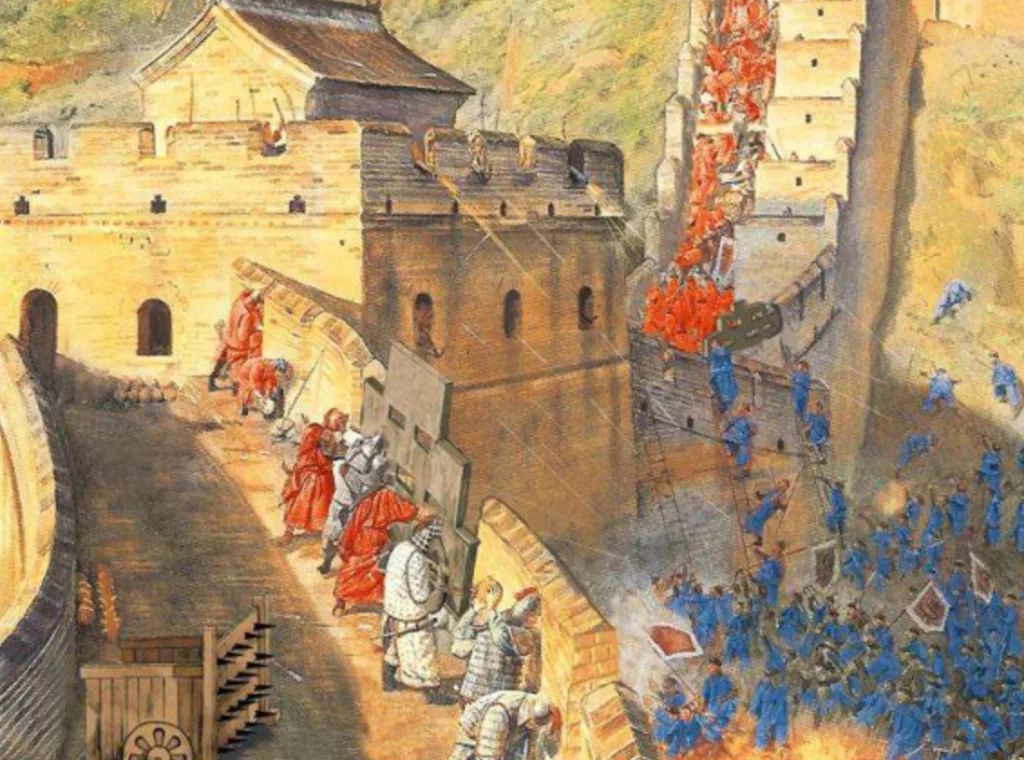
Great Wall military defense illustration with towers and soldiers
Defense depended on soldiers, towers, signals, and terrain.
Juyongguan Great Wall and pass gate in the mountains
Defensive planning combined walls, gates, towers, and mountain terrain.

Passes and controlled movement

Passes were strategic choke points. Juyongguan guarded a key approach near Beijing. Shanhaiguan controlled an eastern corridor and coastal endpoint. Badaling became famous partly because of its pass geography and later accessibility. A pass could regulate roads, taxes, military movement, and civilian travel. This is why wall history is often pass history.

Juyongguan Pass gate tower under a blue sky
Pass gates and towers were key parts of Great Wall defense, not just the wall line itself.

Signals and response time

Beacon systems helped transmit warnings across distance. Smoke, fire, flags, drums, and other signals varied by time and context, but the principle was simple: shorten response time. A signal line could alert nearby garrisons before attackers reached a key pass. The wall’s height alone mattered less than the network of observation, communication, and response.

Why defense sometimes failed

The Great Wall did not make China invulnerable. Attackers could cross weak points, capture passes, exploit politics, or bypass certain lines. Defense depended on maintenance, morale, command, supplies, and strategy. This is why the wall should be described as a military system that could help control frontiers, not as a magic barrier.

How to read this on a visit

At Mutianyu, look for tower spacing and ridge visibility. At Badaling, notice the pass-like geography and restored masonry. At Jinshanling, long ridgelines make signal and observation logic easier to feel. At Shanhaiguan, the relationship between wall, sea, and corridor shows route control. This makes the site’s section guides more useful because each route can be understood through defense function.

Sources and next reads

For background, compare UNESCO World Heritage Centre, Britannica’s Great Wall history, and Britannica’s Han-through-Yuan Great Wall overview. Then read Why Was the Great Wall Built?, Who Built It?, and Which Sections Are Recommended?.

Garrisons and supply

Defense required people and supplies. Garrisons needed food, weapons, water, horses, repairs, and command structures. A watchtower on a ridge could not defend itself. Soldiers had to be stationed, rotated, paid or provisioned, and connected to nearby forts and passes. This logistics layer is often invisible to visitors, but it was essential to the wall’s military value.

Terrain as a weapon

The wall often follows steep ridges because terrain made defense easier. A mountain slope slows attackers before they even reach the wall. A narrow pass forces movement through a controllable space. A high tower expands visibility. This is why the wall’s dramatic scenery is also military design. The landscape was part of the defense system.

How to avoid the “impenetrable wall” myth

The Great Wall was never impenetrable. It could be crossed, captured, negotiated around, or undermined by politics. Its real purpose was to improve frontier control, buy time, signal danger, and channel movement. That makes it more historically interesting than the simple myth of a wall that could stop every invasion.

How this page should connect internally

This defense page should be a shared reference for section guides. Mutianyu, Badaling, Jinshanling, Juyongguan, and Shanhaiguan articles can link here when they mention towers, passes, signal lines, or ridge routes. That reduces repeated generic paragraphs and gives readers one strong explanation of how the Great Wall worked as a military system.

Bottom line

The Great Wall was defended by organization, not stone alone. Towers created visibility, passes controlled movement, signals bought time, garrisons supplied manpower, and terrain made defense more efficient. A visitor who understands this will read every section more clearly.

Section-by-section reading for visitors

At Mutianyu, defense is easiest to understand through ridge visibility and tower spacing. At Badaling, the broad pass area and restored masonry show why major routes mattered. At Jinshanling, longer walking lines help visitors feel how towers could communicate across distance. At Shanhaiguan, the wall’s relationship with the sea and corridor makes route control especially clear. At Jiankou or Gubeikou, rougher terrain shows why unrestored walls require caution.

What not to assume

Do not assume every tower had the same role, every wall section was equally strong, or every part was guarded at the same level. Defense changed by period, threat, terrain, and available resources. Some lines were heavily maintained; others were repaired, abandoned, or reused. The Great Wall was a living military landscape, not a static object frozen in one dynasty.

For travel writing, this page should mainly help readers interpret real sections: towers, passes, ridges, and restored walls all had defensive functions before they became visitor scenery.

This makes each section guide more useful because visitors know what to look for beyond the view.

Great Wall visitor map board for facts and myths planning

Can You See the Great Wall from Space or the Moon? NASA Myth Answer

No, the Great Wall of China is not clearly visible from the Moon, and it is generally difficult or impossible to see with the naked eye from low Earth orbit. This is one of the most repeated Great Wall myths. The wall is long, but it is narrow and often similar in color to the surrounding landscape, which makes it hard to distinguish from space without help.

Fast Answer: Can You See the Great Wall from Space or the Moon?

No, you cannot clearly see the Great Wall from the Moon with the naked eye, and it is not an easy naked-eye object from low Earth orbit. The myth survives because the wall is very long, but length is not the same as visibility: it is narrow, low contrast, and often blends into the surrounding landscape.

Claim True or false? Short explanation
The Great Wall is visible from the Moon. False The Moon version is the clearest myth and should not be repeated as fact.
Astronauts can easily see it with the naked eye from orbit. Mostly false From low Earth orbit, the wall is difficult or impossible to identify casually without help.
Space images may show parts of the wall. Sometimes Cameras, guidance, lighting, and favorable conditions are different from naked-eye visibility.
Cities, roads, airports, and other human features can be easier to spot. True Larger, brighter, or higher-contrast features often stand out more than the wall itself.

For readers comparing common myths with practical facts, continue to the Great Wall facts and myths hub. For the travel side of the story, compare Great Wall sections near Beijing before choosing where to visit.

Quick Answer: NASA, the Moon, and the Naked-Eye Myth

No, you cannot clearly see the Great Wall of China from the Moon with the naked eye. From low Earth orbit, it is also difficult or impossible to identify with the naked eye in the way the popular myth suggests. Space photographs and guided camera observations are a different question from casual naked-eye visibility.

Claim Reality
Visible from the Moon No. This is the strongest version of the myth and should be treated as false.
Easy to see from orbit No. The wall is long but narrow and low contrast against surrounding terrain.
Visible in some space images Sometimes images can show the wall or its region with equipment, guidance, and favorable conditions.
Useful for trip planning No. For travel, section choice, weather, transport, and crowds matter much more.

For related fact checks, read how long the Great Wall is, who built the Great Wall, and why the Great Wall was built.

For source context, see NASA’s Great Wall image note and the NASA Earth Science and Remote Sensing FAQ.

Quick planning snapshot

  • Best for: readers checking whether the famous “visible from space” claim is true.
  • Main answer: not from the Moon; difficult or impossible with the naked eye from orbit.
  • Travel context: the myth is interesting, but it should not shape route planning.

What NASA says

NASA’s Great Wall image article states that the Great Wall is not visible from the Moon and is difficult or impossible to see from Earth orbit without high-powered lenses used for the image. The NASA Earth Science and Remote Sensing FAQ also explains that the wall is not visible to the naked eye from orbit in the way the myth suggests. This is the source to trust over older textbook-style claims.

Badaling Great Wall tourist route map board
Ground maps help visitors understand wall sections more clearly than distant satellite-style myths.

Why length does not make it easy to see

The Great Wall is very long, but visibility from space depends on width, contrast, lighting, weather, background color, viewing angle, and whether lenses or cameras are used. A long narrow object can be harder to see than a wider airport runway, city grid, highway, or reservoir. The wall often blends with rock, soil, and mountain terrain, so length alone does not solve the visibility problem.

Map-style Great Wall image showing why visibility from space is limited
Map-style views help explain why the Great Wall is not a clear naked-eye line from space.
A very long feature can still be hard to see from orbit if it is narrow and low contrast.

What about photos from space?

Some space images can show the Great Wall or the region where it lies, especially with good camera equipment, guidance, and conditions. The European Space Agency image note explains that astronauts may photograph it with guidance and luck, but that is different from seeing it easily with the naked eye. A camera image does not prove the popular Moon claim.

Visitor map board beside a Great Wall section
Section maps are a more practical visitor tool than trying to identify the wall from extreme distance.
From above, the wall is narrow and often close in color to the surrounding mountains.

Best accurate answer

The best short answer is: “The Great Wall is not visible from the Moon, and it is not normally visible to the naked eye from low Earth orbit. It can be photographed from orbit under special conditions with appropriate equipment.” This wording is accurate and avoids both exaggeration and overcorrection.

Why this matters for travel content

Travel articles should not repeat myths for drama. The Great Wall is impressive because of its history, terrain, engineering, labor, and cultural meaning, not because of a false space claim. If you want a meaningful visit, focus on choosing the right section: Mutianyu for most first-time foreign visitors, Badaling for fame and infrastructure, Jinshanling for hiking, and Shanhaiguan for endpoint history.

Sources and next reads

For source checks, compare NASA’s Great Wall image article, NASA Earth Science and Remote Sensing FAQ, and European Space Agency image note. Then read How Long Is the Great Wall?, Why Was the Great Wall Built?, and Which Sections Are Recommended?.

Why the myth survived

The space myth survived because it sounds impressive and is easy to repeat. It also fits the way people imagine the Great Wall: so long that it must be visible from anywhere. But human eyesight from space does not work that way. Width and contrast matter more than total length. A feature can be thousands of kilometers long and still disappear into its background if it is narrow and similar in color to the land around it.

How to answer readers politely

A good article should correct the myth without sounding dismissive. Many people learned the claim in school or from travel trivia. The accurate answer is simple: not from the Moon, and not normally with the naked eye from low Earth orbit. With cameras, lenses, good conditions, and knowing where to look, orbital images can sometimes show parts of the wall or its region. That is a different claim.

What makes the Great Wall impressive instead

The wall does not need the space myth to be extraordinary. Its real value lies in its long history, mountain engineering, frontier strategy, labor, watchtower systems, restored visitor sections, and cultural meaning. For travelers, those are stronger reasons to visit than a false visibility claim.

How this page should connect internally

This myth-check page should support fact pages and beginner guides. It can receive links from length, history, and introductory articles whenever the space-visibility claim appears. It should not distract from travel planning, but it is useful because it removes a common false claim and replaces it with a more accurate reason to respect the Great Wall.

Bottom line

The accurate answer is not complicated: the Great Wall is not visible from the Moon, and it is not normally visible to the naked eye from low Earth orbit. Cameras and special conditions can produce images, but that is not the same as the popular myth.

FAQ for the space myth

Can astronauts photograph the Great Wall? Under some conditions, with cameras and guidance, images can show parts of the wall or the region. Does that mean it is visible from the Moon? No. Is it the only human-made object visible from space? No, and that claim is misleading. Cities, roads, airports, fields, reservoirs, and other large or high-contrast features can be easier to detect than a narrow wall.

More Great Wall Facts and Myths

For a wider fact-check path, use the Great Wall Facts and Myths hub. It links the space myth, real length, builders, dynasties, origins, and why the wall was built.

Rough walking path on the Gubeikou Jinshanling Great Wall route

Can You Get Mobile Signal on the Great Wall? Section-by-Section Advice

Yes, you can often get mobile signal on popular Great Wall sections, but coverage is not guaranteed everywhere. Restored and busy areas such as Badaling and Mutianyu usually have better connectivity than remote hiking routes. Signal can drop behind ridges, inside valleys, during bad weather, or on less-developed sections.

Quick planning snapshot

  • Best for: visitors relying on maps, ride-hailing, translation apps, or messaging.
  • Most reliable: popular restored sections and visitor-service areas.
  • Less reliable: remote hikes, wild-wall routes, valleys, and long ridgelines.
Rough walking path on the Gubeikou Jinshanling Great Wall route
Remote Great Wall routes can have weaker or less predictable mobile signal than restored sections.

Where signal is usually better

Badaling, Mutianyu, and other developed scenic areas tend to have stronger coverage because they receive more visitors and have more infrastructure. You may still see temporary drops on the wall itself, especially around towers or on the far side of ridges. If you need to contact a driver, arrange a pickup point and backup time before going up.

Where signal can be weak

Remote routes such as Gubeikou, Jiankou, and some long hiking lines are less predictable. Mountain terrain blocks signal, and visitor infrastructure is limited. Do not rely on live navigation alone. Download offline maps, save hotel addresses in Chinese, screenshot transport details, and keep your driver or guide contact details available offline.

Jinshanling Great Wall ridge in misty mountain weather
Remote ridges and changing weather can make mobile signal less predictable than in central Beijing sections.

SIM, eSIM, and apps

If your phone supports roaming or eSIM, set it up before the trip and test it in Beijing. Some apps and services may behave differently in China, so prepare offline alternatives. Read how to get internet in China for tourists before relying on maps, messaging, or payment apps on the wall.

Direction signpost inside a Great Wall scenic area
Restored scenic areas usually have clearer signs and better phone coverage than remote hiking routes.

Before-you-go checklist

  • Download offline maps.
  • Screenshot ticket, hotel, and driver details.
  • Carry a power bank.
  • Agree on a pickup point before climbing.
  • Do not depend on live signal for emergency route decisions.

Bottom line

Popular sections usually have usable signal, but a Great Wall route should still be planned as if signal may disappear at the worst moment.

FAQ

Can I use maps on the wall? Usually yes at popular sections, but download offline maps first. Will messaging apps work? Often in developed areas, but not guaranteed on ridges. Can I call a driver from the top? Maybe, but agree on the pickup plan before climbing. Do remote hikes have signal? Treat signal as unreliable.

Section-by-section expectations

Mutianyu and Badaling usually offer the best chance of a usable connection because they are developed scenic areas. Juyongguan may also be reasonably connected near visitor zones. Jinshanling, Gubeikou, and Jiankou-style routes are less predictable because terrain and distance matter more. Even when a phone shows bars, data may still be slow or unstable.

What to prepare offline

Save your hotel address, driver phone number, ticket confirmation, route notes, emergency contacts, and the Chinese name of your section. Screenshots are more reliable than live pages. If traveling with others, agree on a meeting place in case someone loses signal or battery. A power bank is more useful than a second navigation app if your phone dies.

Safety rule

Do not make route decisions that depend on live signal. If a trail is unclear, weather changes, or a section looks unsafe, turn back or ask staff where available. Connectivity is helpful, but it is not a substitute for conservative route planning.

What to do if signal disappears

Stay calm and follow your offline plan. Return to the last clear route point, use signs where available, and avoid taking side paths just because a map app is slow. If traveling with a driver, use the pickup time and location agreed in advance. If traveling with friends, set a meeting point before separating for photos or rest stops.

App access and China-specific issues

Mobile signal is only one part of connectivity. Some foreign apps may not work normally in China, and some services require local verification, roaming, VPN preparation, or a China-friendly alternative. Test your map, translation, messaging, and payment setup in Beijing before the Great Wall day. A scenic-area ridge is a bad place to discover that your app setup is incomplete.

Battery matters as much as signal

Cold weather, photography, navigation, and weak signal search can drain a phone quickly. Carry a power bank, especially in winter or on longer routes. A phone with signal but no battery is useless for pickup coordination, translation, tickets, or emergency contact.

Final note for writers

This page should stay current without making fragile promises. Avoid saying one carrier always works or one section always has perfect coverage. Network conditions change with terrain, weather, infrastructure, and phone setup. The evergreen advice is to prepare offline, test connectivity in Beijing, and avoid depending on live signal for route safety or return transport.

Practical example

Before leaving Beijing, open your map route once, screenshot the destination, save the Chinese scenic-area name, and confirm the return meeting point. If signal drops on the wall, you can still show the screenshot to staff or a driver. That simple backup is more reliable than hoping live data will work everywhere.

For remote hiking, tell someone your route and expected return time before leaving. Connectivity can support a plan, but it should never be the whole plan.

This is especially important when weather, crowds, or road delays change the return plan.

Plan this before climbing.

Packed snacks for a long Great Wall walk

Can You Bring Food or Snacks to the Great Wall? Water, Etiquette, and Packing Tips

Yes, you can usually bring small snacks and water to the Great Wall, but you should treat it as a protected heritage site, not a picnic area. The practical rule is simple: bring what you need, eat neatly, pack out all trash, and avoid anything messy, smelly, heavy, or risky on steep stairs.

Fast Answer: Can You Bring Food or Snacks to the Great Wall?

Yes, small snacks and water are usually fine for a Great Wall visit, especially for families, hikers, and longer transport days. Keep it simple: bring water, fruit, energy bars, nuts, or small packaged snacks, then take all trash away. Avoid glass bottles, alcohol, messy meals, strong-smelling food, and anything that makes steep stairs harder or creates litter.

Bring Avoid Why
Water bottle Glass bottles Hydration matters; glass is heavy and risky on stairs.
Energy bars, nuts, dried fruit Messy meals or sauces Compact snacks are easier to manage neatly.
Fruit that does not leak Strong-smelling food Respect other visitors and heritage-site etiquette.
Small trash bag or tissues Leaving wrappers behind The wall is a protected site, not a picnic area.

For a full day-bag list, use the Great Wall packing checklist. If you are visiting in cold weather, also read the December winter guide.

Quick planning snapshot

  • Best for: families, hikers, and first-time visitors planning what to carry.
  • Recommended: water, small packaged snacks, fruit, energy bars, tissues, and a trash bag.
  • Avoid: alcohol, messy meals, glass bottles, food with strong smells, and anything that creates litter.
Visitor snack and water planning for a Great Wall trip
Small snacks are useful, but visitors should avoid litter and messy food.

Why snacks matter on the wall

Great Wall visits involve stairs, sun, wind, and exposed ridges. Even restored sections can be tiring. A small snack helps if transport takes longer than expected or if restaurants are limited near your chosen route. This is especially true at hiking-oriented sections such as Jinshanling, Gubeikou, or Jiankou-Mutianyu routes.
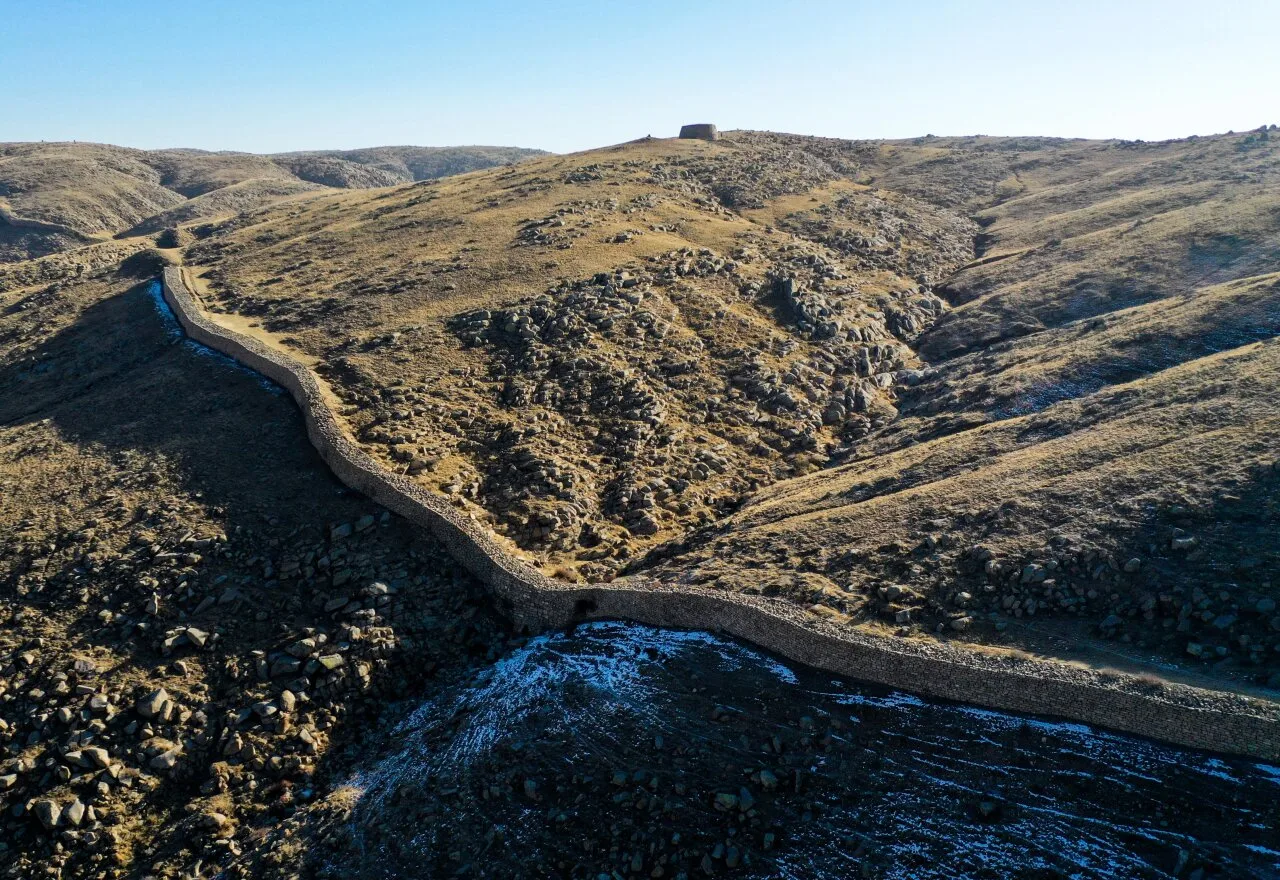
What to bring

Bring a refillable bottle or enough bottled water for the season, plus compact snacks that do not melt or spill. Nuts, crackers, energy bars, dried fruit, and simple fruit are practical choices. In summer, carry more water than you expect. In winter, remember that cold wind can make exposed sections feel harsher even if you do not sweat much.

Packed snacks for a long Great Wall walk
Small packed snacks are easier to carry than a full meal on steep Great Wall sections.

Where to eat

Use rest areas, lower plazas, or quiet spots where you are not blocking stairs. Avoid eating while walking on steep steps. Do not leave peels, wrappers, tissues, or bottles on the wall. If bins are full or unavailable, carry trash back down. This is basic visitor etiquette and protects the site.

Section-specific advice

At Mutianyu and Badaling, visitor facilities are better, so you can keep snacks simple. On longer or rougher routes, food planning matters more, but safety matters most. If a route is steep or unrestored, keep your hands free and do not stop in narrow places.

Water bottles for a Great Wall hiking day
Water is more important than heavy food on exposed Great Wall walks.

Before-you-go checklist

  • Water and one compact snack per person.
  • Small trash bag.
  • Tissues or wipes.
  • Weather-appropriate clothing.
  • No glass bottles or messy meals.

For packing context, read what to pack for a Great Wall trip and rainy-day Great Wall planning.

Bottom line

Snacks are fine when they support the visit. They become a problem when they create litter, block narrow stairs, or turn a protected heritage site into a picnic area.

FAQ

Can I bring a full meal? It is better not to. A compact snack is easier and cleaner. Are drinks allowed? Water is normally fine and strongly recommended. Can children eat on the wall? Yes, but choose safe rest spots and keep trash controlled. Can I buy food there? Developed sections may have vendors or shops near entrances, but do not rely on them for a full day.

Seasonal snack advice

In summer, hydration matters more than food. Bring enough water, avoid salty snacks that make you thirstier, and take breaks out of direct sun when possible. In winter, simple energy snacks can help because cold wind and stairs are tiring. In spring and autumn, pack light because weather can change quickly and you may need room for a jacket.

Family and hiking notes

Families should bring snacks children already know, not messy foods that require preparation. Hikers should choose high-energy, low-trash options. On rougher routes, keep food inside your bag until you reach a safe place to stop. Do not eat while climbing steep or broken steps, and do not place bags where other visitors may trip.

Site-respect rule

The Great Wall is not only a scenic walkway. It is a protected heritage landscape. Snack planning should respect that. A visitor who carries out every wrapper and avoids blocking stairs is helping preserve the experience for others.

What not to bring

Avoid instant meals, soups, open sauces, glass containers, and anything that leaves sticky residue. Avoid bringing too much food because extra weight makes stairs harder. Alcohol is a poor choice on exposed steps and should not be part of a normal wall visit. If you need a proper meal, plan it before or after the wall rather than on the wall itself.

How snacks differ by section

At Mutianyu, a compact snack and water are usually enough for a normal visit. At Badaling, crowds make tidy behavior more important. At Jinshanling or Gubeikou-style hikes, energy snacks matter more because the route is longer and facilities are fewer. At wild or semi-wild routes, food planning should come after safety, legality, weather, and route confirmation.

Final note for writers

This topic should connect packing, etiquette, and section choice. A snack rule is not the same for a short Mutianyu cable-car visit and a longer Jinshanling hike. When adding future content, keep the advice practical: what to carry, where to stop, how to avoid litter, and when facilities may be limited. Do not promise exact vendor availability because it can change.

Practical example

For a normal Mutianyu visit, one bottle of water and a compact snack may be enough. For Jinshanling or a longer hike, add extra water and a higher-energy snack. For Badaling on a busy day, keep food minimal so you can move easily through crowds and stairs.

That keeps the visit comfortable while protecting the wall and other travelers.

Travel note

Food planning should support the walk, not turn the wall into a picnic spot. Bring compact snacks, carry out packaging, and avoid anything messy or strongly scented. For longer hiking routes, water and simple energy food matter more than variety.

English and Chinese sign at Badaling Great Wall

How Different Countries Call the Great Wall: Names and Travel Use

Different languages usually translate the same basic idea: a famous long defensive wall in China. The exact wording changes by language, but most names either emphasize “great,” “long,” or “China.” For travelers, the most useful point is not memorizing every language. It is knowing the Chinese terms you may see on signs and maps.

Quick planning snapshot

  • Best for: readers curious about names and translations.
  • Main answer: most languages translate the concept, while Chinese uses 长城.
  • Travel use: section names in Chinese are more useful than foreign-language variants.
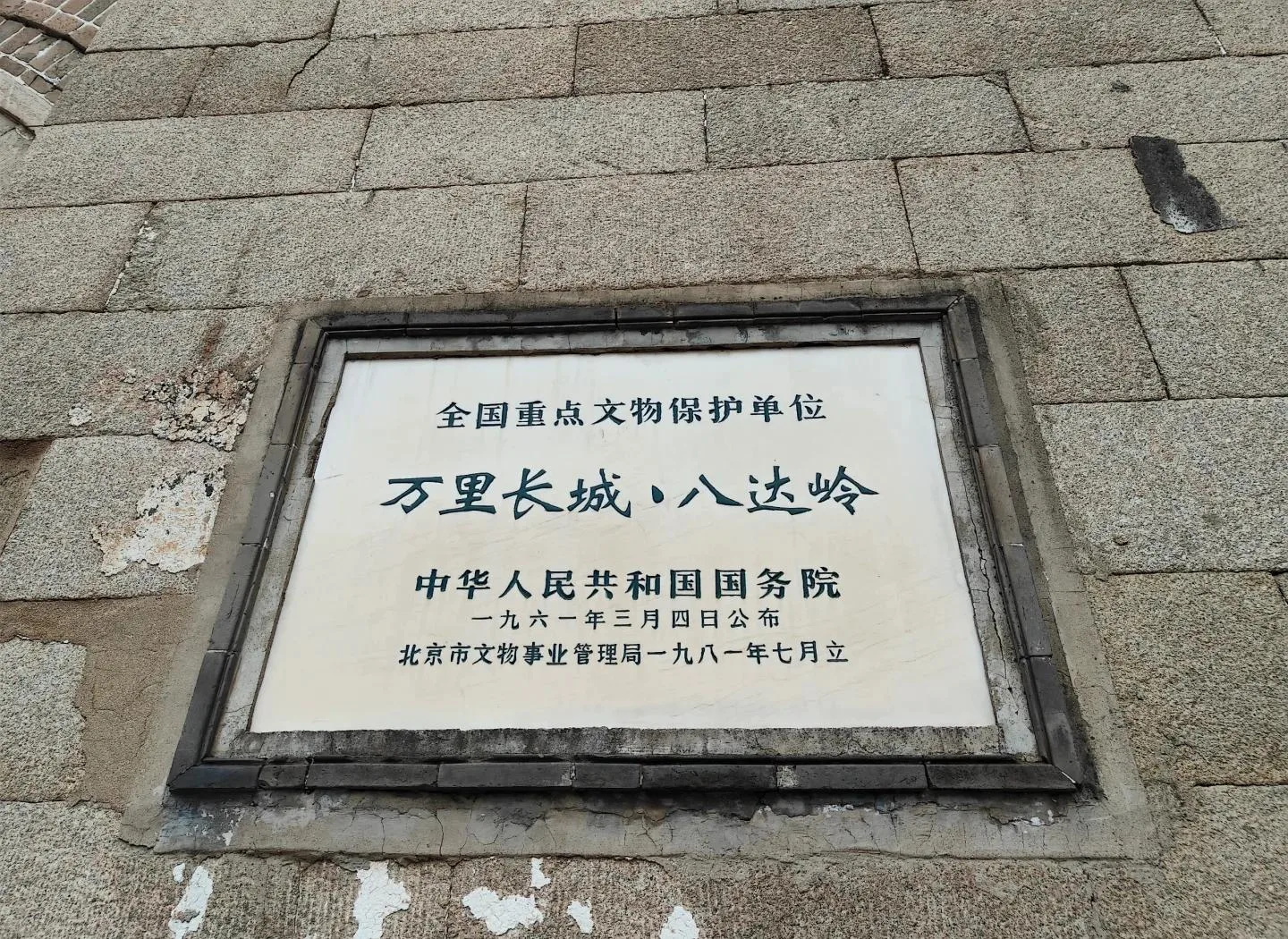
Ground plaque marking a Great Wall heritage site
Official plaques and local names help explain why translations vary.

Common naming patterns

English says “Great Wall of China.” French uses Grande Muraille de Chine. Spanish uses Gran Muralla China or Gran Muralla de China. German uses Chinesische Mauer, meaning Chinese Wall. These names are not all literal translations of 长城. They reflect each language’s way of describing a famous Chinese wall.

Why names vary

Names vary because languages do not always translate word by word. Some emphasize size, some emphasize China, and some emphasize the wall as a cultural landmark. This is normal. The important thing is that travel planning should use local section names and official scenic-area names, not only broad international names.

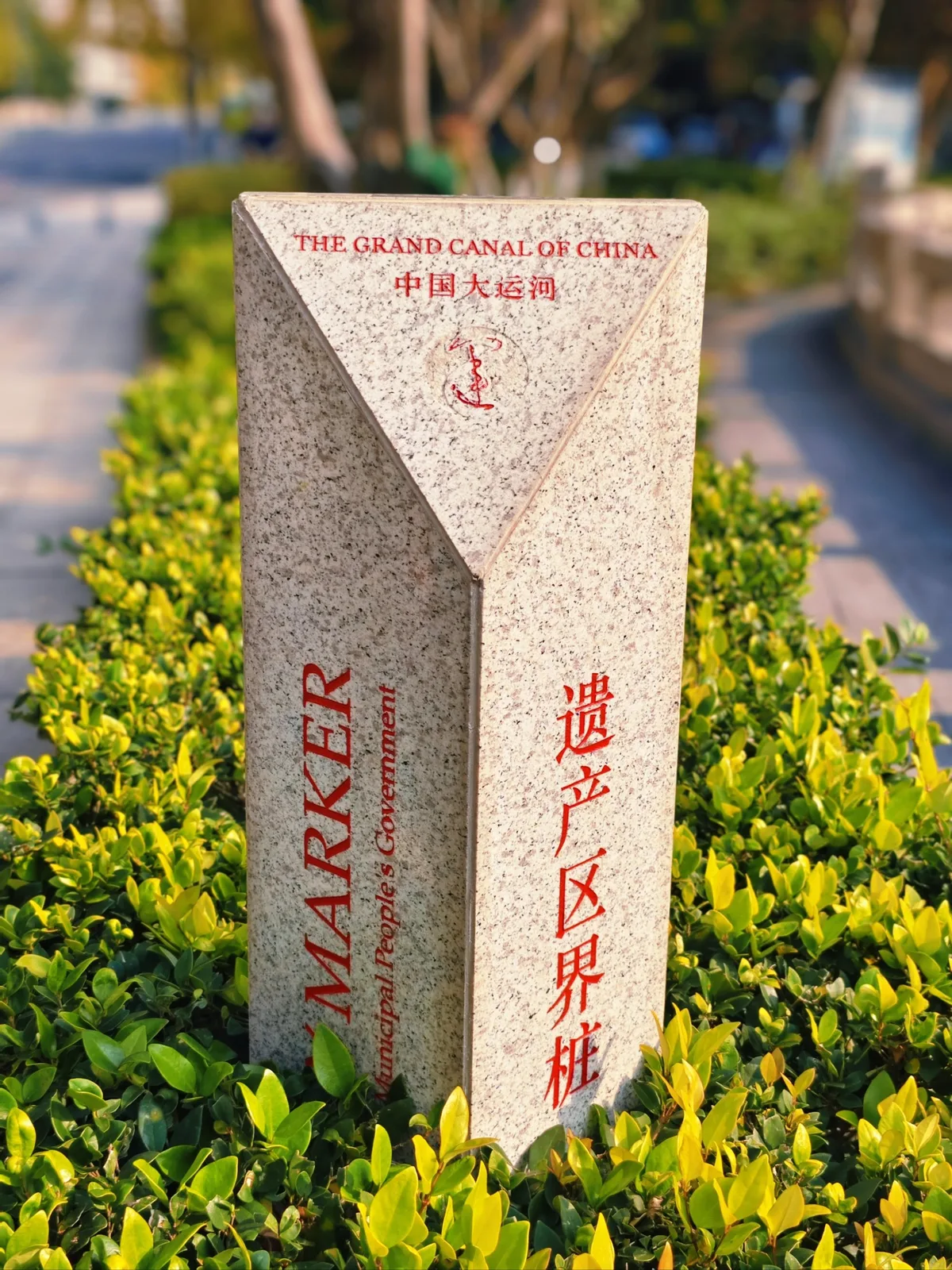
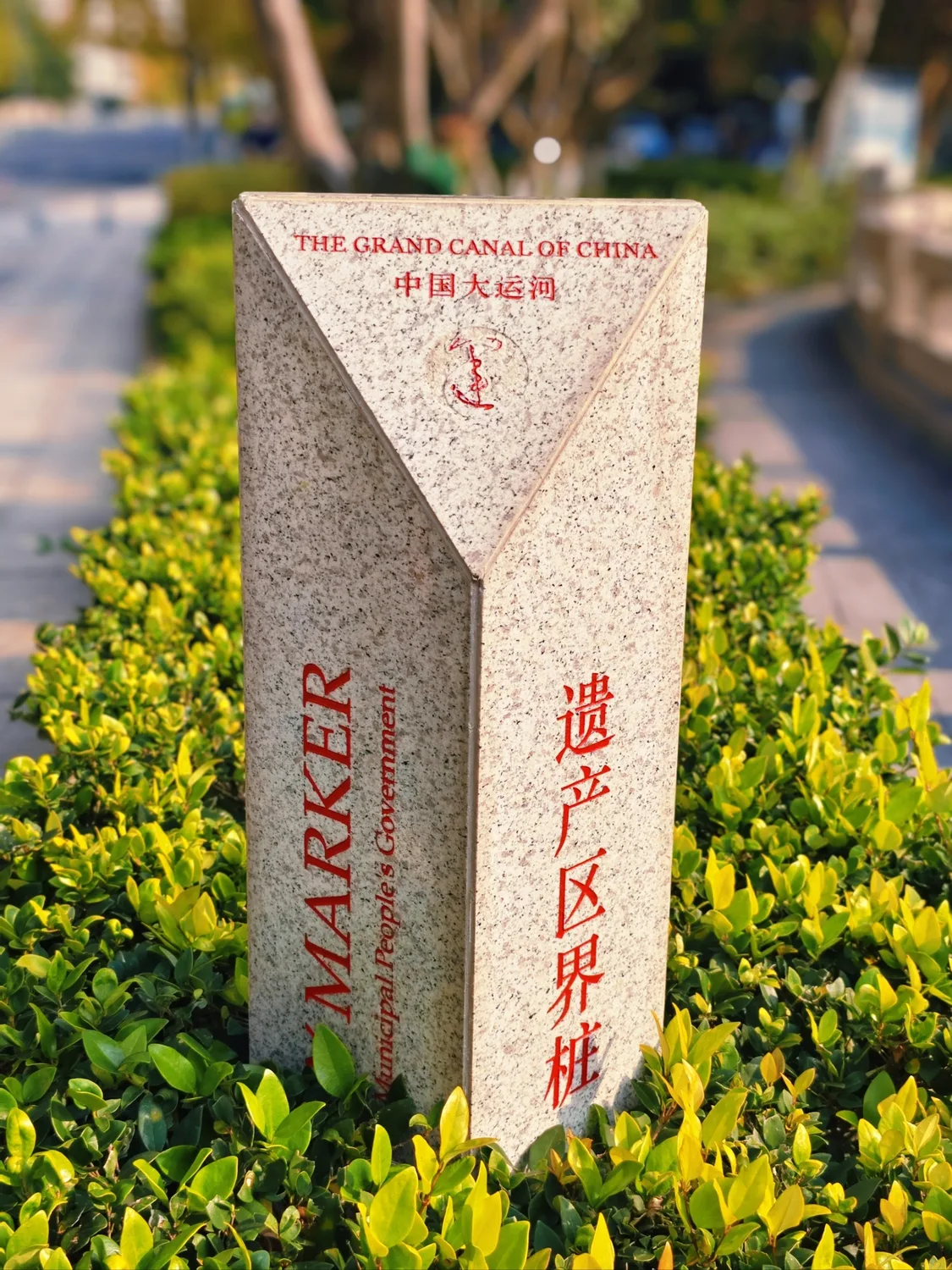
Great Wall scenic boundary marker stone
Boundary markers and visitor signs help travelers recognize Great Wall terminology in different languages.

Chinese names travelers should know

The most useful term is 长城 (Chángchéng). Section names include 慕田峪长城 for Mutianyu, 八达岭长城 for Badaling, 居庸关长城 for Juyongguan, and 司马台长城 for Simatai. These are more useful in maps, ride-hailing apps, ticket pages, and signs than foreign-language names.

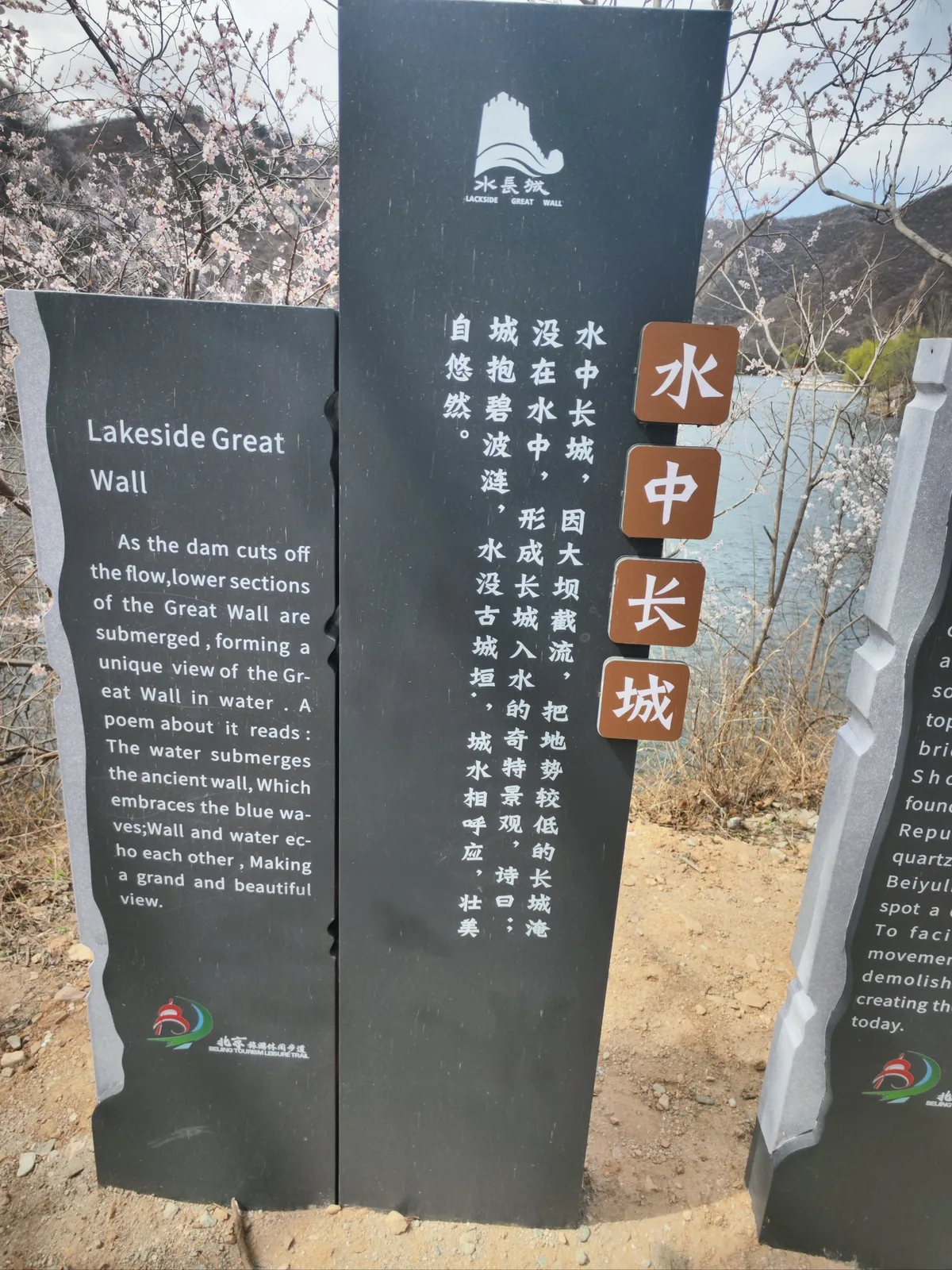
Visitor information sign beside a Great Wall section
Visitor signs can mix Chinese names, English explanations, and scenic-area terminology.

How to use this in real travel

If you are asking a hotel desk, driver, or guide, say the section name first. “Mutianyu Great Wall” is more useful than “the Great Wall.” Beijing has several accessible sections, and each has different transport, crowd, and difficulty profiles. Compare Mutianyu, Badaling, and recommended sections before choosing.

Bottom line

Language names are interesting, but section names solve real travel problems. Save the Chinese name of your chosen section before you leave Beijing.

For general background, use institutional references such as UNESCO World Heritage Centre, Britannica, and official Chinese government or scenic-area channels. Commercial tour-company pages are not used as public sources.

FAQ

Do all countries use the same name? No. Most languages translate the idea, but the emphasis changes. Which name should travelers use in China? Use Chinese section names for maps and drivers. Does the translation affect the route? No, but unclear naming can create transport confusion if you do not specify the section.

Why this matters for SEO and users

International travelers may search from many languages before landing on an English site. A good article should recognize language variation without turning into a dictionary page. The practical goal is to guide readers toward the names they need on the ground: the Chinese characters for the section, the English name for research, and the exact scenic-area name for tickets or transport.

Examples for travel planning

If a French or Spanish traveler searches in their own language, they may still need English and Chinese names once planning from Beijing. A hotel desk may understand Badaling or Mutianyu in English, but a ride-hailing app usually works better with 八达岭长城 or 慕田峪长城. This is why the article should end with practical Chinese names, not only foreign-language trivia.

Bottom line for visitors

Different languages call the Great Wall by different names, but travel planning needs precision. Save the section name, entrance name, and hotel pickup details in Chinese. That is more useful than knowing ten translations of the broad landmark name.

How names affect search behavior

A traveler may search in Spanish, French, German, or another language before reading English planning content. Once they are choosing a Beijing route, however, the English page should move them toward exact section names. This prevents broad-search confusion and helps them compare Mutianyu, Badaling, Jinshanling, Simatai, and Juyongguan as real options rather than one generic attraction.

What to save on your phone

Save three versions of the name: the English section name, the Chinese characters, and the address or pickup point. If you are taking a private transfer, show the Chinese name to the driver. If you are using public transport, save station names and return instructions. Names are only useful when they help you move confidently.

Final note for writers

This topic should remain practical. It is fine to mention several language examples, but the article should not become a long list of translations. The best user value is explaining why names differ, then giving readers the Chinese terms they can actually use in Beijing. If future articles target non-English readers, create separate localized content rather than overloading this page.

Practical example

A traveler may know the landmark as the Great Wall, Grande Muraille, or Gran Muralla, but a driver still needs the destination. “Mutianyu Great Wall” plus 慕田峪长城 is actionable. “Great Wall” alone is not. This is why the page should move from language curiosity to exact section planning.

That is the practical standard this site should keep for every multilingual naming article.

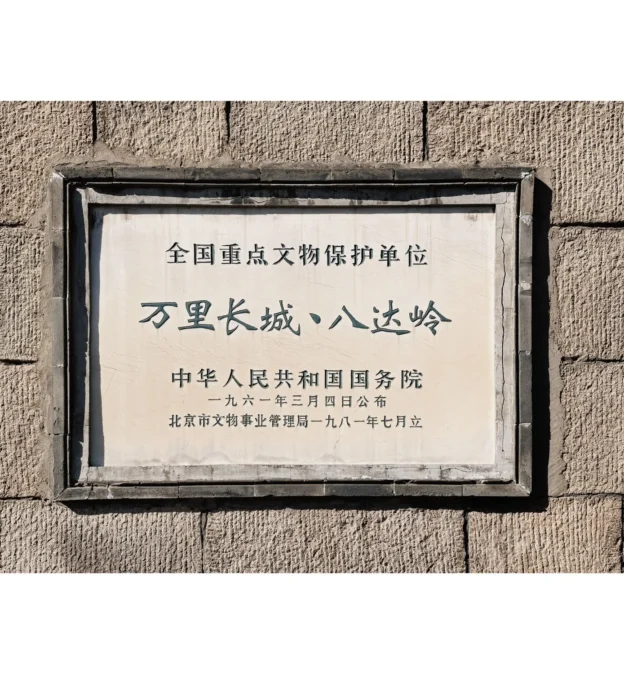
Stone plaque with Chinese text at the Great Wall

Why Is It Called the Great Wall? Meaning of Changcheng and the English Name

The Great Wall is called “great” because it is not just one wall. It is a long historical defense system made of walls, passes, towers, trenches, branches, and frontier routes built across many dynasties. In Chinese, the most common name is 长城 (Chángchéng), literally “long wall.” The English name “Great Wall” emphasizes scale, fame, and cultural importance.

Quick planning snapshot

  • Best for: readers who want the meaning behind the name before visiting.
  • Main answer: Chinese emphasizes length; English emphasizes greatness and importance.
  • Travel use: knowing the terms helps when reading signs, maps, tickets, and transport apps.
Great Wall marker stone in a scenic area
Marker stones show the name in a physical travel setting.

What does 长城 mean?

means long, and can refer to a city wall, fortified wall, or defensive enclosure depending on context. Together, 长城 means “long wall.” This is a practical name because the structure was understood as a long defensive system stretching across frontier regions, not simply a single scenic monument.

Why English uses “Great Wall”

The English phrase “Great Wall” does not translate every character literally. It reflects how foreign writers and travelers understood the wall’s scale and importance. “Great” points to its fame, length, engineering ambition, and historical weight. This is why the phrase became common in English even though “Long Wall” is closer to the Chinese word-by-word meaning.

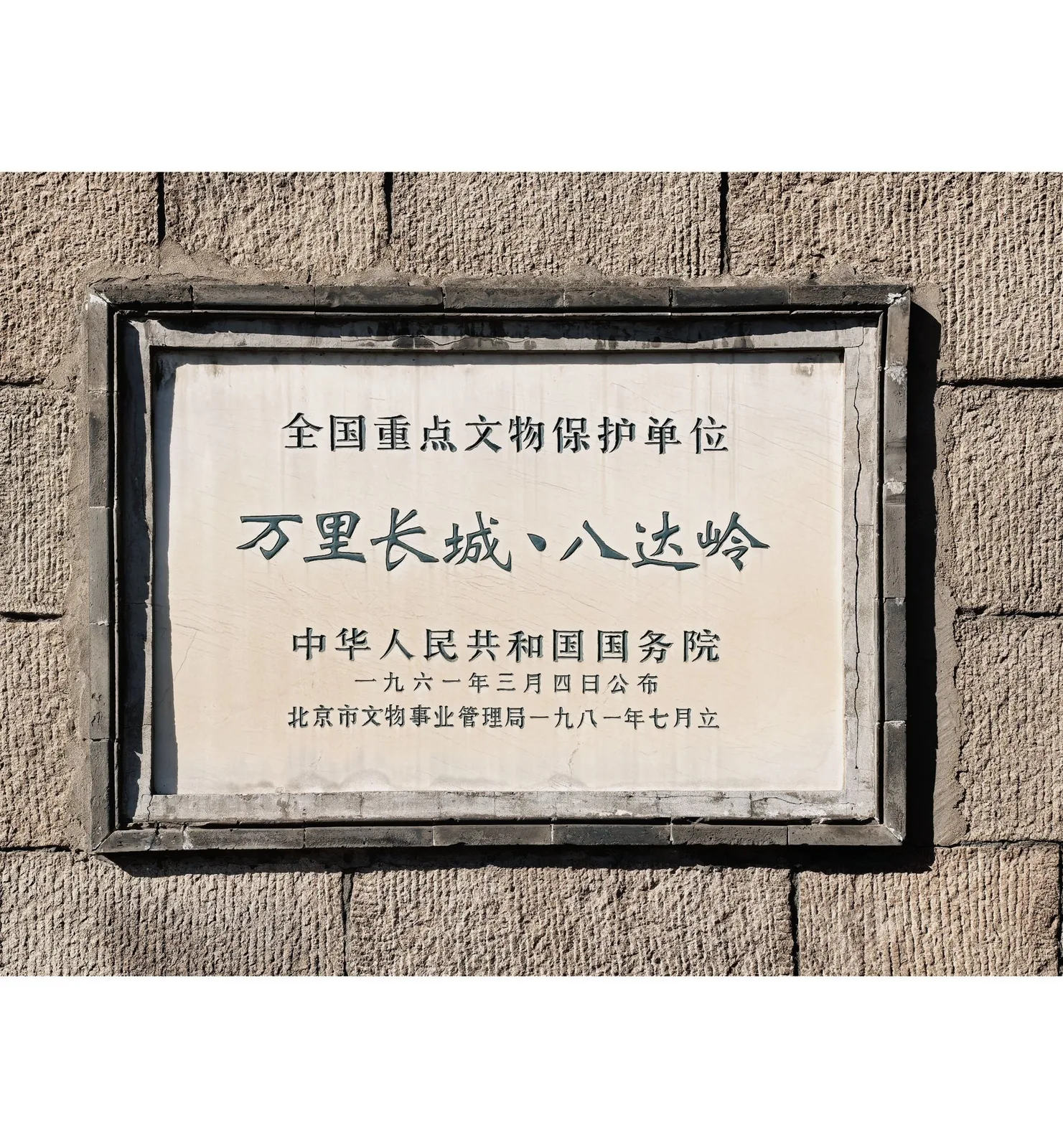
Great Wall cultural heritage protection plaque
Official plaques and local signs show how the Chinese name for the Great Wall appears in real visitor settings.

Why the full phrase is 万里长城

You may also see 万里长城 (Wànlǐ Chángchéng). It is often translated as “the Ten-Thousand-Li Long Wall.” A li is a traditional Chinese distance unit, and 万里 is also a poetic way to suggest vast distance. It should not be read as a precise modern measurement. For exact length questions, see How Long Is the Great Wall of China?.

How this helps visitors

When using maps or translation apps, search for 长城 plus the section name: 慕田峪长城 for Mutianyu, 八达岭长城 for Badaling, 金山岭长城 for Jinshanling, and 司马台长城 for Simatai. If you only search “Great Wall,” results may be too broad. For most first-time foreign visitors, start with Mutianyu Great Wall or compare routes in Great Wall sections near Beijing.

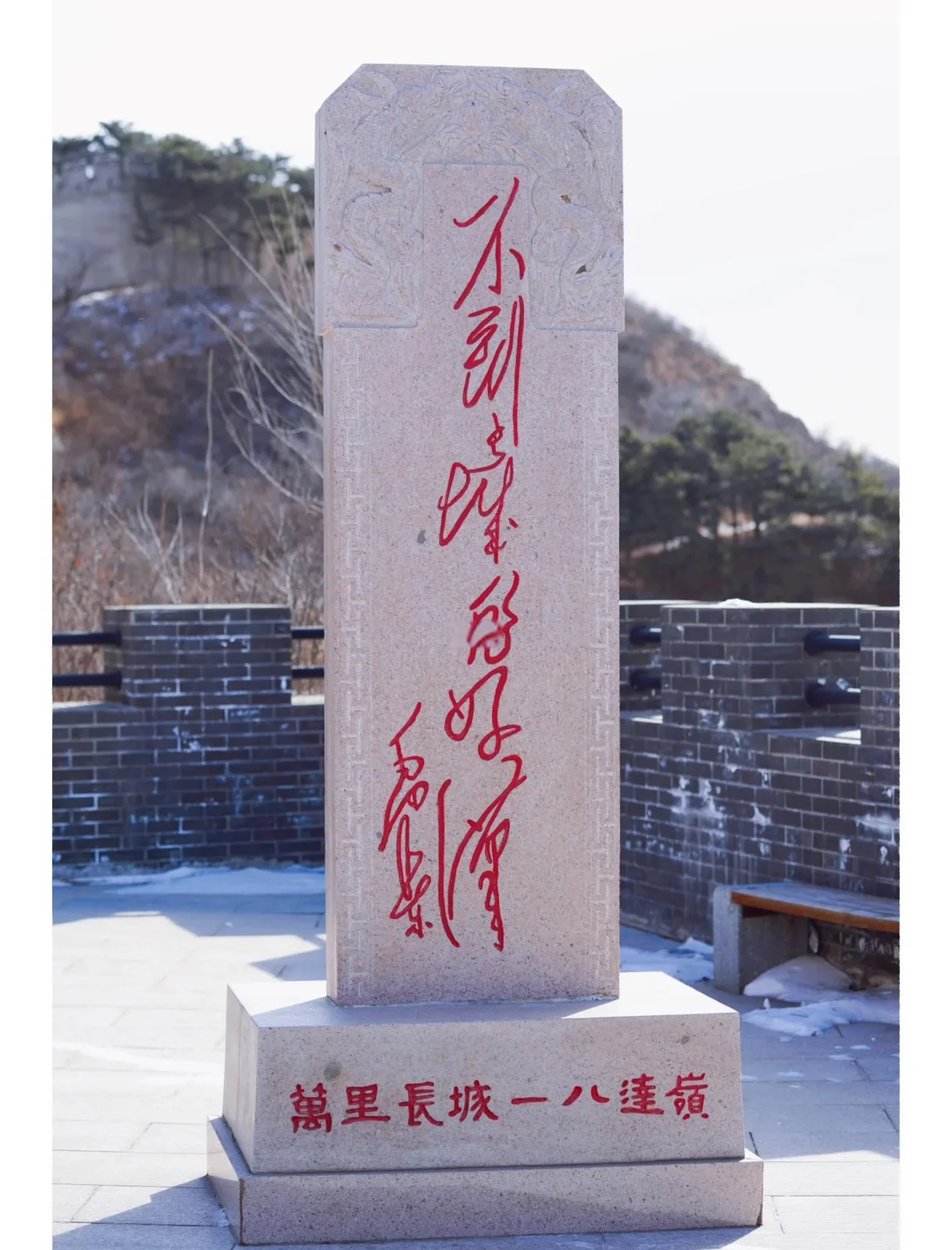
Stone marker with Chinese Great Wall calligraphy
Chinese calligraphy and local markers show how the Great Wall name appears on site.

Common mistakes

Do not assume that every “Great Wall” search result points to the same place. Beijing has several accessible sections with different travel times, crowds, and facilities. Also avoid treating 万里 as a precise modern length in a travel article. It is better to use the poetic name for cultural context and use measured length figures only when discussing surveys.

Bottom line

Chinese calls it the long wall; English calls it the Great Wall. Both names make sense, but travelers should use specific section names for real planning.

For general background, use institutional references such as UNESCO World Heritage Centre, Britannica, and official Chinese government or scenic-area channels. Commercial tour-company pages are not used as public sources.

FAQ

Is “Great Wall” a direct translation? Not exactly. “Long Wall” is closer to 长城, while “Great Wall” is the established English name. Should travelers say Great Wall or section name? Use the section name whenever planning transport. Does 万里 mean the exact length? No. It is a traditional expression of vast distance, not a modern survey number.

How to use the name in planning

For a driver, hotel, or map app, a specific name is safer than a broad one. “Mutianyu Great Wall” points to one scenic area; “Great Wall” can mean many sections. If you are comparing routes, use the English name for research, then save the Chinese section name before departure. That small step prevents confusion at pickup points, ticket offices, and shuttle stops.

How this page supports the site

This naming page should connect broad curiosity with practical planning. It explains the cultural term, then sends readers to section guides where real decisions happen. The best next step is not another abstract definition; it is choosing Mutianyu, Badaling, Jinshanling, Simatai, or another section based on time, crowds, transport, and walking difficulty.

How not to misuse the name

Do not use “Great Wall” as if every article is about the same visitor experience. A page about Mutianyu should say Mutianyu early. A page about Badaling should say Badaling early. A page about the full historical system should explain that it covers many dynasties and regions. This naming discipline helps both readers and search engines understand the page.

When to use the full phrase

Use “Great Wall of China” in page titles, introductions, and broad historical explanations. Use “Great Wall” after the context is clear. Use the Chinese section name when giving transport or map advice. This creates a clean path from broad curiosity to a real travel decision.

Final note for writers

When creating new pages, use the broad name only when the topic is broad. If the page is about a route, ticket, cable car, transport method, or season, name the exact section in the title and opening. That makes the article more useful and avoids repeating generic Great Wall wording across the site.

Travel note

When using the name in travel planning, be specific. A route guide should say Mutianyu Great Wall, Badaling Great Wall, Jinshanling Great Wall, Simatai Great Wall, or the exact section involved. That makes the article clearer for visitors and helps avoid treating every wall section as the same experience.

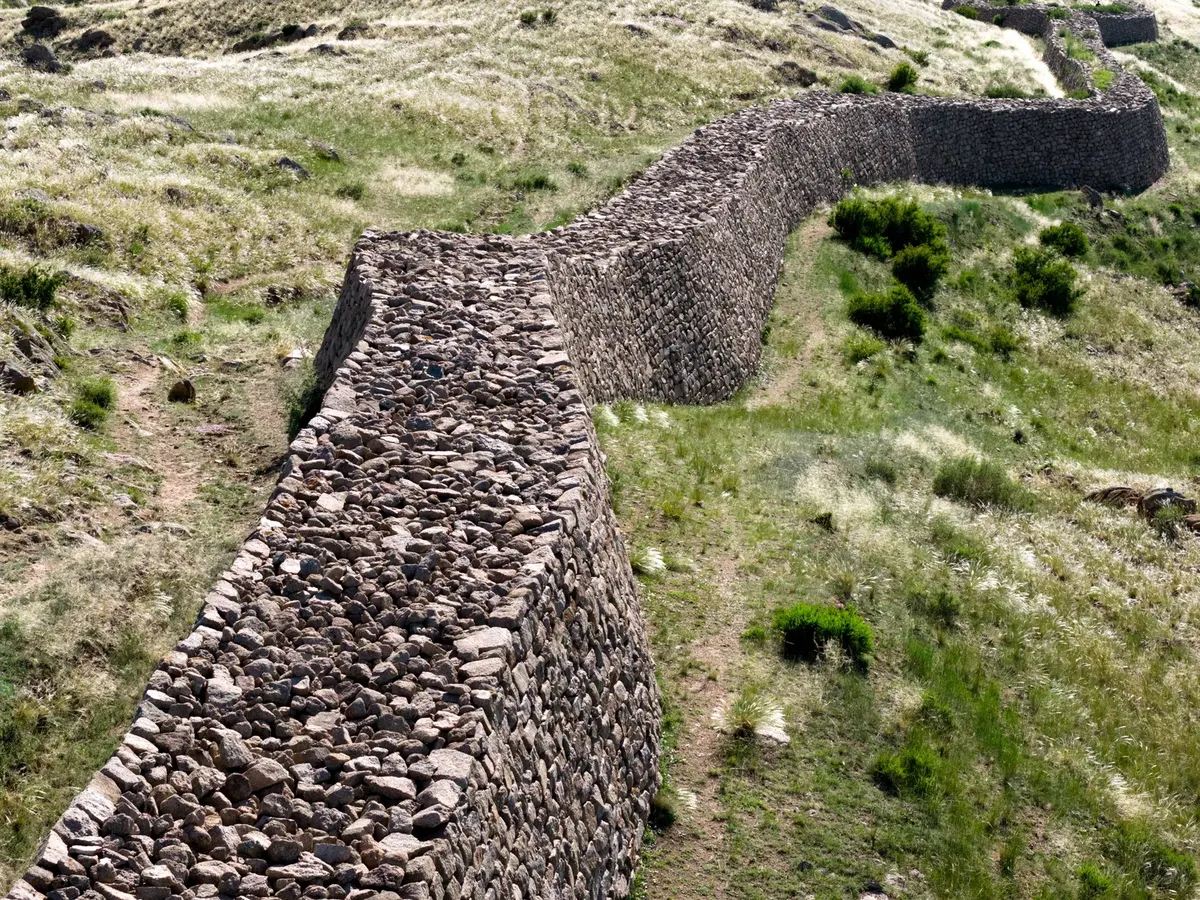
Close view of stonework on an ancient Great Wall section

How the Ancient Great Wall Was Built

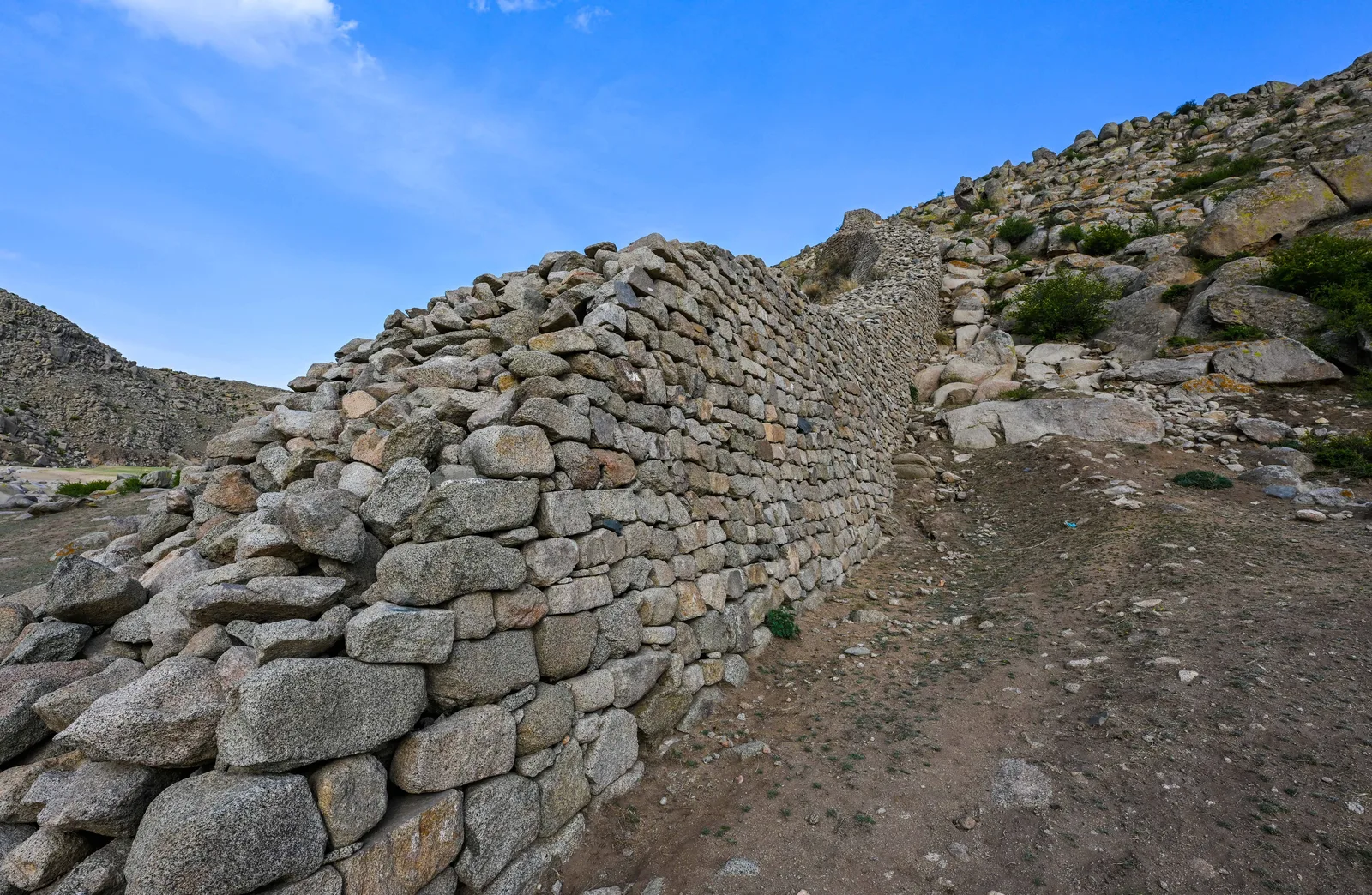
The ancient Great Wall was built with different methods in different regions and periods. Early walls often used rammed earth, reeds, gravel, local stone, and timber supports. Later Ming sections near Beijing used more brick and stone, which is why the wall many tourists see today looks more solid and regular than older frontier remains.

Quick planning snapshot

  • Best for: Visitors who want to understand what they are seeing on the wall itself.
  • Use this guide for: Reading construction materials, watchtowers, passes, tamped earth, brickwork, and mountain terrain on site.
  • Planning focus: Compare how building methods changed by region, dynasty, and landscape instead of assuming one uniform wall.

Information check: this article was reviewed on May 14, 2026. Construction methods varied widely; there was no single Great Wall building technique across all dynasties.

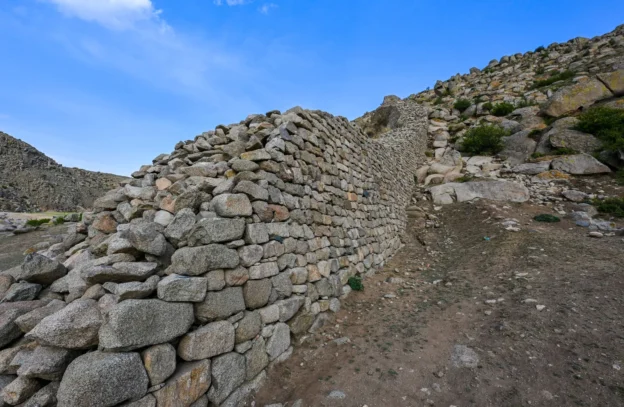
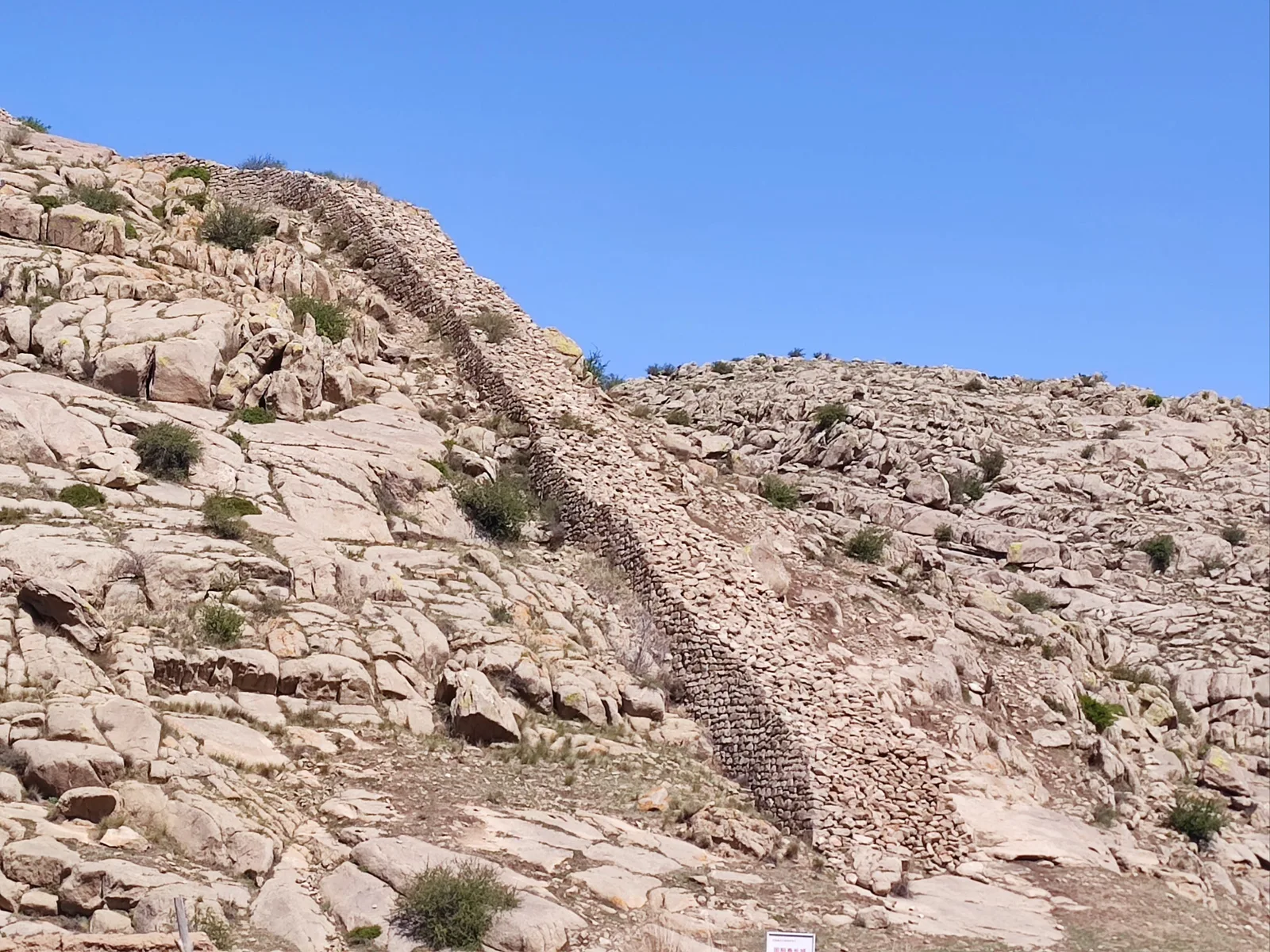
Stone ruins of an early Great Wall section
Stone ruins show how ancient wall building changed with local materials and terrain.

Quick Construction Snapshot

  • Early walls: rammed earth, trenches, local stone, reeds, and gravel.
  • Mountain areas: local stone and terrain were often used directly.
  • Ming sections: more brick, stone facing, watchtowers, and stronger masonry.
  • Key principle: builders used what the local landscape made practical.
Ancient stonework ruins on a dry Great Wall slope
Ancient wall construction used local stone, earth, and ridgeline terrain rather than one uniform building method.
Great Wall construction changed with terrain, materials, and dynasty resources.

How Rammed Earth Worked

Rammed-earth construction packed layers of soil and other local materials inside wooden forms. Once compressed, the wall could become surprisingly durable in dry climates. In mountains, builders used stone and ridgelines. In later periods, especially Ming frontier rebuilding, bricks and stone facing became more common in strategic sections.

What Visitors Should Notice

When walking Mutianyu, Badaling, or Jinshanling, look at the brickwork, drainage, watchtowers, and how the wall follows the ridge. Those features are not just decorative; they show how defense, terrain, labor, and materials worked together.

For context, see how the Great Wall was defended and why it was built.

Sources Checked

Why construction methods changed by place

The ancient Great Wall was not built with one universal recipe. Builders used what the landscape offered. In mountain areas, stone and cut slopes could shape the route. In loess regions, rammed earth was practical. In desert and frontier areas, reeds, gravel, tamarisk, and packed layers could be used. Later Ming sections near Beijing often used brick and stone because resources, transport, and military investment supported more durable masonry.
Early Great Wall earthwork mound at an archaeological site
Earthwork remains show how early defenses could be lower, rougher, and more regional than the later Ming wall.
Great Wall building required planning, transport, labor, and local material choices.

Rammed earth and local materials

Rammed earth was one of the most important early construction methods. Workers packed layers of earth between wooden frames until the material hardened into a strong wall core. In dry regions, these walls could survive for centuries. In wetter or more heavily eroded areas, they could disappear or become low ridges. This is why many early walls look less dramatic than restored Ming sections, even if they are historically important.

Brick, stone, and Ming visibility

The Great Wall image familiar to foreign visitors comes largely from later Ming sections. Brick facing, stone foundations, crenellations, drainage, stairs, and watchtowers made these walls more durable and visually striking. But brickwork was expensive. It required kilns, transport, skilled labor, and a supply system. This is one reason not every Great Wall section looks like Mutianyu or Badaling.

How towers and passes were built into the system

A wall without towers, passes, and soldiers would be weak. Watchtowers gave defenders visibility and shelter. Passes controlled roads and valleys. Beacon towers helped transmit warnings. Drainage and stair design helped the wall survive on steep slopes. The best preserved sections are not just walls; they are built military landscapes. This is especially clear at Ming sites such as Mutianyu, Badaling, Jinshanling, Juyongguan, and Shanhaiguan.

What visitors should notice

When walking a restored wall, look at the slope, tower spacing, brickwork, and drainage. These details explain why the route was placed there and how builders dealt with terrain. If you see an unrestored or older wall, expect rougher surfaces, earth cores, collapsed edges, and fewer visitor facilities. Different appearance does not mean the site is less historical; it may simply belong to a different period and construction tradition.

Sources and next reads

For context, compare Britannica’s Great Wall history, UNESCO World Heritage Centre, and China government conservation update. Then read Who Built the Great Wall?, Why Was the Great Wall Built?, and Which Sections Are Recommended?.

Why construction details matter for visitors

Construction details help visitors read the wall on site. Brick facing, stone foundations, steep stairs, drainage channels, and tower spacing all reveal how builders solved real terrain problems. A smooth restored section is not just decorative; it reflects later repair, preservation, and visitor infrastructure. A rougher earth wall may be older or less restored, not less meaningful.

Visitor takeaway

When comparing sections, ask what materials you are seeing and why they were used there. Mutianyu and Badaling show accessible restored Ming masonry. Earlier frontier walls may show earth, stone, or eroded remains. Understanding construction makes it easier to respect protected areas and avoid treating every wall section as the same kind of attraction.

How this page should support the site

This construction page should be a shared reference for many visitor guides. When a route article mentions steep stairs, watchtowers, brickwork, or unrestored wall surfaces, it can link here for the deeper explanation. That avoids repeating the same construction paragraph in every section guide and gives readers a better way to understand why different Great Wall places look and feel so different.

For readers comparing sections, construction style is a clue to period, terrain, restoration level, and visitor access. It should always be read together with location.

Travel note

Construction methods varied by dynasty and terrain, so a single image or material cannot explain the whole wall. Restored brickwork near Beijing, rammed-earth remains in the northwest, and pass gates such as Shanhaiguan all tell different parts of the same engineering story.

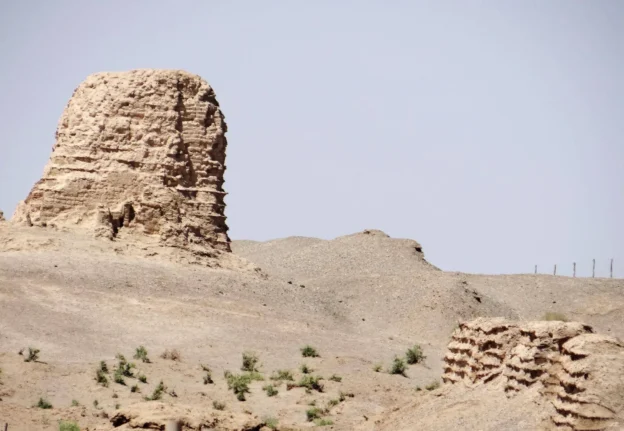
Han Great Wall ruins in the desert

The Great Wall of the Han Dynasty

The Han Dynasty expanded the Great Wall system westward and linked frontier defense with trade-route protection. Compared with the Qin focus on northern consolidation, Han wall systems are strongly connected with the Xiongnu frontier, the Hexi Corridor, and routes that later became associated with the Silk Road.

Quick planning snapshot

  • Best for: Travelers interested in Silk Road, desert, and western Great Wall history.
  • Use this guide for: Understanding how Han frontier defenses expanded beyond the better-known Beijing-area Ming sections.
  • Planning focus: Use this as background for Jiayuguan, Gansu, desert beacon towers, and long-distance historical routes.

Information check: this article was reviewed on May 14, 2026. Han walls were often earth or local-material defenses in arid frontier zones, not the same as the restored brick sections near Beijing.

Han Dynasty Great Wall frontier illustration
Han Great Wall systems expanded frontier control westward toward important trade routes.

Quick Historical Snapshot

  • Period: 202 BCE-220 CE.
  • Main concern: northern and northwestern frontier security.
  • Strategic zone: Hexi Corridor and routes toward the west.
  • Travel connection: important for history, but not the main wall most Beijing visitors walk.

Why Han Expansion Matters

Han defenses helped protect movement, communication, garrisons, and trade corridors. The Great Wall was not only a wall; it was part of a frontier network. Beacon towers, forts, passes, and supply routes mattered as much as the physical wall.

Visitor Context

If your trip is focused on Beijing, Han wall history is background rather than a direct route choice. If you travel farther west or study Silk Road history, the Han wall becomes more central.

Related pages: how the Great Wall was defended and when the Great Wall was built.

Sources Checked

Why the Han Great Wall feels different

The Han Dynasty wall story is different from the restored mountain walls most visitors see near Beijing. Han frontier defense was strongly connected with the northwest, the Hexi Corridor, beacon lines, desert routes, and the emerging Silk Road network. Instead of thinking only about brick watchtowers on green mountains, imagine long lines of earth, reeds, gravel, beacon towers, and military posts across dry frontier landscapes.

Han Great Wall ruins in the desert
Han Great Wall remains are often found in dry frontier landscapes far from Beijing.
Han Great Wall history is strongly tied to western frontier routes.

Han expansion and the Hexi Corridor

Han rulers faced Xiongnu pressure and also pushed control westward. The Hexi Corridor became strategically important because it linked central China with western regions and trade routes. Britannica’s Han Dynasty overview notes Han expansion of boundaries and Great Wall defenses along the northern frontier, while broader Great Wall histories connect Han defenses with western frontier control. This makes the Han wall more route-oriented than a simple tourist landmark.

Beacon towers and military communication

Han frontier defense depended heavily on communication. Beacon towers and posts helped transmit warnings and organize military response over long distances. In dry western areas, the remains may look very different from Ming brick sections. For travelers, this is an important lesson: the Great Wall was not one material or one style. It adapted to terrain, climate, military needs, and available resources.

How Han connects with the Silk Road

The Han period is also important because frontier defense and westward routes overlapped. Military control, trade movement, envoys, posts, and defensive lines all mattered. The wall did not “create” the Silk Road by itself, but it helped protect and manage strategic corridors. That is why Han Great Wall history often belongs in the same conversation as Dunhuang, Gansu, and western route planning rather than only Beijing sightseeing.

What this means for a Beijing-based visitor

If you only visit Mutianyu or Badaling, you are not seeing the Han wall. You are seeing later Ming sections. Still, Han history helps explain why the Great Wall became a flexible frontier system over many regions. A good mental model is: Qin connected, Han expanded westward, and Ming rebuilt many of the famous walls near Beijing. This keeps the travel story accurate without overwhelming the visitor.

Han Great Wall ruins marker and rammed-earth wall
Markers at Han Great Wall sites help visitors distinguish early frontier walls from Ming sections.
Han and other early walls often used materials very different from restored Ming brickwork.

Sources and next reads

For background, compare Britannica’s Han Dynasty overview, Britannica’s Great Wall history, and UNESCO World Heritage Centre. Then read The Qin Dynasty Great Wall, The Ming Dynasty Great Wall, and When Was the Great Wall Built?.

Common Han Great Wall mistakes

The Han Great Wall should not be treated as just another Beijing mountain wall. Han frontier defense was strongly tied to western expansion, beacon systems, and route control in dry frontier regions. Some Han remains are more like earth lines, towers, and post networks than restored brick walls. That difference is exactly why Han history is useful: it proves the Great Wall changed form according to geography and strategy.

Visitor takeaway

If you are planning only a Beijing Great Wall trip, Han history is background rather than the visible wall you will walk on. If your route includes Gansu, Dunhuang, or Silk Road themes, Han frontier history becomes much more relevant. Always connect the dynasty to the right region and wall type.

How this page should support the site

This Han page should broaden the site beyond Beijing-only thinking. It explains why the Great Wall also belongs to western frontier and Silk Road history. That helps travelers understand that Mutianyu and Badaling are not the whole story. It also gives future route articles about Gansu, Dunhuang, Jiayuguan, and corridor travel a stronger historical base to link back to.

For readers comparing dynasties, Han should be understood as the western expansion stage, where frontier defense, route control, and communication lines became especially important.

This framing also helps avoid duplicate content: the article focuses on western frontier systems, while Beijing section guides focus on practical visitor routes.

More Great Wall Facts and Myths

For a wider fact-check path, use the Great Wall Facts and Myths hub. It links the space myth, real length, builders, dynasties, origins, and why the wall was built.

Great Wall remains following a dry mountain ridge

The Great Wall of the Qin Dynasty

The Qin Dynasty Great Wall is important because Qin Shi Huang unified China and ordered earlier northern defenses to be linked, repaired, and extended. It was not the first wall in Chinese history, but it turned separate state defenses into a more centralized imperial frontier project.

Quick planning snapshot

  • Best for: Readers connecting the famous Great Wall story with Qin unification.
  • Use this guide for: Understanding what Qin changed, what it inherited, and why the wall was not built from scratch.
  • Planning focus: Separate Qin frontier history from restored Ming tourist sections such as Badaling and Mutianyu.

Information check: this article was reviewed on May 14, 2026. The Qin wall should not be confused with the restored Ming brick sections many visitors see near Beijing today.

Great Wall remains following a dry mountain ridge
Qin defenses linked earlier wall lines across difficult northern terrain.

Quick Historical Snapshot

  • Period: 221-206 BCE.
  • Main figure: Qin Shi Huang, but with massive labor and military organization.
  • Purpose: northern frontier defense and imperial control.
  • Material style: mostly earth, stone, and local materials, not the familiar Ming brick wall.

What Qin Changed

Qin turned wall-building into an imperial project. Earlier states had built their own walls; Qin tried to make frontier defense serve a unified empire. The project was harsh and politically symbolic, showing both Qin power and the human cost of large state labor.

Travel Context

Visitors should not expect Qin walls to look like Mutianyu or Badaling. The famous Beijing-area brick walls are mostly associated with later Ming construction and modern restoration. Qin history helps explain origins, not the exact appearance of most tourist sections.

For context, read who built the Great Wall and how long the Great Wall is.

Sources Checked

What Qin actually changed

The Qin Dynasty did not create the Great Wall out of nothing. Its importance lies in unification and reorganization. After Qin conquered the rival states, the empire could think about frontier defense on a larger scale. Northern wall segments were connected, repaired, and extended to help protect against Xiongnu pressure and to mark a more centralized imperial frontier.

Close view of stonework on an ancient Great Wall section
Close stonework views show why ancient wall remains look different from restored Ming sections.
Qin wall projects required soldiers, laborers, planners, and supply systems.

Qin Shi Huang and Meng Tian

Qin Shi Huang is closely tied to the Great Wall in popular memory, and general Meng Tian is traditionally connected with the northern frontier project. The safest historical wording is that Qin linked and strengthened earlier walls rather than building the whole Great Wall tourists know today. Many famous visitor sections near Beijing are later Ming works. This distinction matters because travelers often assume every wall dates from Qin, which is not correct.

Materials and route logic

Qin wall construction depended heavily on local materials and terrain. In some areas, workers used earth and stone rather than the brickwork associated with later Ming sections. The wall followed strategic geography: ridges, passes, frontier corridors, and areas where movement could be watched or slowed. It was part of a larger defense system, not a standalone wall that could solve every military problem.

Rocky frontier ridge with ancient Great Wall remains
Qin frontier defenses often followed dry ridges and rough terrain rather than a single continuous brick wall.
Early imperial wall construction relied on local materials and difficult terrain.

Was the Qin wall successful?

Qin’s wall policy helped create a stronger northern frontier, but the dynasty itself was short-lived. The wall could not solve political instability, harsh labor burdens, or the empire’s internal problems. Later dynasties inherited both the strategic value and the symbolic weight of Qin’s frontier-building. That is why Qin remains central to Great Wall history even though the visible tourist wall is often much later.

How to connect Qin history with a modern visit

If you are planning a first Great Wall trip, do not try to find “the Qin wall” at Mutianyu or Badaling. Those are mainly Ming visitor sections. Instead, use Qin history to understand why the wall became an imperial idea. Then compare it with Han expansion and Ming rebuilding to see how the Great Wall changed across dynasties.

Sources and next reads

For source checks, compare Britannica’s Great Wall history, UNESCO World Heritage Centre, and China government conservation update. Then read Who Built the Great Wall?, The Han Dynasty Great Wall, and Which Sections Are Recommended?.

Common Qin Great Wall mistakes

The biggest mistake is saying Qin Shi Huang built the entire Great Wall that tourists visit today. A better explanation is that Qin connected and strengthened earlier northern defenses after unification. Another mistake is imagining Qin walls as brick tourist walls like Mutianyu. Early imperial walls often used earth, stone, and local materials, and many surviving traces are not scenic-area walkways.

Visitor takeaway

Use Qin history as the point where the Great Wall became an imperial frontier concept. Then separate that from modern route planning. If your trip is to Mutianyu, Badaling, Jinshanling, or Shanhaiguan, you are usually looking at Ming-period wall landscapes, not original Qin construction.

How this page should support the site

This Qin page should answer the common search question without spreading the myth that Qin built every famous section. It should also send readers onward to Han and Ming content. That structure is important because foreign travelers often know Qin Shi Huang first, but the walls they actually visit near Beijing are usually Ming. The internal links should guide them from popular memory to accurate route planning.

For readers comparing dynasties, Qin should be understood as the consolidation stage: important, symbolic, and influential, but not the source of every visible Great Wall section.

This framing also helps avoid duplicate content: the article focuses on Qin consolidation, while the Ming page focuses on the famous restored sections most travelers walk today.

Travel note

For visitors, Qin history is best used as background rather than as a promise that a Beijing section is an original Qin wall. Most famous sections near Beijing are later Ming works or restorations. Read Qin as the moment when earlier defenses became part of a wider imperial frontier idea, then choose your travel section by access, scenery, safety, and time.

More Great Wall Facts and Myths

For a wider fact-check path, use the Great Wall Facts and Myths hub. It links the space myth, real length, builders, dynasties, origins, and why the wall was built.