
The Warring States Period made Great Wall building more systematic. Competing states such as Qin, Zhao, Yan, and others built or strengthened defensive walls for both inter-state rivalry and frontier defense. These walls were separate state projects, but they later shaped the Qin idea of linking northern defenses after unification.
Quick planning snapshot
- Best for: Travelers and history readers tracing Great Wall origins before imperial unification.
- Use this guide for: Understanding how rival states built regional walls before Qin connected and expanded frontier defenses.
- Planning focus: Use the history to interpret early wall remains, museum displays, and maps that separate pre-Qin walls from later Ming sections.
Information check: this article was reviewed on May 14, 2026. Warring States walls were not one unified national wall; they were regional defensive systems built by rival states.

Quick Historical Snapshot
- Period: roughly 475-221 BCE.
- Main idea: state-by-state defense, not one empire-wide wall.
- Important states: Qin, Zhao, Yan, Qi, Chu, Wei, and Han.
- Later impact: provided wall lines and defensive logic for Qin and Han systems.
Why This Period Matters
By the Warring States period, warfare was larger, states were more organized, and frontier pressure was more serious. Walls helped control borders, slow cavalry movement, and protect key zones. The wall was already part of a larger system of passes, troops, communication, and terrain.
Visitor Context
Most tourists near Beijing do not walk Warring States wall remains. They usually see later Ming sections or restorations. Still, this period is essential for understanding why the Great Wall was never a single project by one emperor.
Continue with the Qin Dynasty Great Wall and why the Great Wall was built.
Sources Checked
- Britannica Great Wall of China for historical overview.
- UNESCO Great Wall listing for heritage context.
- China Highlights Great Wall timeline for travel-facing chronology cross-checking.
Why the Warring States period changed the wall story
During the Warring States period, rival states became larger, more militarized, and more organized. Walls were no longer just small local barriers. They became part of state-level defense systems, protecting borders, passes, agricultural zones, and routes between capitals and frontier areas. This is the period that prepared the ground for Qin’s later imperial wall policy.
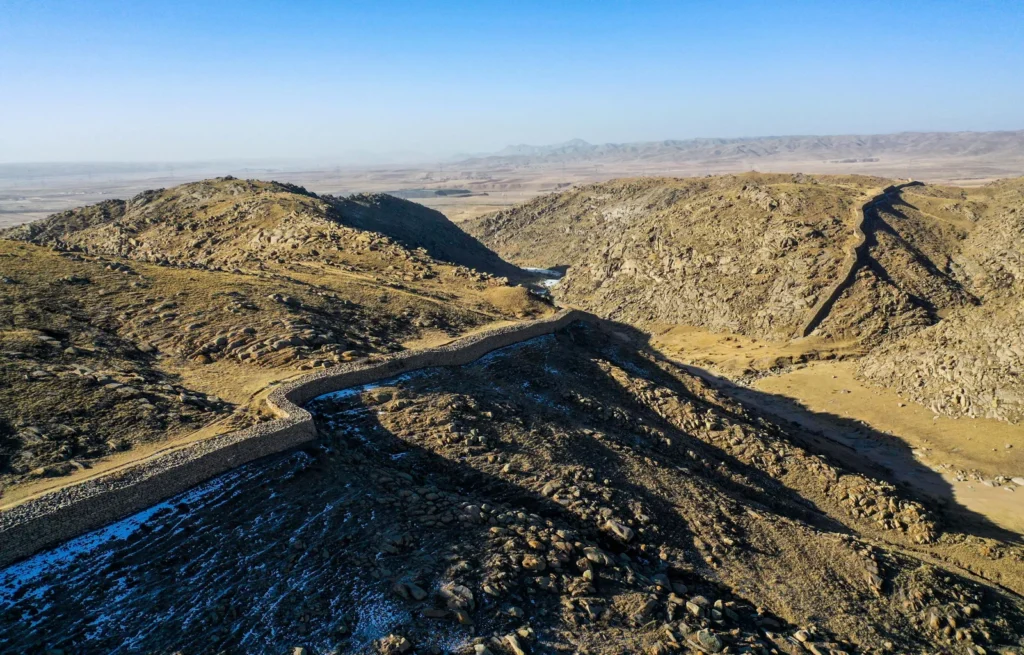
Which states built walls?
Several states are associated with early wall systems, including Qi, Chu, Yan, Zhao, Wei, and Qin. Their walls were not one coordinated project. Each state built according to its own threats and geography. Yan and Zhao were especially important for northern frontier defense, while Qi and Chu show that wall-building also happened between rival states. This is why the phrase “Great Wall” can be misleading when applied to this period; it was really a family of regional walls.
What Qin inherited
When Qin unified China in 221 BCE, it inherited a landscape already shaped by wall-building. Qin did not invent defensive walls from nothing. It removed some internal barriers between conquered states and connected or reinforced northern defenses. The Warring States period therefore explains why Qin could create a larger frontier wall system relatively quickly: the building tradition, routes, and defensive logic already existed.
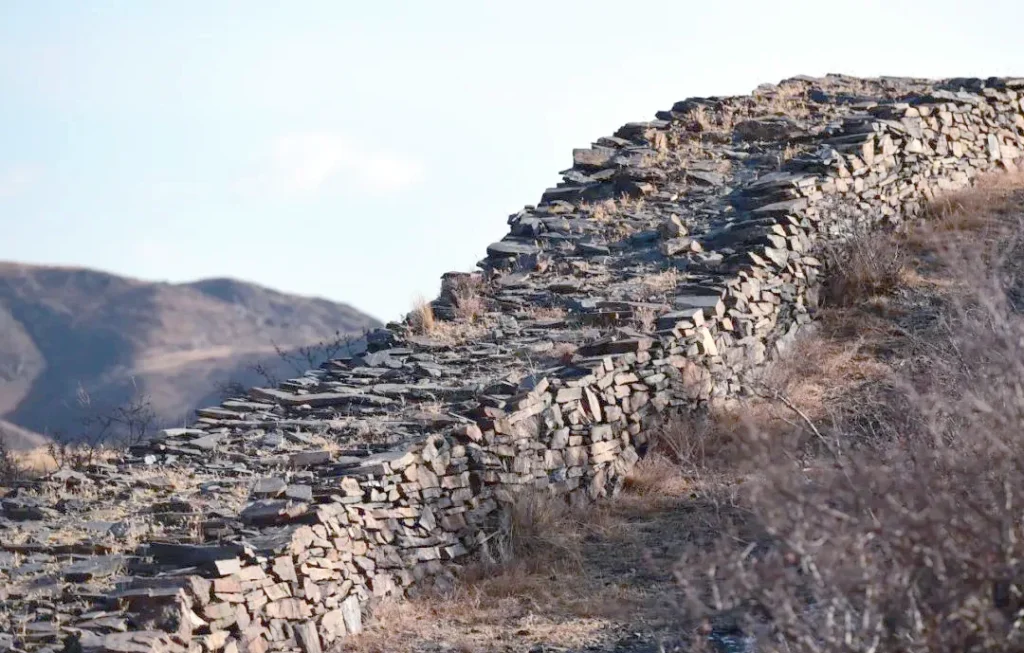
How this helps visitors understand later sections
If you visit a restored Ming section, you are seeing the late, highly visible version of a much older idea. The Warring States period explains the roots: states used walls to define controlled space, slow movement, protect strategic routes, and make frontier defense more predictable. A modern traveler does not need to memorize every state wall, but it helps to know that “the Great Wall” began as multiple regional systems.
What to avoid saying
Avoid saying “the Great Wall was built in the Warring States period” without explanation. A more accurate sentence is: “Several Warring States built their own defensive walls, and Qin later reorganized parts of this tradition after unification.” This keeps the chronology clear and avoids confusing early earthworks with the famous Ming walls near Beijing.
Sources and next reads
For context, compare Britannica’s Great Wall history, China Daily government service page on the Qi Great Wall, and UNESCO World Heritage Centre. Then continue with The Qin Dynasty Great Wall, When Was the Great Wall Built?, and Why Was the Great Wall Built?.
Why this period is the bridge to Qin
The Warring States period is the bridge between early local defenses and Qin imperial wall policy. States became stronger, armies became larger, and frontier management became more systematic. Walls were useful because they slowed movement, protected strategic corridors, and made border defense more predictable. Qin’s later wall-building was possible because this tradition already existed across multiple states.
Visitor takeaway
For travelers, the key lesson is not that every Great Wall section dates from the Warring States period. The lesson is that the Great Wall was originally a collection of separate regional defenses. When you visit a Ming section near Beijing, you are seeing a later, more visible stage of a much older military idea.
How this page should support the site
This article should help readers move from early origins to the Qin and Ming pages. Its role is to explain the transition from separate state walls to an empire that could reorganize northern defense at scale. For SEO and user experience, it should not compete with the Qin article; it should prepare the reader to understand why Qin inherited a wall-building tradition rather than creating it from nothing.
For readers comparing dynasties, this page should be treated as the pre-Qin bridge: it explains the separate state walls that made later imperial consolidation possible.
This framing also helps avoid duplicate content: the article focuses on separate state defenses, while the Qin page focuses on imperial reorganization after unification.