
The earliest Great Wall was not the famous brick wall near Beijing. It began as separate defensive walls built by states before China was unified. These early walls were usually made from earth, stone, river dikes, mountain barriers, and local materials. They were practical frontier defenses, not one continuous national monument.
Quick planning snapshot
- Best for: readers comparing early walls with the restored Ming sections near Beijing.
- Main answer: early state walls appeared before Qin, especially during the Spring and Autumn and Warring States periods.
- Travel connection: most Beijing visitor sections are much later, so do not assume they show the earliest wall form.
Early walls before China was unified
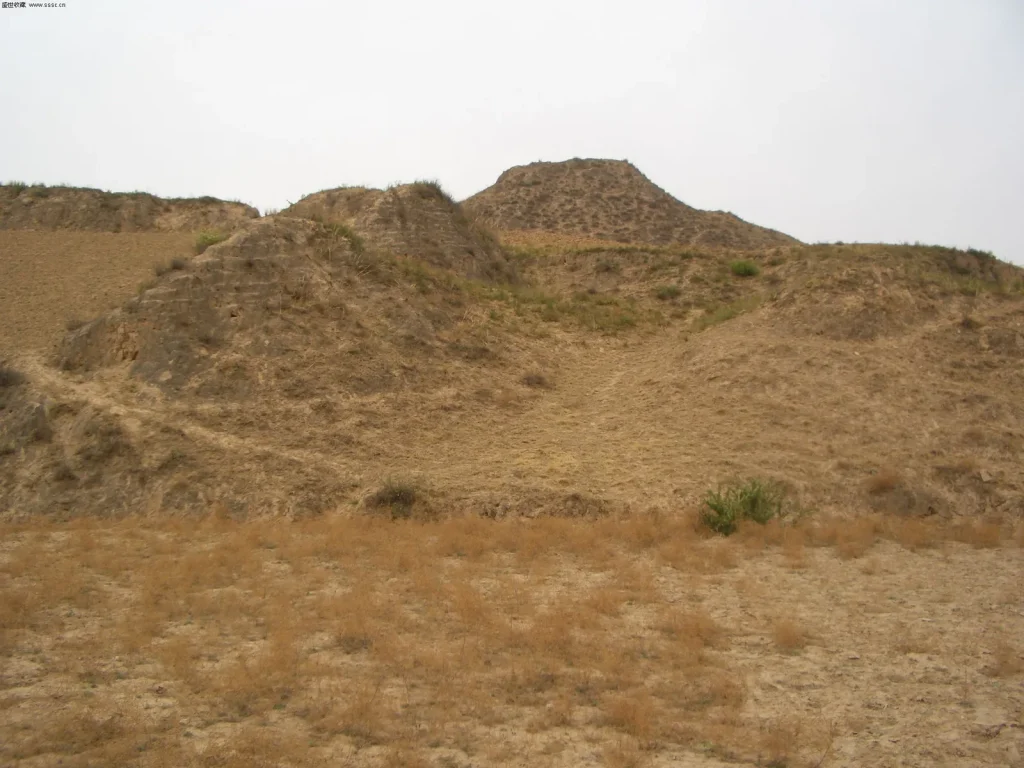
Before the Qin Dynasty, China was divided among competing states. Several states built defensive works to protect borders, capitals, river corridors, and mountain routes. These early walls were not identical. Some followed ridges; some used earthworks; some connected natural barriers; some protected against rival states as much as northern nomadic groups. This is why historians describe the Great Wall as developing from many regional defenses.
Which wall was earliest?
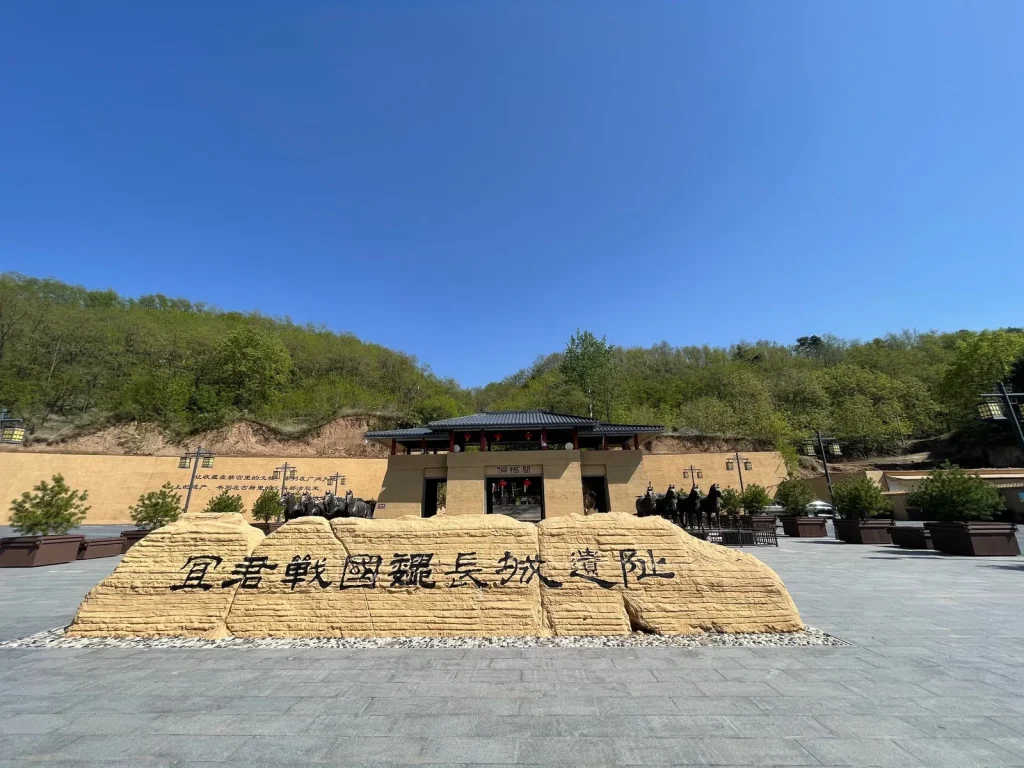
Different sources describe the earliest sections in slightly different ways because “Great Wall” is a later umbrella term. Britannica notes early defensive building in the Spring and Autumn and Warring States periods, including state walls such as Chu, Qi, Wei, Zhao, Yan, and Qin. Some Chinese discussions also highlight the Qi Great Wall as one of the oldest surviving Great Wall-related systems. The safest travel-friendly wording is: the earliest Great Wall origins lie in pre-Qin regional walls, and Qin later connected parts of that defensive tradition into an imperial frontier system.
How early walls were different from Ming walls
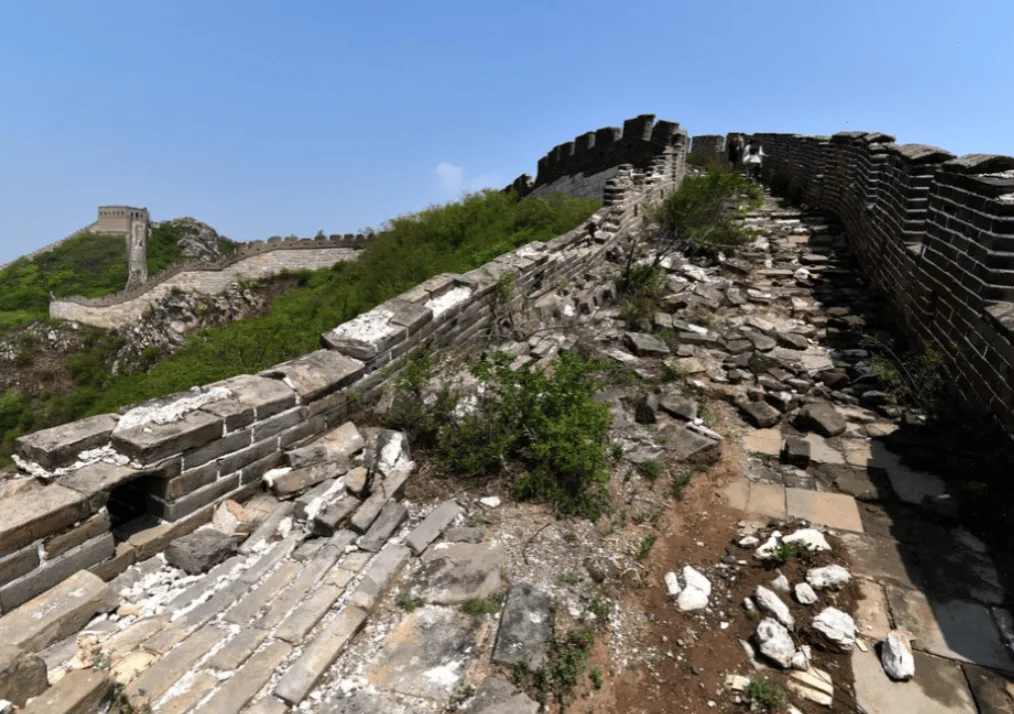
Early walls often used rammed earth, stone, and terrain more than the brickwork visitors associate with famous restored sections. They were usually less uniform than Ming walls, and many survive only as traces, ruins, or archaeological remains. The Ming wall, by contrast, produced many of the watchtower-and-brick landscapes that foreign visitors recognize from Mutianyu, Badaling, Jinshanling, and Shanhaiguan.
This distinction matters because a visitor can easily look at a restored Ming section and imagine it represents the whole history of the Great Wall. In reality, the earliest walls were older, rougher, more regional, and built for different political conditions. The site’s Origin of the Great Wall article explains this broader development, while When Was the Great Wall Built? places the periods in order.
What changed under Qin?
Qin Shi Huang did not invent wall-building from nothing. After unifying China in 221 BCE, Qin removed some internal barriers between former states and connected or strengthened northern defenses against frontier threats. This step turned earlier regional wall logic into something closer to an imperial defense system. It also created the reason Qin is so strongly associated with the Great Wall in popular memory.
What this means for travelers
If you are visiting from Beijing, you are unlikely to see the earliest wall layers on a standard day trip. You will usually see restored Ming sections. That is fine, but name the section clearly: Mutianyu for a foreign-visitor-friendly first trip, Badaling for fame and infrastructure, Jinshanling for hiking, Shanhaiguan for endpoint history. If your interest is specifically the earliest Great Wall, treat it as a history research theme rather than a simple Beijing excursion.
Sources and next reads
For source checks, use Britannica, UNESCO World Heritage Centre, and official conservation context from China government conservation update. Then continue with The Qin Dynasty Great Wall, The Han Dynasty Great Wall, and Great Wall sections near Beijing.
Why early walls are harder to visit
Many early walls were made from earth or local stone, so they do not always survive as dramatic tourist structures. Some have been eroded, buried, farmed around, studied as archaeological remains, or protected in areas that are not developed for casual visitors. This is one reason foreign travelers usually encounter Ming sections first. The Ming walls near Beijing are more visible, more restored, and easier to access, even though they are not the beginning of the Great Wall story.
How the early wall idea developed
The earliest walls were responses to local political and military pressure. A state might need to protect a capital region, defend a border against a rival state, or control a mountain corridor. Over time, these separate projects created a tradition of frontier building. Qin inherited this tradition after unification and reshaped it into a larger imperial defense concept. Later dynasties then adapted the idea to their own threats, geography, and resources.
How to connect early history with a Beijing trip
If your trip is based in Beijing, use the early history as context rather than expecting to see the oldest remains. A Mutianyu or Badaling visit shows the later Ming version of Great Wall defense. A history-focused reader can then connect that visible wall back to earlier ideas: frontier control, state borders, military routes, and the use of terrain. That makes even a restored tourist section more meaningful.
Bottom line
The earliest Great Wall was a collection of pre-Qin regional defenses, not the restored brick wall most travelers see near Beijing. Qin connected and reorganized parts of that older tradition, while Ming later produced many famous visitor sections. This timeline is the safest way to explain early Great Wall history without overstating one single origin point.
More Great Wall Facts and Myths
For a wider fact-check path, use the Great Wall Facts and Myths hub. It links the space myth, real length, builders, dynasties, origins, and why the wall was built.