
The Qin Dynasty Great Wall is important because Qin Shi Huang unified China and ordered earlier northern defenses to be linked, repaired, and extended. It was not the first wall in Chinese history, but it turned separate state defenses into a more centralized imperial frontier project.
Quick planning snapshot
- Best for: Readers connecting the famous Great Wall story with Qin unification.
- Use this guide for: Understanding what Qin changed, what it inherited, and why the wall was not built from scratch.
- Planning focus: Separate Qin frontier history from restored Ming tourist sections such as Badaling and Mutianyu.
Information check: this article was reviewed on May 14, 2026. The Qin wall should not be confused with the restored Ming brick sections many visitors see near Beijing today.
Quick Historical Snapshot
- Period: 221-206 BCE.
- Main figure: Qin Shi Huang, but with massive labor and military organization.
- Purpose: northern frontier defense and imperial control.
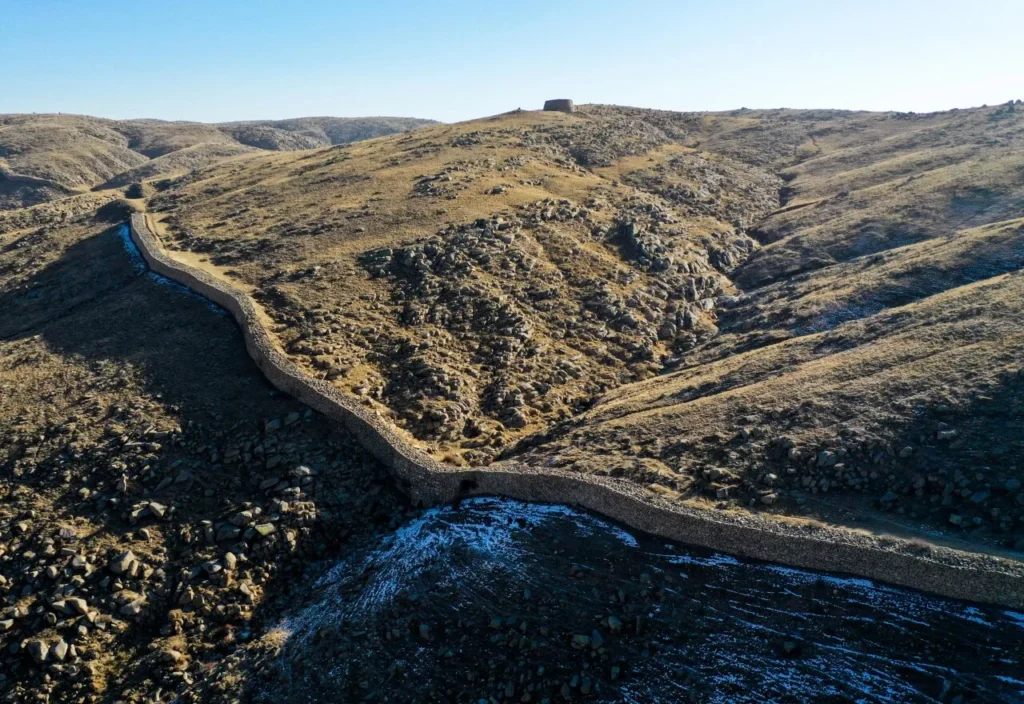
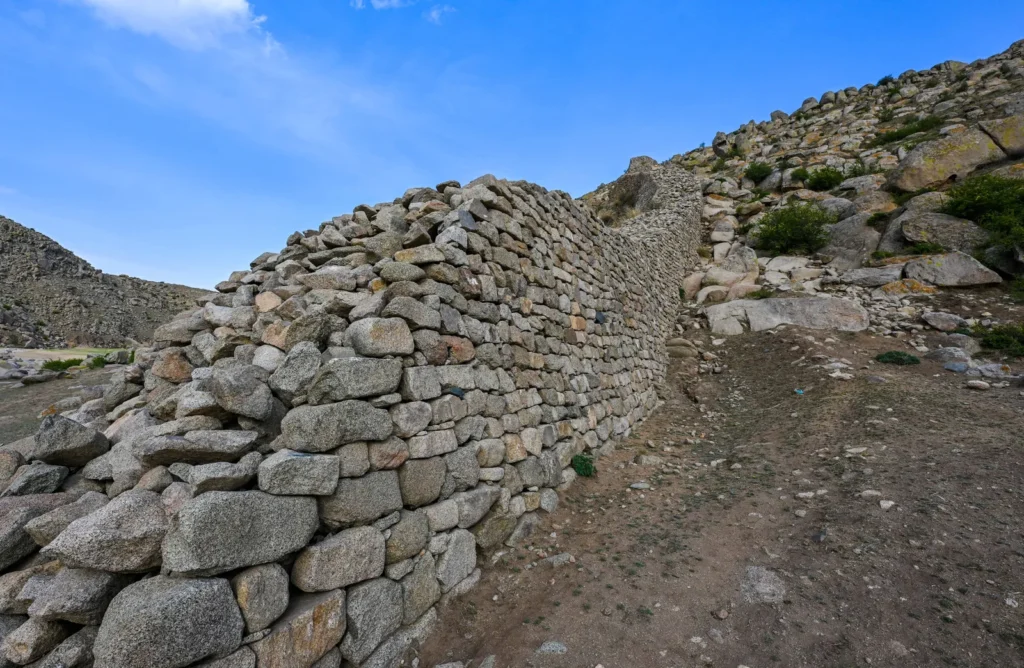
- Material style: mostly earth, stone, and local materials, not the familiar Ming brick wall.
What Qin Changed
Qin turned wall-building into an imperial project. Earlier states had built their own walls; Qin tried to make frontier defense serve a unified empire. The project was harsh and politically symbolic, showing both Qin power and the human cost of large state labor.
Travel Context
Visitors should not expect Qin walls to look like Mutianyu or Badaling. The famous Beijing-area brick walls are mostly associated with later Ming construction and modern restoration. Qin history helps explain origins, not the exact appearance of most tourist sections.
For context, read who built the Great Wall and how long the Great Wall is.
Sources Checked
- Britannica Great Wall of China for historical overview.
- UNESCO Great Wall listing for heritage context.
- China Highlights Great Wall timeline for travel-facing chronology cross-checking.
What Qin actually changed
The Qin Dynasty did not create the Great Wall out of nothing. Its importance lies in unification and reorganization. After Qin conquered the rival states, the empire could think about frontier defense on a larger scale. Northern wall segments were connected, repaired, and extended to help protect against Xiongnu pressure and to mark a more centralized imperial frontier.
Qin Shi Huang and Meng Tian
Qin Shi Huang is closely tied to the Great Wall in popular memory, and general Meng Tian is traditionally connected with the northern frontier project. The safest historical wording is that Qin linked and strengthened earlier walls rather than building the whole Great Wall tourists know today. Many famous visitor sections near Beijing are later Ming works. This distinction matters because travelers often assume every wall dates from Qin, which is not correct.
Materials and route logic
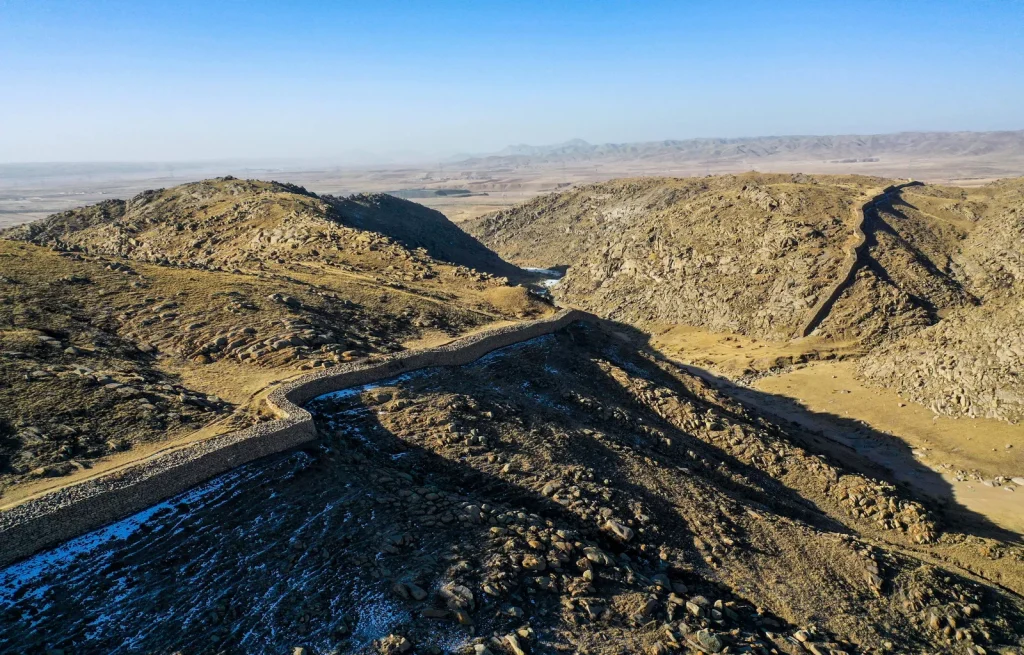
Qin wall construction depended heavily on local materials and terrain. In some areas, workers used earth and stone rather than the brickwork associated with later Ming sections. The wall followed strategic geography: ridges, passes, frontier corridors, and areas where movement could be watched or slowed. It was part of a larger defense system, not a standalone wall that could solve every military problem.
Was the Qin wall successful?
Qin’s wall policy helped create a stronger northern frontier, but the dynasty itself was short-lived. The wall could not solve political instability, harsh labor burdens, or the empire’s internal problems. Later dynasties inherited both the strategic value and the symbolic weight of Qin’s frontier-building. That is why Qin remains central to Great Wall history even though the visible tourist wall is often much later.
How to connect Qin history with a modern visit
If you are planning a first Great Wall trip, do not try to find “the Qin wall” at Mutianyu or Badaling. Those are mainly Ming visitor sections. Instead, use Qin history to understand why the wall became an imperial idea. Then compare it with Han expansion and Ming rebuilding to see how the Great Wall changed across dynasties.
Sources and next reads
For source checks, compare Britannica’s Great Wall history, UNESCO World Heritage Centre, and China government conservation update. Then read Who Built the Great Wall?, The Han Dynasty Great Wall, and Which Sections Are Recommended?.
Common Qin Great Wall mistakes
The biggest mistake is saying Qin Shi Huang built the entire Great Wall that tourists visit today. A better explanation is that Qin connected and strengthened earlier northern defenses after unification. Another mistake is imagining Qin walls as brick tourist walls like Mutianyu. Early imperial walls often used earth, stone, and local materials, and many surviving traces are not scenic-area walkways.
Visitor takeaway
Use Qin history as the point where the Great Wall became an imperial frontier concept. Then separate that from modern route planning. If your trip is to Mutianyu, Badaling, Jinshanling, or Shanhaiguan, you are usually looking at Ming-period wall landscapes, not original Qin construction.
How this page should support the site
This Qin page should answer the common search question without spreading the myth that Qin built every famous section. It should also send readers onward to Han and Ming content. That structure is important because foreign travelers often know Qin Shi Huang first, but the walls they actually visit near Beijing are usually Ming. The internal links should guide them from popular memory to accurate route planning.
For readers comparing dynasties, Qin should be understood as the consolidation stage: important, symbolic, and influential, but not the source of every visible Great Wall section.
This framing also helps avoid duplicate content: the article focuses on Qin consolidation, while the Ming page focuses on the famous restored sections most travelers walk today.
Travel note
For visitors, Qin history is best used as background rather than as a promise that a Beijing section is an original Qin wall. Most famous sections near Beijing are later Ming works or restorations. Read Qin as the moment when earlier defenses became part of a wider imperial frontier idea, then choose your travel section by access, scenery, safety, and time.
More Great Wall Facts and Myths
For a wider fact-check path, use the Great Wall Facts and Myths hub. It links the space myth, real length, builders, dynasties, origins, and why the wall was built.