
The best month for the Great Wall depends on what you value most: comfortable walking, clear views, lower crowds, green scenery, autumn colour, snow, or a simple first visit from Beijing. This guide gives a planning framework for every month, while each linked month page handles the details that can affect a real trip.
Quick choice by travel priority
- First visit with straightforward logistics: Mutianyu is usually the best starting point in most months.
- Hiking and photography: Jinshanling is strongest when weather and daylight support a longer day.
- Famous section and rail access: Badaling can be practical, but crowds matter.
- Overnight or evening atmosphere: Simatai with Gubei Water Town needs a slower plan.
Spring: March, April, and May
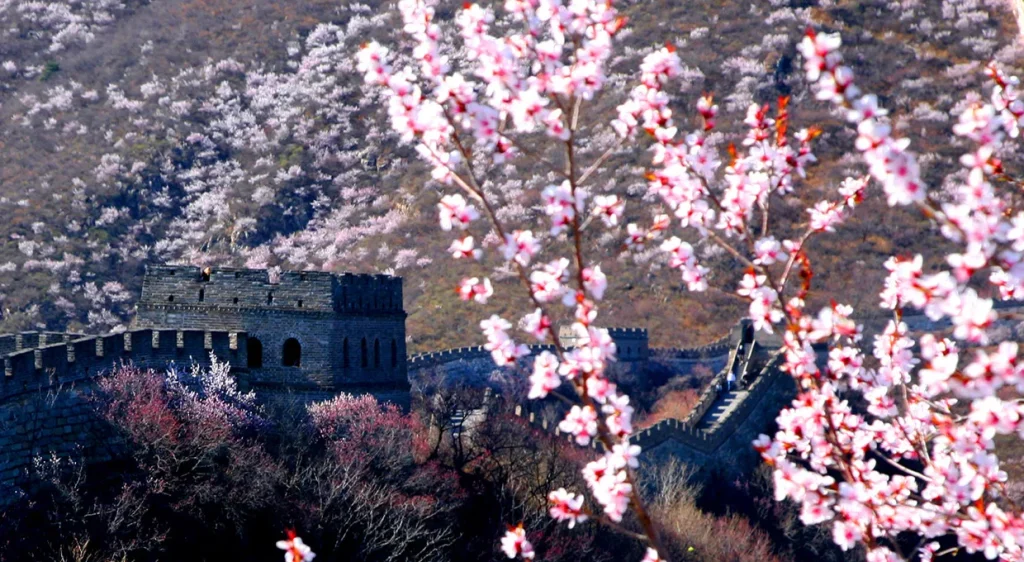
Spring can bring clearer days, wind, flowering trees, and fast-changing temperatures. March may still feel like late winter on exposed ridges; April is often a good balance for walking; May becomes busier around holidays. Read the detailed guides for March, April, and May.
Summer: June, July, and August
Summer brings green scenery but also heat, humidity, thunderstorms, and possible traffic delays. Start earlier, carry water, and avoid treating a weather forecast as a guarantee. Mutianyu is often the easier default for a first-time visitor; hikers should be more conservative when rain or lightning is possible. Use the guides for June, July, and August.
Autumn: September, October, and November
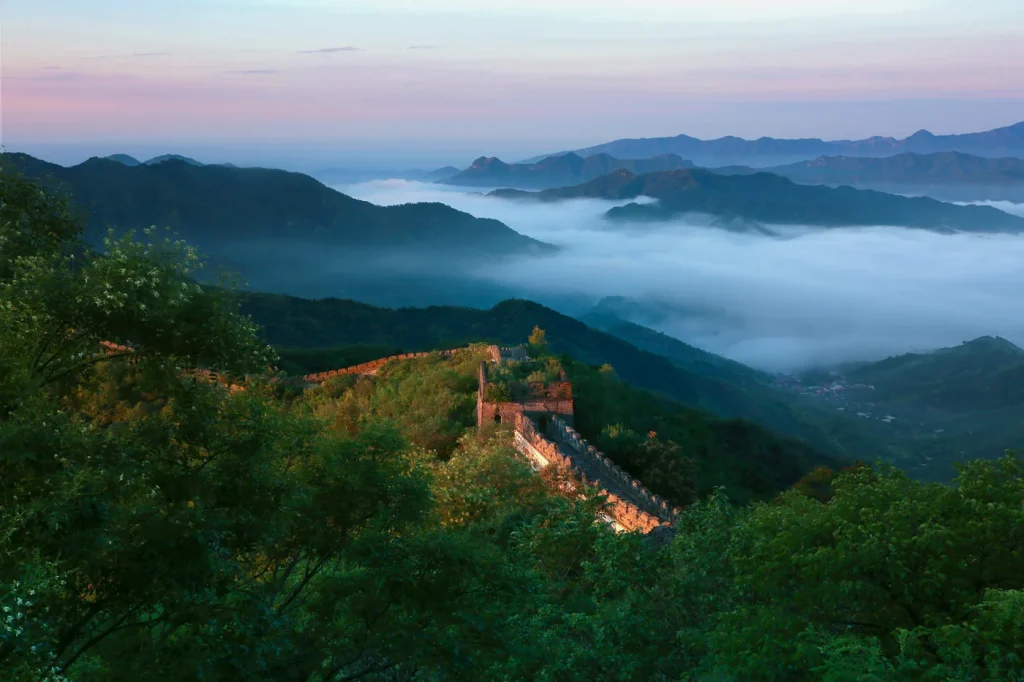
Autumn is popular because walking conditions and visibility can be attractive, but peak holiday periods can change the experience completely. October needs the most careful crowd planning; November can be quieter and cooler. Compare September, October, and November.
Winter: December, January, and February
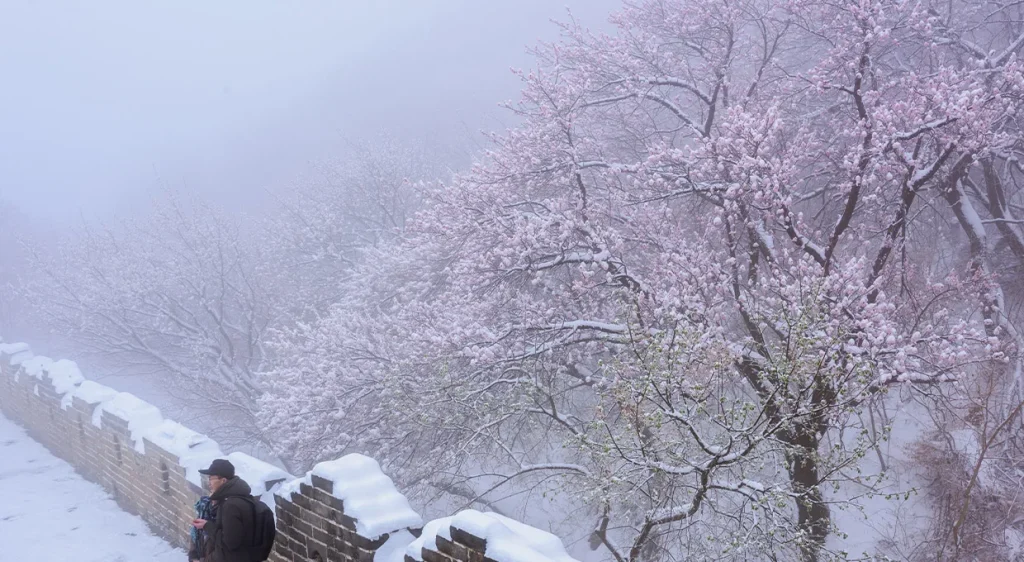
Winter can reward visitors with quieter paths, clearer mountain views, and occasional snow, but it requires more conservative footwear, time buffers, and weather checks. A cable-car-supported section can be a better choice than an exposed hiking route. Read December, January, and February.
Month-by-month planning table
| Months | Main planning issue | Good starting point |
|---|---|---|
| January–February | Cold, ice, snow, holiday timing | Mutianyu or Badaling with a flexible return plan |
| March–May | Wind, changing temperatures, holiday crowds | Mutianyu for first visits; Jinshanling for prepared hikers |
| June–August | Heat, rain, thunderstorms | Early Mutianyu visit with weather buffer |
| September–November | Autumn demand, holiday crowds, cooler evenings | Mutianyu or Jinshanling depending on pace |
| December | Cold wind, shorter daylight, possible snow | Mutianyu or Badaling with warm layers |
Season guide or month guide?
Use this page when you know your travel month. Use the four-season Great Wall guide when you are still choosing a travel window. In either case, finish by checking opening-hours and access planning for the exact section you intend to visit.
What changes from month to month?
January is quiet but cold, with possible ice. February can combine late-winter conditions with Lunar New Year travel patterns. March is a transition month: wind can be more important than temperature. April is usually easier for walking, while May needs holiday awareness and an earlier start.
June brings fuller green scenery and warmer days. July and August require the most attention to heat, rain, thunderstorms, and flexible transport. September begins the move toward cooler walking weather. October can be beautiful but crowd-sensitive. November often rewards visitors who prefer cooler, quieter conditions. December brings shorter daylight and winter safety considerations.
Match the month to the section
Mutianyu is usually the safest recommendation when a first-time visitor wants a restored section with clear visitor infrastructure. Badaling can be practical when rail access and the most famous name are the priority, although crowds can change the atmosphere. Jinshanling is strongest for a longer walking or photography day in stable weather. Simatai is better for travelers who can slow down and build an overnight or Gubei Water Town plan around it.
Weather does not make one section universally “closed” or “open” for the whole month. It changes the level of preparation needed. In wind, snow, heat, or rain, choose the section that gives you the safest and simplest way to adapt, then check the current operating notice before leaving Beijing.
Packing by month
Every month needs shoes with grip, water, a power bank, and layers that can be adjusted on exposed ridges. Summer visitors should add sun protection and rain protection. Winter visitors should prioritize warm gloves, a windproof outer layer, and footwear that does not become slippery on cold stone. The Great Wall packing checklist covers the practical day bag in more detail.
Make the final check close to travel day
This guide helps you choose a month and section; it is not a weather forecast or an operating notice. Recheck weather, entry arrangements, cable-car status, and transport shortly before departure. A sensible plan includes enough buffer to switch to a simpler section, leave earlier, or move the visit when conditions are not safe or enjoyable.
Use this guide in the right order
- Start with the month you will actually be in Beijing.
- Choose a section based on trip pace, not only on scenery.
- Read the linked month guide for the weather, crowd, and packing details that are most likely to affect that period.
- Choose transport with enough margin for the season.
- Finish with the opening-hours and access hub and current official checks.
Crowds, holidays, and flexible planning
Month matters, but holiday calendars can matter even more. A normally quiet weekday and a major public-holiday travel day are not comparable. When the date is crowd-sensitive, choose an earlier start, a more direct transport plan, and a section that suits the group’s walking ability. Do not depend on changing sections at the last minute unless you understand the transport consequences.
Photography and hiking need a higher weather threshold
Visitors focused on photography or longer hiking should be more selective than a casual sightseeing group. Jinshanling and other more exposed routes can be rewarding in stable conditions, but they need daylight, traction, water, and a reliable return plan. In uncertain weather, a restored, accessible section can still provide a meaningful Great Wall day without adding unnecessary risk.
The practical monthly-planning summary
There is no single perfect month for every traveler. Autumn may suit a walker who values cool conditions; summer may suit someone who values green scenery and accepts an early start; winter may suit a visitor who values quieter paths and is prepared for cold. The best choice is the month and section combination that fits your tolerance for crowds, weather, walking, and transport complexity.
When two months both work for your itinerary, choose the one that gives your group more flexibility rather than chasing a single “best” season. A well-paced day with safe footing and a simple return route is more valuable than a theoretically ideal date with no margin for weather or crowds.