
The Gubeikou to Jinshanling hike is one of the strongest Great Wall routes for travelers who want mountain views, history, and fewer crowds without going straight into the most dangerous wild-wall terrain. It is still a real hike, not a casual attraction walk. The route includes unrestored or partly restored wall, village paths, exposed ridges, and an important off-wall detour around a restricted military area.
Information check: this guide was reviewed on May 17, 2026. Route access, detour markings, local transport, and return options can change. Confirm current conditions before setting out, and do not enter restricted military or closed conservation areas.
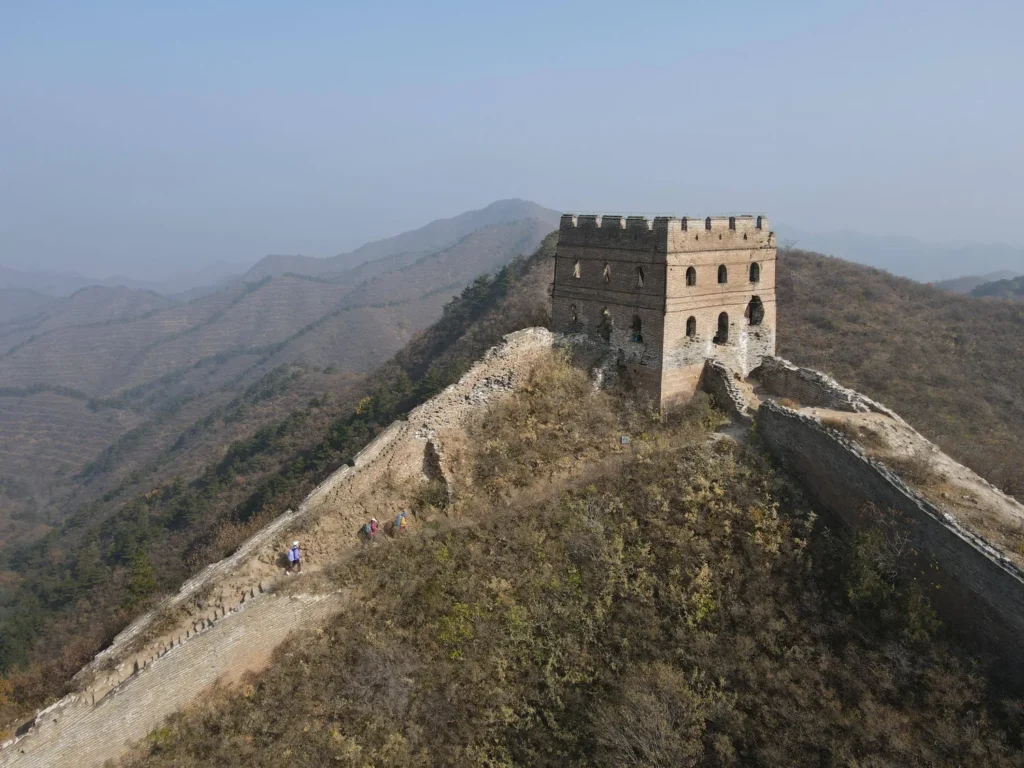
Quick Planning Snapshot
- Best for: fit travelers, hikers, photographers, and repeat Great Wall visitors.
- Not for: people seeking the easiest first visit, wheelchair access, or a short half-day plan.
- Typical route logic: start from Gubeikou/Panlongshan and finish toward Jinshanling.
- Key planning issue: a restricted military zone means you must leave the wall and use the legal detour.
- Transport need: arrange pickup/drop-off carefully; this is not as simple as Badaling or Mutianyu.
Why Hikers Choose This Route
Gubeikou gives a stronger sense of military history and older wall texture than the heavily restored tourist sections. Jinshanling adds beautiful watchtowers, ridge views, and a more managed scenic-area finish. Together, the route feels varied: rougher wall, village-side detour, then more photogenic Jinshanling towers.
For inbound travelers who want a serious but manageable Great Wall hike, this can be a better fit than Jiankou. It still demands preparation, but the hiking logic is clearer and the Jinshanling end gives better visitor infrastructure.
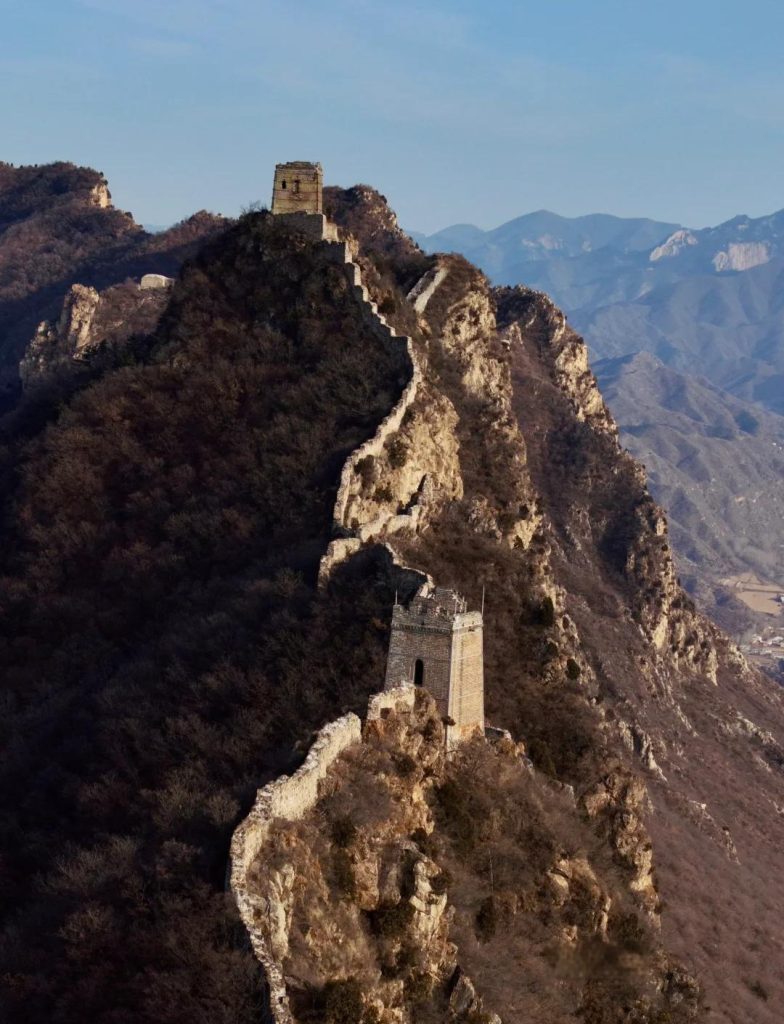
The Military-Area Detour
The most important route note is the restricted military area between parts of Gubeikou and Jinshanling. You cannot legally or safely continue straight along the wall through that zone. Hikers must descend from the wall, follow the marked or locally used off-wall path, then reconnect toward Jinshanling. Treat this as a normal part of the hike, not an optional shortcut.
If signs, guards, or locals tell you to detour, follow the legal route. Do not climb fences, ignore restricted-area notices, or rely on old GPS tracks that show a direct wall route through the restricted section.
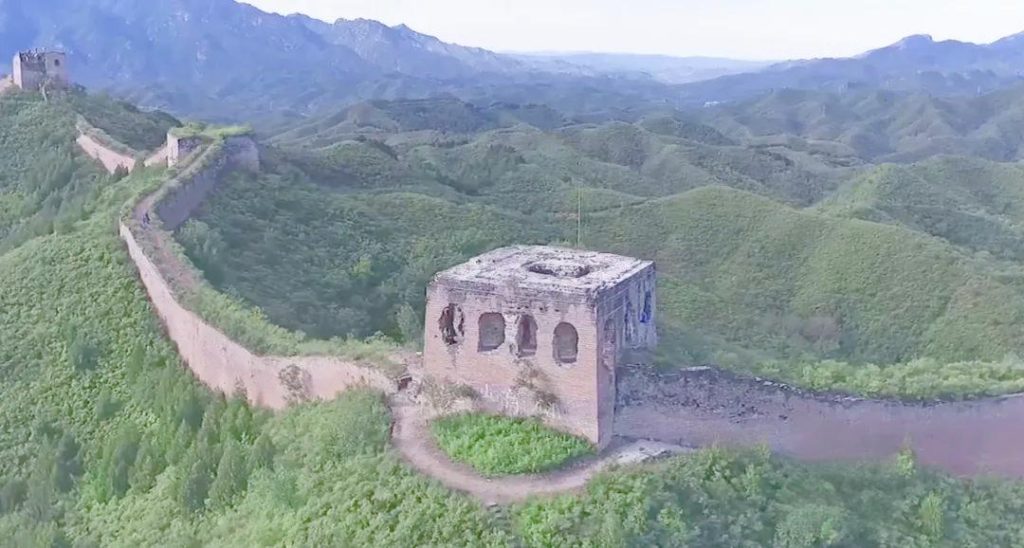
How Difficult Is It?
This is usually a moderate-to-strenuous day hike depending on weather, pace, route variant, and transport timing. Expect uneven footing, sun exposure, limited shade, and long stretches without easy shops. In hot weather, carry more water than you think you need. In winter or after snow, the detour and stone steps can become slippery enough to change the risk level completely.
If you want impressive views with easier logistics, consider a focused Jinshanling Great Wall day trip. If you want the easiest foreign-visitor route, compare with Mutianyu.
Transport and Timing
The biggest practical mistake is planning the hike without a confirmed return. You may start near Gubeikou and finish closer to Jinshanling, so a single round-trip bus plan may not fit. A private transfer, hiking shuttle, or guide can simplify the different start and end points. Independent travelers should confirm taxis, pickup points, and return timing before walking away from the village or entrance area.
Before-You-Go Checklist
- Confirm the legal detour and current route condition before departure.
- Arrange return transport before starting the hike.
- Bring water, snacks, sun protection, wind layer, and shoes with grip.
- Avoid heavy rain, thunder, snow, ice, and poor visibility.
- Use the Great Wall packing guide and rainy-day guide before committing.
Sources Checked
How to treat Gubeikou-Jinshanling as a route
This is one of the stronger Great Wall hiking topics on the site because it connects old-wall atmosphere, mountain views, and a more serious walking plan. It should be written for active travelers, not casual first-time visitors. The route can be excellent, but only when access, weather, and transport are handled conservatively.
Who should consider this route?
Choose it if you want a real hiking day and can handle uneven steps, exposed ridges, and a longer transfer. Avoid it if you need easy facilities, wheelchair access, a simple family trip, or guaranteed short walking. If this feels too much, choose Jinshanling scenic-area walking or Mutianyu instead.
Safety notes
Do not enter restricted military or closed areas, and do not rely on old route descriptions without checking current conditions. Carry offline maps, water, sun protection, and a return plan. Weather exposure is part of the route.
For current access, closures, weather impact, and local route rules, check official scenic-area notices, local government information, or transport operators before leaving. Commercial tour-company pages are not used as public sources.
Route decision rule
Choose Gubeikou-Jinshanling only if the hiking itself is the goal. If your goal is simply to see the Great Wall, choose Jinshanling scenic-area walking or Mutianyu. The through-route should be treated as a more serious hiking day with more exposure, more uncertainty, and more need for current route information.
Bottom line
Gubeikou-Jinshanling is a hiking route first and a sightseeing route second. It rewards travelers who want distance, ridges, and older-wall atmosphere. It is not the right answer for every Great Wall visitor. If safety, weather, or current access is uncertain, choose Jinshanling scenic-area walking or Mutianyu instead.
Related Great Wall comparison
For travelers comparing a wall-first hiking day with a Simatai/Gubei evening plan, see Jinshanling Great Wall or Simatai Great Wall.