
Great Wall opening hours are not one permanent timetable. Mutianyu, Badaling, Jinshanling, Simatai, and smaller sections can change their gate, last-entry, shuttle, cable-car, and walking-route arrangements with season, weather, maintenance, and public holidays. This hub helps first-time visitors choose the right page to check before leaving Beijing.
Quick answer: how should you plan opening hours?
For a normal day trip, arrive early enough to allow for transport delays, entry queues, the climb or cable-car ride, and the return trip. Do not plan around a single opening or closing time copied from an old itinerary. Check the official channel for your chosen section shortly before travel, especially during holidays, heavy rain, wind, snow, or cable-car maintenance.
| Section | Best fit | What can change | Start with |
|---|---|---|---|
| Mutianyu | Most first-time international visitors | Gate, last entry, cable car, chairlift and toboggan operations | Mutianyu opening hours and tickets |
| Badaling | Famous section with strong public-transport infrastructure | Entry flow, train timing, cable-car operation and crowd controls | Badaling from Beijing |
| Jinshanling | Hiking and photography | Weather exposure, route access and transfer timing | Jinshanling transport guide |
| Simatai | Overnight or Gubei Water Town planning | Day or evening access and local operating arrangements | Simatai from Beijing |

Build a realistic day, not a race against closing time
For a Beijing day trip, the useful question is usually not only “what time does the wall open?” but “what is the latest sensible time to leave my hotel?” Mutianyu is normally the most straightforward scenic choice for a first visit, while Badaling can make sense when the famous name and rail access matter more than a quieter atmosphere. Compare the two before fixing your route in the Badaling vs Mutianyu guide.
Allow a buffer for security, shuttle or parking arrangements, queueing, toilets, food, and the walk back down. Visitors using a chairlift, cable car, or toboggan should check the attraction-specific operating notice as well as the scenic-area gate time. The Great Wall tickets and booking guide explains the practical questions to settle before departure.
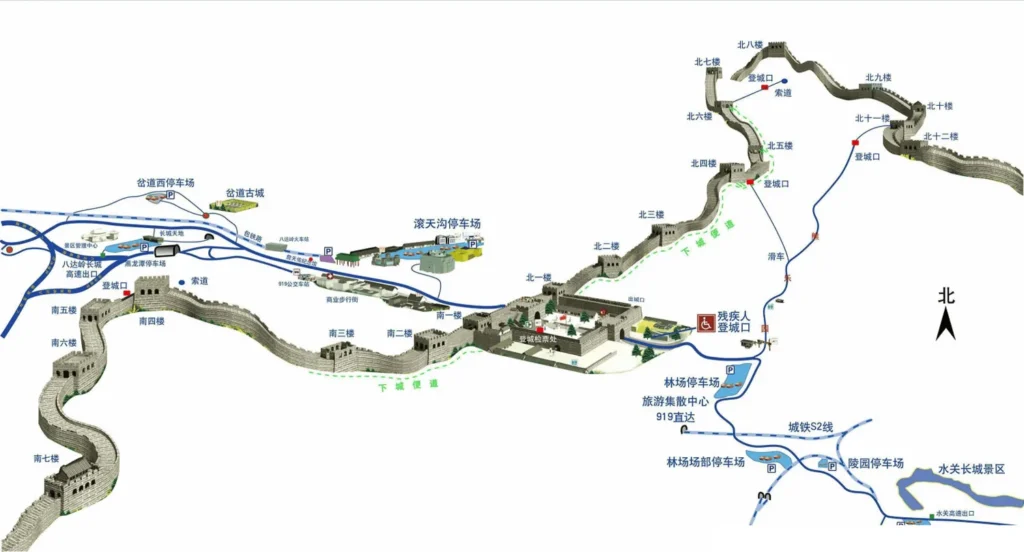
Season, weather, and last-entry cautions
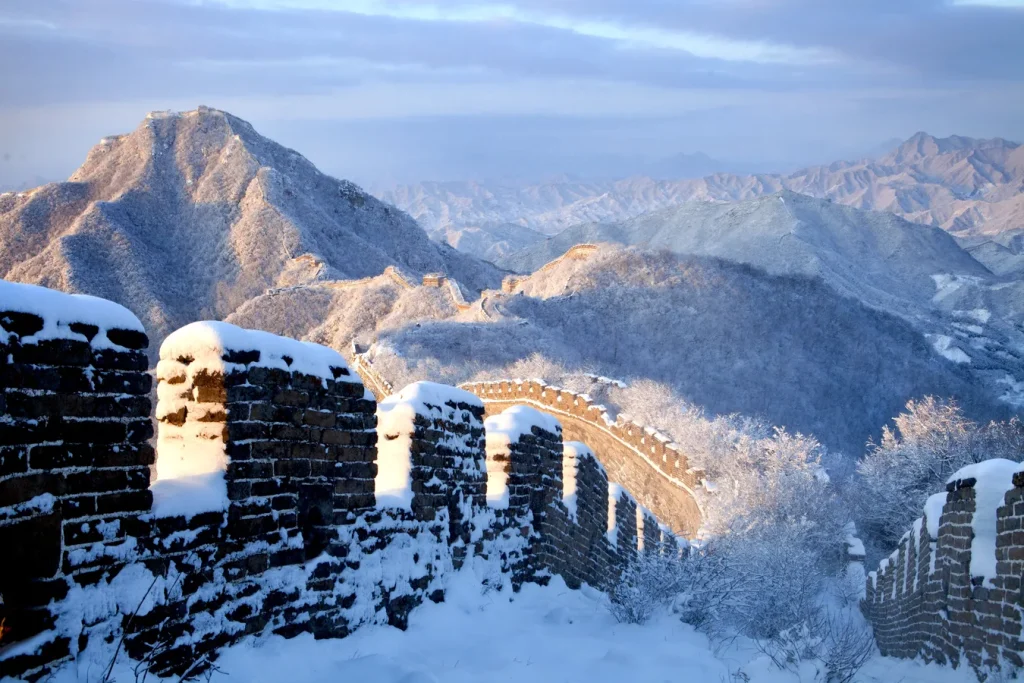
Winter and storm conditions can affect more than comfort. Ice, strong wind, lightning warnings, low visibility, or route maintenance can change what is sensible or permitted on the day. Summer rain can also slow roads and reduce visibility. Use the Great Wall month-by-month guide to choose the right section and packing approach, then re-check the live notice before travel.
Before-you-go checklist
- Choose one section first; do not try to combine distant sections in a rushed day.
- Check the official scenic-area notice for the selected section close to travel day.
- Confirm ticket, last-entry, and transport arrangements together.
- Keep enough time for the descent and return journey.
- Use a weather-appropriate route and footwear, particularly in winter or after rain.
This hub gives the cross-section planning logic. For a specific Mutianyu visit, use the detailed Mutianyu opening-hours guide; for a broader one-day plan, start with the Great Wall one-day itinerary guide.
How to read an opening-hours notice
Look for the date, the named section, and the part of the operation being described. A scenic-area gate time is not always the same as the last admission time, the final shuttle, the last cable car, or the time a visitor should begin the descent. A notice may also apply only to a specific route or facility. When a notice is unclear, plan conservatively rather than assuming every attraction operates until the final gate time.
For international visitors, the most useful cross-check is practical: make sure the selected arrival time still leaves enough daylight and enough return-transport margin. If your plan depends on one last train, a shared transfer, or a flight connection, choose an earlier arrival rather than treating the final advertised entry time as a target.
Transport changes the opening-hours answer
Visitors often search for opening hours before deciding how they will travel, but the two decisions belong together. Badaling can work well for people who want a rail-led day, while Mutianyu usually works best when the transport plan is already clear and the visitor wants a scenic first experience. Jinshanling and Simatai require longer buffers because the transfer itself is a larger part of the day.
Private transport can reduce transfer uncertainty but does not remove the need to confirm access, ticket, and weather conditions. DIY travel can be excellent for flexible visitors, but it needs more time margin. Compare those trade-offs in the private transfer, group tour, and DIY comparison before committing to a tightly timed schedule.
Facility hours can matter as much as the gate
A visitor who is comfortable walking uphill may only need the gate and route information. Families, visitors with limited mobility, and anyone planning to use a cable car, chairlift, or toboggan need a second layer of confirmation. These facilities can operate on their own timetable and can be affected by wind, rain, maintenance, or demand. Read the Mutianyu lift and toboggan guide before treating a downhill ride as guaranteed.
Avoid time-pressure mistakes
Do not arrive late because a map only shows the distance from Beijing. Traffic, pickup access, parking, shuttles, security, ticket collection, and the walk from the entrance all add time. Do not start an exposed hiking route late in the day, and do not rely on a closing-time screenshot from a different season. The best plan is a section-specific itinerary with a calm arrival, a realistic walking window, and a return route that still works if conditions change.
Opening-hours planning questions
Should I visit the Great Wall first thing in the morning?
An early start is usually useful for heat, crowds, and transport reliability, particularly in summer or during busy periods. It is not necessary to arrive before the gate opens if that creates an impractical hotel departure; the goal is to arrive with a comfortable buffer rather than at the final sensible moment.
Can I visit more than one section in a day?
For most first-time visitors, no. The sections are not interchangeable stops on one city route. Pick the section that fits your day, use the extra time for a calmer walk, and avoid turning access times into a rushed transfer problem.
What if the weather changes after I leave Beijing?
Use the easiest safe option available, reduce the walking ambition, and follow current on-site instructions. A shorter visit at a well-supported section is better than forcing a route that no longer suits the conditions.
When should I recheck information?
Check during final itinerary planning, then once more close to departure. That is particularly important around national holidays, snow, heavy rain, cable-car maintenance, and major transport changes.
Save the section name, the official notice channel, your transport details, and a simple fallback plan in the same place. That makes it much easier to adjust the day calmly if an operating detail changes.