
The Great Wall can be meaningful for seniors and travelers with mobility limits, but it is not an easy attraction by default. Most sections were built on steep ridges, with uneven stone, stairs, slopes, and exposed weather. The realistic goal is not to “climb the Great Wall” in a heroic way; it is to choose the section, transport, and walking plan that let you safely experience the view.
Information check: this accessibility guide was reviewed on May 13, 2026. Barrier-free routes, elevators, cable cars, shuttle rules, and assistance procedures can change. Contact the scenic area or your transport provider before visiting if wheelchair access, step-free movement, or medical support is essential.
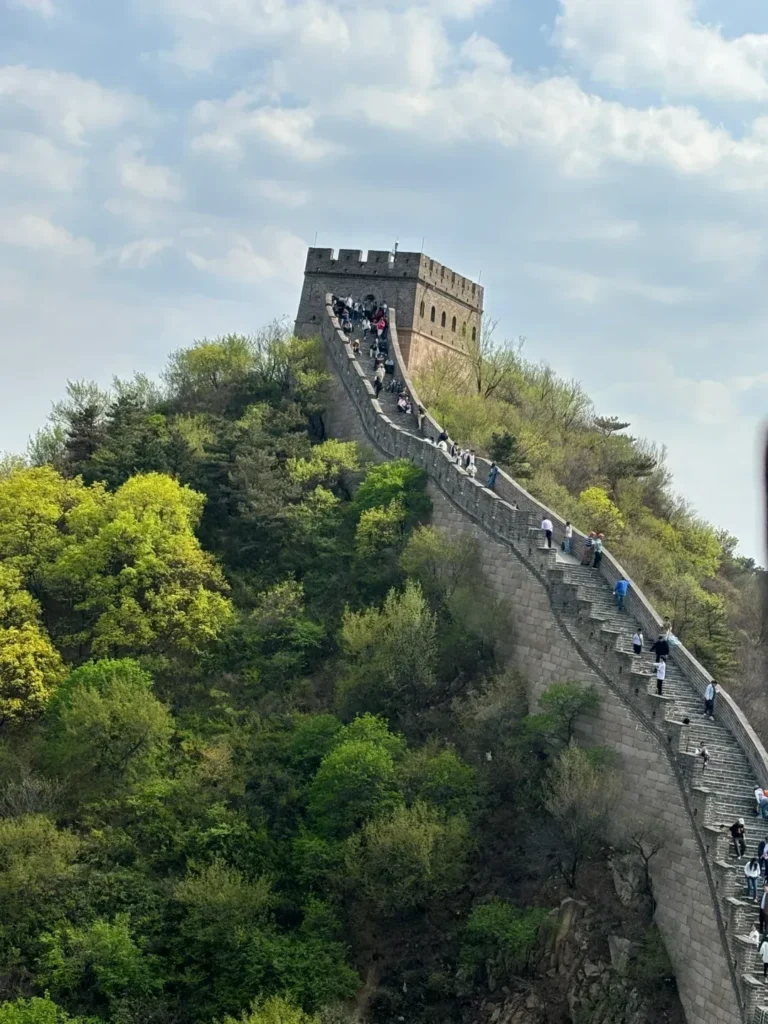
Quick Planning Snapshot
- Best wheelchair-oriented choice: Badaling, because it has the strongest barrier-free infrastructure near Beijing.
- Best calmer first visit for many seniors: Mutianyu, if the visitor can manage some steps and cable-car transitions.
- Avoid for limited mobility: Jiankou, Gubeikou, Jinshanling long hikes, and other wild or remote wall routes.
- Transport priority: private car or accessible van, with a driver who can wait and adjust timing.
- Key rule: check the exact current access route before arrival; do not rely only on old blog posts or generic tour descriptions.
Badaling: Most Practical for Wheelchair Access
Badaling is the most developed Great Wall section near Beijing and the best place to start if wheelchair access is the deciding factor. It has stronger visitor infrastructure than wilder sections, and it is easier to arrange transport, staff assistance, and a shorter viewing experience. The accessible area is limited, but it can still give visitors a real Great Wall view without forcing a long climb.
The main caution is crowd pressure. Badaling can be very busy with domestic tour groups, especially on weekends, public holidays, and school breaks. For seniors, wheelchair users, or anyone moving slowly, an early arrival and a conservative route matter more than trying to cover the longest possible distance.
_MAP
Mutianyu: Calmer, But Not Fully Step-Free
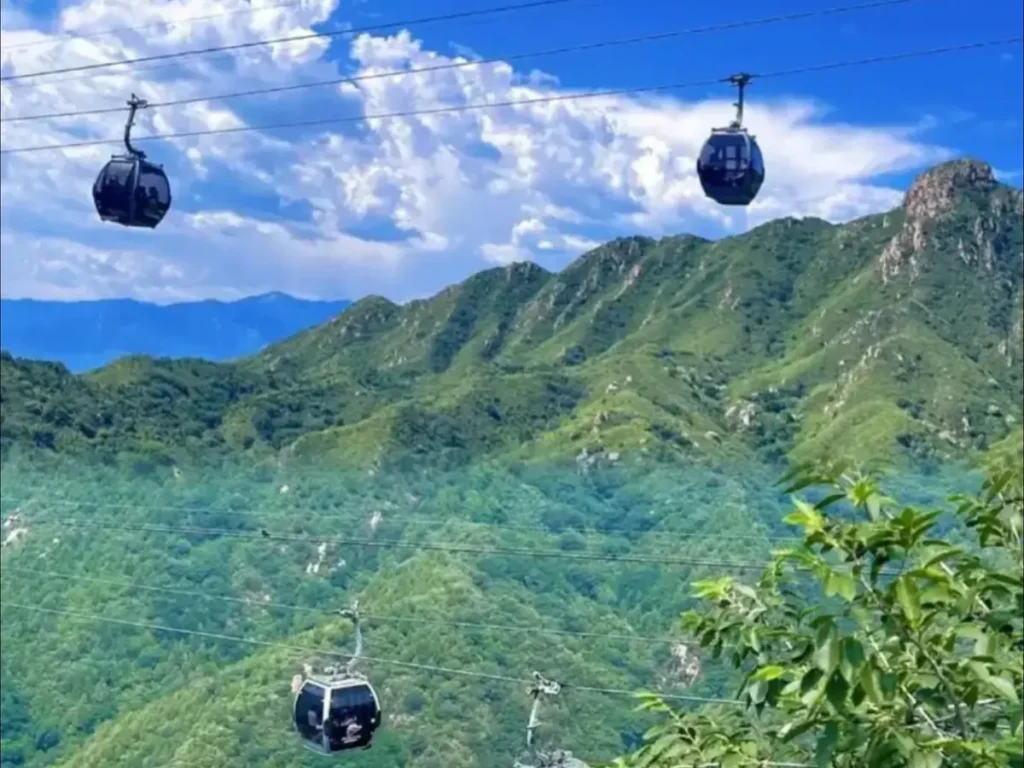
Mutianyu is often the better first Great Wall experience for foreign visitors because it is scenic, less crowded than Badaling, and easier to enjoy at a slower pace. For seniors who can walk short distances and handle some steps, it can be a very good choice. The cable car can reduce the climb, and the restored wall is easier to understand than a wild section.
For full wheelchair users, Mutianyu is more complicated. Cable-car access, platform transitions, and the final movement onto the wall may still involve steps, slopes, staff help, or wheelchair transfer. If step-free access is essential, confirm details with the official scenic area before booking. Use the Mutianyu visitor guide and the Mutianyu opening-hours guide together before deciding.
Juyongguan and Other Sections
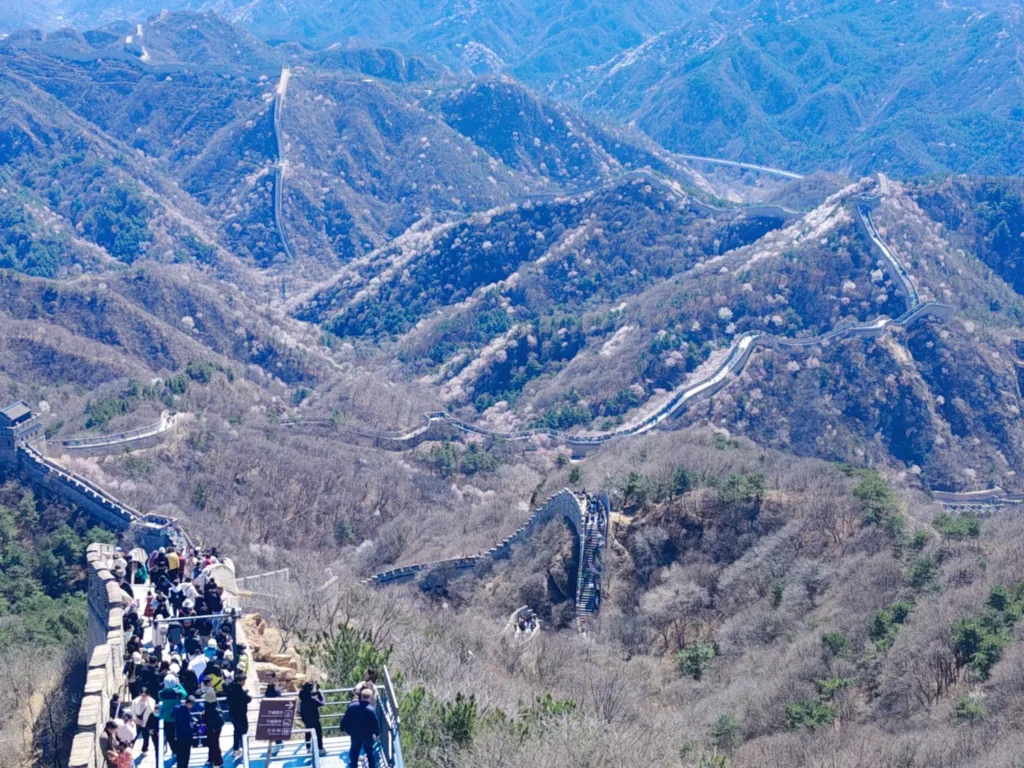
Juyongguan can work as a shorter visual stop for some travelers, but it is not usually the best full accessibility choice. Jinshanling, Gubeikou, Jiankou, Huanghuacheng, and other hiking-focused sections are poor fits for wheelchair users and most travelers with serious mobility limits. They can involve steep terrain, rough stones, limited facilities, and more difficult rescue or exit logistics.
How to Choose the Right Section
| Traveler Need | Better Choice | Why |
|---|---|---|
| Wheelchair access is essential | Badaling | Stronger barrier-free infrastructure and visitor services |
| Senior can walk short distances | Mutianyu or Badaling | Both have facilities; Mutianyu is often calmer |
| Minimal crowds matter most | Mutianyu on a non-holiday weekday | Usually less intense than Badaling |
| Hiking ability is limited | A short restored-wall plan | Avoid wild-wall hikes and long ridge routes |
Transport and Timing Advice
For seniors and wheelchair users, transport is part of accessibility. Public transport can be cheap, but it adds walking, transfers, uncertainty, and pressure on the return. A private car, accessible van, or carefully arranged driver is usually worth the extra cost when mobility is limited. Compare route options in the Beijing to Great Wall transport guide.
Before-You-Go Checklist
- Confirm the exact current accessible route with the scenic area or tour provider.
- Choose a weekday morning if possible, avoiding Chinese public holidays.
- Bring a companion who can help with bags, slopes, queues, and communication.
- Keep the route short and leave energy for the return journey.
- Check weather. Rain, ice, heat, and wind can make even restored sections difficult.
Sources Checked
- Badaling Great Wall official website for current attraction and visitor-service context.
- Mutianyu Great Wall official website for current Mutianyu visitor and facility context.
- Beijing official English portal Badaling page for official attraction context.
How to choose an accessible Great Wall section
Accessibility at the Great Wall is about reducing friction, not removing every difficulty. Even restored sections can involve slopes, crowds, transfers, and uneven surfaces. Badaling often has stronger official infrastructure, while Mutianyu may feel calmer but still requires careful planning around shuttles, cable transport, and walking distance.
Questions to answer before booking
- Can the traveler handle stairs, slopes, or only flat areas?
- Is a wheelchair needed throughout, or only for distance?
- Is cable transport acceptable?
- How much crowding can the traveler tolerate?
- Where is the closest practical drop-off or rest point?
For seniors, the best route is usually the route with fewer surprises, not the route with the most famous name.
For current access, closures, weather impact, and local route rules, check official scenic-area notices, local government information, or transport operators before leaving. Commercial tour-company pages are not used as public sources.
n
Related family planning guide
For a family-specific comparison of the two most common first-visit sections, see Mutianyu Great Wall or Badaling Great Wall with Kids.
n
Related family planning guide
For families comparing Mutianyu with a closer pass-style section, see Mutianyu Great Wall or Juyongguan Great Wall with Kids.
Related Great Wall comparison
For a safety-focused comparison of restored Mutianyu and wild Jiankou, see Mutianyu Great Wall or Jiankou Great Wall.