
Yes, you can usually bring small snacks and water to the Great Wall, but you should treat it as a protected heritage site, not a picnic area. The practical rule is simple: bring what you need, eat neatly, pack out all trash, and avoid anything messy, smelly, heavy, or risky on steep stairs.
Fast Answer: Can You Bring Food or Snacks to the Great Wall?
Yes, small snacks and water are usually fine for a Great Wall visit, especially for families, hikers, and longer transport days. Keep it simple: bring water, fruit, energy bars, nuts, or small packaged snacks, then take all trash away. Avoid glass bottles, alcohol, messy meals, strong-smelling food, and anything that makes steep stairs harder or creates litter.
| Bring | Avoid | Why |
|---|---|---|
| Water bottle | Glass bottles | Hydration matters; glass is heavy and risky on stairs. |
| Energy bars, nuts, dried fruit | Messy meals or sauces | Compact snacks are easier to manage neatly. |
| Fruit that does not leak | Strong-smelling food | Respect other visitors and heritage-site etiquette. |
| Small trash bag or tissues | Leaving wrappers behind | The wall is a protected site, not a picnic area. |
For a full day-bag list, use the Great Wall packing checklist. If you are visiting in cold weather, also read the December winter guide.
Quick planning snapshot
- Best for: families, hikers, and first-time visitors planning what to carry.
- Recommended: water, small packaged snacks, fruit, energy bars, tissues, and a trash bag.
- Avoid: alcohol, messy meals, glass bottles, food with strong smells, and anything that creates litter.
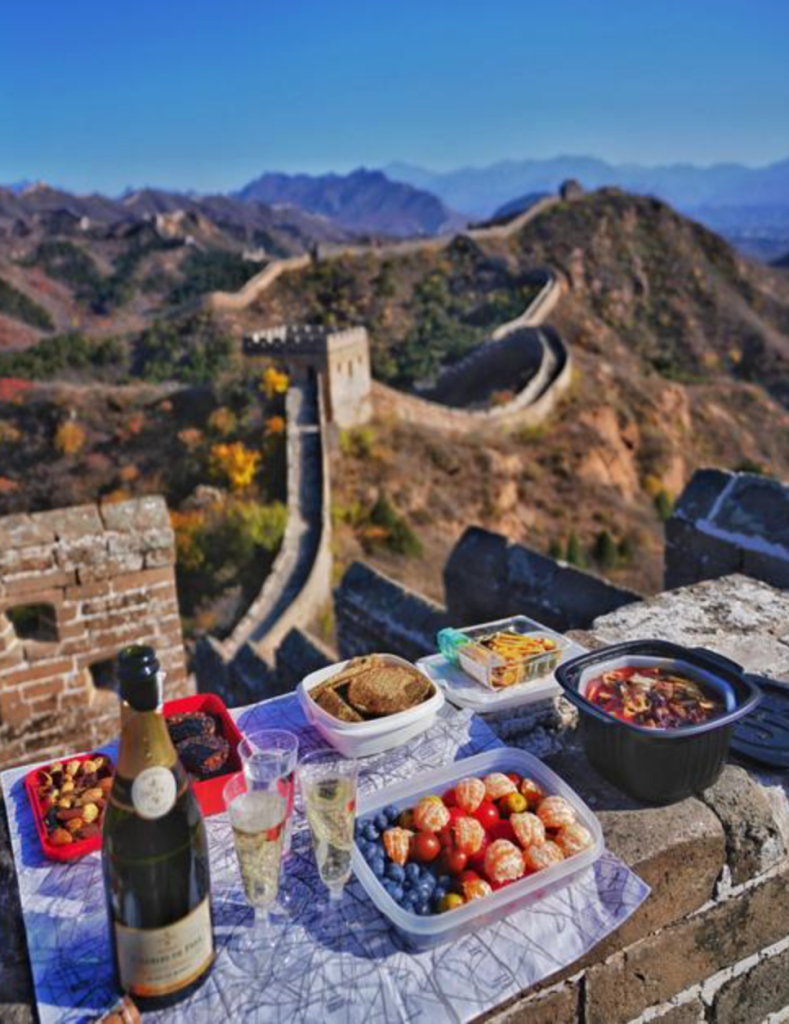
Why snacks matter on the wall
Great Wall visits involve stairs, sun, wind, and exposed ridges. Even restored sections can be tiring. A small snack helps if transport takes longer than expected or if restaurants are limited near your chosen route. This is especially true at hiking-oriented sections such as Jinshanling, Gubeikou, or Jiankou-Mutianyu routes.
What to bring
Bring a refillable bottle or enough bottled water for the season, plus compact snacks that do not melt or spill. Nuts, crackers, energy bars, dried fruit, and simple fruit are practical choices. In summer, carry more water than you expect. In winter, remember that cold wind can make exposed sections feel harsher even if you do not sweat much.
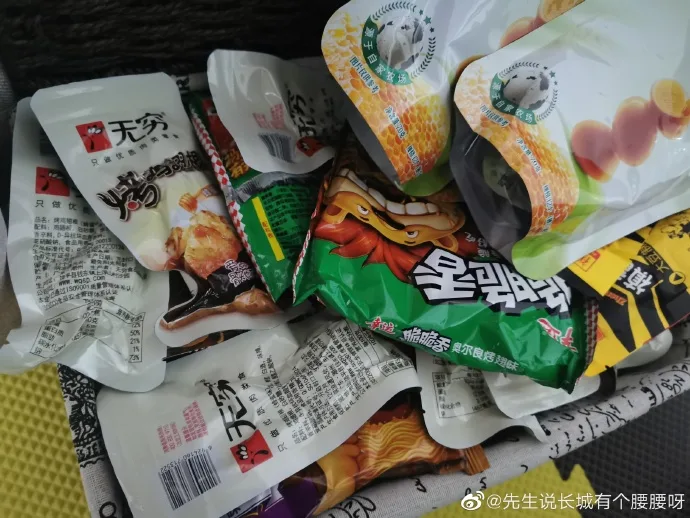
Where to eat
Use rest areas, lower plazas, or quiet spots where you are not blocking stairs. Avoid eating while walking on steep steps. Do not leave peels, wrappers, tissues, or bottles on the wall. If bins are full or unavailable, carry trash back down. This is basic visitor etiquette and protects the site.
Section-specific advice
At Mutianyu and Badaling, visitor facilities are better, so you can keep snacks simple. On longer or rougher routes, food planning matters more, but safety matters most. If a route is steep or unrestored, keep your hands free and do not stop in narrow places.
Before-you-go checklist
- Water and one compact snack per person.
- Small trash bag.
- Tissues or wipes.
- Weather-appropriate clothing.
- No glass bottles or messy meals.
For packing context, read what to pack for a Great Wall trip and rainy-day Great Wall planning.
Bottom line
Snacks are fine when they support the visit. They become a problem when they create litter, block narrow stairs, or turn a protected heritage site into a picnic area.
FAQ
Can I bring a full meal? It is better not to. A compact snack is easier and cleaner. Are drinks allowed? Water is normally fine and strongly recommended. Can children eat on the wall? Yes, but choose safe rest spots and keep trash controlled. Can I buy food there? Developed sections may have vendors or shops near entrances, but do not rely on them for a full day.
Seasonal snack advice
In summer, hydration matters more than food. Bring enough water, avoid salty snacks that make you thirstier, and take breaks out of direct sun when possible. In winter, simple energy snacks can help because cold wind and stairs are tiring. In spring and autumn, pack light because weather can change quickly and you may need room for a jacket.
Family and hiking notes
Families should bring snacks children already know, not messy foods that require preparation. Hikers should choose high-energy, low-trash options. On rougher routes, keep food inside your bag until you reach a safe place to stop. Do not eat while climbing steep or broken steps, and do not place bags where other visitors may trip.
Site-respect rule
The Great Wall is not only a scenic walkway. It is a protected heritage landscape. Snack planning should respect that. A visitor who carries out every wrapper and avoids blocking stairs is helping preserve the experience for others.
What not to bring
Avoid instant meals, soups, open sauces, glass containers, and anything that leaves sticky residue. Avoid bringing too much food because extra weight makes stairs harder. Alcohol is a poor choice on exposed steps and should not be part of a normal wall visit. If you need a proper meal, plan it before or after the wall rather than on the wall itself.
How snacks differ by section
At Mutianyu, a compact snack and water are usually enough for a normal visit. At Badaling, crowds make tidy behavior more important. At Jinshanling or Gubeikou-style hikes, energy snacks matter more because the route is longer and facilities are fewer. At wild or semi-wild routes, food planning should come after safety, legality, weather, and route confirmation.
Final note for writers
This topic should connect packing, etiquette, and section choice. A snack rule is not the same for a short Mutianyu cable-car visit and a longer Jinshanling hike. When adding future content, keep the advice practical: what to carry, where to stop, how to avoid litter, and when facilities may be limited. Do not promise exact vendor availability because it can change.
Practical example
For a normal Mutianyu visit, one bottle of water and a compact snack may be enough. For Jinshanling or a longer hike, add extra water and a higher-energy snack. For Badaling on a busy day, keep food minimal so you can move easily through crowds and stairs.
That keeps the visit comfortable while protecting the wall and other travelers.
Travel note
Food planning should support the walk, not turn the wall into a picnic spot. Bring compact snacks, carry out packaging, and avoid anything messy or strongly scented. For longer hiking routes, water and simple energy food matter more than variety.