
The origin of the Great Wall is not a single foundation date. It grew from early frontier defenses built by competing states, then became part of larger imperial systems under Qin, Han, Ming, and other dynasties. For travelers, the key point is simple: the Great Wall began as practical defense and border control, then became the famous cultural landscape people visit today.
Quick planning snapshot
- Best for: readers who want the origin story before visiting Beijing-area sections.
- Use this guide for: understanding early state walls, Qin unification, and why the Ming wall dominates modern travel images.
- Planning focus: pair this background with Which Sections of the Great Wall Are Recommended? so history helps you choose the right section.
Early defenses before a unified China
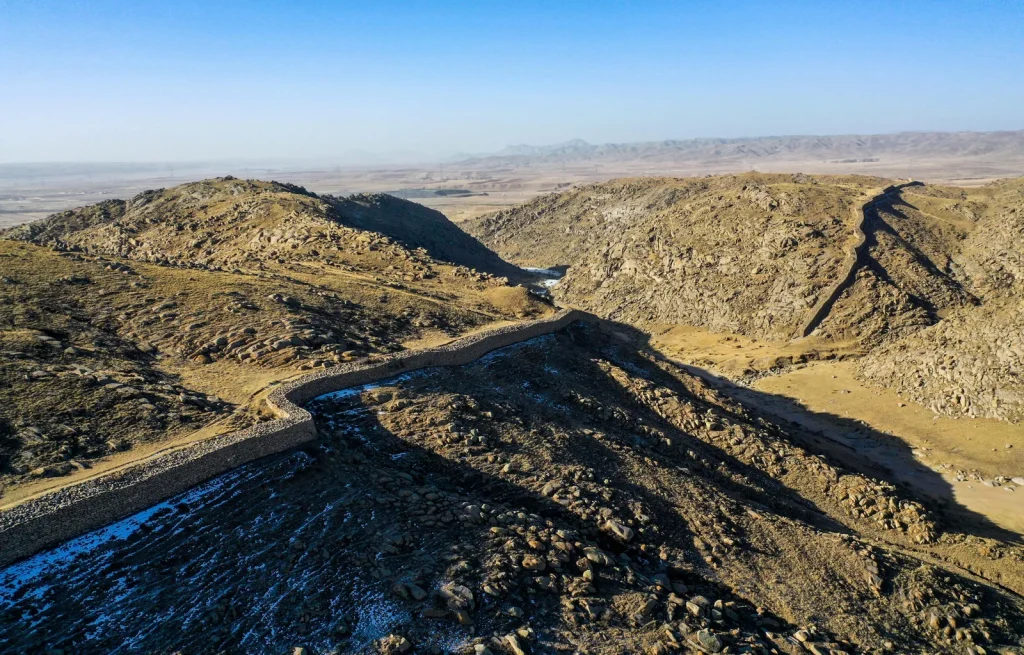
Long before the Great Wall became a national symbol, states built walls, ditches, passes, and watch systems to defend borders. These early works were not one unified monument. They were practical military responses to terrain, rival states, and northern frontier pressure. This is why the phrase “the origin of the Great Wall” should be understood as a process rather than one construction event.
Qin turned separate walls into an imperial idea
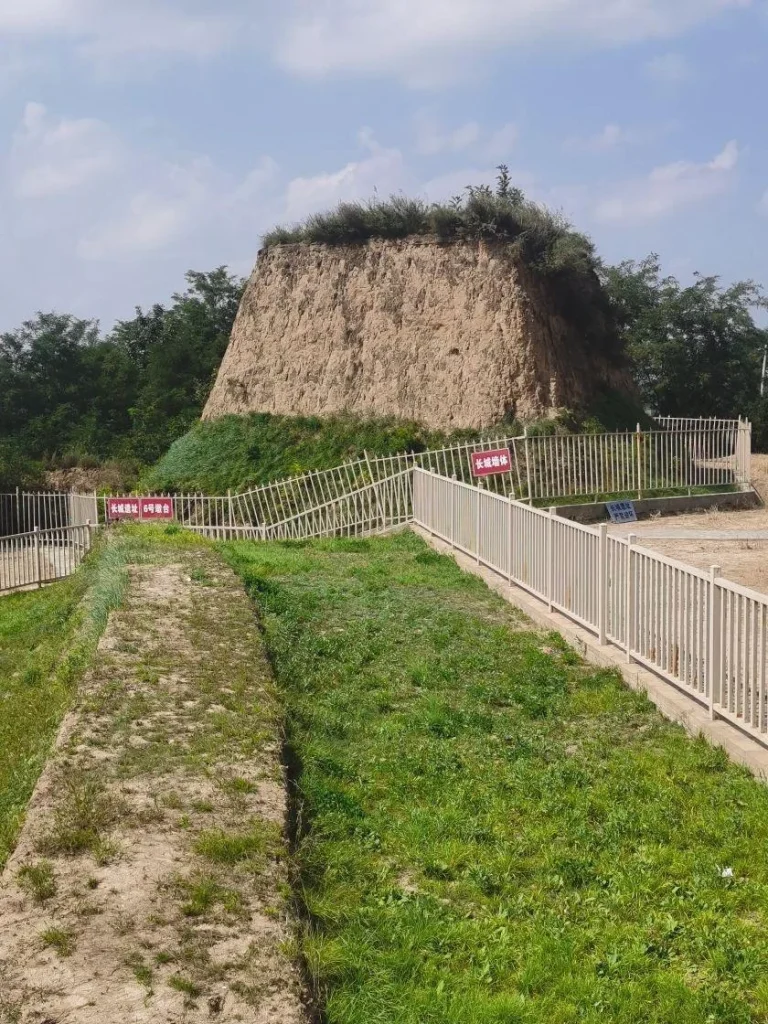
After Qin unified China, earlier defenses were connected and reorganized to protect the northern frontier. Qin’s role is important, but it should not be simplified into “Qin built the whole Great Wall.” The The Great Wall of the Qin Dynasty guide explains why Qin was a turning point while still only one chapter in a much longer history.
Why the wall visitors see is often much later
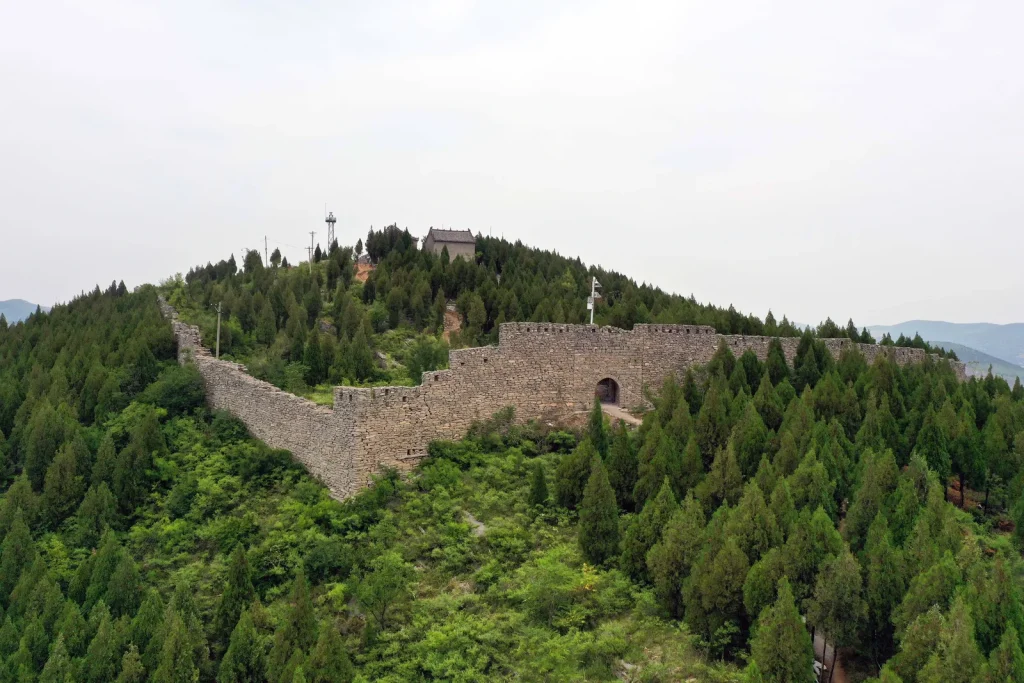
Many first-time visitors imagine the Great Wall as one ancient structure preserved unchanged from Qin times. In reality, the sections most foreign travelers visit from Beijing, such as Mutianyu, Badaling, Jinshanling, and Simatai, are strongly associated with later Ming rebuilding. The origin story explains the idea; the Ming period explains much of the visible stone-and-brick wall seen in travel photos.
How this helps with travel planning
If you want accessible scenery and a first-time foreign visitor route, start with How to Explore Mutianyu Great Wall Easily. If you want fame and train convenience, compare How To Get To Badaling Great Wall From Beijing. If you want the origin story to shape your itinerary, add a history-focused stop such as Juyongguan or Shanhaiguan, then read When Was the Great Wall of China Built? A Clear Timeline for Travelers to place the route on a timeline.
For general historical grounding, cross-check references such as UNESCO’s Great Wall listing, Britannica, and local official visitor updates before traveling. Rules, trail access, and site operations can change during holidays or seasons.
Recommended next reads
- When Was the Great Wall of China Built? A Clear Timeline for Travelers for a clear Great Wall timeline.
- Great Wall History for the main history hub.
- How Long Is the Great Wall of China? The Real Length Explained for why “how long” depends on which wall systems are counted.
Why there is no single origin date
It is tempting to ask for the year the Great Wall began, but that framing creates confusion. A wall in one northern state, a Qin frontier link, a Han desert defense, and a Ming brick pass near Beijing are not the same construction campaign. They are layers in a long border-defense tradition. When writing or planning travel, the safest wording is that the Great Wall developed over many centuries from earlier regional defenses into later imperial frontier systems.
This distinction also helps visitors read the landscape more accurately. A steep restored ridge near Beijing is usually not a surviving Qin wall. A pass, beacon tower, or rammed-earth line in the northwest may tell a different story from the stone-and-brick scenery most people photograph at Mutianyu or Badaling. The origin is therefore a historical process, while the visible travel experience depends on which section you choose.
What early walls were trying to do
The earliest defensive lines were practical. States used walls, natural barriers, garrisons, and passes to slow raids, protect farmland, control movement, and signal danger. The walls did not need to be continuous in the modern tourist sense. They worked with mountains, deserts, rivers, and forts. That is why some Great Wall history is about architecture, while much of it is really about frontier management and military geography.
For a traveler, this means an old wall should not be judged only by how tall or complete it looks. A low earth line, a pass gate, or a tower position can be historically meaningful even if it does not match the postcard image. This is especially important when comparing history-focused routes with polished first-visit sections.
How to connect the origin story to a real itinerary
If this is your first Great Wall trip from Beijing, use the origin story as background and choose a practical section first. Mutianyu is still the best default for many foreign visitors because it balances scenery, access, and comfort. Badaling works when famous-name recognition and transport infrastructure matter more. Jinshanling makes more sense when you want a hiking-focused Ming wall experience.
If you have more time, add context rather than chasing the oldest possible wall remains. Qin history, Han frontier expansion, and the full construction timeline will explain why the wall changed from regional defense to imperial border system and then to the Ming sections travelers know today.
Common misunderstandings to avoid
- “The Great Wall started with Qin Shi Huang.” Qin was a major turning point, but earlier states had already built defensive walls.
- “The whole wall is one continuous path.” The Great Wall is a collection of wall systems, passes, towers, and frontier landscapes built across different periods.
- “The famous Beijing sections show the earliest wall.” Most well-known visitor sections near Beijing are mainly associated with the Ming period.
- “Older always means better to visit.” For inbound travelers, the best section depends on access, safety, scenery, and time, not only age.
Bottom line
The Great Wall originated as practical regional defense and became a much larger imperial idea over time. Qin helped organize that idea, Han extended frontier systems, and Ming rebuilding created many of the wall images travelers recognize today. Use the origin story to understand what you are seeing, then choose the section that fits your route, season, and walking ability.
More Great Wall Facts and Myths
For a wider fact-check path, use the Great Wall Facts and Myths hub. It links the space myth, real length, builders, dynasties, origins, and why the wall was built.