
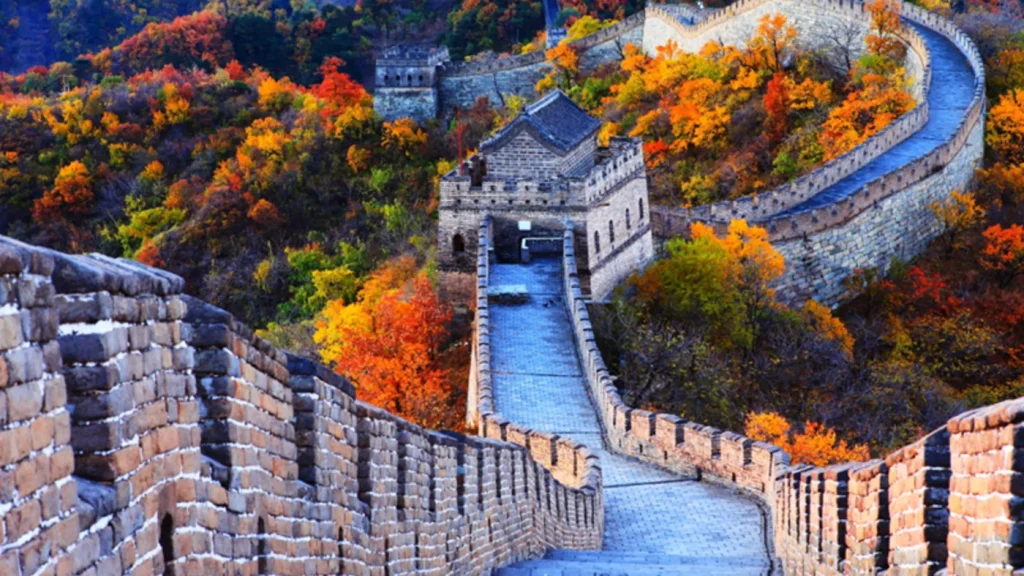
Mutianyu and Jiankou are physically close on the map, and many travelers see dramatic Jiankou photos before realizing how different the two experiences are. Mutianyu is a restored, managed Great Wall section that works for most foreign visitors. Jiankou is famous for wild scenery, steep ridges, broken wall surfaces, and serious hiking risk. This comparison is not about which section looks more dramatic; it is about which section is right for your actual trip.
If this is your first Great Wall visit, choose Mutianyu unless you have a specific, well-planned hiking reason to consider Jiankou. If you are an experienced hiker or photographer, Jiankou can be rewarding, but it should be treated as an advanced outdoor route, not a casual sightseeing stop. For the route-based article, read Jiankou-Mutianyu Great Wall Hiking Route.
Quick planning snapshot
Mutianyu, because it is restored, managed, easier to reach, and easier to exit when tired.
Jiankou, only with serious preparation, suitable weather, legal access, and a conservative route plan.
Choose safety and reliability first; do not choose Jiankou only because the photos look more dramatic.
How the two sections differ
Mutianyu is designed for visitors. The wall is restored, the towers are clear, the route is easier to understand, and the section is one of the best choices for people who want a strong Great Wall view without committing to a risky hike. You still climb steps and slopes, but you can make the walk short, moderate, or longer depending on energy and weather.
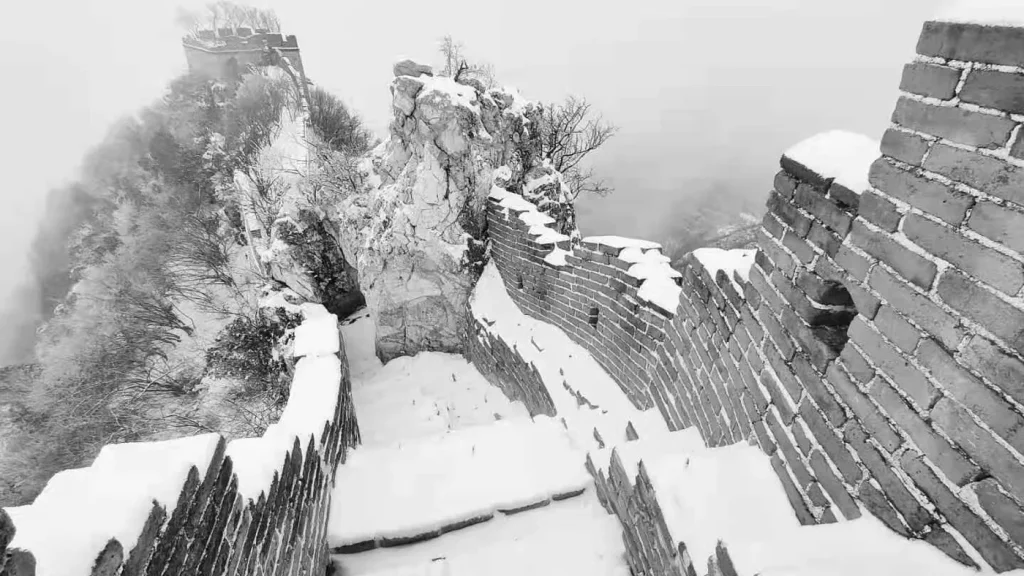
Jiankou is different. It is known for steep mountain terrain, unrestored wall, exposed ridges, loose surfaces, and sections where a wrong decision can become dangerous. This is why Jiankou attracts photographers and hikers but is not the right default for ordinary sightseeing. A traveler who would be comfortable at Mutianyu may not be prepared for Jiankou at all.
Safety and legal access
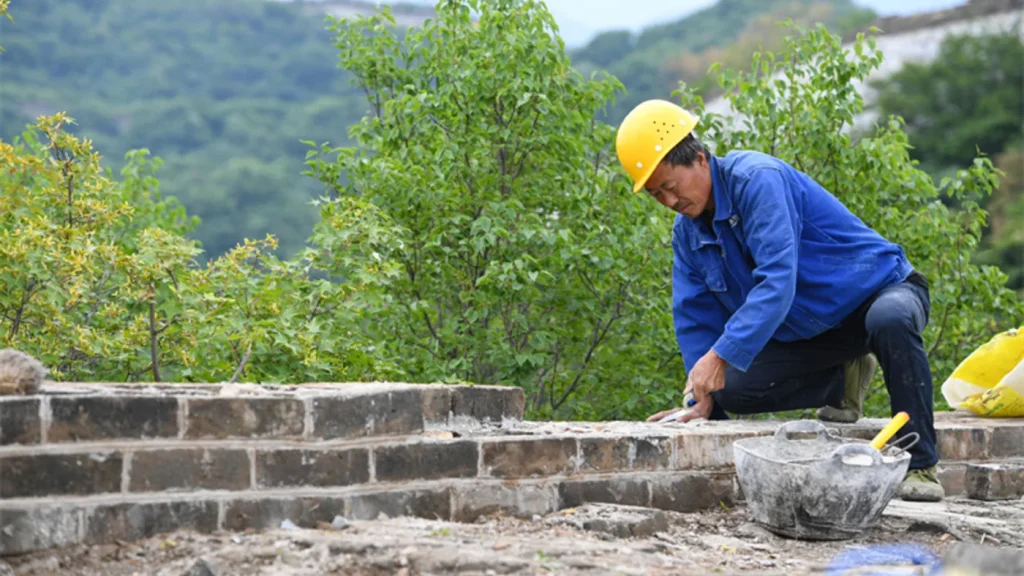
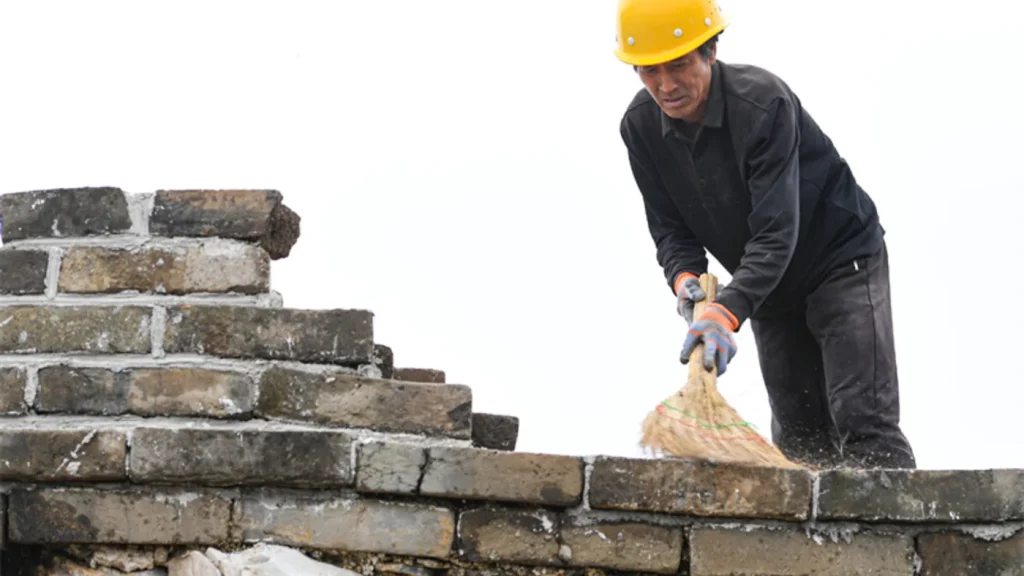
Do not treat Jiankou as a shortcut to a better photo. Weather, restoration status, local access rules, and trail conditions can change. Some areas may be under conservation work or access control, and broken sections are not built for casual visitors. Before any Jiankou plan, check current official or local notices and use a conservative route. If you are uncertain, choose Mutianyu.
Mutianyu is still a real mountain-wall visit, but the risk profile is much easier to manage. Families, first-time China visitors, older travelers, and anyone with limited hiking experience should normally pick Mutianyu. For senior or low-mobility planning, use Great Wall accessibility guidance.
Who should choose Mutianyu?
- First-time Great Wall visitors who want a reliable Beijing day trip.
- Families, older travelers, or groups with mixed fitness levels.
- Travelers who want strong scenery without route uncertainty.
- Visitors who need easier transport planning, toilets, managed facilities, and a clear exit plan.
Mutianyu is not the “boring” choice. It is popular because it solves practical problems while still giving excellent mountain-wall views. If your Beijing itinerary has only one Great Wall day, Mutianyu is usually the better use of that day.
Who should consider Jiankou?
Jiankou should be considered only by experienced hikers who understand that the route is not equivalent to a restored scenic area. It is better for people who can judge weather, terrain, footwear, pacing, and turnaround points. Even then, the goal should be a safe, legal, carefully chosen route rather than trying to cover the most dramatic towers at any cost.
Photographers often like Jiankou because the wall looks rugged and the mountain shapes are powerful. That does not make it suitable for everyone. Snow, rain, wind, heat, loose stone, and poor visibility can all change the risk quickly. If your plan depends on perfect conditions, have a fallback: switch to Mutianyu.
Transport and day structure
Mutianyu is much easier to plan from Beijing. Private transfers, tourist buses, and public transport combinations are all commonly discussed, and the visit can be structured as a standard day trip. See how to get to Mutianyu from Beijing before finalizing the route.
Jiankou planning is more fragile. Trailhead access, local transport, route choice, and exit timing matter much more than at a restored section. A long hike that finishes late can create transport problems. Do not start a Jiankou route without enough daylight, water, weather awareness, and an exit plan.
Season and weather decision
Weather matters more for Jiankou than for Mutianyu. A cloudy day at Mutianyu may still be manageable because the route is restored and the exit is clear. The same weather at Jiankou can make navigation, footing, and visibility much harder. Rain, ice, snow, high wind, summer heat, and poor visibility should all push ordinary visitors back toward Mutianyu. Even experienced hikers should treat bad weather as a reason to cancel or shorten the route.
Spring and autumn are the most comfortable seasons for both sections, but they are not equal in difficulty. Mutianyu remains a structured sightseeing day. Jiankou remains a rugged outdoor route, even when the weather looks pleasant. In summer, heat and storms can arrive quickly in mountain areas; in winter, snow photos may look beautiful but the wall surface can be dangerous. Do not let a dramatic seasonal photo override safety.
Common wrong assumptions
- “Jiankou is close to Mutianyu, so it must be similar.” The location is close, but the visitor experience is completely different.
- “I can just walk a little bit of Jiankou.” Even short routes can include loose stone, steep drops, and unclear exits.
- “A guidebook photo means it is a normal attraction.” Many Jiankou photos show wild or restoration areas, not a managed sightseeing path.
- “Mutianyu is too touristy.” For most first-time visitors, a managed route is an advantage, not a weakness.
How to combine them safely
Some experienced hikers plan a Jiankou-to-Mutianyu route because it finishes at a managed section. That does not make the whole route beginner-friendly. If you consider this plan, start early, check current access rules, avoid bad weather, use proper hiking shoes, carry water, and know where you will exit. If any of those conditions are uncertain, visit Mutianyu only. A successful Great Wall day is not measured by how risky the route was; it is measured by whether the route matched your ability and conditions.
Practical packing difference
For Mutianyu, normal Great Wall preparation is usually enough: comfortable walking shoes, water, sun protection, a light layer, and enough time to avoid rushing. For Jiankou, the packing standard is different. You should think like a hiker, not a sightseeing visitor: grippy footwear, weather layers, enough water, offline maps, a charged phone, and a plan for turning back. If that sounds excessive for your Beijing trip, that is a useful signal that Mutianyu is the better choice.
Final recommendation
Choose Mutianyu for a first Great Wall visit, a family day, a safer independent trip, or any itinerary where reliability matters. Choose Jiankou only if the goal is a serious hike or photography route and you are prepared for the safety, legal-access, weather, and logistics issues. For most foreign visitors, the best plan is Mutianyu first; Jiankou is a specialist route, not a substitute for a managed first visit.
Recommended next reads
- Jiankou-Mutianyu hiking route for route-specific planning.
- Mutianyu Great Wall with Kids for family travelers.
- Great Wall sections near Beijing for broader section choice.