
Learning a few Chinese Great Wall terms makes travel easier. You do not need to speak Chinese fluently, but recognizing section names, ticket words, entrance signs, and transport terms helps when using maps, ride-hailing apps, station signs, and scenic-area notices.
Fast Answer: Great Wall in Chinese
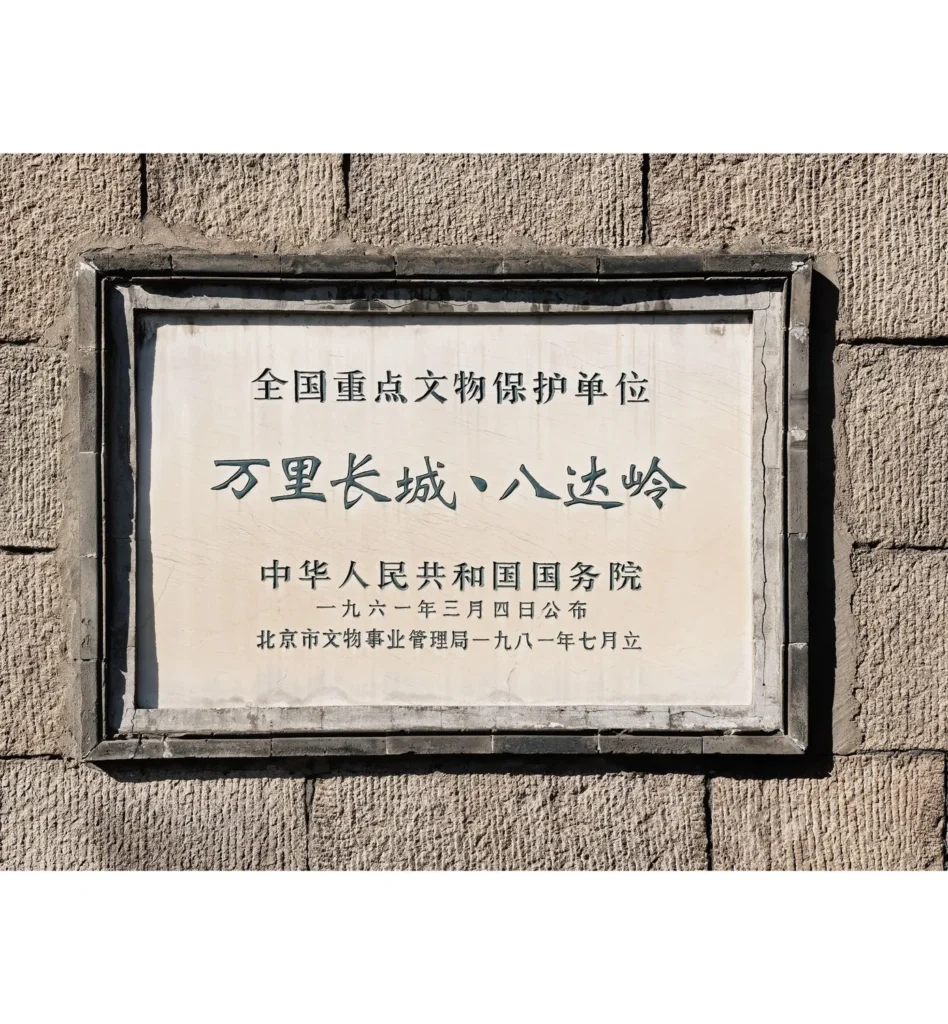
The Great Wall in Chinese is 长城, pronounced Chángchéng. The full phrase “Great Wall of China” is often 中国长城, pronounced Zhōngguó Chángchéng. For travel, the most useful pattern is section name + 长城, such as 慕田峪长城 for Mutianyu Great Wall and 八达岭长城 for Badaling Great Wall.
| English | Chinese | Pinyin | When you use it |
|---|---|---|---|
| Great Wall | 长城 | Chángchéng | Maps, signs, general searches |
| Great Wall of China | 中国长城 | Zhōngguó Chángchéng | Formal or broad references |
| Mutianyu Great Wall | 慕田峪长城 | Mùtiányù Chángchéng | Ride-hailing, map searches, tickets |
| Badaling Great Wall | 八达岭长城 | Bādálǐng Chángchéng | Train, bus, and ticket searches |
| Ticket | 门票 | Ménpiào | Ticket counter, online booking, scenic-area notices |
| Cable car | 缆车 | Lǎnchē | Mutianyu, Badaling, and other developed sections |
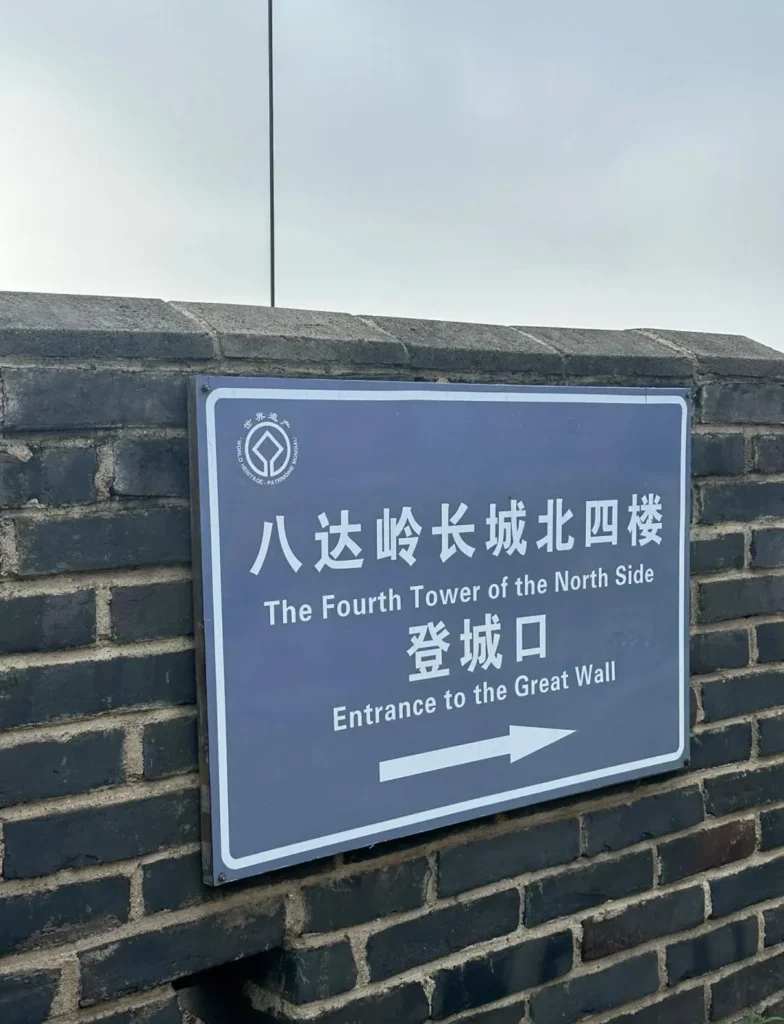
| Entrance | 入口 | Rùkǒu | Finding where to enter the scenic area |
| Exit | 出口 | Chūkǒu | Leaving the wall or shuttle area |
For route planning after you recognize the Chinese name, use the Beijing to Great Wall transport hub or compare Badaling vs Mutianyu.
Quick planning snapshot
- Best for: independent travelers, families, and visitors using apps in China.
- Most useful term: 长城 (Chángchéng), meaning Great Wall or long wall.
- Travel use: combine 长城 with the section name, such as 慕田峪长城.
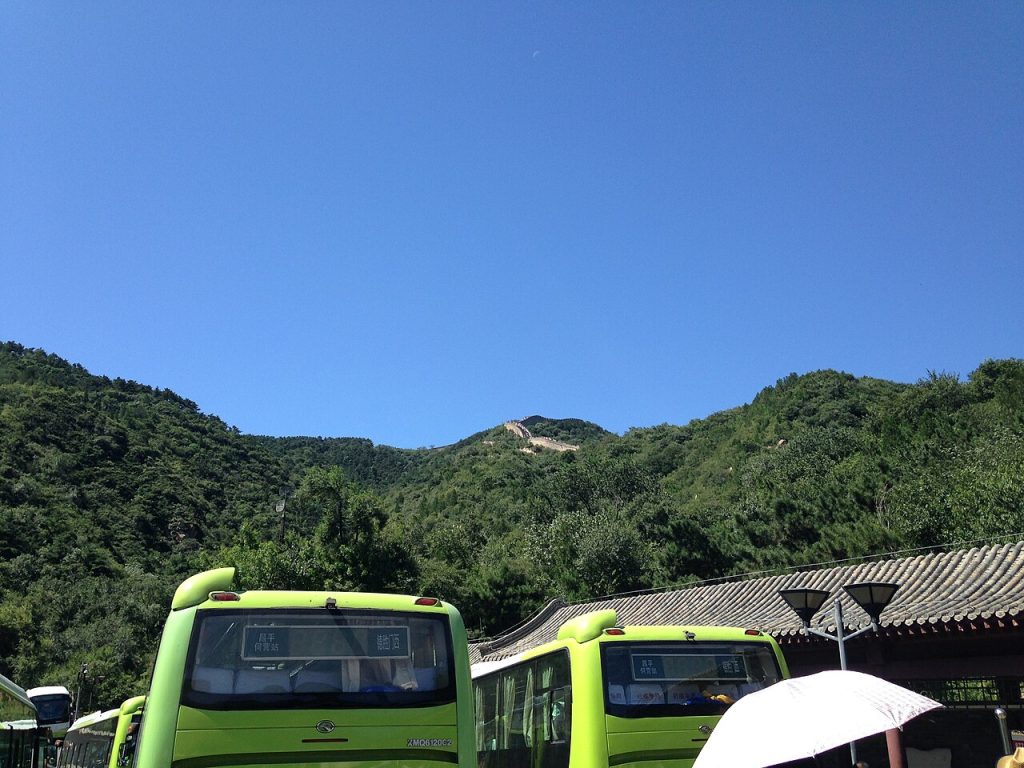
Core Great Wall terms
| Great Wall | 长城 | Chángchéng |
| Mutianyu Great Wall | 慕田峪长城 | Mùtiányù Chángchéng |
| Badaling Great Wall | 八达岭长城 | Bādálǐng Chángchéng |
| Jinshanling Great Wall | 金山岭长城 | Jīnshānlǐng Chángchéng |
| Simatai Great Wall | 司马台长城 | Sīmǎtái Chángchéng |
Ticket and entrance terms
| Ticket | 门票 | Ménpiào |
| Entrance | 入口 | Rùkǒu |
| Exit | 出口 | Chūkǒu |
| Cable car | 缆车 | Lǎnchē |
| Shuttle bus | 摆渡车 | Bǎidù chē |
How to use these terms
Copy the Chinese section name into maps or show it to your hotel desk or driver. For most first-time foreign visitors, 慕田峪长城 is often the best starting point. 八达岭长城 is the most famous and infrastructure-heavy, but it can be more crowded. Compare Mutianyu, Badaling, and Great Wall sections near Beijing before deciding.
Common mistakes
Do not search only for 长城 if you already know your section. It may produce broad results. Do not assume every taxi driver understands an English section name. Do not rely on machine translation for emergency instructions; save addresses and pickup points in Chinese before leaving.
Bottom line
Chinese terms are most useful when they solve a practical travel problem: finding the right section, entrance, ticket, cable car, shuttle, or pickup point.
FAQ
Do I need to read Chinese to visit the Great Wall? No, but a few terms help. Should I memorize pinyin? Copying Chinese characters is usually more useful. Which term matters most? The exact section name, such as 慕田峪长城 or 八达岭长城. Are machine translations enough? They help, but screenshots and official names are safer.
Transport terms
| Bus | 公交车 | Gōngjiāo chē |
| Train station | 火车站 | Huǒchē zhàn |
| Parking lot | 停车场 | Tíngchēchǎng |
| Pickup point | 上车点 | Shàngchē diǎn |
| Return trip | 返程 | Fǎnchéng |
How to save terms before travel
Create a note with the English name, Chinese name, hotel address, driver contact, and return pickup point. If you are visiting Mutianyu, include 慕田峪长城 and the entrance or parking area. If you are visiting Badaling, include 八达岭长城 and the train or bus station you plan to use. This reduces confusion when mobile signal is weak.
Bottom line for independent travelers
Chinese terms are not about language study. They are practical tools for maps, tickets, entrances, transport, and emergencies. Save the terms before you need them.
Emergency and help terms
| Help | 帮助 | Bāngzhù |
| Toilet | 卫生间 | Wèishēngjiān |
| Staff | 工作人员 | Gōngzuò rényuán |
| Lost | 迷路 | Mílù |
| Call a car | 叫车 | Jiào chē |
How to show terms clearly
If you need help, show the Chinese characters rather than only pinyin. Pinyin pronunciation can be hard for visitors, and small tone mistakes may confuse people. A screenshot with Chinese characters, English meaning, and your hotel or pickup details is more reliable than trying to speak every word correctly under stress.
Section-name habit
Always pair 长城 with the specific section. 慕田峪长城 and 八达岭长城 are different places with different transport. This habit prevents one of the most common first-time visitor mistakes: asking for “the Great Wall” without naming the actual scenic area.
Final note for writers
This term page should be updated when new practical articles add recurring Chinese words. For example, ticketing, cable car, shuttle bus, pickup point, and return trip are useful because they appear in real visitor decisions. Avoid adding rare dictionary words that do not help a traveler. The goal is not language study; it is smoother movement through a Great Wall day trip.
Practical example
If your driver asks where to go, showing 慕田峪长城 is clearer than saying “Great Wall.” If staff point toward 入口 or 出口, knowing entrance and exit helps immediately. If you see 摆渡车, you know it refers to a shuttle bus. These small terms reduce friction during the actual trip.
For future updates, keep the vocabulary focused on words that appear in real visitor decisions: route, ticket, entrance, shuttle, cable car, pickup, return, toilet, and help. That keeps the page useful instead of turning it into a generic dictionary.
Review the saved terms once before departure so they are easy to find offline.
Keep it easy to access.