
No single person built the Great Wall of China. It was built, rebuilt, repaired, extended, abandoned, and protected by many states, dynasties, soldiers, officials, engineers, craftsmen, and forced laborers over more than two thousand years. Qin Shi Huang is the best-known name connected with the wall, but he did not build the whole Great Wall from scratch.
Fast Answer: Who Built the Great Wall?
No single emperor, dynasty, or workforce built the whole Great Wall. Earlier states built separate defensive walls, Qin linked and extended some northern defenses, Han expanded frontier systems, and Ming builders created many of the brick-and-stone sections visitors recognize today.
| Search question | Best short answer | Useful context |
|---|---|---|
| Who built the Great Wall of China? | Many dynasties and workers | Soldiers, craftsmen, convicts, conscripted laborers, engineers, and local officials all played roles. |
| Did Qin Shi Huang build it? | He ordered major linking and expansion | He did not create every wall from scratch. |
| Which dynasty built the famous tourist sections? | Mainly the Ming Dynasty | Many Beijing-area walls, including famous restored sections, are associated with Ming defenses. |
To connect this with the wall’s purpose, read why the Great Wall was built. For a wider overview, use the facts and myths hub.
Quick planning snapshot
- Best for: readers who want to separate legend from history before visiting.
- Main answer: many dynasties and workers built different wall systems.
- Travel connection: most famous Beijing-area visitor sections are mainly Ming Dynasty walls.
The simple answer: many dynasties built it
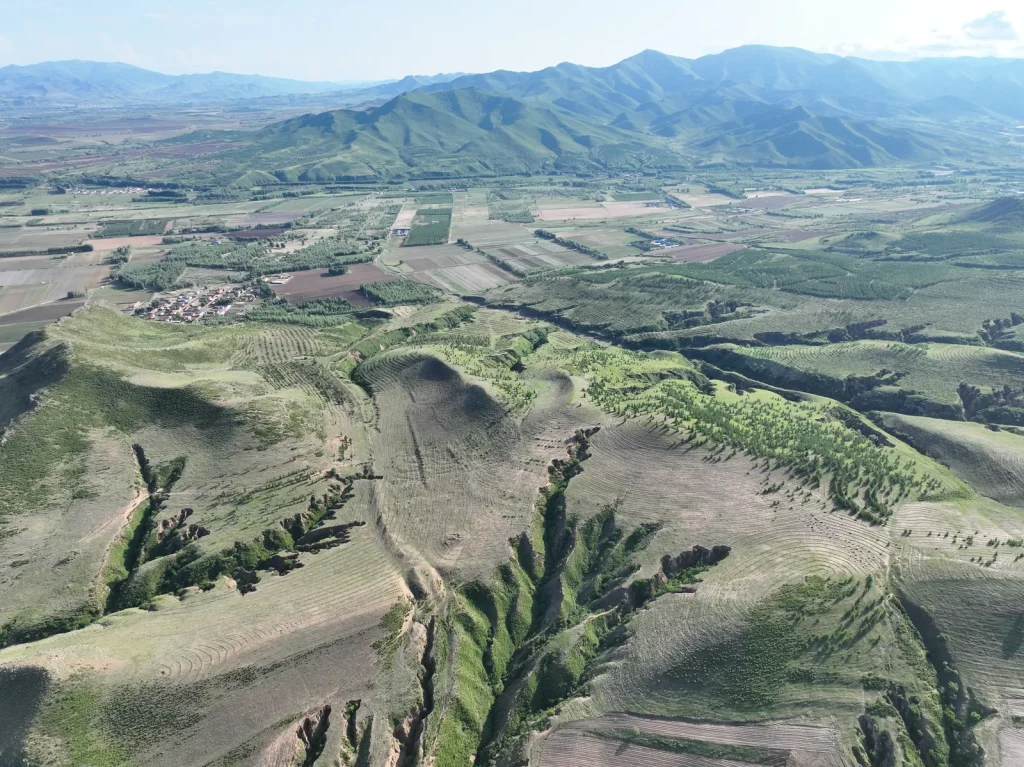
The Great Wall began with separate regional walls before China was unified. States built defenses to protect borders, passes, farmland, and military routes. After Qin unified China in 221 BCE, earlier northern walls were linked and reorganized. Later dynasties, including Han and Ming, added different layers for different strategic needs. This is why the wall should be understood as a long historical process rather than one emperor’s construction project.
What Qin Shi Huang actually did
Qin Shi Huang ordered earlier wall segments to be connected and strengthened after unification. His general Meng Tian is traditionally associated with northern frontier defense, and large numbers of soldiers, convicts, and laborers were mobilized. That Qin project helped turn scattered state defenses into a larger imperial frontier idea. It is accurate to say Qin was a turning point. It is not accurate to say Qin built every wall tourists visit today.
Who built the walls people visit near Beijing?
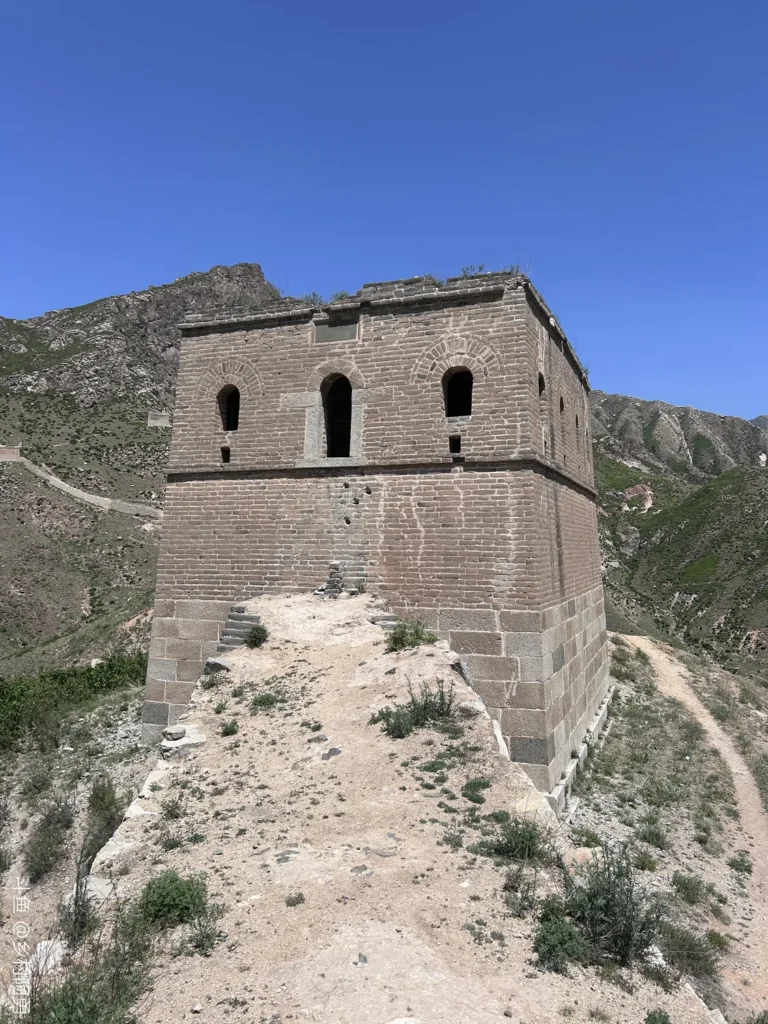
If you visit Mutianyu, Badaling, Jinshanling, Simatai, Juyongguan, or Shanhaiguan, you are mostly seeing the Ming Dynasty layer of the Great Wall. Ming rulers faced serious northern frontier pressure, so they invested heavily in brick walls, watchtowers, passes, signal systems, and garrisons. That is why restored Ming sections look more like the iconic Great Wall image: stone steps, brick parapets, watchtowers, and mountain ridgelines.
For most foreign travelers, the builder question should lead to a practical route choice. If you want an accessible and scenic first visit, read Mutianyu Great Wall. If you want the most famous and infrastructure-heavy section, compare Badaling. If you want to understand why these sections look so different from early rammed-earth walls, read the site’s Ming Dynasty Great Wall guide.
What kinds of workers built it?
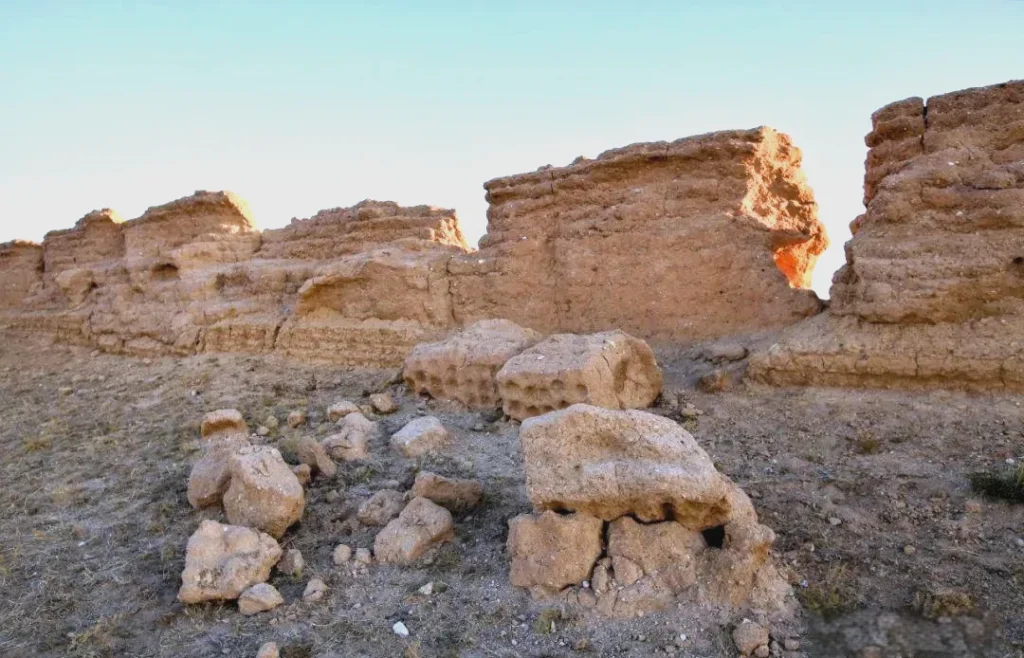
The workforce changed by period, but it included soldiers, conscripted laborers, convicts, local workers, craftsmen, transport teams, and military engineers. Building in mountain and desert areas required more than stacking bricks. Workers had to quarry or prepare materials, move them across difficult terrain, build drainage, create stairs, construct watchtowers, and maintain supply routes. Many early walls used rammed earth; later Ming sections often used brick and stone where resources and logistics allowed.
Why the answer matters for visitors
The Great Wall was not a single design copied across China. A restored Ming section near Beijing, a rammed-earth Han frontier wall in the northwest, and a coastal pass at Shanhaiguan all tell different stories. Before visiting, it helps to ask which dynasty and which section you are seeing. This makes the trip more meaningful and prevents the common assumption that every visible wall dates from Qin times.
Sources and next reads
For broad historical framing, compare UNESCO World Heritage Centre, Britannica, and current conservation notes from China government conservation update. Then continue with When Was the Great Wall Built?, Why Was the Great Wall Built?, and The Origin of the Great Wall.
Why “the builders” should include planners and maintainers
Construction was only one part of the Great Wall story. Officials planned routes, military engineers designed passes and towers, local administrations organized labor, and garrisons maintained walls after construction. A wall left without repairs, supplies, and patrols could quickly lose defensive value. This is why the builder question should include both the people who physically built the wall and the institutions that kept it functioning.
Were the workers all prisoners?
Popular stories often emphasize prisoners and forced labor, especially in connection with Qin. Forced labor was real in several periods, but the workforce was more varied than one legend suggests. Soldiers, peasants, convicts, specialized craftsmen, transport workers, and local laborers could all be involved depending on the period and place. The type of work also varied: digging earth, making bricks, hauling stone, building stairs, repairing towers, moving food, and guarding completed sections.
How to read the wall while visiting
When you visit a Great Wall section, look at the materials and terrain. Brick towers and stone stairs often point to later, better-funded construction and restoration. Earth walls and eroded remains point to different periods and environments. A steep ridge section shows how builders used natural terrain to reduce construction needs and improve visibility. The more specific you are about the section and dynasty, the more accurate your understanding will be.
Bottom line
The most accurate answer is that the Great Wall was built by many dynasties and many kinds of workers, not by one ruler alone. Qin made the wall famous in imperial memory, Han expanded frontier defenses, and Ming created many of the visible sections travelers visit today. When writing or planning, always connect the builder question to a specific section and dynasty.
More Great Wall Facts and Myths
For a wider fact-check path, use the Great Wall Facts and Myths hub. It links the space myth, real length, builders, dynasties, origins, and why the wall was built.