
Jinshanling and Simatai are often mentioned by travelers who want something more atmospheric than the most standard Beijing Great Wall day trip. Both sections can reward hikers and photographers, but they are not the same kind of trip. Jinshanling is usually better for a daytime hiking and photography plan with long wall lines, repeated watchtowers, and mountain views. Simatai is better when you want a more special experience connected with Gubei Water Town, especially if the night-view angle is part of the reason for going.
If you are choosing between these two, do not ask only which section is more beautiful. Ask what kind of day you want: a focused wall hike, a slower photography route, a night visit, or a wall-plus-water-town itinerary. For broader section choice, start with Great Wall sections near Beijing.
Quick planning snapshot
Jinshanling, because the wall line, watchtower rhythm, and ridge views suit a focused walking route.
Simatai, especially when paired with Gubei Water Town and enough time for an evening plan.
Photography, hiking difficulty, transport tradeoffs, overnight decisions, and first-time alternatives to Mutianyu or Badaling.
Short answer
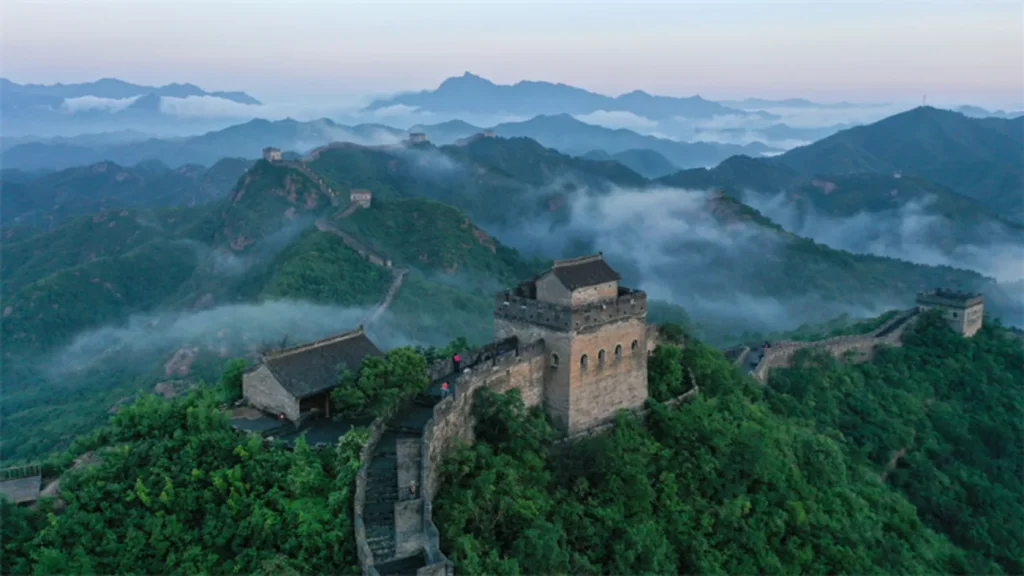
Choose Jinshanling if your priority is a daylight Great Wall hike with strong photography along the wall itself. It gives you long compositions, towers at changing distances, mountain ridges, and a more hiking-focused feeling than many restored sections closer to Beijing. It is not the easiest Great Wall option, but it is one of the better choices for visitors who want the wall to be the main subject.
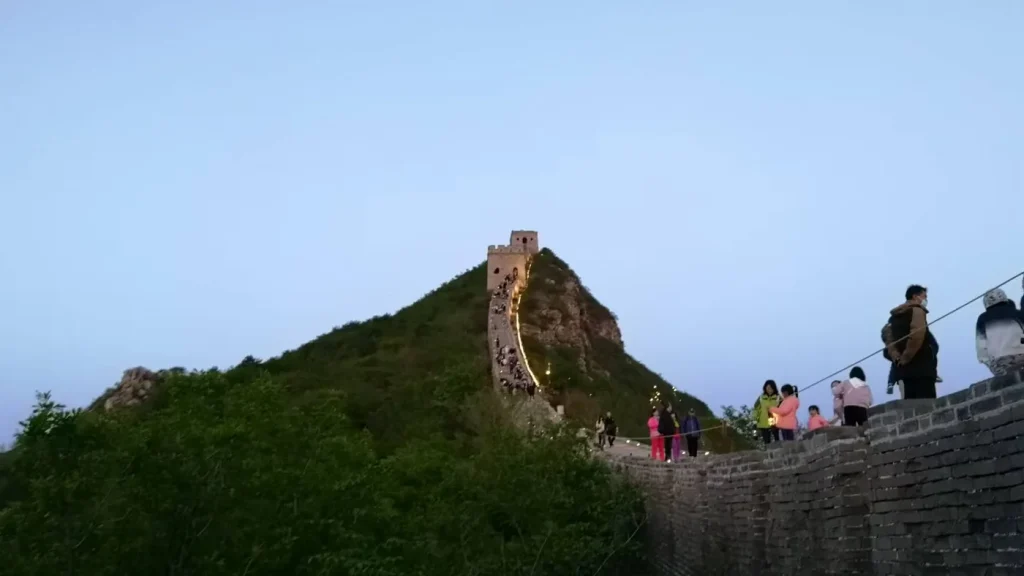
Choose Simatai if your priority is a special atmosphere rather than maximum daytime hiking. Simatai works best when you want to connect the wall with Gubei Water Town, stay later in the day, or build a night-view plan. It is not simply a substitute for Jinshanling; it is a different type of trip.
How Jinshanling feels
Jinshanling is attractive because the wall remains the center of the experience. The watchtowers appear at regular intervals across the ridges, and the line of the wall gives photographers repeated foreground and background layers. For hikers, the route can feel purposeful without becoming as risky as wild-wall sections such as Jiankou. You still need realistic fitness, good shoes, and enough water, but the experience is more controlled than an unrepaired route.
This is why Jinshanling is a strong choice for travelers who have already seen one classic section or who know they want a more serious wall-focused day. It is less about checking off a landmark and more about spending time with the wall landscape itself. For route context, read Gubeikou-Jinshanling Great Wall Hiking Route.
How Simatai feels
Simatai feels more like a combined destination. The Great Wall matters, but Gubei Water Town changes the rhythm of the day. Instead of only asking how far to walk, visitors think about arrival time, evening light, night views, tickets, dining, accommodation, and return transport. That makes Simatai especially useful for photographers who want atmosphere beyond daylight wall shots.
The tradeoff is that Simatai can become logistically heavier. If you only want a clean wall hike, Jinshanling is simpler. If you want a memorable wall-and-town evening, Simatai is stronger. Use how to get to Simatai Great Wall from Beijing before planning a late return.
Which is better for photographers?
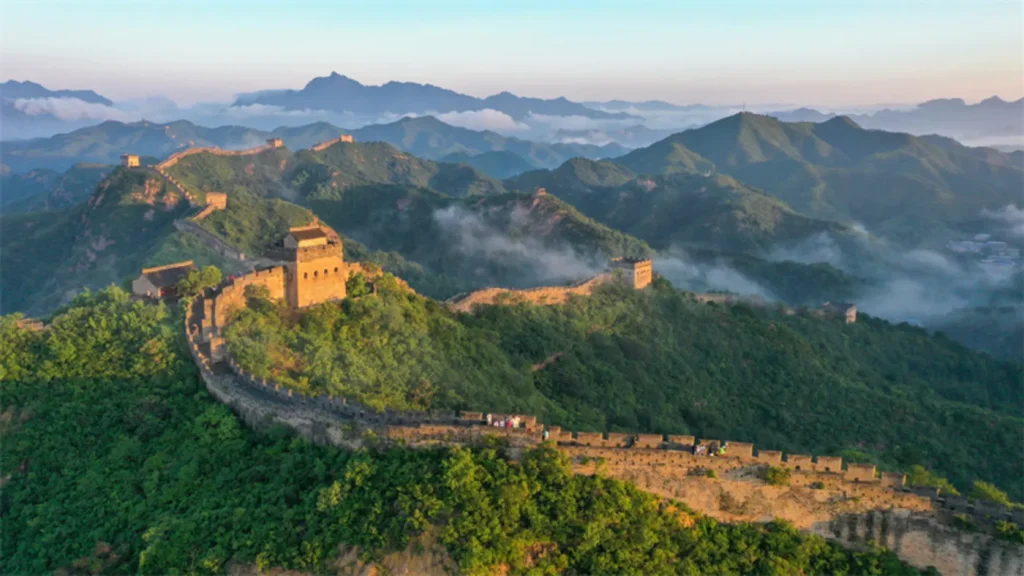
For wall photography, Jinshanling usually wins. It gives repeated watchtowers, layered ridges, long wall curves, and a strong sense of distance. Early morning and late afternoon can be especially rewarding when light moves across the towers and mountains. The photos tend to be about the Great Wall itself.
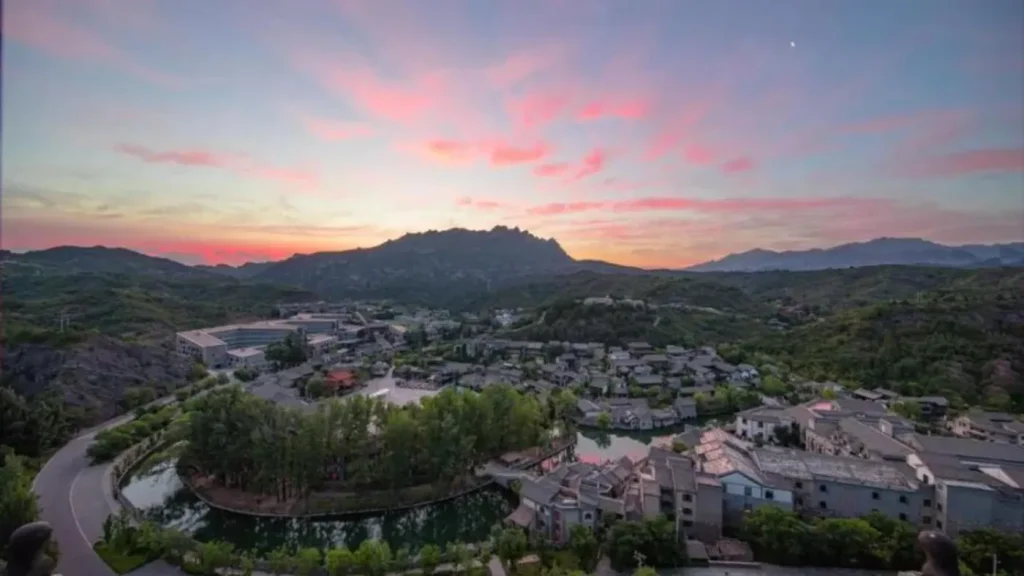
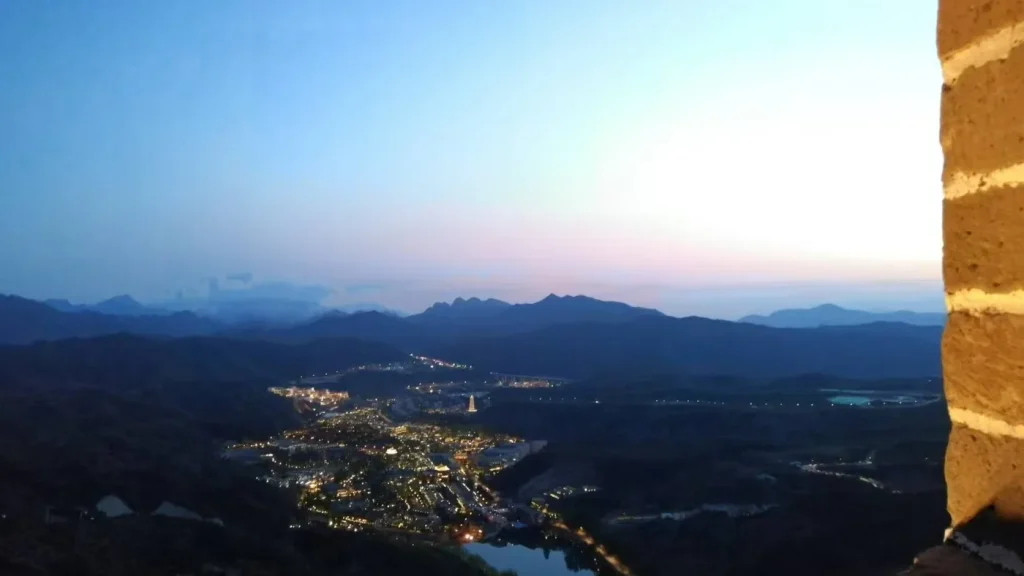
For atmosphere photography, Simatai can be more distinctive. The water-town lights, evening sky, and wall setting create a different mood. The photos may be less about long daytime wall lines and more about a composed travel scene. If you want both town atmosphere and wall context, Simatai is the better fit. If you want clean wall-on-ridge images, choose Jinshanling.
Which is better for hikers?
Jinshanling is the better hiking choice for most visitors deciding between these two. It gives a clearer sense of distance and progression, and the route can be planned around watchtowers and ridge sections. It still requires effort, especially in heat, wind, or after rain. Do not treat it as a casual flat walk.
Simatai can involve steep walking, but the visit is less naturally structured as a long hiking day for many foreign visitors. It is often chosen for the special setting, not for covering the most wall distance. If you want a hike, choose Jinshanling. If you want an evening experience with some wall walking, choose Simatai.
Transport and timing
Neither Jinshanling nor Simatai is as simple as Mutianyu for a first Beijing day trip. Both require more deliberate planning, and both become harder if you try to rush. Jinshanling works best as a daylight-focused outing, with enough time for transport, walking, photography stops, and a relaxed return. See how to go to Jinshanling Great Wall from Beijing for practical route planning.
Simatai requires a different timing logic. If the night-view or Gubei Water Town element matters, you may need a later schedule or an overnight stay. That can be excellent, but it is less suitable for travelers with a tight Beijing itinerary. Check current official rules, opening arrangements, and transport before leaving, especially around holidays or weather changes.
Season and weather decision
Jinshanling is strongest when visibility is good and the weather supports outdoor walking. Spring and autumn are usually the most comfortable seasons, while summer requires heat and storm awareness. Winter can be photogenic, but wind and icy surfaces change the risk. If the forecast is poor, reduce the walking plan.
Simatai is more sensitive to evening atmosphere. A clear dusk or night can make the trip memorable, while rain, haze, or cold wind can reduce the value of staying late. If your whole reason for choosing Simatai is night scenery, do not ignore weather and ticket conditions. A daytime-only Simatai trip can still be good, but it loses part of what makes the section different from Jinshanling.
Common planning mistakes
- Choosing Simatai only because it sounds more unusual. It is special, but the time cost and night-visit logistics need to match your itinerary.
- Choosing Jinshanling without enough walking time. The section rewards slow movement, photography stops, and realistic pacing.
- Trying to combine both in one rushed day. For most visitors, that weakens both experiences.
- Ignoring return transport. This matters more for Simatai if you plan to stay into the evening.
Final recommendation
Choose Jinshanling if you want a wall-first day: hiking, watchtowers, ridgelines, and strong daylight photography. Choose Simatai if you want a destination experience: Gubei Water Town, evening atmosphere, and a more unusual Great Wall memory. For most hikers and wall photographers, Jinshanling is the stronger choice. For travelers who want a scenic overnight or night-view trip, Simatai is the more distinctive choice.
Recommended next reads
- Mutianyu or Jinshanling Great Wall for a first-time versus hiking-focused comparison.
- Mutianyu or Simatai Great Wall for a more practical Simatai alternative.
- Badaling or Simatai Great Wall for classic landmark versus night-trip planning.
Planning sources checked
- Visit Beijing: Jinshanling Great Wall for Jinshanling destination context.
- State Council: Jinshanling Great Wall photo report for current visual and destination context.
- Visit Beijing: Simatai Great Wall for Simatai destination context.
- Beijing Municipal Government: Gubei Water Town and Simatai context for recent official context.
Related Great Wall comparison
For travelers choosing between a lake-view Great Wall trip and a Simatai/Gubei evening plan, see Huanghuacheng Water Great Wall or Simatai Great Wall.