
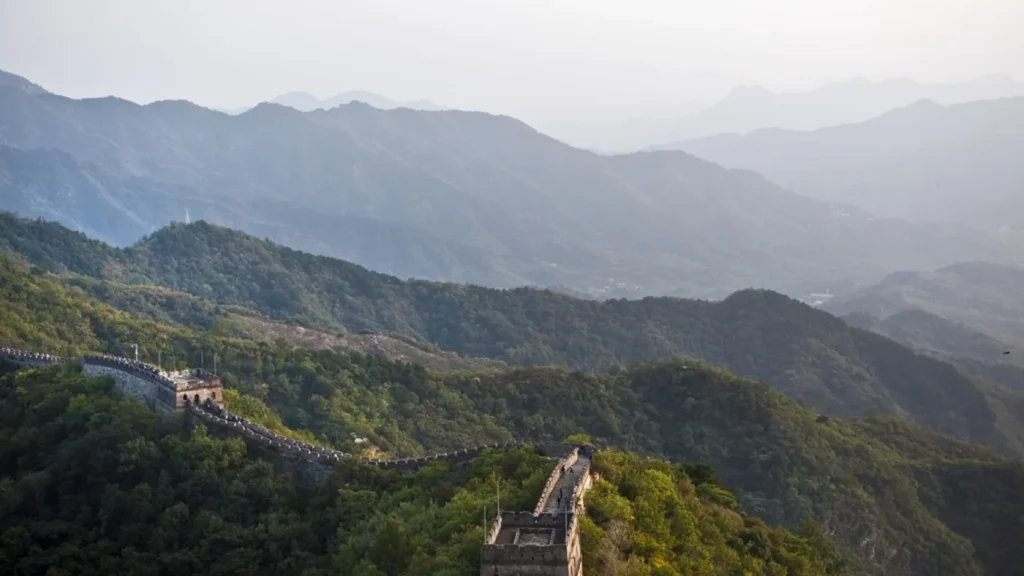
Mutianyu and Juyongguan can both work for a family Great Wall day from Beijing, but they solve different problems. Mutianyu is usually the easier recommendation for foreign families who want a scenic restored wall with flexible walking distance. Juyongguan is closer to central Beijing on many routes and has a strong pass-and-fortress atmosphere, but its wall can feel steeper and less forgiving for children or older relatives.
The key point is simple: closer does not always mean easier. Juyongguan can look convenient on a map, but families need to think about steps, route shape, shade, heat, and how quickly children get tired on steep stone paths. If you want the broader non-family comparison, read Badaling or Juyongguan Great Wall and Great Wall sections near Beijing.
Quick family planning snapshot
Mutianyu, because route control, restored walking, and foreign-visitor planning are stronger.
Juyongguan, if your family wants a historic pass setting and can handle steeper steps.
Children, seniors, short attention spans, steep paths, transport tradeoffs, and first-time Great Wall planning.
Why Mutianyu is usually easier with kids
Mutianyu gives families more control over the day. You can keep the walk short, choose a scenic stretch, and stop before everyone becomes tired. The restored wall still has steps and slopes, but the visit is easier to explain to children: go up, walk between selected towers, take photos, rest, and return. This structure reduces the risk of a family day becoming a long forced march.
Mutianyu is also a better fit for many foreign visitors because planning information, transport choices, and common visitor routes are easier to find and compare. If your family has one Great Wall day and wants the safest choice, Mutianyu is normally the section I would recommend first. Use the Mutianyu transport guide before choosing your route.
Where Juyongguan can be better
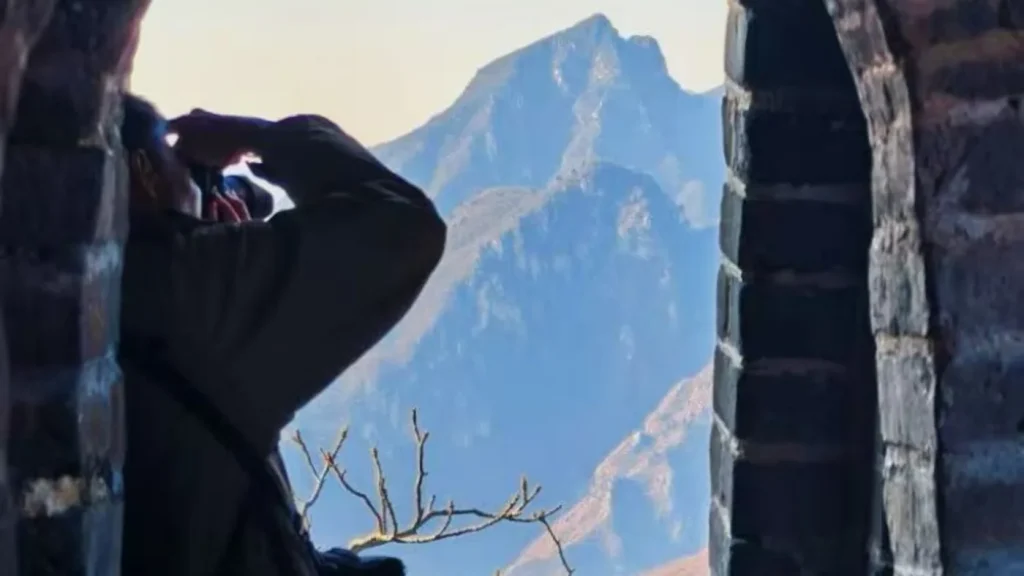
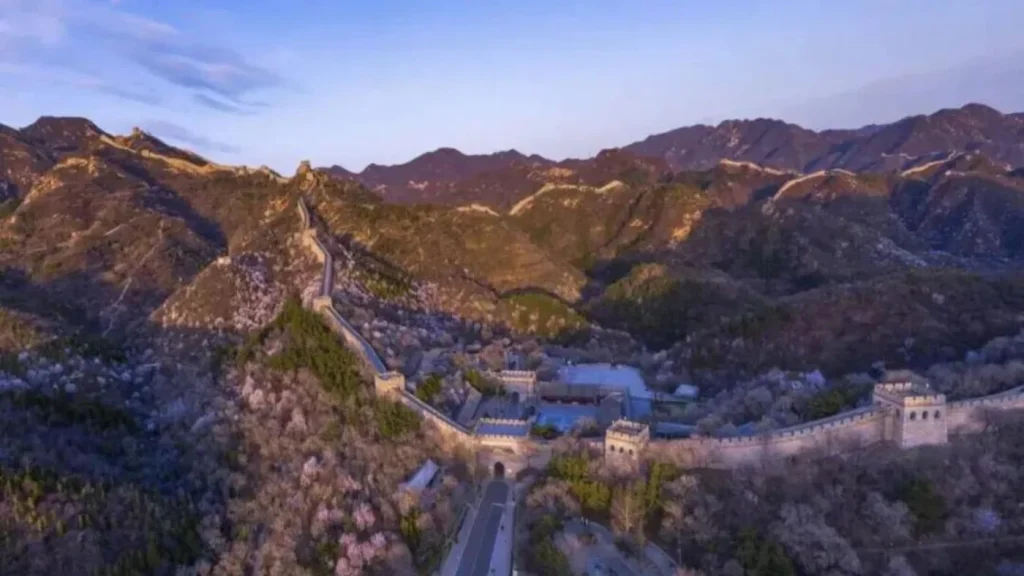
Juyongguan has a different appeal. It is a pass, not just a ridge-wall sightseeing section, so families can understand the defensive setting more clearly: gate, valley, wall, and mountains in one compact landscape. For children who like castles, gates, and fortifications, Juyongguan can feel more story-driven than a simple scenic wall walk.
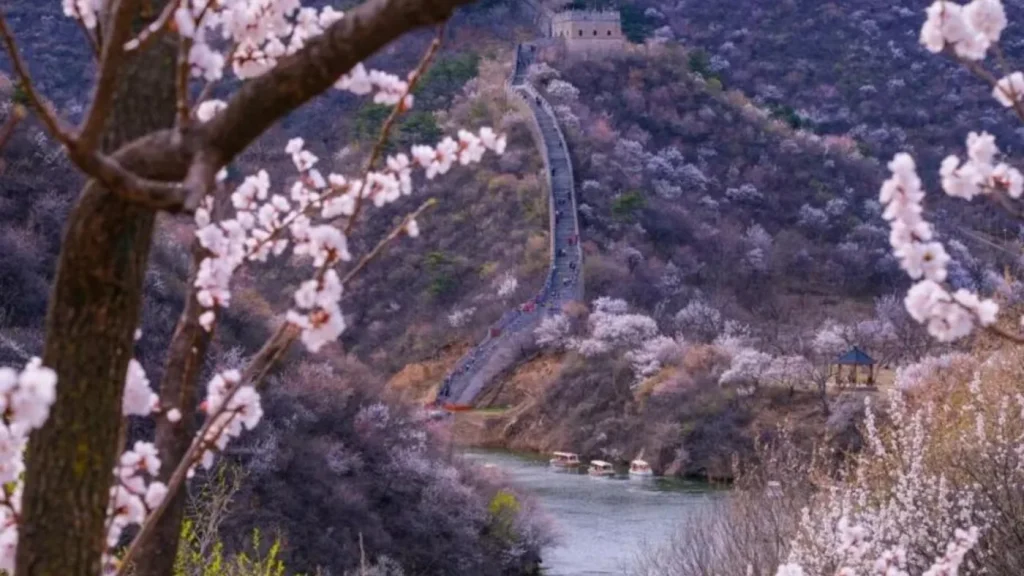
It can also suit families who want a shorter stop rather than a long scenic outing. The risk is assuming that a shorter stop will be physically easier. Juyongguan’s wall sections can become steep quickly, and the steps may feel more demanding than expected. Families should plan a small loop or viewpoint goal, then turn around early if the route feels too tiring.
Strollers, carriers, and younger children
As with nearly every Great Wall section, do not plan to use a stroller on the wall itself. Stone steps, uneven surfaces, tower thresholds, and steep changes make strollers impractical once you leave flatter access areas. For younger children, a carrier is more realistic, but adults should remember that descending steep steps with a child carrier can be tiring and slow.
This is where Mutianyu normally has the advantage. Families can choose a shorter and more predictable route. At Juyongguan, the wall can feel steep sooner, so toddlers and preschool-age children may need more breaks. If a child is already tired before reaching the wall, choose a viewpoint-style visit rather than pushing onward.
Older relatives and mixed generations
For multi-generation families, Mutianyu is usually the lower-risk choice. It still requires walking, but it gives the group more ways to stop, rest, and limit the route. Juyongguan may be closer, but the steeper sections can be harder on knees, especially on the way down. Older relatives should not feel pressured to climb high for the trip to count.
If grandparents want history more than a long walk, Juyongguan can still be meaningful. Keep the plan focused on the pass, nearby viewpoints, and a limited section of wall. If the family wants a more comfortable “classic Great Wall” day, choose Mutianyu and keep Juyongguan for a separate short historical stop.
Transport and timing from Beijing
Juyongguan can be attractive because it is often considered a closer Great Wall option than Mutianyu. But families should compare the full door-to-door day, not only map distance. Waiting time, transfer complexity, traffic, meal timing, bathroom stops, and children’s energy all matter. A route that looks shorter can still feel harder if it has awkward connections.
Mutianyu requires planning, but it is a very common visitor route. Juyongguan needs current checking too, especially around holidays, road controls, and seasonal conditions. Use how to get to Juyongguan Pass from Beijing and confirm official notices before departure.
Which should your family choose?
- Choose Mutianyu if this is your first Great Wall trip with children, if you want a predictable scenic day, or if your group includes older relatives.
- Choose Juyongguan if your family wants a shorter historical pass visit, understands that the wall can be steep, and is happy with a limited route.
- Do not choose by distance alone. For families, route control and fatigue management matter more than the number of kilometers from Beijing.
Age-by-age planning notes
For toddlers and preschool children, Mutianyu is usually easier because the family can make the wall walk short and still get a satisfying Great Wall experience. Juyongguan can be interesting for young children because the pass setting feels like a fortress, but steep steps become tiring quickly. If your child needs frequent carrying, Juyongguan’s descents can be harder than they look.
For school-age children, Juyongguan can be rewarding when they enjoy history, gates, and a clear defensive landscape. It is easier to explain why a pass mattered: the road, mountains, gate, and wall are all visible together. Mutianyu is better for children who want a classic scenic Great Wall walk without as much steep pressure. For teenagers, Mutianyu usually wins for photos and broader mountain views, while Juyongguan works when the family wants a shorter, more historical stop.
Weather-based family decision
In hot weather, Mutianyu is the safer default because families can keep the route simple and stop early. Juyongguan’s steep sections can feel much harder when children are hot or dehydrated. In windy or icy conditions, Juyongguan also needs caution because descending steep stone steps can be stressful for mixed-generation groups. On a clear mild day, Juyongguan becomes much more attractive, especially if your family wants a compact historical route rather than a long ridge walk.
Common family mistakes
The biggest mistake is choosing Juyongguan only because it is closer. For families, the easier section is the one with the better fatigue plan, not just the shorter drive. Another mistake is treating Mutianyu as too popular to be worthwhile. It is popular because it solves many first-visit problems. Finally, do not promise children a long climb before seeing the weather and crowd conditions. Set a small goal first, then extend only if the group is still comfortable.
Recommended next reads
- Mutianyu Great Wall with Kids for a detailed family plan.
- Great Wall accessibility for seniors and wheelchair users for mixed-generation groups.
- How to get from Beijing to the Great Wall for broader transport choices.
Planning sources checked
- Visit Beijing: Mutianyu Great Wall for official destination context.
- Beijing Municipal Government: Mutianyu ticketing page for current official attraction reference.
- Visit Beijing: Juyongguan Great Wall for official destination context.
- Beijing Municipal Government: Juyongguan ticketing page for current official attraction reference.