
The Spring and Autumn Period is part of the earliest background of the Great Wall story, but it did not produce the famous continuous brick wall tourists imagine today. Early states built local defensive walls, earthworks, and border barriers to protect territory and control movement during a time of weakening Zhou authority and rising regional competition.
Quick planning snapshot
- Best for: Readers who want the earliest background before the Qin and Ming stories.
- Use this guide for: Understanding why early regional walls appeared before a unified Great Wall system.
- Planning focus: Treat this as historical context rather than a route guide for modern Beijing day trips.
Information check: this article was reviewed on May 14, 2026. Early Great Wall history is complex because later dynasties reused, linked, replaced, or erased older walls.
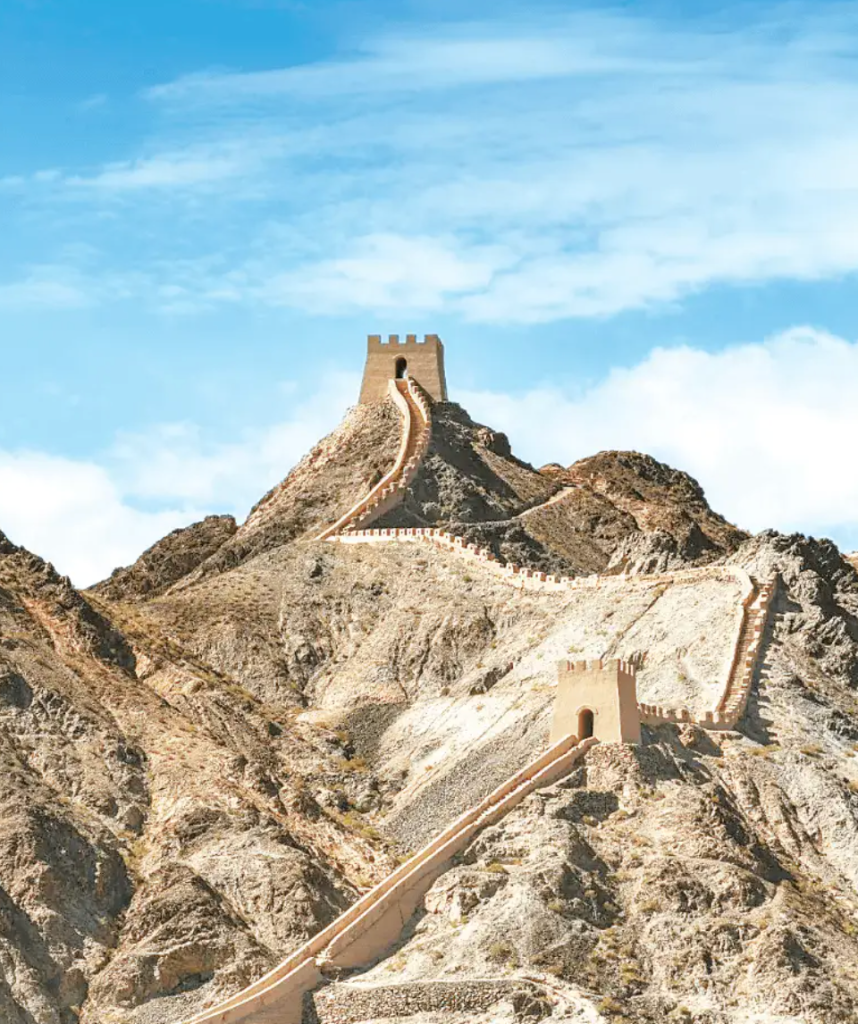
Quick Historical Snapshot
- Period: roughly 770-476 BCE.
- Main builders: regional states, not a unified empire.
- Material style: earth, trenches, local stone, and simple fortifications.
- Travel connection: these origins are mostly historical context, not the restored wall visitors walk near Beijing.
Why Early States Built Walls
States built walls to protect borders, farms, passes, and strategic routes. These early works were practical local defenses rather than a national monument. They helped create the defensive logic that later states and dynasties expanded.
How It Connects to Later Walls
The Spring and Autumn background matters because it shows that the Great Wall grew from many regional walls. The Qin and later dynasties did not invent frontier walls from nothing; they inherited and transformed older defensive habits.
For the broader sequence, read the earliest Great Wall, Warring States walls, and who built the Great Wall.
Sources Checked
- Britannica Great Wall of China for historical overview.
- UNESCO Great Wall listing for heritage context.
- China Highlights Great Wall timeline for travel-facing chronology cross-checking.
Why this period matters
The Spring and Autumn period matters because it shows the Great Wall before it became an imperial symbol. China was not unified, and defensive walls were local political tools. States used walls to protect borders, control approaches to important regions, and signal military strength. This makes the period important for understanding the wall as a process: the idea began with practical state defense, not with one national project.
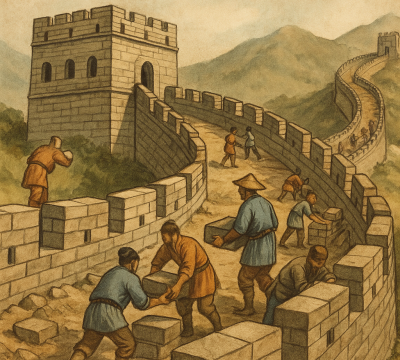
What did these early walls defend against?
The enemies were not always the same as in later Great Wall stories. Some early walls defended against neighboring Chinese states; others protected frontier routes or strategic terrain. The Qi wall in Shandong is often discussed as one of the oldest Great Wall-related systems. The China Daily government service page on the Qi Great Wall describes the Qi Great Wall in the context of Spring and Autumn and Warring States history, while Britannica’s Spring and Autumn overview explains the wider political fragmentation of the period.
How these walls differed from the wall near Beijing
A visitor who has seen Mutianyu or Badaling should not imagine that Spring and Autumn walls looked the same. Early walls often used packed earth, local stone, ridges, riverbanks, and existing terrain. They were usually lower, rougher, and more regional than later Ming walls. Many are archaeological or landscape remains rather than restored visitor attractions. This is why a Beijing-based trip usually shows a much later chapter of Great Wall history.
How to connect it to travel planning
For most foreign travelers, the Spring and Autumn period is context rather than a route. If your first Great Wall trip is from Beijing, start with Mutianyu or compare sections in Great Wall sections near Beijing. Then use this early-history page to understand why later dynasties kept reusing the same frontier logic: defend terrain, control movement, and organize political borders.
What to remember
The Spring and Autumn walls were not the tourist Great Wall, but they are part of the origin story. They prove that wall-building was already a known strategy before Qin unification. Qin later connected and reorganized earlier defensive traditions, Han expanded frontier systems westward, and Ming built many of the famous brick-and-stone sections that travelers see today.
Sources and next reads
For further context, compare China Daily government service page on the Qi Great Wall, Britannica’s Spring and Autumn overview, and Britannica’s Great Wall history. Then read The Earliest Great Wall, The Origin of the Great Wall, and The Qin Dynasty Great Wall.
How to explain this period in one paragraph
The Spring and Autumn period should be explained as the beginning of wall-building logic rather than the beginning of the famous tourist wall. States were competing for security, resources, and territory, so walls helped them define controlled space and protect vulnerable routes. These early works were local and practical. They became historically important because later states and dynasties reused the same basic idea on a larger scale.
Visitor takeaway
If you are writing notes after a Great Wall visit, do not describe a restored Ming section as a Spring and Autumn wall. Instead, say that the wall-building tradition began much earlier, while the scenic brick sections near Beijing belong mainly to the later Ming story. This keeps the history accurate and makes the visitor experience easier to understand.
How this page should support the site
This article should support broader history and route-choice pages, not replace them. Its job is to explain why wall-building began before Qin and why early walls were regional. Readers who came from a Mutianyu or Badaling guide should leave with one clear idea: the scenic wall they plan to visit is a later chapter in a much older defense tradition. That makes the site’s history cluster more useful and prevents shallow repeated explanations across different pages.