
Badaling and Simatai are both famous Great Wall names, but they serve very different trips. Badaling is the classic, large-scale, heavily developed Great Wall section that many first-time visitors associate with Beijing. Simatai is farther away, often planned together with Gubei Water Town, and is especially known for a more atmospheric evening or overnight experience. The right choice depends on whether you want a classic first visit or a more special, time-heavy trip.
If you have one straightforward Beijing sightseeing day, Badaling is usually easier. If you want a distinctive night-view plan and are willing to spend more time getting there, Simatai becomes more interesting. For another Simatai comparison, see Mutianyu Great Wall or Simatai Great Wall.
Quick planning snapshot
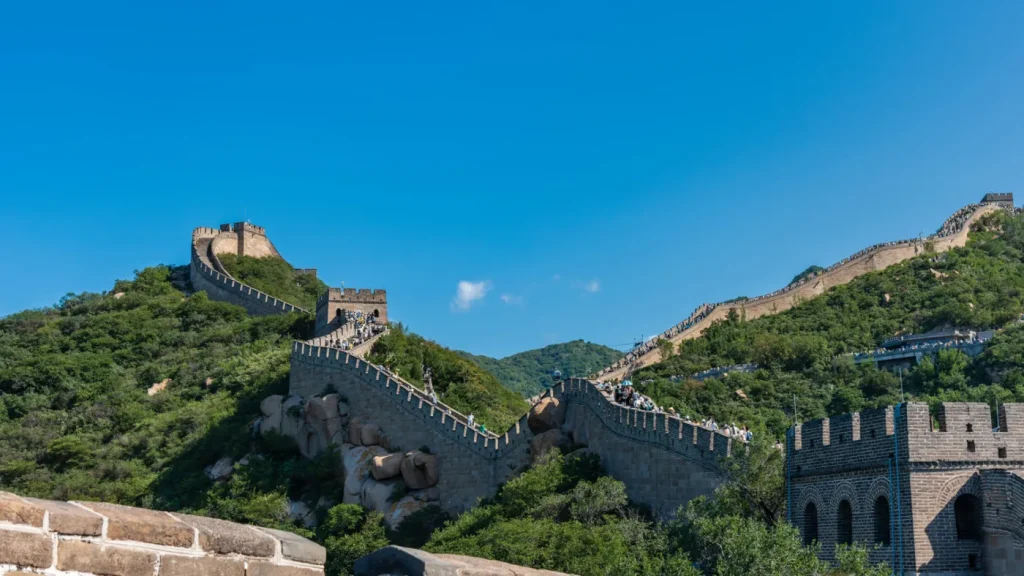
Badaling, because it is famous, restored, facility-rich, and easier to fit into a standard Beijing route.
Simatai, especially when paired with Gubei Water Town and an overnight or late-return plan.
Badaling is easier and more iconic; Simatai is more atmospheric but farther and more time-consuming.
How the experience feels
Badaling feels like a major national landmark. It is restored, broad in places, and built around high visitor volume. That means better-known transport patterns and major facilities, but also more crowd pressure during peak periods. If your goal is to see the most recognizable Great Wall section with a clear route, Badaling is a practical choice.
Simatai feels less like a quick checklist stop and more like a destination experience. The wall, the mountains, and the Gubei Water Town setting make the visit more layered. It can be memorable at night, but that also means more planning: timing, tickets, transport back to Beijing, and whether to stay nearby.
Transport and time cost
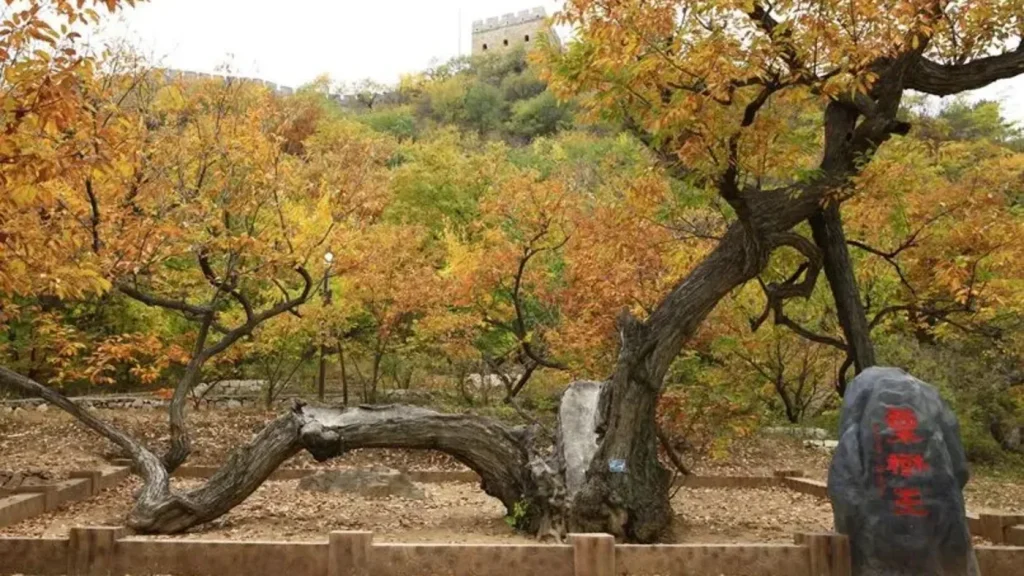
Badaling is easier for most visitors to understand from central Beijing. It is one of the most established Great Wall destinations and is commonly included in first-time Beijing plans. That does not mean it is always calm; it means the logistics are more predictable. Read how to get to Badaling from Beijing before choosing your route.
Simatai is a bigger time commitment. It is usually planned as a longer outing, often connected with Gubei Water Town. If you want to experience the night view, you need to think beyond simply “getting there”: consider return transport, last entry rules, ticketing, weather, and whether an overnight stay makes the trip easier. See how to get to Simatai Great Wall from Beijing for route planning.
Which is better for first-time visitors?
For a first Great Wall visit, Badaling is easier to justify if you want a simple, classic, and highly recognizable section. It is not always the quietest or most relaxed, but it gives a clear sense of the Great Wall as a major landmark. Families and older visitors can also benefit from the mature infrastructure, as long as the route is not over-ambitious.
Simatai is better as a deliberate special experience. It is not the section I would choose for a rushed first Beijing day, especially if the visitor is worried about transport or late return timing. But for travelers who already know they want the water-town setting or a night visit, Simatai offers something Badaling does not.
Night tour and Gubei Water Town
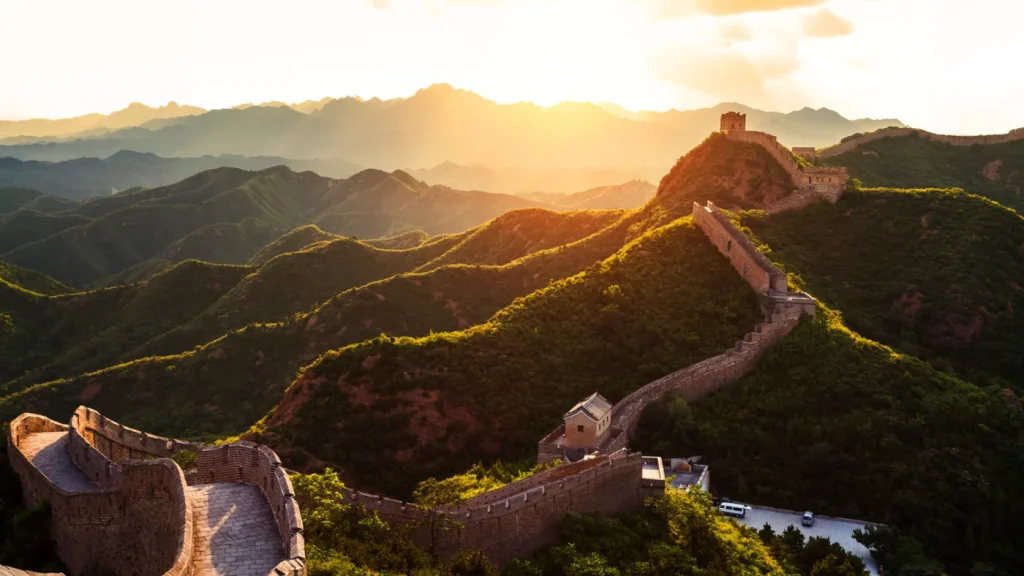
The main reason to choose Simatai over Badaling is the evening atmosphere. Simatai is closely linked with Gubei Water Town, and many visitors think of the two together. This can create a more romantic or photography-focused trip than a standard daytime wall visit. However, night conditions change the planning: check official ticketing, entry rules, weather, and return arrangements before going.
Badaling is stronger as a daytime classic. If you want a clean Beijing day trip and do not want to manage evening logistics, choose Badaling. If your trip can handle a longer outing and you want a more unusual Great Wall memory, choose Simatai.

Crowds, photos, and comfort
Badaling can be crowded, especially during holidays and popular travel seasons. Start early and avoid trying to walk too far if the wall is busy. The benefit is that facilities and wayfinding are mature. For many visitors, that practical support matters more than having the quietest possible wall.
Simatai can feel more atmospheric, but it is not automatically easier. The trip is longer, the evening schedule can be tighter, and weather has a larger effect on the value of the visit. If photos are your main goal, Simatai can be excellent. If certainty is your main goal, Badaling is safer.
Season and weather decision
Badaling is the more reliable choice when weather is uncertain. It is still exposed and can be windy, hot, icy, or crowded, but the visit is easier to shorten and the site infrastructure is mature. If you have children, older relatives, or a fixed return time, this reliability matters. In summer, go early and avoid long exposed climbs. In winter, watch for icy steps and wind.
Simatai depends more on timing and atmosphere. A clear evening can make the wall and Gubei Water Town setting memorable, while rain, haze, or cold wind can reduce the value of a night-focused trip. If the night view is your main reason for going, check current weather, ticket rules, and transport arrangements before committing. Simatai is a better choice when your schedule can absorb uncertainty.
Who should not choose Simatai?
Do not choose Simatai if you need the simplest possible Great Wall day, if you are trying to fit the wall between two other Beijing attractions, or if you are uncomfortable returning late from a farther destination. Also be cautious if your group includes travelers who tire easily in the evening. Simatai can be excellent, but it is not the low-effort option.
Badaling is better for travelers who want a clear first-time landmark visit, especially when time is limited. It may be busy, but it is easier to understand and easier to explain to a mixed group. If your priority is “see the Great Wall clearly and return to Beijing without a complicated plan,” Badaling is the safer recommendation.
Common wrong assumptions
- “Simatai is better because it is less standard.” It is more distinctive, but also farther and more schedule-sensitive.
- “Badaling is only for tour groups.” It is busy, but it remains a practical first Great Wall section for many independent visitors.
- “Night tour means easier walking.” Evening atmosphere is different, but route rules, visibility, fatigue, and return transport still matter.
- “I can do Badaling and Simatai in one day.” For most visitors this is a poor plan. Choose one section and do it properly.
Final recommendation
Choose Badaling if this is your first Great Wall visit, your schedule is tight, or you want the most classic Beijing landmark experience with mature facilities. Choose Simatai if you want a slower, more atmospheric trip connected with Gubei Water Town and you can handle the extra time and ticketing checks. They are both valid choices, but they are not interchangeable.
Recommended next reads
- Badaling vs. Mutianyu Great Wall for the most common first-visit comparison.
- Mutianyu or Simatai Great Wall for another Simatai decision.
- Great Wall sections near Beijing for the full section overview.
Planning sources checked
- Beijing Municipal Government: Badaling ticketing page
- Beijing Municipal Government: Badaling Great Wall overview
- Beijing Municipal Government: Gubei Water Town ticketing page
- Beijing Municipal Government: Gubei Water Town and Simatai event context
Related Great Wall comparison
For travelers comparing a wall-first hiking day with a Simatai/Gubei evening plan, see Jinshanling Great Wall or Simatai Great Wall.
Related Great Wall comparison
For travelers choosing between a lake-view Great Wall trip and a Simatai/Gubei evening plan, see Huanghuacheng Water Great Wall or Simatai Great Wall.