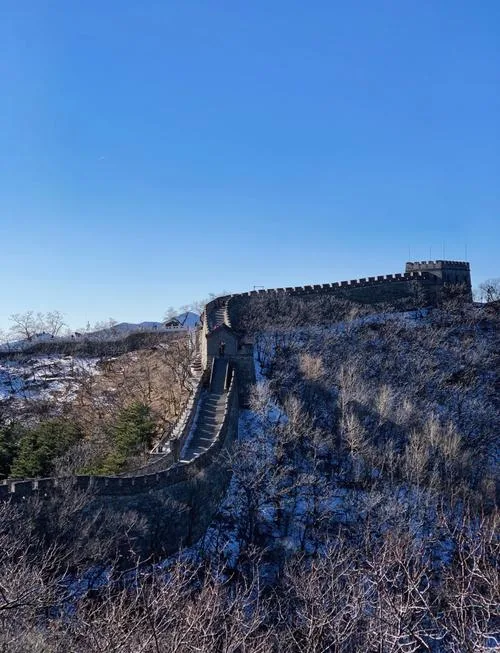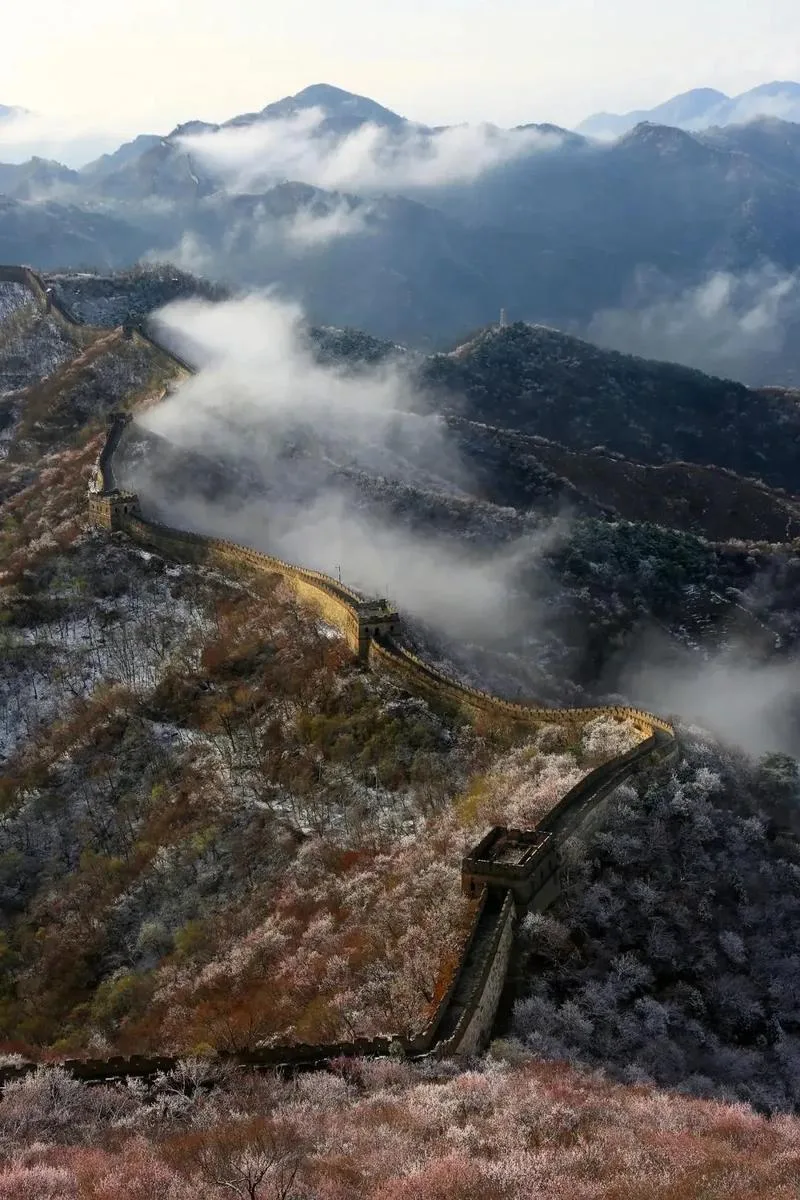
Author Archives: Great Wall of China Travel Guide

About Great Wall of China Travel Guide

I have a deep passion for the Great Wall of China and have explored many of its sections, from the well-known to the hidden wild parts. Over the years, I’ve studied its history, architecture, and the legends that surround it. Through my writing, I hope to share this knowledge and help travelers see the Great Wall not just as a landmark, but as a symbol of China’s culture and strength.

Mutianyu Great Wall cable car and toboggan facilities

How to Explore Mutianyu Great Wall Easily

Mutianyu Great Wall is usually the best first Great Wall section for English-speaking visitors staying in Beijing. It is scenic, restored, easier to manage than wild-wall routes, and usually less overwhelming than Badaling during busy domestic travel periods. If this is your first Great Wall trip and you want a balanced mix of classic views, manageable walking, cable-car options, and flexible timing, Mutianyu should be near the top of your list.

This guide is written for travelers who want to enjoy Mutianyu without overcomplicating the day. It explains who should choose Mutianyu, how long to allow, which uphill/downhill options make sense, where to walk, what to check before departure, and how Mutianyu compares with other Beijing-area Great Wall sections.

Quick Planning Snapshot

  • Best for: first-time foreign visitors, families, couples, seniors who can handle some steps, and travelers who want good views with manageable logistics.
  • Time needed: usually a half-day to relaxed full-day trip from Beijing, depending on transport and walking pace.
  • Main appeal: restored wall, mountain scenery, cable car, chairlift, toboggan, and less intense crowd pressure than Badaling on many days.
  • Main caution: weekends, Chinese public holidays, rain, high winds, and ticketing rules can change the experience quickly.
  • Best next step: pair this guide with the Beijing to Mutianyu transport guide before finalizing your route.

Why Mutianyu Works Well for Inbound Travelers

Mutianyu solves the biggest problem many international visitors face: they want the Great Wall to feel impressive, but they do not want the day to become stressful. Badaling is more famous and easier to reach by some public-transport routes, but it can feel more crowded and tour-group oriented. Jiankou, Gubeikou, and Jinshanling can be more dramatic, but they require more route knowledge, hiking confidence, or travel time.

Mutianyu sits in the middle. It gives you a restored, photogenic wall section with strong mountain views and practical facilities, while still feeling more relaxed than the most crowded Beijing-area option. That is why it is often the safest recommendation for visitors who only have one Great Wall day. For a direct comparison, see the Badaling vs Mutianyu guide.

Cable Car, Chairlift, and Toboggan Choices

Mutianyu is easier to customize than many Great Wall sections because you do not have to walk all the way up and down the mountain. Visitors usually choose between a cable car, a chairlift, and the toboggan-style descent. Exact operating arrangements can change by season, weather, maintenance, or crowd-control needs, so check the official scenic-area information before your trip.

The cable car is the simplest choice for most first-time visitors. It is enclosed, efficient, and works well for travelers who want to save energy for walking on the wall itself. The chairlift and toboggan combination feels more playful and is popular with families and visitors who want a more memorable downhill experience, but it is not ideal for everyone. If you dislike exposed rides, have mobility concerns, or are traveling in bad weather, choose the more conservative option.
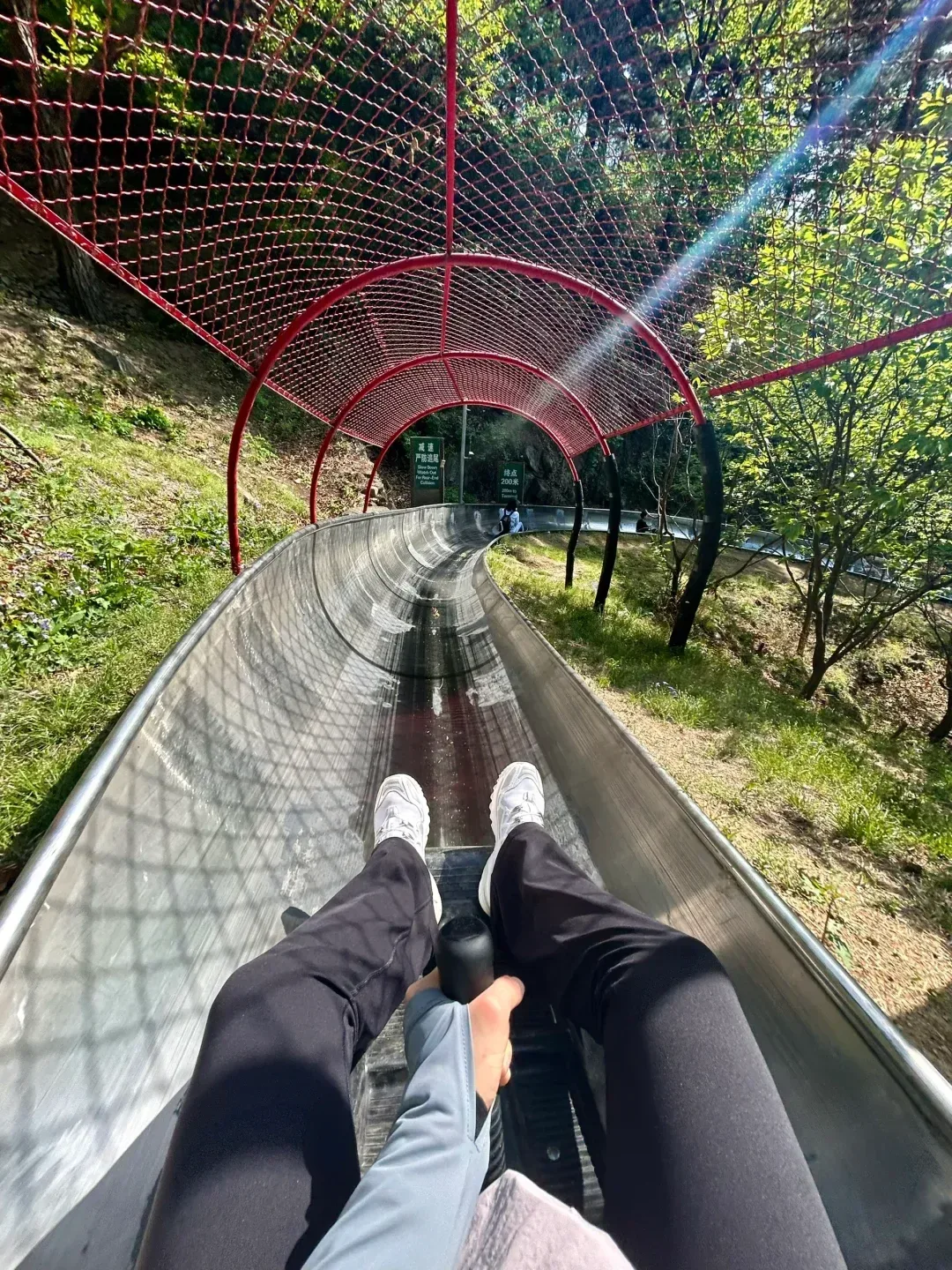
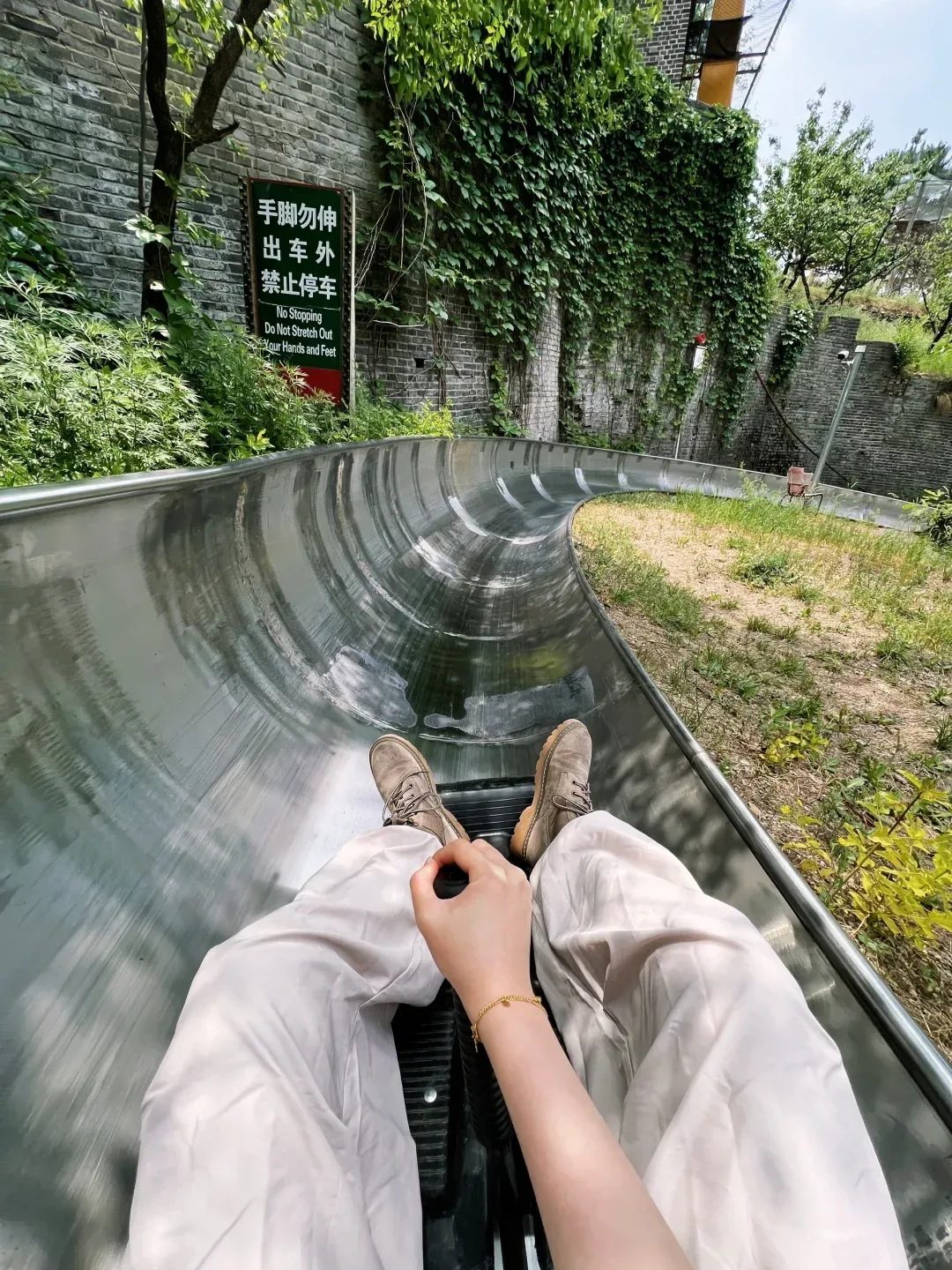
Riding the Mutianyu Great Wall slide rail down the hill
The Mutianyu slide rail is one of the reasons families often choose this section.

Where to Walk on the Wall

Do not try to cover every tower unless you specifically want a long walk. A better first-visit plan is to choose a manageable route, stop often, and enjoy the views. The restored paths still include many steps, uneven surfaces, and exposed sections, so the wall can feel harder than it looks in photos.

For most visitors, the best experience is a loop or partial out-and-back route that starts from the upper station, walks through several towers, and returns before fatigue becomes the main memory of the day. Photographers may want to keep moving toward less crowded viewpoints, while families should prioritize shorter sections, shade breaks, and a relaxed descent.
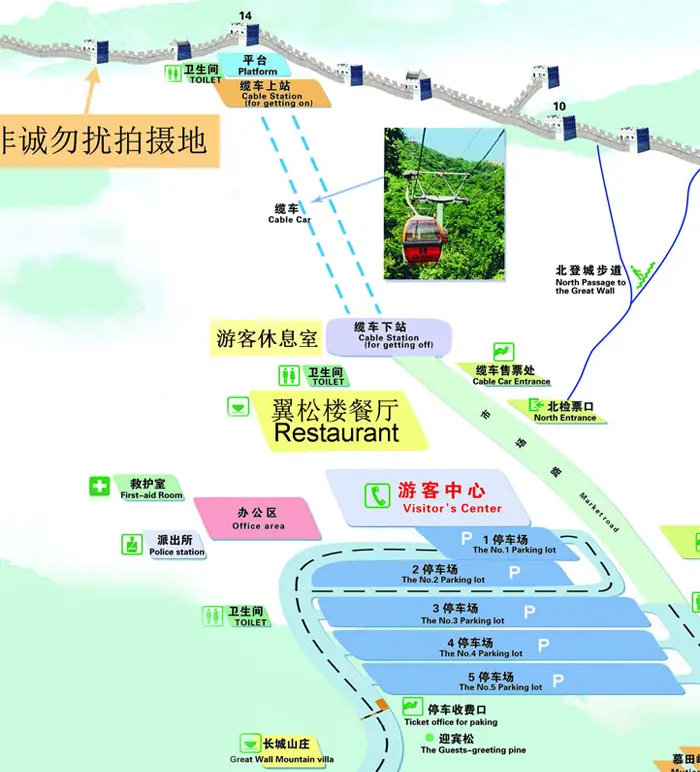
Visitor map showing the Mutianyu Great Wall route and towers
Use the site map and tower layout to choose a realistic route instead of trying to walk the entire restored section.

Recommended First-Visit Itinerary

Start early from Beijing, especially on weekends or during spring and autumn travel peaks. Arrive before the main late-morning crowd if possible. After entering the scenic area, take the shuttle and uphill option that best fits your group. Spend your best energy walking on the wall, not climbing the approach road.

A practical route is to ride up, walk several towers in the direction with the best visibility and lower crowd pressure, pause for photos, then return before you feel rushed. If you want a more active day, extend the walk carefully, but do not underestimate the steps. After descending, allow time for food, rest, and transport back to Beijing. If you are visiting in May, also read the Mutianyu in May planning guide.

Transport from Beijing

Mutianyu is commonly visited as a day trip from Beijing. The easiest option for many inbound travelers is a private transfer or organized day tour, especially if you are traveling with family, arriving after a long flight, or nervous about language and payment details. Public transport can also work, but routes, departure points, and ticketing details should be checked close to your travel date.

Do not choose transport only by the cheapest headline price. Consider the full day: hotel location, transfer time, how early you can start, return flexibility, and how much uncertainty you are willing to handle. For detailed transport planning, use the Beijing to Great Wall transport overview and the dedicated Beijing to Mutianyu guide.

When to Visit Mutianyu

Spring and autumn are usually the best seasons for Mutianyu because temperatures are more comfortable and the scenery is stronger than in deep winter or midsummer haze. May can be excellent if you avoid the Labor Day holiday rush. October can be beautiful, but the National Day holiday period can create heavy demand. Winter is quieter and visually stark, but cold wind and icy steps can affect comfort and safety.

For seasonal planning across the site, start with the best time to visit the Great Wall. For day-of preparation, check weather, wind, and scenic-area notices before leaving Beijing.
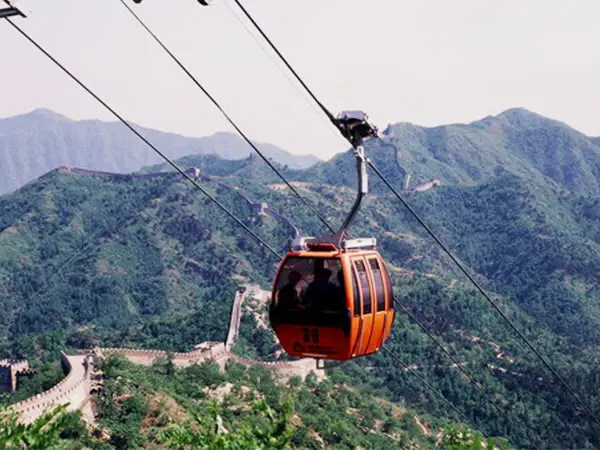
Mutianyu Great Wall cable car line over the valley
Mutianyu cable routes climb through green valleys before reaching the wall.

Who Should Not Choose Mutianyu?

Mutianyu is not the best choice for every traveler. If your top priority is the most famous name and the broadest official infrastructure, Badaling may still make sense. If your main goal is serious hiking or photography, Jinshanling or a properly planned Gubeikou-Jinshanling route may be stronger. If you want an overnight resort-style Great Wall experience, Simatai and Gubei Water Town may fit better.

For most first-time foreign visitors, though, Mutianyu remains the safest default. It gives you a classic Great Wall day with fewer planning risks than wild-wall routes and a calmer feel than the busiest domestic-tour section on many days.

Before-You-Go Checklist

  • Check official scenic-area notices before departure.
  • Confirm your uphill/downhill option is operating, especially in poor weather.
  • Start early on weekends, holidays, and peak spring/autumn days.
  • Wear shoes with grip; the restored wall still has steep and uneven steps.
  • Bring water, sun protection, and a light layer for wind on the ridge.
  • Keep your walking plan shorter if traveling with children, seniors, or anyone with knee or mobility concerns.

Practical Verdict

Mutianyu is the best all-around Great Wall choice for many foreign first-time visitors to Beijing. It is scenic, flexible, easier to plan than hiking-focused sections, and usually less overwhelming than Badaling. Choose it when you want a classic Great Wall experience with enough comfort and structure to make the day feel smooth.

Sources Checked

Related Great Wall comparison

For a safety-focused comparison of restored Mutianyu and wild Jiankou, see Mutianyu Great Wall or Jiankou Great Wall.

Badaling Great Wall cable cars over green mountains

Great Wall Accessibility for Seniors and Wheelchair Users

The Great Wall can be meaningful for seniors and travelers with mobility limits, but it is not an easy attraction by default. Most sections were built on steep ridges, with uneven stone, stairs, slopes, and exposed weather. The realistic goal is not to “climb the Great Wall” in a heroic way; it is to choose the section, transport, and walking plan that let you safely experience the view.

Information check: this accessibility guide was reviewed on May 13, 2026. Barrier-free routes, elevators, cable cars, shuttle rules, and assistance procedures can change. Contact the scenic area or your transport provider before visiting if wheelchair access, step-free movement, or medical support is essential.

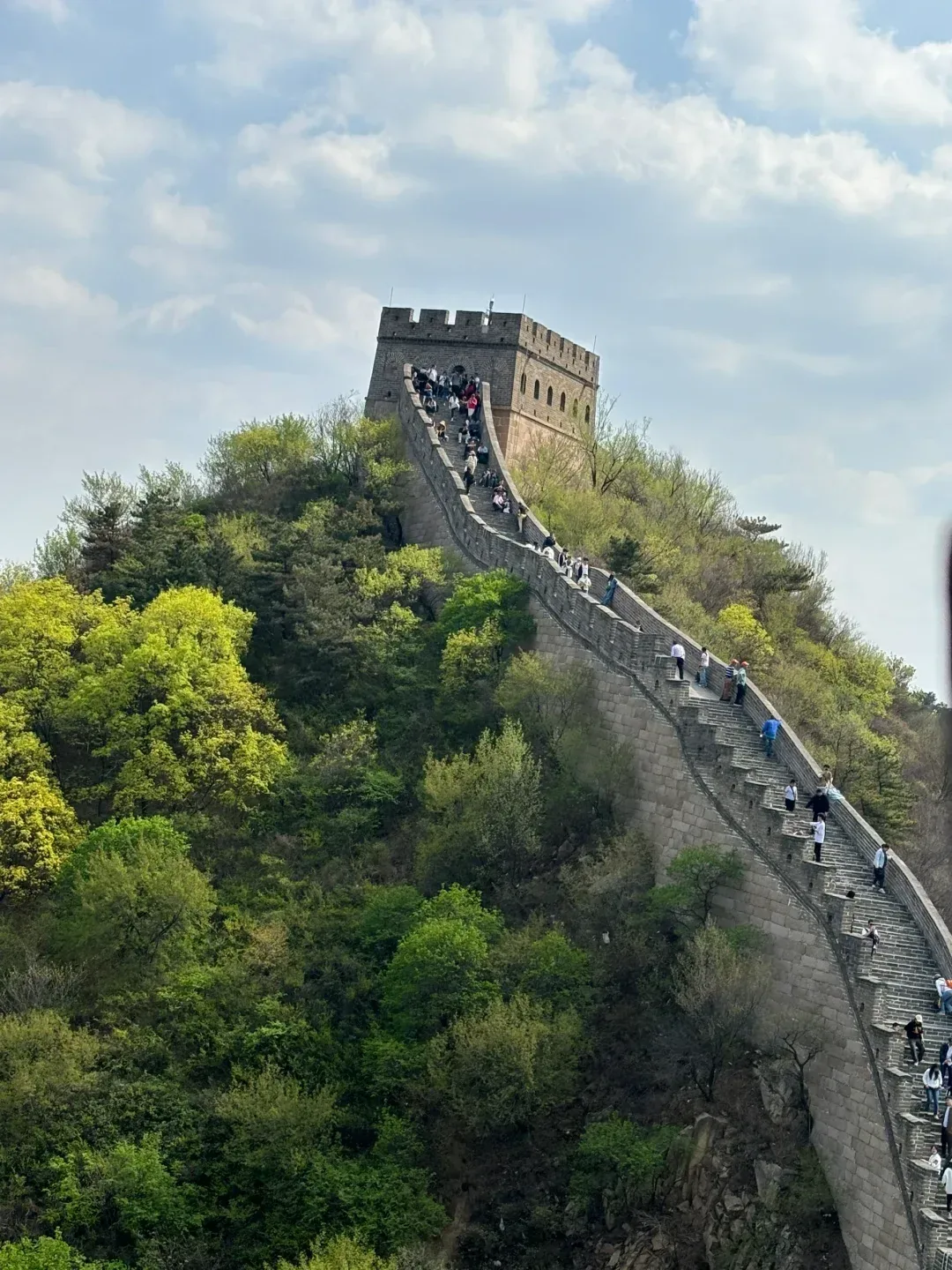
Badaling Great Wall steep stone steps and watchtower
Even accessible sections can include steep steps and crowded slopes.

Quick Planning Snapshot

  • Best wheelchair-oriented choice: Badaling, because it has the strongest barrier-free infrastructure near Beijing.
  • Best calmer first visit for many seniors: Mutianyu, if the visitor can manage some steps and cable-car transitions.
  • Avoid for limited mobility: Jiankou, Gubeikou, Jinshanling long hikes, and other wild or remote wall routes.
  • Transport priority: private car or accessible van, with a driver who can wait and adjust timing.
  • Key rule: check the exact current access route before arrival; do not rely only on old blog posts or generic tour descriptions.

Badaling: Most Practical for Wheelchair Access

Badaling is the most developed Great Wall section near Beijing and the best place to start if wheelchair access is the deciding factor. It has stronger visitor infrastructure than wilder sections, and it is easier to arrange transport, staff assistance, and a shorter viewing experience. The accessible area is limited, but it can still give visitors a real Great Wall view without forcing a long climb.

The main caution is crowd pressure. Badaling can be very busy with domestic tour groups, especially on weekends, public holidays, and school breaks. For seniors, wheelchair users, or anyone moving slowly, an early arrival and a conservative route matter more than trying to cover the longest possible distance.

Badaling Great Wall cable cars over green mountains
Cable transport can reduce climbing, but route choice still matters for mobility planning.
For accessibility, transport simplicity is as important as the wall section itself.
_MAP

Mutianyu: Calmer, But Not Fully Step-Free

Mutianyu is often the better first Great Wall experience for foreign visitors because it is scenic, less crowded than Badaling, and easier to enjoy at a slower pace. For seniors who can walk short distances and handle some steps, it can be a very good choice. The cable car can reduce the climb, and the restored wall is easier to understand than a wild section.

For full wheelchair users, Mutianyu is more complicated. Cable-car access, platform transitions, and the final movement onto the wall may still involve steps, slopes, staff help, or wheelchair transfer. If step-free access is essential, confirm details with the official scenic area before booking. Use the Mutianyu visitor guide and the Mutianyu opening-hours guide together before deciding.

Badaling Great Wall winter ridge with visitors
Crowd levels and walking surfaces matter as much as cable access for senior and mobility planning.
Mutianyu can work well for seniors who can manage some steps, but it is not always fully step-free.

Juyongguan and Other Sections

Juyongguan can work as a shorter visual stop for some travelers, but it is not usually the best full accessibility choice. Jinshanling, Gubeikou, Jiankou, Huanghuacheng, and other hiking-focused sections are poor fits for wheelchair users and most travelers with serious mobility limits. They can involve steep terrain, rough stones, limited facilities, and more difficult rescue or exit logistics.

How to Choose the Right Section

Traveler NeedBetter ChoiceWhy
Wheelchair access is essentialBadalingStronger barrier-free infrastructure and visitor services
Senior can walk short distancesMutianyu or BadalingBoth have facilities; Mutianyu is often calmer
Minimal crowds matter mostMutianyu on a non-holiday weekdayUsually less intense than Badaling
Hiking ability is limitedA short restored-wall planAvoid wild-wall hikes and long ridge routes

Transport and Timing Advice

For seniors and wheelchair users, transport is part of accessibility. Public transport can be cheap, but it adds walking, transfers, uncertainty, and pressure on the return. A private car, accessible van, or carefully arranged driver is usually worth the extra cost when mobility is limited. Compare route options in the Beijing to Great Wall transport guide.

Before-You-Go Checklist

  • Confirm the exact current accessible route with the scenic area or tour provider.
  • Choose a weekday morning if possible, avoiding Chinese public holidays.
  • Bring a companion who can help with bags, slopes, queues, and communication.
  • Keep the route short and leave energy for the return journey.
  • Check weather. Rain, ice, heat, and wind can make even restored sections difficult.

Sources Checked

How to choose an accessible Great Wall section

Accessibility at the Great Wall is about reducing friction, not removing every difficulty. Even restored sections can involve slopes, crowds, transfers, and uneven surfaces. Badaling often has stronger official infrastructure, while Mutianyu may feel calmer but still requires careful planning around shuttles, cable transport, and walking distance.

Questions to answer before booking

  • Can the traveler handle stairs, slopes, or only flat areas?
  • Is a wheelchair needed throughout, or only for distance?
  • Is cable transport acceptable?
  • How much crowding can the traveler tolerate?
  • Where is the closest practical drop-off or rest point?

For seniors, the best route is usually the route with fewer surprises, not the route with the most famous name.

For current access, closures, weather impact, and local route rules, check official scenic-area notices, local government information, or transport operators before leaving. Commercial tour-company pages are not used as public sources.

n

Related family planning guide

For a family-specific comparison of the two most common first-visit sections, see Mutianyu Great Wall or Badaling Great Wall with Kids.

n

Related family planning guide

For families comparing Mutianyu with a closer pass-style section, see Mutianyu Great Wall or Juyongguan Great Wall with Kids.

Related Great Wall comparison

For a safety-focused comparison of restored Mutianyu and wild Jiankou, see Mutianyu Great Wall or Jiankou Great Wall.

Rugged Jiankou Great Wall hiking terrain

Jiankou-Mutianyu Great Wall Hiking Route

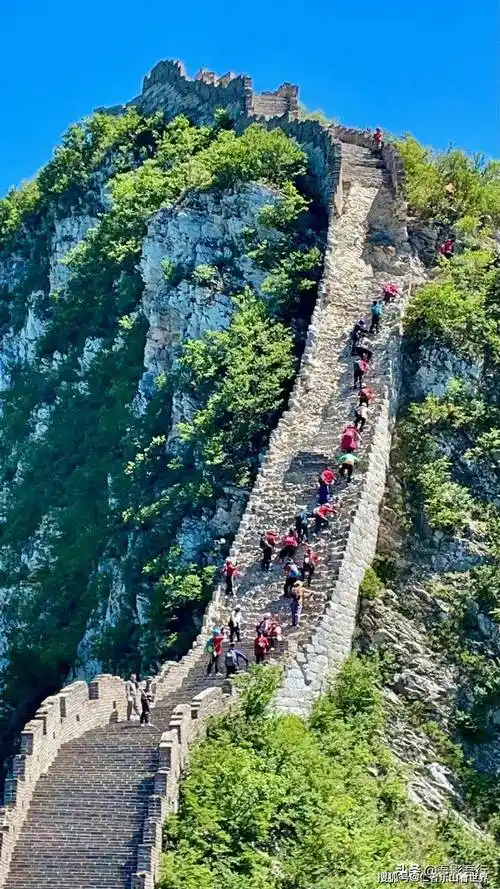
The Jiankou to Mutianyu route is one of the most famous Great Wall hikes near Beijing, but it should not be treated as a normal sightseeing walk. Jiankou is an unrestored wild-wall area with steep slopes, loose stone, exposure, and limited formal facilities. Mutianyu, by contrast, is restored and visitor-friendly. The appeal of the route is this contrast, but the risk is real.

Information check: this hiking guide was reviewed on May 13, 2026. Wild-wall access, conservation rules, local enforcement, route conditions, and weather safety can change. Do not enter closed, restricted, or unsafe sections. If you are not an experienced hiker, use a legal guided route or choose Mutianyu Great Wall instead.

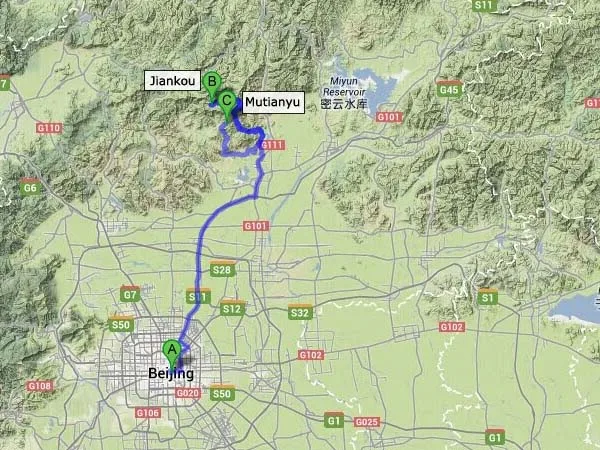
Jiankou to Mutianyu Great Wall hiking route map
The Jiankou-Mutianyu route links wild wall terrain with Mutianyu’s restored visitor section.

Quick Planning Snapshot

How to treat Jiankou-Mutianyu as a route

Jiankou-Mutianyu is not a casual Great Wall walk. Jiankou is famous for dramatic wild-wall scenery, but it is also steep, unrestored, and riskier than developed scenic sections. The route should be presented with safety first, not as a bucket-list shortcut for every visitor.

Who should consider this route?

Only experienced hikers with proper planning, local route knowledge, suitable weather, and realistic fitness should consider it. Most foreign first-time visitors should choose Mutianyu without adding Jiankou. Families, older travelers, and visitors uncomfortable with exposure should avoid the wild-wall portion.

Safety notes

Do not attempt Jiankou in rain, snow, ice, strong wind, or poor visibility. Do not climb unstable towers or broken wall edges. If there is any doubt about legality, weather, or route condition, choose the restored Mutianyu section instead.

For current access, closures, weather impact, and local route rules, check official scenic-area notices, local government information, or transport operators before leaving. Commercial tour-company pages are not used as public sources.

Route decision rule

Choose Jiankou-Mutianyu only if you are comfortable with wild-wall risk and have a conservative plan. If you mainly want Mutianyu scenery, visit Mutianyu directly. Adding Jiankou should never be treated as an automatic upgrade; it changes the safety profile of the whole day.

Bottom line

Jiankou-Mutianyu should be treated as a serious wild-to-restored route, not a casual upgrade to Mutianyu. The safest recommendation for most foreign first-time visitors is to visit Mutianyu directly. Add Jiankou only when the traveler has the skill, conditions, and local route confidence to justify the risk.

Related planning guides

Related Great Wall comparison

For a safety-focused comparison of restored Mutianyu and wild Jiankou, see Mutianyu Great Wall or Jiankou Great Wall.
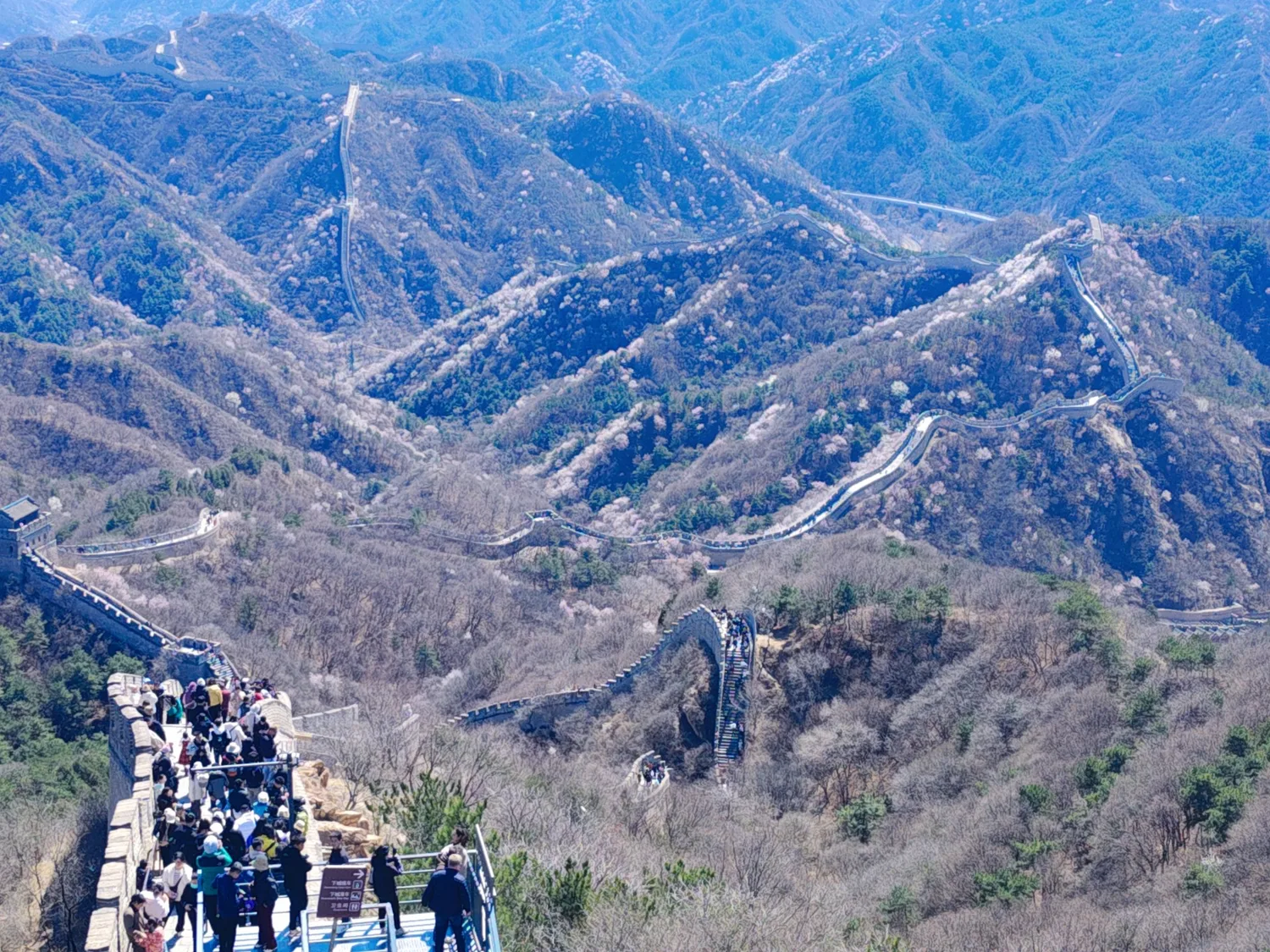
For another less-restored hiking option, review the Wohushan Great Wall hiking route before assuming it is suitable for a casual day trip.

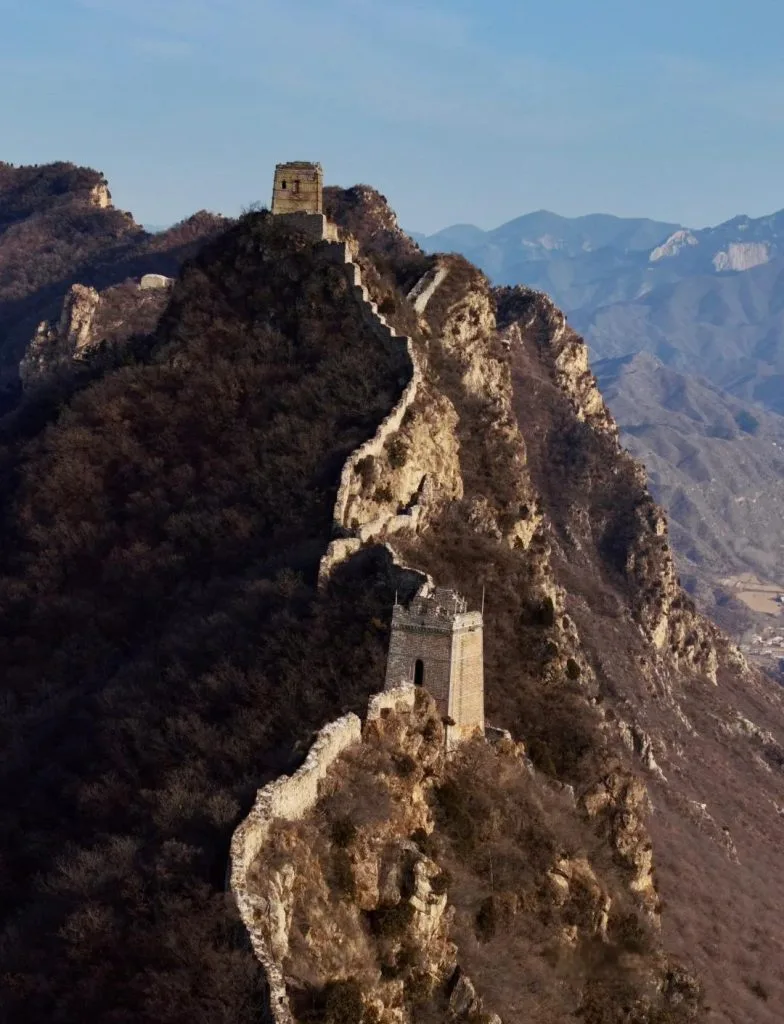
Gubeikou Great Wall watchtower on a dry ridge

Gubeikou-Jinshanling Great Wall Hiking Route

The Gubeikou to Jinshanling hike is one of the strongest Great Wall routes for travelers who want mountain views, history, and fewer crowds without going straight into the most dangerous wild-wall terrain. It is still a real hike, not a casual attraction walk. The route includes unrestored or partly restored wall, village paths, exposed ridges, and an important off-wall detour around a restricted military area.

Information check: this guide was reviewed on May 17, 2026. Route access, detour markings, local transport, and return options can change. Confirm current conditions before setting out, and do not enter restricted military or closed conservation areas.

Gubeikou Great Wall watchtower on a dry ridge
Gubeikou has rougher watchtower scenery than restored day-trip sections.

Quick Planning Snapshot

  • Best for: fit travelers, hikers, photographers, and repeat Great Wall visitors.
  • Not for: people seeking the easiest first visit, wheelchair access, or a short half-day plan.
  • Typical route logic: start from Gubeikou/Panlongshan and finish toward Jinshanling.
  • Key planning issue: a restricted military zone means you must leave the wall and use the legal detour.
  • Transport need: arrange pickup/drop-off carefully; this is not as simple as Badaling or Mutianyu.

Why Hikers Choose This Route

Gubeikou gives a stronger sense of military history and older wall texture than the heavily restored tourist sections. Jinshanling adds beautiful watchtowers, ridge views, and a more managed scenic-area finish. Together, the route feels varied: rougher wall, village-side detour, then more photogenic Jinshanling towers.

For inbound travelers who want a serious but manageable Great Wall hike, this can be a better fit than Jiankou. It still demands preparation, but the hiking logic is clearer and the Jinshanling end gives better visitor infrastructure.

Gubeikou Great Wall unrestored mountain section
Gubeikou feels more raw and historic than the heavily restored tourist sections.

The Military-Area Detour

The most important route note is the restricted military area between parts of Gubeikou and Jinshanling. You cannot legally or safely continue straight along the wall through that zone. Hikers must descend from the wall, follow the marked or locally used off-wall path, then reconnect toward Jinshanling. Treat this as a normal part of the hike, not an optional shortcut.

If signs, guards, or locals tell you to detour, follow the legal route. Do not climb fences, ignore restricted-area notices, or rely on old GPS tracks that show a direct wall route through the restricted section.

Jinshanling Great Wall towers and mountain ridges
Jinshanling gives a stronger scenic-area finish after the rougher Gubeikou side.

How Difficult Is It?

This is usually a moderate-to-strenuous day hike depending on weather, pace, route variant, and transport timing. Expect uneven footing, sun exposure, limited shade, and long stretches without easy shops. In hot weather, carry more water than you think you need. In winter or after snow, the detour and stone steps can become slippery enough to change the risk level completely.

If you want impressive views with easier logistics, consider a focused Jinshanling Great Wall day trip. If you want the easiest foreign-visitor route, compare with Mutianyu.

Transport and Timing

The biggest practical mistake is planning the hike without a confirmed return. You may start near Gubeikou and finish closer to Jinshanling, so a single round-trip bus plan may not fit. A private transfer, hiking shuttle, or guide can simplify the different start and end points. Independent travelers should confirm taxis, pickup points, and return timing before walking away from the village or entrance area.

Before-You-Go Checklist

  • Confirm the legal detour and current route condition before departure.
  • Arrange return transport before starting the hike.
  • Bring water, snacks, sun protection, wind layer, and shoes with grip.
  • Avoid heavy rain, thunder, snow, ice, and poor visibility.
  • Use the Great Wall packing guide and rainy-day guide before committing.

Sources Checked

How to treat Gubeikou-Jinshanling as a route

This is one of the stronger Great Wall hiking topics on the site because it connects old-wall atmosphere, mountain views, and a more serious walking plan. It should be written for active travelers, not casual first-time visitors. The route can be excellent, but only when access, weather, and transport are handled conservatively.

Who should consider this route?

Choose it if you want a real hiking day and can handle uneven steps, exposed ridges, and a longer transfer. Avoid it if you need easy facilities, wheelchair access, a simple family trip, or guaranteed short walking. If this feels too much, choose Jinshanling scenic-area walking or Mutianyu instead.

Safety notes

Do not enter restricted military or closed areas, and do not rely on old route descriptions without checking current conditions. Carry offline maps, water, sun protection, and a return plan. Weather exposure is part of the route.

For current access, closures, weather impact, and local route rules, check official scenic-area notices, local government information, or transport operators before leaving. Commercial tour-company pages are not used as public sources.

Route decision rule

Choose Gubeikou-Jinshanling only if the hiking itself is the goal. If your goal is simply to see the Great Wall, choose Jinshanling scenic-area walking or Mutianyu. The through-route should be treated as a more serious hiking day with more exposure, more uncertainty, and more need for current route information.

Bottom line

Gubeikou-Jinshanling is a hiking route first and a sightseeing route second. It rewards travelers who want distance, ridges, and older-wall atmosphere. It is not the right answer for every Great Wall visitor. If safety, weather, or current access is uncertain, choose Jinshanling scenic-area walking or Mutianyu instead.

Related Great Wall comparison

For travelers comparing a wall-first hiking day with a Simatai/Gubei evening plan, see Jinshanling Great Wall or Simatai Great Wall.

Chinese SIM card held outdoors for mobile data

How to Get Internet in China for Tourists

Reliable internet in China is essential for maps, translation, train tickets, ride-hailing, hotel communication, and Great Wall transport. Do not leave it until you are already standing outside Beijing trying to find your driver. The best choice depends on your phone, trip length, group size, and whether you need access to international apps during the trip.

Information check: this guide was reviewed on May 14, 2026. SIM registration, eSIM availability, roaming rules, app access, and airport counters can change. Check your carrier and official travel channels before departure.

Chinese SIM card held outdoors for mobile data
A local SIM card can help with maps and translation apps during a Great Wall day trip.

Quick Planning Snapshot

  • Simplest option: international roaming or travel eSIM if your phone supports it and your provider confirms China service.
  • Local option: China SIM card, usually requiring passport registration.
  • Group option: pocket Wi-Fi, useful if several people share data.
  • Do not rely on: public Wi-Fi only, especially for Great Wall transport days.
  • Before arrival: download maps, translation, payment, railway, and hotel apps.

Option 1: Roaming or Travel eSIM

For many foreign visitors, roaming or a travel eSIM is the easiest setup because you can activate it before landing. It can also reduce the need to visit a local counter after a long flight. The weak points are phone compatibility, speed limits, hotspot rules, and whether your plan works well outside major city centers.

Option 2: Local SIM Card

A local SIM can be useful for longer trips, but expect real-name registration with passport information. Buy from official carrier counters or trusted airport/store channels rather than random sellers. Do not write your plan around an old online price list; packages change often.

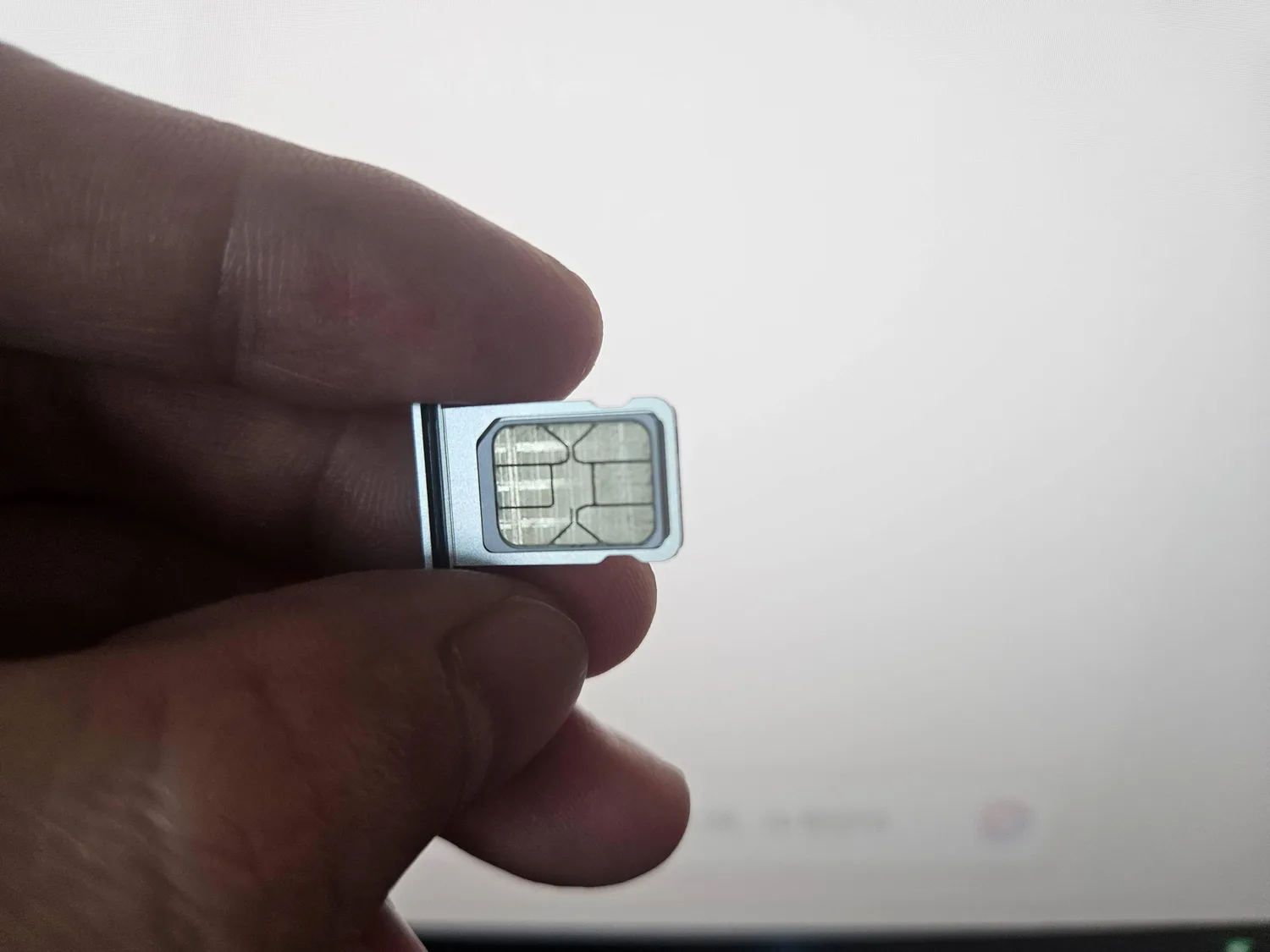
Close view of a SIM card for travel phone setup
A physical SIM card is still one option for tourists who need data access.

Great Wall Day Trip Advice

For a Great Wall day from Beijing, download your route, hotel address, driver contact, ticket confirmation, and return plan before you leave. At popular restored sections such as Mutianyu and Badaling, mobile service is usually much better than on remote or wild-wall hikes. For more detail, read network signals on the Great Wall.
Before-You-Go Checklist

  • Check whether your phone is unlocked and supports eSIM if needed.
  • Install apps before departure and save offline maps.
  • Keep passport details available for SIM registration if buying locally.
  • Carry a power bank on Great Wall days.
  • Confirm how you will contact your driver or hotel if mobile data fails.

Apps to Prepare Before Arrival

Install your essential apps before you fly: a China-compatible map app, translation, hotel booking, airline, railway, and payment apps. If you plan to use WeChat, Alipay, or ride-hailing, set them up before your Great Wall travel day. Some apps require SMS verification, so do not wait until you have already changed SIM cards or left your hotel Wi-Fi.

For the Great Wall specifically, save Chinese names such as 慕田峪长城 for Mutianyu, 八达岭长城 for Badaling, and 司马台长城 for Simatai. This helps drivers, hotel staff, and ticket counters even if English translation is imperfect.

International App Access

Some international websites and apps may not work the same way inside mainland China as they do at home. Roaming and travel eSIM behavior can also differ by provider. Check your provider’s China policy before departure and keep hotel addresses, train tickets, and driver contacts available offline.

Sources Checked

Internet planning before a Great Wall day

Set up your phone before the day trip, not at the wall. Test mobile data in Beijing, confirm map access, save offline details, and make sure messaging or payment apps work as expected. A Great Wall parking area or ridge is the wrong place to solve SIM, roaming, or app problems.

SIM, eSIM, roaming, and Wi-Fi

Different travelers will use different solutions: international roaming, local SIM, eSIM where supported, hotel Wi-Fi, or portable hotspot. The best choice depends on phone compatibility, length of stay, and whether your apps work normally in China. Avoid promising one universal solution.

What to save offline

Save your passport hotel registration details, hotel address in Chinese, Great Wall section name, ticket confirmation, driver contact, pickup point, and return route. If mobile data fails, these screenshots still help you communicate.

For current transport, ticket, opening, and seasonal rules, check official scenic-area channels, local government notices, or transport operators before visiting. Commercial tour-company pages are not used as public sources.

Phone screen showing eSIM setup for mobile data in China
An eSIM setup screen is useful to prepare before relying on mobile data in China.

What can change by traveler

There is no single best internet setup for every visitor. A short-stay traveler may prefer roaming or eSIM if supported. A longer-stay traveler may consider a local SIM. Some travelers need reliable access to maps and messaging; others need payment and work apps. The right choice depends on phone compatibility, trip length, app needs, and whether you can set everything up before arrival.

China app preparation

Install and test essential apps before the Great Wall day. Save offline maps, hotel addresses, transport screenshots, and emergency contacts. If you use translation apps, download offline language packs where possible. If you rely on messaging, confirm it works in China before leaving central Beijing.

Great Wall day checklist

  • Test mobile data in Beijing.
  • Save the Chinese name of your chosen section.
  • Screenshot tickets and pickup points.
  • Carry a power bank.
  • Do not depend on live signal for route safety.

Travel note

Internet planning should be checked before leaving the hotel, not after reaching the wall. Save offline maps, ticket details, hotel addresses, and transport notes in advance. Signal can be usable in developed areas, but ridges, valleys, crowds, and roaming settings can still create problems.

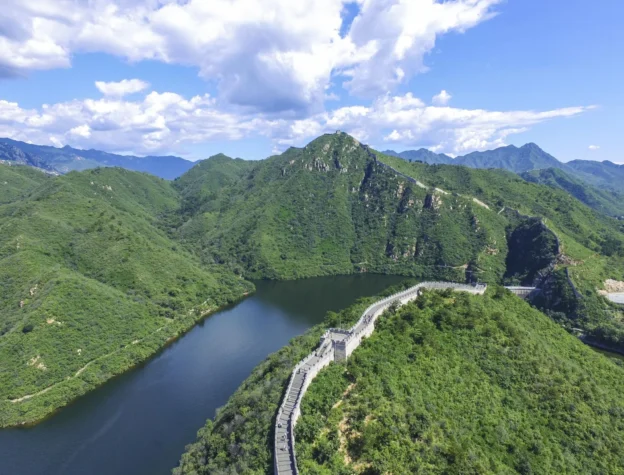
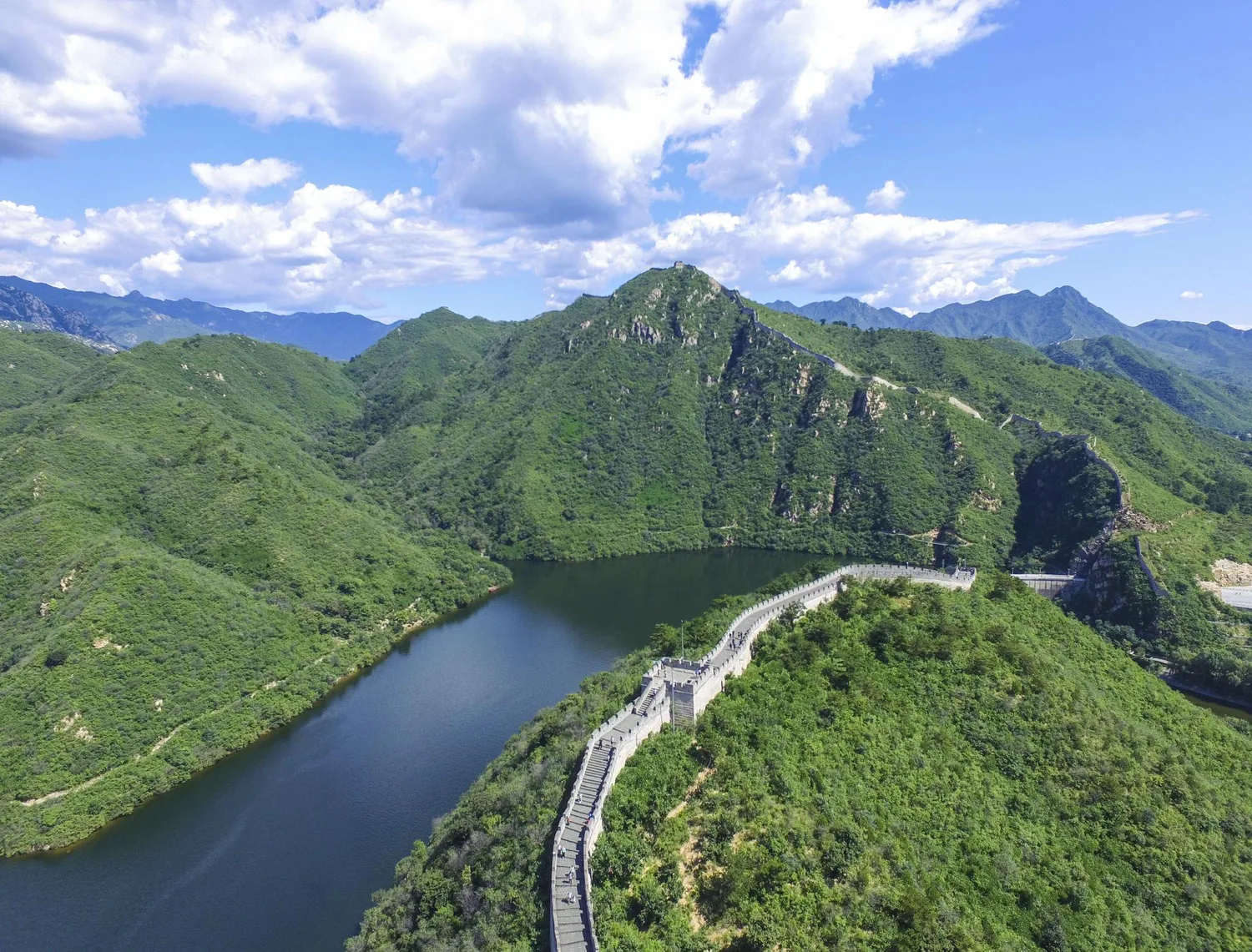
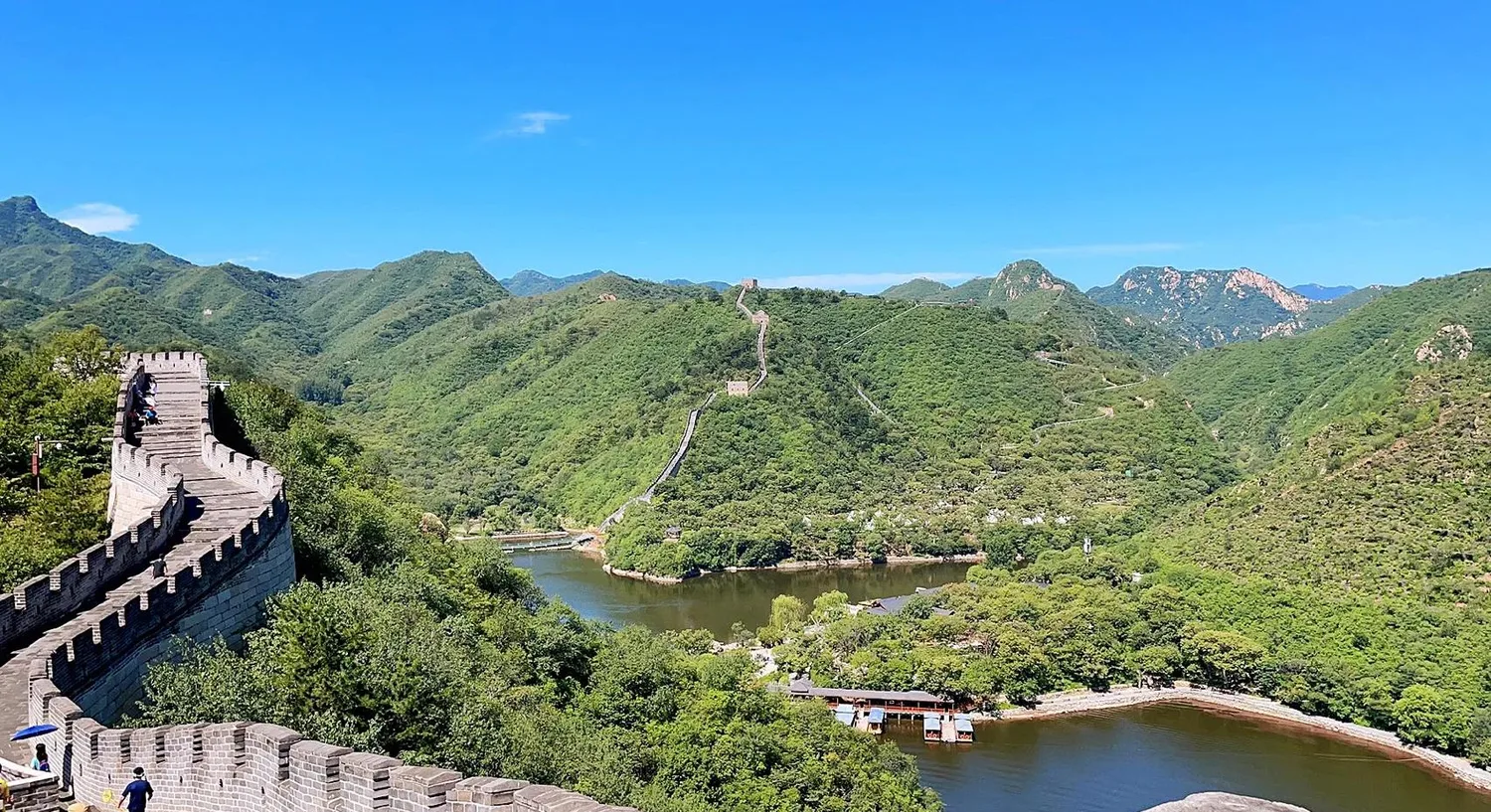
Wide lake view at Huanghuacheng Water Great Wall

Hiking Route: Huanghuacheng Water Great Wall

Huanghuacheng Water Great Wall is one of the more unusual Great Wall day trips near Beijing because the wall, reservoir, hills, and village scenery sit together in one landscape. It is a better fit for travelers who want a scenic walk and photo stops than for people chasing the most famous restored wall experience. For first-time foreign visitors, Mutianyu is usually easier; Huanghuacheng is more of a second-section or quieter-day option.

Information check: this guide was reviewed on May 13, 2026. Scenic-area access, boat operations, shuttle rules, and weather-related closures can change. Check current official or local notices before visiting, especially after rain or during holiday periods.

Huanghuacheng Water Great Wall beside the lake in Huairou
Huanghuacheng is most distinctive when the Great Wall and reservoir scenery are seen together.

Quick Planning Snapshot

  • Best for: travelers who want lake views, quieter scenery, and a gentler Great Wall day outside central Beijing.
  • Not best for: visitors who want the easiest first Great Wall trip or strong English tourist infrastructure.
  • Main appeal: the wall, water, and mountain setting together.
  • Planning style: full or relaxed half-day from Beijing, depending on transport.
  • Compare with: Mutianyu Great Wall if this is your first Great Wall visit.

What Makes Huanghuacheng Different

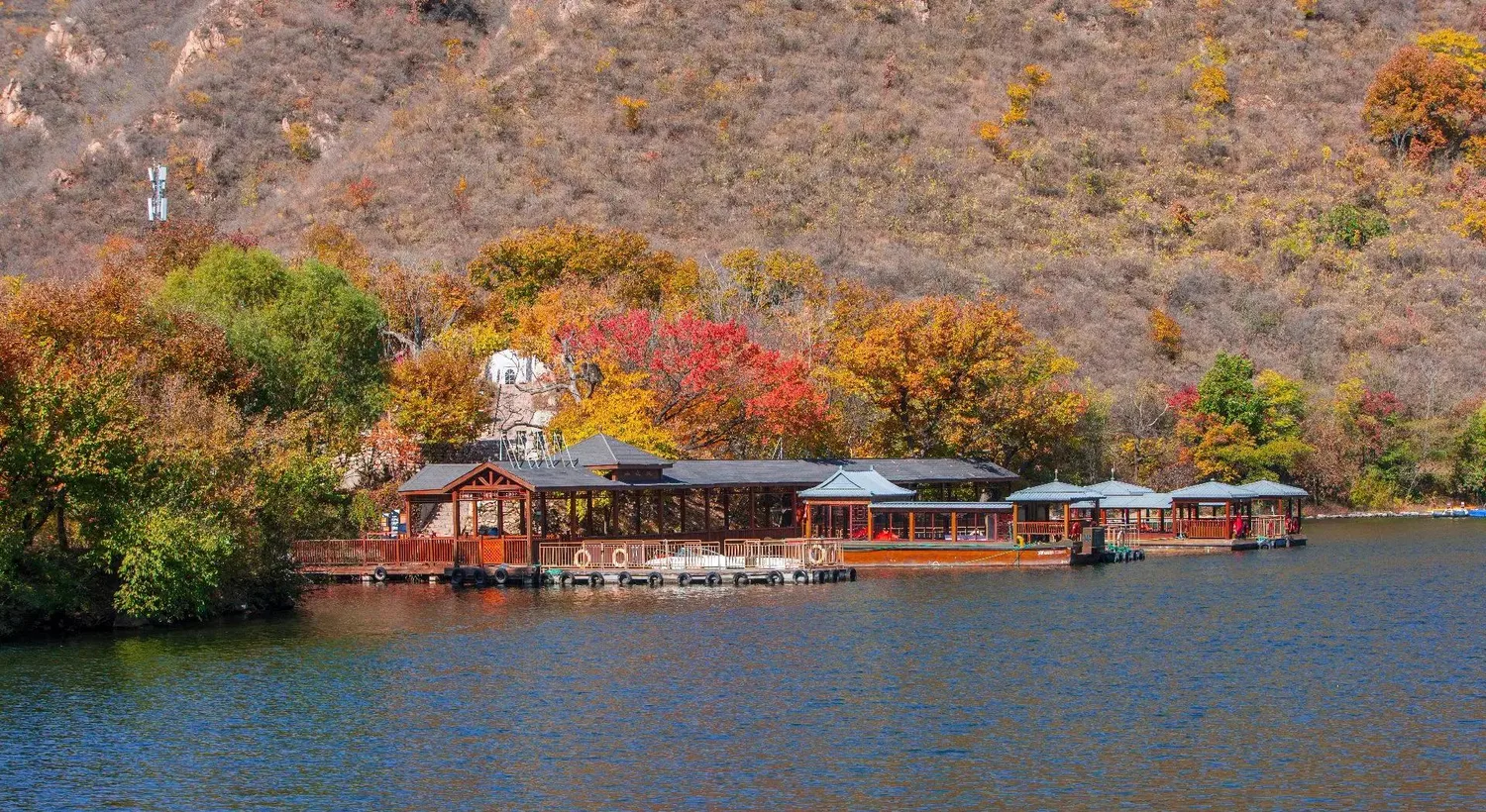
Most Great Wall sections are defined by ridgelines, towers, and steps. Huanghuacheng adds water to that picture. Parts of the wall meet the reservoir landscape, creating a calmer visual experience than the big-name Beijing sections. It is not as polished as Badaling or as internationally familiar as Mutianyu, but that is part of the draw for travelers who have time to go beyond the default route.

The visit is best treated as a scenic outdoor day rather than a hard hike. Walk the safer restored or managed paths, stop for lake views, and avoid rough or closed side routes. Do not climb unmaintained wall just to get a better photo.

Huanghuacheng Great Wall ridge with spring blossoms
Use Huanghuacheng as a scenic outdoor day, not a risky wild-wall scramble.

Suggested Route and Timing

A sensible plan is to arrive late morning or early afternoon, walk the main scenic route, pause for the lake viewpoint, and leave enough time for the return drive before evening traffic. If you are arranging your own transport, confirm the pickup point and return timing before entering the scenic area.

For a more serious Great Wall hiking day, Huanghuacheng is not the strongest choice. Compare it with Gubeikou-Jinshanling or Jinshanling. For a first visit with easier logistics, use the Beijing to Great Wall transport guide.

Safety and Weather Notes

Huanghuacheng can feel relaxed, but it is still an outdoor mountain-and-water scenic area. Rain can make stone steps slippery, and poor visibility can reduce the value of the trip. Wear shoes with grip, carry water, and do not assume every path around the lake or wall is open to visitors.

Before-You-Go Checklist

  • Check current scenic-area access and weather before departure.
  • Choose private transfer or a confirmed route if you do not read Chinese transport apps confidently.
  • Bring water, sun protection, shoes with grip, and a light layer.
  • Stay on managed paths and avoid closed or rough wall sections.
  • If rain is likely, read the rainy-day Great Wall guide before committing.

Sources Checked

  • TravelChinaGuide Huanghuacheng guide for route and scenic-area context.
  • China Highlights Huanghuacheng overview for visitor-planning cross-checking.
  • Visit Beijing English portal for Beijing destination-planning context.
Huanghuacheng Water Great Wall beside the lake
Huanghuacheng Water Great Wall combines wall walking with lake scenery.

How to treat Huanghuacheng Water Great Wall as a route

Huanghuacheng is a useful alternative for travelers who want water-side scenery and a less standard Beijing-area wall plan. It should not replace Mutianyu as the default first recommendation for most foreign visitors, but it can work well for repeat visitors, photographers, or travelers with a private-transfer plan.

Who should consider Huanghuacheng?

Choose Huanghuacheng if you want a combination of wall, water, and quieter scenery. Avoid it if you need the most straightforward public transport or the broadest facilities. Weather matters because wet paths, lakeside conditions, and exposed wall sections can change the comfort of the visit.

Before-you-go checklist

  • Confirm the exact scenic area and entrance.
  • Check weather and water-side path conditions.
  • Save 黄花城水长城 in Chinese.
  • Bring water, sun protection, and shoes with grip.
  • Keep return transport simple and confirmed.

For current access, closures, weather impact, and local route rules, check official scenic-area notices, local government information, or transport operators before leaving. Commercial tour-company pages are not used as public sources.

How to fit Huanghuacheng into an itinerary

Huanghuacheng works well for travelers who want water-side Great Wall scenery without going as far as some Hebei or coastal routes. It can be a strong second Great Wall visit after Mutianyu or Badaling. For a first-time visitor with limited time, however, it requires more careful transport planning than the most mainstream sections.

What to avoid

Avoid visiting only because a photo looks unusual. Check the actual entrance, current route rules, weather, and return transport. Water-side scenery can be beautiful, but wet surfaces and changing path conditions make conservative planning important. Avoid late starts if you do not have private return transport arranged.

Bottom line

Huanghuacheng Water Great Wall is best for travelers who specifically want the wall-and-water setting. It can be beautiful, but it needs clearer transport planning than the most mainstream sections. If the weather is wet, visibility is poor, or return transport is uncertain, choose a simpler restored section and save Huanghuacheng for better conditions.

Plan it around conditions, not only photos.

That makes the visit safer and more enjoyable.

Related Great Wall section comparison

If you are deciding between a polished restored-wall visit and a quieter lakeside route, see Mutianyu Great Wall or Huanghuacheng Lakeside Great Wall.
Related Great Wall comparison

For travelers choosing between a lake-view Great Wall trip and a Simatai/Gubei evening plan, see Huanghuacheng Water Great Wall or Simatai Great Wall.
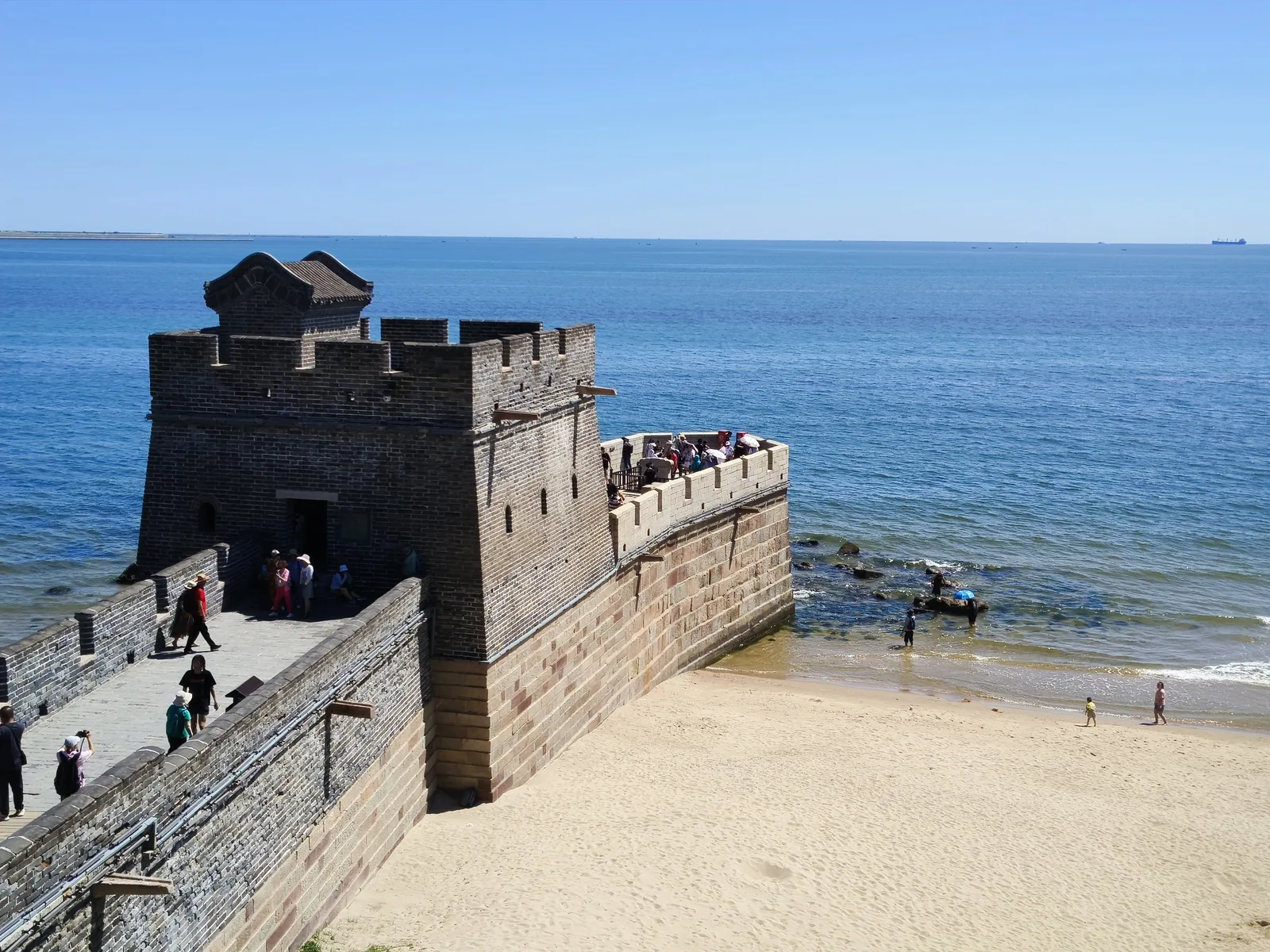
Laolongtou Shanhaiguan Great Wall coastal route scenery

Laolongtou and Shanhaiguan Great Wall: Coastal Route Guide

Laolongtou and Shanhaiguan are the best-known eastern Great Wall landmarks for travelers who want to see where the Ming Great Wall meets the Bohai Sea. This is less a rugged mountain hike and more a Qinhuangdao coastal-history route. It works best as part of a Shanhaiguan/Qinhuangdao stay, not as a rushed add-on to a Beijing Great Wall day.

Information check: this guide was reviewed on May 14, 2026. Scenic-area rules, opening details, local transport, and beach/coastal access can change. Check official/local Qinhuangdao and Shanhaiguan information before visiting.

Laolongtou Great Wall reaching the Bohai Sea
Laolongtou and Shanhaiguan work best as a coastal Great Wall route rather than a generic wall stop.

Quick Planning Snapshot

  • Best for: travelers interested in the eastern end of the Ming Great Wall and coastal history.
  • Not for: visitors who want a classic Beijing mountain-wall first visit.
  • Main bases: Shanhaiguan or Qinhuangdao.
  • Route style: scenic-area walking and city/coastal transfer, not remote hiking.
  • Pair with: Jiaoshan Great Wall if you want a steeper mountain section nearby.

What to See

Laolongtou, or Old Dragon Head, is famous because the wall reaches the sea. Shanhaiguan Pass adds the fortress and “First Pass under Heaven” context. Together they explain why the eastern Great Wall was not only a mountain defense line but also a coastal and pass-control system.

Laolongtou Shanhaiguan Great Wall coastal route scenery
Laolongtou is the coastal eastern-end experience, not a standard Beijing mountain-wall hike.

Planning Advice

Plan this route from Qinhuangdao or Shanhaiguan rather than from central Beijing unless you are staying overnight. Keep the day focused: Laolongtou, Shanhaiguan Pass, and possibly Jiaoshan if time and energy allow. Avoid vague claims about “hiking the whole route” unless you have confirmed the current pedestrian access and transport between points.

Before-You-Go Checklist

  • Confirm current opening, ticketing, and local transport.
  • Use sun and wind protection; coastal weather can change quickly.
  • Allow time for both Laolongtou and Shanhaiguan Pass.
  • Do not overpack the day with too many Qinhuangdao sights.
  • Save Chinese names: 老龙头 and 山海关.

How to Plan a Qinhuangdao Great Wall Day

A good Qinhuangdao Great Wall day usually starts with your main theme. If you want the eastern end and sea view, make Laolongtou the anchor. If you want pass history, focus on Shanhaiguan. If you want a mountain walk, add Jiaoshan. If you want a wilder route, consider Dongjiakou only after checking local access and transport.

For most foreign visitors, Laolongtou plus Shanhaiguan is the most balanced first Qinhuangdao Great Wall plan. It explains the sea, pass, and defense system without requiring a risky wild-wall hike. Jiaoshan can be added when you have enough daylight and energy.

Transport and Stay Advice

Do not treat Qinhuangdao routes as Beijing suburban trips. High-speed rail can make the region accessible, but local transfers and scenic-area timing still matter. Staying overnight in Qinhuangdao or Shanhaiguan gives a better experience than rushing back immediately after a long sightseeing day.

Sources Checked

  • TravelChinaGuide Laolongtou guide for eastern-end context.
  • China Highlights Laolongtou overview for visitor-planning cross-checking.
  • Hebei official English portal for regional context.
Aerial view of Laolongtou and the Shanhaiguan coast
A coastal overview helps explain why Laolongtou is paired with Shanhaiguan.

How to treat Laolongtou and Shanhaiguan as a route

Laolongtou and Shanhaiguan are strongest as an endpoint-history route. The appeal is different from Mutianyu or Jinshanling. Instead of a classic Beijing mountain-wall day, this route connects the eastern end of the Ming Great Wall, coastal scenery, and pass history around Qinhuangdao.

Who should consider this route?

Choose it if you are interested in the wall meeting the sea, Ming endpoint geography, or a Hebei/Qinhuangdao itinerary. Avoid it if you only have one day from Beijing and want the simplest first Great Wall visit. The travel value is high, but the logistics belong to a broader regional trip.

Before-you-go checklist

  • Decide whether the day focuses on Laolongtou, Shanhaiguan Pass, or both.
  • Check train and local transfer timing.
  • Save Chinese place names before leaving.
  • Allow time for coastal weather and walking between sites.
  • Do not compare it directly with Mutianyu; the experience is different.

For current access, closures, weather impact, and local route rules, check official scenic-area notices, local government information, or transport operators before leaving. Commercial tour-company pages are not used as public sources.

How to fit Laolongtou and Shanhaiguan into an itinerary

This route works best as a Qinhuangdao or Hebei coastal itinerary. It can be paired with Shanhaiguan Pass, Laolongtou, and nearby historical stops. It is less suitable as a rushed Beijing day trip because the travel time competes with the actual site experience. If the sea-endpoint story matters to you, give it enough time.

What to avoid

Avoid comparing Laolongtou directly with Mutianyu as if they answer the same travel question. Mutianyu is a first-visit mountain-wall route near Beijing. Laolongtou is an endpoint-history and coastal route. Avoid using generic Great Wall expectations; the value here is the meeting of wall, sea, and pass geography.

Bottom line

Laolongtou and Shanhaiguan are strongest for travelers who care about the eastern end of the Ming Great Wall and coastal pass history. They are not direct replacements for a first Beijing mountain-wall visit. Give the route enough time, keep the place names clear, and plan it as a Qinhuangdao-area historical day rather than a rushed add-on.

That framing keeps the page useful: Laolongtou is about endpoint history and coastal setting, not about replacing the classic Beijing mountain-wall visit.

It is best handled with a train-and-local-transfer plan or an overnight Qinhuangdao base, not as a late add-on.

Plan early.

Related Great Wall planning guides

For a broader endpoint explanation, read where the Great Wall starts and ends. If you are choosing between this coastal route and a Beijing first visit, compare Great Wall sections near Beijing and recommended Great Wall sections by traveler type. For practical logistics, use the Beijing-to-Great-Wall transport overview.

For a nearby Qinhuangdao route with a different ridge setting, see the Jiaoshan Great Wall hiking guide.

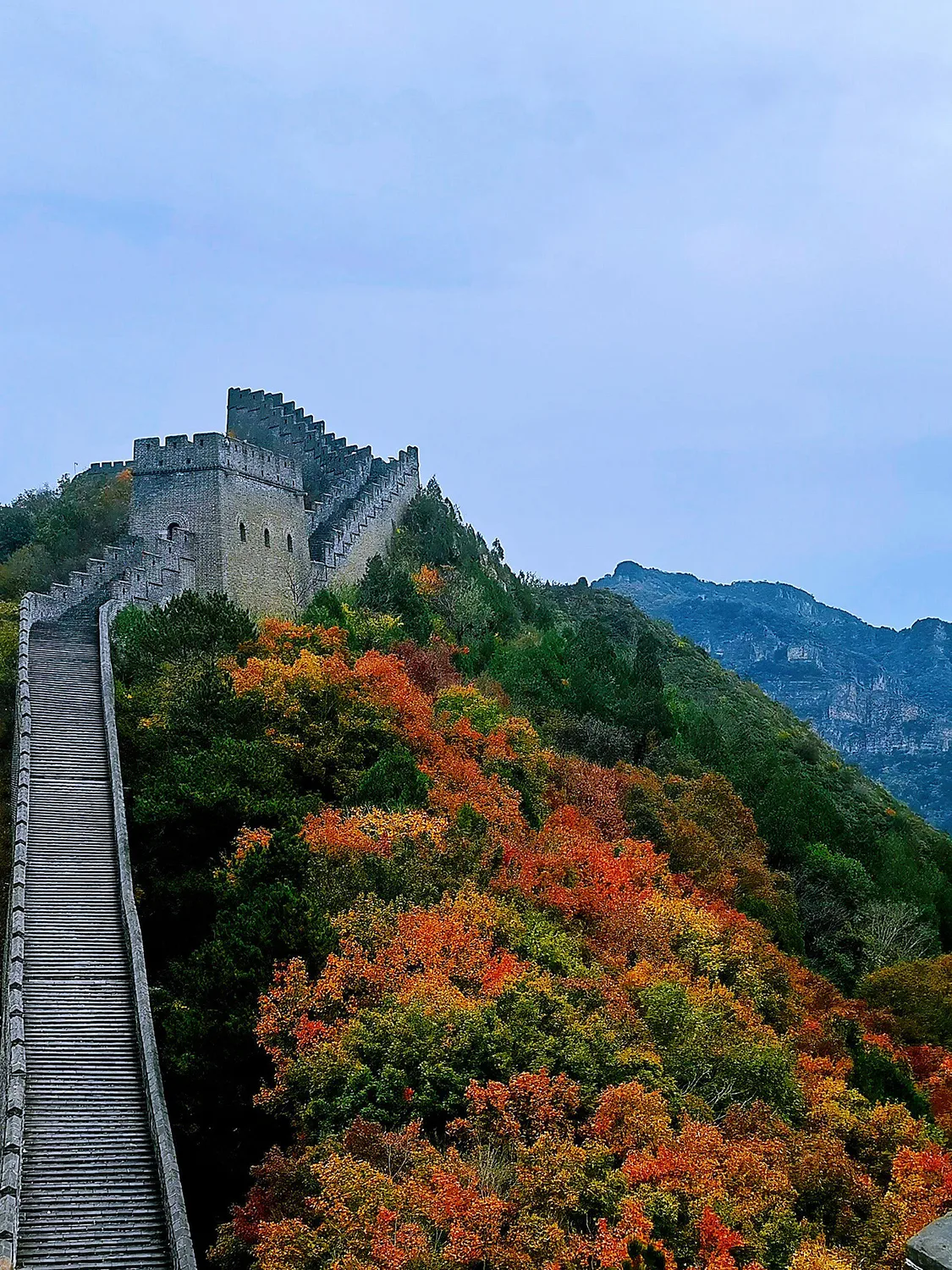
Huangyaguan Great Wall with autumn foliage

Hiking Route: Huangyaguan Great Wall

Huangyaguan Great Wall is a practical choice for travelers who want a quieter Great Wall route in Tianjin’s Jizhou District, away from the most crowded Beijing sections. It is more structured than wild-wall hiking, but it still has real climbs, defensive architecture, and mountain scenery. For inbound visitors based in Beijing, it works best when you have a full day or are already planning Tianjin/Jizhou travel.

Information check: this guide was reviewed on May 13, 2026. Opening rules, ticketing, transport, and scenic-area facilities can change. Check official/local notices before visiting, especially during holidays, winter weather, or major events.

Huangyaguan Great Wall climbing a green mountain ridge
Huangyaguan climbs sharply through green mountain terrain.

Quick Planning Snapshot

  • Best for: history-focused travelers, moderate walkers, and visitors combining Great Wall with Tianjin/Jizhou.
  • Not best for: first-time visitors who want the easiest route from central Beijing.
  • Main appeal: restored wall, passes, towers, and a more fortress-like defensive layout.
  • Transport style: private car or carefully planned transfer is usually easier than piecing together public transport.
  • Compare with: Mutianyu for first-time convenience and Jinshanling for hiking scenery.

Why Visit Huangyaguan

Huangyaguan is often described as a compact place to understand Great Wall defense. Instead of only seeing a ridge walk, you can look at towers, passes, steep approaches, and how the wall uses the terrain. It is a good fit for travelers who care about structure and history, not only postcard views.

The route is not as internationally familiar as Badaling or Mutianyu, so planning requires more care. English support may be more limited, and transport from Beijing is less straightforward. That lower profile can make the visit quieter, but it also means you should confirm details before leaving.

Huangyaguan Great Wall with autumn foliage
Autumn colors can make Huangyaguan feel very different from summer sections.

What to See on the Route

The most rewarding way to experience Huangyaguan is to focus on the wall’s defensive design: the pass area, watchtowers, slopes, and transitions between lower and higher ground. Do not rush it as a simple “climb and leave” stop. Give yourself time to read the landscape and notice how the route controls movement through the mountains.

If your group includes seniors or casual walkers, choose a shorter section and avoid pushing to every steep viewpoint. For broader mobility planning, compare with the Great Wall accessibility guide.

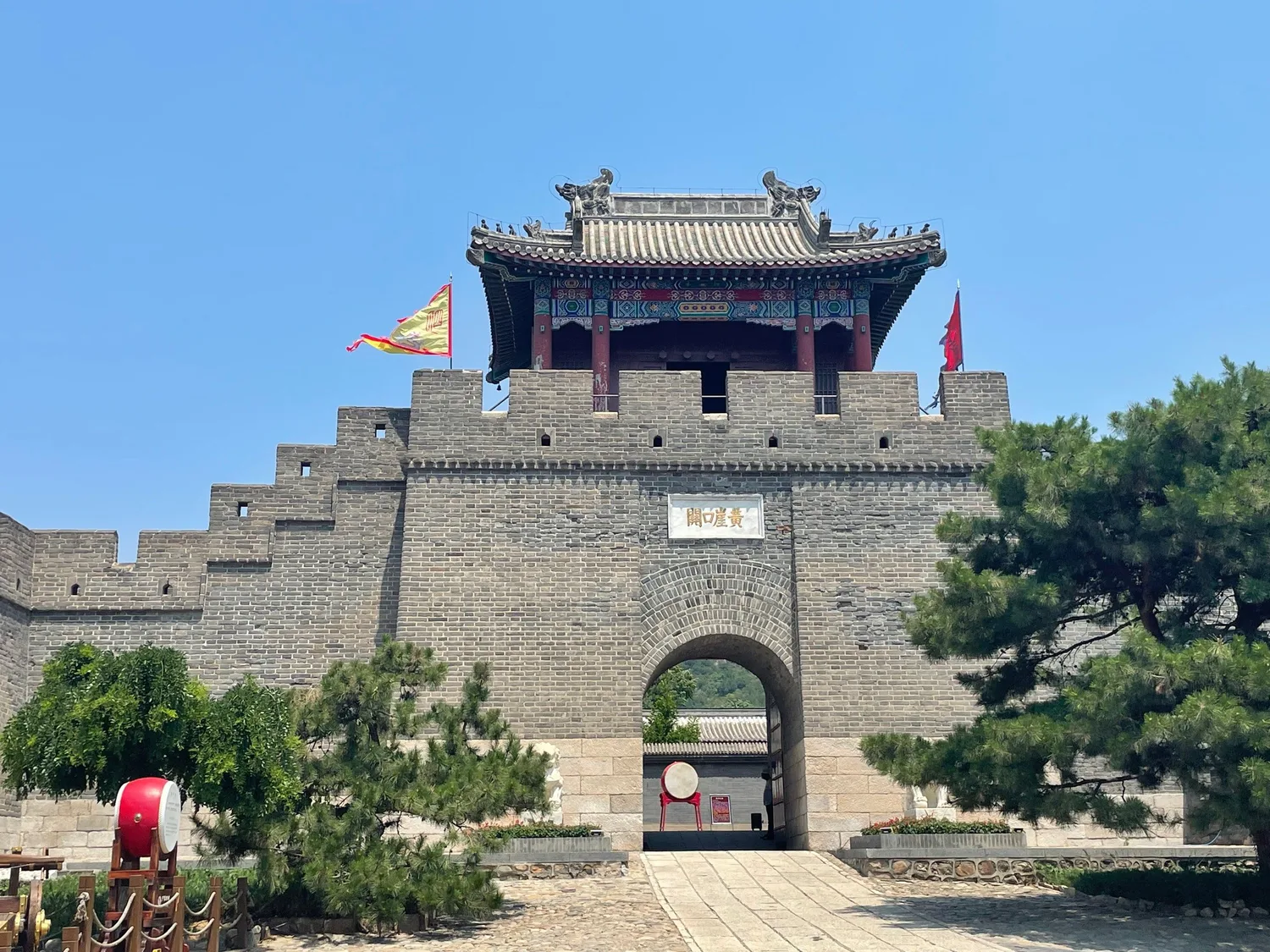
Huangyaguan Great Wall pass gate and entrance tower
The Huangyaguan pass gate is a useful orientation point before walking.

Transport and Timing

Huangyaguan sits farther from the standard Beijing Great Wall circuit. A private transfer or driver is usually the cleanest option for foreign visitors because it reduces transfer uncertainty and makes the return easier. If using public transport, confirm the last practical return connection before you start walking.

Before-You-Go Checklist

  • Check current scenic-area rules, weather, and transport before departure.
  • Use shoes with grip; restored does not mean flat.
  • Carry water and snacks because facilities may be less dense than at Badaling.
  • Keep the route shorter in heat, rain, snow, or strong wind.
  • Use the Great Wall packing guide and rainy-day guide when planning.

Route note: Huangyaguan is better treated as a mountain-wall walk than a simple photo stop. Build in time for uneven steps, changing wind on exposed ridges, and a slower descent if the stones are damp. Before traveling, check current local access rules and transport availability because holiday controls and seasonal maintenance can change the visitor route.

Sources Checked

  • TravelChinaGuide Huangyaguan guide for route, location, and visitor context.
  • China Highlights Huangyaguan overview for planning cross-checking.
  • Tianjin official English portal for Tianjin destination context.

How to treat Huangyaguan as a hiking route

Huangyaguan can be rewarding, but it should be planned as a regional route rather than a default Beijing first visit. It fits travelers who are comfortable with Tianjin-side or longer transfer planning. It is less suitable for visitors who want a simple half-day Great Wall experience from central Beijing.

Who should consider Huangyaguan?

Choose Huangyaguan if your route already includes Tianjin or if you want a less standard Great Wall stop. It can also work for repeat visitors who have already seen Mutianyu or Badaling. Avoid it if you need the easiest transport, the broadest facilities, or a low-risk family outing.

Before-you-go checklist

  • Confirm whether you start from Beijing, Tianjin, or another nearby city.
  • Save 黄崖关长城 and the return pickup point.
  • Check current access, weather, and local transport.
  • Bring water, sun protection, and shoes for steps.
  • Do not assume late return transport is easy.

For current access, closures, weather impact, and local route rules, check official scenic-area notices, local government information, or transport operators before leaving. Commercial tour-company pages are not used as public sources.

How to fit Huangyaguan into an itinerary

Huangyaguan makes most sense when your route already points toward Tianjin, Jizhou, or a northern regional itinerary. It is not usually the most efficient Great Wall choice for someone staying in central Beijing with only one open day. If the traveler wants a special section and can arrange transport clearly, Huangyaguan can be worthwhile; otherwise, Mutianyu is simpler.

What to avoid

Avoid copying a Beijing route if you are starting from Tianjin, and avoid copying a Tianjin route if you are starting from Beijing. Starting point changes the whole day. Avoid assuming that a scenic wall route will have easy late return options. Build the return plan first, then decide how much time to spend on the wall.

Bottom line

Huangyaguan can be worthwhile when the itinerary fits Beijing-Tianjin or Jizhou-side travel. It should be planned with the return route first, then the walking time. This avoids the common mistake of choosing a scenic but logistically awkward section for a short Beijing stay. Treat it as a regional route and it becomes much easier to evaluate.

Plan conservatively.

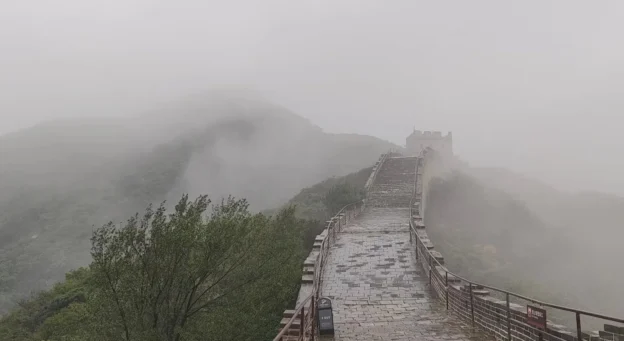
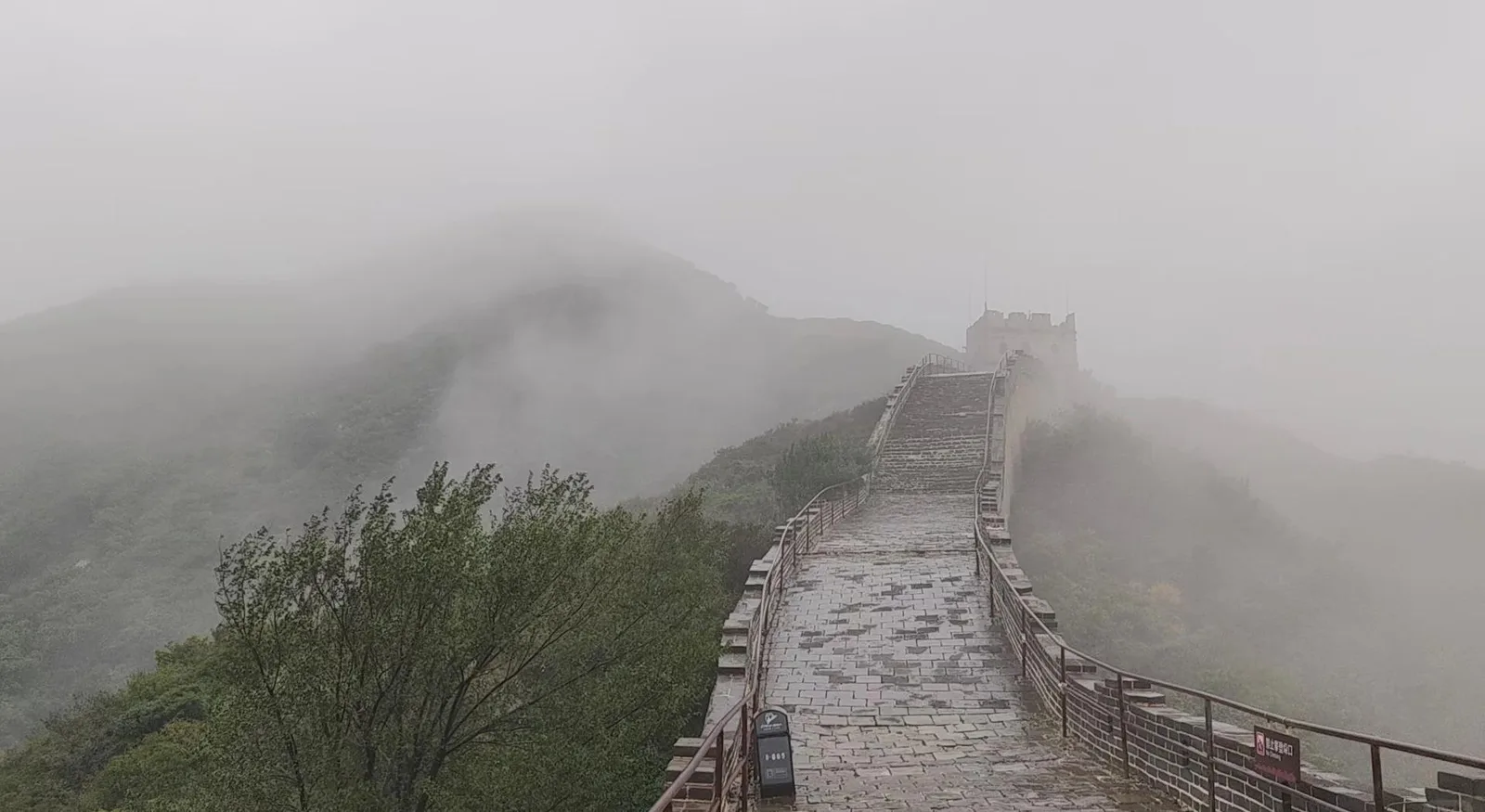
Misty Great Wall walkway on a rainy day

Rainy Day Guide to the Great Wall

A rainy day at the Great Wall can be atmospheric, but it is not automatically a good idea. Wet stone steps, poor visibility, wind, thunder, and suspended cable-car operations can change the trip quickly. For most foreign visitors, a light-rain visit to a restored section such as Mutianyu or Badaling can work; a heavy-rain hike on wild or remote wall sections should usually be avoided.

Information check: this rainy-day guide was reviewed on May 13, 2026. Weather alerts, cable-car operations, scenic-area notices, and route conditions can change on the day. Check official channels and the live forecast before leaving Beijing.

Great Wall rainy day mountain view and wet steps
Rain can make the Great Wall dramatic, but wet steps and reduced visibility make section choice more important.

Quick Planning Snapshot

  • Light rain: Mutianyu or Badaling may still work if operations are normal.
  • Heavy rain or thunder: postpone or switch to a Beijing indoor plan.
  • Avoid: Jiankou, Gubeikou, rough hikes, and wild-wall routes in wet weather.
  • Best transport: private transfer or reliable shuttle so you can adjust timing.
  • Most important gear: shoes with grip, rain shell, waterproof phone protection, and patience.

When a Rainy Great Wall Visit Is Worth It

Light rain, mist, or a clearing shower can make the Great Wall feel quieter and more atmospheric. If the forecast is only light rain and the scenic area is operating normally, Mutianyu can still be a reasonable choice for first-time visitors. Restored sections have clearer paths, visitor facilities, and more ways to shorten the walk if conditions become uncomfortable.

The best rainy-day plan is conservative. Walk less, take more breaks, avoid exposed or slippery parts, and do not chase a long route just because the crowd level is lower. If the weather improves, you can always extend the walk; if it worsens, you need an easy exit.

When You Should Not Go

Do not visit the Great Wall during thunder, heavy rain, strong wind, landslide warnings, or weather alerts. Do not hike wild-wall sections after rain. Loose stones, steep descents, mud, and reduced visibility can turn a scenic route into a safety problem. Jiankou, Gubeikou, and other rough routes are not casual rainy-day alternatives.

If you have only one day in Beijing and the weather looks genuinely poor, consider moving the Great Wall to another day and using the rainy day for museums, hutongs with covered stops, food, or indoor cultural sites.

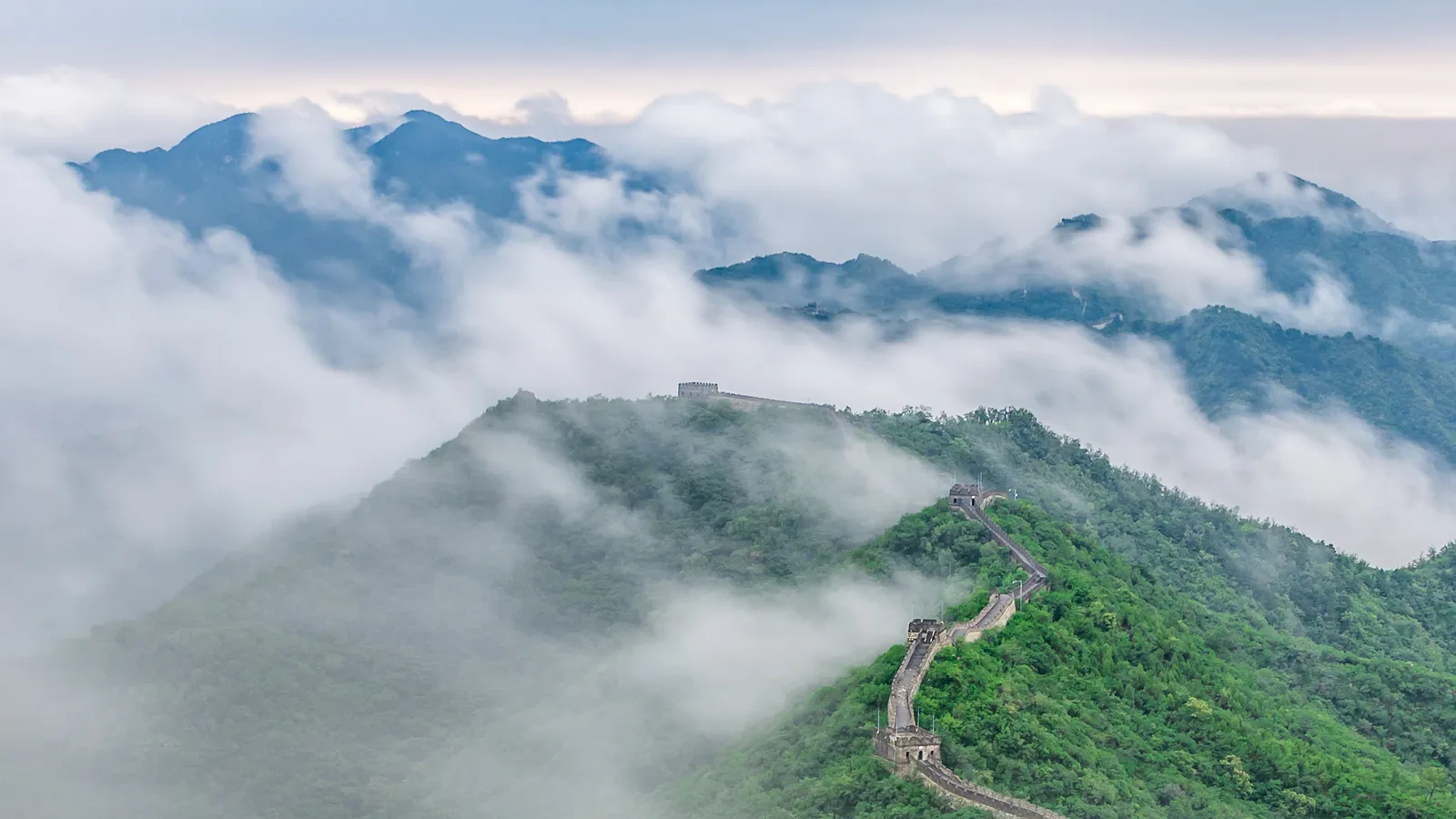
Great Wall ridges disappearing into low clouds
Low cloud can make ridge views dramatic but less predictable.
Great Wall seasonal scenery near Beijing

Best Sections for Rainy Weather

Mutianyu is usually the best rainy-day section for foreign visitors if the rain is light and operations are normal. It has restored walking, visitor facilities, and uphill/downhill options that can reduce fatigue. Start with the Mutianyu guide and check the official scenic-area notice before leaving.

Badaling can also work because it has strong infrastructure and familiar transport options. The downside is that wet steps plus crowds can feel stressful. If you choose Badaling, go early and avoid holiday or weekend peak times when possible.

Jinshanling, Jiankou, and Gubeikou should be treated cautiously in rain. Jinshanling can be beautiful in mist, but it is more exposed and requires a longer transfer. Jiankou and other wild sections should be avoided in wet conditions unless you have expert local guidance and a clear safety reason to continue.

What to Wear and Pack

Wear shoes with real grip. Smooth city sneakers are a poor choice on wet stone steps. Bring a light rain shell rather than relying only on an umbrella, because wind on the ridge can make umbrellas awkward. Protect your phone, passport copy, and tickets from water. Bring a small towel or tissues, and carry enough water even when the air feels cool.

For a fuller list, use the Great Wall packing guide. In rainy weather, the priority is not packing more; it is packing items that keep your hands free, your footing stable, and your return plan flexible.

Misty Great Wall walkway on a rainy day
Rain and fog can change visibility and footing on Great Wall walkways.
Rainy-day plans should account for shuttle, cable-car, and downhill-option changes before departure.

Transport Advice for Rainy Days

Rain is a strong reason to choose simpler transport. A private transfer or reliable shuttle gives you more control if the weather worsens. Public transport can still work, but return timing and transfers feel more stressful when you are wet, tired, or carrying gear. Use the Beijing to Great Wall transport guide after choosing whether the trip is still worth doing.

Before-You-Go Checklist

  • Check live weather, thunder risk, and scenic-area notices before departure.
  • Choose Mutianyu or Badaling over wild or remote sections.
  • Wear shoes with grip and keep both hands free when walking.
  • Protect your phone and documents from water.
  • Keep a backup Beijing indoor plan if rain becomes heavy.

Practical Verdict

A rainy Great Wall visit can work in light rain, especially at Mutianyu or Badaling, but it should be planned conservatively. Do not hike wild-wall routes in wet weather, do not ignore thunder or high wind, and do not let the idea of dramatic mist override basic safety.

Sources Checked

Rain decision rule

If rain is light and the section is restored, a short visit may still be possible with proper shoes and a flexible plan. If rain is heavy, wind is strong, visibility is poor, or thunder is possible, postpone the visit. No photo is worth rushing wet stone steps or exposed ridges.

For packing, pair this page with what to pack for a Great Wall trip.

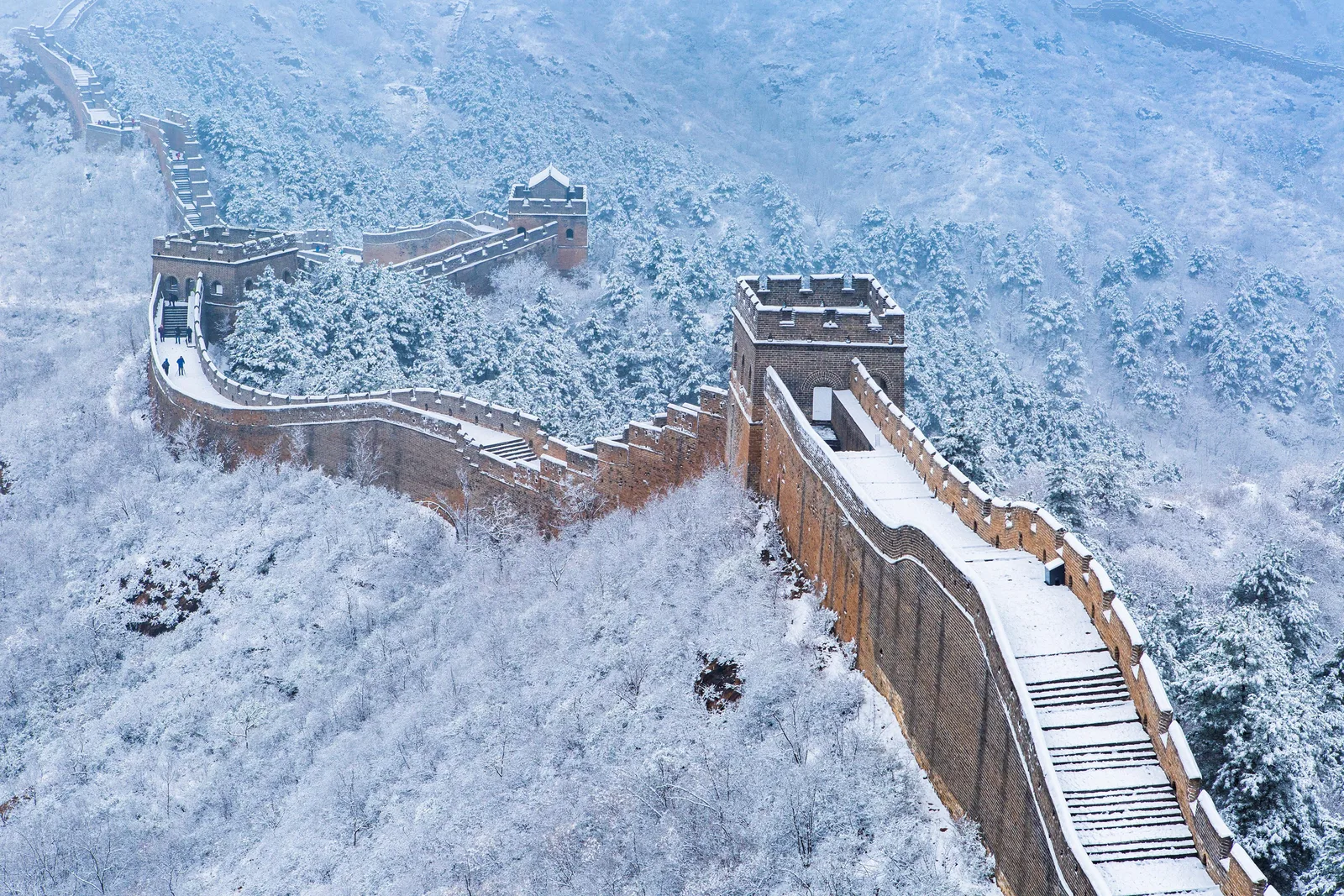
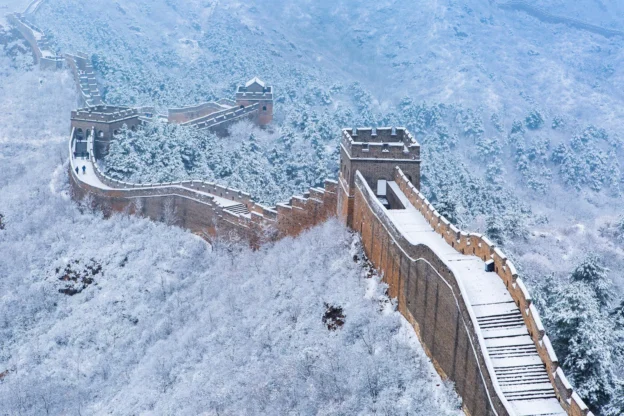
Snow-covered Great Wall section in December winter conditions

Great Wall of China in December: Winter Weather, Snow, Crowds, and Best Sections

December is a possible month to visit the Great Wall near Beijing, but it is not the easiest month. The crowds are usually lighter, winter light can be beautiful, and a snow-dusted wall can be memorable. The tradeoff is cold wind, shorter daylight, icy steps, and more operational uncertainty. For most foreign visitors, December is best kept simple: choose Mutianyu or Badaling, avoid wild-wall routes, and plan conservatively.

Fast Answer: Great Wall in December and Winter

December is a real winter Great Wall visit: quieter, colder, windier, and sometimes beautiful after snow. It can be rewarding, but it is not the easiest month. Choose a restored section such as Mutianyu or Badaling, start early, avoid wild-wall routes, and treat icy steps or cable-car pauses as serious planning issues.

Winter questionShort answerPlanning advice
Can you visit the Great Wall in December?Yes, but plan conservatively.Use restored sections, check weather, and avoid late starts.
Is the Great Wall snowy in December?Sometimes, but snow is not guaranteed.Beautiful snow can also mean slippery stairs.
Which section is safest in winter?Mutianyu or Badaling for most visitors.Save wild or long hiking routes for better conditions.
What should I wear?Warm layers, wind protection, gloves, and shoes with grip.Use the Great Wall packing checklist.

If you are choosing between late autumn and full winter, compare November at the Great Wall with the month-by-month planning hub.

Information check: this guide was reviewed on May 13, 2026. December weather, snow, wind, scenic-area operations, cable-car service, and transport routes can change quickly. Check official notices and forecasts before leaving Beijing, and do not treat winter mountain routes as casual sightseeing.

Snow-covered Great Wall section in winter
Winter snow can make Great Wall scenery beautiful but footing less predictable.

Quick Planning Snapshot

  • Best default sections: Mutianyu or Badaling, not wild-wall routes.
  • Best for: travelers who prefer quiet, crisp scenery and can handle cold weather.
  • Main risk: wind, ice, snow, and reduced comfort on exposed steps.
  • Trip style: shorter walking route, early start, flexible return plan.
  • Avoid: remote hiking routes unless you have strong winter-route knowledge and current local guidance.

December Weather at the Great Wall

December near Beijing is cold, dry, and often windy. The wall sits on exposed ridges, so the perceived temperature can feel lower than downtown Beijing. Stone steps can become slippery after snow, frost, or thaw-freeze cycles. Even if the sky is clear, wind can make a long walk uncomfortable.

Dress for a winter mountain outing rather than a normal city walk. Wear warm layers, gloves, a hat, wind protection, and shoes with real grip. If anyone in your group has knee, balance, or mobility concerns, keep the route short and choose a restored section with practical facilities.

Snowy Great Wall winter scenery near Beijing
Snow can make the Great Wall beautiful, but it also makes steps and exposed routes more serious.

Best Great Wall Sections in December

Mutianyu is the best winter choice for many foreign visitors because it combines scenery with restored walking and visitor facilities. If cable car or shuttle services are operating normally, it can be much easier than a remote route. Check current operations before departure.

Badaling is also practical in winter because of its infrastructure and fame. It can still be windy and cold, but facilities and transport recognition are stronger than at many other sections. If you need accessibility support, compare current facilities carefully.

Jinshanling, Gubeikou, and Jiankou are not the default December choices. They can be dramatic, but winter exposure, longer transport, and possible ice make them better suited to experienced hikers with current local information. Do not choose a wild-wall route just because it looks quiet in photos.

Recommended December Itinerary

For a first visit, choose Mutianyu or Badaling as a day trip from Beijing. Leave in the morning, use the warmest part of the day for walking, and keep the route shorter than you would in spring or autumn. Do not plan a late return or a long exposed hike unless you are prepared for winter conditions.

If the forecast shows high wind, snow, ice, or poor visibility, adjust the plan. A shorter restored-section visit is better than forcing a difficult route. For overall planning, compare the Beijing to Great Wall transport guide and the Badaling vs Mutianyu guide.

Ming Great Wall section on a mountain ridge in cold weather

Where to Stay or Pause in December

Most December visitors should stay in Beijing and make a straightforward day trip. Overnight stays near the wall are only useful if you specifically want winter photography or a slower countryside experience. Before booking outside Beijing, confirm heating, food options, transport, and whether nearby services operate normally in winter.

Before-You-Go Checklist

  • Check scenic-area notices, cable-car operations, and weather alerts before leaving Beijing.
  • Dress for wind and exposed mountain conditions.
  • Wear shoes with grip; avoid smooth city sneakers.
  • Keep the walking route shorter than in spring or autumn.
  • Avoid wild-wall routes after snow, ice, or strong wind.
  • Bring water even if the air feels cold and dry.

December Route Choice by Traveler Type

First-time foreign visitors: choose Mutianyu if operations are normal, or Badaling if infrastructure and transport recognition matter most. Families and seniors: keep the walk short and use restored sections only. Photographers: winter scenery can be rewarding, but choose safety over remote viewpoints. Hikers: do not choose Jiankou, Gubeikou, or other wild-wall routes casually in December.

December is a month for conservative planning. A short, successful visit to a restored section is better than a long route where cold, ice, or wind forces a stressful retreat. If your priority is comfort, choose a day with clear weather and moderate wind rather than chasing snow at any cost.

Transport Advice for December

Use transport that gives you control over timing. Private transfers and reliable shuttles are often better than complicated public routes in winter, especially if the forecast is cold or windy. Confirm the return plan before leaving Beijing, because waiting outside in winter is much less pleasant than in spring or autumn.

Do not plan December Great Wall transport around the assumption that everything will run exactly as in peak season. Weather, maintenance, and low-season adjustments can affect shuttle, cable-car, or visitor-center procedures. Check current notices before departure and keep an alternative Beijing activity in mind if conditions are poor.

Practical Verdict

December is worth considering if you want quiet winter scenery and are comfortable with cold conditions. For most foreign visitors, Mutianyu and Badaling are the sensible choices. Keep the plan short, check current operations, and avoid treating winter wild-wall hiking as a casual day trip.

Sources Checked

Compare Every Month

Still choosing travel dates? Use the month-by-month Great Wall guide to compare weather, crowds, scenery, and section choice from January through December.