
August is late summer at the Great Wall near Beijing. The mountains are still green, the scenery can be dramatic after rain, and the wall can look lush in a way that spring and winter do not. But August also asks for careful planning: heat, humidity, storm risk, school-holiday crowds, and slippery steps after rain can all affect the day. For most foreign visitors, August is workable if you start early, choose a restored section, and keep the route flexible.
Information check: this August guide was reviewed on May 22, 2026. Weather, scenic-area notices, shuttle arrangements, cable car or chairlift operation, ticketing, and crowd-control rules can change during storms, heat alerts, maintenance, or busy summer travel periods. Check official channels and the local forecast before visiting.
Quick planning snapshot
- Best for: visitors who want green late-summer scenery and can handle warm, humid walking.
- Use this guide for: choosing a Great Wall section, start time, weather backup, and packing plan for August.
- Planning focus: avoid the hottest part of the day, watch rain and thunder, and choose a section that can be shortened.
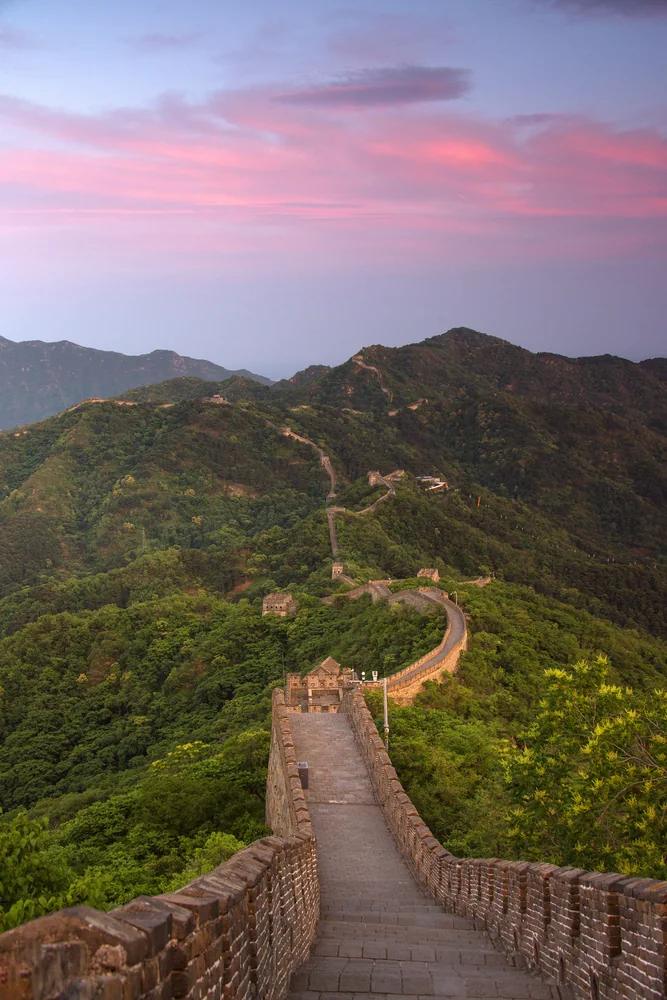
Is August a Good Time to Visit the Great Wall?
August can be a good month if you value green scenery and are realistic about summer conditions. Compared with July, August can still be hot and humid, but the late-summer feel may bring slightly more changeable skies and occasional clearer views after rain. Compared with September or October, it is less comfortable for walking and more weather-sensitive.
The main question is not whether the Great Wall is worth visiting in August. It is. The real question is how to keep the day safe and comfortable. Choose the right section, leave early, avoid exposed long hikes in unstable weather, and build in enough time for slower walking.
Best Great Wall Sections in August
Mutianyu is the best default for many foreign first-time visitors in August. It has strong scenery, restored walking, flexible uphill and downhill options, and enough visitor facilities to make a hot or humid day easier to manage. If this is your first Great Wall trip, start with the Mutianyu first-visit guide and the Beijing to Mutianyu transport guide.
Badaling is practical if you want the most famous section, strong infrastructure, and easier public-transport recognition. The tradeoff is that crowds and exposed walking can feel more tiring in summer. If you are choosing between the two most popular Beijing-area sections, compare Badaling vs. Mutianyu.
Jinshanling can be rewarding for photographers and hikers, especially when rain clears the air, but it is not the easiest August choice. Long exposed ridges, heat, and storm risk require a conservative plan. Choose Jinshanling only if the forecast is stable, you have a full day, and your group is comfortable with more walking.
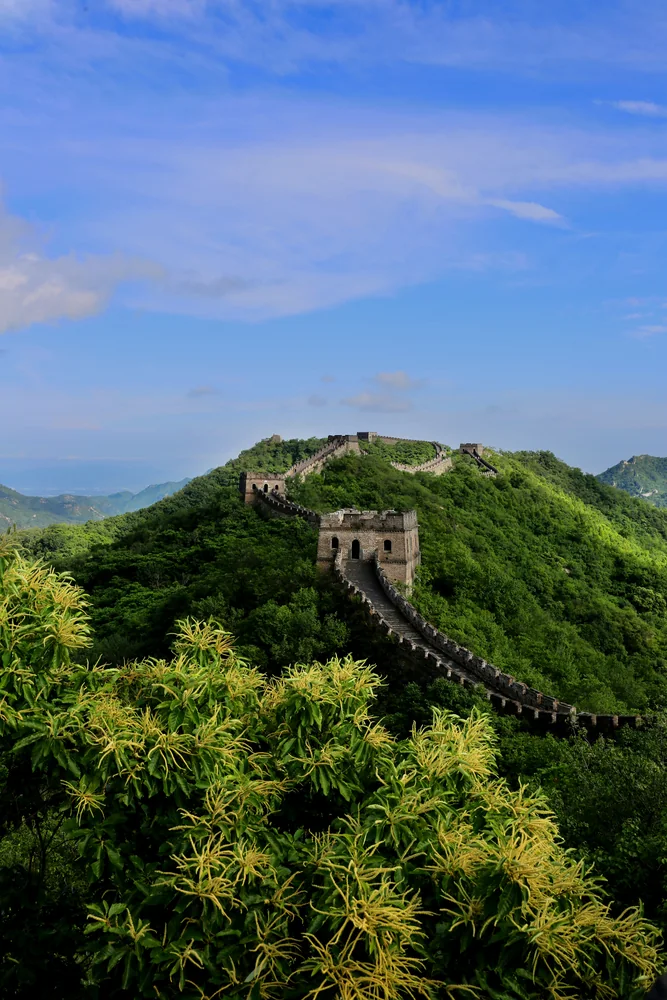
August Weather: Late-Summer Heat and Rain
August weather near Beijing is still summer weather. Expect warm to hot conditions, humidity, and a need for sun protection. The wall itself is exposed, and shade can be limited. A city forecast can feel less demanding than the reality of climbing steps on stone under direct sun.
Rain and thunderstorm risk also matter. August showers can make stone steps slippery, reduce visibility, and interrupt cable car or chairlift operations. A light shower may only require a shorter route, but thunder, heavy rain, or strong wind should change the plan. Use the Rainy Day Guide to the Great Wall if the forecast looks unstable.
Best Time of Day in August
Morning is usually the best time. Start early enough to reach the wall before the strongest heat and before crowds build. This is especially important for families, seniors, and visitors who are not used to humid summer weather. A late start can turn a manageable day into a tiring one.
Late afternoon may bring softer light and cooler air, but it is riskier if storms are forecast or if your return transport is uncertain. If you plan a late visit, confirm ticketing, shuttle timing, and return arrangements carefully. Do not rely on a vague plan to find transport after everyone is tired.
August Crowds and Summer Travel
August can be busy because of school-holiday travel and family trips. It may not have the same pressure as major national holidays, but famous sections near Beijing can still attract domestic tourists, student groups, and families. Weekends are more crowd-sensitive than weekdays.
If your dates are flexible, choose a weekday and go early. If you must visit on a weekend, keep the route simple and do not add too many other attractions. The best August Great Wall day is focused and realistic.
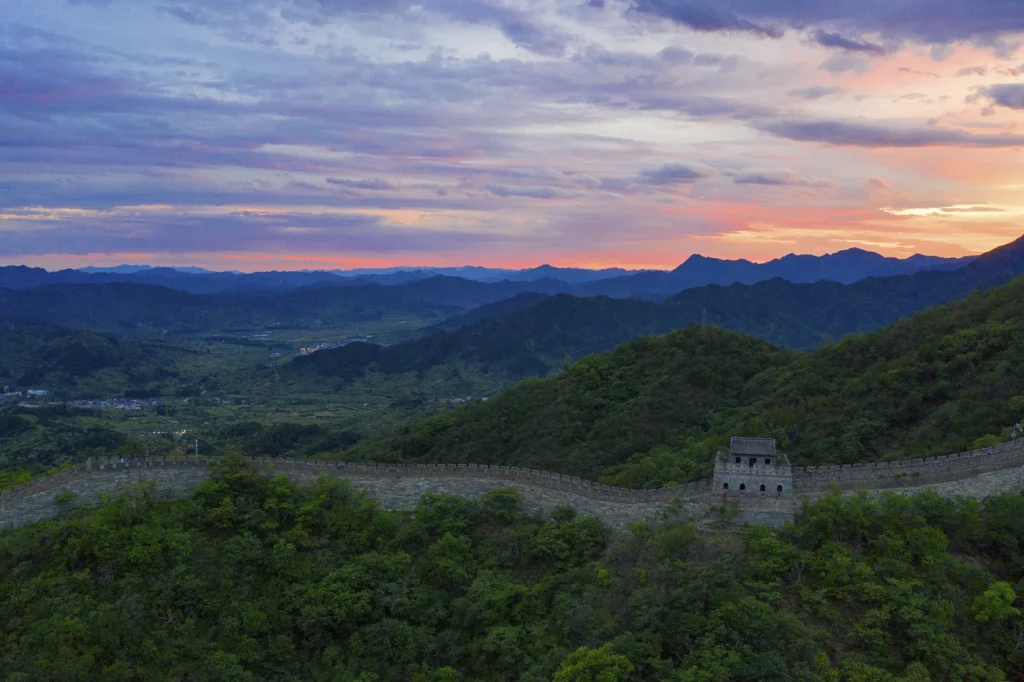
What to Pack for August
- Breathable clothing and comfortable shoes with grip.
- Sun hat, sunglasses, and sunscreen.
- Enough water for warm exposed walking.
- Light rain protection for visitor areas and transport connections.
- Portable charger, mobile data, and offline map support.
- Small snacks, tissues, and a trash bag.
- A backup plan if thunder, heavy rain, or heat makes the route unsafe.
August packing is similar to July, but do not assume late summer means cool weather. It is still a hot-season visit. For a broader list, use the Great Wall packing guide.
Families, Seniors, and Heat-Sensitive Travelers
Families with children and older travelers should avoid long exposed routes in August. A shorter Mutianyu plan is usually better than a long hike. Use assisted uphill or downhill options if current operations allow, rest before everyone is exhausted, and avoid the hottest part of the day.
If children are part of your trip, read the Mutianyu with kids guide. If mobility, knee comfort, or fatigue is a concern, compare the Great Wall accessibility guide before choosing between Mutianyu, Badaling, or another section.
Recommended August Plan from Beijing
For most foreign first-time visitors, the best August plan is: choose Mutianyu, leave Beijing early, use a reliable transfer or shuttle, walk a moderate restored section, and keep the day flexible if heat or rain builds. This gives you the green mountain scenery without taking unnecessary risk on long exposed routes.
Choose Badaling if infrastructure or the famous name matters most. Choose Jinshanling only if the forecast is stable and hiking is the main goal. Avoid wild-wall plans when storms, heat, or poor visibility are possible.
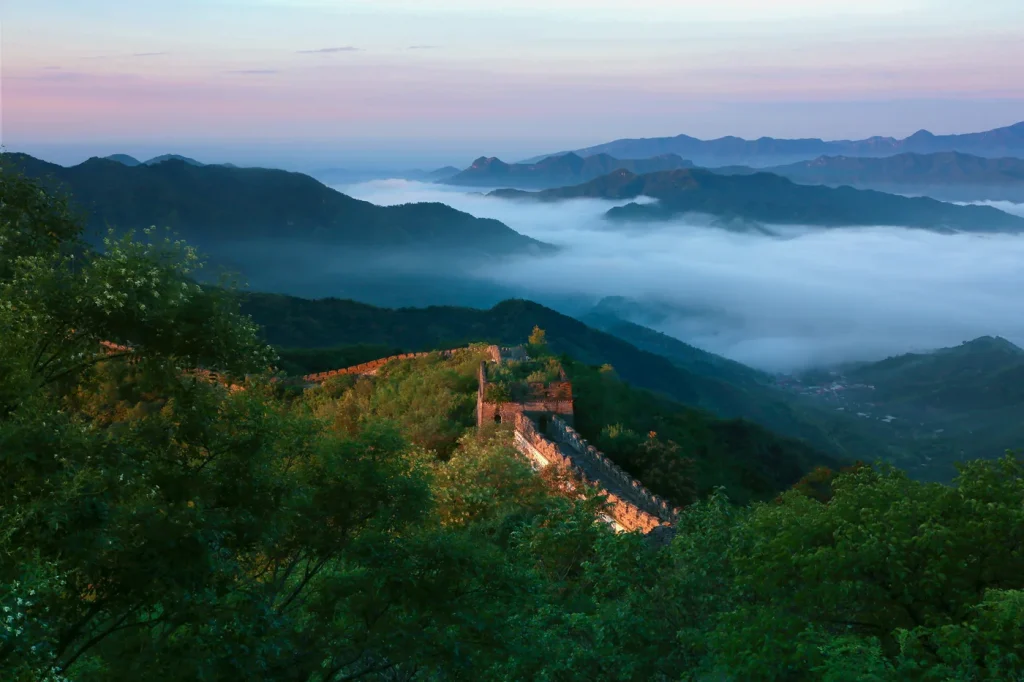
Before-You-Go Checklist
- Check current weather for heat, rain, thunder, and wind.
- Check official scenic-area notices and ticketing before leaving Beijing.
- Start early and avoid long midday walking.
- Choose Mutianyu for the most balanced first visit.
- Carry water, sun protection, rain awareness, and phone power.
- Use a shorter route for children, seniors, and heat-sensitive travelers.
- Do not continue on exposed ridges in thunder or heavy rain.
Practical Verdict
August is a late-summer Great Wall month: green, dramatic, and possible, but not effortless. The best plan is early, flexible, and weather-aware. Mutianyu is the best default for most foreign visitors because it balances scenery, facilities, and route flexibility. Badaling works for infrastructure, Jinshanling works for experienced hikers with good weather, and wild routes should be avoided when storms or heat are a concern.
Related planning guides
- Great Wall in July for peak-summer comparison.
- Great Wall in September for early-autumn comparison.
- Best time to visit the Great Wall for season-by-season planning.
- Rainy Day Guide to the Great Wall for storm decisions.
- How to explore Mutianyu Great Wall easily for first-time route planning.
Sources Checked
- Mutianyu Great Wall official site for scenic-area context and summer image source.
- Beijing official English portal Mutianyu page for destination and transport context.
- Beijing public holiday information for holiday and crowd-planning context.
- Weather Spark Beijing August climate summary for long-term heat, humidity, and rain pattern context.
Compare Every Month
Still choosing travel dates? Use the month-by-month Great Wall guide to compare weather, crowds, scenery, and section choice from January through December.