
February is a transition month for the Great Wall near Beijing. It is still winter, but the travel mood can change sharply if your dates overlap with the Lunar New Year holiday period. Some days are quiet and cold; others can be busy because domestic travel, family outings, and holiday schedules affect famous scenic areas. For inbound visitors, February can work well if you plan around cold weather and avoid assuming every date will feel low season.
The safest section choice for most first-time foreign visitors is still Mutianyu Great Wall. It offers strong scenery, restored walking, and practical facilities if the day is cold. Badaling is more famous and convenient, but its popularity makes holiday timing more important. If you want a hiking-focused route, consider whether winter footing and transport make sense before choosing Jinshanling or wilder areas.
Quick planning snapshot
- Best for: winter scenery, travelers already in Beijing, and visitors who can avoid the busiest holiday dates.
- Main caution: Lunar New Year crowds, cold wind, ice, and short daylight.
- Best all-round section: Mutianyu.
- Plan type: flexible day trip with official notice checks before departure.
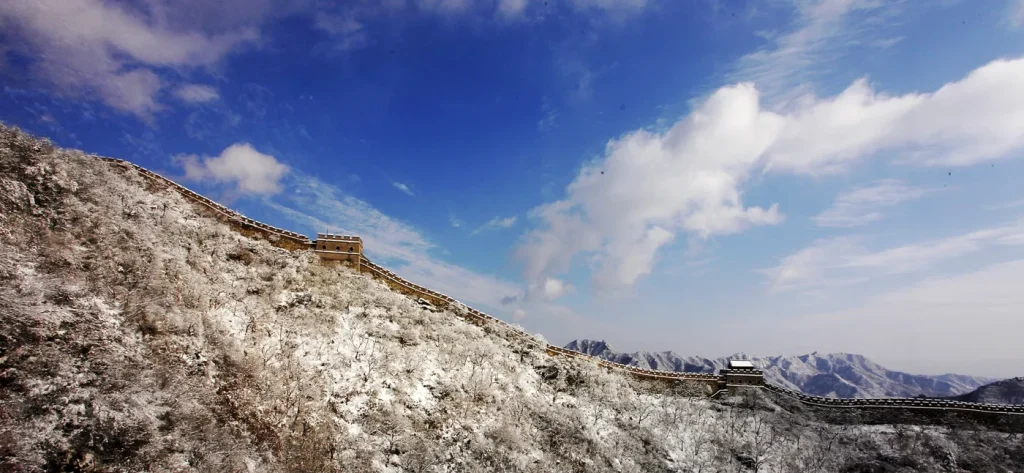
Is February a good month to visit?
February can be good, but it is more date-sensitive than January. If your visit falls on a normal weekday outside the holiday period, the Wall may feel quiet and atmospheric. If your visit overlaps with Lunar New Year travel, famous sections can be busier than expected for winter. Always check the current public holiday calendar because the exact dates change by year.
Weather is still a serious factor. Snow is possible but not guaranteed. Cold, dry air and wind are more reliable planning concerns. The Wall is exposed, and a comfortable city forecast can feel harsher on the ridgeline.
How Lunar New Year affects planning
The Lunar New Year period can affect crowd levels, transport availability, hotel pricing, and attraction operations. It does not mean you must avoid the Wall, but it does mean you should plan more carefully. Book transport earlier, check official scenic area rules, and avoid arriving late morning at the most famous sections.
If you want the simplest holiday-period experience, Mutianyu often gives a better balance than trying to maximize famous-name value at Badaling. If you want Badaling, go early and accept that it may not feel like a quiet winter visit.
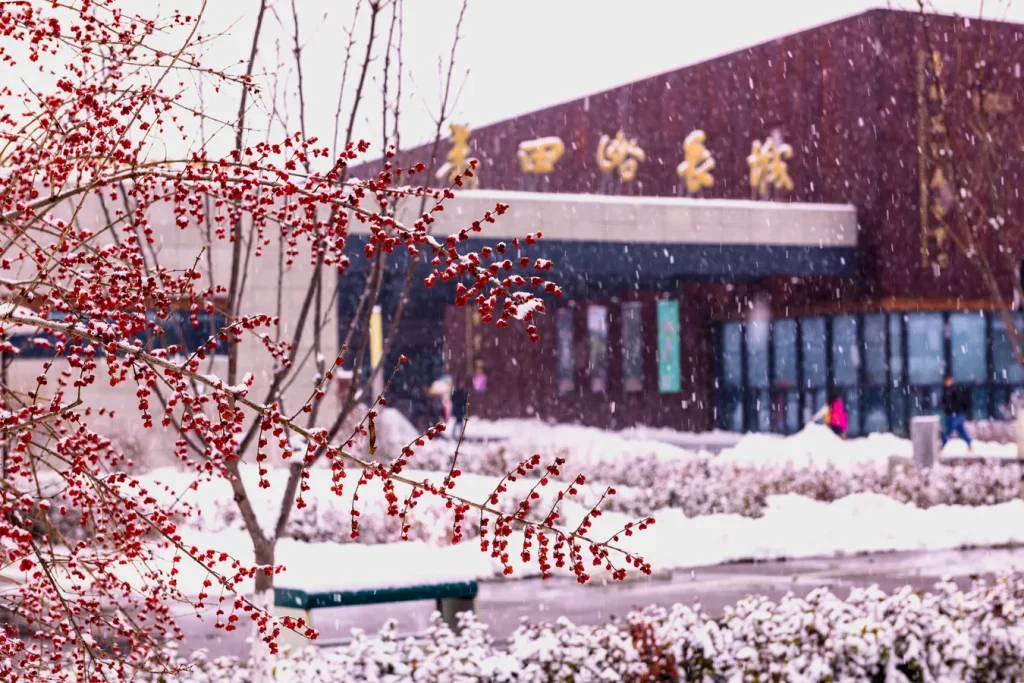
Best sections in February
Mutianyu
Mutianyu is the strongest default because it has restored paths, lift options, and enough services to handle a winter day. If the weather turns windy or icy, you can shorten the walking route without wasting the trip. This flexibility is important in February.
Badaling
Badaling works for visitors who want the most famous section or the most developed transport options. The downside is crowd sensitivity. During holiday windows, Badaling can feel busier than you expect from a winter month. For many international visitors, it is worth reading a direct comparison before deciding.
Jinshanling
Jinshanling can be rewarding for experienced walkers, but February is not the easiest month for it. Consider daylight, road time, footing, and the weather forecast. Do not use a summer hiking plan as your winter plan.
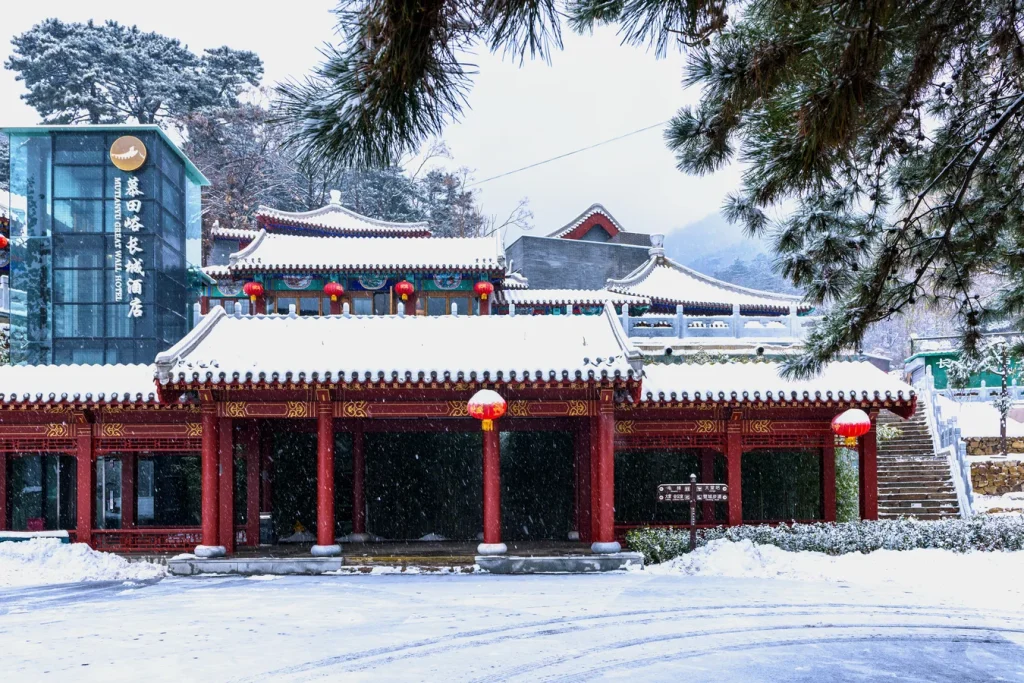
Recommended February plan from Beijing
Use a conservative day plan. Leave Beijing early, choose a section before the night before, and check official notices again in the morning if weather has changed. For most travelers, a Mutianyu day trip gives the best balance of mountain scenery and practical winter logistics.
Keep the route shorter than you would in April, May, September, or October. Winter walking takes more energy, and stopping for photos in cold wind can slow the day down. If the sky is clear, February light can be excellent for photography, especially around ridgelines and watchtowers.
What to pack
- Warm layers, including a wind-resistant outer layer.
- Hat and gloves.
- Shoes with grip for steps and shaded areas.
- Water and snacks, even in cold weather.
- Power bank for phone, maps, and translation.
- Flexible timing if holiday traffic is heavy.
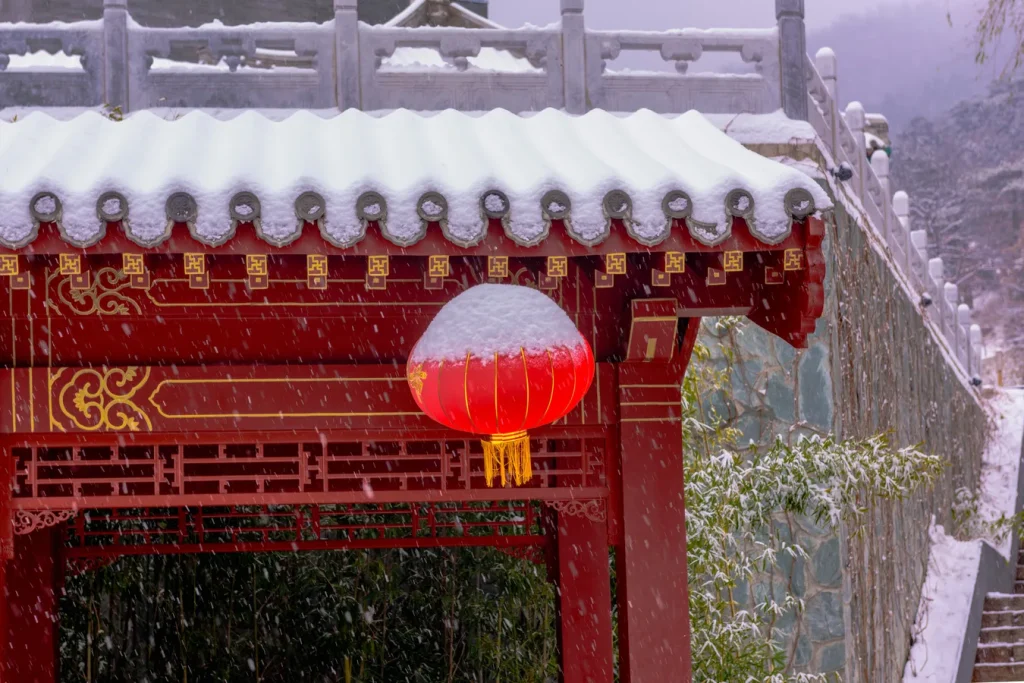
Before-you-go checklist
- Check whether your date overlaps with Lunar New Year or another holiday period.
- Confirm current ticketing, lift, and route rules from official channels.
- Avoid steep unrestored routes if snow or ice is present.
- Plan an earlier return if daylight or weather looks uncertain.
Recommended next reads
- Great Wall in January for deeper winter planning.
- Great Wall in March for early spring transition advice.
- Badaling vs Mutianyu for section choice.
- Transport from Beijing for route planning.
Planning sources checked
- Mutianyu Great Wall official site
- Badaling Great Wall official site
- Beijing public holiday information
- WeatherSpark Beijing monthly climate reference
How to decide if February fits your itinerary
February is worth considering if your Beijing dates are fixed and you want a Great Wall visit with winter atmosphere. It is less predictable than a normal low-season month because Lunar New Year can change the travel pattern. Some February dates are calm and cold, while others feel surprisingly active around transport hubs and famous scenic areas. This is why the first planning question is not only weather, but whether your date falls inside a major holiday window.
If your schedule overlaps with the holiday, avoid overcomplicated routing. A private transfer or a simple direct transport plan can be more valuable than saving a small amount of money. If you are outside the holiday period, February can feel more relaxed, especially on weekdays. Either way, confirm official notices because winter weather, maintenance, and holiday arrangements can affect lift operation, reservation rules, or visitor flow.
Common February mistakes
- Assuming February is always quiet because it is winter.
- Ignoring Lunar New Year date changes from year to year.
- Choosing a remote hiking route without checking daylight and transport.
- Dressing for Beijing streets instead of exposed mountain ridges.
- Planning the Wall after a late start from the city.
The best February plan is conservative but not boring: choose the right section, start early, and let the Wall visit be the main event of the day. That gives you enough room to enjoy winter scenery without turning the trip into a race against cold and daylight.
February section choice for different travelers
For families, Mutianyu is usually the most forgiving February choice because the route can be adjusted on the day. If children get cold or the steps feel slippery, you can keep the visit shorter and still have a complete Great Wall experience. For travelers who care most about convenience, Badaling remains useful because transport and facilities are strong, but the holiday crowd question should be taken seriously. For hikers, February is possible only with a conservative plan and dry conditions.
If you are visiting China for the first time, avoid making February the month where you test the most complicated Great Wall route. Choose the section that gives the best chance of a smooth day. Winter atmosphere is already enough of a variable; the section should reduce stress, not add to it.
Compare Every Month
Still choosing travel dates? Use the month-by-month Great Wall guide to compare weather, crowds, scenery, and section choice from January through December.