
Wohushan Great Wall is a wild-wall route in the Gubeikou area, not a standard sightseeing section. It is best for experienced hikers who want a rougher Great Wall landscape and understand that unrestored wall means loose stone, broken steps, narrow paths, and limited formal facilities. If you want a first Great Wall visit from Beijing, choose Mutianyu or Badaling instead.
Information check: this guide was reviewed on May 14, 2026. Wild-wall access, local trail conditions, weather risk, and conservation restrictions can change. Check current local conditions and avoid closed or unsafe areas.
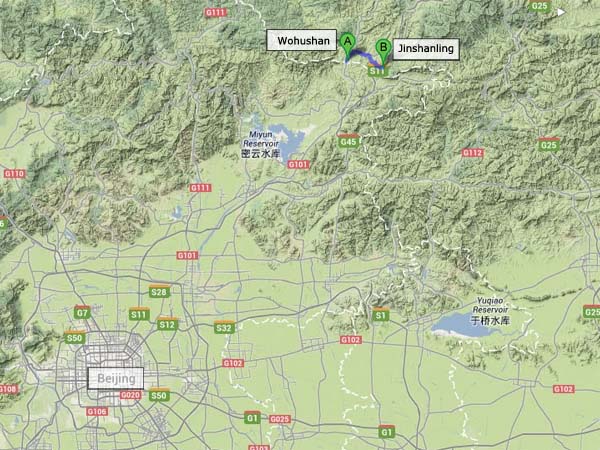
Quick Planning Snapshot
- Best for: experienced hikers, route-aware travelers, and photographers.
- Not for: casual visitors, children, limited-mobility travelers, or first-time Great Wall tourists.
- Nearest planning area: Gubeikou, usually handled as a full-day or overnight hiking plan.
- Main risk: unrestored wall, loose footing, and unclear paths.
- Alternative: Gubeikou-Jinshanling or Jinshanling for clearer logistics.
Route Character
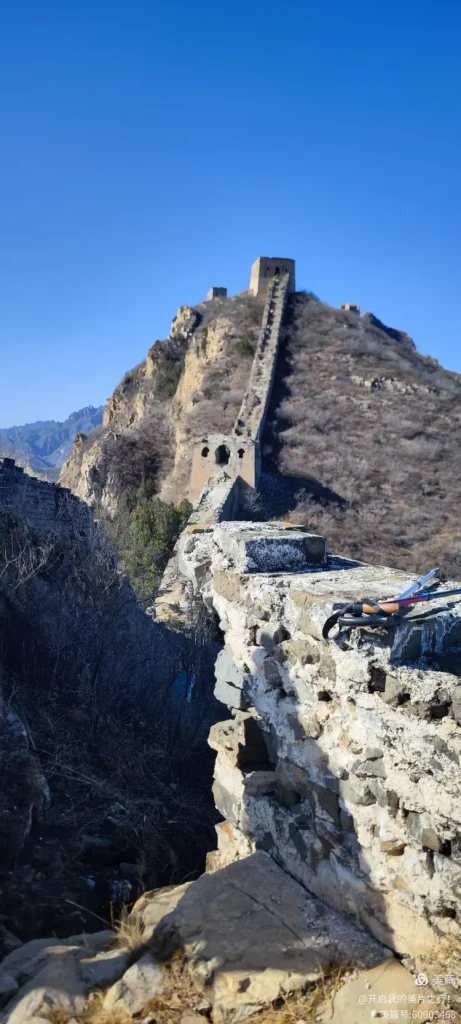
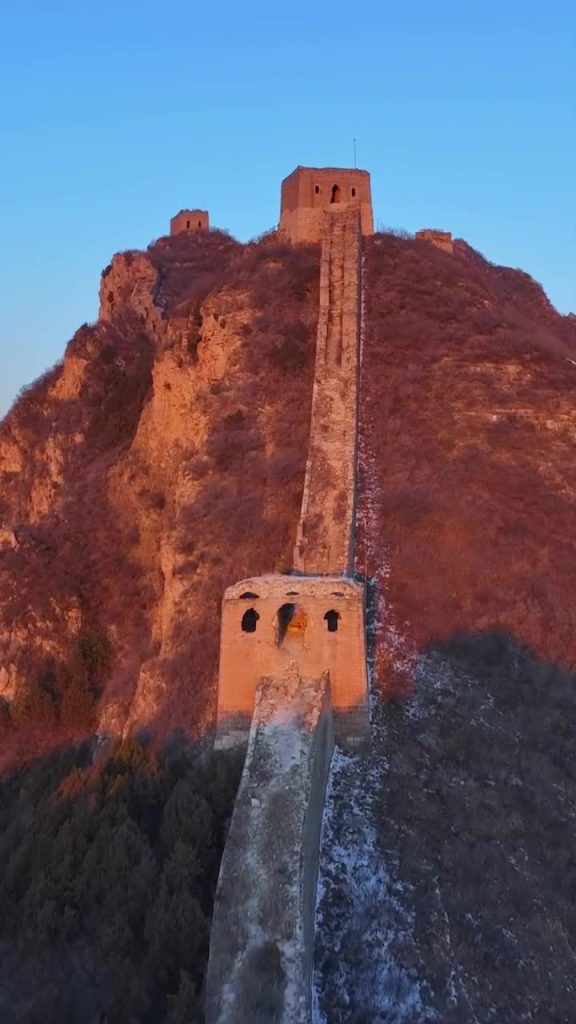
Wohushan means “Crouching Tiger Mountain,” and the name gives a good sense of the terrain. The wall moves over sharp ridges and broken mountain sections rather than forming a polished tourist path. Views can be excellent, but the walking surface is uneven enough that you should treat it as a hike first and a sightseeing stop second.
Safety and Route Advice
Do not hike Wohushan after rain, snow, ice, or in poor visibility. A local guide or experienced local hiker can make the route much safer because informal paths may not be obvious. Keep both hands free, wear shoes with grip, and set a conservative turnaround time.
Before-You-Go Checklist
- Confirm current access and do not enter restricted areas.
- Bring offline maps, water, snacks, a power bank, and weather protection.
- Arrange return transport before starting the hike.
- Avoid solo hiking unless you know the route well.
- Read the rainy-day guide and packing guide before committing.
How to Fit Wohushan into a Gubeikou Trip
Wohushan makes the most sense for travelers already focused on the Gubeikou area. It should not be added casually after a long Beijing transfer. If you want a fuller hiking day, compare Wohushan with Panlongshan and the better-known Gubeikou-Jinshanling route, then choose one clear route rather than trying to cover every ridge.
For most foreign visitors, a local overnight stay is more comfortable than a rushed same-day attempt from central Beijing. Staying nearby gives you more weather flexibility, better morning light, and less pressure to descend late in the day.
Who Should Skip This Route
Skip Wohushan if you are unsure on loose surfaces, if your shoes are not suitable for hiking, or if you need clear signs and formal visitor facilities. It is also a poor choice after rain or snow. The safer decision is not a weaker trip; it usually means choosing a section that matches the traveler and the weather.
Sources Checked
- TravelChinaGuide Gubeikou guide for location cross-checking.
How to treat Wohushan as a route
Wohushan is best understood as a Gubeikou-area historical and hiking route, not a polished mainstream scenic area. It can appeal to hikers and repeat visitors who want a less commercial wall experience. It should not be presented as a casual first Great Wall choice for foreign visitors who want easy logistics.
Who should consider Wohushan?
Consider Wohushan if you are already comparing Gubeikou, Jinshanling, and other less-polished routes. It suits travelers who care about old-wall atmosphere and are comfortable with rougher terrain. It is not suitable for visitors who need wheelchair access, simple public transport, or a short family outing.
Safety and route judgment
Old-wall routes can change with erosion, weather, local access rules, and seasonal conditions. Do not climb damaged walls, towers, or loose slopes. If a path is unclear or restricted, turn back. A quieter route is not automatically a safer or better route. For most first-time visitors, Mutianyu is still the better default.
For current access, closures, weather impact, and local route rules, check official scenic-area notices, local government information, or transport operators before leaving. Commercial tour-company pages are not used as public sources.
How to fit Wohushan into an itinerary
Wohushan is most useful for travelers already interested in Gubeikou-area history or hiking. It can pair conceptually with Gubeikou and Jinshanling content, but it is not the same as a polished scenic-area walk. The route should be positioned for repeat visitors, history-focused hikers, and people who understand that quieter wall sections require more self-management.
What to avoid
Avoid recommending Wohushan to visitors who ask for the easiest Great Wall trip. Avoid visiting in poor weather, with low phone battery, or without offline route information. If the route condition is unclear, choose a safer developed section. A less crowded wall experience is only worthwhile when it is legal, stable, and properly planned.
Bottom line
Wohushan should be written for careful hikers and history-focused repeat visitors. The route’s value is its quieter old-wall atmosphere, not convenience. Visitors who need clear facilities, simple transport, or a predictable family route should choose a developed section. If conditions are unclear, turning back or changing sections is the correct decision.
That keeps the route honest: worthwhile for the right hiker, unsuitable for casual first-timers.
Keep weather, footing, and route legality ahead of photography.