
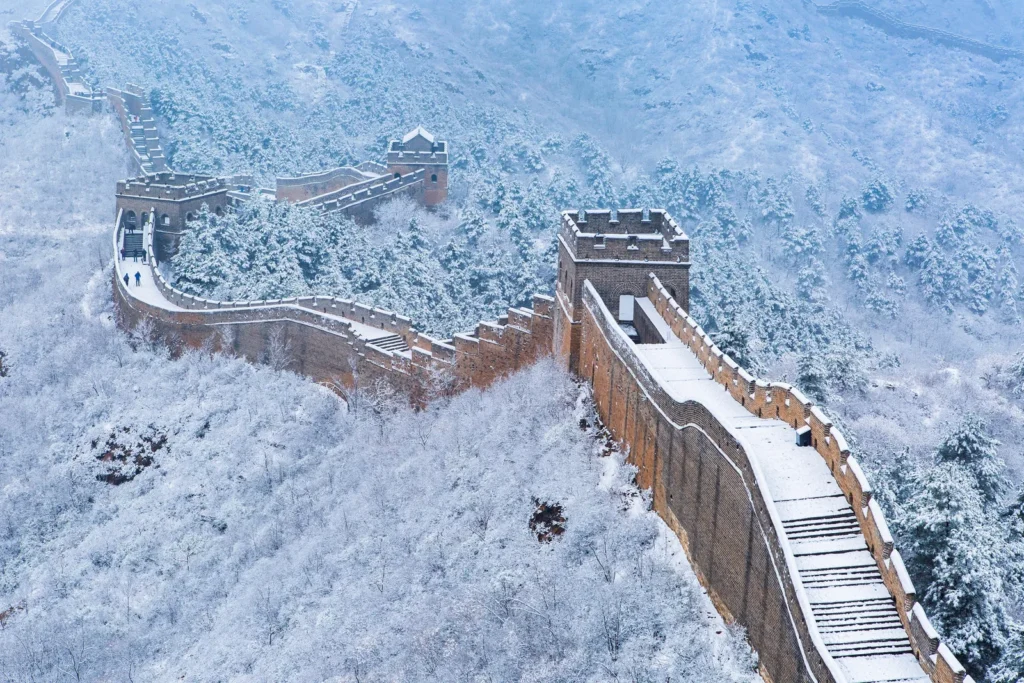
December is a possible month to visit the Great Wall near Beijing, but it is not the easiest month. The crowds are usually lighter, winter light can be beautiful, and a snow-dusted wall can be memorable. The tradeoff is cold wind, shorter daylight, icy steps, and more operational uncertainty. For most foreign visitors, December is best kept simple: choose Mutianyu or Badaling, avoid wild-wall routes, and plan conservatively.
Fast Answer: Great Wall in December and Winter
December is a real winter Great Wall visit: quieter, colder, windier, and sometimes beautiful after snow. It can be rewarding, but it is not the easiest month. Choose a restored section such as Mutianyu or Badaling, start early, avoid wild-wall routes, and treat icy steps or cable-car pauses as serious planning issues.
| Winter question | Short answer | Planning advice |
|---|---|---|
| Can you visit the Great Wall in December? | Yes, but plan conservatively. | Use restored sections, check weather, and avoid late starts. |
| Is the Great Wall snowy in December? | Sometimes, but snow is not guaranteed. | Beautiful snow can also mean slippery stairs. |
| Which section is safest in winter? | Mutianyu or Badaling for most visitors. | Save wild or long hiking routes for better conditions. |
| What should I wear? | Warm layers, wind protection, gloves, and shoes with grip. | Use the Great Wall packing checklist. |
If you are choosing between late autumn and full winter, compare November at the Great Wall with the month-by-month planning hub.
Information check: this guide was reviewed on May 13, 2026. December weather, snow, wind, scenic-area operations, cable-car service, and transport routes can change quickly. Check official notices and forecasts before leaving Beijing, and do not treat winter mountain routes as casual sightseeing.
Quick Planning Snapshot
- Best default sections: Mutianyu or Badaling, not wild-wall routes.
- Best for: travelers who prefer quiet, crisp scenery and can handle cold weather.
- Main risk: wind, ice, snow, and reduced comfort on exposed steps.
- Trip style: shorter walking route, early start, flexible return plan.
- Avoid: remote hiking routes unless you have strong winter-route knowledge and current local guidance.
December Weather at the Great Wall
December near Beijing is cold, dry, and often windy. The wall sits on exposed ridges, so the perceived temperature can feel lower than downtown Beijing. Stone steps can become slippery after snow, frost, or thaw-freeze cycles. Even if the sky is clear, wind can make a long walk uncomfortable.
Dress for a winter mountain outing rather than a normal city walk. Wear warm layers, gloves, a hat, wind protection, and shoes with real grip. If anyone in your group has knee, balance, or mobility concerns, keep the route short and choose a restored section with practical facilities.
Best Great Wall Sections in December
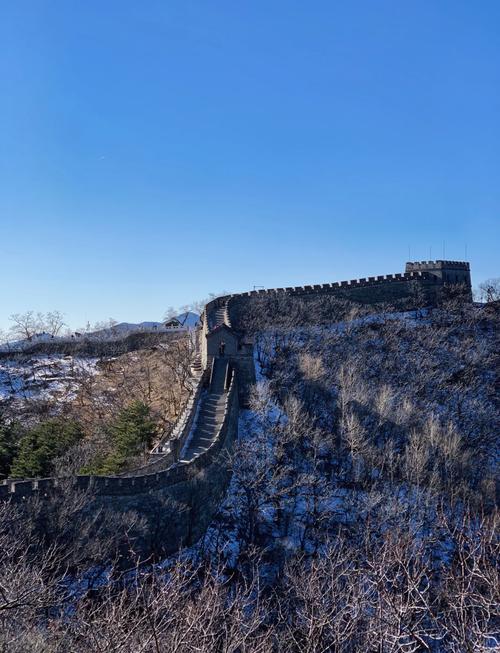
Mutianyu is the best winter choice for many foreign visitors because it combines scenery with restored walking and visitor facilities. If cable car or shuttle services are operating normally, it can be much easier than a remote route. Check current operations before departure.
Badaling is also practical in winter because of its infrastructure and fame. It can still be windy and cold, but facilities and transport recognition are stronger than at many other sections. If you need accessibility support, compare current facilities carefully.
Jinshanling, Gubeikou, and Jiankou are not the default December choices. They can be dramatic, but winter exposure, longer transport, and possible ice make them better suited to experienced hikers with current local information. Do not choose a wild-wall route just because it looks quiet in photos.
Recommended December Itinerary
For a first visit, choose Mutianyu or Badaling as a day trip from Beijing. Leave in the morning, use the warmest part of the day for walking, and keep the route shorter than you would in spring or autumn. Do not plan a late return or a long exposed hike unless you are prepared for winter conditions.
If the forecast shows high wind, snow, ice, or poor visibility, adjust the plan. A shorter restored-section visit is better than forcing a difficult route. For overall planning, compare the Beijing to Great Wall transport guide and the Badaling vs Mutianyu guide.
Where to Stay or Pause in December
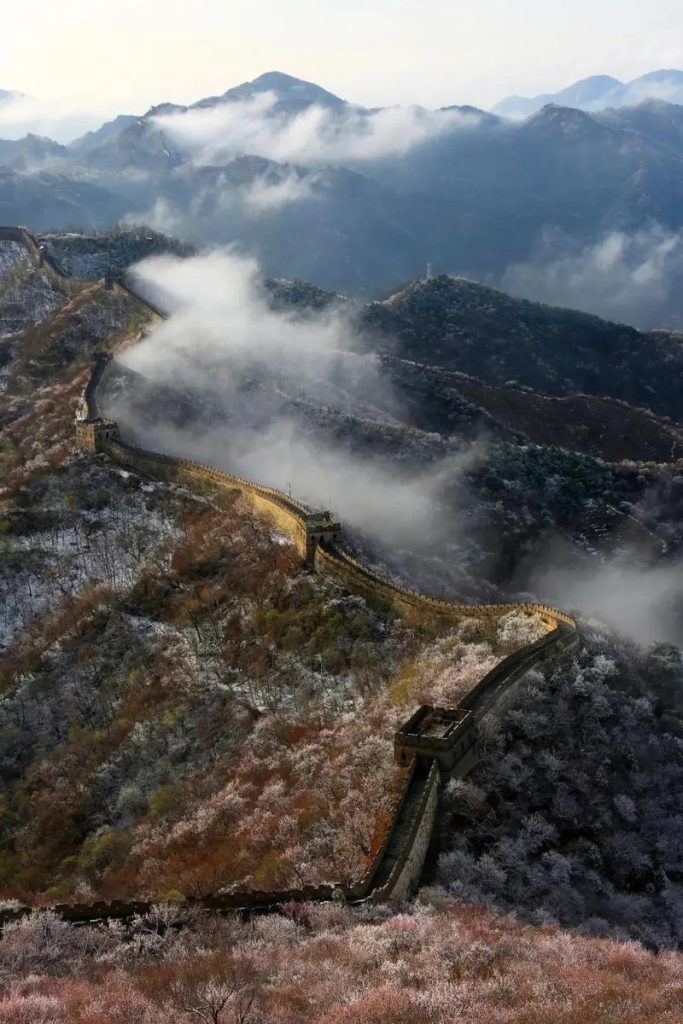
Most December visitors should stay in Beijing and make a straightforward day trip. Overnight stays near the wall are only useful if you specifically want winter photography or a slower countryside experience. Before booking outside Beijing, confirm heating, food options, transport, and whether nearby services operate normally in winter.
Before-You-Go Checklist
- Check scenic-area notices, cable-car operations, and weather alerts before leaving Beijing.
- Dress for wind and exposed mountain conditions.
- Wear shoes with grip; avoid smooth city sneakers.
- Keep the walking route shorter than in spring or autumn.
- Avoid wild-wall routes after snow, ice, or strong wind.
- Bring water even if the air feels cold and dry.
December Route Choice by Traveler Type
First-time foreign visitors: choose Mutianyu if operations are normal, or Badaling if infrastructure and transport recognition matter most. Families and seniors: keep the walk short and use restored sections only. Photographers: winter scenery can be rewarding, but choose safety over remote viewpoints. Hikers: do not choose Jiankou, Gubeikou, or other wild-wall routes casually in December.
December is a month for conservative planning. A short, successful visit to a restored section is better than a long route where cold, ice, or wind forces a stressful retreat. If your priority is comfort, choose a day with clear weather and moderate wind rather than chasing snow at any cost.
Transport Advice for December
Use transport that gives you control over timing. Private transfers and reliable shuttles are often better than complicated public routes in winter, especially if the forecast is cold or windy. Confirm the return plan before leaving Beijing, because waiting outside in winter is much less pleasant than in spring or autumn.
Do not plan December Great Wall transport around the assumption that everything will run exactly as in peak season. Weather, maintenance, and low-season adjustments can affect shuttle, cable-car, or visitor-center procedures. Check current notices before departure and keep an alternative Beijing activity in mind if conditions are poor.
Practical Verdict
December is worth considering if you want quiet winter scenery and are comfortable with cold conditions. For most foreign visitors, Mutianyu and Badaling are the sensible choices. Keep the plan short, check current operations, and avoid treating winter wild-wall hiking as a casual day trip.
Sources Checked
- Weather Spark Beijing December climate summary for long-term winter weather patterns.
- Mutianyu Great Wall official site for current scenic-area information.
- Beijing official Badaling ticketing page for official visitor context.
Related planning guides
Compare Every Month
Still choosing travel dates? Use the month-by-month Great Wall guide to compare weather, crowds, scenery, and section choice from January through December.