
For most families visiting the Great Wall from Beijing, the real choice is not simply “which section is famous?” It is which section gives children, parents, and older relatives the best chance of enjoying the day without turning the trip into a logistics problem. Mutianyu and Badaling are both restored, popular, and realistic for a family day trip, but they suit different travel styles.
The short answer is this: choose Mutianyu if your family wants a smoother first Great Wall experience with easier route control and a calmer feel. Choose Badaling if public-transport simplicity, name recognition, major visitor facilities, or a very classic Beijing sightseeing route matter more. If you are still comparing the two sections generally, read Badaling vs. Mutianyu Great Wall first, then use this guide for the family-specific decision.

Quick family planning snapshot
Mutianyu, especially for foreign visitors who want a scenic but manageable first Great Wall day.
Badaling, especially if your group values big-site facilities and standardized visitor infrastructure.
Children, grandparents, mixed fitness levels, stroller questions, route control, and heat or crowd planning.
Which is easier with children?
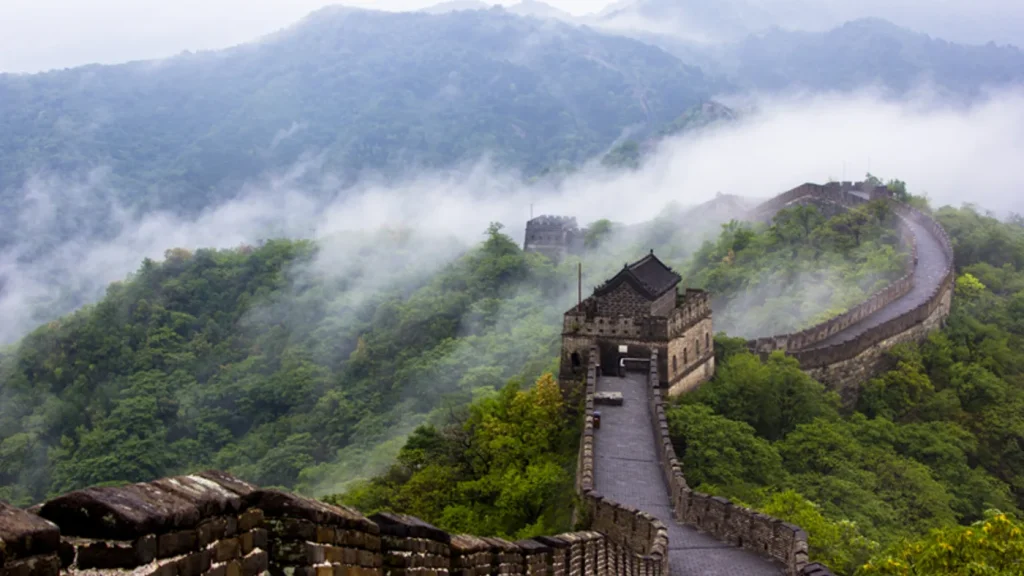
Mutianyu is usually easier with children because the visit can be shaped around a shorter restored-wall walk. Families can decide how far to go after reaching the wall, then turn back before tired legs become a problem. The wall still has steps and slopes, so it is not stroller-friendly on the wall itself, but the overall rhythm is easier to manage than many first-time visitors expect.
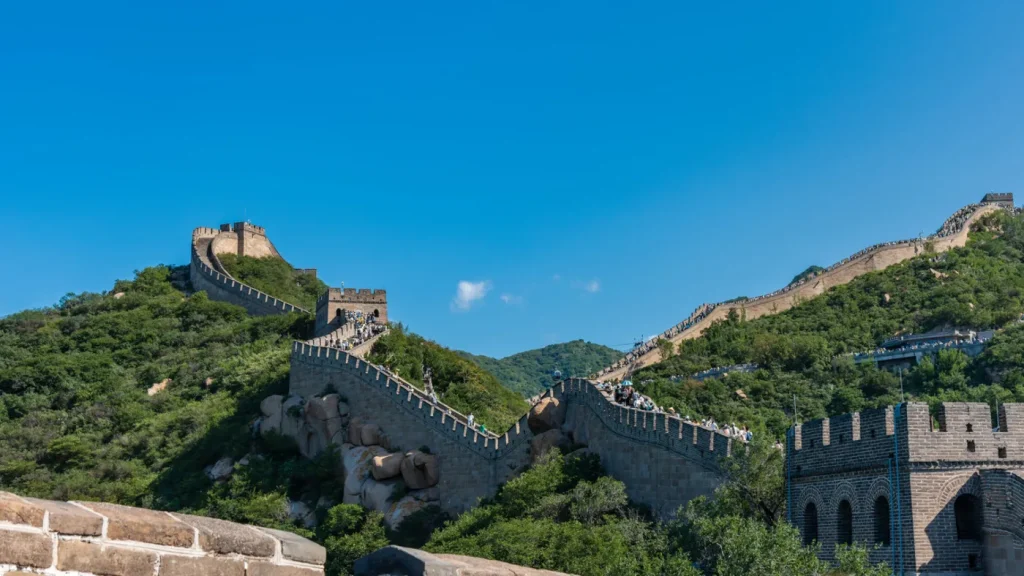
Badaling is also restored and heavily serviced, but the experience can feel bigger, busier, and more exposed to crowd pressure. That does not make it a bad family choice. It can work well for families who want a famous section and are comfortable moving through a major attraction environment. The key is to start early, avoid peak holiday periods when possible, and keep the actual wall walk modest.
Strollers, toddlers, and carrying young children
Neither Mutianyu nor Badaling should be planned as a stroller-on-the-wall experience. The Great Wall is made of stone steps, uneven slopes, tower thresholds, and narrow turns. A stroller may help before or after the wall depending on the access area, but once your family is actually on the wall, a child carrier is usually more realistic than a stroller. Even then, adults need to be careful because descending steps with a child carrier can be harder than climbing.
For toddlers, Mutianyu has the advantage of route control. You can treat the wall walk as a short scenic section rather than a long hike. Badaling has more of a “major landmark” feel, but toddlers may find crowds, queues, and long transitions more tiring. For a dedicated family article, also use Mutianyu Great Wall with kids.
Older relatives and mixed fitness groups
If your family includes grandparents or travelers with knee concerns, do not judge the day only by distance from Beijing. The important questions are how many steps your group can comfortably handle, whether everyone is willing to stop before the steepest part, and whether you have a simple exit plan. Mutianyu is often the better fit because the route feels less like a crowd-managed procession and more like a controlled scenic walk.
Badaling can still be a good choice for older relatives when the group wants a famous, well-known section and does not plan to walk far. It is better to set a modest goal than to chase every tower. For broader mobility considerations, see Great Wall accessibility for seniors and wheelchair users.
Transport and day structure
Badaling often feels easier to understand from a transport perspective because it is one of Beijing’s most established Great Wall destinations. That can matter when parents are balancing children, snacks, bathroom stops, and a strict return time. However, easier transport does not automatically mean an easier wall experience if the section is crowded or your child is tired by the time you arrive.
Mutianyu may require a more deliberate transport choice, but many families prefer the on-site experience once they are there. If your priority is a calmer day with fewer crowd-related decisions, plan Mutianyu carefully rather than choosing Badaling only because it sounds simpler. Use how to get to Mutianyu from Beijing and how to get to Badaling from Beijing to compare routes before leaving.
Crowds, heat, and timing
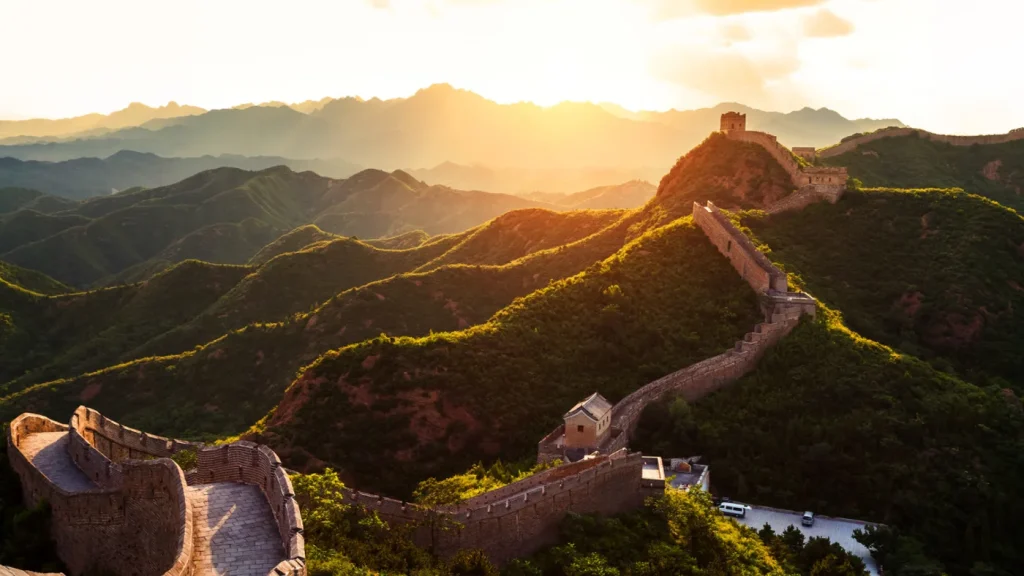
For families, crowd pressure matters more than it does for solo travelers. A child who is fine on a quiet wall can become overwhelmed in tight queues or slow-moving tower bottlenecks. Badaling is more vulnerable to this problem because it is one of the most famous Great Wall sections. Mutianyu can also be busy, but the visit often feels easier to pace outside the busiest windows.
In summer, both sections need conservative planning. Bring water, sun protection, and realistic walking goals. In winter, wind and icy steps can matter more than distance. Avoid promising children a long climb; plan a short, successful wall walk first, then extend only if everyone still feels good. Always check current opening, transport, and safety notices before visiting, especially during holidays or severe weather.
Which section should your family choose?
- Choose Mutianyu if this is your first family Great Wall day, if you want strong scenery without too much crowd pressure, or if your group includes younger children.
- Choose Badaling if your family wants the most famous landmark experience, values major-site infrastructure, or is already planning a very standard Beijing sightseeing route.
- Avoid over-planning. Do not combine both sections in one day with children. One section done well is better than two rushed visits.
Age-by-age planning notes
For preschool children, the best Great Wall plan is short, visual, and flexible. They usually enjoy towers, flags, slopes, and photo stops more than a long continuous walk. Mutianyu is better for this age group because parents can define a small route and still feel that the trip was worthwhile. Badaling can work, but only if the adults accept that the day may be more about seeing the famous landmark than covering distance.
For school-age children, both sections can be successful. Badaling may feel exciting because it is large, famous, and busy, while Mutianyu may feel more like a mountain adventure. The right choice depends on the child: energetic children who like landmark crowds may enjoy Badaling, while children who get overwhelmed by noise or queues usually do better at Mutianyu. Teenagers often care more about photos, views, and not feeling rushed; for them, Mutianyu is usually the more relaxed choice.
Weather-based family decision
On hot summer days, choose the section where your family can shorten the walk fastest. Heat can turn a normal climb into a difficult day for children, especially when stone steps reflect sun and shade is limited. Mutianyu is often easier to manage because the route can be kept compact. Badaling should be planned with an early arrival and a realistic turnaround point. On windy winter days, avoid pushing children or older relatives onto exposed higher parts of the wall. Snow can be beautiful, but icy steps require a conservative plan.
Recommended next reads
- Mutianyu Great Wall with Kids for a full family plan.
- Badaling or Juyongguan Great Wall if you are comparing a closer pass-style section.
- What to pack for a Great Wall trip before traveling with children.
Planning sources checked
- Visit Beijing: Mutianyu Great Wall for official destination context.
- Beijing Municipal Government: Mutianyu ticketing page for current official attraction reference.
- Beijing Municipal Government: Badaling ticketing page for current official attraction reference.
- Beijing Municipal Government: Badaling Great Wall overview for official destination background.