
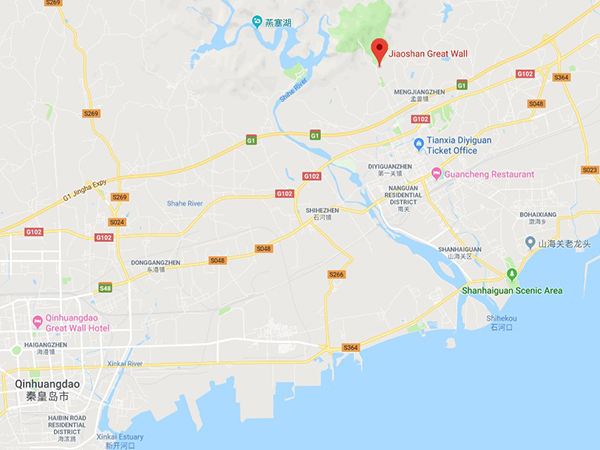
Jiaoshan Great Wall sits near Shanhaiguan in Qinhuangdao and is often described as the first mountain climbed by the Great Wall as it rises from the eastern pass area. It is a better fit for travelers already visiting Shanhaiguan or Laolongtou than for someone making a quick Beijing day trip. Expect steep walking, mountain views, and a more regional Great Wall experience.
Information check: this guide was reviewed on May 14, 2026. Scenic-area access, route condition, ticketing, and transport can change. Check local Qinhuangdao/Shanhaiguan information before visiting.
Quick Planning Snapshot
- Best for: visitors staying in Qinhuangdao or combining Shanhaiguan and Laolongtou.
- Not for: travelers who only have one Great Wall day from Beijing.
- Walking style: short-to-moderate but steep in places.
- Main appeal: coastal-region Great Wall context and mountain views.
- Pair with: Laolongtou-Shanhaiguan if time allows.
Route Character
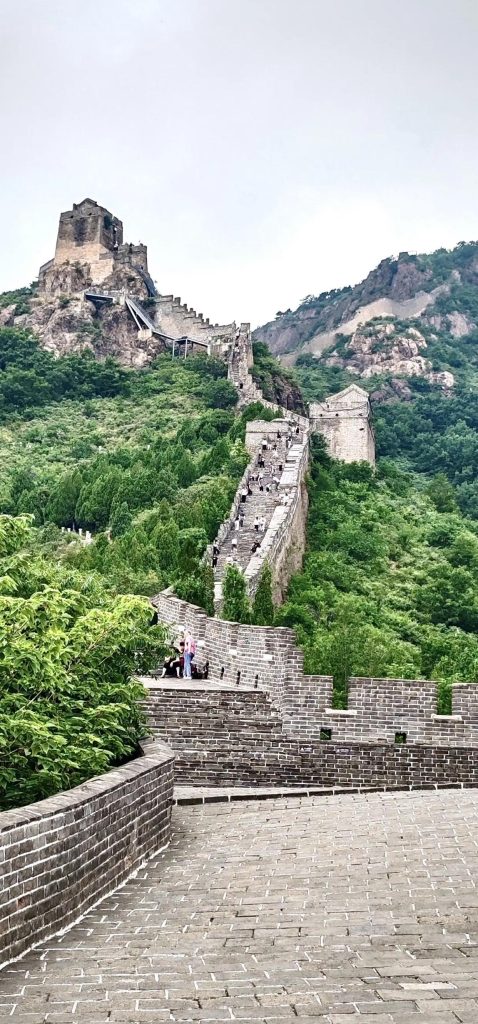
Jiaoshan is not as famous internationally as Mutianyu or Badaling, but it has a clear regional role: it connects the Shanhaiguan pass landscape with mountain wall scenery. The route can feel steeper than its distance suggests, so judge it by elevation and footing rather than only by length.
Planning Advice
Use Jiaoshan as part of a Qinhuangdao/Shanhaiguan itinerary. If coming from Beijing, consider staying overnight in the area instead of rushing. For a first Great Wall experience near Beijing, Mutianyu remains more practical and easier to plan.
Before-You-Go Checklist
- Check current scenic-area access and weather.
- Wear shoes with grip for steep stone sections.
- Bring water and sun protection; mountain exposure can feel stronger than expected.
- Do not combine too many Qinhuangdao sights in one rushed day.
- Use offline maps and save the Chinese name 角山长城.
How to Combine Jiaoshan with Shanhaiguan
A practical Qinhuangdao plan is to use Shanhaiguan as the historical base, then add Jiaoshan when you want a mountain-wall view. Laolongtou gives the sea-facing eastern-end story, Shanhaiguan explains the pass, and Jiaoshan adds the climb. Trying to do all three too quickly can make the day feel like transport rather than travel.
If you only have a half day, choose either Laolongtou plus Shanhaiguan Pass or a focused Jiaoshan walk. If you have a full day in the area, start earlier, keep lunch simple, and leave room for weather changes. Coastal wind and mountain heat can both affect comfort.
Visitor Fit
Jiaoshan is best for travelers who like moderate climbs and regional history. It is less suitable for visitors expecting the polished infrastructure of Badaling or the international familiarity of Mutianyu. That difference is part of the value, but it requires more self-directed planning.
Before you go: Jiaoshan is useful for travelers who want a Shanhaiguan-area hike rather than a heavily restored Beijing day trip. The route can feel steeper and quieter than headline sections, so carry water, choose shoes with grip, and avoid relying on old opening-hour screenshots. Check local notices before visiting, especially outside peak season.
Sources Checked
- TravelChinaGuide Jiaoshan guide for location and route context.
- China Highlights Jiaoshan overview for planning cross-checking.
- Hebei official English portal for regional context.
How to treat Jiaoshan as a route
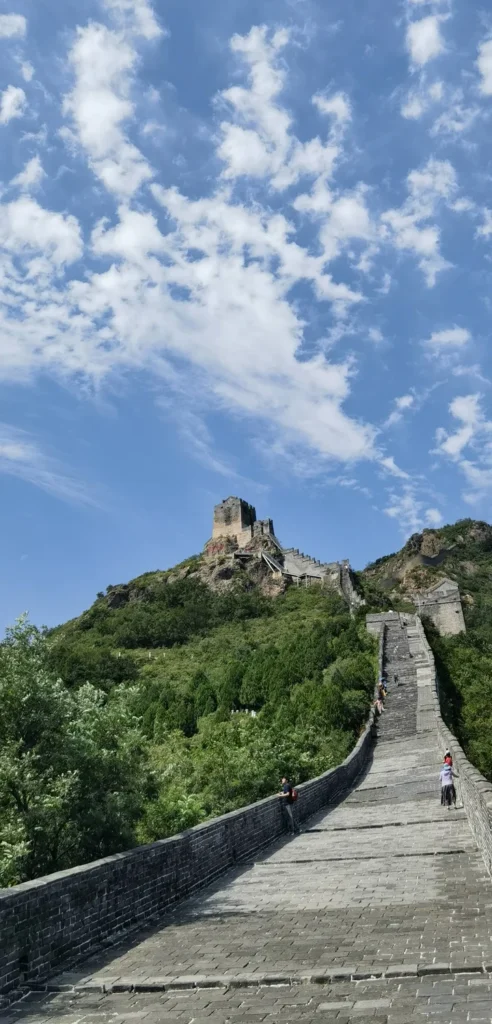
Jiaoshan is closely tied to Qinhuangdao and Shanhaiguan-side planning. It is more useful for travelers already in the area than for someone choosing a simple first Great Wall day from Beijing. The route can offer mountain-wall scenery, but transport and effort should be checked carefully before you build a day around it.
Who should consider Jiaoshan?
Choose Jiaoshan if you want to extend a Shanhaiguan or Laolongtou trip into a mountain section. It suits travelers who are comfortable with a less standard plan and who want to see more than the coastal endpoint. Avoid it if your schedule is tight or if you need the level of facilities found at Badaling or Mutianyu.
Before-you-go checklist
- Confirm local transport from Qinhuangdao or Shanhaiguan.
- Check weather and walking difficulty.
- Save offline maps and the Chinese section name.
- Bring water and footwear suitable for steps and slopes.
- Keep enough time for the return journey.
For current access, closures, weather impact, and local route rules, check official scenic-area notices, local government information, or transport operators before leaving. Commercial tour-company pages are not used as public sources.
How to fit Jiaoshan into an itinerary
Jiaoshan fits best with Shanhaiguan, Laolongtou, and Qinhuangdao planning. It can add mountain-wall scenery to a coastal or pass-focused trip. For a visitor coming directly from Beijing, however, it usually requires more time and more transfers than a standard first-visit route. This is why the article should frame Jiaoshan as a regional route, not a default Beijing section.
What to avoid
Avoid assuming Jiaoshan is interchangeable with Badaling or Mutianyu. The visitor infrastructure, transport pattern, and atmosphere are different. Avoid wet or icy conditions, and do not continue onto rough or restricted areas just because the wall looks visually interesting. The best Jiaoshan plan is conservative and route-aware.
Bottom line
Jiaoshan is a regional Great Wall route for Qinhuangdao and Shanhaiguan-side planning. It can add mountain scenery to a coastal itinerary, but it is not the easiest first Great Wall choice from Beijing. Use it when the broader route already fits, and keep weather, return transport, and route clarity at the center of the plan.
For most readers, Jiaoshan should be a planned regional extension, not an improvised replacement for a Beijing-area section. If the route feels uncertain, choose a more developed wall first.
Use local overnight planning or a Qinhuangdao base if you want the day to feel relaxed rather than rushed.
This keeps Jiaoshan positioned as a considered regional route, not a casual default.