
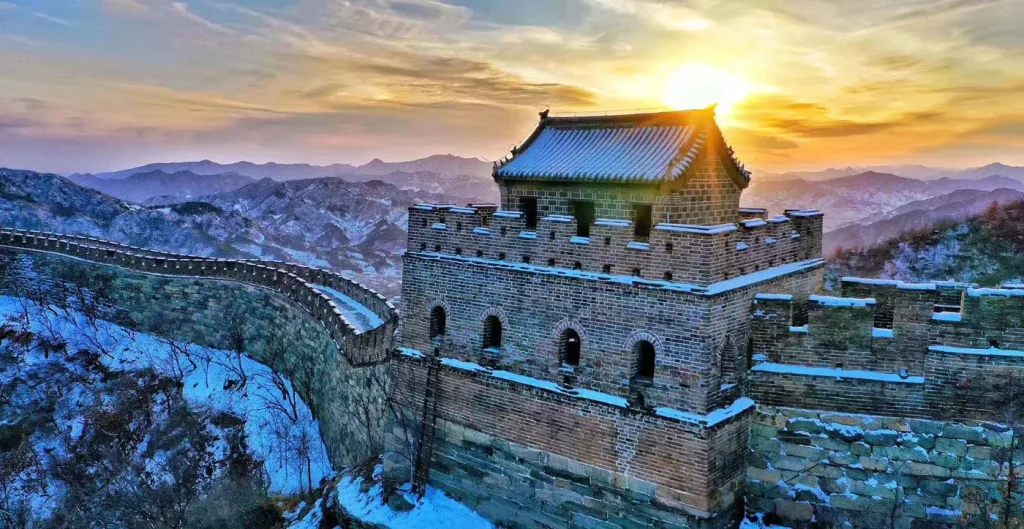
January is the coldest month for many Great Wall trips near Beijing, but it can also be one of the quietest and most visually dramatic times to go. If you are comfortable with winter temperatures and can keep the day flexible, a January visit can reward you with clear air, snow-dusted watchtowers, and far fewer crowds than spring or autumn. The tradeoff is simple: the Wall is exposed, steps can be slippery, and lift or route conditions can change after snow or strong wind.
For most first-time international visitors, Mutianyu Great Wall remains the most practical January choice because it has restored paths, lift options, and a manageable day-trip structure from Beijing. Badaling can work if you want the most famous section and convenient transport, but winter crowd patterns can still spike around holidays. Wilder hikes should be treated cautiously in January unless you have proper gear and local conditions are confirmed.
Quick planning snapshot
- Best for: quiet scenery, winter photography, and travelers who can handle cold weather.
- Main caution: wind chill, ice, short daylight, and possible lift or path changes after snow.
- Best section for most visitors: Mutianyu.
- Better avoided: steep unrestored routes after snow or freezing rain.
Is January a good month to visit?
January is good only for the right traveler. If you want mild walking weather, blossom scenery, or a relaxed family outing, choose another month. If you want a quieter Great Wall, winter atmosphere, and a chance of snow scenes, January can be excellent. The key is not to overpack the schedule. Leave extra time for slower walking, transport delays, and weather checks.
Winter also changes how you compare sections. Mutianyu is easier because you can keep the walk short and use lift options when they operate. Badaling is convenient but can feel very exposed and is still famous enough to attract visitors during holidays. Jinshanling has stronger hiking atmosphere, but January is not the month to underestimate distance, wind, and footing.
What January weather means on the Wall
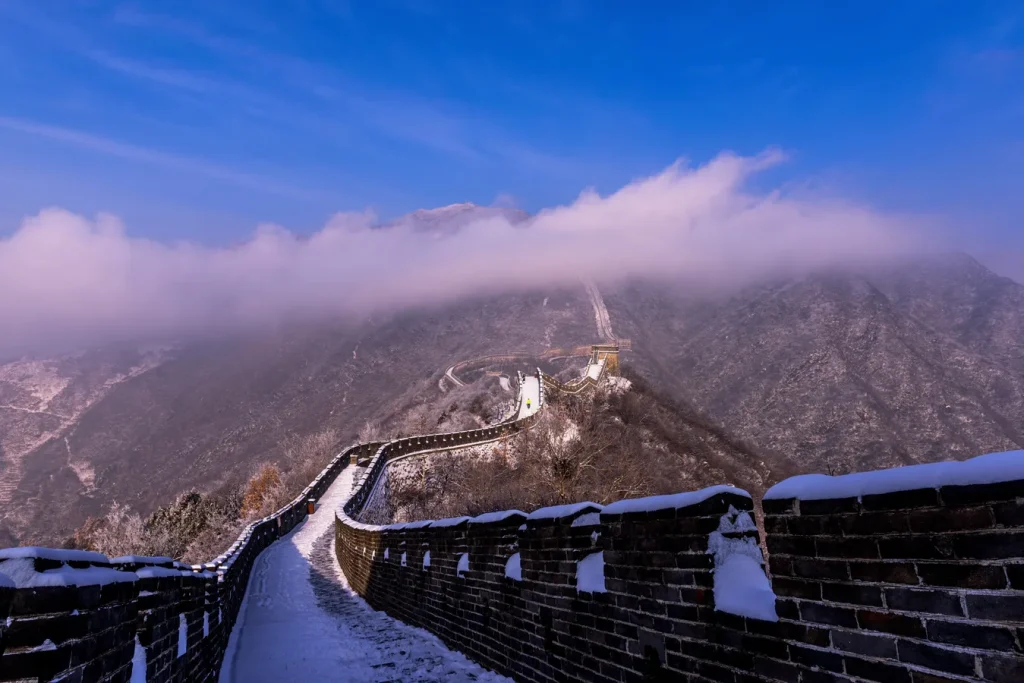
Beijing winter is dry and cold, and the Wall is usually colder than the city center because it sits on open ridges. The most important planning point is wind. A sunny forecast can still feel harsh if the ridge is windy. Snow is possible, but not guaranteed; when it happens, it may make the Wall beautiful and also more slippery.
Wear warm layers, gloves, a hat, and shoes with real grip. Avoid smooth city shoes. If you plan to take photos, bring spare battery capacity because cold weather can drain phones and cameras faster.
Best sections in January
Mutianyu
Mutianyu is the best all-round January option for most foreign visitors. It has a restored route, strong mountain scenery, and enough facilities to make a cold day more manageable. The route can be shortened if the weather feels tougher than expected. This is especially useful for families or travelers who want winter scenery without committing to a long hike.
Badaling
Badaling is useful if transport convenience matters most. It is the most famous section and has broad facilities, but it can feel more crowded during holiday windows and more exposed in wind. If you choose Badaling, go early, check official notices, and prepare for cold even if Beijing city streets feel manageable.
Jinshanling and hiking routes
Jinshanling can be beautiful in winter, but it is a more serious day. Choose it only if you have enough time, strong footwear, and a realistic transport plan. Avoid steep or unrestored routes when ice or snow is present.
Recommended January plan from Beijing
For a first visit, plan Mutianyu as a full day rather than a rushed half day. Leave Beijing early, confirm current scenic area operations, and keep the walking section flexible. If conditions are dry and calm, walk farther along the restored Wall. If wind or ice makes the route uncomfortable, shorten the walk and focus on the best viewpoints.
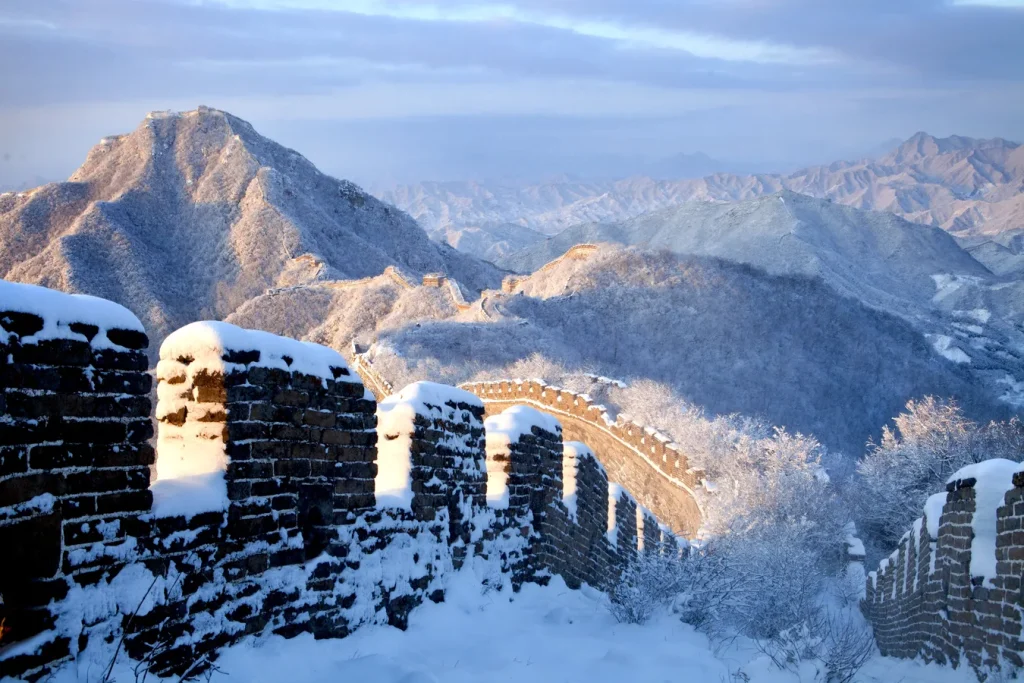
Do not rely on a fixed expectation of snow. A snowless January day can still be worthwhile because winter light and low visitor numbers are part of the appeal. If snow is the main goal, monitor weather close to your travel date and avoid unsafe conditions immediately after heavy snow or freezing rain.
What to pack
- Warm base and mid layers.
- Wind-resistant outer jacket.
- Hat, gloves, and warm socks.
- Walking shoes with grip.
- Water, snacks, and a power bank.
- Sunglasses for bright snow or clear winter light.
Before-you-go checklist
- Check official scenic area notices before traveling.
- Confirm lift or cable car status if you depend on it.
- Avoid steep or unrestored routes after snow or ice.
- Start early because winter daylight is shorter.
- Keep a backup plan if wind, air quality, or road conditions change.
Recommended next reads
- Great Wall in February for late-winter and holiday planning.
- Great Wall in March for early spring conditions.
- What to wear for the Great Wall for seasonal packing.
- How to get from Beijing to the Great Wall for transport choices.
Planning sources checked
- Mutianyu Great Wall official site
- Badaling Great Wall official site
- Beijing public holiday information
- WeatherSpark Beijing monthly climate reference
How to decide if January is worth it for your trip
Choose January if the Great Wall is a priority and you are comfortable building the day around winter conditions. It is a good fit for travelers who would rather have quieter paths than mild weather. It is also useful for photographers who want low-angle winter light, clearer ridgelines, and the chance of snow without the heavy crowds of autumn. The month is less suitable if your group includes people who strongly dislike cold, have limited balance on steps, or need a predictable lift-dependent itinerary.
A practical January decision starts with your tolerance for flexibility. If you only have one fixed day and bad weather would ruin the experience, pick the most reliable section and keep expectations modest. If you have several days in Beijing, watch the forecast and choose the clearest, calmest day. This is one of the few months when moving the Wall visit by a day can noticeably improve comfort and safety.
Common January mistakes
- Planning a long hike because the map distance looks short.
- Wearing city shoes that become unsafe on cold stone steps.
- Assuming snow scenery is guaranteed.
- Forgetting that shaded steps can remain icy after sunny weather returns.
- Leaving Beijing too late and losing the best daylight.
The better approach is to treat January as a mountain winter day. Keep the route simple, choose facilities over ambition, and let the weather decide how far you walk once you arrive.
Compare Every Month
Still choosing travel dates? Use the month-by-month Great Wall guide to compare weather, crowds, scenery, and section choice from January through December.