
The Great Wall is often described through short facts that lose important context. The useful version for travelers is more specific: it was not one continuous wall built in one year, it is not visible from the Moon with the naked eye, and the famous places visitors see today represent only part of a much larger historical system.
Quick facts and myths
| Question | Short answer | Read next |
|---|---|---|
| Can you see it from space or the Moon? | No, not with the naked eye in the way the common myth suggests. | Space and Moon myth answer |
| How long is it? | The total surveyed Great Wall system is far longer than the restored sections a visitor walks. | Great Wall length explained |
| Who built it? | Different states and dynasties built, rebuilt, and maintained frontier works over many centuries. | Who built the Great Wall? |
| Where does it begin and end? | It is a network, but Jiayuguan and Shanhaiguan are the best-known western and eastern reference points. | Start and end guide |
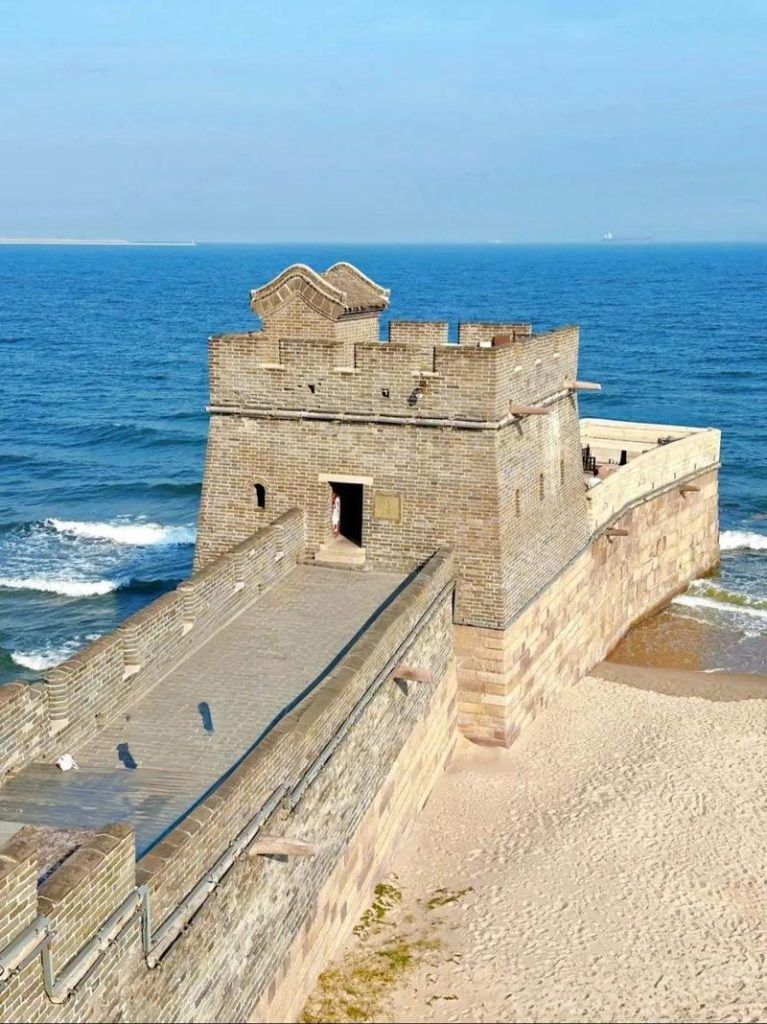
What visitors see versus the full historical system
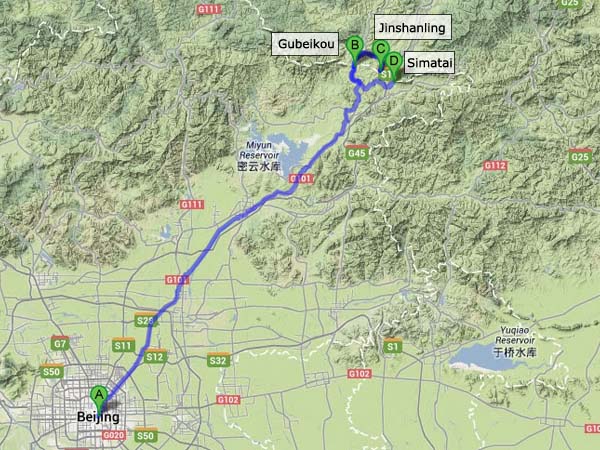
Mutianyu and Badaling are restored visitor sections near Beijing. Jinshanling, Gubeikou, Jiankou, Shanhaiguan, and Jiayuguan reveal very different terrain, restoration levels, and historical settings. That is why a statement about “the Great Wall” can be true in one context but unhelpful for a trip plan. Start with how to choose a Great Wall section when deciding where to visit.
It was built over many periods
The Great Wall is not only a Ming Dynasty story. Earlier frontier works, the Qin and Han periods, the Northern and Southern Dynasties, the Jin Dynasty, and the Ming all matter in different regions. Use the detailed explainers for the Spring and Autumn period, the Northern and Southern Dynasties, the Jin Dynasty, and Jin Dynasty construction innovations.
Names, building, and purpose
“Great Wall” is a useful modern umbrella term, but Chinese names, local place names, and dynastic context can be more precise. Learn why it is called the Great Wall, how different languages refer to it, how different sections were built, and why frontier walls were built and maintained.
Use facts to plan a better visit
History becomes more useful when it helps you choose the right section. For an easy first visit from Beijing, compare Badaling and Mutianyu. For a longer historical route, read the Laolongtou and Shanhaiguan guide. Keep the wider facts in view, but plan the day around one real section, current access information, and your walking pace.

Why the space myth persists
The myth survives because the Great Wall is visually powerful in photographs, maps, and popular culture. From ground level, long ridges and watchtowers can look enormous. From the distance of space, however, width, colour contrast, atmosphere, viewing angle, and the limits of human vision matter far more than cultural fame. The useful takeaway is not only that the claim is false, but that the wall is best understood through its terrain and local sections rather than as one uniform line visible everywhere.
What the length figure actually describes
A total-length answer can include walls, trenches, natural barriers, and related defensive works across different periods and regions. That is why the full surveyed system is much longer than the route a visitor experiences at Mutianyu or Badaling. A traveler does not need to memorize every number, but should avoid comparing a single restored ticketed section with the entire historical network. The length guide explains the distinction in plain language.
Why “who built it?” needs a longer answer
Different communities, military systems, labour arrangements, and dynasties contributed to frontier construction over centuries. Materials changed with local geography: tamped earth appears in some regions, while stone and brick are more familiar near Beijing. Maintenance and rebuilding mattered as much as original construction. This is why the preserved wall near Beijing can look very different from western or coastal sites.
A practical fact-checking rule
When a claim about the Great Wall sounds absolute, ask which dynasty, which location, and which definition it uses. That simple check resolves many apparent contradictions. It also leads to better travel decisions: a first-time visitor normally needs section comparison and transport advice, while a history-focused visitor may want a longer route through Shanhaiguan, Jiayuguan, Gubeikou, or Jinshanling.
The Ming Wall is important, but it is not the whole story
Many visitors picture brick watchtowers on mountain ridges because those are the best-known surviving scenes near Beijing. Much of that image is associated with Ming-era construction and rebuilding. The broader Great Wall story is older and geographically wider. Earlier frontier systems can look very different, especially where earthwork, desert terrain, passes, trenches, or natural barriers played a larger role.
Why restoration varies by section
Restoration is not a simple good-or-bad label. A restored section can make a first visit safer and easier to understand. A less-restored section can reveal terrain, materials, and defensive setting more directly, but it may require better preparation or may not be appropriate for casual access. Read route-specific safety guidance before treating a dramatic photograph of a wild wall as a DIY itinerary.
Facts that matter for families and first-time visitors
The most useful fact for a family is not a total length number; it is that the wall includes steep steps, uneven surfaces, exposed weather, and very different visitor facilities from one section to another. The most useful fact for a first-time visitor is that a clear section choice saves more time than trying to see an abstract “Great Wall of China.” For many groups, Mutianyu provides the best balance of scenery, infrastructure, and day-trip logistics.
Keep history connected to place
Use facts pages as a starting point, then move to the place where the history becomes visible. Shanhaiguan helps explain the eastern end; Jiayuguan gives western-end context; Gubeikou and Jinshanling show mountain frontier terrain; Mutianyu and Badaling demonstrate how a restored visitor section works today. This approach is more useful than treating every story about the Great Wall as if it describes the same path.
Continue exploring
For a deeper historical reading path, compare the earliest Great Wall traditions, how defense worked, and why the Great Wall became a diplomatic symbol. Each page answers a narrower question; this hub keeps the overall context clear.
The same principle applies when you encounter a viral fact, a map label, or a travel claim: return to the section, the time period, and the source context. That makes Great Wall history more accurate and makes the eventual travel plan easier to trust.