
The Great Wall of China is usually described as more than 21,000 kilometers long, but that number needs context. It does not mean there is one continuous walkway stretching across northern China. The figure includes wall sections, trenches, natural barriers, branches, and remains from different dynasties. For travelers, the useful question is not only “how long is it?” but also “which part can I actually visit?”
Fast Answer: Great Wall Length in Kilometers and Miles
The most useful short answer is: the full Great Wall system is usually cited at about 21,196 km, or about 13,171 miles. That number includes more than the restored brick walls tourists walk on near Beijing; it also counts trenches, branches, natural barriers, and remains from different periods.
| Length question | Short answer | What it means |
|---|---|---|
| How long is the Great Wall of China? | About 21,196 km / 13,171 miles | The full historical wall system, not one continuous walkway. |
| How long is the wall visitors can walk? | Much shorter | Tourists visit restored sections such as Mutianyu, Badaling, Jinshanling, and Simatai. |
| Why do length numbers differ? | Different counting methods | Some figures count only walls; others include trenches, branches, passes, and ruins. |
For broader context, continue with the Great Wall facts and myths hub, then compare visitor sections in Badaling vs Mutianyu.
Quick planning snapshot
- Best for: readers who want a clear explanation before comparing Beijing-area sections.
- Main number to know: modern surveys place the total Great Wall system at over 21,000 km.
- Travel reality: restored visitor sections are small, separated parts of a much larger historical defense network.
The short answer: over 21,000 kilometers
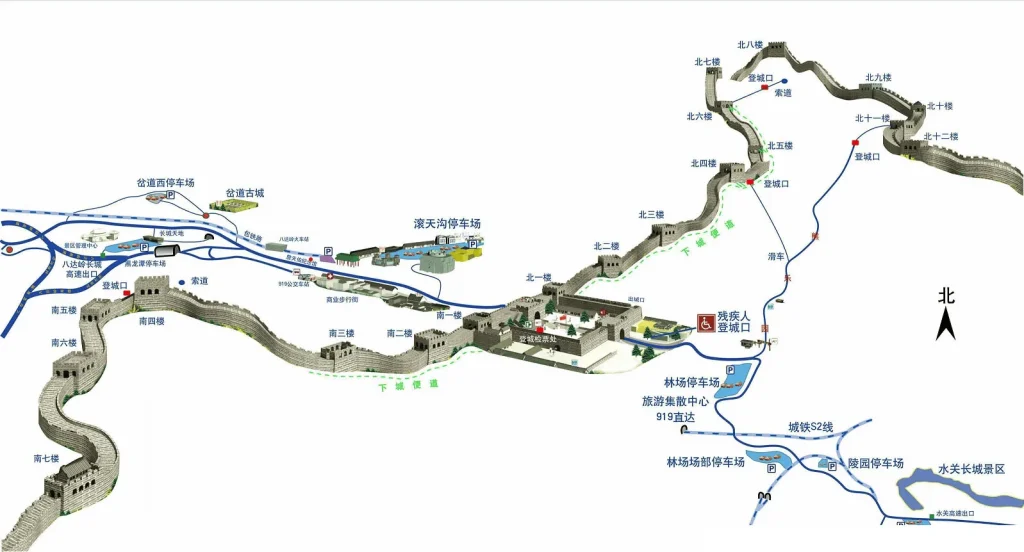
Current public summaries normally cite a total length of more than 21,000 km for the Great Wall system. The China government conservation update describes existing sections as having a total length of over 21,000 km, and Britannica gives the often-cited total of about 21,196 km when all sections ever built are counted. These numbers are close because they refer to the same broad idea: the Great Wall as a multi-period defensive system, not only the restored stone wall tourists walk on.
Why different sources give different lengths
Length changes depending on what is counted. If a source counts only the best-preserved Ming Dynasty wall, the number is much shorter than the all-dynasty total. If it includes trenches, natural mountain barriers, beacon towers, parallel walls, and overlapping rebuilt sections, the number grows. That is why older guidebooks may mention roughly 6,000 to 8,800 km, while modern survey-based summaries use figures above 21,000 km.
The Ming wall is the most important layer for many visitors because it includes famous sections such as Badaling, Mutianyu, Jinshanling, Simatai, Juyongguan, and Shanhaiguan. But the all-dynasty Great Wall story also includes earlier Qin, Han, Northern dynasties, and other frontier systems. If you are researching the total length, read it together with the timeline in When Was the Great Wall of China Built?.
How long is the visitor-friendly Great Wall?
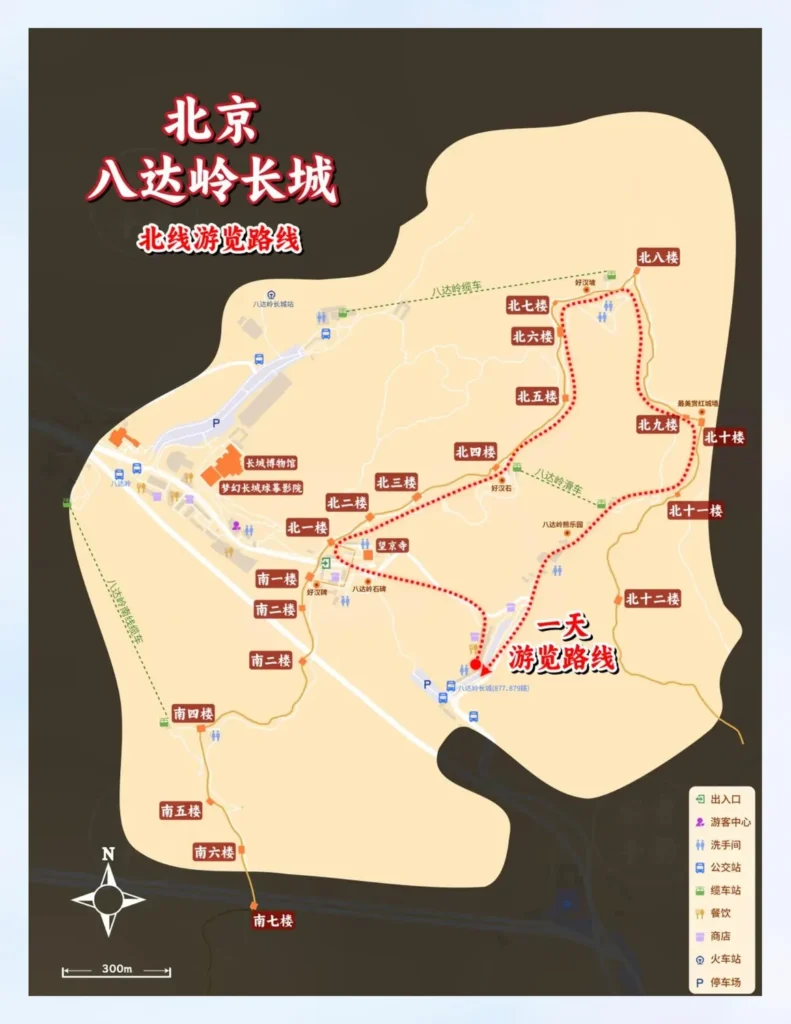
For a practical trip from Beijing, you will not experience thousands of kilometers. You will choose one restored or semi-restored section, usually for a half day or full day. Mutianyu Great Wall is often the easiest first choice for foreign travelers because it has good scenery, cable car options, and a calmer feel than the most crowded domestic-tour sections. Badaling is famous and convenient, but it can feel busier, especially on Chinese holidays.
Eastern and western endpoints are also confusing
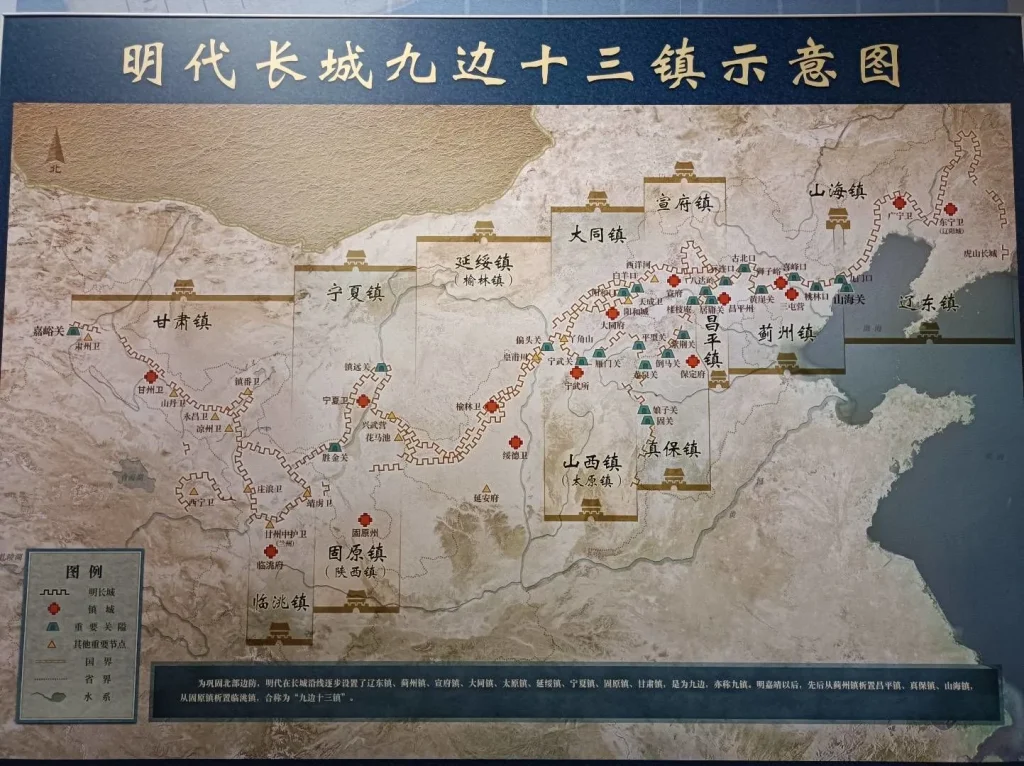
Many travel articles say the Ming Great Wall stretches from Jiayuguan in Gansu to Shanhaiguan on the Bohai coast. That is a helpful travel shortcut, but it is still a Ming-focused answer. Earlier and later wall systems do not fit perfectly into one neat east-west line. If you want to understand the endpoint issue, compare the sea-facing section in Laolongtou and Shanhaiguan with the broader endpoint explanation in the site’s start-point guide.
What number should you use in your notes?
Use “over 21,000 km” when you mean the Great Wall system across multiple dynasties. Use “Ming Great Wall” when you are talking about the famous brick-and-stone sections most travelers see. Use a specific section name when you are planning a trip: Mutianyu, Badaling, Jinshanling, Simatai, Jiankou, Juyongguan, or Shanhaiguan. This avoids the common mistake of treating the Great Wall as one continuous tourist route.
Before you visit
The Great Wall is a protected cultural landscape, and not every section is safe or officially open. Some wild sections are fragile, dangerous, or restricted. For a first visit, choose an open scenic area and check local rules before travel. If you want a simple decision path, start with Great Wall sections near Beijing, then read which Great Wall section is recommended.
Common length mistakes to avoid
Do not say the Great Wall is only the distance you can walk at a scenic area. A visitor may walk one to five kilometers at Mutianyu or Badaling, but that is just the open scenic route. Do not say the wall is one uninterrupted stone structure either. Across northern China, the wall system includes broken remains, rebuilt sections, side branches, beacon towers, passes, trenches, and terrain-based defenses. Some places are restored for visitors; many are archaeological or protected remains that are not suitable for casual travel.
How to explain the length to first-time visitors
A clear explanation is: “The full Great Wall system is over 21,000 km, but the famous tourist sections near Beijing are individual restored Ming sections.” This wording is useful because it separates history from travel planning. It also avoids overpromising. A traveler who reads a huge total length might imagine a continuous hiking trail, when in reality they need to choose a specific scenic area, buy the right ticket where required, and plan transport to that section.
Which sections help you understand the scale?
For scale near Beijing, Mutianyu shows a restored mountain wall with towers spaced along ridges. Badaling shows how a major pass became a national-level visitor area. Jinshanling gives a stronger sense of long ridgeline walking and mixed restoration. Shanhaiguan and Laolongtou explain the eastern endpoint of the Ming wall. None of these alone shows the whole Great Wall, but together they help visitors understand why the full length is a system rather than one attraction.
More Great Wall Facts and Myths
For a wider fact-check path, use the Great Wall Facts and Myths hub. It links the space myth, real length, builders, dynasties, origins, and why the wall was built.