
The Han Dynasty expanded the Great Wall system westward and linked frontier defense with trade-route protection. Compared with the Qin focus on northern consolidation, Han wall systems are strongly connected with the Xiongnu frontier, the Hexi Corridor, and routes that later became associated with the Silk Road.
Quick planning snapshot
- Best for: Travelers interested in Silk Road, desert, and western Great Wall history.
- Use this guide for: Understanding how Han frontier defenses expanded beyond the better-known Beijing-area Ming sections.
- Planning focus: Use this as background for Jiayuguan, Gansu, desert beacon towers, and long-distance historical routes.
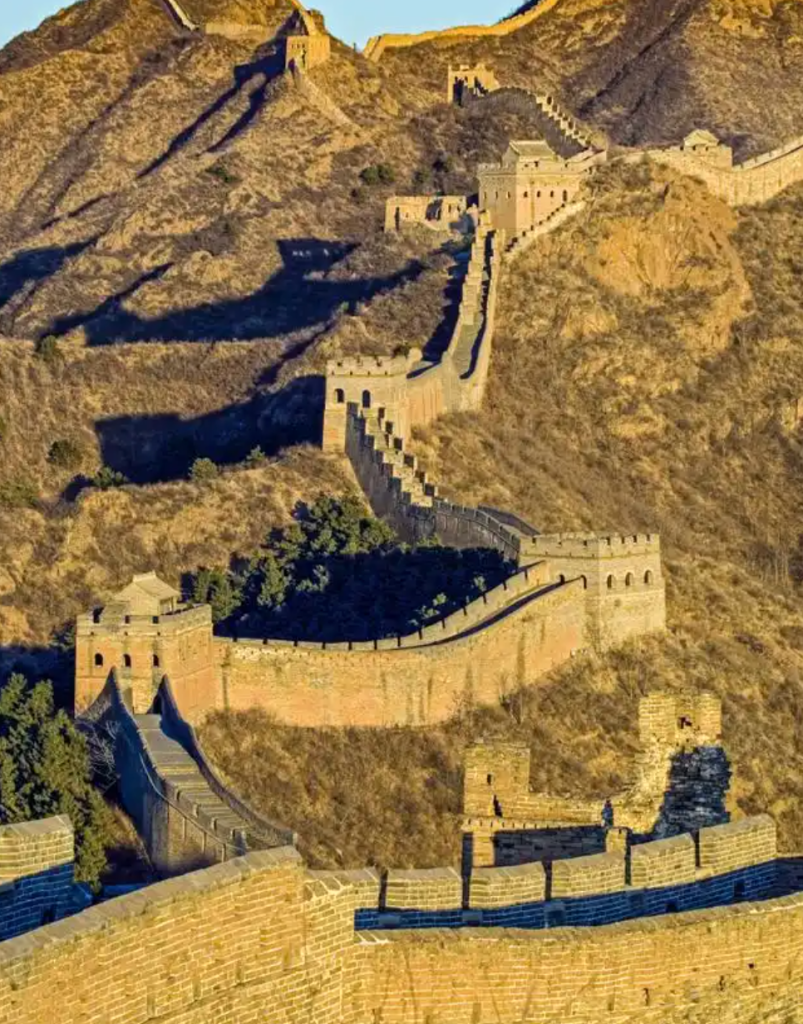
Information check: this article was reviewed on May 14, 2026. Han walls were often earth or local-material defenses in arid frontier zones, not the same as the restored brick sections near Beijing.
Quick Historical Snapshot
- Period: 202 BCE-220 CE.
- Main concern: northern and northwestern frontier security.
- Strategic zone: Hexi Corridor and routes toward the west.
- Travel connection: important for history, but not the main wall most Beijing visitors walk.
Why Han Expansion Matters
Han defenses helped protect movement, communication, garrisons, and trade corridors. The Great Wall was not only a wall; it was part of a frontier network. Beacon towers, forts, passes, and supply routes mattered as much as the physical wall.
Visitor Context
If your trip is focused on Beijing, Han wall history is background rather than a direct route choice. If you travel farther west or study Silk Road history, the Han wall becomes more central.
Related pages: how the Great Wall was defended and when the Great Wall was built.
Sources Checked
- Britannica Great Wall of China for historical overview.
- UNESCO Great Wall listing for heritage context.
- China Highlights Great Wall timeline for travel-facing chronology cross-checking.
Why the Han Great Wall feels different
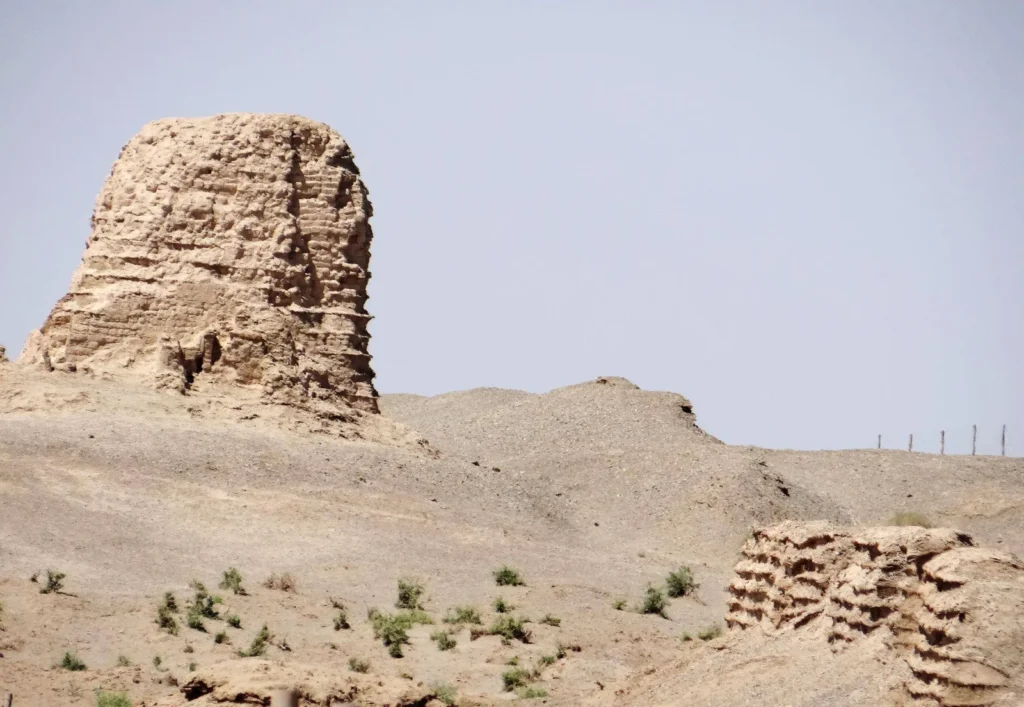
The Han Dynasty wall story is different from the restored mountain walls most visitors see near Beijing. Han frontier defense was strongly connected with the northwest, the Hexi Corridor, beacon lines, desert routes, and the emerging Silk Road network. Instead of thinking only about brick watchtowers on green mountains, imagine long lines of earth, reeds, gravel, beacon towers, and military posts across dry frontier landscapes.
Han expansion and the Hexi Corridor
Han rulers faced Xiongnu pressure and also pushed control westward. The Hexi Corridor became strategically important because it linked central China with western regions and trade routes. Britannica’s Han Dynasty overview notes Han expansion of boundaries and Great Wall defenses along the northern frontier, while broader Great Wall histories connect Han defenses with western frontier control. This makes the Han wall more route-oriented than a simple tourist landmark.
Beacon towers and military communication
Han frontier defense depended heavily on communication. Beacon towers and posts helped transmit warnings and organize military response over long distances. In dry western areas, the remains may look very different from Ming brick sections. For travelers, this is an important lesson: the Great Wall was not one material or one style. It adapted to terrain, climate, military needs, and available resources.
How Han connects with the Silk Road
The Han period is also important because frontier defense and westward routes overlapped. Military control, trade movement, envoys, posts, and defensive lines all mattered. The wall did not “create” the Silk Road by itself, but it helped protect and manage strategic corridors. That is why Han Great Wall history often belongs in the same conversation as Dunhuang, Gansu, and western route planning rather than only Beijing sightseeing.
What this means for a Beijing-based visitor
If you only visit Mutianyu or Badaling, you are not seeing the Han wall. You are seeing later Ming sections. Still, Han history helps explain why the Great Wall became a flexible frontier system over many regions. A good mental model is: Qin connected, Han expanded westward, and Ming rebuilt many of the famous walls near Beijing. This keeps the travel story accurate without overwhelming the visitor.
Sources and next reads
For background, compare Britannica’s Han Dynasty overview, Britannica’s Great Wall history, and UNESCO World Heritage Centre. Then read The Qin Dynasty Great Wall, The Ming Dynasty Great Wall, and When Was the Great Wall Built?.
Common Han Great Wall mistakes
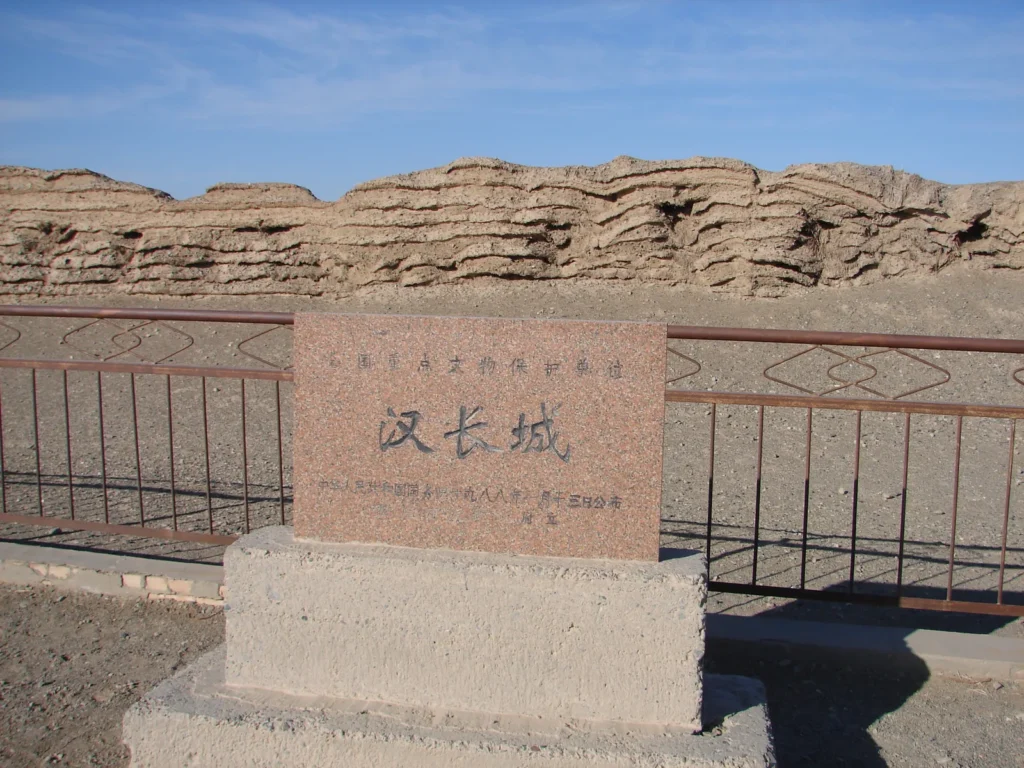
The Han Great Wall should not be treated as just another Beijing mountain wall. Han frontier defense was strongly tied to western expansion, beacon systems, and route control in dry frontier regions. Some Han remains are more like earth lines, towers, and post networks than restored brick walls. That difference is exactly why Han history is useful: it proves the Great Wall changed form according to geography and strategy.
Visitor takeaway
If you are planning only a Beijing Great Wall trip, Han history is background rather than the visible wall you will walk on. If your route includes Gansu, Dunhuang, or Silk Road themes, Han frontier history becomes much more relevant. Always connect the dynasty to the right region and wall type.
How this page should support the site
This Han page should broaden the site beyond Beijing-only thinking. It explains why the Great Wall also belongs to western frontier and Silk Road history. That helps travelers understand that Mutianyu and Badaling are not the whole story. It also gives future route articles about Gansu, Dunhuang, Jiayuguan, and corridor travel a stronger historical base to link back to.
For readers comparing dynasties, Han should be understood as the western expansion stage, where frontier defense, route control, and communication lines became especially important.
This framing also helps avoid duplicate content: the article focuses on western frontier systems, while Beijing section guides focus on practical visitor routes.
More Great Wall Facts and Myths
For a wider fact-check path, use the Great Wall Facts and Myths hub. It links the space myth, real length, builders, dynasties, origins, and why the wall was built.