
The Great Wall is called “great” because it is not just one wall. It is a long historical defense system made of walls, passes, towers, trenches, branches, and frontier routes built across many dynasties. In Chinese, the most common name is 长城 (Chángchéng), literally “long wall.” The English name “Great Wall” emphasizes scale, fame, and cultural importance.
Quick planning snapshot
- Best for: readers who want the meaning behind the name before visiting.
- Main answer: Chinese emphasizes length; English emphasizes greatness and importance.
- Travel use: knowing the terms helps when reading signs, maps, tickets, and transport apps.
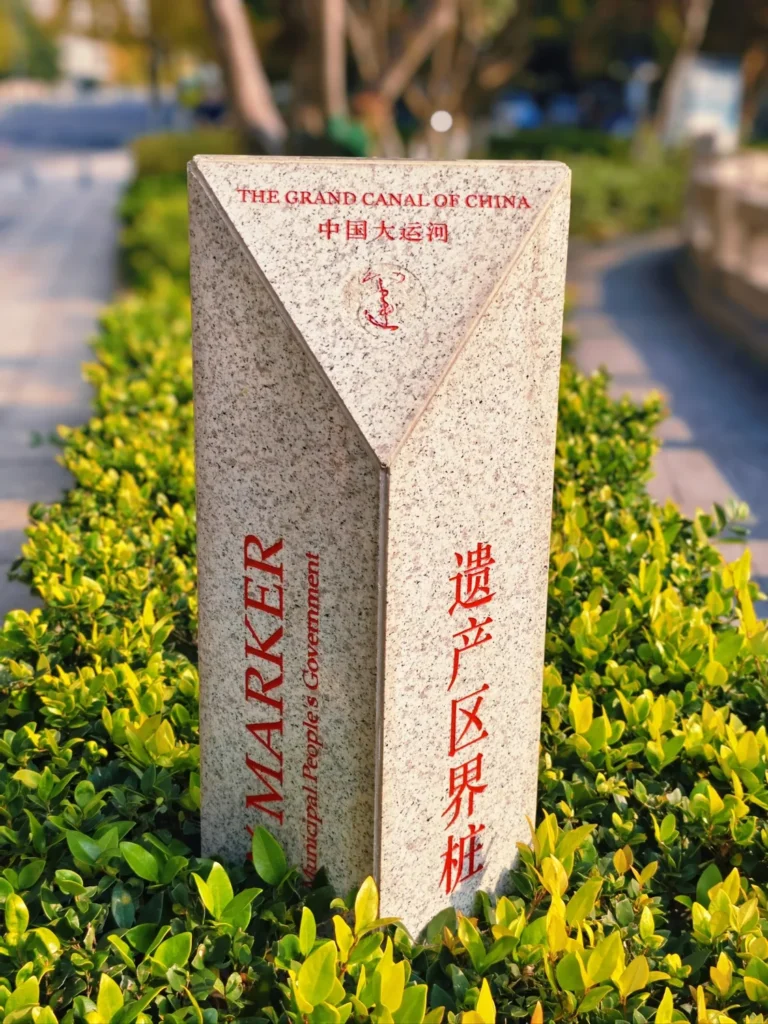
What does 长城 mean?
长 means long, and 城 can refer to a city wall, fortified wall, or defensive enclosure depending on context. Together, 长城 means “long wall.” This is a practical name because the structure was understood as a long defensive system stretching across frontier regions, not simply a single scenic monument.
Why English uses “Great Wall”
The English phrase “Great Wall” does not translate every character literally. It reflects how foreign writers and travelers understood the wall’s scale and importance. “Great” points to its fame, length, engineering ambition, and historical weight. This is why the phrase became common in English even though “Long Wall” is closer to the Chinese word-by-word meaning.
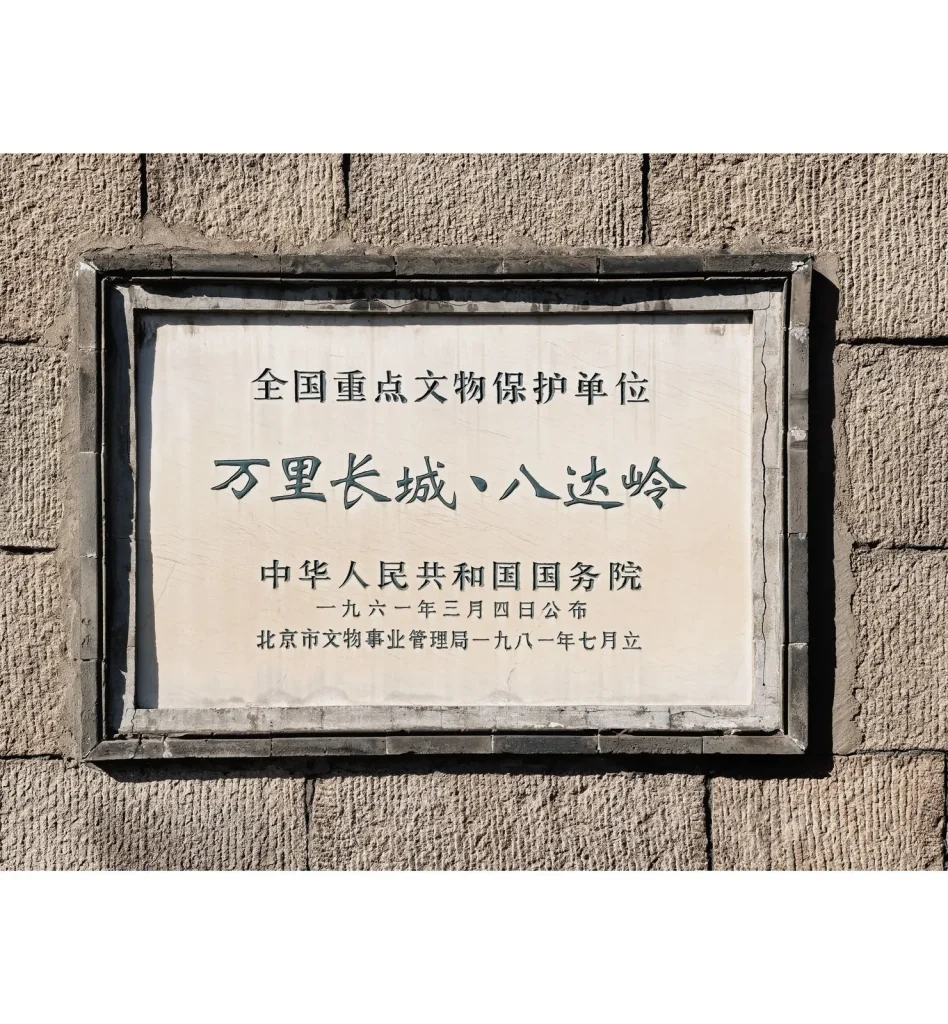
Why the full phrase is 万里长城
You may also see 万里长城 (Wànlǐ Chángchéng). It is often translated as “the Ten-Thousand-Li Long Wall.” A li is a traditional Chinese distance unit, and 万里 is also a poetic way to suggest vast distance. It should not be read as a precise modern measurement. For exact length questions, see How Long Is the Great Wall of China?.
How this helps visitors
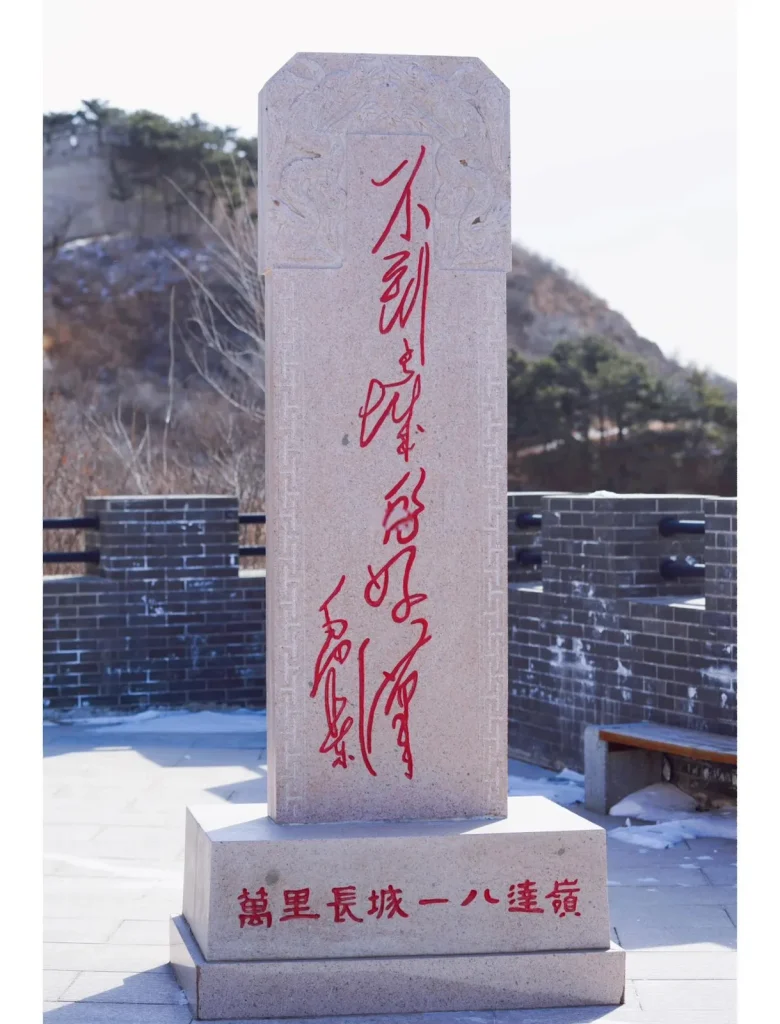
When using maps or translation apps, search for 长城 plus the section name: 慕田峪长城 for Mutianyu, 八达岭长城 for Badaling, 金山岭长城 for Jinshanling, and 司马台长城 for Simatai. If you only search “Great Wall,” results may be too broad. For most first-time foreign visitors, start with Mutianyu Great Wall or compare routes in Great Wall sections near Beijing.
Common mistakes
Do not assume that every “Great Wall” search result points to the same place. Beijing has several accessible sections with different travel times, crowds, and facilities. Also avoid treating 万里 as a precise modern length in a travel article. It is better to use the poetic name for cultural context and use measured length figures only when discussing surveys.
Bottom line
Chinese calls it the long wall; English calls it the Great Wall. Both names make sense, but travelers should use specific section names for real planning.
For general background, use institutional references such as UNESCO World Heritage Centre, Britannica, and official Chinese government or scenic-area channels. Commercial tour-company pages are not used as public sources.
FAQ
Is “Great Wall” a direct translation? Not exactly. “Long Wall” is closer to 长城, while “Great Wall” is the established English name. Should travelers say Great Wall or section name? Use the section name whenever planning transport. Does 万里 mean the exact length? No. It is a traditional expression of vast distance, not a modern survey number.
How to use the name in planning
For a driver, hotel, or map app, a specific name is safer than a broad one. “Mutianyu Great Wall” points to one scenic area; “Great Wall” can mean many sections. If you are comparing routes, use the English name for research, then save the Chinese section name before departure. That small step prevents confusion at pickup points, ticket offices, and shuttle stops.
How this page supports the site
This naming page should connect broad curiosity with practical planning. It explains the cultural term, then sends readers to section guides where real decisions happen. The best next step is not another abstract definition; it is choosing Mutianyu, Badaling, Jinshanling, Simatai, or another section based on time, crowds, transport, and walking difficulty.
How not to misuse the name
Do not use “Great Wall” as if every article is about the same visitor experience. A page about Mutianyu should say Mutianyu early. A page about Badaling should say Badaling early. A page about the full historical system should explain that it covers many dynasties and regions. This naming discipline helps both readers and search engines understand the page.
When to use the full phrase
Use “Great Wall of China” in page titles, introductions, and broad historical explanations. Use “Great Wall” after the context is clear. Use the Chinese section name when giving transport or map advice. This creates a clean path from broad curiosity to a real travel decision.
Final note for writers
When creating new pages, use the broad name only when the topic is broad. If the page is about a route, ticket, cable car, transport method, or season, name the exact section in the title and opening. That makes the article more useful and avoids repeating generic Great Wall wording across the site.
Travel note
When using the name in travel planning, be specific. A route guide should say Mutianyu Great Wall, Badaling Great Wall, Jinshanling Great Wall, Simatai Great Wall, or the exact section involved. That makes the article clearer for visitors and helps avoid treating every wall section as the same experience.