
Different languages usually translate the same basic idea: a famous long defensive wall in China. The exact wording changes by language, but most names either emphasize “great,” “long,” or “China.” For travelers, the most useful point is not memorizing every language. It is knowing the Chinese terms you may see on signs and maps.
Quick planning snapshot
- Best for: readers curious about names and translations.
- Main answer: most languages translate the concept, while Chinese uses 长城.
- Travel use: section names in Chinese are more useful than foreign-language variants.
Common naming patterns
English says “Great Wall of China.” French uses Grande Muraille de Chine. Spanish uses Gran Muralla China or Gran Muralla de China. German uses Chinesische Mauer, meaning Chinese Wall. These names are not all literal translations of 长城. They reflect each language’s way of describing a famous Chinese wall.
Why names vary
Names vary because languages do not always translate word by word. Some emphasize size, some emphasize China, and some emphasize the wall as a cultural landmark. This is normal. The important thing is that travel planning should use local section names and official scenic-area names, not only broad international names.
Chinese names travelers should know
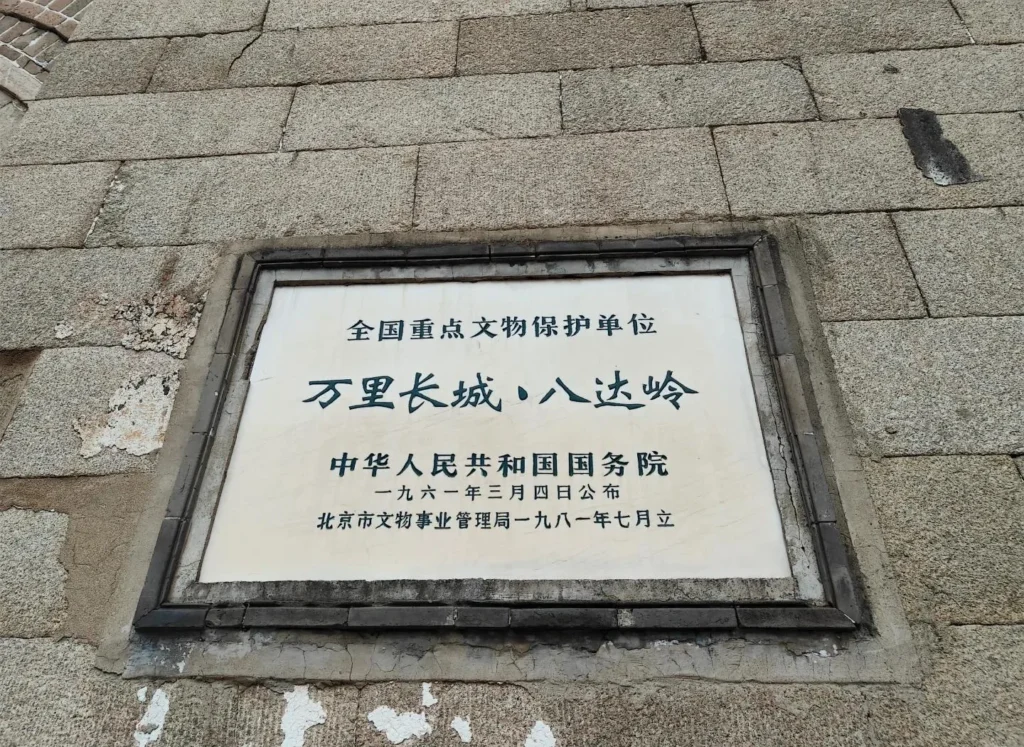
The most useful term is 长城 (Chángchéng). Section names include 慕田峪长城 for Mutianyu, 八达岭长城 for Badaling, 居庸关长城 for Juyongguan, and 司马台长城 for Simatai. These are more useful in maps, ride-hailing apps, ticket pages, and signs than foreign-language names.
How to use this in real travel
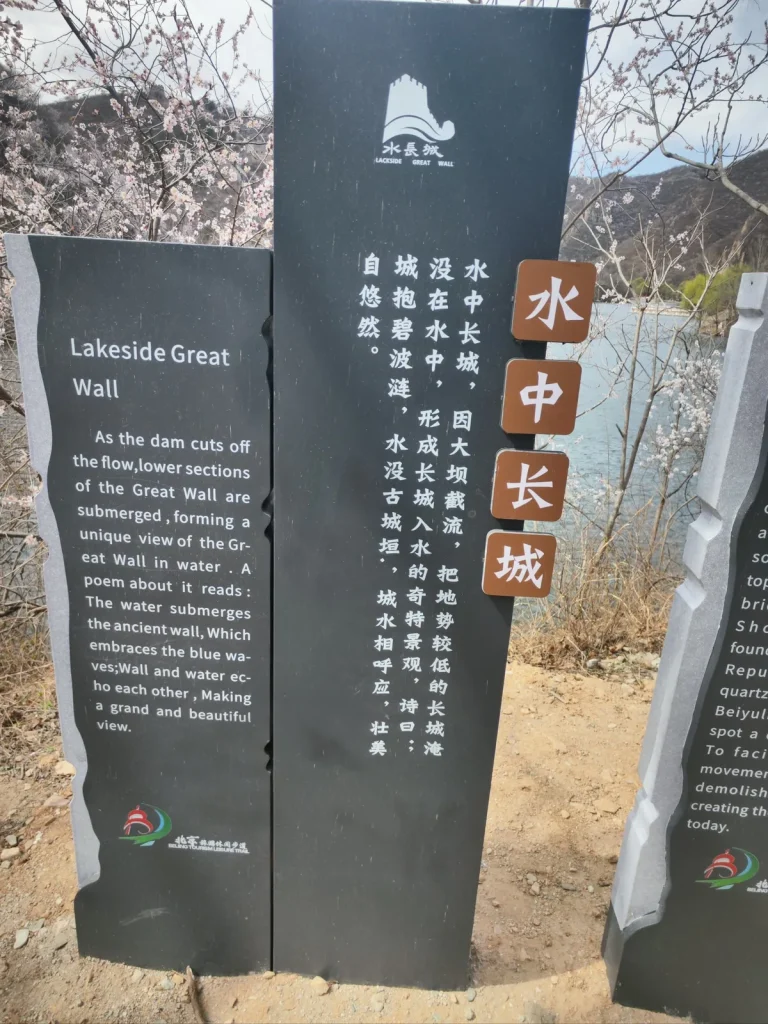
If you are asking a hotel desk, driver, or guide, say the section name first. “Mutianyu Great Wall” is more useful than “the Great Wall.” Beijing has several accessible sections, and each has different transport, crowd, and difficulty profiles. Compare Mutianyu, Badaling, and recommended sections before choosing.
Bottom line
Language names are interesting, but section names solve real travel problems. Save the Chinese name of your chosen section before you leave Beijing.
For general background, use institutional references such as UNESCO World Heritage Centre, Britannica, and official Chinese government or scenic-area channels. Commercial tour-company pages are not used as public sources.
FAQ
Do all countries use the same name? No. Most languages translate the idea, but the emphasis changes. Which name should travelers use in China? Use Chinese section names for maps and drivers. Does the translation affect the route? No, but unclear naming can create transport confusion if you do not specify the section.
Why this matters for SEO and users
International travelers may search from many languages before landing on an English site. A good article should recognize language variation without turning into a dictionary page. The practical goal is to guide readers toward the names they need on the ground: the Chinese characters for the section, the English name for research, and the exact scenic-area name for tickets or transport.
Examples for travel planning
If a French or Spanish traveler searches in their own language, they may still need English and Chinese names once planning from Beijing. A hotel desk may understand Badaling or Mutianyu in English, but a ride-hailing app usually works better with 八达岭长城 or 慕田峪长城. This is why the article should end with practical Chinese names, not only foreign-language trivia.
Bottom line for visitors
Different languages call the Great Wall by different names, but travel planning needs precision. Save the section name, entrance name, and hotel pickup details in Chinese. That is more useful than knowing ten translations of the broad landmark name.
How names affect search behavior
A traveler may search in Spanish, French, German, or another language before reading English planning content. Once they are choosing a Beijing route, however, the English page should move them toward exact section names. This prevents broad-search confusion and helps them compare Mutianyu, Badaling, Jinshanling, Simatai, and Juyongguan as real options rather than one generic attraction.
What to save on your phone
Save three versions of the name: the English section name, the Chinese characters, and the address or pickup point. If you are taking a private transfer, show the Chinese name to the driver. If you are using public transport, save station names and return instructions. Names are only useful when they help you move confidently.
Final note for writers
This topic should remain practical. It is fine to mention several language examples, but the article should not become a long list of translations. The best user value is explaining why names differ, then giving readers the Chinese terms they can actually use in Beijing. If future articles target non-English readers, create separate localized content rather than overloading this page.
Practical example
A traveler may know the landmark as the Great Wall, Grande Muraille, or Gran Muralla, but a driver still needs the destination. “Mutianyu Great Wall” plus 慕田峪长城 is actionable. “Great Wall” alone is not. This is why the page should move from language curiosity to exact section planning.
That is the practical standard this site should keep for every multilingual naming article.