
The ancient Great Wall was built with different methods in different regions and periods. Early walls often used rammed earth, reeds, gravel, local stone, and timber supports. Later Ming sections near Beijing used more brick and stone, which is why the wall many tourists see today looks more solid and regular than older frontier remains.
Quick planning snapshot
- Best for: Visitors who want to understand what they are seeing on the wall itself.
- Use this guide for: Reading construction materials, watchtowers, passes, tamped earth, brickwork, and mountain terrain on site.
- Planning focus: Compare how building methods changed by region, dynasty, and landscape instead of assuming one uniform wall.
Information check: this article was reviewed on May 14, 2026. Construction methods varied widely; there was no single Great Wall building technique across all dynasties.
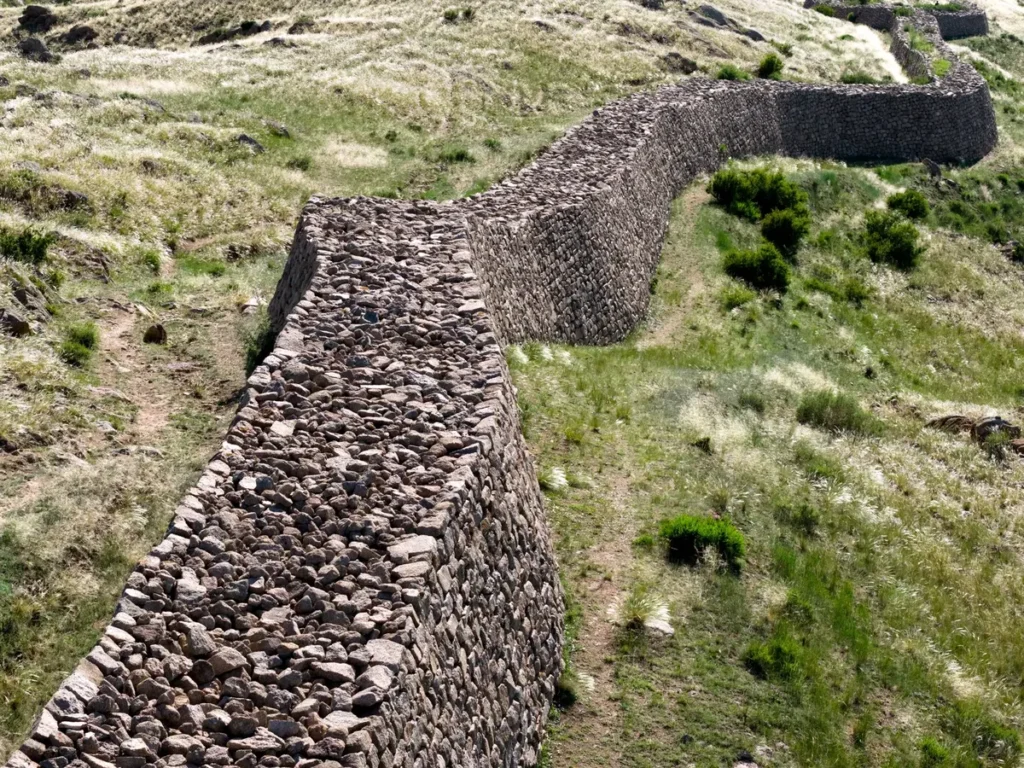
Quick Construction Snapshot
- Early walls: rammed earth, trenches, local stone, reeds, and gravel.
- Mountain areas: local stone and terrain were often used directly.
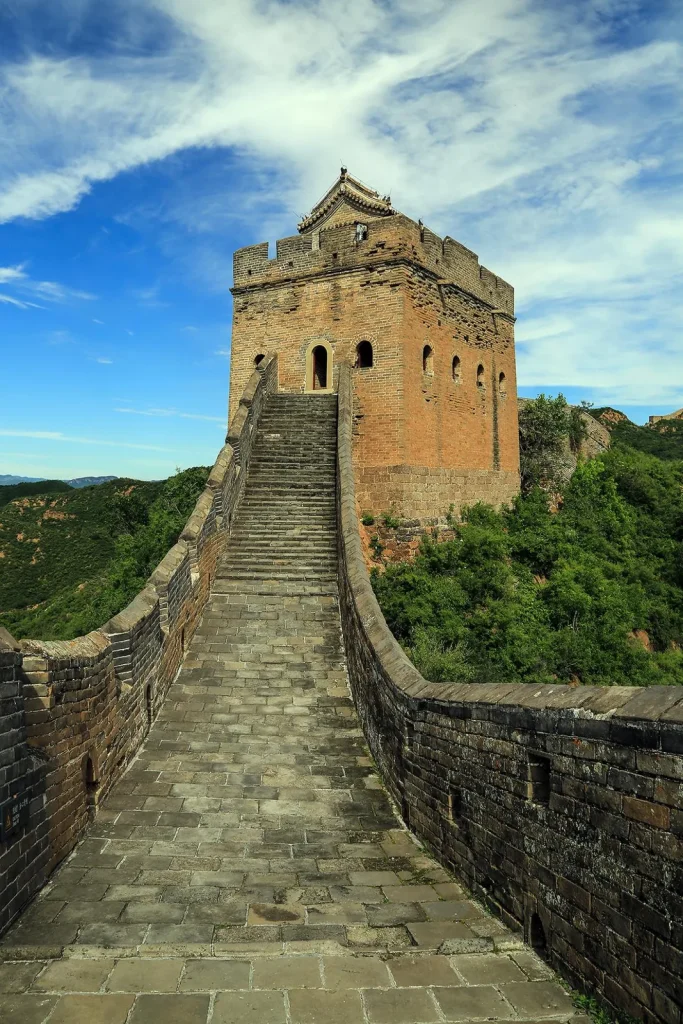
- Ming sections: more brick, stone facing, watchtowers, and stronger masonry.
- Key principle: builders used what the local landscape made practical.
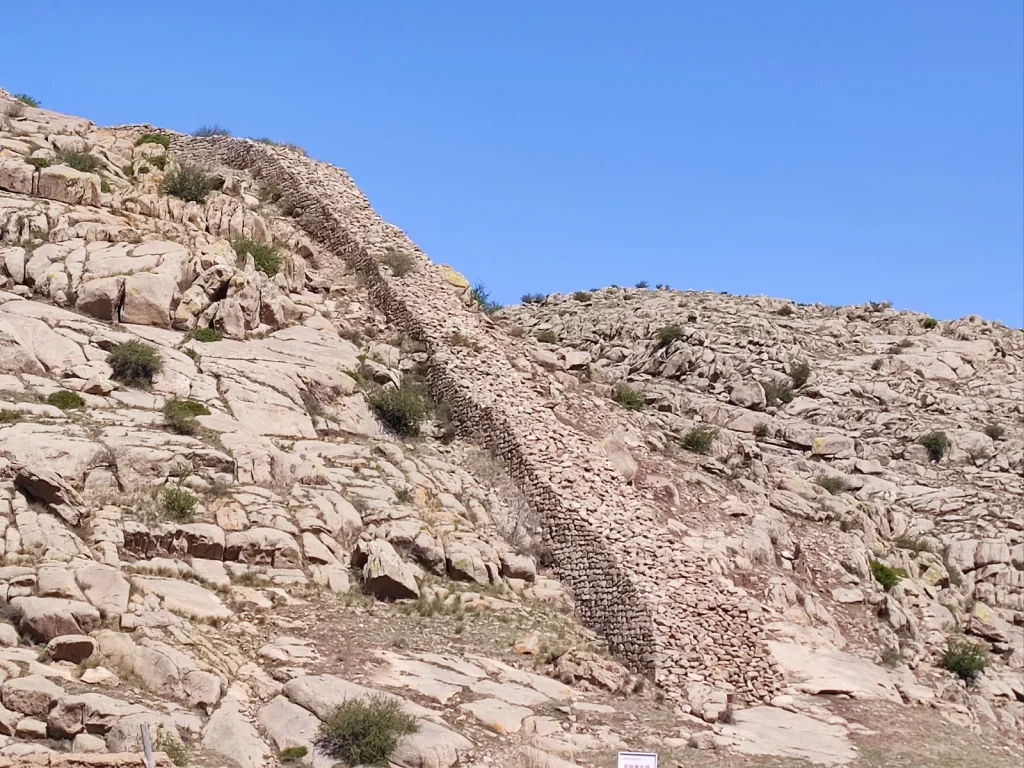
How Rammed Earth Worked
Rammed-earth construction packed layers of soil and other local materials inside wooden forms. Once compressed, the wall could become surprisingly durable in dry climates. In mountains, builders used stone and ridgelines. In later periods, especially Ming frontier rebuilding, bricks and stone facing became more common in strategic sections.
What Visitors Should Notice
When walking Mutianyu, Badaling, or Jinshanling, look at the brickwork, drainage, watchtowers, and how the wall follows the ridge. Those features are not just decorative; they show how defense, terrain, labor, and materials worked together.
For context, see how the Great Wall was defended and why it was built.
Sources Checked
- Britannica Great Wall of China for historical overview.
- UNESCO Great Wall listing for heritage context.
- China Highlights Great Wall timeline for travel-facing chronology cross-checking.
Why construction methods changed by place
The ancient Great Wall was not built with one universal recipe. Builders used what the landscape offered. In mountain areas, stone and cut slopes could shape the route. In loess regions, rammed earth was practical. In desert and frontier areas, reeds, gravel, tamarisk, and packed layers could be used. Later Ming sections near Beijing often used brick and stone because resources, transport, and military investment supported more durable masonry.
Rammed earth and local materials
Rammed earth was one of the most important early construction methods. Workers packed layers of earth between wooden frames until the material hardened into a strong wall core. In dry regions, these walls could survive for centuries. In wetter or more heavily eroded areas, they could disappear or become low ridges. This is why many early walls look less dramatic than restored Ming sections, even if they are historically important.
Brick, stone, and Ming visibility
The Great Wall image familiar to foreign visitors comes largely from later Ming sections. Brick facing, stone foundations, crenellations, drainage, stairs, and watchtowers made these walls more durable and visually striking. But brickwork was expensive. It required kilns, transport, skilled labor, and a supply system. This is one reason not every Great Wall section looks like Mutianyu or Badaling.
How towers and passes were built into the system
A wall without towers, passes, and soldiers would be weak. Watchtowers gave defenders visibility and shelter. Passes controlled roads and valleys. Beacon towers helped transmit warnings. Drainage and stair design helped the wall survive on steep slopes. The best preserved sections are not just walls; they are built military landscapes. This is especially clear at Ming sites such as Mutianyu, Badaling, Jinshanling, Juyongguan, and Shanhaiguan.
What visitors should notice
When walking a restored wall, look at the slope, tower spacing, brickwork, and drainage. These details explain why the route was placed there and how builders dealt with terrain. If you see an unrestored or older wall, expect rougher surfaces, earth cores, collapsed edges, and fewer visitor facilities. Different appearance does not mean the site is less historical; it may simply belong to a different period and construction tradition.
Sources and next reads
For context, compare Britannica’s Great Wall history, UNESCO World Heritage Centre, and China government conservation update. Then read Who Built the Great Wall?, Why Was the Great Wall Built?, and Which Sections Are Recommended?.
Why construction details matter for visitors
Construction details help visitors read the wall on site. Brick facing, stone foundations, steep stairs, drainage channels, and tower spacing all reveal how builders solved real terrain problems. A smooth restored section is not just decorative; it reflects later repair, preservation, and visitor infrastructure. A rougher earth wall may be older or less restored, not less meaningful.
Visitor takeaway
When comparing sections, ask what materials you are seeing and why they were used there. Mutianyu and Badaling show accessible restored Ming masonry. Earlier frontier walls may show earth, stone, or eroded remains. Understanding construction makes it easier to respect protected areas and avoid treating every wall section as the same kind of attraction.
How this page should support the site
This construction page should be a shared reference for many visitor guides. When a route article mentions steep stairs, watchtowers, brickwork, or unrestored wall surfaces, it can link here for the deeper explanation. That avoids repeating the same construction paragraph in every section guide and gives readers a better way to understand why different Great Wall places look and feel so different.
For readers comparing sections, construction style is a clue to period, terrain, restoration level, and visitor access. It should always be read together with location.
Travel note
Construction methods varied by dynasty and terrain, so a single image or material cannot explain the whole wall. Restored brickwork near Beijing, rammed-earth remains in the northwest, and pass gates such as Shanhaiguan all tell different parts of the same engineering story.