
The Jin Dynasty’s most distinctive Great Wall contribution was not a new brick tower style. It was the use of boundary trenches, earthworks, forts, and defensive lines as part of frontier control. That makes the word “innovation” tricky: the Jin system was innovative less because of one machine or material and more because of how trench systems were used within a broader military landscape.
Quick planning snapshot
- Best for: readers who want to understand Jin boundary trench defenses.
- Main point: trenches and earthworks could be central defensive tools.
- Travel context: not a standard tourist wall, but useful for understanding non-Ming Great Wall forms.
Trenches as defense
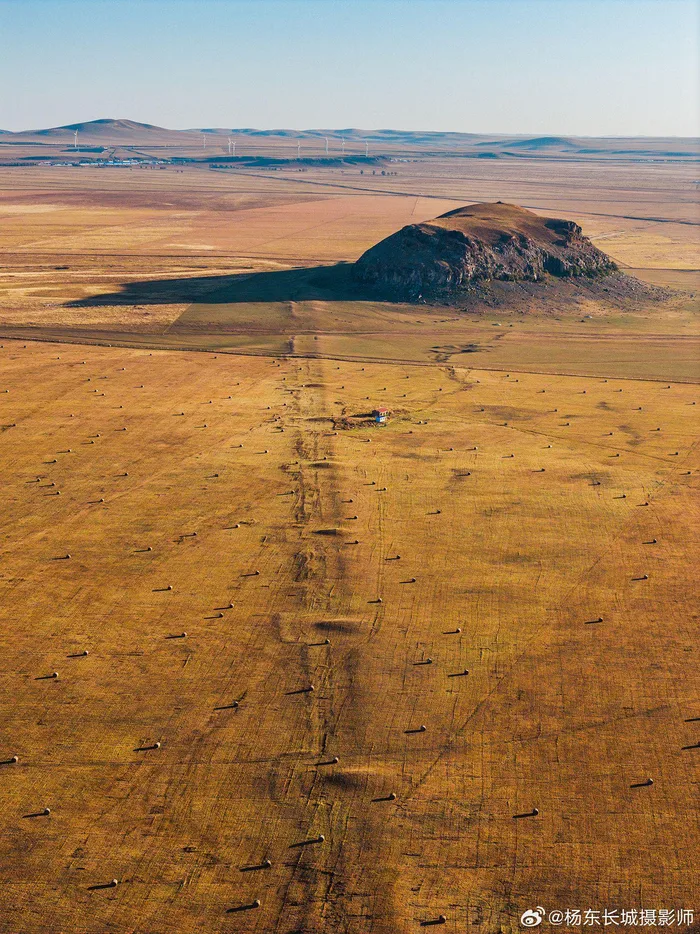
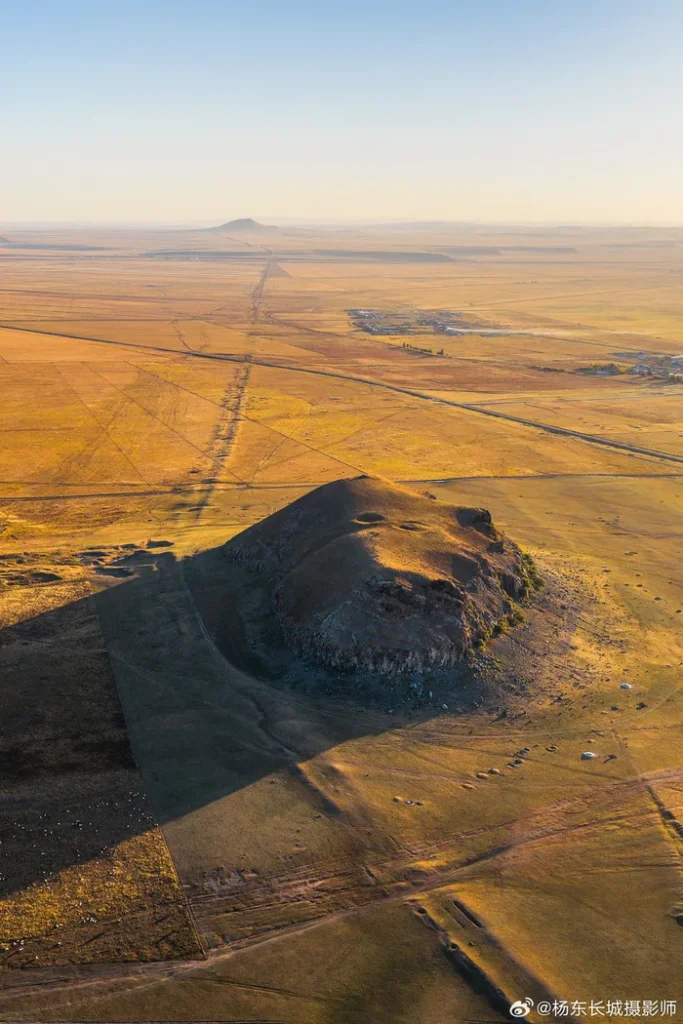
A trench can slow movement, expose attackers, channel traffic, and mark a controlled frontier. When paired with earth banks, forts, patrols, and terrain, it becomes a defensive system. The Jin Boundary Trench is a good example because it is remembered less as a high wall and more as a ditch-and-earthwork frontier. This challenges the tourist habit of imagining the Great Wall only as a stone walkway.
Why this is different from a restored wall
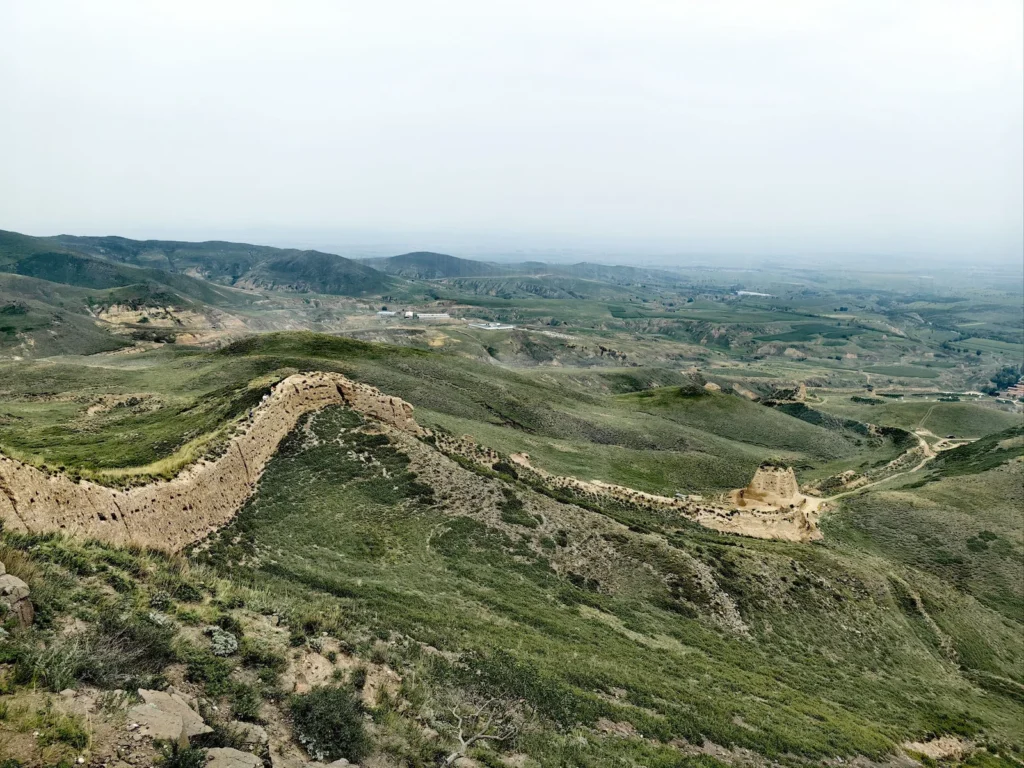
At Mutianyu or Badaling, visitors see a restored Ming masonry wall with steps and towers. A Jin trench system may be lower, wider, and more integrated with open terrain. It may not feel like the iconic Great Wall, but it can still be historically important. This is why captions and article text must be honest: do not use a Ming tower photo to claim it shows a Jin trench unless the caption explains it is a comparison image.
What counted as innovation?
The innovation was strategic integration. Ditches, banks, forts, signal points, patrol routes, and natural terrain worked together. A ditch alone cannot defend a frontier, but a ditch within a managed border zone can slow movement and make military response more effective. This is also why modern readers should avoid comparing every dynasty by wall height alone.
How this page should support the site
This article should link Jin history with broader construction and defense pages. It explains why the Great Wall could be a trench system in one region and a brick mountain wall in another. For travelers, it adds nuance: the wall’s form changes because terrain, threat, dynasty, and budget change.
Sources and next reads
For context, compare China Daily government service page on the Jin Boundary Trench, Britannica’s Jin dynasty overview, and Britannica’s Han-through-Yuan Great Wall overview. Then read Who Built the Great Wall?, Why Was the Great Wall Built?, and How Long Is the Great Wall?.
Why trenches count as technology
Technology does not always mean machinery. In frontier defense, technology can mean a practical system: the shape of a ditch, the bank beside it, the placement of forts, the use of terrain, and the way patrol routes connect to warning lines. The Jin Boundary Trench is useful because it shows military design working through landscape modification rather than iconic tower construction.
What a trench could do
A trench could slow horsemen, interrupt easy movement, expose crossing points, and force traffic toward controlled gaps. It could also mark an administrative frontier. When defenders knew where movement was most likely, they could place patrols, forts, and signals more efficiently. The defensive value came from the whole system, not from a ditch alone.
How to write about it accurately
Avoid calling the Jin trench a “wall” in the same visual sense as Mutianyu. It is better to call it a Great Wall-related boundary trench or frontier earthwork. That wording helps readers understand why it belongs in Great Wall history while still respecting the difference in form, material, and visitor experience.
How this page should connect internally
This article should be used as a specialist support page for broader construction and defense content. It gives detail to readers who ask how a trench could belong to Great Wall history. It should link back to the main Jin Dynasty page and forward to articles about construction methods and military defense. That keeps it from becoming an isolated narrow fact page.
Bottom line
The Jin Dynasty’s boundary trench was innovative because it used terrain modification as part of a managed frontier system. It was not a scenic wall for modern visitors, but it was a real defensive technology in its historical context.
Limits of the trench system
A boundary trench was useful, but it was not absolute protection. Weather, erosion, maintenance, manpower, and political conditions all affected its value. A trench could slow movement and organize patrol response, but it could not replace soldiers, intelligence, supply, and command. This is important because “innovation” should not be exaggerated into a claim that the system was unbeatable.
Comparison with Ming wall technology
Ming defenses near Beijing often used masonry walls, towers, crenellations, and major passes. Jin trench systems used a different logic. They modified open frontier terrain rather than creating the iconic high wall that modern visitors expect. Both approaches belong to Great Wall history, but they answer different military problems. The comparison helps readers understand why Great Wall forms vary so much across China.
For travel writing, this page should mainly clarify terminology: a boundary trench is not a scenic wall, but it can still function as Great Wall-related defense.