
The Jin Dynasty Great Wall is not the same as the famous Ming brick wall near Beijing. The Jurchen Jin dynasty ruled northern China from 1115 to 1234, and its frontier defenses included walls, trenches, forts, and earthworks. This makes Jin history especially useful for understanding that “Great Wall” can mean more than a high stone wall with towers.
Quick planning snapshot
- Best for: readers comparing lesser-known Great Wall periods.
- Main point: Jin defenses often emphasized trenches and frontier lines, not only masonry walls.
- Travel context: this is mainly history background unless your route includes northeastern or Inner Mongolia frontier themes.
Who were the Jin?
The Jin dynasty was founded by Jurchen rulers and controlled a large northern empire. Its strategic problems were different from those of Qin, Han, or Ming. It had to manage frontiers, rival powers, military routes, and border zones across northern and northeastern landscapes. Britannica’s Jin overview gives the political background, while Great Wall sources describe Jin-era boundary trench systems as part of the wider Great Wall story.
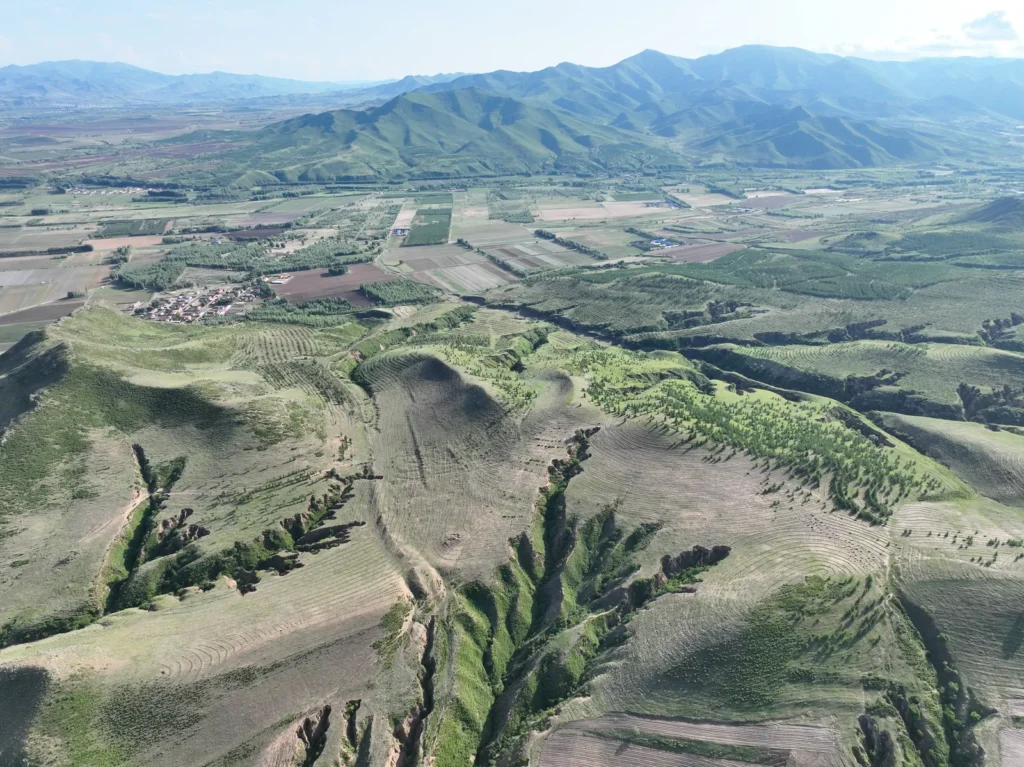
The Jin Boundary Trench
One of the most important Jin-related features is the Jin Boundary Trench. The China Daily government service page on the Jin Boundary Trench describes it as part of the Great Wall of the Jurchen Jin Dynasty, with much of it in Inner Mongolia to the west of Heilongjiang. This is important because it shows a defensive approach based on ditch-and-earthwork systems. A trench, parapet, fort, and patrol line can be part of the Great Wall story even if it does not look like Mutianyu or Badaling.
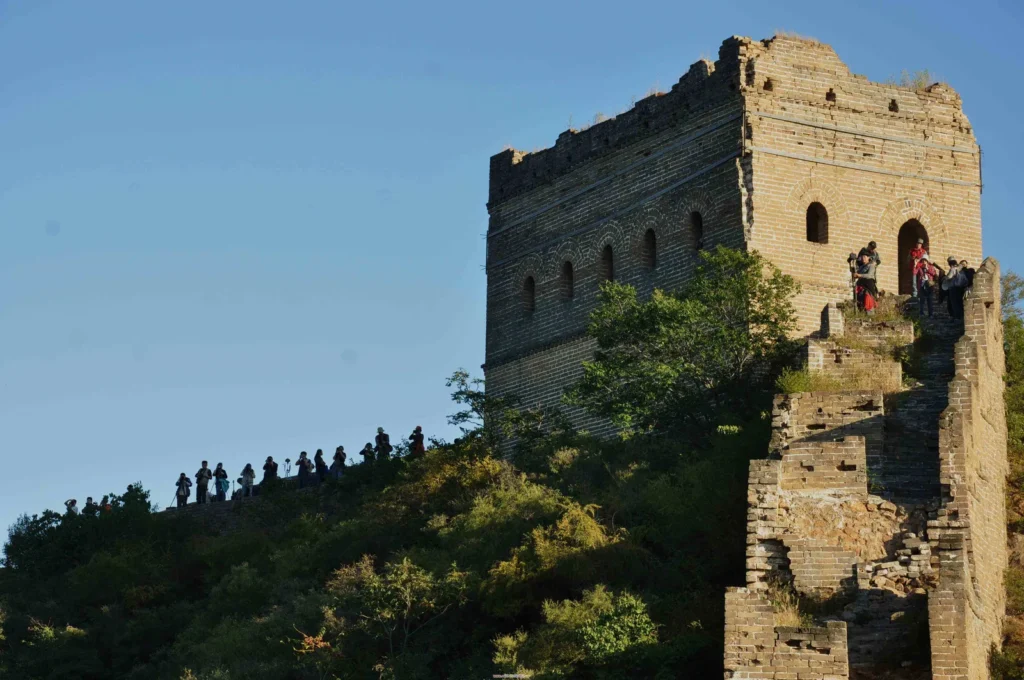
How Jin differs from Ming
Ming sections near Beijing are easier for visitors to recognize because they often use stone and brick, with visible towers and restored walking surfaces. Jin defenses were often more landscape-based. That means the Jin page should not compete with a Mutianyu or Badaling guide. Its job is to explain another form of frontier defense and to show why the Great Wall should not be reduced to one visual style.
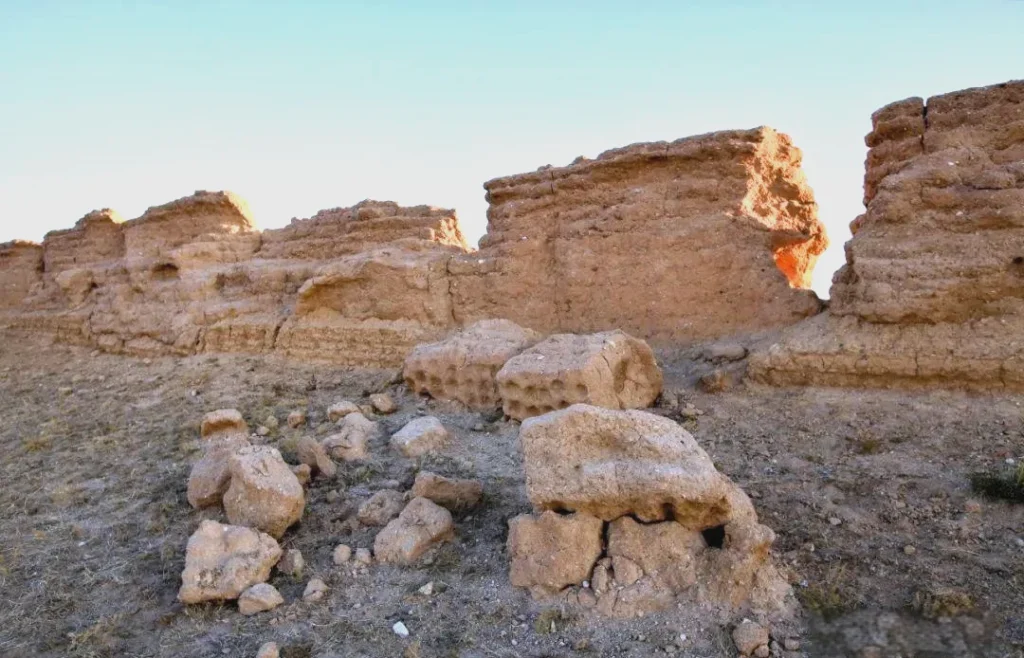
How this helps a traveler
If you are planning a normal Beijing trip, you will probably not visit Jin wall remains. But understanding Jin helps you read the Great Wall more accurately. The wall was sometimes a brick ridge, sometimes an earthwork, sometimes a trench-and-fort system, and often a combination of terrain and military organization.
Sources and next reads
For context, compare Britannica’s Jin dynasty overview, China Daily government service page on the Jin Boundary Trench, and Britannica’s Han-through-Yuan Great Wall overview. Then read The Ming Dynasty Great Wall, Why Was the Great Wall Built?, and Which Sections Are Recommended?.
Why the Jin wall is often misunderstood
Many readers expect every Great Wall article to describe towers and stone steps. The Jin case is different. Its defenses were often more about trenches, banks, earthworks, forts, and frontier management. That does not make them less important. It simply means they belong to a different type of military landscape. A trench can be just as strategic as a wall if it slows movement and works with patrols and posts.
Jin and the broader Great Wall timeline
The Jin Dynasty sits between earlier frontier systems and the later Ming wall most travelers recognize. It helps explain why the Great Wall story did not stop after Han or wait for Ming. Northern regimes kept adapting defensive forms to new threats. Jin defenses also remind us that the Great Wall was not only a Han Chinese imperial project; different regimes in northern China used wall and trench systems for their own frontier needs.
How to connect this to real travel
A Beijing traveler does not need to hunt for Jin wall remains on a first visit. But if you are building a deeper Great Wall route or writing history content, the Jin page should link to construction, defense, and timeline pages. It gives readers a way to understand non-Ming wall forms without confusing them with popular visitor sections.
How this page should connect internally
This Jin page should support the construction and defense pages. It is especially useful when explaining that the Great Wall could be a trench, bank, fort line, or frontier system, not only a masonry wall. It should also link forward to the Ming page, because readers often need help separating Jin earthwork-style defenses from the restored Ming sections that dominate travel photos.
Bottom line
The Jin Dynasty Great Wall story is about northern frontier control. Its boundary trench systems show a different form of defense from the tourist wall near Beijing. That difference is the value of the topic: it makes the site’s history coverage broader and more accurate.
Comparison with other dynasties
Compared with Qin, Jin did not represent the first imperial consolidation of earlier walls. Compared with Han, it was not mainly a Silk Road expansion story. Compared with Ming, it did not create the most famous restored Beijing sections. Jin is best understood through northern frontier adaptation: trenches, earthworks, forts, and boundary control suited to its own political geography.
For travel writing, this page should mainly clarify form: Jin defenses may look unlike the restored tourist wall, but they still belong to frontier-defense history.
This also helps readers separate Jin history from the later Ming scenery they are more likely to visit.
More Great Wall Facts and Myths
For a wider fact-check path, use the Great Wall Facts and Myths hub. It links the space myth, real length, builders, dynasties, origins, and why the wall was built.