
The Northern and Southern Dynasties period is easy to skip in a simple Great Wall timeline, but it matters because northern states continued to build and repair frontier defenses between the Han and the later Sui-Tang world. This was not the famous tourist wall near Beijing. It was a period of divided rule, mobile frontiers, and repeated attempts to strengthen northern defense lines.
Quick planning snapshot
- Best for: readers building a more complete Great Wall timeline.
- Main point: Northern Wei, Eastern Wei, Northern Qi, and Northern Zhou activity kept wall-building alive after Han.
- Travel context: this is history background, not a standard Beijing day-trip route.
Why this period matters
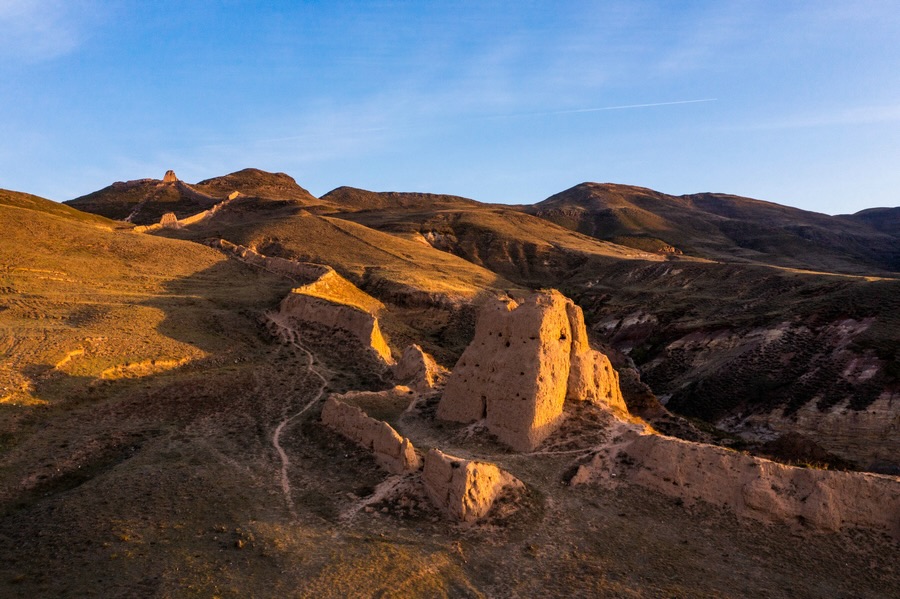
The Great Wall story is not only Qin, Han, and Ming. Between those better-known eras, northern regimes also used walls, passes, and frontier lines. Britannica’s Han-through-Yuan overview notes major wall-building activity under Northern Wei and Northern Qi, including routes in what is now Hebei, Inner Mongolia, and Shanxi. This makes the period important because it links early imperial wall systems with the later Ming landscape many visitors know.
Northern Qi and large-scale wall building
Northern Qi is especially important. It faced threats from rival northern powers and invested in frontier defense. Some later Ming routes also followed or reused older northern wall lines. This does not mean a visitor at Mutianyu is walking on a Northern Qi wall. It means the strategic geography of northern defense was reused across dynasties because mountain corridors, passes, and border zones kept mattering.
How it differs from Ming sections
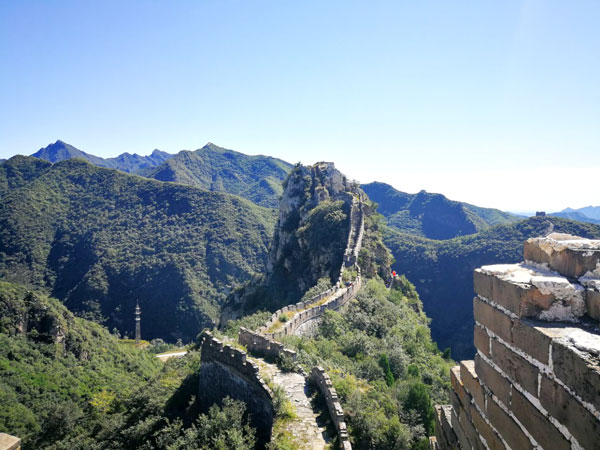
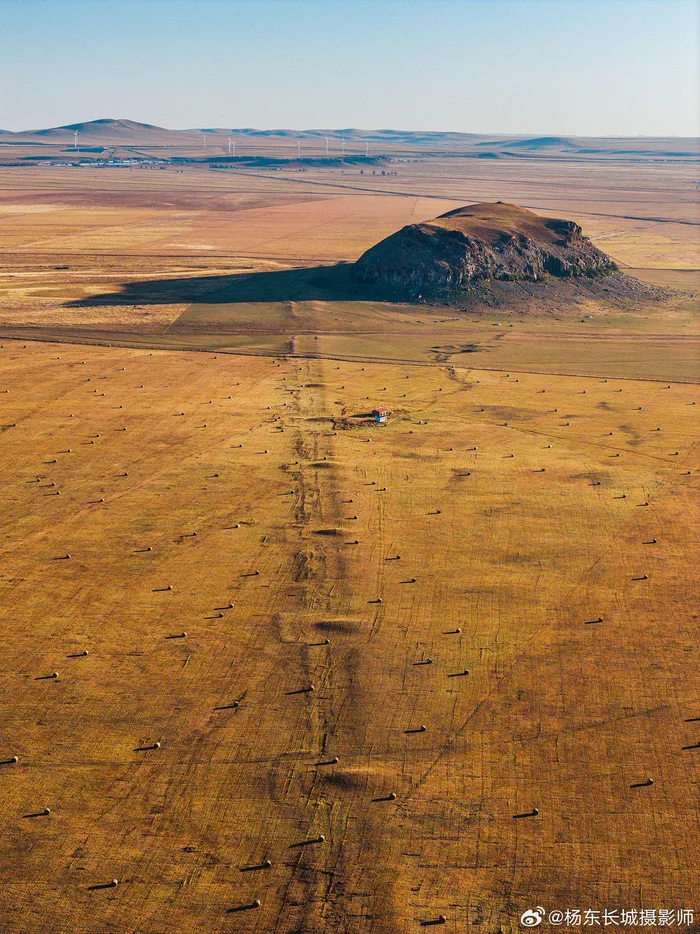
Many Northern and Southern Dynasties wall remains are less visible, less restored, or less visitor-focused than Ming sections. Materials and forms varied by place: earth, stone, ridges, trenches, and repaired earlier lines could all play a role. The period is better understood as a continuation of frontier defense practice than as a single tourist attraction.
How this helps a traveler
For a first Great Wall visit, you should still compare Mutianyu, Badaling, and other practical sections. This page helps with context. It explains why the Great Wall kept returning as a defensive idea across divided periods and why later dynasties sometimes reused earlier routes.
Sources and next reads
For context, compare Britannica’s Han-through-Yuan Great Wall overview, Britannica’s Great Wall history, and UNESCO World Heritage Centre. Then read The Han Dynasty Great Wall, The Ming Dynasty Great Wall, and When Was the Great Wall Built?.
What was happening politically?
The Northern and Southern Dynasties period was a time of division rather than one unified empire. Northern regimes faced steppe powers, rival states, and shifting frontier lines. That made defense works useful even when the political map changed. Walls were not always permanent boundaries; sometimes they were emergency defenses, repaired older lines, or short-term strategic works. This is why the period is harder to summarize than Qin or Ming, but still important in the Great Wall timeline.
Why many visitors never hear about it
Most international visitors learn the simplified sequence: Qin started it, Ming rebuilt it, and tourists now visit Beijing sections. That summary leaves out many middle periods. Northern dynasties are less famous because their wall remains are not always presented as major scenic areas, and their history is more complicated. For content quality, however, this page should fill that gap and show how frontier defense continued between the better-known periods.
How to avoid overclaiming
Do not say every northern wall line was part of the same continuous Great Wall. A safer explanation is that northern dynasties built, repaired, and reused defensive lines in areas where frontier pressure made walls useful. Some later routes overlapped older strategic corridors, but each dynasty had its own political reasons and material conditions.
How this page should connect internally
This article should act as a bridge between the Han page, the Jin page, and the Ming page. It should not try to become a full Northern and Southern Dynasties history lesson. Its job is to explain why Great Wall construction continued during divided rule and why strategic corridors in northern China kept attracting wall-building. For readers planning a visit, it also explains why the wall they see near Beijing is usually not this period, even when the route geography may have older defensive logic behind it.
Bottom line
The Northern and Southern Dynasties period shows continuity. Different regimes used walls and frontier lines for their own military problems. Some remains are difficult to visit, but the period is important because it proves the Great Wall story did not jump straight from Han to Ming.
Comparison with better-known periods
Compared with Qin, this period is less about imperial unification. Compared with Han, it is less about westward expansion. Compared with Ming, it is less about the restored brick wall foreign travelers see near Beijing. Its value is continuity: wall-building remained a practical tool during political division. That is why it belongs in a complete Great Wall history cluster, even if it is not the page most travelers start with.
For travel writing, this page should mainly serve as timeline support: it explains why wall-building continued during divided rule before readers move to better-known Ming visitor sections.
This keeps the timeline complete without overstating what a visitor can easily see on a standard Beijing trip.