
Many world leaders and foreign dignitaries have visited the Great Wall, especially highly developed sections near Beijing such as Badaling and Mutianyu. These visits helped turn the wall into a diplomatic stage as well as a heritage site. For travel content, the useful point is not celebrity trivia. It is understanding why certain sections became globally recognizable.
Quick planning snapshot
- Best for: readers interested in the Great Wall as a symbol of China.
- Main point: official visits usually use accessible, secure, and symbolic sections.
- Travel context: Badaling is especially associated with high-profile official visits.
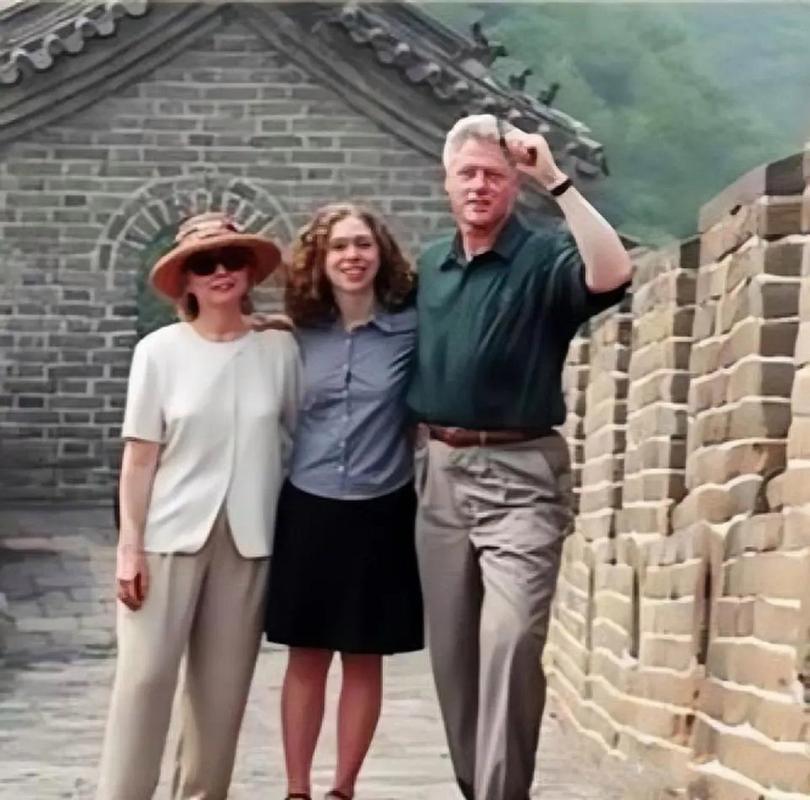
Why leaders visit the Great Wall
The wall is one of China’s most recognizable cultural landmarks. It offers scenery, historical symbolism, and strong visual identity. A leader’s visit can signal respect for Chinese history, create a memorable photo opportunity, and fit into a Beijing diplomatic itinerary. This is why the Great Wall appears frequently in official visit coverage.
Why Badaling appears often
Badaling is close to Beijing, highly developed, and easier to secure than remote hiking sections. It has long been a major visitor site for domestic and international guests. That does not mean Badaling is automatically the best section for independent foreign travelers, but it explains why official delegations and high-profile visits often choose it.
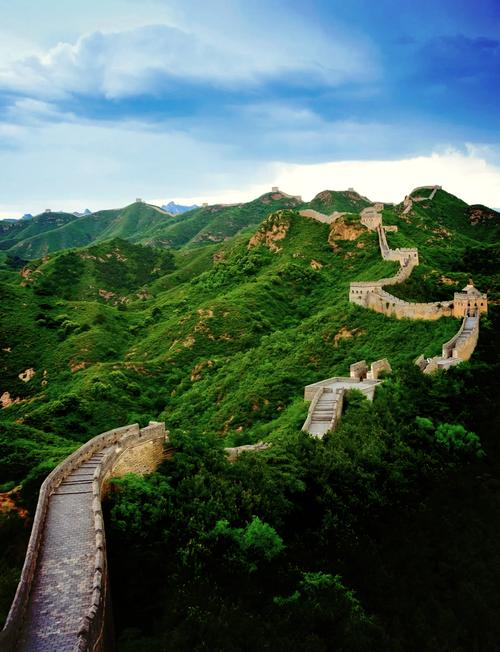
Mutianyu and other sections
Mutianyu is also popular with international visitors because it is scenic, restored, and often calmer than Badaling. For ordinary travelers, Mutianyu may be a better first Great Wall experience even if Badaling has more diplomatic history. Hiking-focused visitors may prefer Jinshanling, while endpoint-history travelers may look at Shanhaiguan.

How to write about leader visits responsibly
Do not list unsourced claims just to make the article longer. If mentioning specific leaders, use official government, embassy, museum, or archival sources rather than commercial tour pages. The safer evergreen angle is to explain why the Great Wall became a diplomatic symbol and how that differs from choosing the best section for a normal trip.
How this helps ordinary travelers
Official visits are designed for symbolism, security, and logistics. A normal traveler should choose by experience: Mutianyu for a balanced first visit, Badaling for fame and infrastructure, and section guides for more specific needs.
For general background, use institutional references such as UNESCO World Heritage Centre, Britannica, and official Chinese government or scenic-area channels. Commercial tour-company pages are not used as public sources.
FAQ
Do leader visits mean Badaling is best? Not necessarily. Badaling is famous and logistically convenient, but independent travelers may prefer Mutianyu. Should I choose a section because presidents visited it? No. Choose by crowd level, transport, walking difficulty, and scenery. Can this topic be written without gossip? Yes. Focus on symbolism, logistics, and the wall’s role in official cultural presentation.
Why this topic belongs on a travel site
Leader visits show how the Great Wall functions as a national symbol, but the article should still help travelers. It should explain why official itineraries favor developed sections, then redirect ordinary visitors to practical decision-making. A diplomatic stop is planned for security and symbolism; a personal trip should be planned for experience.
How to avoid weak sourcing
Do not copy lists from commercial travel sites. If a specific leader is mentioned, use official archives, embassy releases, government pages, or credible news archives. Otherwise, keep the article evergreen: explain why the Great Wall is used diplomatically and why that does not automatically decide the best section for tourists.
Bottom line
The Great Wall is both a world-famous diplomatic backdrop and a real place visitors must choose carefully. For most foreign first-time visitors, practical section choice matters more than the prestige history of official visits.
Examples without over-listing
Many official visits have used Badaling because it is close to Beijing and easy to manage. Some high-profile visitors have also been photographed at other developed sections. The exact list changes depending on how sources define “world leader,” “official visit,” or “dignitary,” so a long unsourced list is not useful. A stronger article explains the pattern: accessible section, strong symbolism, controlled logistics, and a recognizable view.
How this affects ordinary route choice
A diplomatic route is not designed around avoiding crowds, finding the best hiking feel, or helping a family with children. It is designed around schedule, security, and symbolism. A normal visitor should still compare transport time, walking difficulty, crowd level, cable car options, and the atmosphere they want. That usually makes Mutianyu stronger for many foreign first-time visitors.
Final note for writers
This topic should not become a weak listicle. A short, accurate explanation of diplomatic symbolism is stronger than a long list copied from unsourced pages. If a specific visit is added later, cite an official archive or government source. Keep the practical takeaway clear: official visit logistics are not the same as the best visitor choice for an ordinary traveler.
Practical example
A president or prime minister may visit Badaling because it is symbolic and easy to manage. A couple, family, or first-time independent traveler may still have a better day at Mutianyu. The article should make that distinction clear so diplomatic prestige does not distort practical travel advice.
That distinction keeps the article useful for travelers, not just historically interesting.