
Mutianyu and Jinshanling are two of the strongest Great Wall choices for foreign visitors, but they solve different travel problems. Mutianyu is usually the better first-visit section: easier from Beijing, more visitor-friendly, and practical for families, seniors, and travelers who want a beautiful Wall experience without a demanding hike. Jinshanling is usually the better choice for hikers and photographers who want longer ridgelines, more dramatic watchtower scenery, and a quieter mountain atmosphere.
The quick answer is simple: choose Mutianyu if this is your first Great Wall trip, if you have mixed walking abilities, or if you want a smoother Beijing day trip. Choose Jinshanling if scenery, photography, and walking time matter more than convenience. This comparison builds on the individual guides to and Jinshanling Great Wall, so use it as a decision guide before you lock your route.
Quick decision table
| Question | Better choice | Why |
|---|---|---|
| First Great Wall visit from Beijing? | Mutianyu | Easier logistics, restored paths, and flexible lift options. |
| Best for families or seniors? | Mutianyu | Shorter adjustable route and more visitor facilities. |
| Best for serious photography? | Jinshanling | Longer ridgelines, watchtower variety, and more open mountain views. |
| Best for hiking atmosphere? | Jinshanling | More walking-focused and less resort-like. |
| Best if time is limited? | Mutianyu | More practical as a standard Beijing day trip. |
Best for first-time visitors
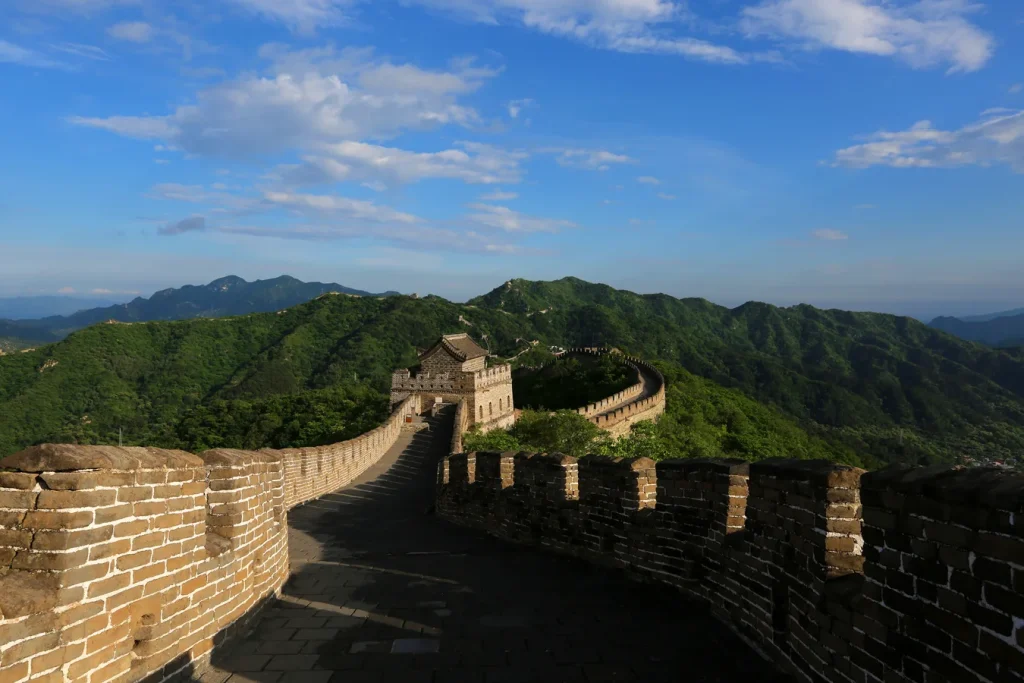
Mutianyu is the safer first recommendation for most international travelers because it gives a complete Great Wall experience with fewer planning risks. The Wall is restored, the route is clear, and visitors can adjust the day depending on energy, weather, and crowd levels. If someone in the group gets tired, the visit can still feel successful because the main viewpoints are accessible without committing to a long hike.
Jinshanling can also be a first Great Wall visit, but it fits a different kind of traveler. It is better if your first priority is scenery and walking rather than convenience. The reward is a more spacious mountain feel; the tradeoff is longer transport time, fewer easy shortcuts, and a day that depends more on fitness and weather.
Scenery comparison
Mutianyu is scenic in a polished, accessible way. The Wall runs over green ridges, watchtowers are photogenic, and the restored stonework makes the route easy to understand. It is beautiful without feeling too difficult. This is why it works well for first-timers who want classic Great Wall views from Beijing.
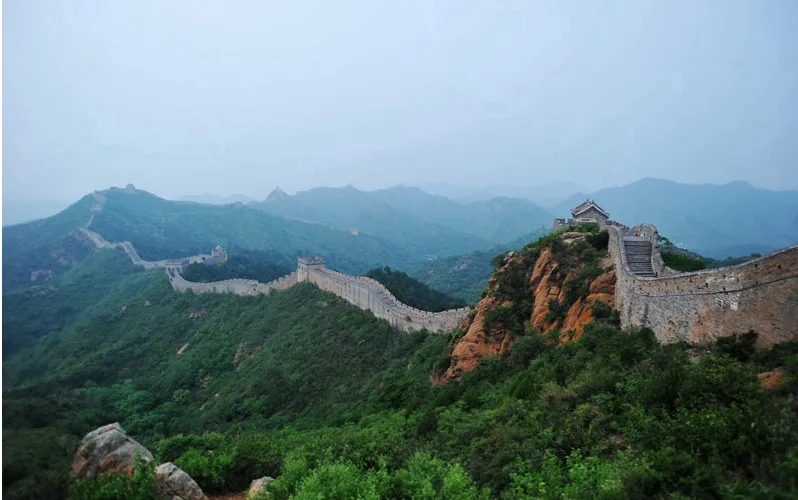
Jinshanling feels more dramatic. It has long ridgelines, repeated watchtower silhouettes, and a stronger hiking atmosphere. The Wall rises and falls across open mountains, so photographers often find more varied compositions. If you want images that feel less like a standard day-trip postcard, Jinshanling has an advantage.
Walking difficulty
Mutianyu is easier. It still has stairs, uneven surfaces, and exposed sections, but the overall route is more manageable. Cable car, chairlift, and toboggan-style descent options may be available depending on current operations, which gives visitors more ways to control effort. This matters for families, older travelers, and groups where not everyone has the same walking pace.
Jinshanling is more walking-focused. You should expect more sustained up-and-down movement, more time on the Wall, and fewer ways to shorten the day once you are committed to a route. It is not extreme for fit travelers, but it is not the best choice if someone wants a light sightseeing stop. For a fuller hike comparison, connect this article with the Gubeikou to Jinshanling hiking guide.
Crowds and atmosphere
Mutianyu is popular with foreign visitors, but it usually feels easier to manage than Badaling. Weekdays and early arrivals can be very pleasant. On holidays or peak weekends, it can still get busy, especially around lift stations and central watchtowers. The advantage is that the site is designed to handle visitor flow better than a wilder hiking route.
Jinshanling normally feels quieter and more spacious. The longer ridgelines spread visitors out, and the section attracts people who are more interested in walking and photography. If avoiding a busy scenic-area feeling matters, Jinshanling is the stronger choice. The tradeoff is that quietness comes with less convenience.
Transport from Beijing
Mutianyu is more practical from Beijing. It is closer to the standard international visitor day-trip pattern, and it fits well with private car, transfer, or organized transport plans. If your Beijing time is limited, Mutianyu is easier to combine with a normal morning departure and afternoon return. See the route planning guide for getting to Mutianyu from Beijing before choosing transport.
Jinshanling requires a longer day and more careful transport planning. It can be done from Beijing, but the day feels more like a hiking excursion than a simple sightseeing trip. If you are already comparing routes, read how to go to Jinshanling from Beijing and build the day around travel time, not just walking time.
Facilities, lifts, and comfort
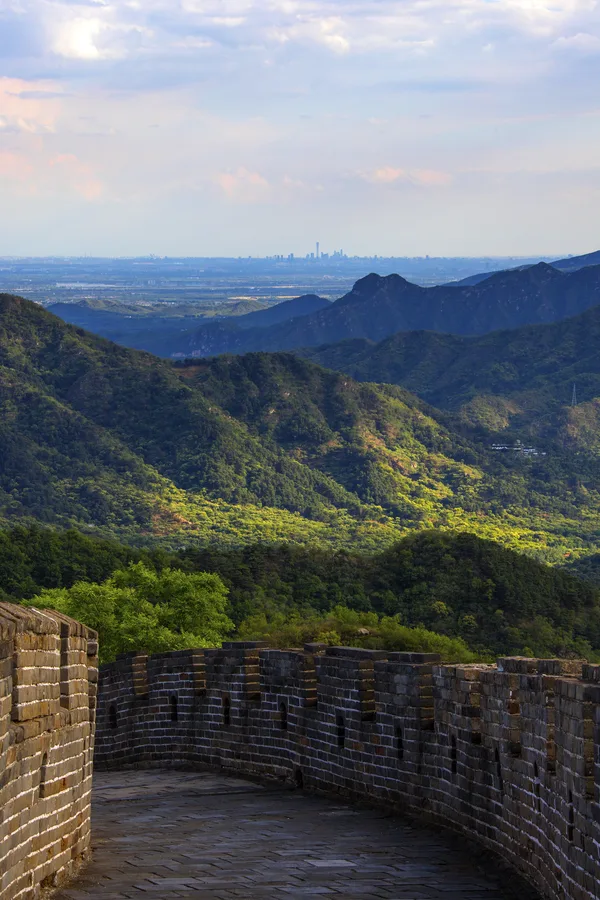
Mutianyu wins clearly for facilities. It is better for travelers who want easier access, rest stops, and flexible lift choices. This does not make the Wall artificial; it simply reduces friction. For first-time foreign visitors, that friction matters because transport, language, ticketing, weather, and walking effort are already part of the day.
Jinshanling has enough visitor infrastructure for a planned trip, but it should not be approached as the easiest comfort choice. Its strength is the Wall itself: ridges, towers, and walking atmosphere. Choose it because you want that experience, not because it is the simplest option.
Families, seniors, and mixed-ability groups
Mutianyu is usually better for families and seniors. The route can be shortened, the restored path is easier to follow, and lift options can reduce the hardest elevation gain. Families with children also benefit from a site where the main experience does not depend on completing a long walk.
Jinshanling is possible for active families or fit older travelers, but it is less forgiving. If one person gets tired, the group may need to adjust more significantly. For accessibility-focused planning, also read Great Wall accessibility for seniors and wheelchair users.
Photography and hiking
Jinshanling is the stronger photography and hiking choice. It offers more varied watchtower shapes, wider mountain scenes, and a route that feels more immersive. Early morning, late afternoon, autumn color, and clear post-rain conditions can all be excellent. It is also a better fit for travelers who want the Wall to feel like a landscape journey rather than one scenic stop.
Mutianyu still photographs well, especially for classic restored-wall views and first-visit memories. It is better if photography is one goal among many. Jinshanling is better if photography is the central reason for choosing the section.
Best seasons for each section
Both sections are good in spring and autumn. Mutianyu works especially well in April, May, September, and October because weather is comfortable and the route is easy to manage. It also works in summer if you start early and plan around heat or rain; see the month guides for June, July, and August if you are traveling in hotter months.
Jinshanling is strongest when visibility and walking conditions are good. Autumn is especially attractive because the ridges and watchtowers photograph well in clearer air and seasonal color. In winter or after bad weather, Jinshanling requires more caution because the route is more hiking-oriented.
Who should choose Mutianyu?
- First-time visitors to Beijing and the Great Wall.
- Families with children or mixed walking ability.
- Travelers who want strong scenery without a demanding hike.
- Visitors who value lift options and practical facilities.
- People with only one day and limited room for logistics problems.
- Mutianyu vs Simatai Great Wall if you are choosing between an easy daytime visit and a night Wall trip.
Who should choose Jinshanling?
- Photographers who want longer ridgelines and varied watchtowers.
- Hikers who want a more immersive mountain route.
- Repeat visitors who have already seen Mutianyu or Badaling.
- Travelers who prefer quieter sections and can handle longer transport.
- Visitors with good shoes, enough time, and flexible weather planning.
Final recommendation
If this is your first Great Wall trip and you want the choice that is most likely to go smoothly, choose Mutianyu. It is not the wildest or most dramatic section, but it gives foreign visitors the best balance of beauty, access, facilities, and time control.
If you are already comfortable with a longer day and want the Wall to feel more like a hike through mountain scenery, choose Jinshanling. It asks more from your schedule and legs, but it can reward you with a stronger sense of scale and atmosphere.
Recommended next reads
- Badaling vs Mutianyu Great Wall if you are still comparing the easiest Beijing day-trip sections.
- Best time to visit the Great Wall for season choice.
- How to get from Beijing to the Great Wall for transport planning.
- What to pack for a Great Wall trip before choosing a longer walking route.
Planning sources checked
- Mutianyu Great Wall official site
- Beijing official Mutianyu attraction information
- Visit Beijing Jinshanling Great Wall information
Related Great Wall comparison
For travelers comparing a wall-first hiking day with a Simatai/Gubei evening plan, see Jinshanling Great Wall or Simatai Great Wall.