Author Archives: fei li

About fei li

I have a deep passion for the Great Wall of China and have explored many of its sections, from the well-known to the hidden wild parts. Over the years, I’ve studied its history, architecture, and the legends that surround it. Through my writing, I hope to share this knowledge and help travelers see the Great Wall not just as a landmark, but as a symbol of China’s culture and strength.

Which Sections of the Great Wall Are Recommended

The Great Wall of China stretches across mountains, deserts, and plains for thousands of kilometers, but not every section is equally suited for visitors. Some parts are fully restored and convenient, while others are wild and adventurous. Depending on your time, interests, and travel style, different sections will offer different experiences. Below are the most recommended sections of the Great Wall to visit today.
SectionDistance from BeijingHighlightsBest ForSpecial Notes
Mutianyu~75 km / 1.5–2 hrsWell preserved, 90% forest coverageFamilies, first-time visitors, photographersCable car, chairlift, and toboggan available
Badaling~70 km / 1–1.5 hrsMost famous, wide and majesticTourists with limited time, seniors, groupsCan be very crowded; summer night tours offered
Jinshanling~140 km / 2.5 hrsMix of restored & wild walls, panoramic ridgesHikers, photographersBest for sunrise/sunset views, long hikes
Simatai~120 km / 2–3 hrsSteep, rugged, retains Ming featuresAdventure travelers, night visitorsOnly official night-tour section; near Gubei Water Town
Huanghuacheng~80 km / 1.5–2 hrsLakeside views, quiet, partly unrestoredNature lovers, photographersUnique water-reflection scenery, less crowded
Jiankou~70 km / 2–3 hrs + hikeWild & challenging, broken towersExperienced hikers, adventurersNot fully developed; safety caution required
Shanhaiguan~300 km / full day+“First Pass Under Heaven,” wall meets the seaHistory enthusiasts, culture seekersOld Dragon’s Head stretches into the Bohai Sea

Mutianyu – Best for Families and Scenic Views

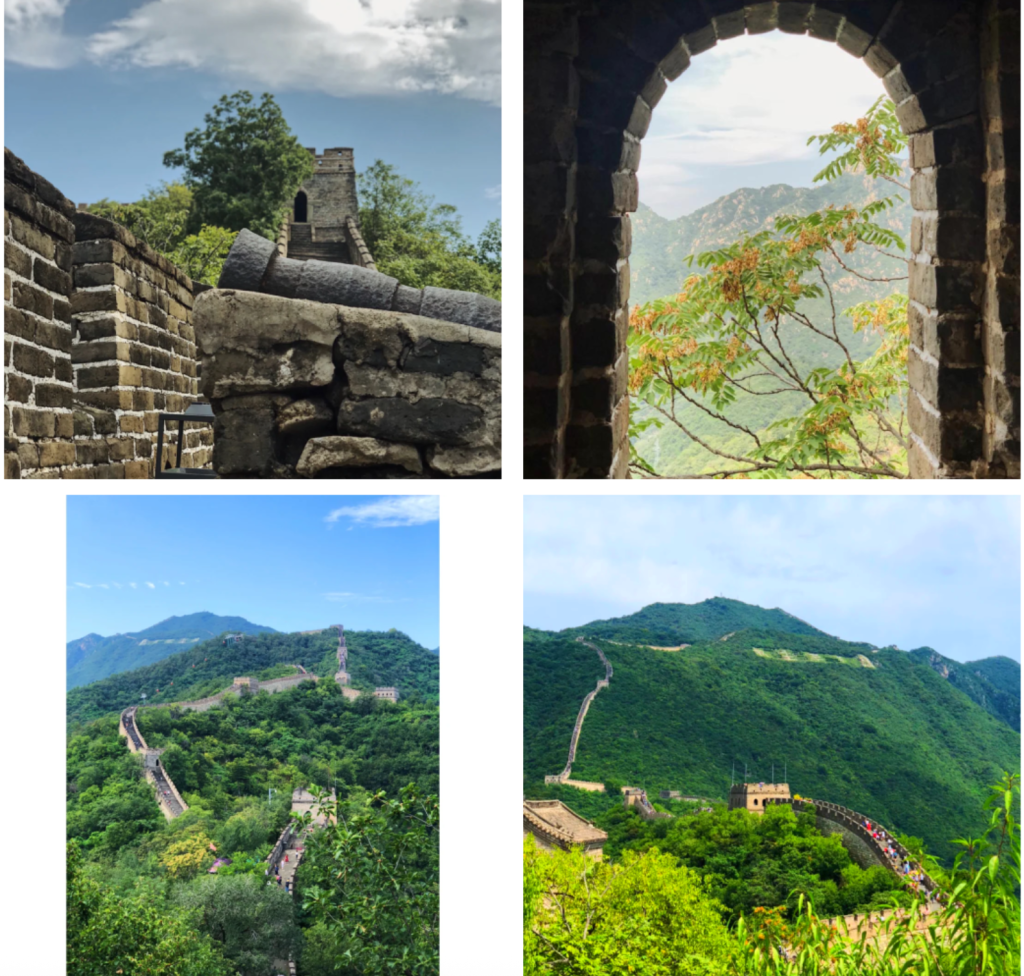
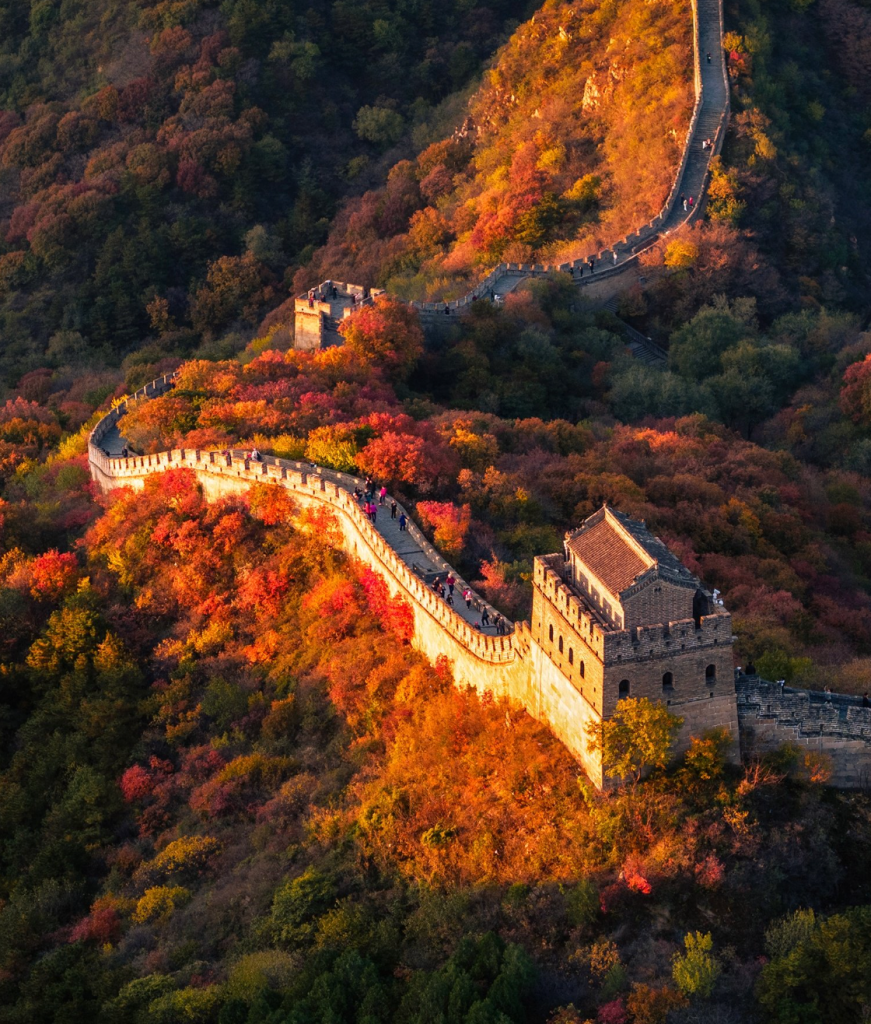
Mutianyu, about 75 kilometers northeast of Beijing, is one of the most popular sections for international travelers. It is famous for its beautiful scenery and dense vegetation, with over 90% of the area covered by forest. The wall here is well preserved and less commercialized than Badaling, offering a more relaxed atmosphere.
Facilities such as a cable car, chairlift, and toboggan slide make it especially family-friendly. Because of its accessibility and natural surroundings, Mutianyu is often described as both authentic and comfortable. Travel time from downtown Beijing is around one and a half to two hours.

Badaling – The Most Famous and Majestic Section

Badaling is the most visited section of the Great Wall, located around 70 kilometers from Beijing. It was the first section opened to tourists and remains the most iconic. Badaling is well restored, wide, and easily accessible, making it suitable for visitors of all ages.
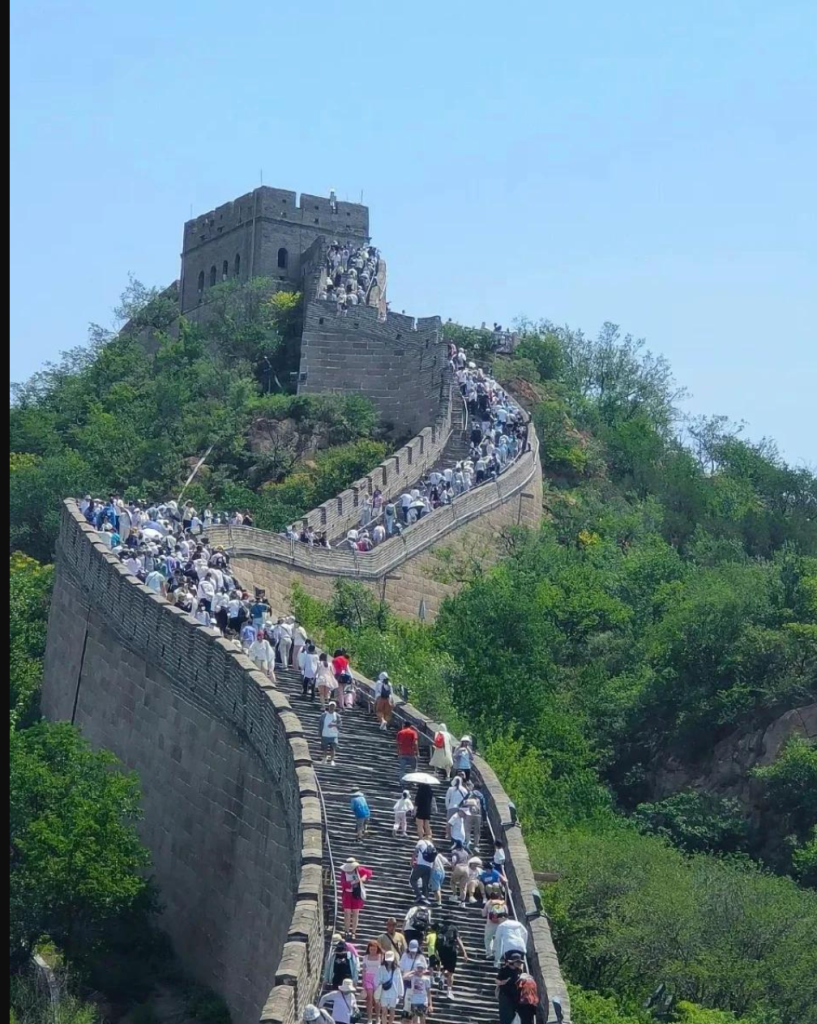
Its reputation as the “majestic” part of the Wall also means it can be extremely crowded, especially during weekends and public holidays. Recently, Badaling has also introduced night visits during summer and holiday seasons, allowing travelers to experience the Wall illuminated against the night sky.

Jinshanling – Paradise for Hikers and Photographers

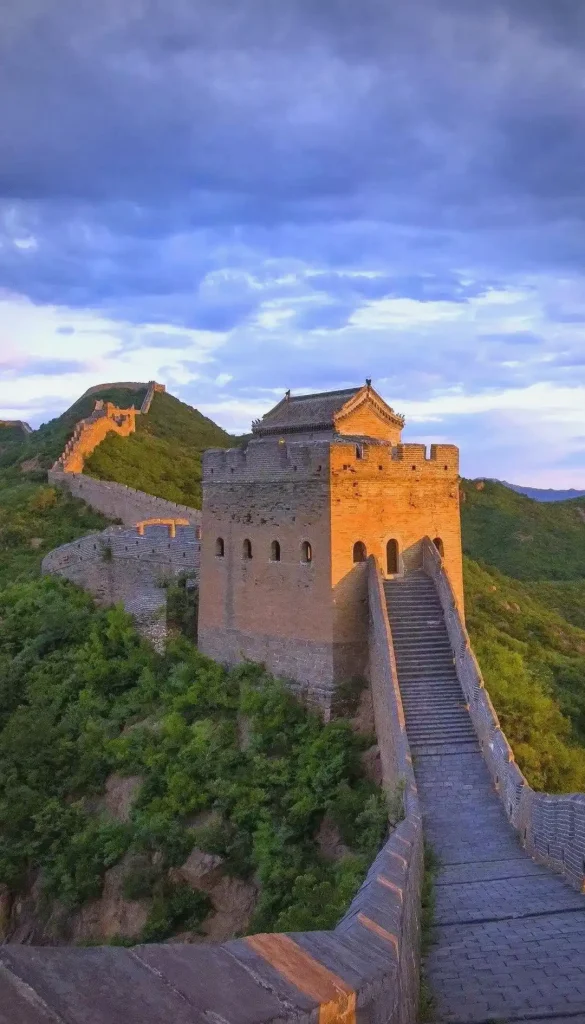
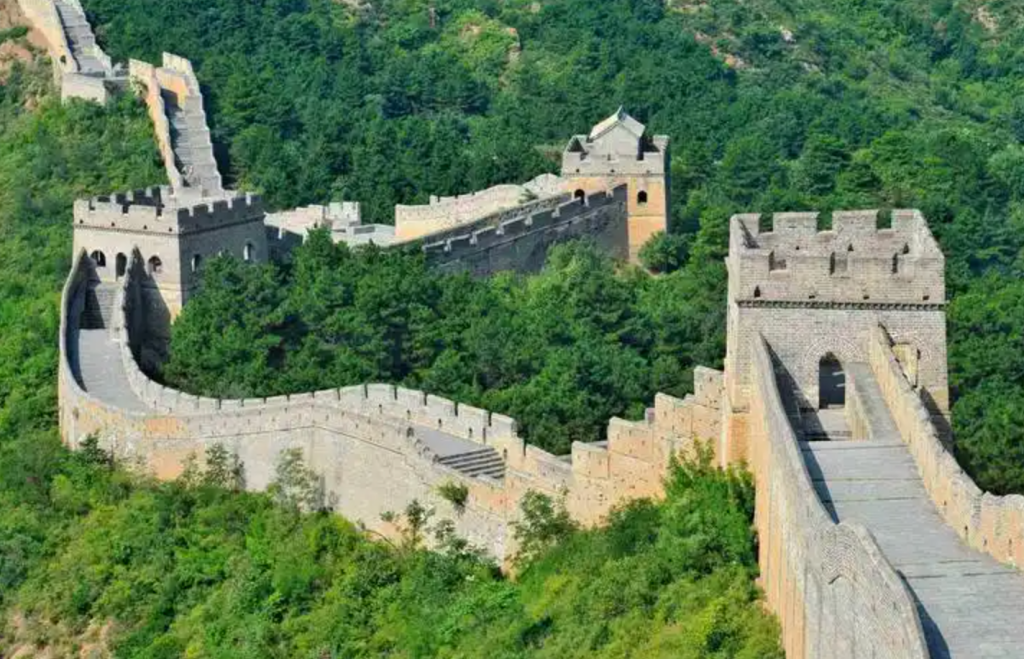
Jinshanling lies about 140 kilometers northeast of Beijing and takes around two and a half hours to reach by car. It is considered the best section for hiking and photography, thanks to its dramatic ridgelines, mixture of restored and unrestored walls, and breathtaking sunrise and sunset views.

The trail from Jinshanling to Simatai is one of the most famous Great Wall hikes, offering a balance between accessibility and adventure. For travelers who want to experience both the grandeur and the raw, wild side of the Wall, Jinshanling is hard to beat.

Simatai – Night Views and Rugged Beauty

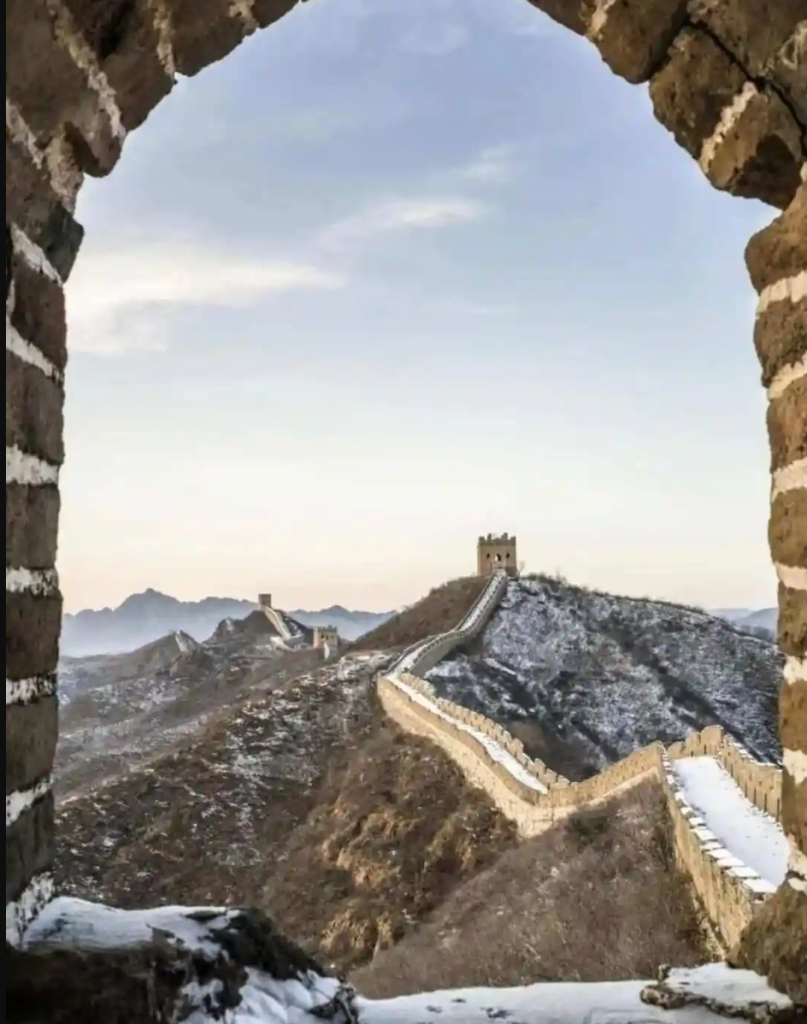
Simatai, also northeast of Beijing, is known as the only section officially open for night tours. The wall is steep and rugged, preserving much of its original Ming Dynasty appearance. By day, it offers spectacular mountain views; by night, it becomes a magical experience, lit up against the stars.

At the foot of Simatai lies Gubei Water Town, a scenic resort styled after traditional northern Chinese towns, where visitors can stay overnight and combine sightseeing with cultural activities. Travel time from Beijing is about two to three hours.

Huanghuacheng – Lakeside Views and Quiet Charm

Huanghuacheng, also known as the “Lakeside Great Wall,” is about 80 kilometers north of Beijing. Here, parts of the Wall are partially submerged in water, creating unique reflections and stunning photographs. Unlike the heavily restored areas, Huanghuacheng remains relatively quiet and less commercialized, making it an ideal choice for travelers who prefer peace and nature.

Jiankou – The Wild and Untamed Wall

For experienced hikers and adventure seekers, Jiankou offers one of the most dramatic and challenging sections of the Great Wall. Located in a mountainous area about 70 kilometers from Beijing, it features steep climbs, broken towers, and unrestored walls.

This section is not officially developed for mass tourism, so it requires caution and preparation. However, its rugged beauty and panoramic views attract many professional photographers and hikers who seek the most authentic Great Wall experience.

Shanhaiguan – Where the Wall Meets the Sea

Located in Qinhuangdao, Hebei Province, Shanhaiguan is far from Beijing but historically significant. Known as the “First Pass Under Heaven”, it is where the Great Wall extends into the Bohai Sea at the site called the Old Dragon’s Head. This unique setting makes Shanhaiguan a symbol of the Wall’s vast reach and an excellent destination for history enthusiasts.

Choosing the Right Section for Your Visit

  • Short trips from Beijing: Mutianyu and Badaling are the most convenient.
  • Hiking and photography: Jinshanling, Simatai, and Jiankou provide the best landscapes.
  • Unique experiences: Simatai for night tours, Huanghuacheng for lakeside views, and Shanhaiguan for the sea.

No matter which section you choose, visiting the Great Wall is a journey into history and a chance to experience one of the greatest achievements of human civilization.
The Origin of the Great Wall of China

The Great Wall of China did not appear overnight as the massive structure we see today. Its roots stretch back thousands of years, evolving from simple ditches and earthen barriers into one of the most iconic defensive systems in world history.

Early Defensive Constructions

Archaeological discoveries suggest that long before the rise of dynasties, early clans in China already knew the importance of protection. Around 6,000 years ago at the Banpo site in Xi’an, a large trench five to six meters wide encircled the settlement, serving as a defensive barrier. Similar finds in Anyang, at the Longshan cultural sites, revealed rammed-earth walls up to 70 meters long and several meters wide. These early works were modest in scale but marked the first attempts by human communities to protect themselves with constructed defenses.

Walls in the Spring and Autumn Period (770–476 BC)

By the Spring and Autumn Period, China was divided into more than a hundred small states under the loose authority of the Zhou royal house. The growing use of metal tools and oxen for farming boosted productivity, which in turn reshaped society: private landownership increased, cities grew, and competition among states intensified.

Among the strongest states were Qi, Jin, Chu, Qin, Lu, and Zheng, which frequently clashed in their struggle for dominance. As wars became more frequent, rulers began to build defensive walls around their capitals and key cities. These walls were simple but increasingly solid, made of rammed earth and reinforced by improved construction techniques of the time.

The Warring States Period (475–221 BC)

The Warring States Period marked a new stage in wall construction. Only seven powerful states—Qin, Wei, Han, Zhao, Yan, Qi, and Chu—survived the constant wars of earlier centuries, and they invested heavily in fortifications. Archaeological excavations confirm that major capitals were surrounded by imposing walls.

  • The capital Linzi of Qi State measured about 4 km from east to west and 5 km from north to south, with palaces, workshops, and crowded markets inside.
  • The Yan capital Xiadu was even larger, spanning 8 km east to west and 4 km north to south.
  • The Zhao capital Handan also had strong defensive walls.

Historical texts, such as the Shiji (Records of the Grand Historian), describe Linzi as so densely populated that “people and carriages filled the streets, brushing against each other without pause.” The city walls not only protected residents but also represented the power and prosperity of the state.

As conflicts dragged on, the states expanded their walls beyond cities, stretching them across natural barriers such as mountain ridges and riverbanks. These extended fortifications were the true precursors of the Great Wall.

The Significance of Early Walls

Building such massive structures consumed enormous amounts of labor, time, and resources. Soldiers, peasants, and convicts were often conscripted for the work, reflecting the harsh realities of ancient state-building. Yet despite the cost, the results were monumental. Even in their ruined state today, these early walls demonstrate the ingenuity, resilience, and collective effort of the ancient Chinese people.

The tradition of wall-building laid the groundwork for the later unification under Qin Shi Huang, when existing walls were linked together into the first imperial Great Wall. From these humble origins—trenches, rammed earth, and simple city walls—emerged the foundation of a structure that would come to symbolize not only military defense but also the unity and cultural identity of China itself.

The Earliest Great Wall of China

The Great Wall of China is one of the most extraordinary achievements of ancient engineering, but its earliest beginnings were far humbler than the imposing fortifications most travelers see today. Long before the Ming Dynasty rebuilt the Wall with bricks and stone, earlier rulers experimented with simple defensive lines made of earth and wood.

Early Attempts at Border Defenses

Historians generally agree that the first attempts at what would later become the Great Wall appeared during the Spring and Autumn Period (770–476 BC) and the Warring States Period (475–221 BC). At that time, China was divided into rival states, and each built walls along its borders to protect against invasions from neighbors and nomadic tribes in the north.

States such as Qin, Wei, Zhao, Qi, Yan, and Zhongshan are believed to have constructed these early walls. Built mainly with rammed earth, they were intended to resist simple weapons like spears, arrows, and swords. Though primitive in form, these early defenses revealed a growing awareness of the need for large-scale fortification.

Qin Shi Huang and the First Imperial Great Wall

When Qin Shi Huang unified China in 221 BC, he inherited a fragmented landscape of walls belonging to the former states. To secure his new empire, he ordered General Meng Tian to connect and extend them. This marked the beginning of the first imperial Great Wall.

The Wall served multiple purposes:

  • It marked the empire’s northern boundary.
  • It defended against raids by the Xiongnu nomads.
  • It symbolized Qin Shi Huang’s control over the newly united states.

Although records vary, it is thought that about 1,200 miles (1,930 km) of walls were constructed during his reign. The work demanded immense labor, involving soldiers, peasants, and convicts who toiled under harsh conditions.

Materials and Construction Techniques

Building such a massive structure with limited technology required ingenuity. The builders used stones in mountainous regions and relied on rammed earth in the plains and deserts. The walls typically rose between 5 and 9 meters high and were about 8 meters wide, with a roadway on top for patrols. Watchtowers, placed at regular intervals, allowed soldiers to send signals using smoke by day and fire by night.

The Legacy of the Earliest Walls

Though time and erosion have erased much of Qin Shi Huang’s Wall, its significance endures. Later dynasties repaired and expanded it, but the idea of a defensive frontier stretching across northern China began here. Even when its strategic role declined during the Tang Dynasty, the Wall remained a symbol of unity and endurance.

Today, the scattered remains of these early walls remind us of the ambitions of China’s first emperors and the determination of the countless workers who gave shape to a vision that would last for centuries. The early Great Wall was not yet the stone giant that fascinates millions of visitors, but it laid the foundation for one of the greatest monuments of human history.

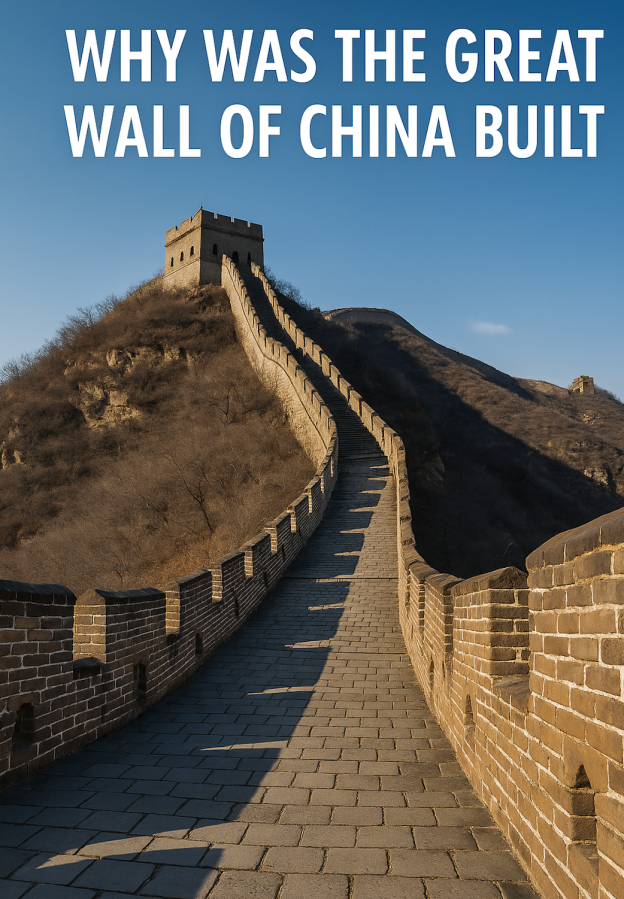
Why Was the Great Wall of China Built?

Standing on the Great Wall of China, stretching across mountains and deserts like a dragon, one cannot help but wonder: why was such a colossal structure built in the first place? The answer lies deep in China’s long history, shaped by war, politics, and culture.

Defense Against Northern Tribes

From its earliest origins, the primary purpose of the Great Wall was defense. As early as the Warring States Period (475–221 BC), different kingdoms in northern China constructed walls to protect their borders. These early fortifications were designed to guard against raids from nomadic tribes to the north, as well as rival states.

When Emperor Qin Shi Huang unified China in 221 BC, he ordered General Meng Tian to link and extend existing walls, creating a more continuous defense system. For the first time, the Wall became a unified military frontier, marking the northern boundary of the empire.

Centuries later, during the Ming Dynasty (1368–1644), the threat from nomadic groups such as the Mongols, Oirats, and Tartars made wall-building even more critical. The Ming rulers rebuilt and reinforced the Wall with bricks, stone, and watchtowers, creating much of what visitors see today.

A Symbol of Civilization and Strategy

Beyond its military use, the Great Wall symbolized the clash and coexistence between agricultural civilizations of the Central Plains and the nomadic cultures of the steppes. It was not only a line of defense but also a statement of power, discipline, and long-term strategic planning.

The Wall demonstrates the advanced military architecture of ancient China—featuring fortresses, beacon towers, and garrisons—that adapted over centuries to new threats and changing political landscapes.

Cultural and National Significance

The Great Wall was more than just a physical barrier. It carried deep cultural meaning. Ancient Chinese rulers saw it as a way to protect not only their territory but also their traditions, customs, and values from foreign influence.

Because its construction demanded immense labor and sacrifice, the Wall became a frequent subject of Chinese literature and poetry. Works like The Soldier’s Ballad by Chen Lin (around 200 AD), poems by Du Fu (712–770), and later Ming dynasty novels used the Wall as a metaphor for endurance, hardship, and national strength.

Legacy as a World Heritage Site

Today, the Great Wall is recognized not only as a defensive system but as one of the most remarkable achievements of human history. In 1987, UNESCO declared it a World Heritage Site, recognizing its universal cultural value.

It is also listed among the Seven Wonders of the World, attracting millions of visitors every year. Tourists walk along its ridges and towers, reflecting on the lives of the countless workers, soldiers, and rulers who contributed to its creation.

Conclusion

So, why was the Great Wall of China built? At its core, it was a military defense line, designed to protect the Chinese heartland from invasions. Yet over time, it became much more: a symbol of resilience, a testament to ancient strategic thinking, and an enduring cultural icon.

More than two thousand years after its first stones were laid, the Wall still stands—reminding the world of the determination and vision of the people who built it.

How Long is the Great Wall of China?

The Great Wall of China is the longest man-made defensive structure in the world and one of the most iconic landmarks of China. For centuries, people have been curious about its exact length, but due to its vast history and the contributions of many dynasties, this is a question that has never been simple to answer.

The Challenge of Measuring the Great Wall

The Great Wall was not built by a single emperor or dynasty. Instead, it was constructed, rebuilt, and expanded over more than 2,000 years by around 20 different dynasties. Sections of the Wall stretch across deserts, mountains, plateaus, and grasslands, and new remains are still being discovered by archaeologists.

Because of this, the total length of the Great Wall has changed over time, making it difficult to determine a single measurement.

How Many Sections Does the Great Wall Have?

Despite being called the “Great Wall,” it is not one continuous wall. In fact, there are at least 16 major walls and defensive lines that together form the Great Wall system. Some were abandoned, others were rebuilt, and many overlapped with earlier constructions.

In Chinese, the Great Wall is called “Wan Li Chang Cheng” (万里长城), which literally means “Ten Thousand Li Long Wall.” One li equals about half a kilometer, so the name suggests about 5,000 km. However, this was more of a poetic phrase meaning “endless wall” rather than a precise measurement.

The Official Length: 21,196 km (13,170 mi)

In 2012, after a five-year archaeological survey, the State Administration of Cultural Heritage officially announced the length of the Great Wall to be 21,196.18 km (13,170 mi).

This measurement included all walls built by various dynasties throughout history. To put it in perspective:

  • 21,196 km is nearly half the length of the Earth’s equator.
  • It is longer than the distance from the North Pole to the South Pole.

Archaeologists also discovered many previously unknown sections during the survey, proving the Wall to be three times longer than traditionally believed.

Where Does the Great Wall Start and End?

The Great Wall stretches across 15 provinces in northern China.

  • Its easternmost point is at Hushan Great Wall in Liaoning Province, near the Yalu River and the border with North Korea.
  • Its westernmost end is at Jiayuguan Pass, located in the remote Gobi Desert of Gansu Province.

Among all provinces, Shaanxi has the longest remaining sections, with about 1,838 km, while Beijing preserves around 550 km of the Wall.

How Long Was the Ming Great Wall?

The most famous sections of the Great Wall are from the Ming Dynasty (1368–1644 AD). According to historical records and modern measurements, the Ming Great Wall stretched for 8,854.8 km (5,500.3 mi).

Earlier dynasties also contributed:

  • Qin Dynasty (221–207 BC): Qin Shi Huang’s unification connected and extended existing walls, reportedly over 10,000 km.
  • Han Dynasty (206 BC–220 AD): Expanded the Wall further west to protect the Silk Road.
  • Warring States Period (475–221 BC): Built scattered shorter walls, some of which were later abandoned.

Over time, erosion, weather, and human activities have caused parts of the Wall to collapse, making preservation a serious challenge.

Why We Must Protect the Great Wall

Today, some sections of the Great Wall are well-preserved, especially near Beijing, but many remote parts are in danger. Natural erosion, tourism, and even brick theft have left scars on this cultural treasure.

It is essential to raise awareness of cultural heritage protection:

  • Do not remove bricks or stones.
  • Do not litter or vandalize the Wall.
  • Support conservation efforts to ensure future generations can also admire this wonder.

Conclusion

So, how long is the Great Wall of China? The official answer is 21,196.18 km (13,170 mi), covering more than 15 provinces and stretching from Liaoning in the east to Gansu in the west.

Built by multiple dynasties over two millennia, the Great Wall is not only the longest defensive structure in the world, but also a symbol of Chinese civilization and a UNESCO World Heritage Site. Protecting it is our shared responsibility, ensuring that this magnificent creation continues to inspire the world for generations to come.

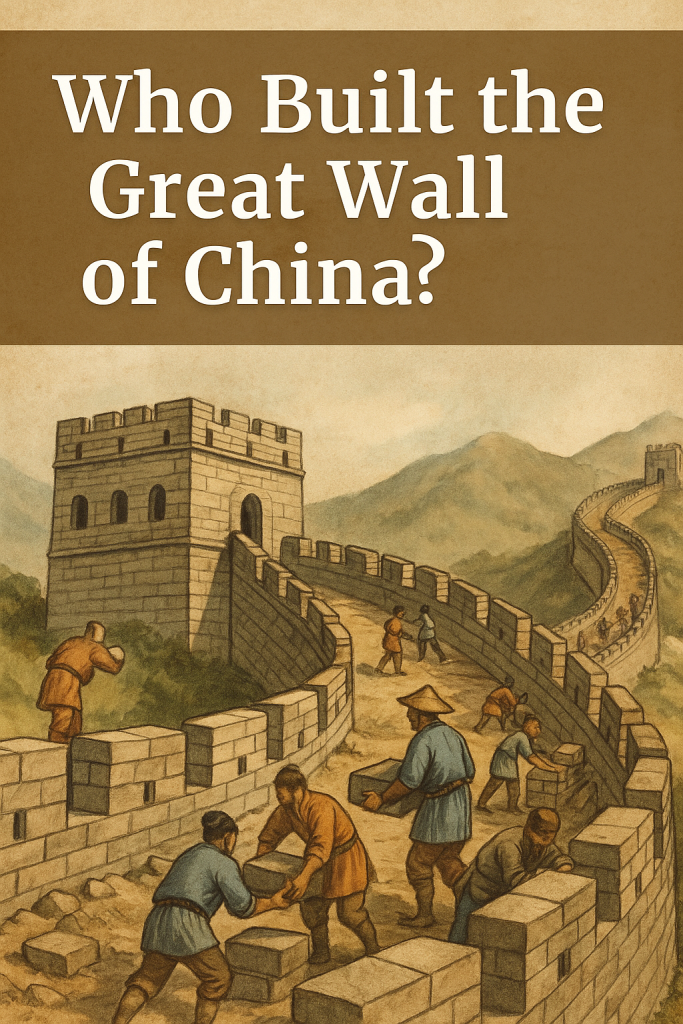
Who Built the Great Wall of China?

The Great Wall of China is one of the most remarkable architectural achievements in human history. Its construction was not the work of a single emperor or dynasty, but rather a long-term effort that spanned more than 2,000 years, involving multiple states, dynasties, and millions of workers.

Origins in the Spring and Autumn Period (7th Century BC)

The earliest origins of the Great Wall can be traced back to the Spring and Autumn Period (770–476 BC), when regional states began to build walls and trenches around their territories to defend themselves. Archaeological discoveries have confirmed that these early fortifications marked the beginning of the Great Wall’s history.

During this time, city-states and clans relied on earth walls and moats to protect against invasions from neighboring states and nomadic tribes. These rudimentary defenses laid the foundation for what would later become the Great Wall of China.

The Warring States Period (475–221 BC)

The Warring States Period saw large-scale construction of defensive walls as rival states, including Yan, Zhao, and Qin, strengthened their borders. These walls were designed to resist attacks from nomadic tribes of the north and from hostile states within China.

Each state built its own independent walls, which were later connected after the unification of China.

Qin Dynasty (221–206 BC)

In 221 BC, after Emperor Qin Shi Huang unified China, he ordered the connection of the existing walls built by the states of Qin, Zhao, and Yan.

This project created a continuous northern defensive line, stretching thousands of miles from modern-day Gansu in the west to Liaodong in the east.

Construction during the Qin Dynasty was extremely harsh. Historical records suggest that hundreds of thousands of soldiers, peasants, and prisoners were conscripted to build the wall. Many perished during the process, giving rise to legends that the Wall became a “long graveyard.”

Han Dynasty (206 BC – 220 AD)

The Han Dynasty expanded the Wall even further, pushing its defense lines westward to protect trade routes along the emerging Silk Road.

These extensions secured China’s northern frontier and safeguarded cultural and economic exchanges with Central Asia.

Ming Dynasty (1368–1644 AD)

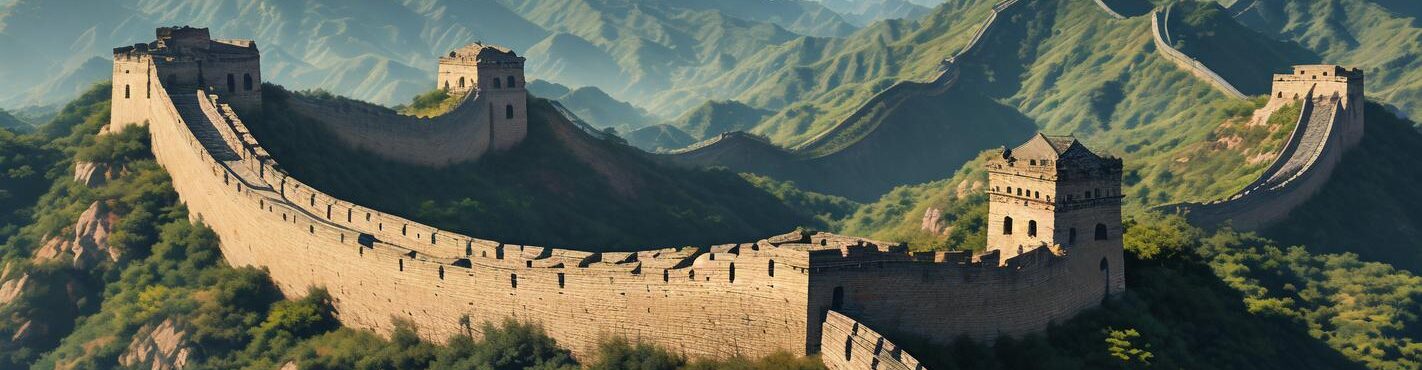
The Ming Dynasty (1368–1644) was the era when the Great Wall took on the form most recognizable today. Unlike the earlier earthen walls, the Ming emperors rebuilt and reinforced the Wall using bricks, stone, and stronger materials, creating a more sophisticated defensive system.

Key features included:

  • Watchtowers for surveillance and communication.
  • Fortresses and passes (e.g., Juyongguan, Jiayuguan, Shanhaiguan) to control movement.
  • Beacon towers to send smoke or fire signals during invasions.

The Ming Wall stretched over 8,800 kilometers (5,500 miles), making it the most complete and enduring version of the Great Wall.

Who Built the Great Wall?

The Great Wall was built by millions of workers across different dynasties, including:

  • Soldiers conscripted for military duty.
  • Farmers and peasants recruited or forced into labor.
  • Prisoners and convicts, who were often punished with wall construction.
  • Ethnic minorities, who also contributed labor and materials.

It is estimated that over 20 dynasties built or repaired sections of the Great Wall throughout history, leaving behind many remains that can still be seen today.

Conclusion

The Great Wall of China was not the achievement of a single ruler or era, but a collective effort spanning centuries. From its beginnings in the Spring and Autumn and Warring States periods, through the grand unification under Qin Shi Huang, the expansion under the Han Dynasty, and the monumental rebuilding during the Ming Dynasty, the Wall became both a symbol of defense and a cultural icon of Chinese civilization.

Today, the Great Wall stands not only as a military relic but also as a UNESCO World Heritage Site and one of the New Seven Wonders of the World, attracting millions of visitors from around the globe.