
The Great Wall can be one of the most photogenic places near Beijing, but the best photos rarely come from simply arriving at the busiest section at midday. Section choice, light, crowds, walking difficulty, weather, and transport all affect the images you can realistically make.
This guide is for travelers who want better Great Wall photos without turning the trip into an unrealistic expedition. It compares practical section choices, best light, night views, and the tradeoffs between easy access and stronger scenery.
Quick Answer
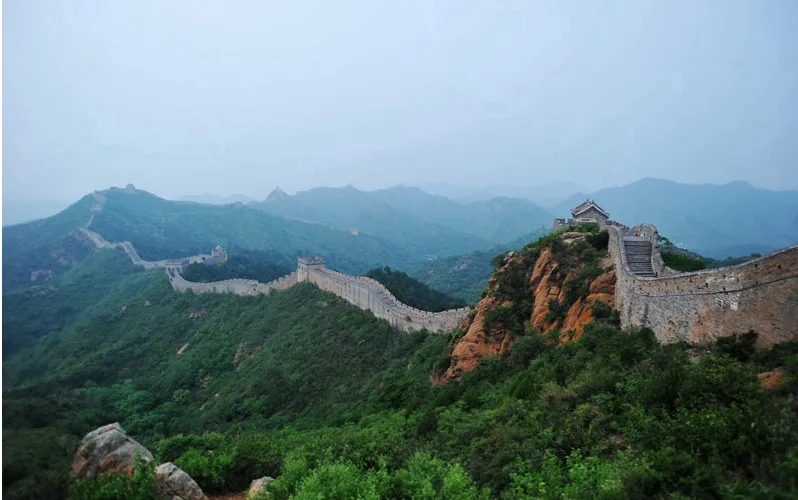
For the best balance of scenery and photography potential, choose Jinshanling if you have a full day and are comfortable with more travel time. Choose Mutianyu if you want a scenic, restored section with easier logistics. Choose Badaling if transport convenience matters more than crowd control. Choose Simatai or Gubei Water Town if night atmosphere is part of the plan.
| Photo Goal | Best Fit | Main Tradeoff |
|---|---|---|
| Wide ridges and towers | Jinshanling | Longer transfer and more planning |
| Easy first-time wall photos | Mutianyu | More restored, less wild-looking |
| Classic famous landmark | Badaling | Crowds and midday congestion |
| Night views | Simatai / Gubei Water Town | Overnight or late return planning |
| Water and wall composition | Huanghuacheng | More specific route planning |
If you are still choosing the section, compare Badaling vs Mutianyu for first-time logistics and Jinshanling vs Simatai for scenery and photography-focused planning.
Best Light: Morning, Late Afternoon, and Weather
Midday light can flatten the wall and make crowds more visible. Early morning and late afternoon usually give better shadows, depth, and atmosphere. Weather can help or hurt: mist, cloud layers, and light rain can create mood, but heavy rain, high wind, snow, or low visibility can make walking and shooting harder.
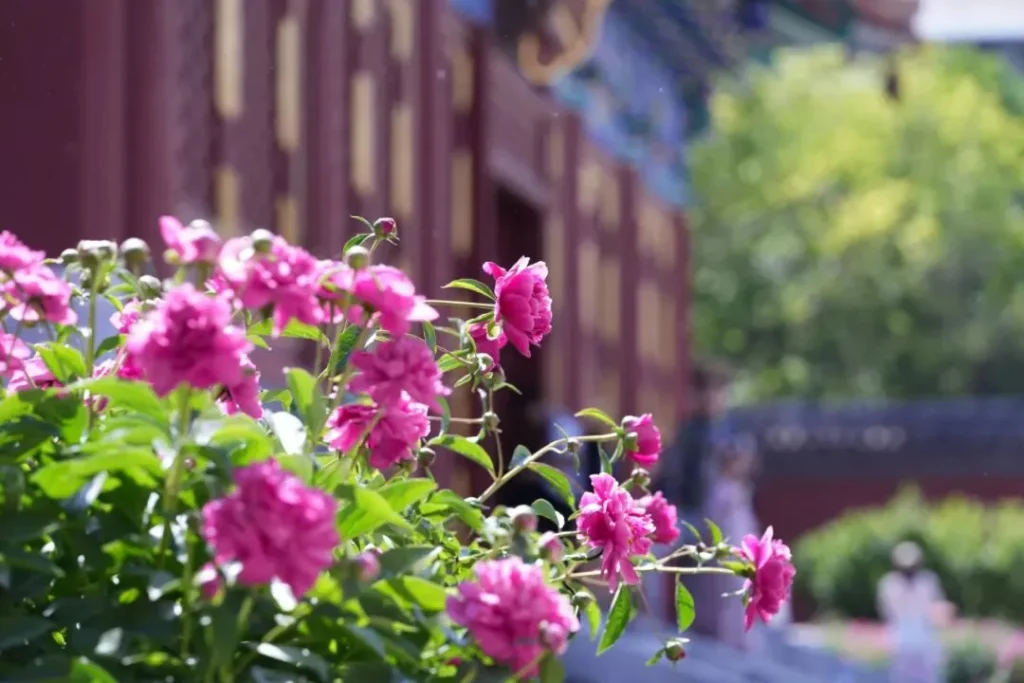
Before building a photo-heavy itinerary, check Best Time to Visit the Great Wall and Great Wall opening hours. Sunrise or sunset ideas only work if the section access, transport, and seasonal hours support the plan.
Jinshanling for Strong Landscape Photos
Jinshanling is one of the best choices for travelers who care about landscape composition. It has long ridge lines, repeated watchtowers, mountain layers, and a less purely urban-tour feel than the closest Beijing sections. The tradeoff is distance and planning. It is not the section to choose if you only have a short half-day.
For a practical section comparison, use Mutianyu or Jinshanling Great Wall. If hiking is part of the photo plan, also review Gubeikou-Jinshanling Great Wall Hiking Route before assuming every ridge is easy.
Simatai and Gubei Water Town for Night Views
Simatai and Gubei Water Town are useful when you want evening atmosphere, lit wall views, and a slower overnight-style experience. This is different from a simple Mutianyu or Badaling day trip. It can be rewarding, but only if you plan accommodation, return transport, and section access carefully.
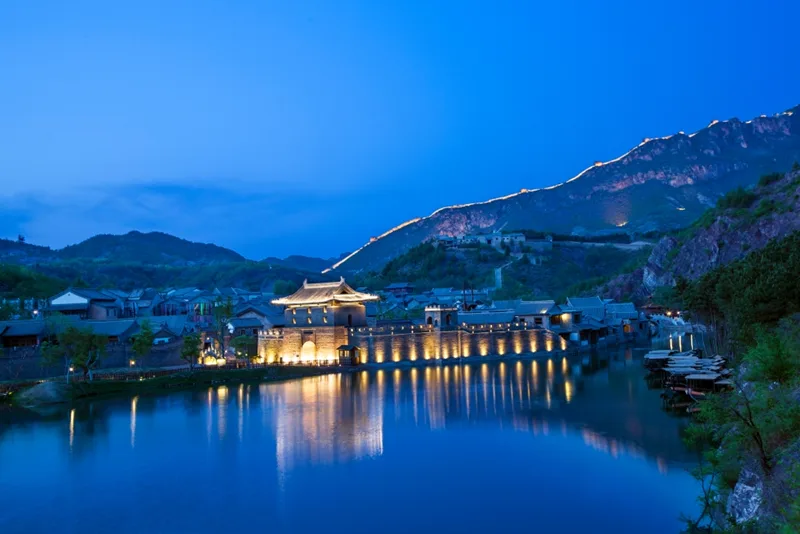
If night views are important, start with Where to Stay for the Great Wall. For section choice, compare Badaling vs Simatai and Huanghuacheng Water Great Wall or Simatai.
Huanghuacheng for Water and Wall Compositions
Huanghuacheng is appealing when you want water, hills, and wall sections in the same frame. It is more specific than the classic first-time choices, so it works best for travelers who already know they want a scenic composition rather than the simplest Great Wall logistics.
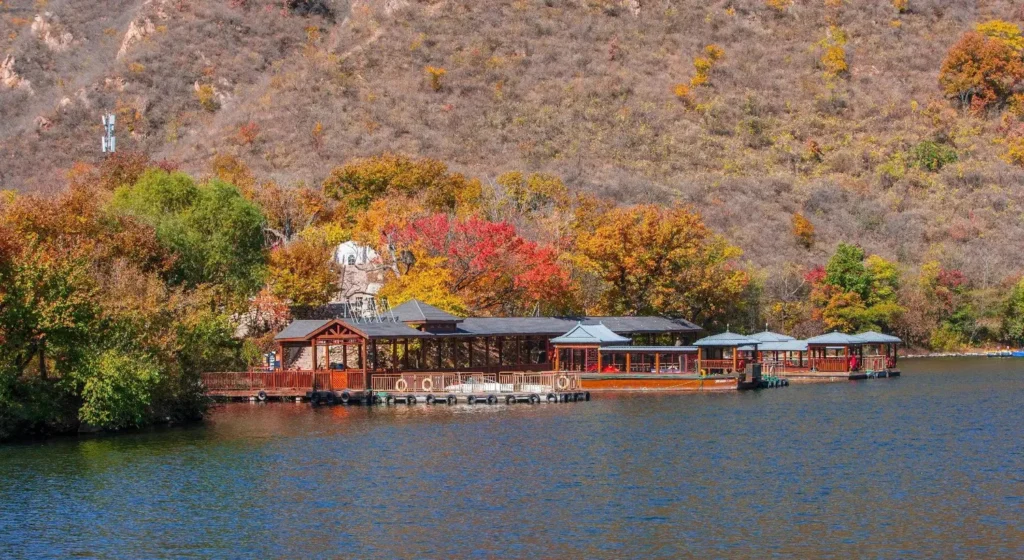
The planning question is whether you want a scenic photography route or a straightforward first visit. If it is your only Great Wall day and logistics matter most, Mutianyu or Badaling may still be easier. If the image style matters more, Huanghuacheng can be worth the extra planning.
Avoid the Most Common Photo Mistakes
- Arriving too late: midday crowds and flat light reduce photo quality.
- Choosing the section only by fame: the most famous section may not be the best visual match.
- Ignoring return transport: sunset ideas fail if you cannot get back comfortably.
- Overpacking gear: steep steps make heavy bags tiring quickly.
- Forgetting weather: wind, rain, heat, and snow affect both safety and image quality.
- Skipping section rules: opening hours, access, and night-view policies vary.
For a broader planning checklist, read Great Wall Mistakes to Avoid. For trip length, use How Much Time Do You Need at the Great Wall?.
Practical Camera and Phone Tips
- Use a small bag and keep both hands free on steep steps.
- Carry a power bank if you will use your phone for maps, translation, and photos.
- Bring a lens cloth; dust, mist, rain, and sweat can ruin otherwise good shots.
- Use a wider focal length for ridge lines and a longer focal length for compressed tower layers.
- Do not block narrow steps or tower entrances for photos.
- Keep water and sun protection accessible in summer.
Final Recommendation
If photography is the main goal, do not default to the easiest section without thinking about light and scenery. Choose Jinshanling for classic landscape depth, Mutianyu for a practical first-time photo day, Simatai and Gubei Water Town for night atmosphere, and Huanghuacheng for water-and-wall compositions. The best Great Wall photos usually come from matching the section to the image you want, then giving the route enough time.
Sources Checked
- Great Wall opening hours guide for section timing context.
- Jinshanling vs Simatai Great Wall for photography-focused section comparison.
- Huanghuacheng Water Great Wall or Simatai Great Wall for scenic-section comparison.