Author Archives: fei li

About fei li

I have a deep passion for the Great Wall of China and have explored many of its sections, from the well-known to the hidden wild parts. Over the years, I’ve studied its history, architecture, and the legends that surround it. Through my writing, I hope to share this knowledge and help travelers see the Great Wall not just as a landmark, but as a symbol of China’s culture and strength.

When Is the Best Time to Visit the Great Wall of China?​

The Great Wall of China, a 21,000 – kilometer – long symbol of ancient wisdom, draws millions of visitors yearly. But choosing the right time to visit can make or break your experience—factors like weather, crowd levels, and seasonal scenery vary drastically across the year. Whether you’re hiking the rugged Jiankou section or exploring the well – maintained Mutianyu, here’s a breakdown of the best (and worst) times to plan your trip, plus tips to tailor your visit to your preferences.​

When Is the Best Time to Visit the Great Wall of China?​

Spring (April–May): Mild Weather and Blooming Scenery​

Spring is widely regarded as one of the top seasons to visit the Great Wall, especially in northern China where most popular sections (Badaling, Mutianyu, Juyongguan) are located.​

  • Weather: Temperatures range from 10°C to 20°C, with cool mornings and warm afternoons—ideal for long hikes without the swelter of summer or chill of winter. Rainfall is minimal, though occasional light showers mean packing a lightweight rain jacket is wise.​
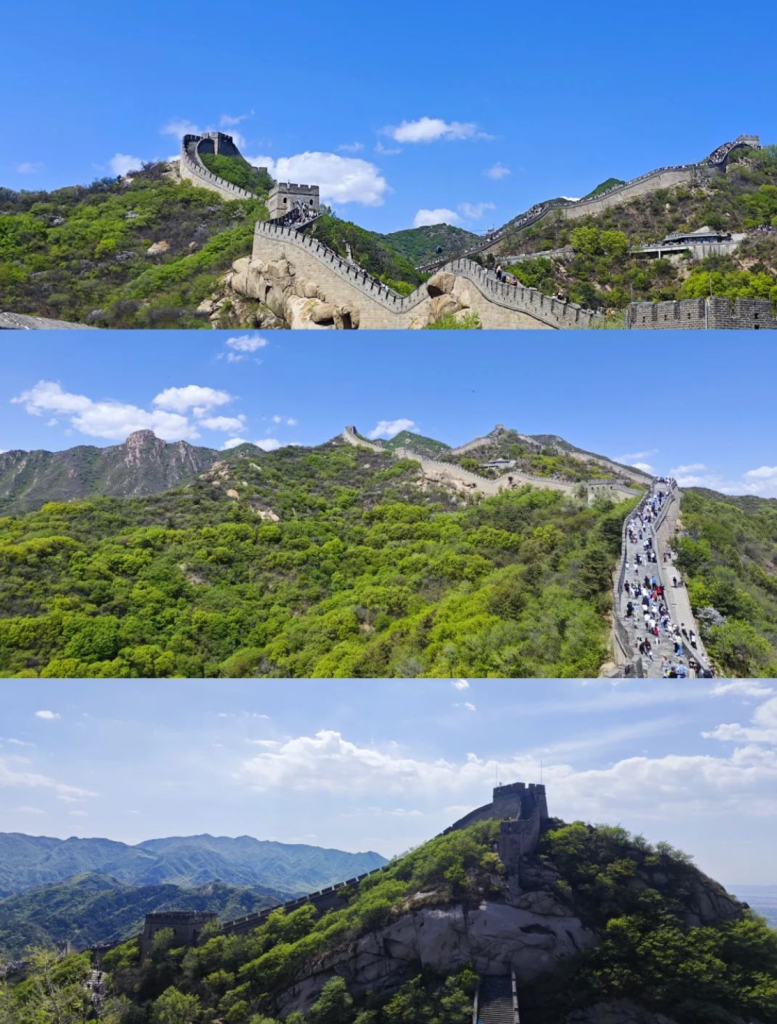
  • Scenery: The surrounding hillsides burst into life with cherry blossoms (around mid – April in Mutianyu), peach blossoms, and fresh green foliage. This soft, colorful backdrop makes for stunning photos, especially at sunrise when the light paints the wall’s stones pink.​
  • Crowds: Spring avoids the peak summer rush, but weekends and public holidays (like Labor Day, May 1–5) still see more visitors. For quieter trips, opt for weekday mornings.​
  • Best Sections: Mutianyu (for cherry blossoms) and Juyongguan (less crowded, with lush greenery framing the wall).​

Autumn (September–October): Crisp Air and Golden Views​

Autumn rivals spring as the “perfect” time to visit the Great Wall, offering stable weather and breathtaking fall foliage.​

  • Weather: Days are sunny and dry, with temperatures between 12°C and 22°C. Evenings can get cool (around 8°C), so layering a sweater or light jacket is essential. The low humidity makes hiking comfortable, and the clear skies ensure unobstructed views of the wall snaking across the mountains.​
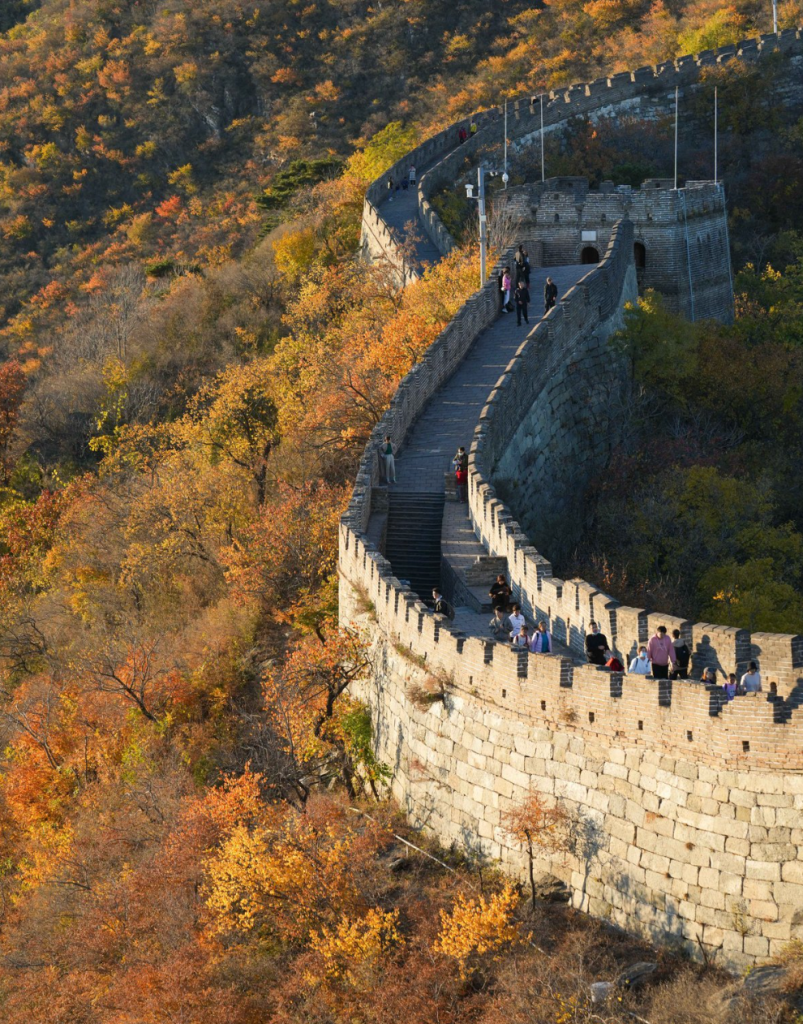
  • Scenery: By late September, the leaves of maple and poplar trees turn fiery red, orange, and gold. Sections like Badaling and 司马台 (Simatai) are transformed, with the wall winding through a “sea of autumn colors”—a favorite for photographers and nature lovers.​
  • Crowds: October’s National Day Holiday (October 1–7) is a peak period, with crowds swelling to record levels. If you visit in early September or after October 8, you’ll avoid the worst of the rush while still enjoying the fall beauty.​
  • Best Sections: Simatai (for combining autumn foliage with the wall’s ancient stone architecture) and Huanghuacheng (a “water Great Wall” where golden leaves reflect in the nearby reservoir).​

Summer (June–August): Hot, Humid, and Crowded (But Manageable)​

Summer is the busiest tourist season for the Great Wall, thanks to school holidays and international travel. While it’s not the most comfortable time, with some planning, you can still have a great trip.​

  • Weather: Temperatures soar to 30°C–35°C, with high humidity that can make hiking feel exhausting. Afternoon thunderstorms are common, so start your day early (by 7:30 AM) to beat the heat and rain.​
  • Scenery: The Great Wall is surrounded by dense greenery, and sections near water (like Huanghuacheng) offer a refreshing contrast. Night tours at Mutianyu (available June–August) are a popular way to avoid the day’s heat— the wall is lit up with warm lights, creating a magical atmosphere.​
  • Crowds: Expect long lines for cable cars, packed viewpoints, and heavy traffic on the roads to popular sections. Book tickets online in advance, and avoid weekends if possible.​
  • Best Sections: Huanghuacheng (water views help cool you down) and Shanhaiguan (coastal location, with sea breezes that ease the humidity).​

Winter (November–March): Cold, Quiet, and Snowy Magic​

Winter is the least crowded season, perfect for travelers who prefer solitude and unique snowy landscapes—though it comes with harsh weather challenges.​

  • Weather: Temperatures drop to -10°C–5°C, with frequent snowfall in December–February. Wind chill can make it feel even colder, so you’ll need warm layers (thermal underwear, down jackets, gloves, scarves, and waterproof boots). Some remote sections (like Jiankou) may close temporarily due to ice, so check ahead.​
  • Scenery: A snow – covered Great Wall is a sight to behold— the white snow blankets the stones, and the quiet makes the wall feel even more ancient and majestic. Sunrise over the snow – capped peaks is particularly breathtaking, with the sun turning the snow pink and gold.​
  • Crowds: You’ll often have entire sections almost to yourself, with no lines for cable cars or photo spots. This is a dream for photographers looking to capture the Great Wall’s serenity.​
  • Best Sections: Badaling (well – maintained, with snow – clearing services) and Mutianyu (cable cars run year – round, and the snow – covered watchtowers are iconic).​

Key Tips to Plan Your Visit​

  • Avoid Public Holidays: China’s major holidays (Spring Festival in January/February, Labor Day in May, National Day in October) bring massive crowds. If you can’t avoid them, arrive at opening time (7:30 AM) to beat the rush.​
  • Check Section – Specific Conditions: Remote sections like Jiankou are more weather – dependent (closed in heavy snow), while popular ones like Mutianyu are open year – round.​
  • Layer Clothing: Even in spring and autumn, temperatures fluctuate— layers let you adjust to changing conditions.​
  • Book in Advance: For summer and autumn trips, book cable car tickets and tour guides online to save time.​

Exploring the Great Wall of China in October​

Visiting the Great Wall of China in September​

Exploring the Great Wall of China in November

Exploring the Great Wall of China in December

Conclusion​

The “best” time to visit the Great Wall depends on what you value most: mild weather and blooms (spring), crisp foliage and clear skies (autumn), lively nights and water views (summer), or quiet snow and solitude (winter). Spring and autumn are the safest choices for most travelers, offering a balance of comfort and beauty. But if you’re willing to brave the cold or heat, winter and summer reward you with unique experiences you won’t find in the peak seasons. No matter when you go, the Great Wall’s grandeur will leave you in awe— just plan ahead to make the most of your trip.
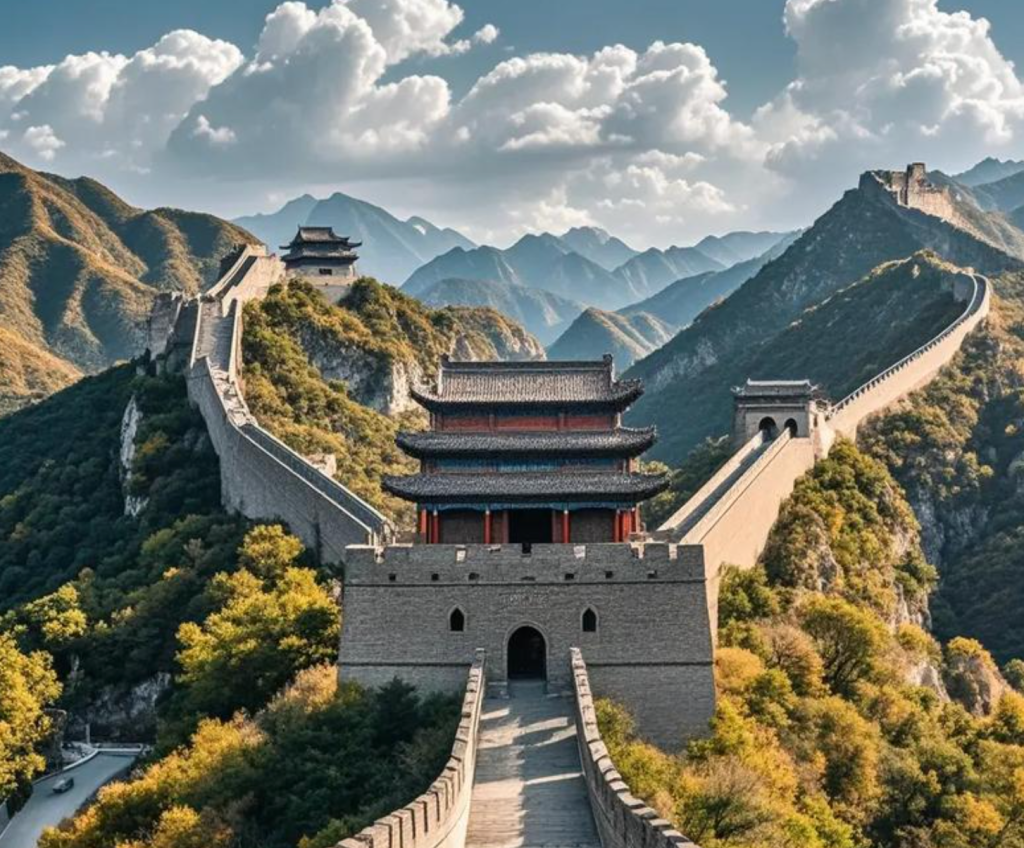
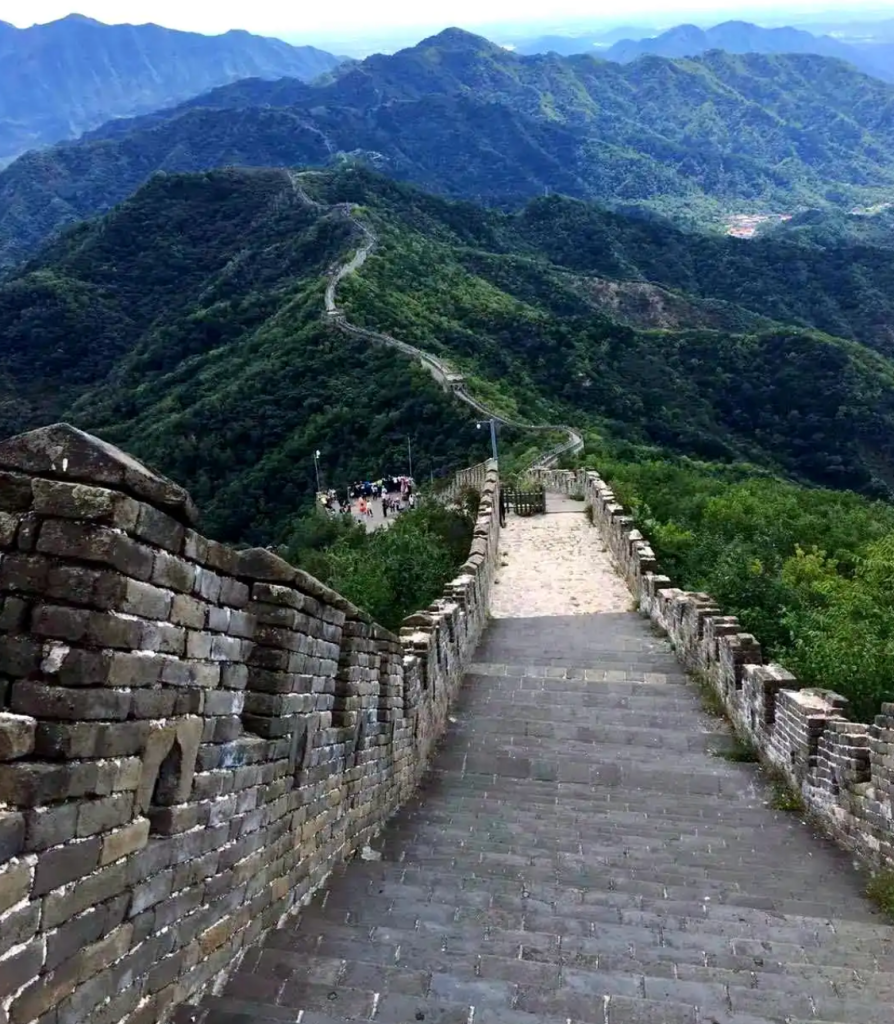
How to Get to Juyongguan Pass from Beijing Downtown

Juyongguan Pass, an integral part of the Great Wall, is a must – visit destination for tourists in Beijing. Located about 60 kilometers northwest of downtown Beijing, it offers a unique blend of historical grandeur and breathtaking natural scenery. If you’re planning to visit this iconic site, here’s a detailed guide on how to reach Juyongguan Pass from the heart of Beijing.

How to Get to Juyongguan Pass from Beijing Downtown

1. By Public Transportation

Option 1: Bus from Deshengmen

Taking a bus from Deshengmen is a popular and budget – friendly option.

  • Routes:
  • You can catch Bus 919 directly from Deshengmen Bus Terminal to Juyongguan Great Wall Station. Buses 870 and 883 also operate on routes from Deshengmen to Juyongguan.
  • Frequency: Buses usually run every 15 – 30 minutes during peak hours (6:00 AM – 9:00 AM and 4:00 PM – 7:00 PM) and every 30 – 60 minutes during off – peak hours.
  • Duration: The journey takes approximately 1.5 – 2.5 hours, depending on traffic conditions.
  • Fare: The bus fare ranges from 12 – 20 yuan. You can pay in cash or use payment apps like Alipay or WeChat Pay if the bus is equipped with the necessary scanning devices.
  • Tips:
  • Arrive at the bus terminal early, especially on weekends and public holidays, as the buses can get crowded.
  • Have the Chinese name of Juyongguan Pass (居庸关长城) written down or saved on your phone to show the bus driver or conductor, as not all of them may speak English.

Option 2: Subway + Bus

This option involves a bit more transfers but can be a great way to experience local transportation.

  • Route 1:
  • Take Subway Line 13 from either Dongzhimen Station or Xizhimen Station and get off at Longze Station.
  • Then, on the opposite side of Longze Station, look for Bus No. 68 (marked as 昌 68 in Chinese). This bus will take you directly to Juyongguan Pass.
  • Frequency: Subway Line 13 runs every 3 – 5 minutes during peak hours and every 5 – 10 minutes during off – peak hours. Bus No. 68 has a frequency of about every 30 – 60 minutes.
  • Duration: The subway ride takes around 30 – 40 minutes, and the subsequent bus ride takes about 40 – 60 minutes. So, in total, the journey can take 1.5 – 2.5 hours.
  • Fare: The subway fare depends on the distance traveled within the subway system, usually ranging from 3 – 7 yuan. The bus fare for Bus No. 68 is around 10 – 15 yuan.
  • Route 2:
  • First, take Subway Line 2 to Jishuitan Station.
  • Then, make your way to Deshengmen Bus Station. From there, take Bus 919 for about 40 minutes to “South Mouth” (南口).
  • At South Mouth, switch to Bus No. 68 (going in the same direction on the same side of the street). Bus No. 68 will take you all the way to Juyongguan as it is its last stop, and it will park right next to the ticketing booth.
  • Frequency: Similar to Route 1, Subway Line 2 has a high frequency, and Bus 919 and Bus No. 68 operate according to their respective schedules as mentioned above.
  • Duration: This route may take a bit longer, around 2 – 3 hours in total, considering the transfer time.
  • Fare: The subway fare for Line 2 is 2 – 4 yuan, Bus 919 fare is around 10 – 15 yuan, and Bus No. 68 fare is about 10 – 15 yuan.

Option 3: Suburban Railway S2 + Bus

  • Route:
  • Take the suburban railway S2 line from Beijing North Railway Station. Get off at Changping Station.
  • After getting off at Changping Station, walk about 530 meters to Xianniantou Village Bus Stop (下念头村站).
  • From there, take Bus Chang 68 (昌 68 路) to the Juyongguan Bus Terminal Stop. Finally, walk about 700 meters to reach the Juyongguan Great Wall.
  • Frequency: The suburban railway S2 line has a relatively fixed schedule, usually running several times a day. It’s advisable to check the official schedule in advance. Bus Chang 68 runs every 30 – 60 minutes.
  • Duration: The S2 line journey takes about 30 – 40 minutes, and the subsequent bus ride and walking time add up to about 1 – 1.5 hours. So, the total journey time is around 2 – 2.5 hours.
  • Fare: The S2 line fare is around 6 – 10 yuan, and the Bus Chang 68 fare is about 10 – 15 yuan.

2. By Private Car or Taxi

Option 1: Renting a Car

If you prefer the freedom to stop and explore along the way, renting a car can be a great option.

  • Route:
  • Take the G6 京藏高速公路. Drive towards the direction of Zhangjiakou.
  • Get off at the Juyongguan (46) exit. Then, follow the signs to the Juyongguan Great Wall Scenic Area.
  • Distance: The distance from downtown Beijing to Juyongguan is approximately 60 kilometers.
  • Duration: The driving time is usually 1 – 1.5 hours, depending on traffic. Try to avoid rush hours in Beijing, which are typically from 7:00 AM – 9:00 AM and 5:00 PM – 7:00 PM on weekdays.
  • Cost:
  • Car rental fees vary depending on the type of car you choose. A basic economy car can cost around 200 – 300 yuan per day.
  • Fuel costs for a round – trip will be approximately 100 – 150 yuan, depending on the fuel efficiency of the vehicle.
  • There are tolls on the G6 highway, which amount to about 30 – 50 yuan for a one – way trip.
  • Parking: The scenic area has a large parking lot. The parking fee is usually 10 – 20 yuan per day.
  • Tips:
  • Make sure you are familiar with driving in China and have a valid driver’s license. International driving permits are generally not valid in China, but some countries have reciprocal agreements. Check in advance.
  • Use a navigation app like Baidu Maps or Gaode Maps (which can be set to English) to help you find the way.

Option 2: Taking a Taxi

Taking a taxi is the most convenient but also the most expensive option.

  • Route: The taxi driver will take the most efficient route, which is usually the G6 京藏高速公路.
  • Duration: Similar to driving a rented car, the journey takes about 1 – 1.5 hours depending on traffic.
  • Cost: The one – way taxi fare from downtown Beijing to Juyongguan can be around 300 – 400 yuan. Taxis in Beijing charge based on a combination of distance and time, with additional charges for waiting time and tolls. Make sure the taxi driver uses the meter or agree on a fixed price before starting the journey.

3. By Tour Group

Option 1: Joining a Day Tour

For travelers who want a hassle – free experience, joining a day tour is an excellent choice.

  • What’s Included:
  • Most day tours offer round – trip transportation from central Beijing. The transportation is usually in an air – conditioned bus.
  • They also provide an English – speaking guide who will give you detailed information about the history and significance of Juyongguan Pass.
  • Some tours may include the entrance ticket (which is about 40 yuan in the off – season and 45 yuan in the peak season) and sometimes a simple lunch.
  • Duration: A typical day tour lasts about 8 – 10 hours. The tour usually departs from Beijing around 7:30 AM – 8:30 AM and returns by 4:30 PM – 5:30 PM.
  • Cost: The cost of a day tour varies depending on the inclusions. Basic tours without lunch can cost around 200 – 300 yuan per person, while more premium tours that include lunch and other perks can cost 350 – 500 yuan per person.
  • Tips:
  • Book your tour through reputable travel agencies or online platforms like Ctrip or Tripadvisor. Read reviews from other travelers to ensure the quality of the tour.
  • Make sure to clarify all the inclusions and exclusions before booking.

Key Tips for Your Trip

  • Timing: Try to visit Juyongguan Pass on weekdays to avoid the large crowds. The best seasons to visit are spring (April – May) and autumn (September – October) when the weather is mild and the scenery is beautiful. Summer (June – August) can be hot and crowded, while winter (December – February) is cold, but it offers a unique view of the snow – covered Great Wall.
  • Tickets: The entrance fee to Juyongguan Pass is 40 yuan for adults in the off – season (November – March) and 45 yuan in the peak season (April – October). Seniors over 60, students with valid student IDs, and some special groups may be eligible for discounted tickets. You can buy tickets at the entrance or book them in advance online through the official website or travel platforms.
  • Food and Drinks: Bring some snacks and water with you, as the prices of food and drinks near the entrance can be higher. There are also some small restaurants and food stalls around the area where you can try local Chinese cuisine.
  • Language: While many people in Beijing can speak some basic English, it’s still helpful to carry a Chinese translation of Juyongguan Pass (居庸关长城) to show to locals for directions or when asking for help.

Transportation Summary Table for Juyongguan Pass

Starting PointTransportation ModeKey Details (Duration, Cost, Frequency)ProsCons
Beijing DowntownBus from Deshengmen1.5 – 2.5 hours; 12 – 20 yuan; 15 – 60 min frequencyBudget – friendlyCan be crowded, long journey
Beijing DowntownSubway + Bus (Route 1)1.5 – 2.5 hours; 13 – 22 yuan; subway 3 – 10 min, bus 30 – 60 min frequencyMix of transportation experienceMultiple transfers
Beijing DowntownSubway + Bus (Route 2)2 – 3 hours; 12 – 34 yuan; subway 2 – 10 min, bus 30 – 60 min frequencyMore transfer optionsLongest journey among public transport
Beijing DowntownSuburban Railway S2 + Bus2 – 2.5 hours; 16 – 25 yuan; S2 fixed schedule, bus 30 – 60 min frequencyScenic train rideComplicated transfer
Beijing DowntownRenting a Car1 – 1.5 hours; 330 – 500 yuan total cost; N/AFreedom to stopNeed to drive, parking fee
Beijing DowntownTaking a Taxi1 – 1.5 hours; 300 – 400 yuan one – way; N/AConvenientExpensive
Beijing DowntownTour Group8 – 10 hours; 200 – 500 yuan per person; N/AHassle – free, guidedFixed schedule, less freedom

With this comprehensive guide, you can choose the transportation method that best suits your needs, budget, and travel style to reach the magnificent Juyongguan Pass and enjoy an unforgettable experience on the Great Wall.

Mutianyu Great Wall Opening Hours: Ultimate Guide for Visitors

Mutianyu Great Wall, one of the most popular and well-preserved sections of the Great Wall near Beijing, attracts countless domestic and international tourists every year. Its lush surrounding forests, 22 well-preserved watchtowers, and convenient transportation make it a top choice for travelers. However, to plan a smooth and enjoyable trip, knowing the opening hours—and how they change with seasons or holidays—is essential. This guide breaks down everything you need to know about Mutianyu’s operating times, plus tips to make the most of your visit.

Mutianyu Great Wall Opening Hours

1. Regular Opening Hours (By Season)

Mutianyu Great Wall adjusts its opening hours based on the seasons to adapt to daylight changes and weather conditions. Here’s the standard schedule (note: times are local Beijing time, GMT+8):

Spring (March–May) & Autumn (September–October)

These are the peak tourist seasons, with mild temperatures (10–25°C) and beautiful scenery (blooming flowers in spring, red leaves in late autumn).

  • Opening Time: 7:30 AM
  • Closing Time: 5:30 PM
  • Best Visit Window: 8:00–10:00 AM (fewer crowds, soft morning light for photos) or 2:00–4:00 PM (cooler afternoons, ideal for hiking).

Summer (June–August)

Summer in Beijing is hot and humid (25–35°C), with occasional rain showers. Mutianyu extends evening hours to let visitors avoid midday heat.

  • Opening Time: 7:30 AM
  • Closing Time: 6:00 PM
  • Tip: Start your hike before 9:00 AM or after 4:00 PM to escape the hottest part of the day. Bring an umbrella or rain jacket for sudden showers.

Winter (November–February)

Winter brings cold temperatures (-10–10°C), and Mutianyu often sees snow—creating a magical, less crowded scene. However, hours are shortened due to early sunsets.

  • Opening Time: 7:30 AM
  • Closing Time: 5:00 PM (from November to early December); 4:30 PM (from mid-December to February)
  • Tip: Arrive by 10:00 AM to have enough time to hike (the last cable car down usually departs 30 minutes before closing). Wear warm layers, gloves, and non-slip shoes for icy paths.

2. Special Opening Hours: Holidays & Events

Mutianyu may adjust its hours during Chinese public holidays or for special events. Here are key dates to note:

Chinese Public Holidays

During major holidays like Spring Festival (Lunar New Year), National Day (October 1–7), and Mid-Autumn Festival, Mutianyu often opens 30 minutes earlier (7:00 AM) and closes 30 minutes later (e.g., 6:00 PM in spring/autumn) to handle the surge in visitors.

  • Warning: These periods are extremely crowded. Expect long lines for cable cars/trains and heavy traffic on the way to Mutianyu. Plan to leave Beijing before 6:00 AM to avoid delays.

Night Tours (Seasonal)

From late spring to early autumn (usually May–October), Mutianyu offers a night tour (separate from daytime visits) with illuminated watchtowers and a festive atmosphere.

  • Night Tour Opening Time: 6:30 PM
  • Night Tour Closing Time: 9:30 PM (last entry at 8:30 PM)
  • Highlights: The wall is lit up with warm yellow lights, creating a stunning contrast against the dark sky. It’s a great option for avoiding daytime crowds and taking unique photos.
  • Note: Night tours require a separate ticket (around 100 yuan), and only a section of the wall (near the cable car area) is open for night visits.

3. Important Tips for Planning Your Visit

Last Entry & Cable Car/Train Times

Don’t confuse “closing time” with “last entry time”—you need to arrive early enough to explore comfortably:

  • Last Entry: Generally 1 hour before closing (e.g., 4:30 PM in winter for a 5:30 PM close).
  • Cable Car/Train Schedule: The cable car (up/down) and the scenic train (down only) stop operating 30 minutes before the wall closes. For example, if closing time is 5:30 PM, the last cable car down departs at 5:00 PM.

Checking Real-Time Updates

Mutianyu’s official website (in Chinese and English) or social media pages sometimes announce 临时 (temporary) changes due to bad weather (e.g., heavy rain, strong winds) or maintenance. Before your trip:

  • Visit the official Mutianyu Great Wall website (search “Mutianyu Great Wall official site”).
  • Or check reputable travel platforms like Ctrip or Fliggy for real-time updates.

Avoiding Crowds

If you want to skip the crowds:

  • Visit on weekdays (Monday–Thursday) instead of weekends.
  • Arrive right at opening time (7:30 AM) or after 3:00 PM (most day-trippers leave by then).

4. Mutianyu Great Wall: Basic Visitor Info

To make your trip even smoother, here’s quick info on tickets and transportation:

  • Daytime Ticket Price: 45 yuan (adults); free for children under 1.2 meters.
  • Cable Car/Train Fees: One-way cable car (100 yuan), round-trip cable car (140 yuan); one-way scenic train (80 yuan, down only).
  • How to Get There: From Beijing, take Bus 916 Express to Huairou North Bus Station, then transfer to Bus H23/H24 to Mutianyu (total 2–2.5 hours). Or take a taxi/private car (1.5 hours, 300–400 yuan one-way).

5. Summary Table: Mutianyu Great Wall Opening Hours

Season/PeriodOpening TimeClosing TimeKey Notes
Spring (Mar–May)7:30 AM5:30 PMMild weather; blooming flowers; best visit 8–10 AM
Summer (Jun–Aug)7:30 AM6:00 PMHot/humid; evening hours extended; avoid midday
Autumn (Sep–Oct)7:30 AM5:30 PMRed leaves; peak season; National Day crowds
Winter (Nov–Feb)7:30 AM4:30–5:00 PMCold/snowy; shorter hours; early sunset
Public Holidays (Spring Festival/National Day)7:00 AM6:00 PM (spring/autumn)Crowded; early opening/late closing
Night Tour (May–Oct)6:30 PM9:30 PMIlluminated wall; separate ticket; last entry 8:30 PM

With this guide, you can plan your Mutianyu visit to fit your schedule and avoid common pitfalls. Whether you’re hiking at sunrise, exploring during a snowy winter morning, or enjoying the night lights, Mutianyu’s beauty is sure to impress—just don’t forget to check the latest opening hours before you go!

How to Get to Huangyaguan Great Wall: A Complete Guide

Huangyaguan Great Wall, nestled in Jizhou District of Tianjin (about 120 kilometers from downtown Beijing), is a hidden gem among Great Wall sections. Known for its “water Great Wall” (where the wall meets a reservoir) and well-preserved watchtowers, it’s a favorite for travelers seeking a less crowded, scenic hiking experience. If you’re planning a visit, here’s a detailed breakdown of how to get there from Beijing or Tianjin—covering public transport, driving, and tour options to suit different needs.

How to Get to Huangyaguan Great Wall

1. From Beijing to Huangyaguan Great Wall

Option 1: Public Bus + Local Transfer (Budget-Friendly)

This is the most cost-effective choice, though it involves one transfer. It’s ideal for solo travelers or those who don’t mind a bit of planning.

  • Step 1: Take Bus 938 Express to Jizhou Bus Station (Tianjin)

Head to Beijing East Railway Station Bus Terminal (located near Beijing East Railway Station, accessible via Subway Line 2 or Line 14). Look for the 938 Express Bus bound for “Jizhou North Bus Station” (Tianjin).

  • Frequency: Every 30–40 minutes (6:30 AM–7:00 PM).
  • Duration: About 2.5–3 hours (depends on traffic; avoid rush hours 7–9 AM and 5–7 PM).
  • Fare: Around 30–35 yuan (cash or Alipay/WeChat with Tianjin bus card function).
  • Tip: Tell the driver you’re going to Huangyaguan—they may remind you when to get off at Jizhou Bus Station.
  • Step 2: Transfer to Local Bus/Minibus to Huangyaguan

Once at Jizhou North Bus Station, exit and walk to the nearby Jizhou Bus Terminal (5–10 minutes on foot). Look for the Jizhou–Huangyaguan Special Bus (often marked “黄崖关专线” in Chinese).

  • Frequency: Every 1–1.5 hours (7:00 AM–5:00 PM).
  • Duration: 40–50 minutes (winds through rural roads, offering views of farmland).
  • Fare: 10–15 yuan.
  • Alternative: If the special bus is delayed, take a local minibus (called “bread bus” locally) from the station square—negotiate the fare to around 20–30 yuan for a shared ride (fits 4–6 people).

Option 2: Private Car/Taxi (Convenient & Flexible)

For groups or travelers prioritizing comfort, a private car or taxi is the fastest option.

  • From Downtown Beijing:

Take the Beijing–Tianjin–Tanggu Expressway (G1) or Beijing–Chengde Expressway (G45), then switch to the Jizhou Ring Expressway (S21), and follow signs to “Huangyaguan Great Wall Scenic Area.”

  • Distance: 120–130 kilometers.
  • Duration: 2–2.5 hours (faster on weekends than weekdays, as Beijing’s outbound traffic eases).
  • Cost:
  • Taxi: 400–500 yuan one-way (negotiate a round-trip discount if returning the same day, around 700–800 yuan total).
  • Private Car (rental): 200–300 yuan/day for a basic car + 150–200 yuan for fuel + 50–80 yuan in tolls.
  • Parking: The scenic area has a large parking lot—fee is 10–20 yuan/day.

Option 3: Tour Group (Stress-Free)

Most Beijing travel agencies offer day trips to Huangyaguan, perfect for travelers who want to skip logistics.

  • What’s Included: Round-trip transportation (air-conditioned bus), English-speaking guide, entrance ticket (about 70 yuan), and sometimes a simple lunch.
  • Duration: 8–10 hours (departs Beijing around 7:30 AM, returns by 5:30 PM).
  • Cost: 350–600 yuan/person (varies by agency—cheaper options skip lunch; premium ones include cable car tickets).
  • Tip: Book via reputable platforms (like Ctrip or Fliggy) and read reviews to avoid hidden fees.

2. From Tianjin to Huangyaguan Great Wall

If you’re staying in Tianjin, the journey is shorter and simpler.

Option 1: Public Bus (Direct)

  • Step 1: Take Bus 188 from Tianjin Railway Station to Jizhou Bus Station

Go to Tianjin Railway Station East Square and board Bus 188 (bound for “Jizhou Bus Station”).

  • Frequency: Every 20–30 minutes (6:00 AM–8:00 PM).
  • Duration: 1.5–2 hours.
  • Fare: 25–30 yuan.
  • Step 2: Transfer to Huangyaguan Local Bus

Same as the Beijing route: Take the Jizhou–Huangyaguan Special Bus (10–15 yuan, 40 minutes) or a shared minibus (20–30 yuan) from Jizhou Bus Station.

Option 2: Driving from Tianjin

  • Route: Take Binzhou Expressway (G18) to Jizhou District, then follow signs to Huangyaguan.
  • Distance: 80–90 kilometers.
  • Duration: 1.5 hours.
  • Cost: Taxi (300–350 yuan one-way) or rental car (150–250 yuan/day + 80–120 yuan fuel/tolls).

Key Tips for Your Trip

  • Timing: Visit on weekdays to avoid crowds. Spring (April–May) and autumn (September–October) have mild weather—summer (June–August) is hot, and winter (December–February) is cold but offers snowy Great Wall views.
  • Tickets: Huangyaguan entrance fee is 70 yuan (adults); cable car (one-way) is 60 yuan (optional, useful for steep sections).
  • Food: Bring snacks and water—there are small stalls near the entrance, but prices are higher. Try local Tianjin snacks like “Jizhou Braised Chicken” if you stay for lunch.
  • Language: Carry a Chinese translation of “Huangyaguan Great Wall” (黄崖关长城) to show drivers or bus staff, as some locals may not speak English.

Transportation Summary Table for Huangyaguan Great Wall

Starting PointTransportation ModeKey Details (Duration, Cost, Frequency)ProsCons
BeijingPublic Bus (938 + Local)3.5–4 hours total; 40–50 yuan; 938 runs every 30 minsBudget-friendly; authentic local experienceRequires transfer; longer time
BeijingPrivate Car/Taxi2–2.5 hours; 400–500 yuan (taxi one-way)Fast; flexible stopsExpensive for solo travelers
BeijingTour Group8–10 hours; 350–600 yuan/personNo logistics; guided infoFixed schedule; less freedom
TianjinPublic Bus (188 + Local)2.5–3 hours total; 35–45 yuan; 188 runs every 20 minsShortest public transport optionTransfer needed
TianjinPrivate Car/Taxi1.5 hours; 300–350 yuan (taxi one-way)Most convenient for Tianjin visitorsCostly for small groups

With this guide, you can choose the best way to reach Huangyaguan Great Wall based on your budget, time, and travel style. Whether you’re hiking the “water Great Wall” at sunrise or exploring ancient watchtowers, this section’s unique beauty is well worth the trip!

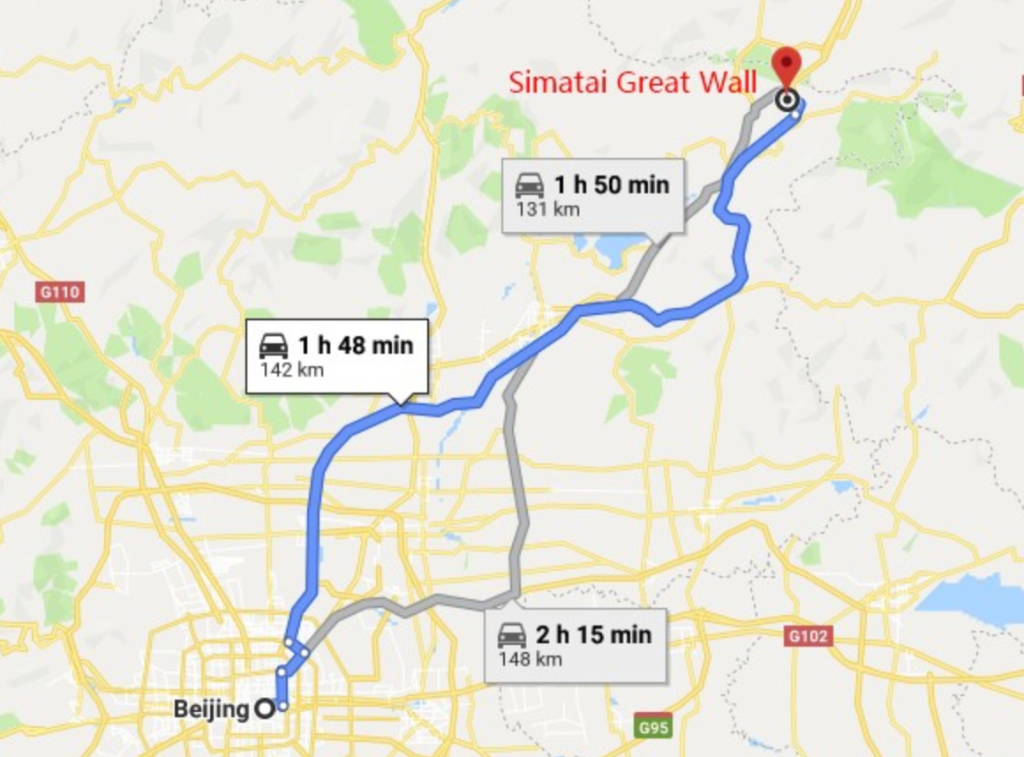
How to get to Simatai Great Wall from Beijing?

The Simatai Great Wall, located in the northeastern suburbs of Beijing, is a remarkable section of the Great Wall that stands out for its well – preserved Ming – Dynasty – era architecture and breathtakingly steep and rugged terrain. If you’re in Beijing and eager to explore this awe – inspiring part of the Great Wall, here are several transportation options at your disposal.

How to get to Simatai Great Wall from Beijing?

By Bus

1. Taking the Public Bus via Dongzhimen

  • Step 1: Reach Dongzhimen Bus Station
  • Dongzhimen is a major transportation hub in Beijing, easily accessible by subway. You can take Subway Line 2, Line 13, or the Airport Express to Dongzhimen Station.
  • Once you arrive at Dongzhimen Station, follow the signs to the Dongzhimen Long – Distance Bus Station.
  • Step 2: Board the 980 Express to Miyun Bus Station
  • At the Dongzhimen Bus Station, look for the 980 Express bus bound for Miyun Bus Station. This bus journey takes approximately 1.5 hours, and the fare is around 15 – 20 yuan. The bus runs frequently, usually every 20 minutes during peak hours.
  • During the trip, you can enjoy the changing scenery as you leave the bustling city center and head towards the more rural areas of Beijing’s suburbs.
  • Step 3: Transfer to the Mi 25 Bus to Gubeikou (near Simatai Great Wall)
  • Upon reaching Miyun Bus Station, get off the 980 Express and find the platform for the Mi 25 bus. This bus will take you to Gubeikou, which is in the vicinity of the Simatai Great Wall. The ride on the Mi 25 bus takes about 1.5 hours, and the fare is around 10 – 15 yuan.
  • Make sure to inform the bus conductor that you’re going to Simatai Great Wall so they can remind you when to get off.

2. Taking the Bus from Beijing Tourism 集散中心

  • Beijing Tourism 集散中心 also offers buses directly to Simatai Great Wall. These buses usually depart from designated locations in the city, such as the Beijing South Railway Station Tourism Service Center or the Forbidden City Tourism Service Center.
  • The advantage of taking this bus is that it is more convenient for tourists as it often provides direct access to the Simatai Great Wall scenic area without multiple transfers. However, the departure times may be less frequent compared to public buses.
  • The round – trip ticket price is around 80 – 100 yuan, and it’s advisable to book your ticket in advance, especially during peak tourist seasons. You can book through their official website or at the ticket counters at the departure points.

By Train

1. Taking the Suburban Railway from Beijing North Station

  • Step 1: Get to Beijing North Station
  • Beijing North Station is located in the Xicheng District of Beijing. You can reach it by subway (for example, taking Line 2 to Xizhimen Station and then following the signs to Beijing North Station).
  • Step 2: Board the Train to Gubeikou
  • Beijing Suburban Railway operates trains from Beijing North Station to Gubeikou. The train journey takes about 2.5 hours, and the one – way ticket price is 12 yuan. The trains usually depart twice a day, so it’s important to check the schedule in advance.
  • The train ride offers a different perspective of the Beijing suburbs, passing through beautiful landscapes and small towns.
  • Once you arrive at Gubeikou Station, you can take a local minibus or a taxi to the Simatai Great Wall. The distance from Gubeikou Station to the Simatai Great Wall is about 10 – 15 kilometers, and the taxi fare is around 30 – 50 yuan.

By Taxi or Private Car

1. Taking a Taxi

  • Taxis provide a direct and convenient way to reach Simatai Great Wall from Beijing. However, it can be relatively expensive. The journey from Dongzhimen (a central location in Beijing) to Simatai Great Wall takes about 1.5 – 2 hours, depending on traffic conditions.
  • The taxi fare is calculated based on the distance and time, and it can cost around 380 – 460 yuan one – way. If you’re traveling in a group of 3 – 4 people, sharing a taxi might be a more cost – effective option compared to taking public transportation with multiple transfers.

2. Driving Yourself

  • If you prefer to drive, it’s a relatively straightforward journey. From central Beijing, you can take the Jingcheng Expressway. Follow the signs for Miyun and then for Simatai Great Wall.
  • The distance is approximately 135 – 140 kilometers, and the driving time is about 1.5 – 2 hours, excluding traffic. Make sure to have a full tank of gas before you start, as there may not be many gas stations along the way. Also, note that there is a parking fee at the Simatai Great Wall parking lot, which is usually around 20 – 30 yuan.

By Tour Group

  • Many travel agencies in Beijing offer day – trip tours to Simatai Great Wall. These tours usually include transportation, an English – speaking tour guide, and sometimes entrance tickets to the Great Wall.
  • The advantage of joining a tour group is that everything is arranged for you, and you don’t have to worry about transportation logistics. The tour guide can also provide in – depth information about the history and culture of the Simatai Great Wall.
  • The cost of a day – trip tour to Simatai Great Wall with a travel agency can range from 300 – 800 yuan per person, depending on the level of service, whether it includes a cable – car ride, and if there are additional stops at other attractions. It’s a good idea to compare different travel agencies and read reviews before booking.

In conclusion, there are multiple ways to get from Beijing to Simatai Great Wall, each with its own advantages in terms of cost, convenience, and travel experience. Choose the option that best suits your preferences and budget, and get ready to explore this magnificent part of the Great Wall.

What to pack for great wall trip?

What to Pack for a Great Wall Trip: The Ultimate Checklist for Travelers

Planning a trip to the Great Wall of China is an exciting adventure—whether you’re hiking the rugged sections of Jiankou, exploring the well-preserved Badaling, or wandering the less-crowded Mutianyu. But with its varying terrain, changing weather, and long stretches of walking, packing the right items can make or break your experience. This guide breaks down exactly what you need to bring, tailored to the unique challenges and joys of a Great Wall visit.

What to pack for great wall trip?

1. Comfortable Footwear: Non-Negotiable for Hiking

The Great Wall isn’t just a “walk”—many sections have steep stairs, uneven stone paths, and even loose gravel. Sturdy, closed-toe hiking shoes or sneakers are a must. Look for pairs with good traction (rubber soles work best) to avoid slipping on wet or rocky surfaces. If you’re visiting in summer, breathable mesh shoes will keep your feet cool; in winter, opt for insulated, waterproof boots to handle cold and possible snow. Avoid sandals or flip-flops—they offer no support and leave your feet vulnerable to scrapes.

2. Weather-Appropriate Clothing: Layer Up!

China’s weather can be unpredictable, especially along the Great Wall (which often sits at higher elevations). Layering is key to staying comfortable all day:

  • Base layer: A lightweight, moisture-wicking shirt (cotton or quick-dry fabric) works for summer. In winter, add a thermal top to trap heat.
  • Mid layer: A fleece jacket or thin sweater is perfect for cool mornings or evenings—even in spring or fall.
  • Outer layer: A waterproof, windproof jacket is essential year-round. Summer brings sudden rain showers, while winter and spring have strong, chilly winds. For winter trips, a down jacket will keep you warm in sub-zero temperatures.
  • Bottoms: Quick-dry pants or jeans are ideal. If hiking long sections (like Jiankou to Mutianyu), avoid tight jeans—they restrict movement. In winter, add thermal leggings under your pants.

3. Sun Protection: Don’t Underestimate the UV Rays

Even on cloudy days, the sun’s rays reflect off the Great Wall’s stone surfaces, increasing your risk of sunburn. Pack these items to stay protected:

  • Sunscreen: Choose a broad-spectrum (SPF 30+) sunscreen and reapply every 2–3 hours, especially if you’re sweating or hiking.
  • Hat: A wide-brimmed hat or baseball cap will shield your face and neck from the sun. For extra protection, bring a neck gaiter.
  • Sunglasses: Polarized sunglasses reduce glare and protect your eyes from UV damage—critical for long hours outdoors.

4. Hydration & Snacks: Fuel for the Hike

Most Great Wall sections have limited food and drink options (and the ones available are often overpriced). Pack these to stay energized:

  • Water bottle: Bring a reusable water bottle (2–3 liters) to stay hydrated. Some sections have water fountains, but it’s safer to carry your own. For winter, an insulated bottle will keep water from freezing.
  • Snacks: Choose lightweight, high-energy snacks like granola bars, nuts, dried fruit, or energy gels. Avoid messy foods (like chocolate) that melt in the sun or leave crumbs. If you’re planning a full-day hike, add a sandwich or wrap for lunch.

5. Practical Gear: Small Items That Make a Big Difference

These often-forgotten items will save you from frustration:

  • Backpack: A small to medium-sized backpack (20–30 liters) is perfect for carrying your essentials. Look for one with padded shoulder straps to avoid discomfort.
  • Map/GPS: While many sections have signposts, a physical map or offline GPS app (like Google Maps offline or Maps.me) will help you stay on track—cell service can be spotty in remote areas.
  • Power bank: Taking photos and using GPS drains your phone battery. A 10,000mAh power bank will keep your devices charged all day.
  • First-aid kit: Pack a small kit with band-aids, antiseptic wipes, pain relievers (like ibuprofen), and any personal medications. Blisters are common on long hikes—add moleskin to prevent or treat them.
  • Cash: Many small shops or rest stops near the Great Wall don’t accept credit cards. Bring enough Chinese Yuan (CNY) for snacks, water, or souvenirs.

6. Extras for Specific Needs

  • Camera/GoPro: You’ll want to capture the Great Wall’s stunning views! Bring a camera (or your phone) and extra memory cards. A portable tripod can help with group photos or low-light shots.
  • Insect repellent: In summer or early fall, mosquitoes and other bugs are common in wooded sections (like Mutianyu). Pack a DEET-based repellent to avoid bites.
  • Gloves (winter): If visiting in December–February, gloves are a must—holding onto cold stone railings can be painful without them.
  • Travel adapter: If you’re an international traveler, bring a Chinese plug adapter (Type A, C, and I) to charge your devices.

Final Packing Checklist for Great Wall Trip

To make sure you don’t miss anything, here’s a handy table summarizing all the essentials:

CategoryItems to PackPurpose
FootwearSturdy hiking shoes/sneakers (summer: breathable mesh; winter: insulated waterproof boots)Support for uneven terrain; prevent slips and scrapes
ClothingMoisture-wicking base layer, fleece mid layer, waterproof windproof outer layer, quick-dry pants/jeans, thermal layers (winter)Adapt to changing weather; stay warm/cool and dry
Sun ProtectionSPF 30+ sunscreen, wide-brimmed hat, polarized sunglasses, neck gaiterShield from UV rays and glare
Hydration & Snacks2–3L reusable water bottle, granola bars, nuts, dried fruit, sandwich/wrap (full-day hikes)Stay hydrated and energized; avoid overpriced on-site food
Practical Gear20–30L backpack, offline map/GPS, 10,000mAh power bank, small first-aid kit (band-aids, moleskin, meds), cash (CNY)Carry essentials; stay on track; charge devices; handle minor injuries; pay for purchases
ExtrasCamera/GoPro + memory cards, insect repellent (summer/fall), gloves (winter), Chinese plug adapter (international travelers)Capture memories; avoid bug bites; stay warm; charge devices

With this list, you’ll be prepared for whatever the Great Wall throws your way—whether it’s a sunny hike, a sudden rainstorm, or a chilly winter morning. Now go enjoy one of the world’s most iconic landmarks!

Badaling vs Mutianyu Great Wall: Which Section Should You Visit from Beijing?

The Great Wall of China has many famous sections, but for most visitors staying in Beijing, the choice often comes down to Badaling and Mutianyu. Both are well-preserved, easily accessible, and historically significant, yet they offer very different travel experiences. If you are planning your trip, here’s a clear comparison to help you decide which section of the Great Wall suits you best.

mutianyu section of great wall

📍 Location and Accessibility

  • Badaling: Located about 70 km northwest of Beijing, Badaling is the closest section and the first to open to the public. It can be reached in just 1–1.5 hours by car, train, or direct bus, making it extremely convenient.
  • Mutianyu: Situated 70 km northeast of Beijing in Huairou District, Mutianyu takes about 1.5–2 hours by car. Shuttle buses also connect from Dongzhimen, but it’s a slightly longer journey compared to Badaling.

👥 Crowds and Atmosphere

  • Badaling: This is the most famous and visited section of the Great Wall. While it is impressive in scale, it is often extremely crowded, especially on weekends and public holidays. Expect lots of tour groups, vendors, and a lively atmosphere.
  • Mutianyu: Much less crowded, Mutianyu is preferred by international visitors who want a quieter experience. Its peaceful setting makes it ideal for those looking to avoid the hustle of tourist groups.

🌄 Scenery and Landscape

  • Badaling: Known for its majesty, Badaling features wide walls and strong fortifications winding across steep mountains. It offers a commanding view but feels more commercialized.
  • Mutianyu: Famous for its natural beauty, Mutianyu is surrounded by dense forests covering over 90% of the area. With 23 watchtowers along its 2.5 km stretch, it provides one of the most scenic walks on the Great Wall.

🏗️ Facilities and Experience

  • Badaling: Well-developed with hotels, restaurants, cable cars, and even a museum. It’s easy to navigate for families and elderly visitors.
  • Mutianyu: Also offers cable cars, chairlifts, and a fun toboggan ride down the hill. The facilities are modern, but the atmosphere remains more authentic and less commercial than Badaling.

✅ Which One Should You Choose?

  • Choose Badaling if you want the most famous, iconic experience and don’t mind large crowds. It’s ideal for first-time visitors or travelers with limited time.
  • Choose Mutianyu if you prefer a quieter, more scenic walk with fewer people around. It’s perfect for families, photographers, and those seeking a relaxed visit.

Quick Comparison: Badaling vs Mutianyu

FeatureBadalingMutianyu
Distance from Beijing~70 km (northwest)~70 km (northeast)
Travel Time1–1.5 hours1.5–2 hours
AtmosphereVery crowded, commercialQuieter, more natural
SceneryMajestic, strong fortificationsScenic, lush forested mountains
FacilitiesCable car, museum, restaurantsCable car, chairlift, toboggan
Best ForFirst-time visitors, big groupsFamilies, photographers, peaceful travelers
badaling great wall


✨ Whether you choose Badaling or Mutianyu, both sections showcase the grandeur of the Great Wall. For many travelers, Mutianyu offers a more relaxed and scenic day trip, while Badaling provides the classic, iconic image of this world wonder.

How to Go to the Jinshanling Great Wall from Beijing

Jinshanling Great Wall is one of the most breathtaking and best-preserved sections of the Great Wall of China. Located about 140 kilometers (87 miles) northeast of Beijing, it is well known for its steep gradients, original watchtowers, and panoramic mountain views. Unlike the crowded Badaling or Mutianyu, Jinshanling offers a quieter, more adventurous experience, making it a favorite for hikers and photographers.

If you are planning a trip from Beijing to Jinshanling, here are the best transportation options available.

🚄 Option 1: Long-Distance Bus

Direct tourist buses run from Wangjing West Bus Station in Beijing to Jinshanling Service Area. From there, a shuttle bus or short taxi ride will take you to the entrance of the Wall.

  • Duration: Around 2.5–3 hours
  • Cost: About $12–15 USD one way
  • Tip: Buses usually depart in the morning, so arrive early to secure your ticket.

🚍 Option 2: Public Bus + Shuttle

You can also take a public bus from Dongzhimen Bus Station to Luanping County and then transfer to a local shuttle or taxi to Jinshanling.

  • Duration: Around 3–3.5 hours
  • Cost: About $8–12 USD total
  • Tip: This is a budget-friendly option, but it requires more transfers and some knowledge of local transport.

🚗 Option 3: Private Car or Taxi

Hiring a private car or taking a taxi from Beijing is the most convenient option, especially if you are traveling with friends or family.

  • Duration: 2–2.5 hours, depending on traffic
  • Cost: Around $90–120 USD one way
  • Tip: A private car allows you to set your own schedule and possibly combine the trip with a stop at Simatai or Gubei Water Town nearby.

🚶 Option 4: Guided Tour

For those who prefer hassle-free travel, joining a guided tour is a great choice. Tours typically include round-trip transport, entrance tickets, and sometimes meals.

  • Duration: Full day (8–10 hours)
  • Cost: Around $60–100 USD per person
  • Tip: Choose a small group or private tour for a more personalized experience.

🌿 Why Visit Jinshanling?

Jinshanling stretches for about 10 kilometers and features both restored and unrestored parts, giving visitors a vivid sense of the Wall’s history. It is also the starting point for the popular Jinshanling to Simatai hike, a route famous for stunning views and fewer tourists. With its rugged terrain and authentic atmosphere, Jinshanling is often described as the most photogenic section of the Great Wall.

✅ Summary

Traveling to Jinshanling Great Wall from Beijing is straightforward, but the best option depends on your budget, time, and travel style.

  • For budget travelers, public buses with transfers are the cheapest choice.
  • For convenience, long-distance tourist buses offer direct access.
  • For comfort and flexibility, private cars or guided tours are ideal.

No matter how you get there, Jinshanling rewards you with sweeping mountain views, peaceful trails, and one of the most authentic Great Wall experiences.

Comparison Table: How to Go to Jinshanling Great Wall

OptionTravel TimeCost (USD)Best For
Long-Distance Bus2.5–3 hours$12–15Travelers who want direct access at low cost
Public Bus + Shuttle3–3.5 hours$8–12Budget travelers with time and patience
Private Car / Taxi2–2.5 hours$90–120Families, groups, flexible itineraries
Guided TourFull day (8–10h)$60–100 per personHassle-free travelers, first-time visitors

How to get to Mutianyu Great Wall from Beijing

Mutianyu Great Wall is one of the most beautiful and best-preserved sections of the Great Wall of China. Located about 70 kilometers (43 miles) northeast of downtown Beijing, it is famous for its lush forests, rolling mountains, and wide stone steps. Unlike the busier Badaling, Mutianyu offers a quieter, more scenic experience, making it a favorite for international visitors. If you’re planning your trip, here are the most practical ways to get there from Beijing.

🚄 Option 1: Private Transfer or Taxi

The easiest way to reach Mutianyu is by private car or taxi. From central Beijing, the drive takes about 1.5 to 2 hours, depending on traffic. A one-way trip usually costs around $40–60 USD, but the price can be shared if you’re traveling with friends or family.

This option gives you flexibility—you can leave early in the morning to beat the crowds, stop for lunch along the way, or continue your journey to nearby attractions like the Ming Tombs.

🚌 Option 2: Tourist Buses

Tourist buses depart daily from central Beijing to Mutianyu. One of the most convenient services is the Mutianyu Shuttle Bus (Mu Bus), which runs from Dongzhimen, a major transport hub in Beijing. The ride takes about 2 hours and costs around $6–7 USD one way.

This service is especially useful for independent travelers who don’t want to deal with multiple transfers but also prefer not to spend on a private car.

🚍 Option 3: Public Transport

It’s possible to reach Mutianyu by public transport, though it takes longer. First, take Bus 916 Express from Dongzhimen Bus Station to Huairou (about 1 hour, $2 USD). From Huairou, transfer to a local minibus or taxi to the Mutianyu entrance (30–40 minutes, $5–10 USD).

This is the cheapest option overall, but it can be confusing if you don’t speak Chinese. For budget travelers with some extra time, it’s still a good adventure.

🚡 At the Wall: Cable Car and Chairlift

Once you arrive at Mutianyu, you can either hike up the stone steps or take a cable car or chairlift to the top. The cable car costs around $20 USD round trip and saves time and energy, leaving you more strength to explore the towers and ridge lines. For a fun way down, many visitors try the toboggan slide, which winds through the hillside back to the entrance.

🌿 Why Choose Mutianyu?

Mutianyu is about 2.5 kilometers of restored wall with 23 watchtowers, surrounded by over 90% forest coverage. The scenery changes with the seasons—lush green in summer, golden leaves in autumn, and snow-capped ridges in winter. With fewer crowds than Badaling, it’s a section where you can truly enjoy the beauty of the Great Wall at your own pace.

✨ Whether you choose a private car for comfort, a tourist bus for convenience, or public transport for the budget experience, getting to Mutianyu from Beijing is straightforward. Bring good walking shoes, plenty of water, and a camera—you’ll want to capture the views that stretch for miles over the mountains.

Comparison Table: How to Get to Mutianyu Great Wall

OptionTravel TimeCost (USD)Best For
Private Car / Taxi1.5–2 hours$40–60 (one way)Families, groups, flexible itineraries
Tourist Bus (Mu Bus)~2 hours$6–7 one wayIndependent travelers, easy connection
Public Transport2–2.5 hours$7–12 totalBudget travelers, adventurous visitors


✨ No matter which way you choose, Mutianyu combines accessibility with stunning scenery. Bring comfortable shoes, water, and your camera—the views will stay with you long after your trip.

How to Get to Badaling Great Wall from Beijing Downtown

Badaling Great Wall, located in Yanqing District, about 70 kilometers northwest of Beijing, is the most famous and best-preserved section of the Great Wall. Thanks to its accessibility, it is often the first choice for both domestic and international visitors. If you are wondering how to get to Badaling Great Wall from Beijing downtown, here are the main transportation options updated for travelers today.

🚄 Way 1: Take the High-Speed Train

The Beijing–Zhangjiakou High-Speed Railway is now the fastest and most comfortable way to reach Badaling. Trains depart from Beijing North Railway Station and stop at Badaling Great Wall Station, which is directly connected to the scenic area via shuttle buses or a short walk.

  • Duration: About 30–40 minutes
  • Frequency: Every 30–60 minutes during the day
  • Ticket Price: Around $3.5–5.5 (depending on seat class)
  • Tip: Book tickets in advance via the official railway app, as morning departures sell out quickly.

🚌 Way 2: Take the Direct Tourist Bus

Tourist buses are a convenient option for those who prefer a direct ride without transfers. Most buses leave from central Beijing.

  • Departure Points:
    • Deshengmen Arrow Tower (德胜门箭楼) – the most common starting point
    • Some buses also depart near Qianmen and other popular tourist hubs
  • Duration: Around 1.5–2 hours, depending on traffic
  • Ticket Price: About $3–6 one way
  • Tip: Arrive early, especially on weekends and public holidays, as buses fill up quickly.

🚍 Way 3: Take Public Buses

For budget travelers, regular public buses are the cheapest way to reach Badaling.

  • Bus Route: Take Bus 877 from Deshengmen Bus Station (non-stop to Badaling).
  • Duration: 1.5–2 hours
  • Ticket Price: About $1.5–2 with a transportation card
  • Tip: This bus goes directly to the front gate of Badaling, making it more convenient than older routes like 919.

🚗 Way 4: By Private Car or Taxi

If you prefer flexibility and comfort, you can take a private car, taxi, or rideshare app (such as Didi).

  • Duration: 1–1.5 hours depending on traffic
  • Cost: Around $40–55 one way by taxi
  • Tip: Consider hiring a driver if you also plan to visit other attractions in Yanqing, such as the Badaling Wildlife Park or the Great Wall Museum.

✅ Summary

  • Fastest option: High-Speed Train (30–40 min, $3.5–5.5)
  • Most budget-friendly: Public Bus 877 (about $1.5–2)
  • Easiest for groups: Tourist Buses ($3–6)
  • Most flexible: Private Car / Taxi ($40–55)

Arrive early in the day to avoid crowds and allow enough time to enjoy this majestic UNESCO World Heritage site.

OptionTravel TimeCost (USD)Best For
High-Speed Train30–40 minutes$3.5–5.5Fastest and most comfortable option
Tourist Bus1.5–2 hours$3–6Groups, tourists preferring direct rides
Public Bus (877)1.5–2 hours$1.5–2Budget travelers, backpackers
Private Car / Taxi1–1.5 hours$40–55Flexible schedule, families, comfort