
Juyongguan is worth considering when you want a Great Wall visit that feels like a fortified mountain pass rather than a long scenic ridge. It is closer to central Beijing than many famous alternatives, it has a compact historic setting, and it can work well as a focused half-day outing. But it is not automatically the best first Great Wall visit for every international traveler.
For most first-time visitors who want the broadest range of visitor infrastructure and a scenic, flexible day, Mutianyu remains the safer default. Juyongguan is better for travelers who value pass-city history, have limited time, or want to combine a Wall visit with another Changping-area plan. The key is to choose it for the right reason, not simply because it looks closer on a map.
Quick verdict: choose Juyongguan if this sounds like you
- You want a half-day Great Wall experience. The pass layout makes it easier to focus on a short, purposeful visit rather than trying to cover a full scenic ridge.
- You care about the fortress setting. Gates, pass architecture, and the valley context are a major part of the experience.
- You have a driver or a well-understood transport plan. That keeps a short visit from becoming a day dominated by connections and waiting.
- You are comfortable with stairs. This is a walking visit, not a lift-assisted sightseeing plan.
Choose Mutianyu instead if your group needs the most flexible facilities, wants lift options, or treats the Great Wall as the main event of a full day. Choose Badaling if rail convenience and the best-known name matter more than atmosphere. Our Badaling versus Mutianyu comparison explains those two default choices in detail.
What makes Juyongguan different
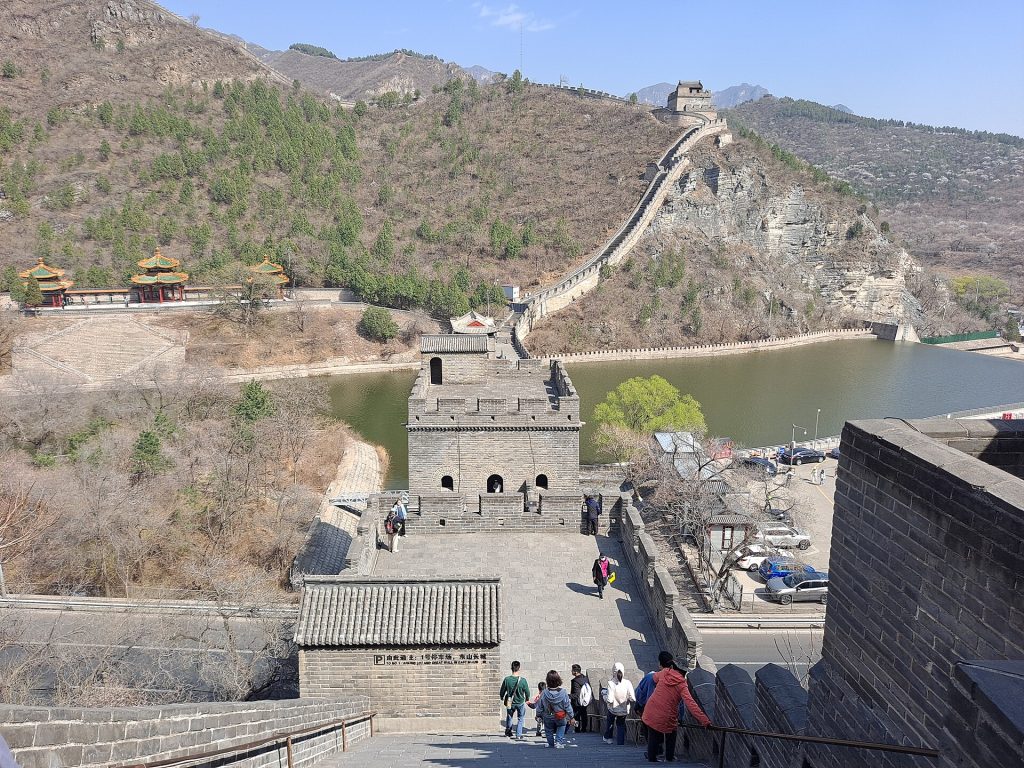
Juyongguan is a mountain pass with the Wall climbing above a fortified settlement. That changes the visual experience: you see gates, valley walls, traffic corridors, and the defensive logic of the pass together. It feels more enclosed and historic than a typical postcard image of the Wall rolling along an open ridgeline.
That setting is its strength, but also its tradeoff. Visitors looking for a long, tranquil ridge walk or a cable-car-supported family outing may find that Mutianyu better matches the picture in their head. Visitors who want a compact military-pass landscape may find Juyongguan more memorable precisely because the Wall is part of a larger defended place.
How much time should you allow?
Plan a half day from the time you leave your Beijing hotel until you are ready for your next stop. The on-site walking can be shorter than at Mutianyu or Jinshanling, but a short Wall visit still needs transport buffer, security or ticket steps, a realistic climbing pace, photo stops, water breaks, and an unhurried exit. Do not turn a half-day idea into a rushed two-hour promise.
A sensible structure is to leave after an early breakfast or use Juyongguan as the second half of a Changping-area day. Walk a section that suits your group, return while everyone still has energy, then continue to a nearby lunch or back to Beijing. Our guide to how much time to plan at the Great Wall helps set expectations before you book transport.
Stairs and pace: do not judge this by distance alone
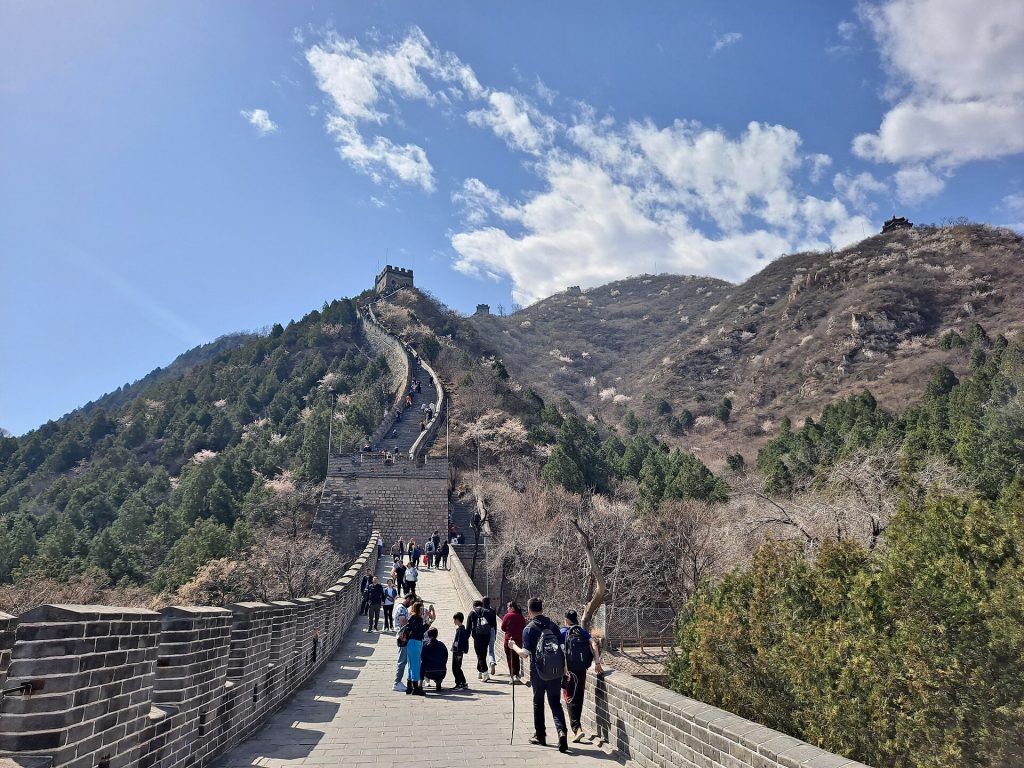
At Juyongguan, the physical effort is shaped by steps and elevation rather than a simple distance figure. A group can make good progress on a map yet still slow down sharply on steeper stair sections. This matters for families, travelers recovering from a long flight, visitors with knee concerns, and anyone arranging a fixed afternoon train or dinner.
Wear shoes with grip, carry water, and agree on a turnaround point before the first long climb. Do not assume that the strongest walker should set the pace. If your group includes young children, compare this plan with our Mutianyu versus Juyongguan guide for families before deciding.
Transport: closer does not always mean simpler
Juyongguan can look straightforward because it lies north of Beijing, but public transport still requires attention to the last connection, weather, return timing, and the exact entrance you intend to use. A private car or driver is especially useful when your hotel pickup time is limited, your group has mixed walking speeds, or you want a dependable return after a short visit.
Independent travelers can use our detailed Juyongguan transport guide as a planning starting point, then confirm current services on official channels before leaving. Do not rely on an old route screenshot, and do not schedule a non-refundable onward connection with no recovery time.
What to see beyond the stairs
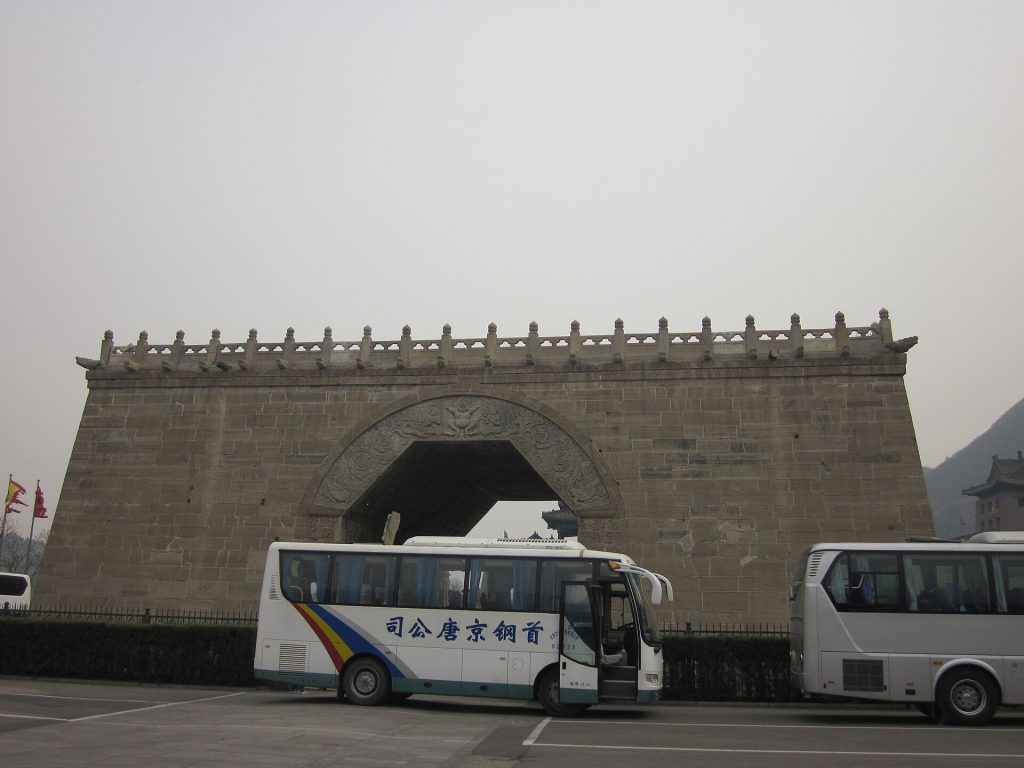
Make time to look at the pass itself rather than treating the site as a stair machine. Juyongguan’s gates and the Cloud Platform add context that a ridge-only visit cannot provide. Beijing’s official visitor information describes the pass as a restored Great Wall attraction with defensive structures and the Yuan-era Cloud Platform; this is why a slower, history-led visit makes more sense here than a speed climb.
Use the official Juyongguan visitor page to check current admission, opening, and access details before your date. These policies can change with weather, maintenance, or holidays.
When Juyongguan is the wrong choice
Skip Juyongguan as your main Wall visit if you want a cable-car-led day, a long hiking atmosphere, or the most relaxed option for a multi-generation group. Mutianyu usually gives a first-time international visitor more ways to control effort and time. Badaling may be preferable if your priority is a rail-based plan and the most developed visitor system. For a hiking or photography-focused second visit, Jinshanling is generally the stronger choice.
It is also the wrong fit for a day that already includes too many major Beijing sights. If you are combining the Wall with the Forbidden City, Summer Palace, or a late flight, read our one-day Great Wall planning guide and remove rather than add commitments.
A simple half-day checklist
- Confirm current entry conditions and weather shortly before departure.
- Choose a realistic hotel pickup and return window.
- Wear stable walking shoes and bring water, sun protection, and one warm layer when conditions call for it.
- Agree on a turnaround point for the group before climbing.
- Keep the other half of the day light enough to absorb a delayed return.
The bottom line
Juyongguan is worth visiting from Beijing when you want a compact, history-rich mountain pass and can plan it as a true half-day outing. It is not a shortcut version of every other Great Wall experience. Pick it for its fortress setting and focused walk; choose Mutianyu, Badaling, or Jinshanling when your group’s needs point more clearly in those directions.