
Jiankou is one of the most dramatic-looking sections of the Great Wall near Beijing, but it is not a casual version of Mutianyu. Its appeal comes from the same things that make it difficult to treat as a normal sightseeing day: steep mountain terrain, unrestored masonry, exposed edges, uneven surfaces, uncertain access conditions, and limited margin for a mistake.
For most first-time visitors, the answer to “Is Jiankou safe?” is simple: it is not an appropriate DIY day trip. A striking photo, a map pin, or a travel-video clip does not establish that a particular section is open, legal to enter, structurally sound, suitable for the weather, or compatible with your group’s ability. Start with our Great Wall planning guide if you need a visitor section that matches your time, transport, and experience.
Quick answer: should you plan Jiankou?
- Do not treat Jiankou as a standard tourist attraction. It is not the right substitute when Mutianyu or Badaling feels too familiar or too busy.
- Do not use informal paths, barriers, or online track files as permission. Access rules and conditions can change, and a route that was filmed or walked in the past may not be appropriate now.
- A guide does not make a closed, damaged, or weather-exposed section automatically safe or legal. Local knowledge can reduce uncertainty only when the visit itself is authorized and conditions are suitable.
- For the classic Great Wall experience, choose Mutianyu. For a longer hiking-focused day, consider an established Jinshanling plan rather than turning a first visit into a risk test.
Why Jiankou needs a different standard
Restored visitor sections are designed around predictable entry, maintained walking surfaces, marked circulation, visitor services, and a known way back down. Jiankou is valued precisely because much of its character is less polished. That does not mean it is an invitation to self-guide through difficult or unstable terrain.
Beijing’s heritage authorities have described restoration at Jiankou as a minimum-intervention effort intended to remove hazards, preserve authenticity, and protect the structure. That is conservation work, not a guarantee that every photogenic ridge has become a public walking route. The difference matters: a repaired point can still sit within a wider landscape where access, weather, trail condition, and rescue practicality need careful judgment.
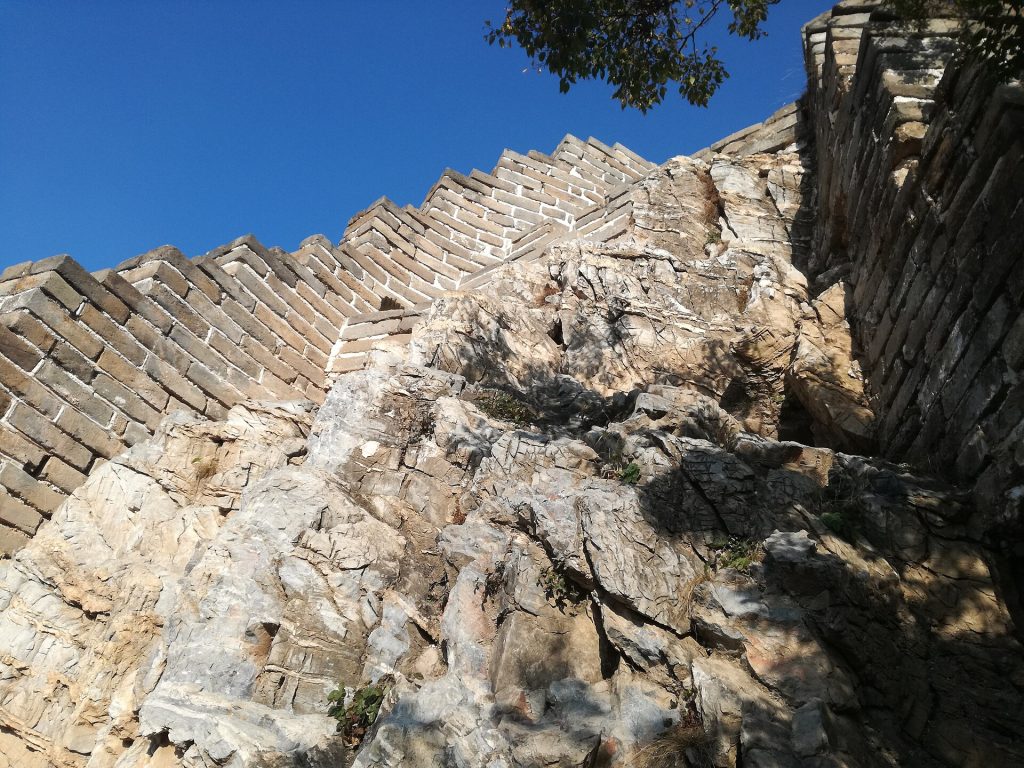
The risks are not only about steep steps
It is easy to underestimate Jiankou by comparing a photograph to a stairway. The real risk comes from several factors stacking together: loose or broken material, narrow or sloping surfaces, exposed edges, wet stone, limited visibility, fatigue, and a much harder retreat once a group is committed to a ridge. A capable hiker can still make a poor decision when wind, rain, heat, timing, or route status changes.
Mobile signal and map access are not a rescue plan. Neither is a promise that someone in the group has hiked elsewhere before. The terrain and heritage protection context are part of the decision. If an official notice, local authority, or authorized operator says a section is unavailable, choose a legal alternative rather than searching for another way around it.
Why online route information can be misleading
Many Jiankou pages and videos are records of a past visit, not live access guidance. They often omit the conditions that mattered that day: seasonal vegetation, trail damage, maintenance work, local restrictions, a photographer’s experience, the people behind the camera, or how the group left the Wall. A route name is not a current operating notice.
This is especially important around features promoted for their steepness or dramatic shape. Beijing has previously warned against curiosity-driven climbing at Jiankou and emphasized the need for controlled, orderly visitation when conditions allow. Read that as a reason to lower your risk tolerance, not as a challenge to find the most extreme point.
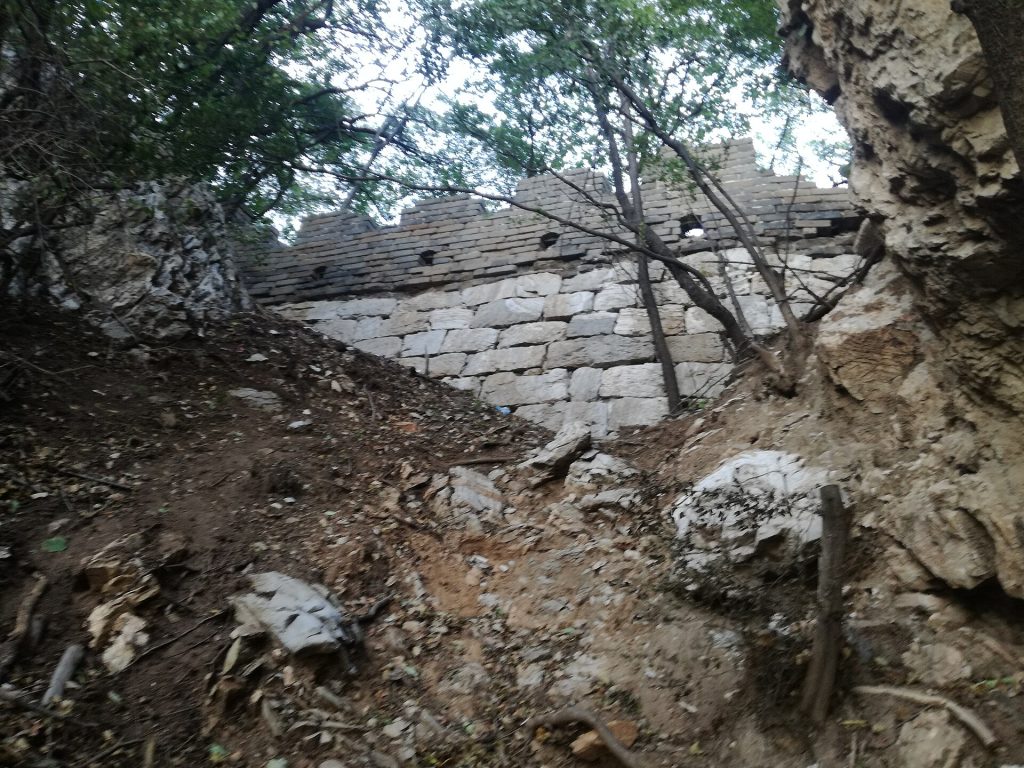
Who should not plan a Jiankou visit
Jiankou is a poor choice for first-time China visitors, families with children, travelers with limited mobility, people who are jet-lagged, solo visitors without a current authorized arrangement, anyone with a fixed flight or train to catch, and groups that would be uncomfortable turning around early. It is also the wrong place to test new footwear, depend on a phone battery, or discover that someone is uncomfortable with exposed heights.
Visitors often ask whether a private car solves the issue. It does not. A driver can improve transport reliability to a legal meeting point, but cannot make an unsafe wall section appropriate. Use transport services to support a suitable plan, not to force an unsuitable one.
Weather and daylight change the decision quickly
At a restored attraction, rain can be an inconvenience. On an unrestored wall it can alter grip, visibility, speed, and the consequences of a fall. Heat and humidity reduce attention and water reserves; wind can make exposed ground uncomfortable; a late start can leave a group navigating rough terrain with little daylight. Any forecast concern should move the decision toward a maintained visitor section, not toward a more ambitious Jiankou attempt.
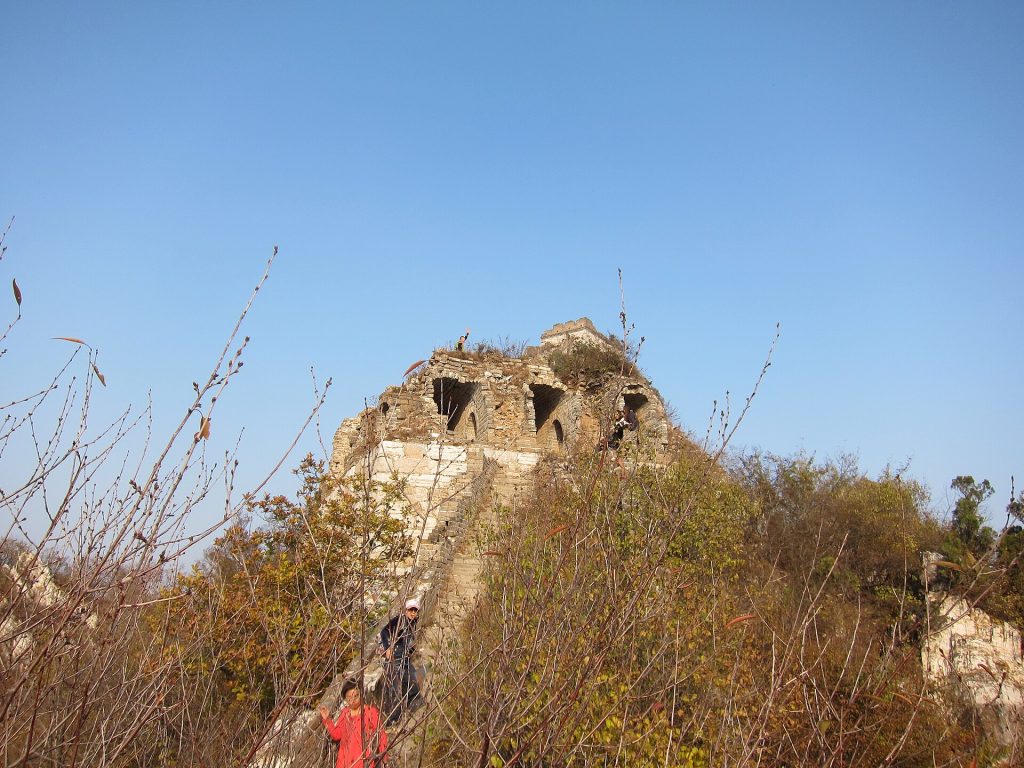
Safer ways to get the Great Wall experience
If you want dramatic mountain scenery with a practical visitor plan, Mutianyu is the better default. It gives first-time visitors a restored Wall, clear visitor infrastructure, and lift options without asking the group to accept Jiankou-level uncertainty. If your goal is a more hiking-led day, our Jinshanling day-trip guide explains the planning tradeoffs for a longer Great Wall outing.
For a direct comparison of the restored and wild-wall appeal, see our Mutianyu versus Jiankou guide. The important conclusion is not that Jiankou is “better” for adventurous travelers. It is that the two sections serve different visitors and should be planned under different safety assumptions.
If you are considering a guided visit
Start by asking whether the proposed route is currently authorized, what the actual turnaround and evacuation plan is, how weather changes the itinerary, and whether the guide will cancel rather than improvise. Do not accept vague assurances such as “everyone does it” or “the route is easy for fit people.” A responsible answer should be specific about limits, alternatives, and when the plan changes.
Our comparison of driver-only versus guided Great Wall travel can help you understand service roles. For Jiankou, the first question remains authorization and suitability, not the vehicle or the photo opportunity.
The bottom line
Jiankou is visually extraordinary because it is not a conventional, fully restored visitor route. That is a reason to be more careful, not less. If you cannot confirm legal access, current conditions, an authorized plan, and a realistic way to turn back, do not go. A well-planned Mutianyu or Jinshanling day is a far better Great Wall memory than an improvised Jiankou attempt.