
A Mutianyu Great Wall visit is often described as a half-day trip. That can be true, but the useful question is not simply how long you will stand on the Wall. It is how much time passes from leaving your Beijing hotel until you are back at the hotel, at a restaurant, or at your next commitment.
For most visitors, the day is made up of several moving parts: the city exit, arrival and entry, the choice of ascent and descent, the walking route on the Wall, photo and rest stops, regrouping, and the drive back. A plan feels relaxed when those pieces are given room. It feels rushed when the Wall itself is treated as the only item on the clock.
This guide is for visitors deciding whether Mutianyu fits a morning or afternoon, whether a private driver is worthwhile, and how much buffer to keep before a train, flight, dinner, or another Beijing activity.
What “visit time” at Mutianyu really includes
Start by separating Wall time from door-to-door time. Your route on the Wall may be compact, but it comes after hotel pickup, the journey out of Beijing, arrival procedures, and the walk or transfer to your chosen ascent point. The same stages happen in reverse at the end of the visit.
Conditions can also change the pace. Weekends, public holidays, weather, school groups, lift queues, a slow-moving family member, and the time spent deciding where to turn around all affect the day. That is why a realistic plan needs a time buffer rather than a promise that every stage will take one fixed number of minutes.
Before travel, check the current visitor arrangements on the official Beijing visitor page for Mutianyu. Services and operating arrangements can change, especially in poor weather or peak periods.
A practical range for different kinds of visit
A fast scenic visit works for travelers who are happy with a contained route, a lift-assisted ascent or descent, a few deliberate photo stops, and a clear turnaround point. It can fit into part of a day when the Beijing pickup and return are planned around it.
A more relaxed first visit needs more room. You may want to explore a longer stretch, stop at several towers, take breaks on steeper sections, or wait for a clearer photo. Families, older travelers, and anyone carrying a lot of camera gear should use that more generous version of the plan. The right schedule is the one that leaves you able to enjoy the view instead of constantly checking the time.
If you are choosing between sections, this is one reason Mutianyu is a strong default for many first-time visitors: it offers a well-developed visitor experience while still giving you mountain views and substantial Wall walking. Our Great Wall one-day tour guide explains how it fits into a broader Beijing day.
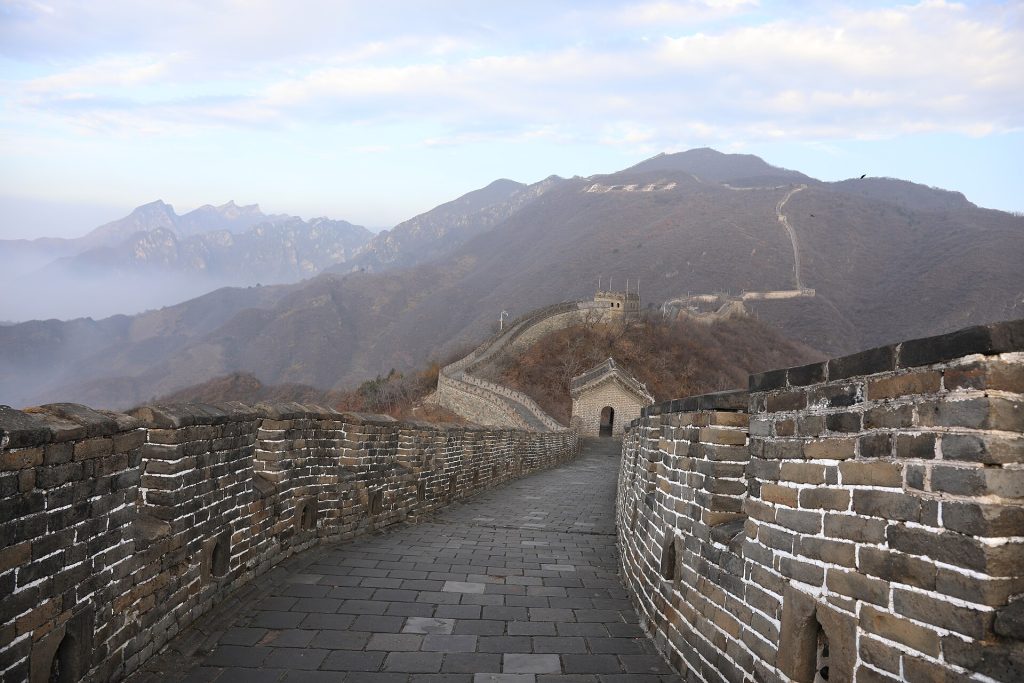
Your ascent and descent choice changes the shape of the day
Mutianyu has more than one way to reach or leave the Wall. A lift-assisted option can protect energy for the part you came to see, while a walking approach adds both exertion and time. There is no universal best choice: it depends on who is traveling, what views you want, and what must happen after the visit.
Decide this before departure, not when the group is already standing at the base. Travelers who want a scenic but controlled visit commonly choose an assisted way up, then set a simple walking section and an agreed meeting time. Travelers who enjoy a longer hike should allow extra flexibility at both ends.
Read the distinctions between the available transport experiences in our Mutianyu cable car, chairlift, and toboggan guide. The practical lesson is that the route is part of the schedule, not a last-minute add-on.
Plan your on-Wall route before the photos start
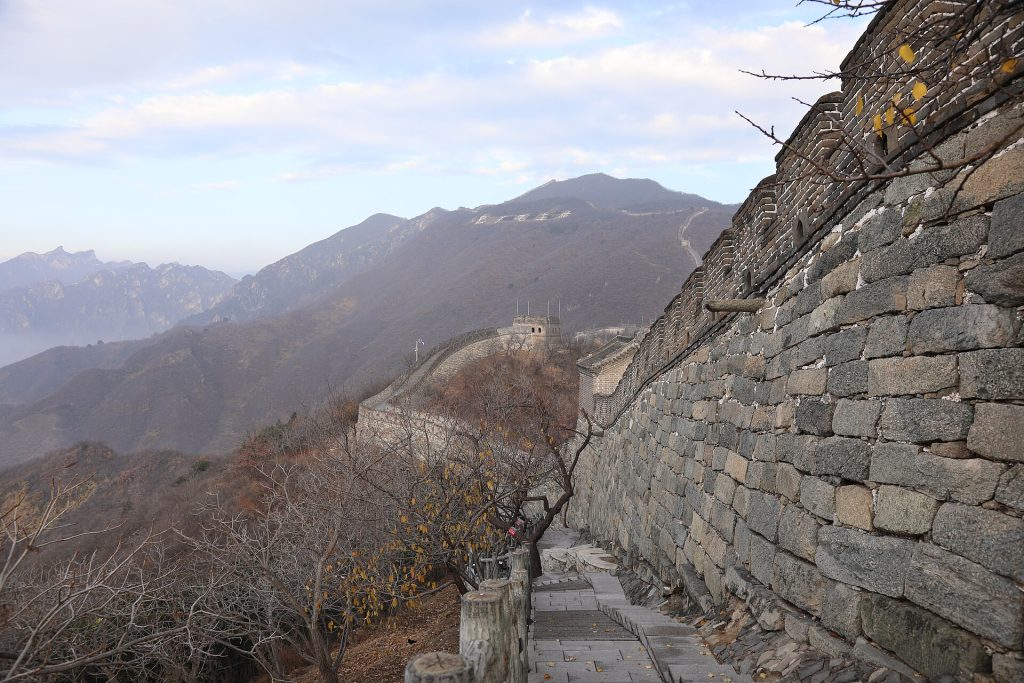
The Wall is not a flat promenade. Tower steps, changing gradients, viewpoints, wind, and fellow visitors determine how far a route feels. Rather than asking how many towers you “should” cover, choose an out-and-back section that matches your group’s pace and leave space for a slower return.
A good approach is to name a turnaround point before you start. That gives a family or small group a shared decision rule: if you reach the point feeling fresh, you can enjoy the return; if someone needs a rest sooner, you turn around without making the schedule collapse. This is particularly valuable when a driver, restaurant reservation, or evening train is waiting in Beijing.
Arrival, ticketing, and the entrance are part of the clock
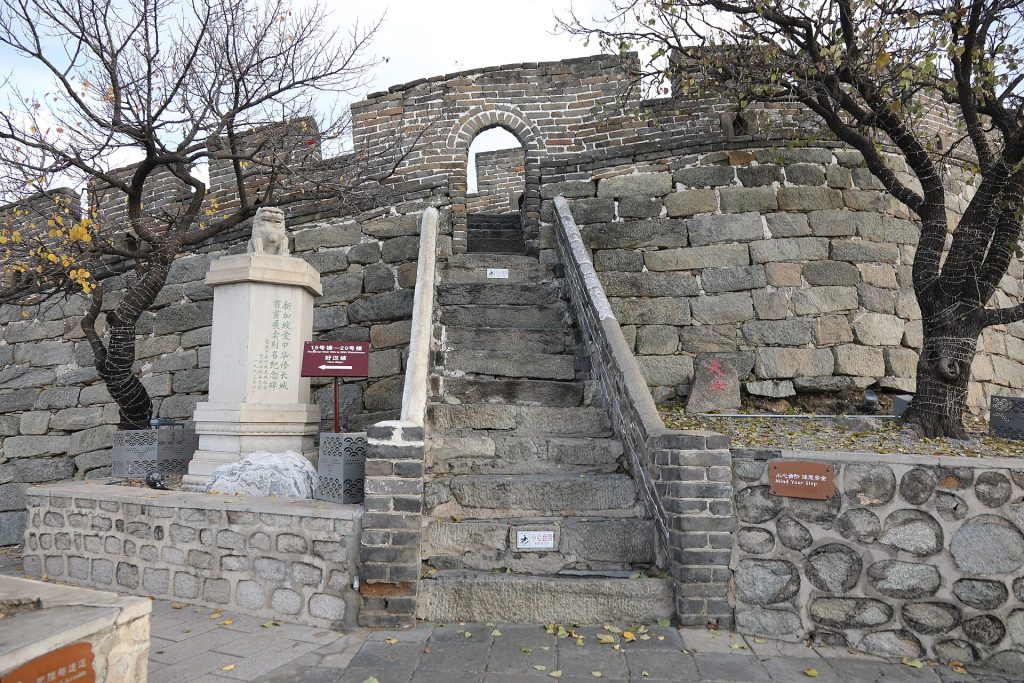
Many rushed itineraries forget the transition from vehicle to Wall. Allow time to find the correct entry, organize tickets, use facilities, get water, meet companions, and understand the route. These small stages are easy to ignore in a spreadsheet and are exactly what cause a tightly timed day to slip.
For a first-time visitor, it is useful to read the current process before leaving Beijing. Our Mutianyu opening-hours and visitor guide explains the planning checks that should be made close to the date of travel. Avoid basing a schedule on an old screenshot, an outdated tour listing, or another traveler’s timing from a different season.
Hotel pickup and return: where private transport helps
Independent travel can work well when you enjoy navigating and have a flexible day. But the time cost is broader than the journey itself: you need to find the right connection, allow for waiting and transfers, and protect enough margin for the return. This matters most when your Beijing hotel is far from your departure point or your group has luggage, children, or mobility considerations.
A private driver does not remove weather, queues, or the need to walk at a sensible pace. It does make the day easier to control: pickup is from the address you actually have, the return starts when your group is ready, and there is less uncertainty about the final connection back into the city. See what that service format normally covers in our Great Wall tour from a Beijing hotel guide.
Can you visit before a train or flight?
Only choose a same-day connection when you can tolerate the plan becoming slower than expected. A later commitment requires enough buffer for every stage: returning from the Wall, traffic into Beijing, collecting luggage if needed, station or airport arrival procedures, and the possibility that your group takes longer than planned.
For most travelers, the safest option is to place Mutianyu on a day without a non-refundable departure. If you must combine them, make the Wall portion deliberately shorter, choose the most reliable transport arrangement available to you, and do not plan to arrive at the station or airport at the last acceptable moment. Visitors traveling with bags can also use the considerations in our Great Wall day trip with luggage guide.
A simple timing checklist before you leave Beijing
- Confirm your hotel pickup point, not just the neighborhood name.
- Choose your ascent and descent approach before arrival.
- Set an on-Wall turnaround point that suits the least-fast member of the group.
- Keep a buffer for entry, photos, toilets, food, queues, and the return to Beijing.
- Check current conditions and do not rely on old fixed hours or prices.
- Protect extra margin if you have a train, flight, evening show, or important reservation.
The bottom line
Mutianyu can work beautifully as a partial-day experience, but only when the full journey is planned rather than just the Wall walk. For a relaxed first visit, give the day enough space for arrival, a sensible route, and an unhurried return. For a tighter schedule, simplify the route, decide transport in advance, and protect the commitment that follows.
Still deciding how much time to reserve? Compare the broader timing considerations in How Much Time Do You Need at the Great Wall?, then choose a Mutianyu plan that fits your actual Beijing itinerary.