
If you have already seen Mutianyu, a second Great Wall trip should feel meaningfully different. Jinshanling can do that: its watchtowers, longer ridgelines, and more open sense of distance create a different kind of day. The tradeoff is that it needs more commitment in transport, pacing, and route choice.
That does not make Jinshanling automatically better. It makes it a strong choice for a return visitor who wants the wall itself to be the main event, rather than one part of a packed Beijing sightseeing day.
What feels different from Mutianyu
Mutianyu is often the right first choice because it is practical, polished, and flexible. You can read our Mutianyu planning guide for that first-visit logic. Jinshanling feels more spacious and more linear: the walk invites you to notice the changing watchtowers, the terrain, and the stretches of wall ahead.
For someone who has already done a short restored-section visit, that shift can be exactly the point. You are not trying to recreate the first photo; you are choosing a different pace and visual character.
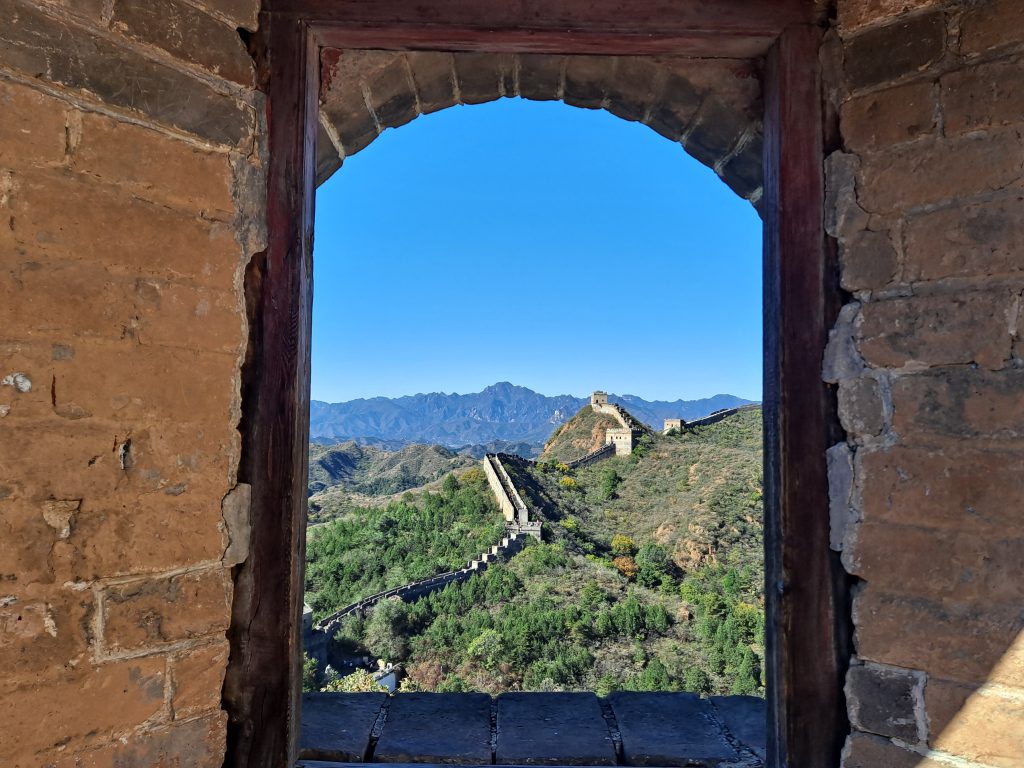
Who should choose Jinshanling
Jinshanling is a good fit when you have a full day, are comfortable with uneven surfaces and repeated climbs, and would rather walk thoughtfully than rush through a checklist. It is especially worthwhile for return visitors, photography-focused travelers, and small private groups who can set their own pace.
It is a weaker fit if you have a short Beijing window, need the simplest possible logistics, or want a visit with many easy exit options. In that case, Mutianyu or Badaling may be the better choice even if you have already seen one of them. The comparison of Mutianyu versus Jinshanling is useful when you are still deciding between comfort and distance.
Plan transport before choosing the walking route
The longer journey is the practical difference. A driver can be worth more here than on a closer section because it protects the useful hours on the wall and gives you a known return point. A guide is optional, but can add value if you want help selecting a route or understanding the tower sequence. Use our driver-only versus guide guide to choose the right service level.
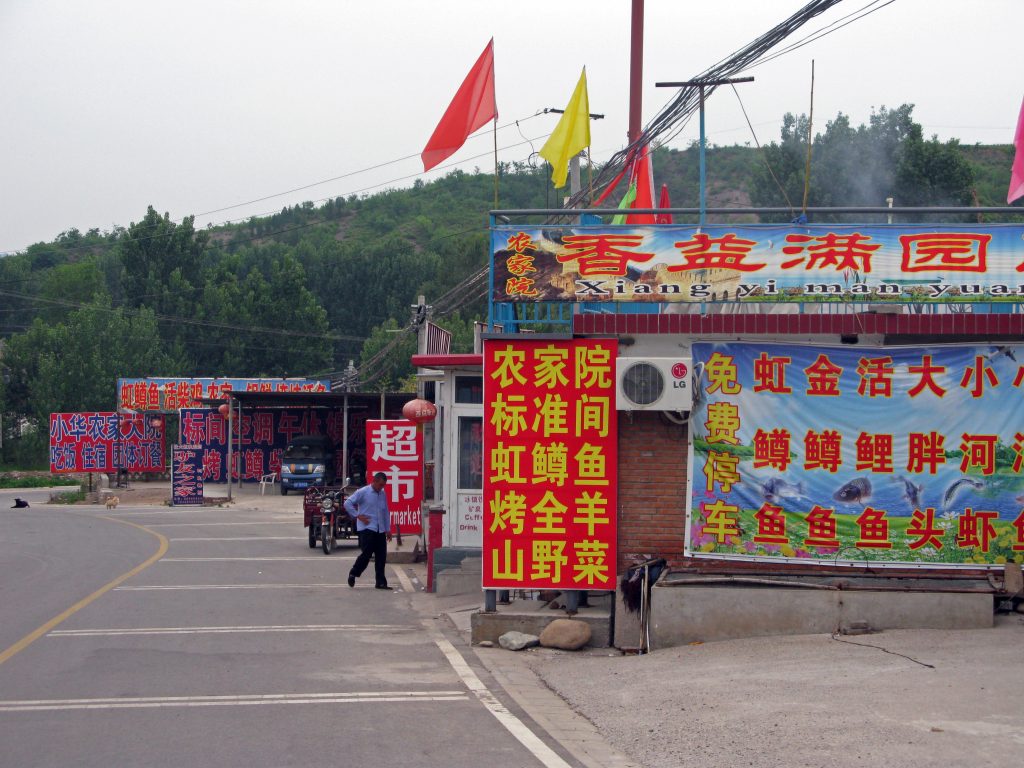
Do not treat a private car as a reason to overextend the walk. Its real value is flexibility: you can finish a sensible section without trying to make an awkward public-transport connection.
Make the walk the right size
Jinshanling has enough visual variety that a shorter, well-chosen route can still feel complete. Choose a turnaround point before you start, keep enough water for a longer outdoor day, and remember that the descent can take as much concentration as the climb. The broader beginner hiking guide helps set realistic expectations, even if you are not planning a full hike.
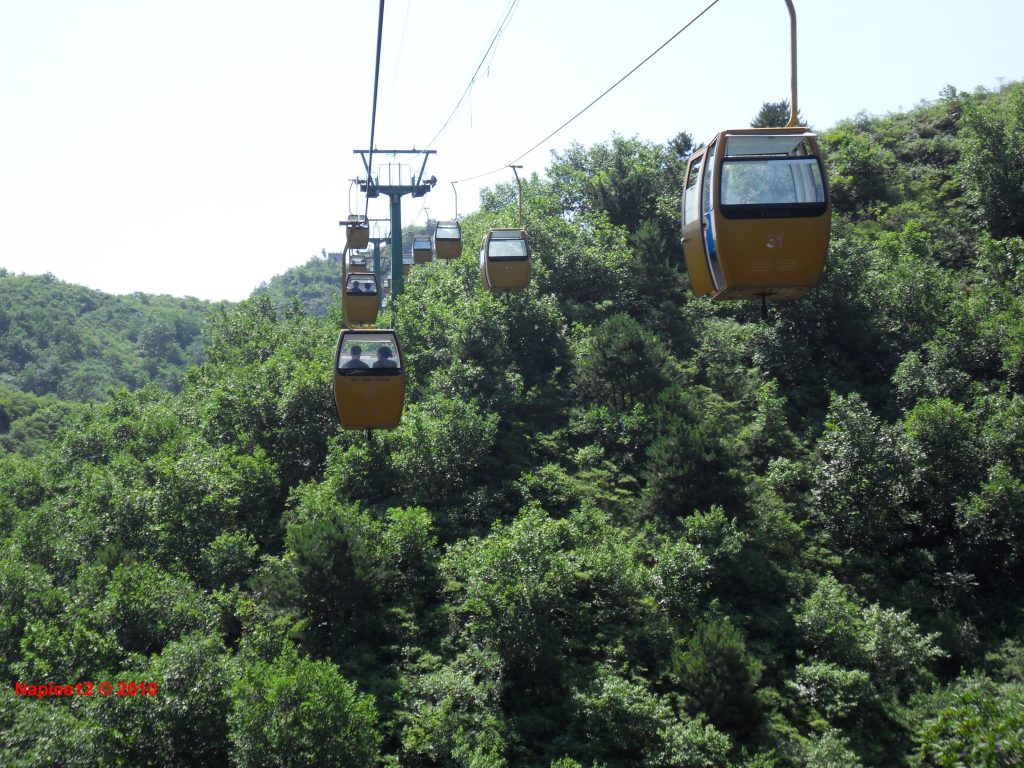
Some visitors use lift access to manage energy. Review the options at the site when planning your route, then let conditions and your group decide rather than treating the longest possible walk as the only successful outcome.
A better second-visit mindset
On a return visit, leave more room for observation. Stop at watchtowers, photograph changing lines of the wall, and let the landscape set the pace. For detailed route ideas, see the Gubeikou to Jinshanling hiking guide; it is for visitors intentionally planning a more demanding route, not a requirement for enjoying Jinshanling.
Jinshanling is worth the extra time when you want a second Great Wall day that feels less like a repeat and more like a deeper look at the landscape. Give it a full day, choose transport that supports the plan, and set a route that leaves you energy to enjoy the views.