
For a first Great Wall hike, the hardest decision is usually not whether to go. It is deciding what “hiking” should mean for your day. A long scenic walk on a restored section, a steep but short climb to a watchtower, and a remote ridge route can all look like the same trip in photographs. They do not ask the same thing from your legs, your timing, or your transport plan.
This guide helps first-time visitors choose a route they can enjoy without turning a day out of Beijing into an endurance test. It is not a replacement for the detailed route guides; use it first to choose the right level, then open the specific section guide that fits.
Start by separating a wall walk from a true hike
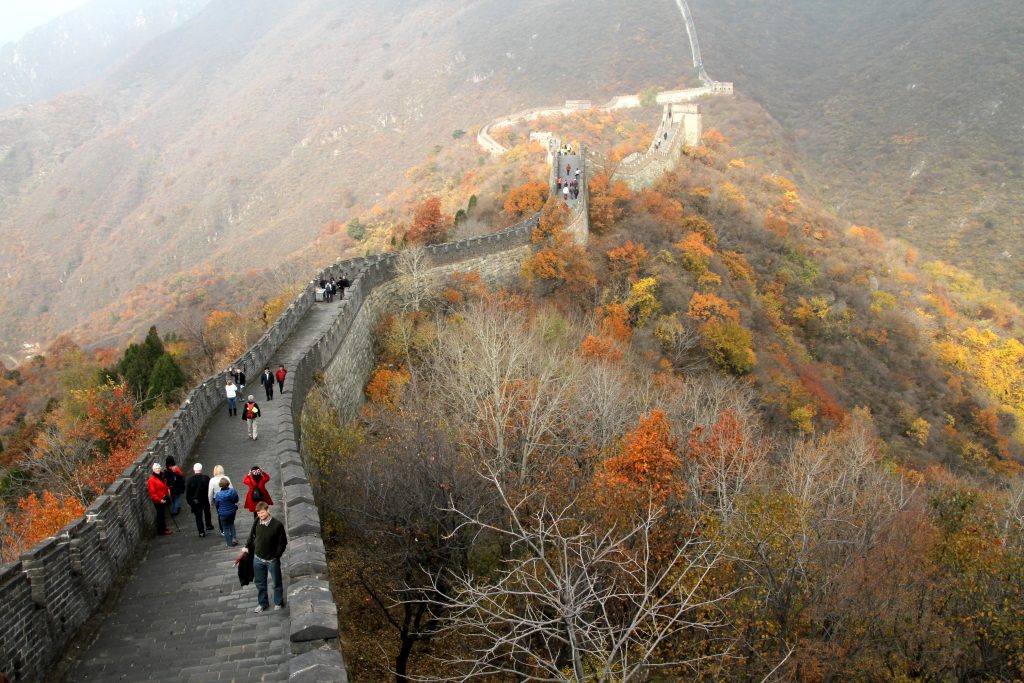
A beginner-friendly wall walk usually has a managed entrance, clear direction, food and toilets near the start, and a realistic point where you can turn around. At Mutianyu or a comparable restored section, you can spend an hour or two walking, pause often, and choose a short out-and-back route. That is still a rewarding Great Wall experience.
A true hike normally means sustained elevation changes, a longer commitment after you begin, and fewer easy exits. Routes such as the Gubeikou to Jinshanling hike or the Jiankou to Mutianyu route are excellent for visitors who have chosen them deliberately. They should not be the default just because you want fewer crowds or more dramatic photos.
Choose your first route by exit options, not by the longest view
For beginners, pick a section where you can shorten the plan without losing the day. A restored wall lets you set a turnaround point after one or two watchtowers, rather than committing to a named end point. On a first visit, that flexibility is more valuable than claiming a long route.
Before leaving Beijing, answer three practical questions:
- Can everyone in the group comfortably climb repeated flights of stairs and walk back down them?
- Would a shorter route still feel successful if the weather is hot, windy, or crowded?
- Do you know how you will return to the entrance or meet your vehicle if someone stops early?
If any answer is uncertain, start with the managed section. You can always come back for a longer hiking day after you understand how the stairs and distances feel in person.
Use lift access as a pacing tool, not a shortcut to a harder route
At sections with lift options, choosing an uphill lift can preserve energy for the part of the wall you actually want to walk. It is often a better first-day decision than spending your best energy on the approach. Our guide to Mutianyu cable car, chairlift, and toboggan choices explains the options and the parts of the wall they serve.
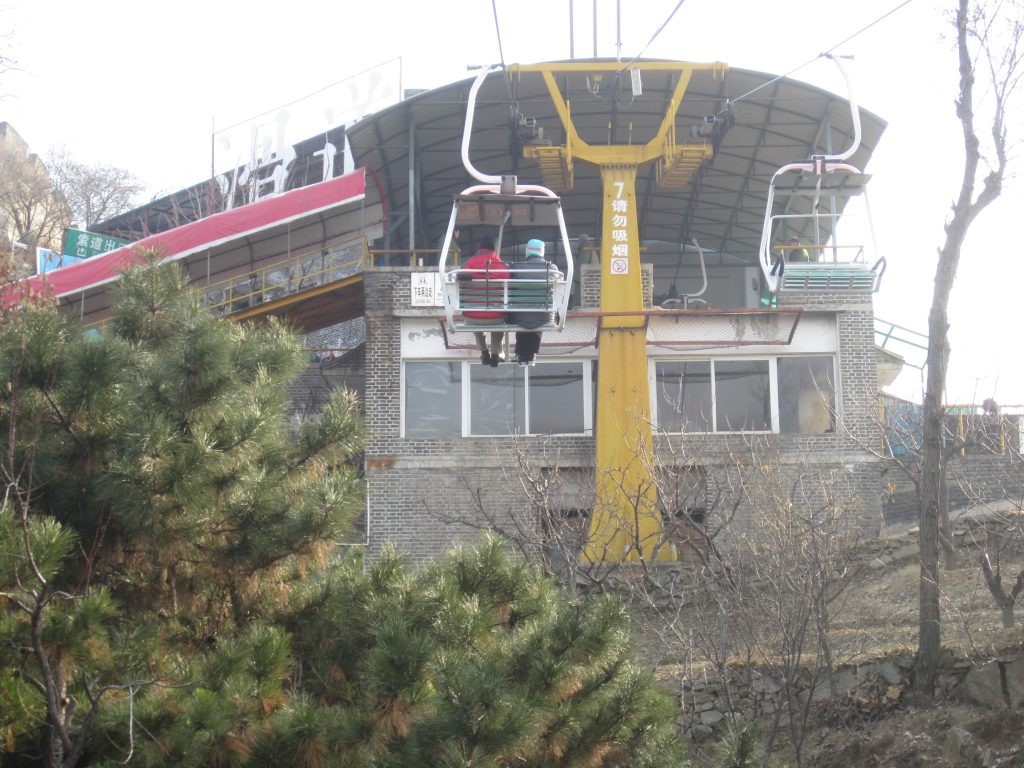
That does not make every route easy. Once on the wall, elevation is still real. Think of a lift as a way to control the size of the day: ride up, walk a chosen section at a steady pace, and take the planned way down. For visitors traveling without a tour, this is often easier to organize than a long point-to-point hike; see how to visit the Great Wall without a tour for the broader transport tradeoffs.
Read stairs, surfaces, and weather honestly
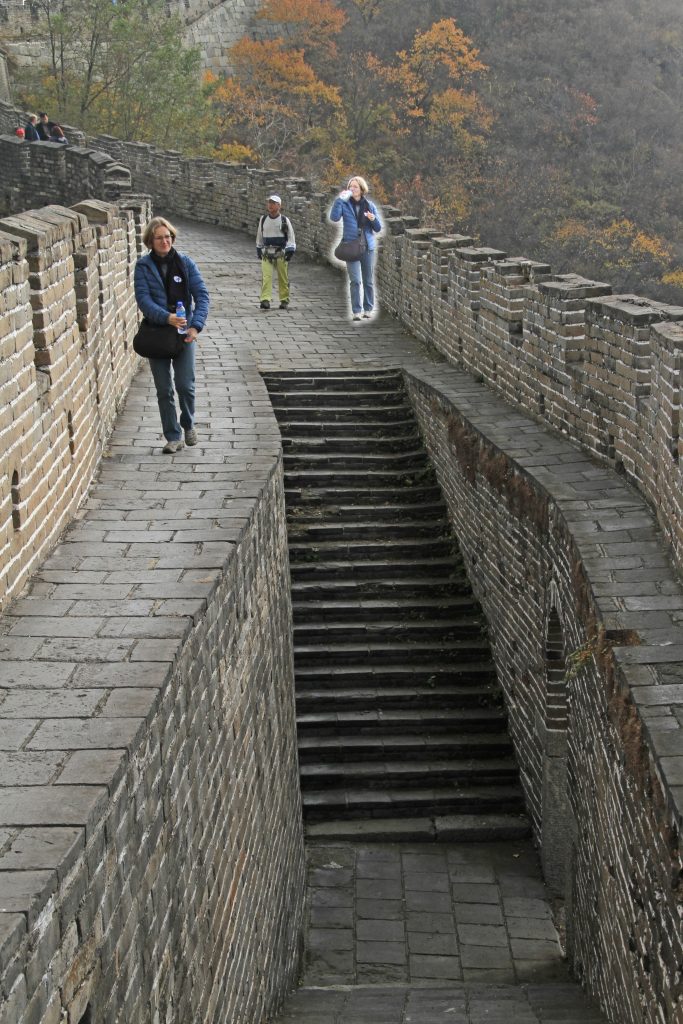
Great Wall steps are not a staircase in a city building. Step height varies, surfaces can be uneven, and a descent can feel tougher than the climb. A route that is comfortable in cool, dry weather may be a poor first choice in strong heat, rain, or ice. Wear shoes with grip, bring water, and give yourself enough daylight to leave without rushing.
For a first hiking-style visit, skip the temptation to move from a restored section onto an unmaintained-looking side path. Compare Mutianyu and Jiankou before treating them as interchangeable. One is a straightforward visitor experience; the other needs a more considered route plan, conditions check, and honest assessment of your experience.
When a driver or guide is worth it
A private driver can be worthwhile when your group needs a firm pickup time, wants to minimize navigation, or may finish earlier than expected. A guide becomes more useful when you are choosing a less obvious route, coordinating different walking speeds, or want route context while you walk. The practical difference is covered in driver-only versus guide service.
Neither service changes the terrain. The value is reducing the decisions around it: where to start, where to meet afterward, and when to stop. For a novice group, that can be the difference between a calm, flexible day and pushing on because the return plan is unclear.
A simple first-hike plan
- Choose a restored section with an easy turnaround point.
- Set a modest walking goal before you arrive, then reassess after the first sustained climb.
- Keep a lift or other return option in the plan when available.
- Bring the basics from our Great Wall packing list, especially water, sun protection, and a light layer.
- Save remote or full-day ridge hikes for a later visit when the group wants that commitment.
The best beginner route is the one that lets you look up, take photographs, and remember the wall rather than only watching the next step. Start manageable, leave room to adapt, and use the more demanding hiking guides when you are ready for them.