
Most first visits to the Great Wall do not need two days. A well-planned day at Mutianyu or Badaling is often more efficient than adding an overnight simply because the wall feels important. A two-day itinerary becomes worthwhile when the overnight creates a better experience: an evening at Simatai, an unhurried Jinshanling walk, a remote hiking rhythm, or a longer trip toward Shanhaiguan.
The key is to make the overnight part of the itinerary rather than a hotel stop inserted after a long transfer. If day two will only repeat the same visitor route with no extra value, keep the trip as a day tour and use the saved time in Beijing. Our one-day Great Wall guide is the right baseline for that decision.
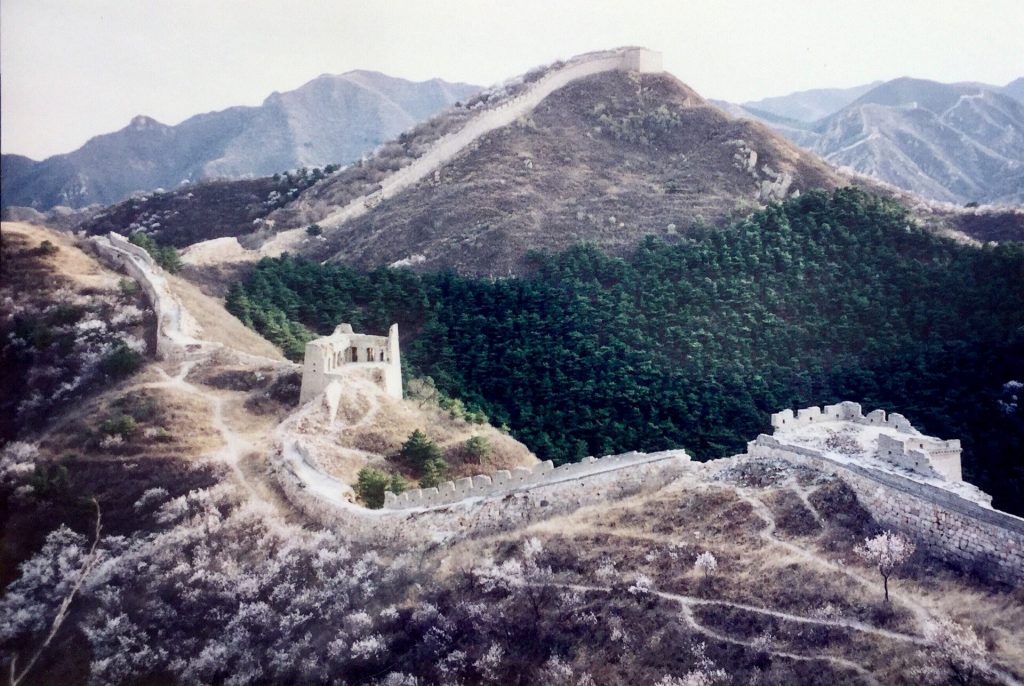
When should you stay overnight near the Great Wall?
- Stay overnight when you want an evening experience, a slower hiking-focused day, early or late light for photography, or a destination that is not ideal to rush from central Beijing.
- Keep it to one day when your priority is simply seeing the wall for the first time, your Beijing schedule is short, or your preferred section has convenient return transport.
- Do not decide by distance alone. A shorter drive can still feel rushed if the group needs a slow pace, while a longer route can be worthwhile when the overnight removes the return pressure.
For visitors who are unsure, begin with the question: what will I do differently on day two? A clear answer could be a second wall section, a night view, a long ridge walk, or coastal history near Shanhaiguan. Without that answer, a day trip is usually the stronger plan.
Pattern 1: Simatai and Gubei Water Town overnight
This is the most natural overnight choice for travelers who want to turn a wall visit into an evening experience. Day one can focus on arrival, the town setting, and the wall when appropriate; day two can be a slower morning before returning to Beijing. It avoids trying to squeeze an evening atmosphere and a long city return into the same day.
The key choice is whether you want a direct private transfer, a driver who waits, or a plan that includes the overnight stay. Read our Simatai night-tour guide for the specific trade-offs, and our where to stay guide for the broader location decision.
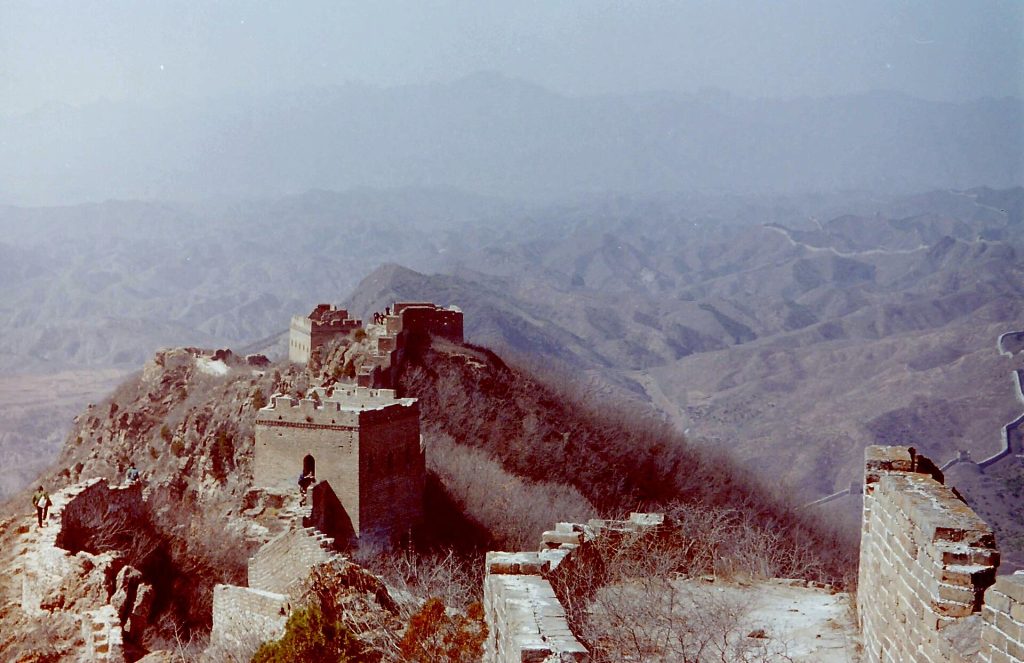
Pattern 2: Jinshanling at a hiking pace
Jinshanling rewards travelers who want to spend more time walking rather than just reach a famous watchtower and turn back. An overnight can make sense when you want to break the journey into a relaxed arrival day and a full walking day, or when a group has different hiking speeds and does not want the return to Beijing hanging over every decision.
Do not treat this as an excuse to attempt a route beyond your fitness, conditions, or permissions. Choose a legal, managed access plan and agree on the transport and meeting points before setting out. The Jinshanling driver, guide, and hiking plan helps define where a private vehicle or guide is useful.
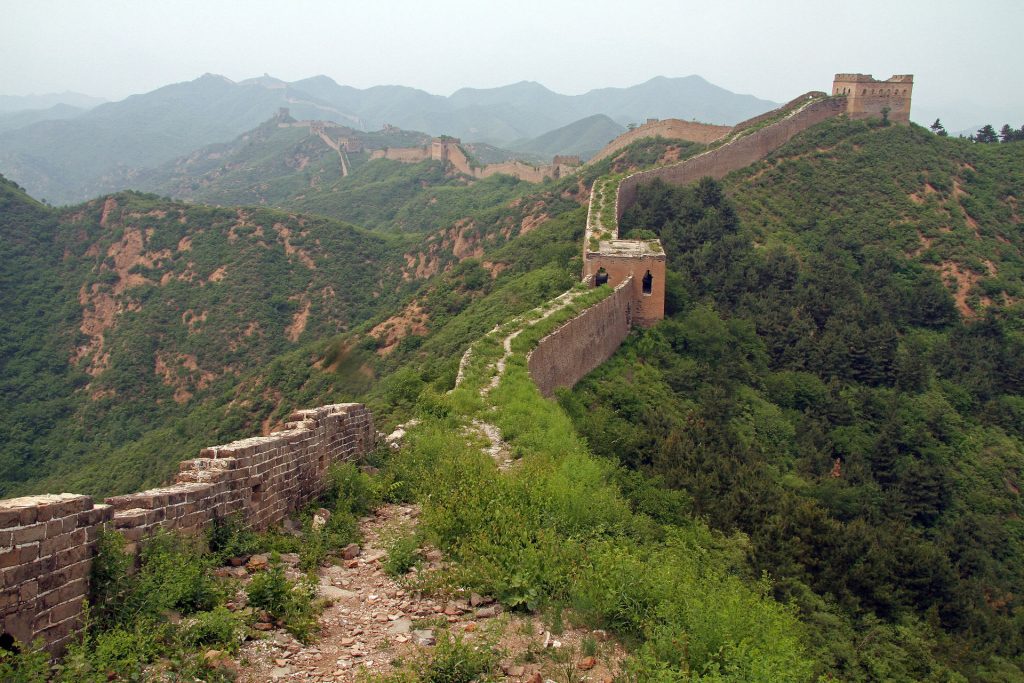
Pattern 3: Shanhaiguan and the coast
Shanhaiguan is a different kind of Great Wall trip. The appeal is not just a mountain ridge outside Beijing, but the history of the eastern pass and the coast. Because travel time is longer, this is one of the clearest cases for a true two-day plan rather than a stretched day tour. Pair the wall with the old pass and nearby coastal context, then return without treating the second day as a race.
It is best for travelers who already have a little time in China and want a broader Great Wall story. If your only goal is an iconic Beijing-area wall walk, Mutianyu or Badaling may still be better choices.
Transport: private driver, train, or self-guided?
A two-day itinerary increases the value of clear transport because a missed connection affects both days. A private driver is useful when you need direct hotel pickup, a remote wall section, or flexible stops. Train-based travel can work where the route is established and your accommodation is convenient. DIY is best for confident travelers who can keep the lodging, tickets, and return plan simple.
Compare the service levels with our private transfer, group tour, and DIY guide. For a trip with a guide, consider whether you need interpretation and route context, not just a person in the vehicle; our driver-only versus guide comparison explains the difference.
A workable two-day structure
- Day 1: leave Beijing with a realistic transfer window, arrive without rushing, complete the first wall or town experience, and settle into the overnight location.
- Evening: confirm the next day's pickup, walking plan, weather check, and breakfast or departure timing before going offline.
- Day 2: do the slower activity that justified the overnight, then leave enough buffer for the Beijing return.
- Before booking: make sure every guest knows which hotel is included, where luggage will be, and what happens if weather changes the walking plan.
Keep mobile data available for driver messages, maps, and changing conditions. Our internet guide for China visitors covers the practical setup.
Final recommendation
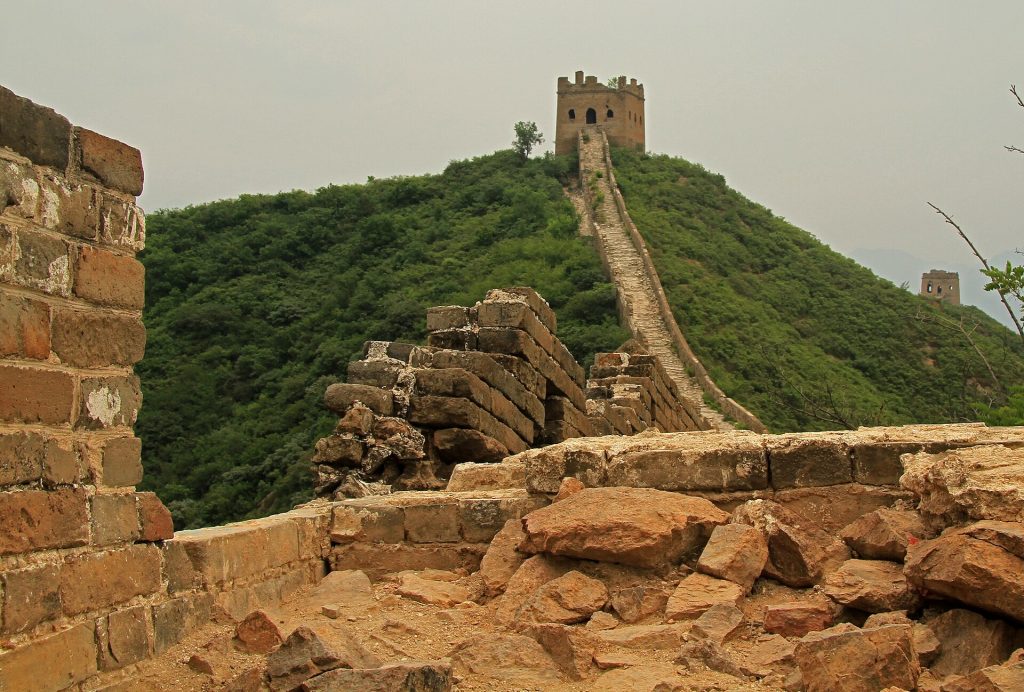
Choose a two-day Great Wall itinerary only when the overnight changes the quality of the trip. Simatai works for an evening-centered stay, Jinshanling for a slower walking pace, and Shanhaiguan for a longer historical and coastal extension. For a first uncomplicated visit, do not overbuild the plan: a well-timed Mutianyu or Badaling day trip is still enough. The best itinerary is the one that gives you time for the wall rather than more transfers around it.